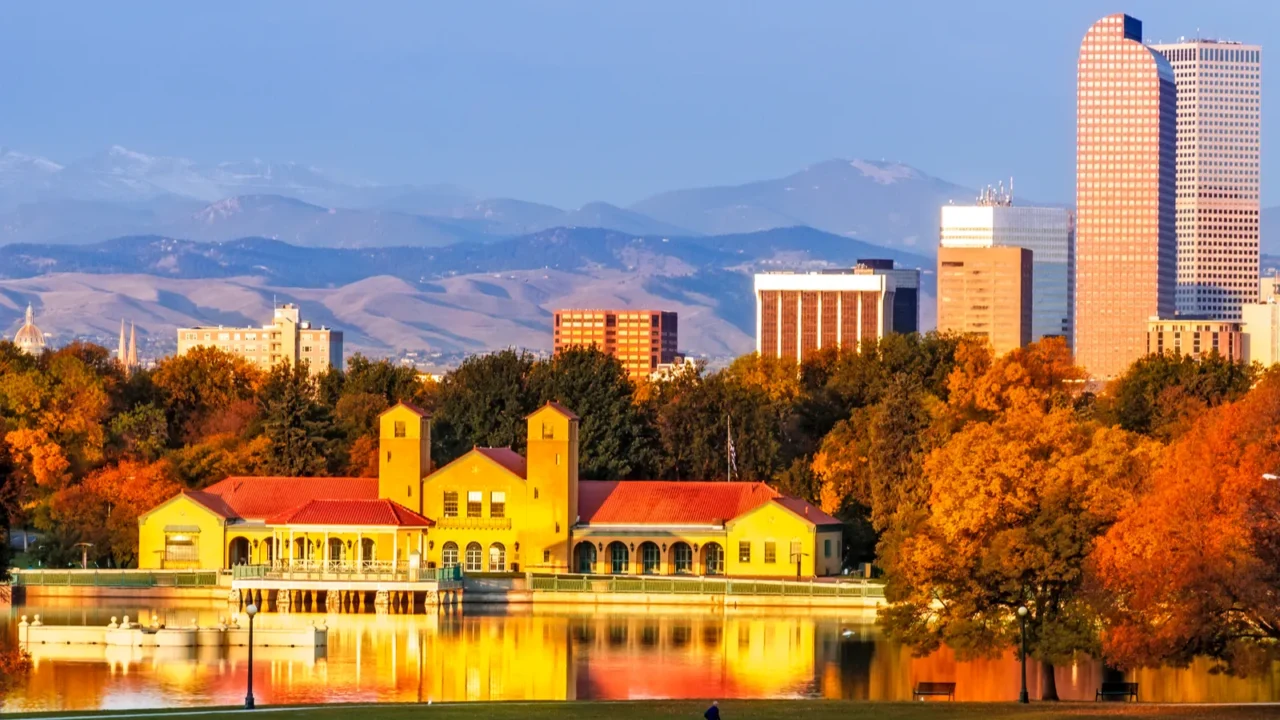
Colorado remote work migration
Colorado continues to attract remote workers and hybrid employees, and that shift is changing lodging and housing patterns in mountain towns across the state. Increased flexibility in work arrangements has drawn professionals to scenic destinations like Aspen and Telluride. This shift has changed both housing demand and travel behavior.
Remote workers are blending travel and daily life in ways that extend traditional tourism stays. Many now seek longer bookings rather than short weekend visits. Let’s get to it!

Mountain towns see changes
Colorado mountain towns such as Aspen and Telluride have seen rising interest from remote professionals. These destinations offer outdoor access and lifestyle appeal alongside connectivity. Lodging providers are adapting to new expectations.
Seasonal travel patterns are shifting as visitors stay for weeks or months. This trend supports a more stable demand across the year. It also changes how accommodations are marketed.
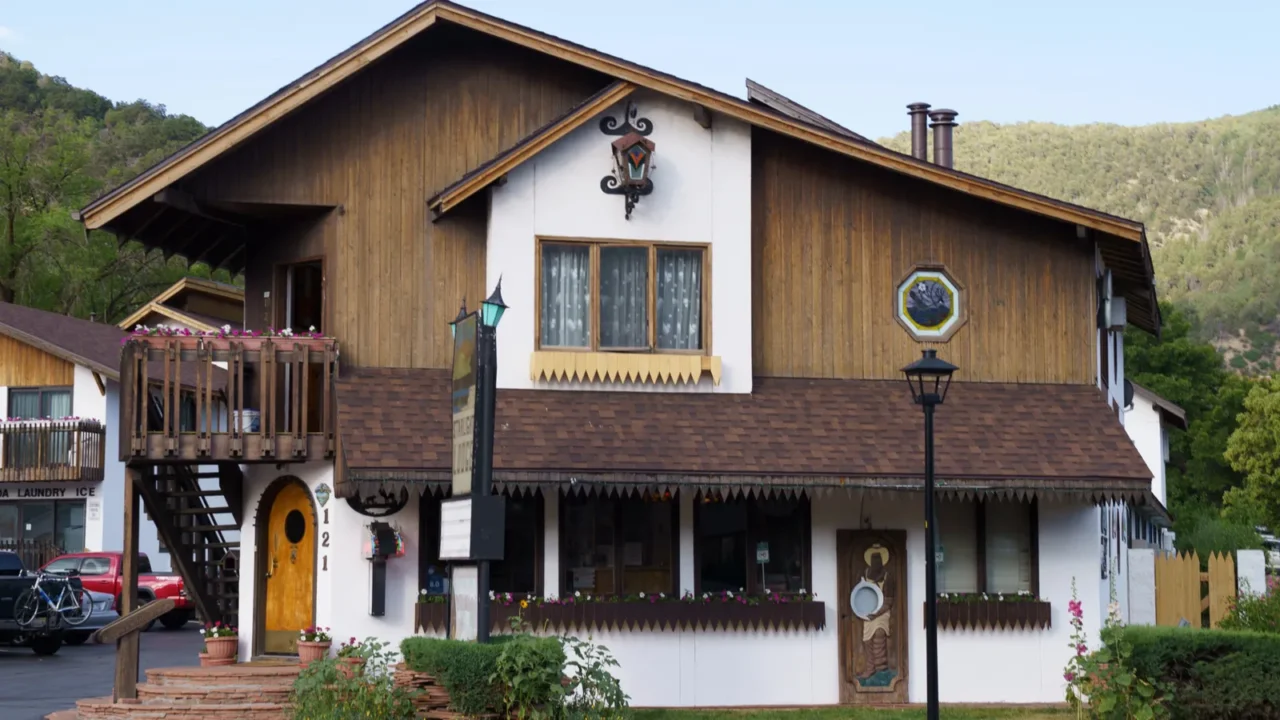
Lodging demand shifts longer
Colorado’s lodging demand increasingly favors extended stays over short visits. Remote workers often book properties for multiple weeks while working from scenic locations. This has created a hybrid model between tourism and relocation.
Hotels and rentals are adjusting pricing structures to accommodate longer bookings. Weekly and monthly rates are becoming more common. This reflects evolving traveler needs in Colorado.
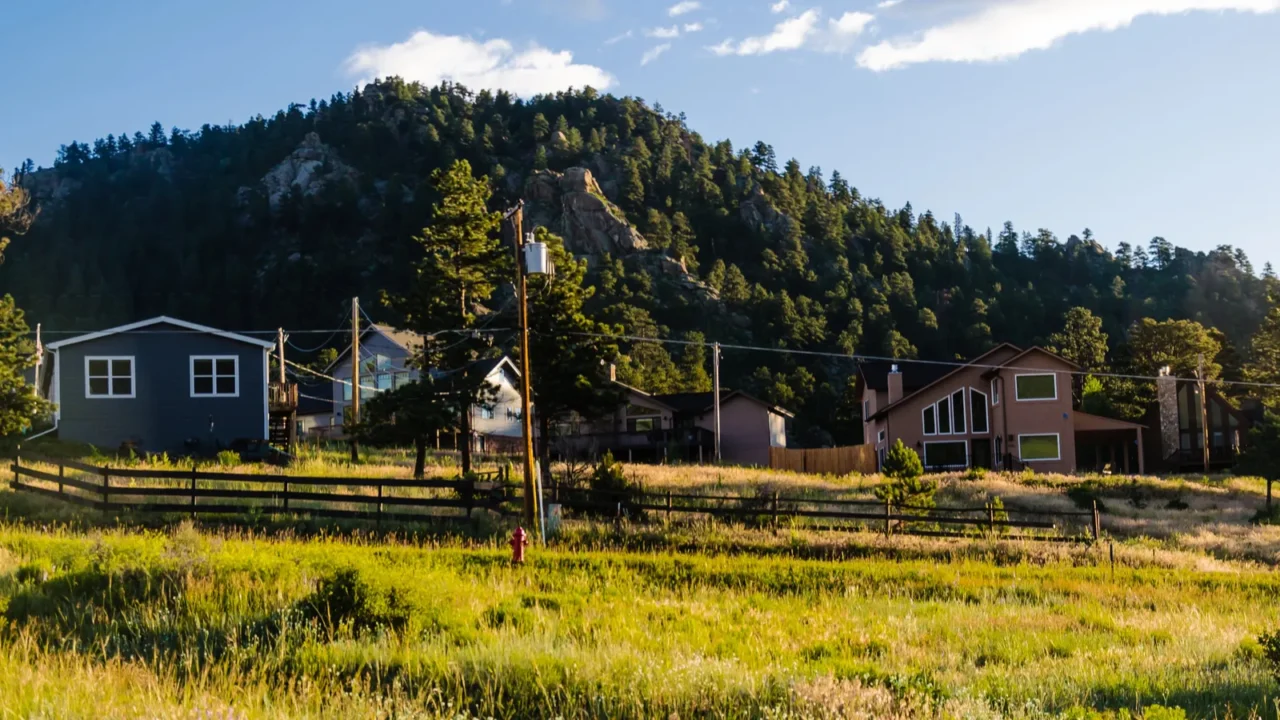
Short term rentals expand
Listings on platforms such as Airbnb and Vrbo have expanded in many mountain communities, and many hosts now highlight reliable internet and workspace features for longer remote stays.
This growth has increased competition with traditional hotels. It has also contributed to higher housing demand in some areas. Local governments are monitoring the impact closely.
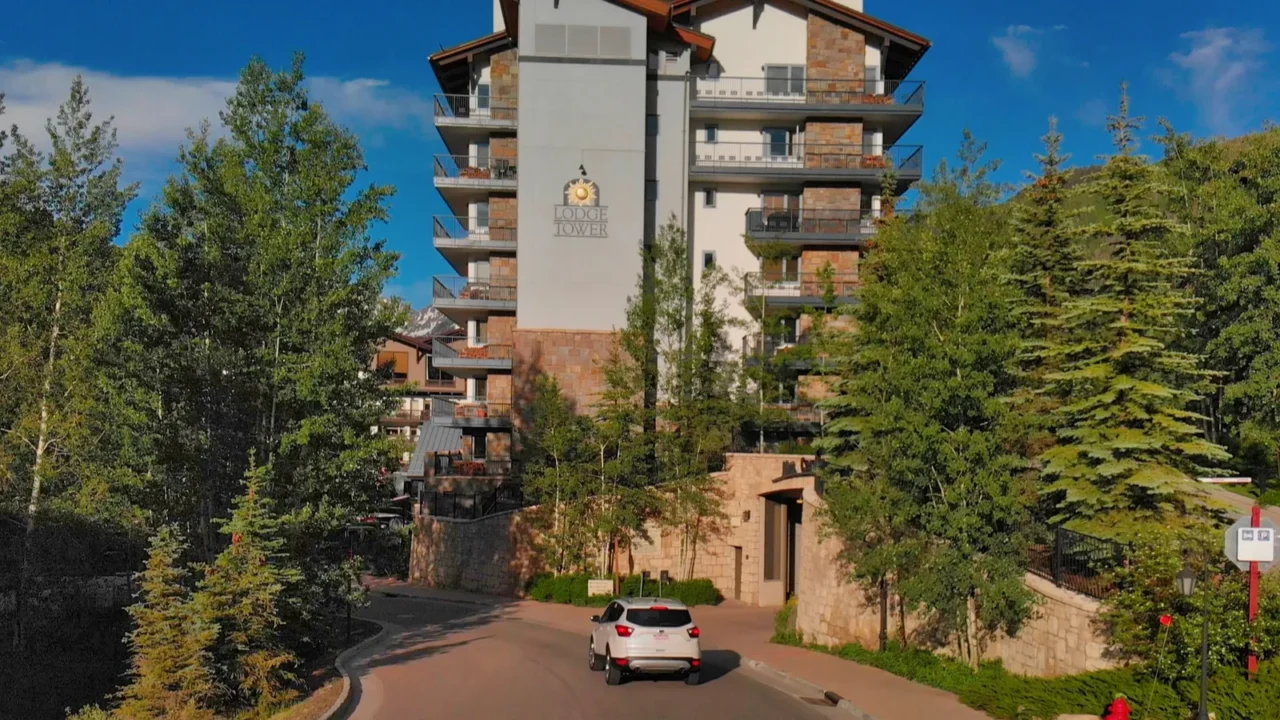
Hotels adapt to trends
Across the hospitality industry, hotels are rolling out extended stay packages and work-friendly spaces such as coworking lounges and enhanced WiFi to attract remote workers, a shift documented in recent industry coverage. These changes help attract longer-stay guests.
Extended stay packages are becoming a key strategy. Guests often combine work schedules with outdoor recreation. This creates a new category of visitor.
Remote stays
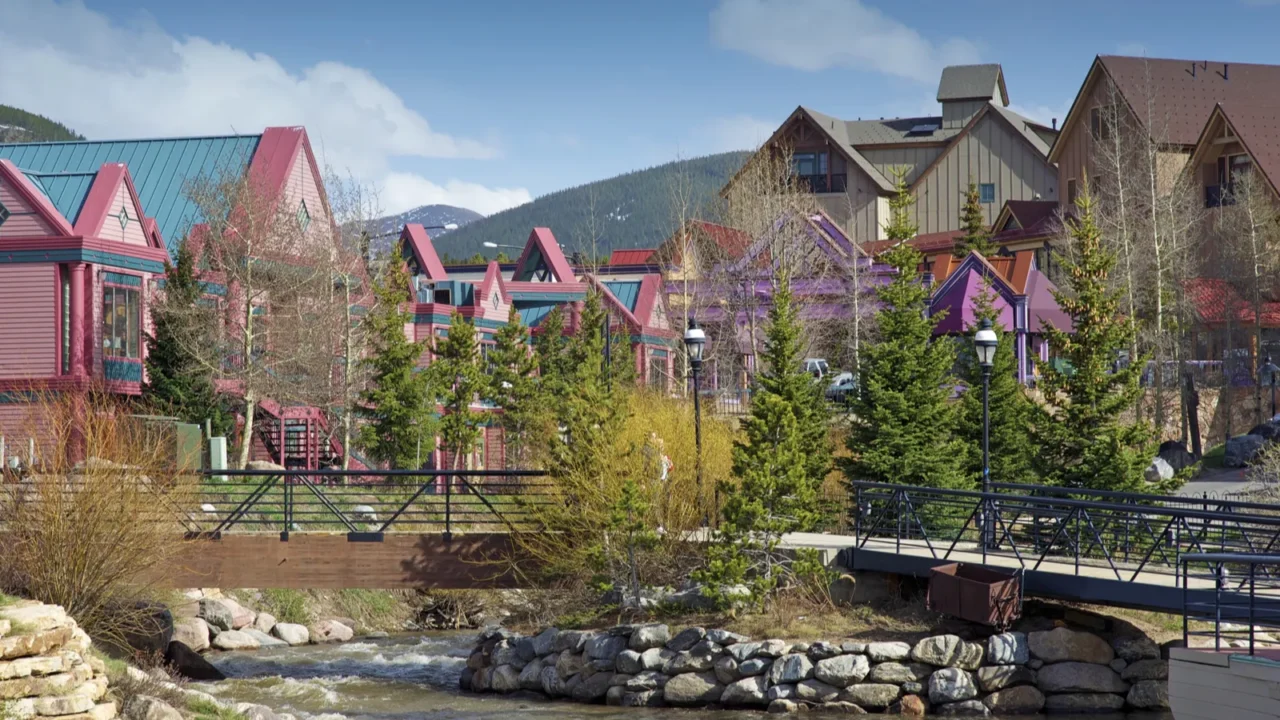
Remote work has significantly extended average stays in mountain destinations like Breckenridge. Some properties report bookings lasting several weeks as workers relocate temporarily. This shift highlights how tourism is evolving beyond traditional short visits.
Longer stays support local businesses year-round rather than just peak seasons. Restaurants and services benefit from steady demand. This helps stabilize small-town economies.
Housing pressure
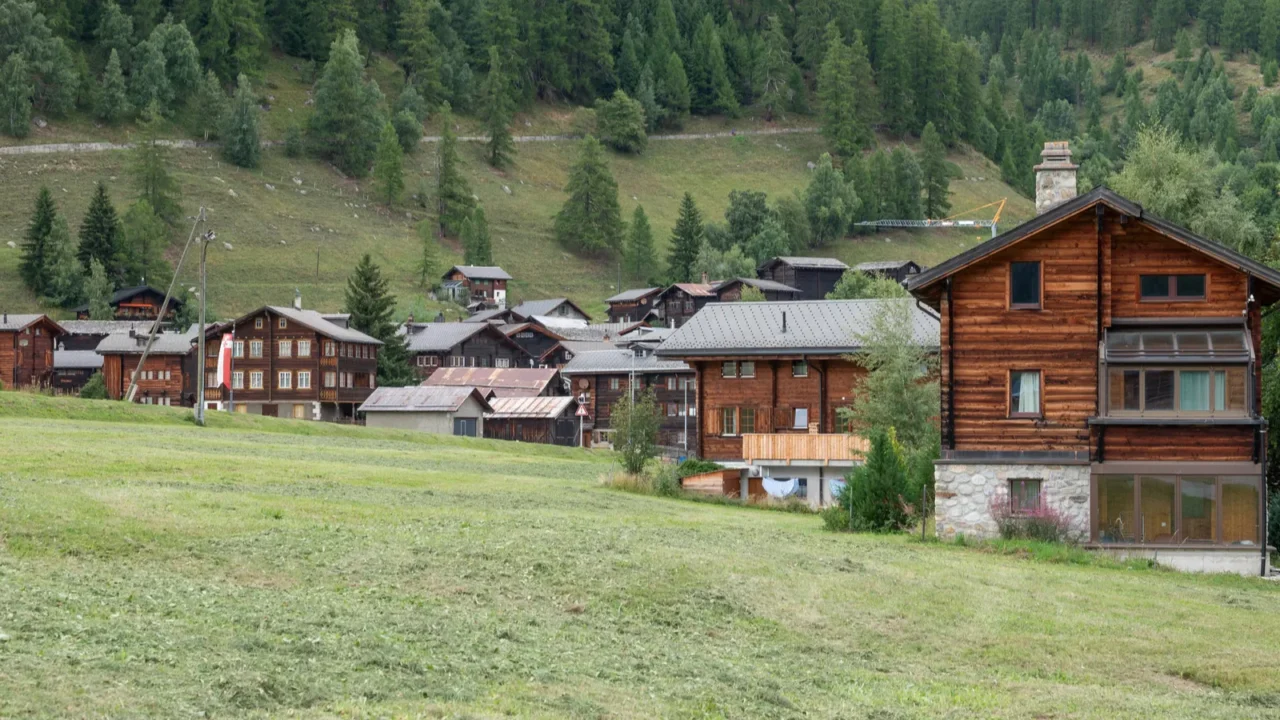
Housing demand has risen in places like Vail due to remote work migration. Reports highlight limited inventory and rising prices. This has created affordability concerns for residents.
Local governments are considering policies to balance tourism and housing needs. Restrictions on short-term rentals are part of ongoing discussions. These decisions shape future development.
Pricing trends in lodging
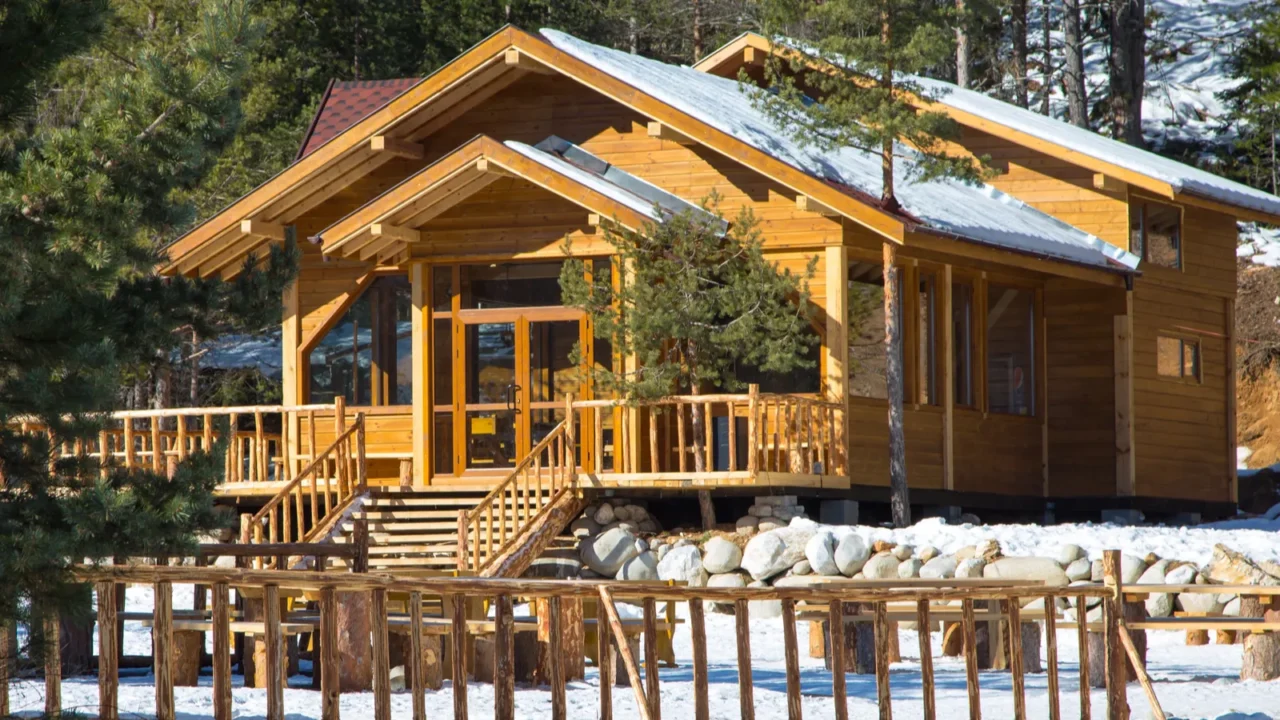
Lodging prices in Colorado mountain towns have become more dynamic. Longer stays often receive discounts, while peak periods remain expensive. Pricing now reflects both tourism and temporary residency demand.
Remote workers may accept higher costs in exchange for lifestyle benefits. Scenic views and outdoor access add value to stays. This influences pricing strategies.
Seasonal demand spreads out
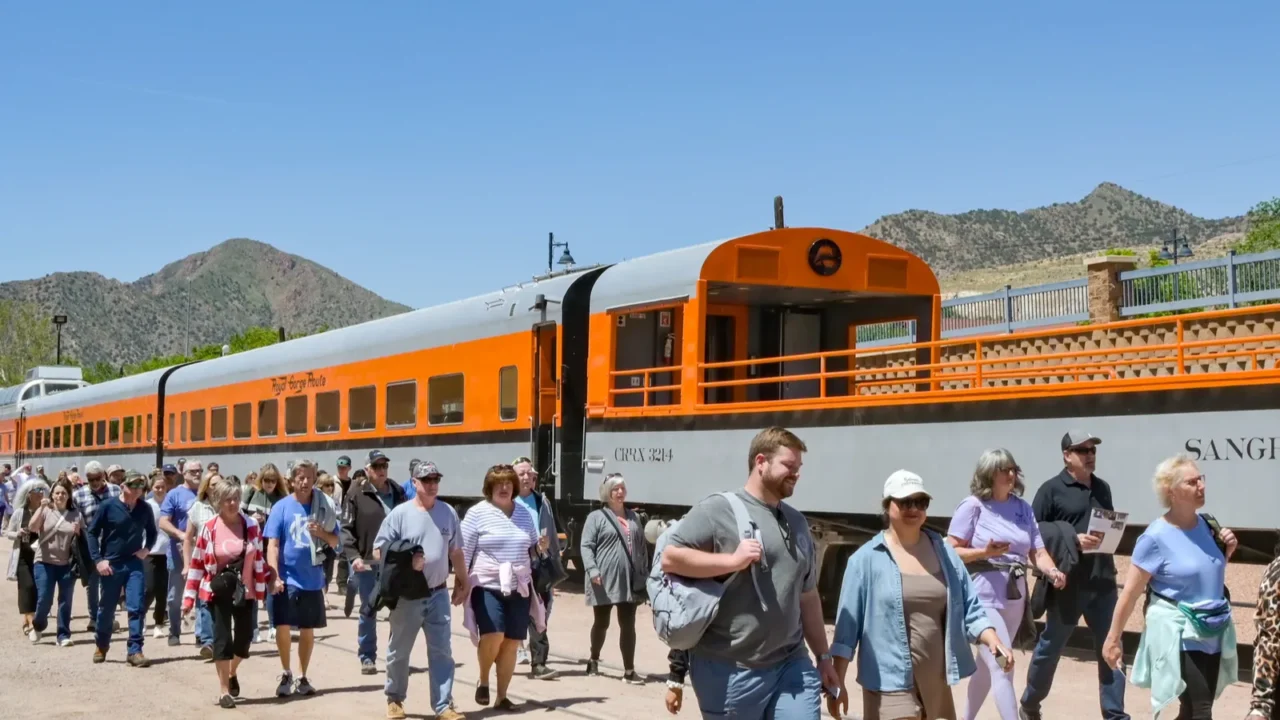
Colorado tourism used to be highly seasonal, focused on winter skiing and summer hiking. Remote work has spread demand more evenly throughout the year. Shoulder seasons are becoming more active.
This helps reduce extreme peaks and valleys in visitor numbers. Businesses benefit from steadier income streams. It also reduces strain during peak months.

Infrastructure and services evolve
Infrastructure in mountain towns is adapting to new demand. High-speed internet has become essential for attracting remote workers. Investments in connectivity are increasing.
Local services are also expanding to meet longer stays. Grocery options, fitness centers, and healthcare access are gaining importance. These changes support a growing resident-like population.
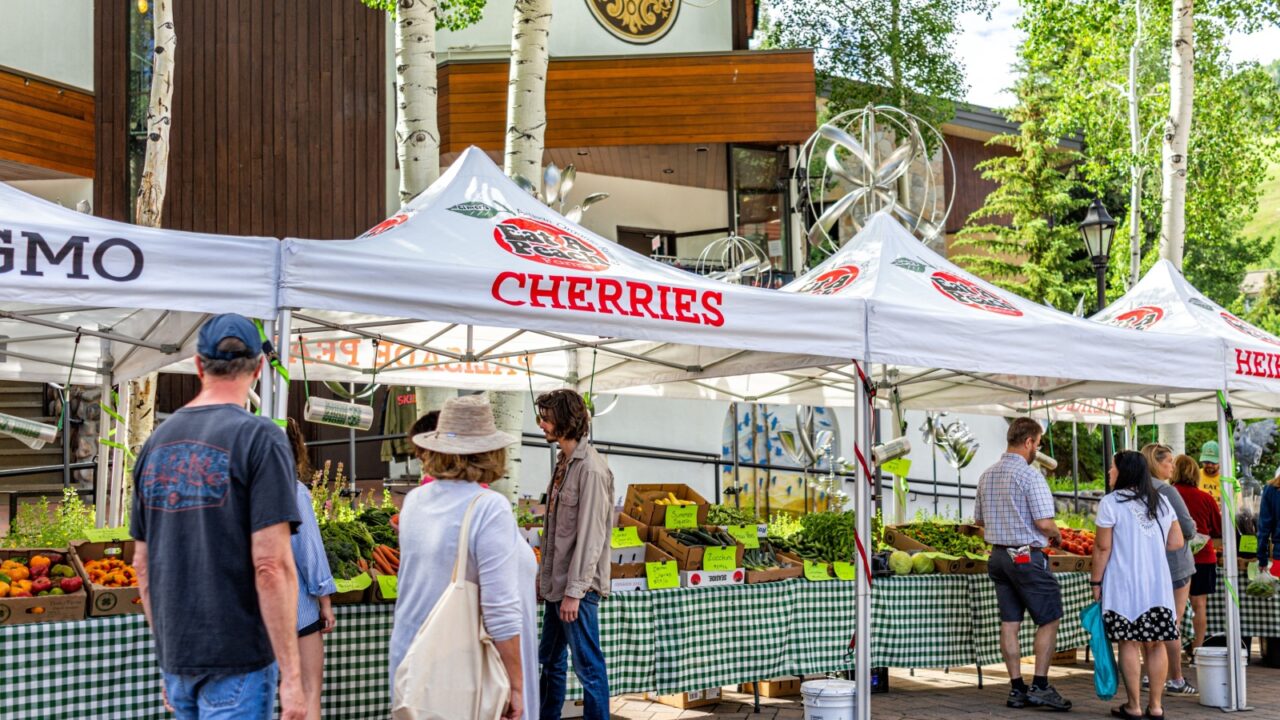
Community impacts and concerns
The influx of remote workers has brought both benefits and challenges. Increased spending supports local economies but also raises housing costs. Communities are balancing growth with sustainability.
Some residents worry about changes to local culture and affordability. Policymakers are exploring solutions to manage growth. These debates continue across Colorado.
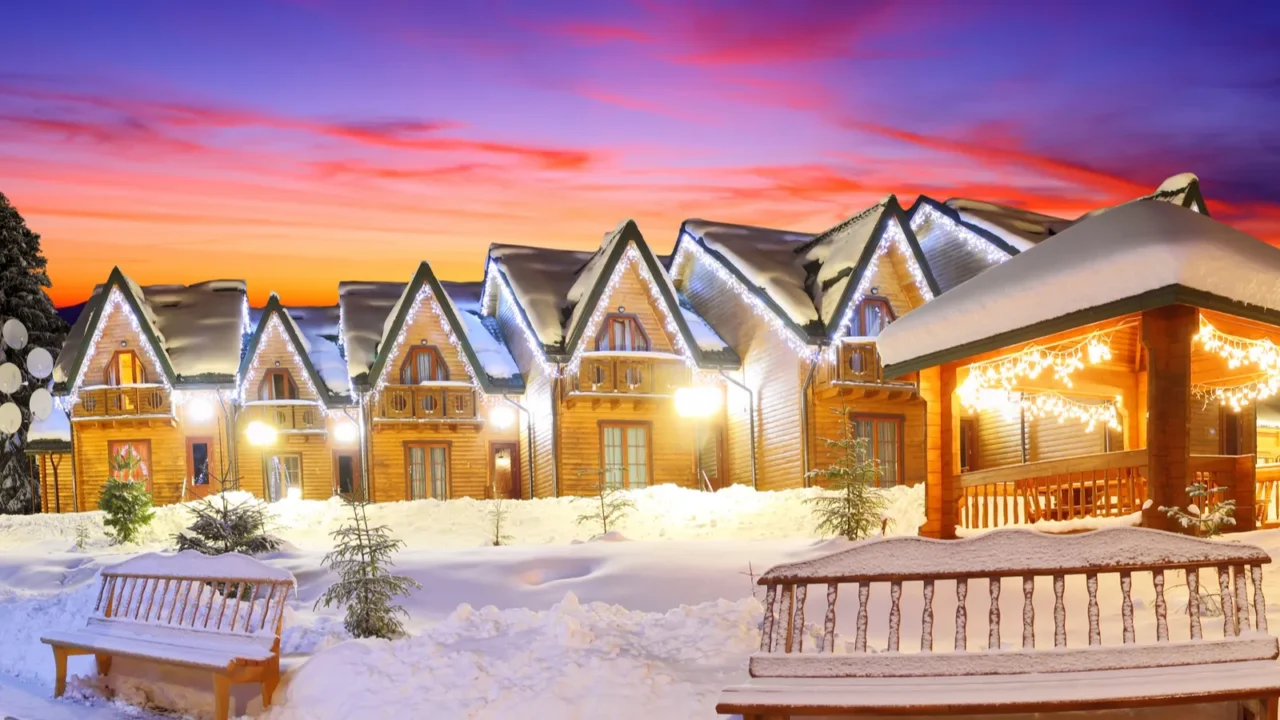
Future of mountain lodging
Colorado’s lodging market is likely to continue evolving with remote work trends. Hybrid travel patterns are expected to remain part of tourism, influencing future development. This shift aligns with global travel inspiration, from Colorado’s mountain stays to luxury eco-lodges in Patagonia for glacier trekking and wellness, highlighting a growing demand for experience-driven accommodations.
New lodging concepts may blend residential and hospitality features. Flexible spaces and long-stay options will grow in importance. This reflects changing traveler expectations.
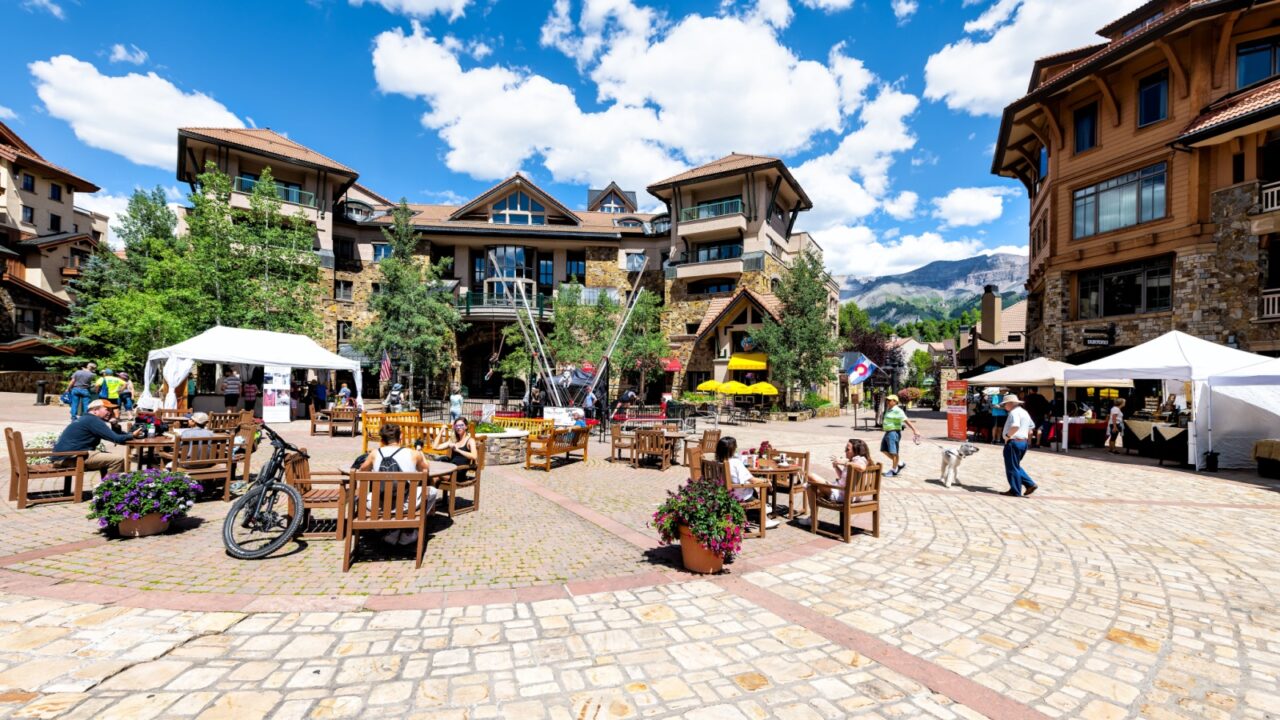
Travel patterns keep evolving
Colorado’s mountain towns now reflect a new era of travel shaped by remote work. Visitors are staying longer and engaging more deeply with local communities. This creates both opportunity and responsibility.
The best trips balance flexibility with respect for local environments and residents. Which Colorado mountain town feels like the ideal place for a longer stay right now? Share your thoughts below.
This slideshow was made with AI assistance and human editing.
Don’t forget to follow us for more exclusive content right here on MSN.
Read More From This Brand:
