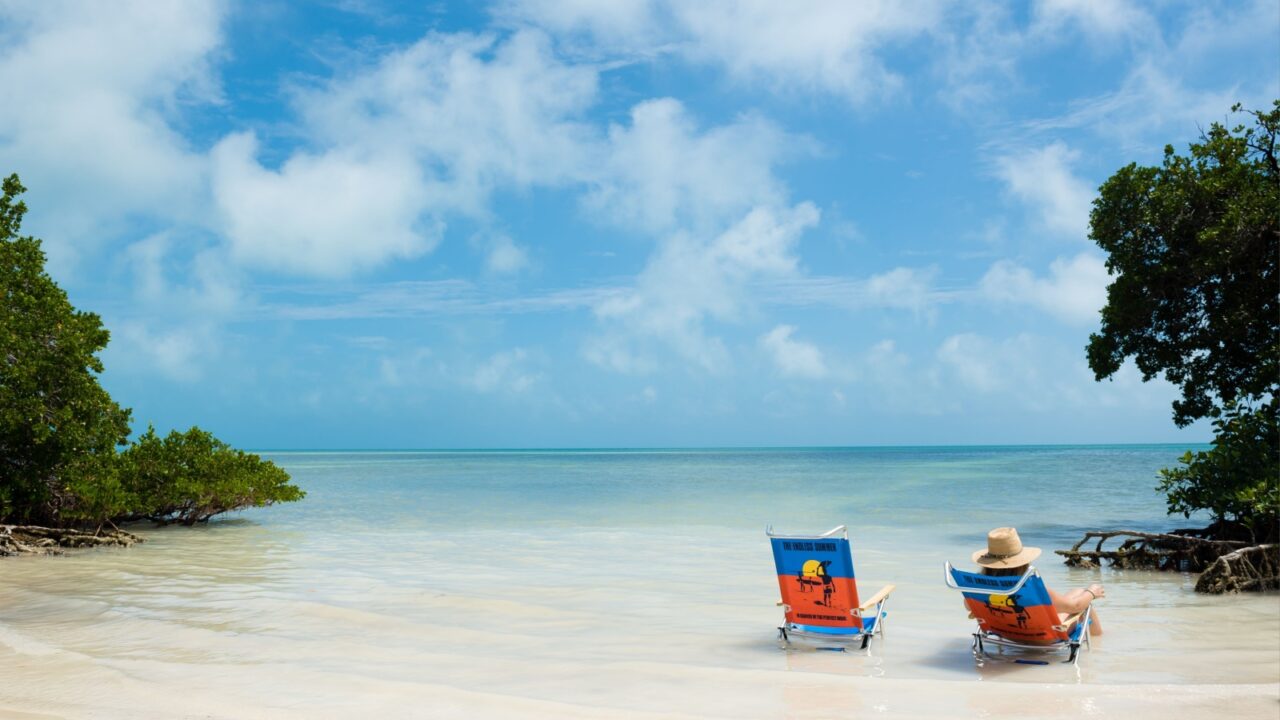
A sunny uncertainty
Florida’s beaches remain some of the most popular vacation spots in the United States. But behind the palm trees, a growing insurance crisis is quietly reshaping how coastal trips are planned. Rising property and travel insurance costs are influencing where and how visitors book stays.
What once felt simple now involves more caution and research. Travelers are paying closer attention to risk, timing, and location. Florida’s vacation story is changing, so let’s dive in!
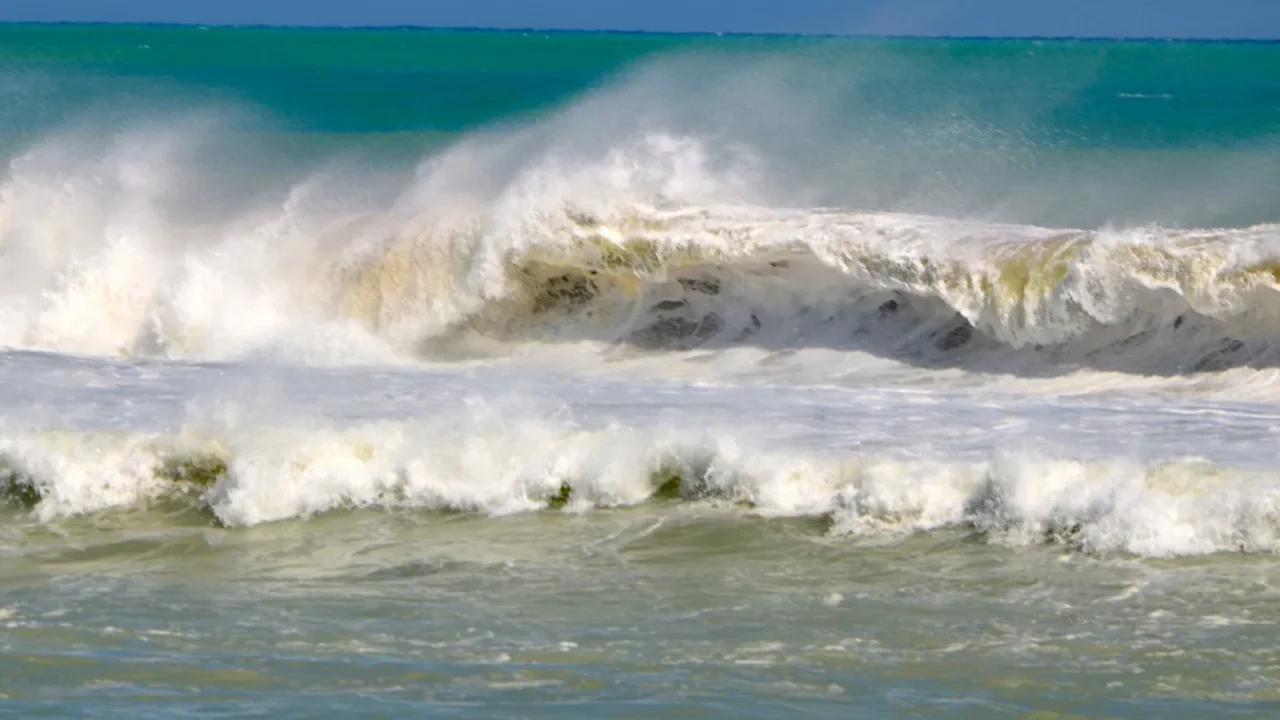
Understanding the insurance issue
Florida has faced repeated hurricanes and storm damage over recent years. As a result, many insurers have raised premiums or exited the state entirely. This has affected homeowners, rental operators, and tourism businesses.
Higher insurance costs often translate into higher accommodation prices. Some properties now limit coverage during storm seasons. These changes ripple directly into vacation planning decisions.
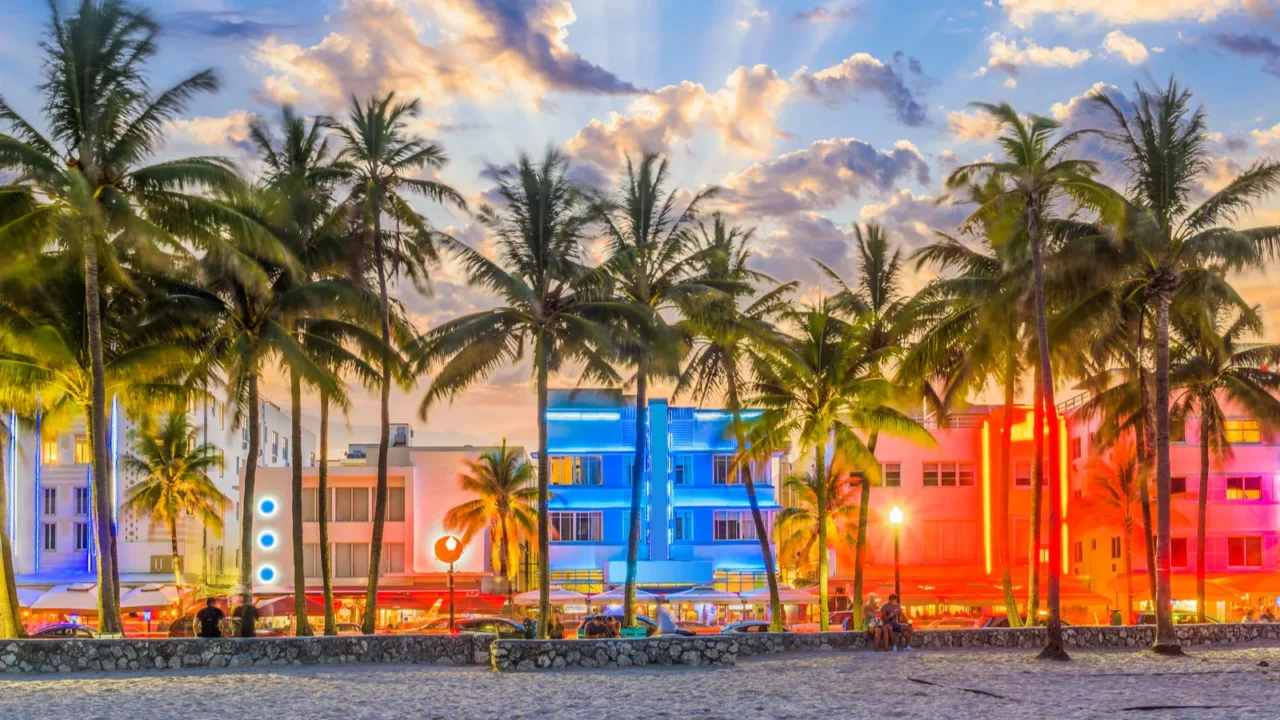
Coastal rentals feel pressure
Short-term rentals along Florida’s coast are feeling the impact first. Property owners in areas like Miami Beach and Fort Lauderdale report rising insurance bills. Many pass these costs on through higher nightly rates.
Some owners reduce availability during peak hurricane months. Others increase security deposits or cancellation restrictions. Travelers are noticing tighter terms when booking coastal stays.
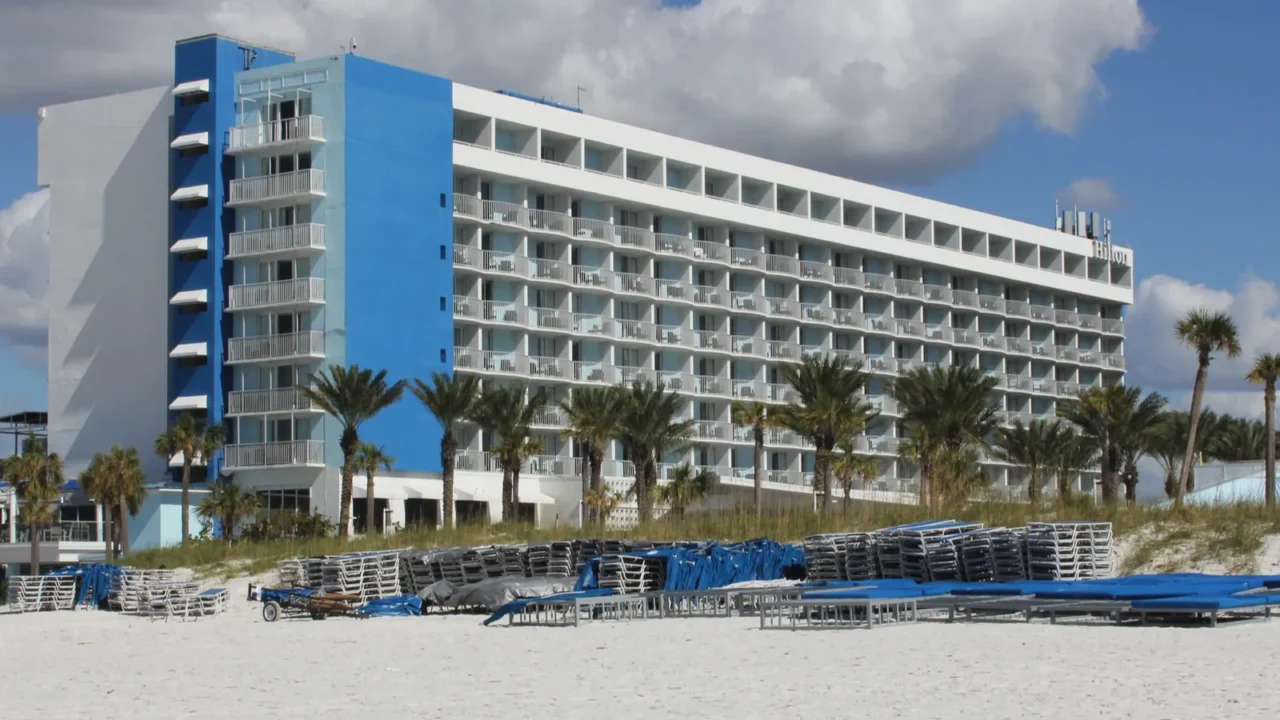
Hotels adjust strategies
Large hotels along Florida’s coastline are also adapting. Resorts in areas such as Clearwater Beach and Daytona Beach are reassessing their seasonal pricing and insurance-related policies. Insurance expenses now factor into operating costs more than before.
Some hotels promote flexible booking during lower-risk months. Others emphasize site safety features and preparedness. These adjustments influence how travelers choose coastal accommodations.
Timing trips differently
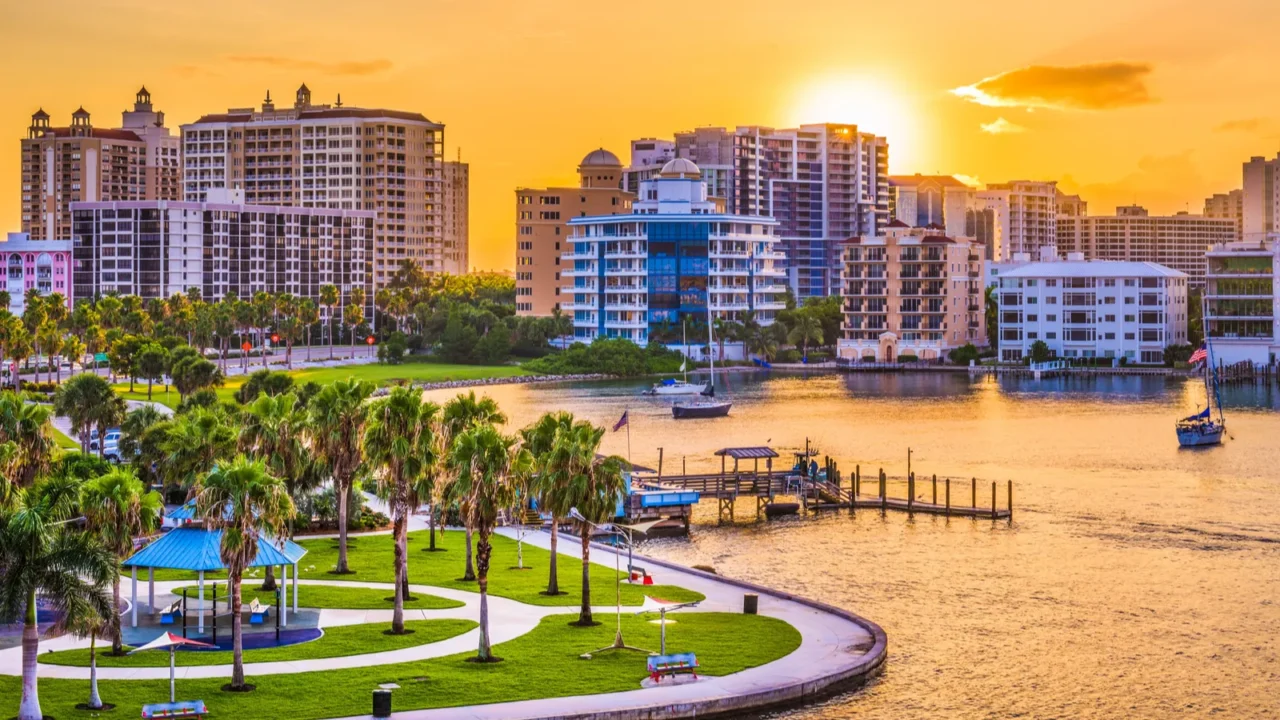
Vacation timing has become more strategic for Florida visitors. Travelers increasingly avoid peak hurricane season from late summer to early fall. Winter and early spring bookings are seeing stronger demand.
Destinations like Naples and Sarasota benefit from this shift. Cooler months now attract longer stays and higher spending. Insurance risk is quietly reshaping Florida’s travel calendar.

Inland alternatives gain interest
As coastal costs rise, inland destinations are gaining attention. Cities like Orlando, Gainesville, and Ocala offer lower insurance exposure. These areas provide theme parks, nature trails, and cultural attractions.
Travelers looking for value consider mixed itineraries. BBeach time is often shortened, with travelers opting to extend their inland stays. Florida tourism is becoming more diversified.
Travelers read the fine print
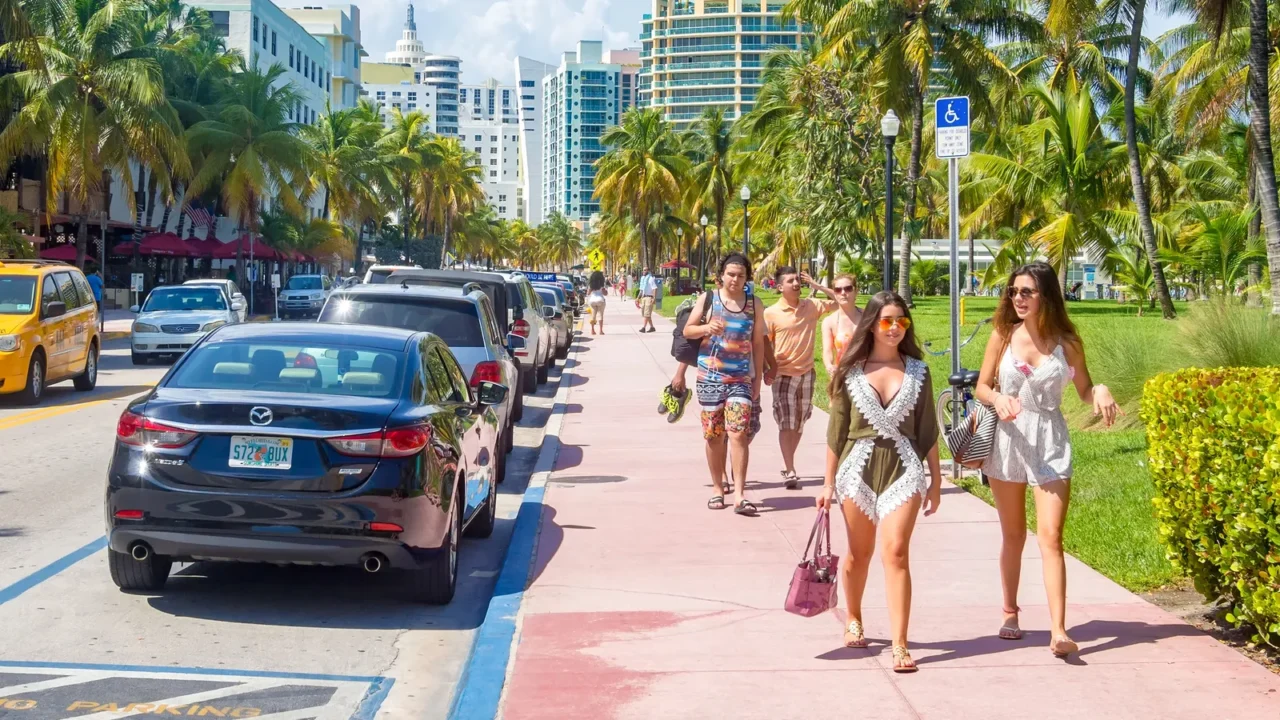
Insurance uncertainty has made travelers more detail-oriented. Cancellation policies, weather clauses, and refund terms matter more than before. Many now compare policies across platforms.
Travel insurance purchases have also increased. Coverage for weather disruption is becoming standard. Planning Florida vacations now involves more paperwork than spontaneity.
Cruise ports feel changes
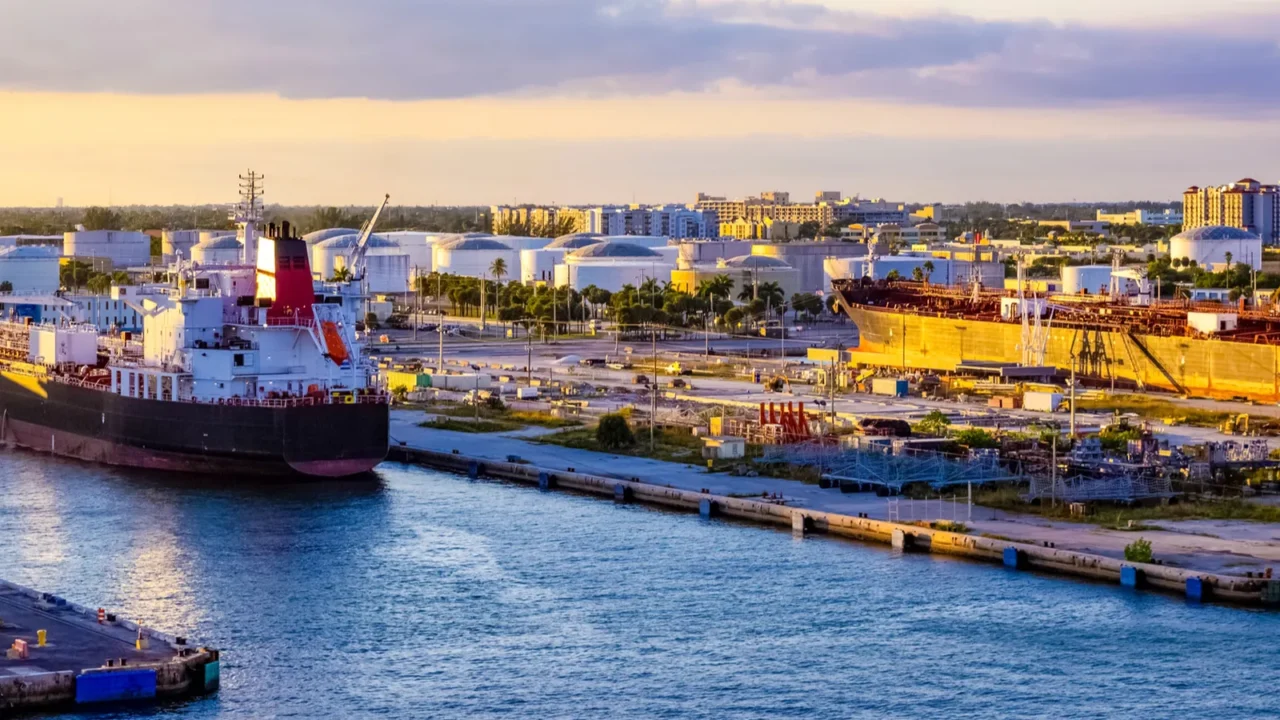
Florida’s cruise hubs are not immune to these shifts. Ports like Miami and Port Everglades adjust schedules around storm risks. Cruise lines factor in insurance and weather disruptions into pricing.
Some travelers prefer cruises over beachfront stays. Ships offer controlled environments with built-in contingency plans. This subtly redirects coastal travel behavior.
Local economies adapt
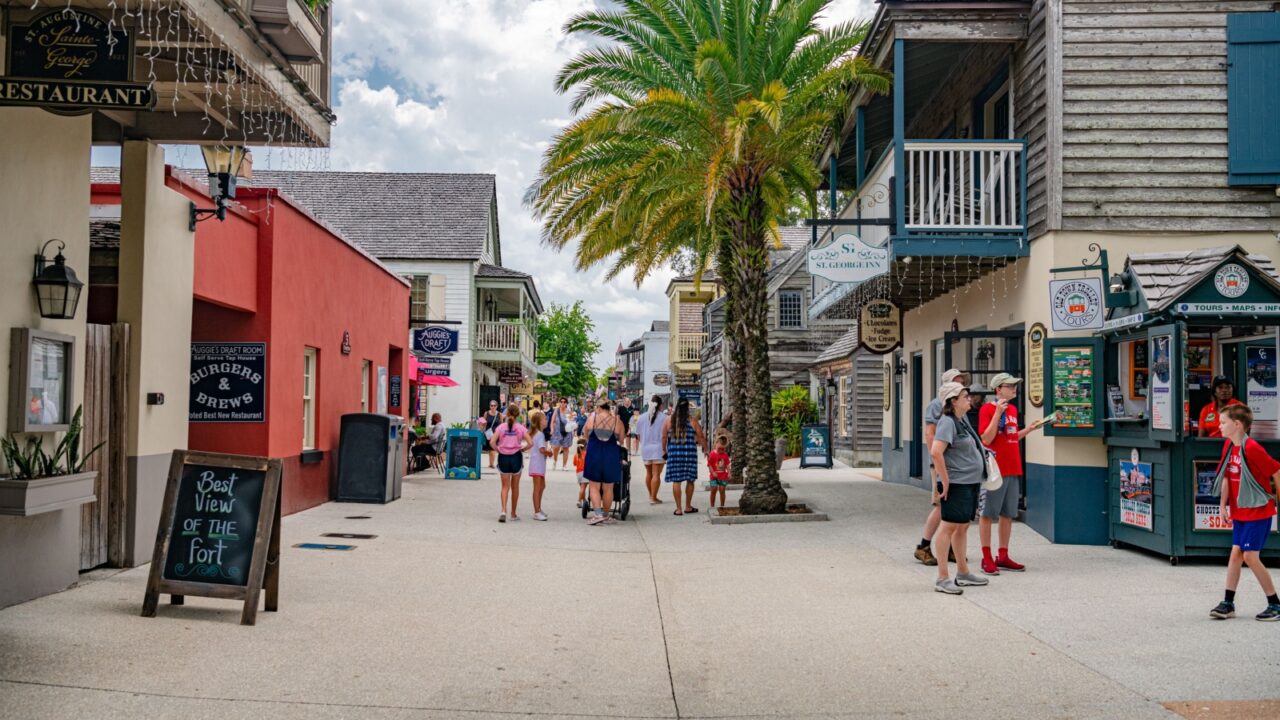
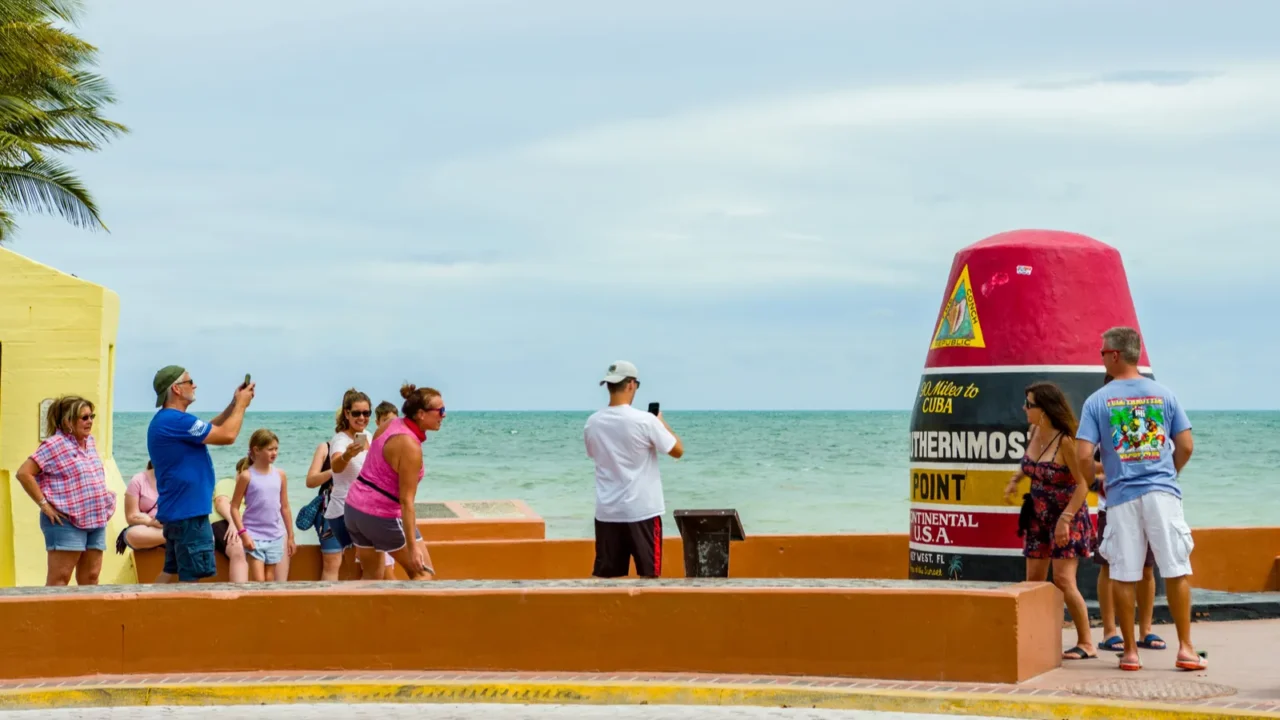
Coastal towns depend heavily on tourism revenue. Rising insurance costs challenge small businesses in places like Key West and St Augustine. Some operators shorten seasons or adjust staffing.
Communities respond by promoting off-season travel. Events and festivals help stabilize income. Adaptation has become essential for survival.
Safety messaging increases
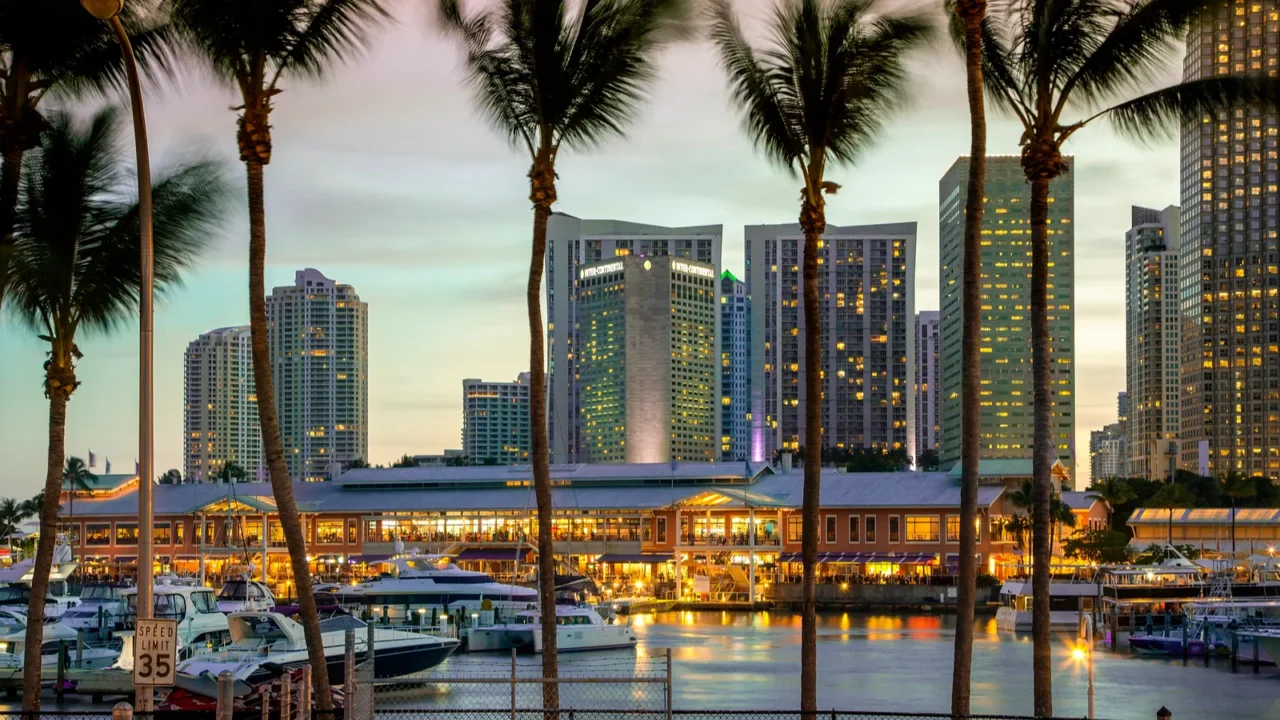
Florida destinations now emphasize preparedness more openly. Hotels share evacuation plans and storm readiness details. Transparency builds trust with cautious travelers.
This messaging reassures visitors without discouraging them. Safety awareness becomes part of the vacation narrative. Insurance realities influence how destinations communicate.
Long term planning mindset
Florida vacations are becoming less impulsive. Travelers book earlier and monitor forecasts closely. Flexibility is valued more than ever.
Longer lead times allow better risk management. This planning shift reflects broader travel caution. Florida remains popular, but expectations are evolving.
Not just a Florida issue
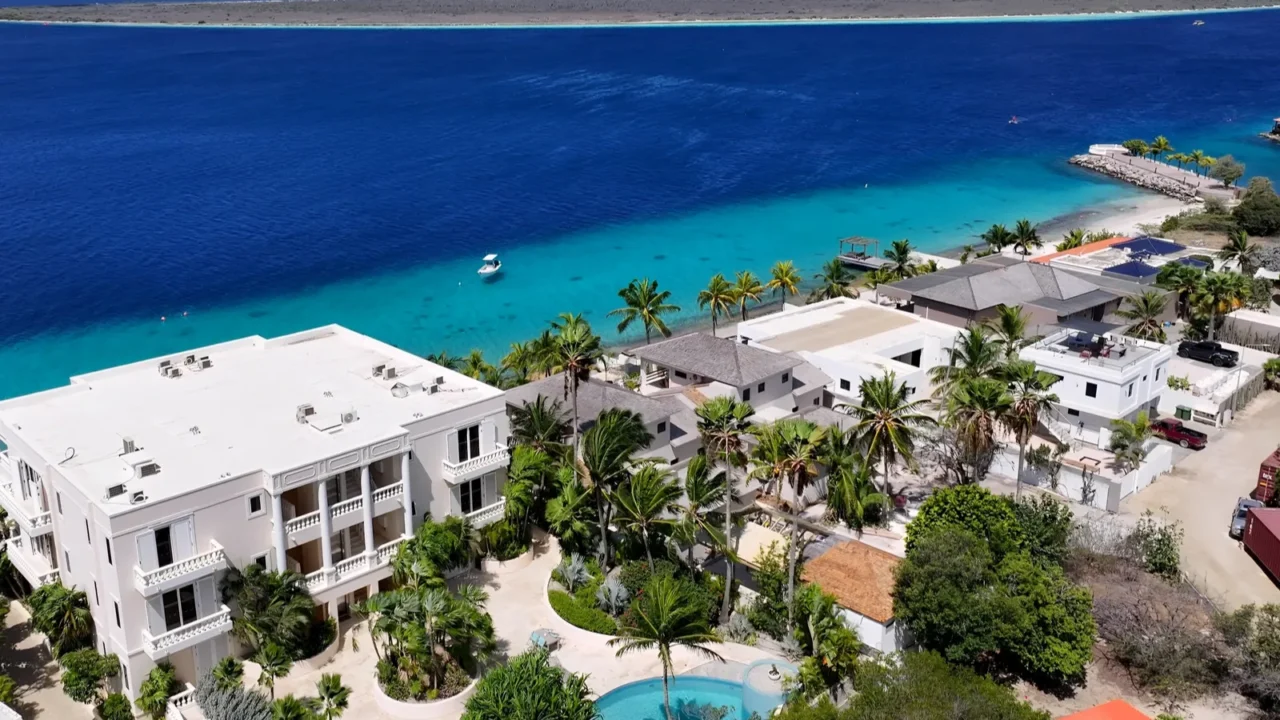
While Florida feels the impact strongly, the trend reflects broader climate realities shaping coastal travel worldwide. Insurance pressure is rising across global beach destinations, but Florida shows these shifts more clearly than most. At the same time, sudden cold snaps across the United States are fueling last-minute Florida trips, especially during the winter months.
Lessons here may influence future travel planning elsewhere. Risk awareness is now part of tourism decisions. Florida sits at the center of that shift.
Rethinking coastal escapes
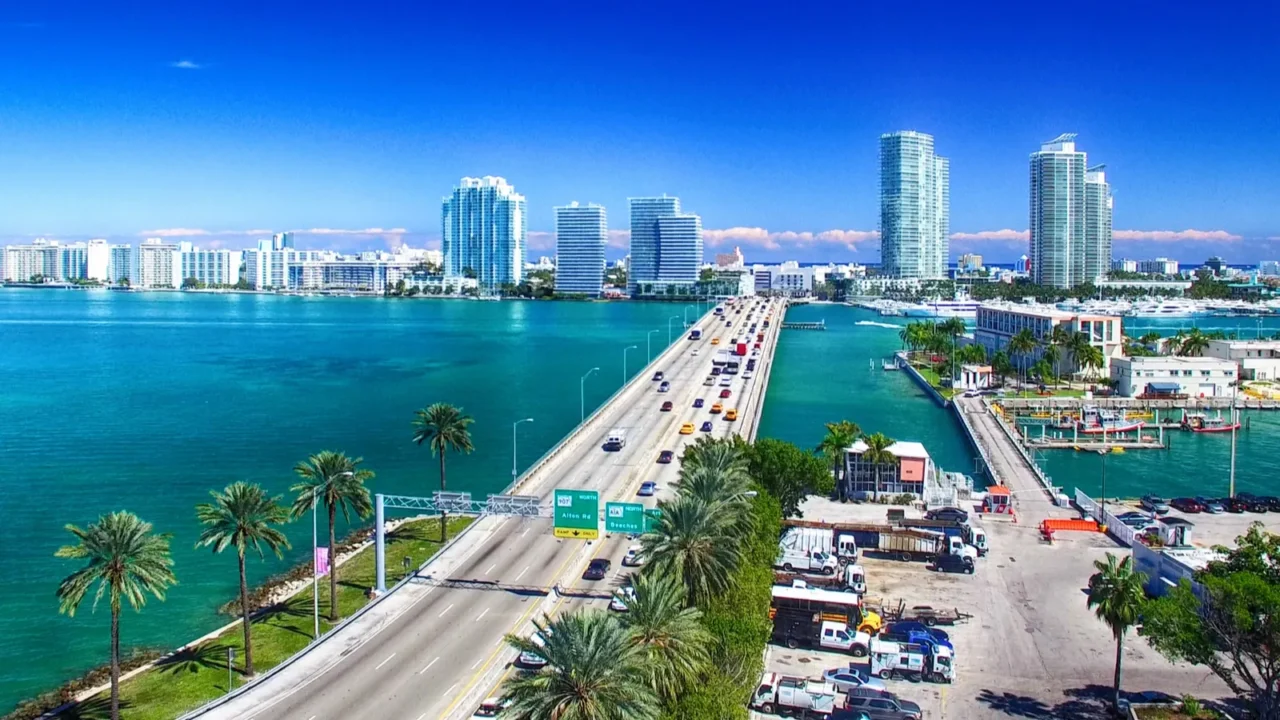
Florida’s coast still offers beauty, culture, and iconic experiences. But planning now blends excitement with caution and flexibility. Insurance costs have become an unseen factor shaping trips.
Travelers adapt by changing timing, locations, and expectations. The sunshine remains, but planning looks different than before.
Which Florida coastal destination still tops your travel list despite these changes? Share your thoughts below.
This slideshow was made with AI assistance and human editing.
Don’t forget to follow us for more exclusive content right here on MSN.
Read More From This Brand:
