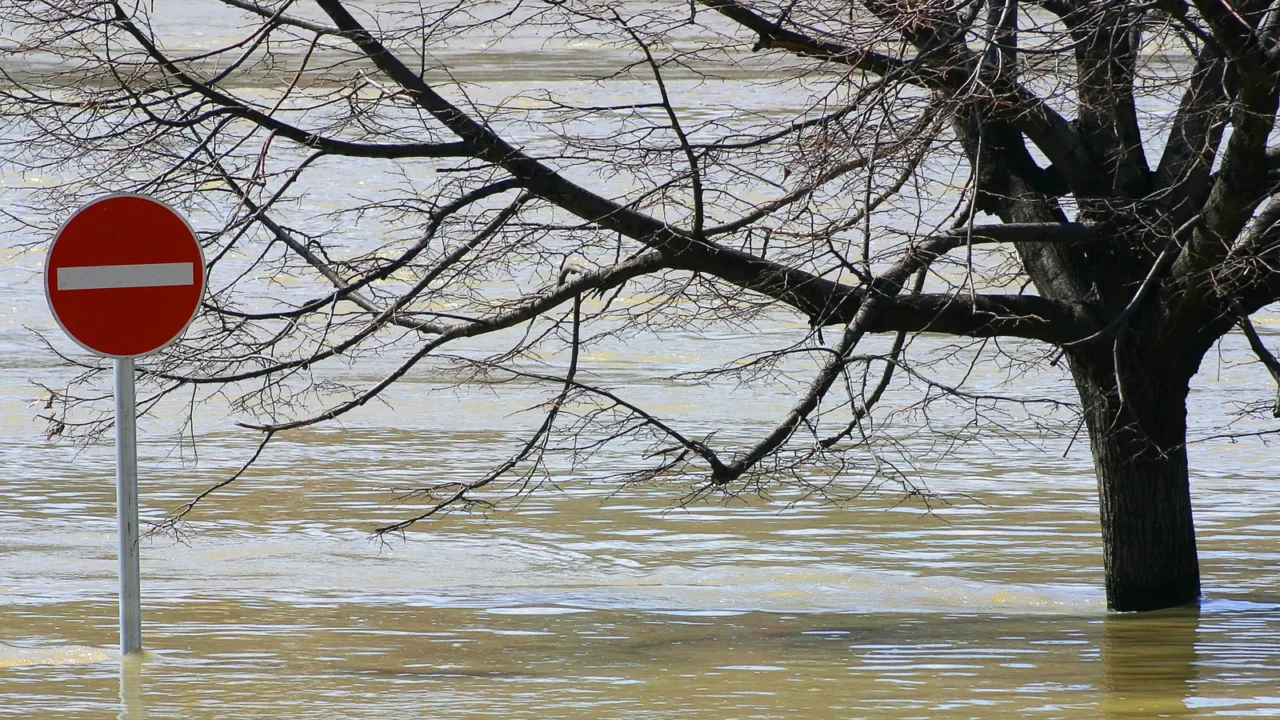
When water redraws maps
Floods are no longer rare interruptions in travel. Across continents, rising waters are altering how people move between cities, regions, and countries. Roads that once connected coastal towns or mountain valleys are increasingly unreliable, forcing travelers to rethink routes that once felt routine and dependable.
These changes do not just affect transportation. Hotels, guesthouses, and resorts along vulnerable corridors now operate under constant uncertainty, adjusting bookings and safety plans as climate-driven flooding becomes a defining force in modern travel.
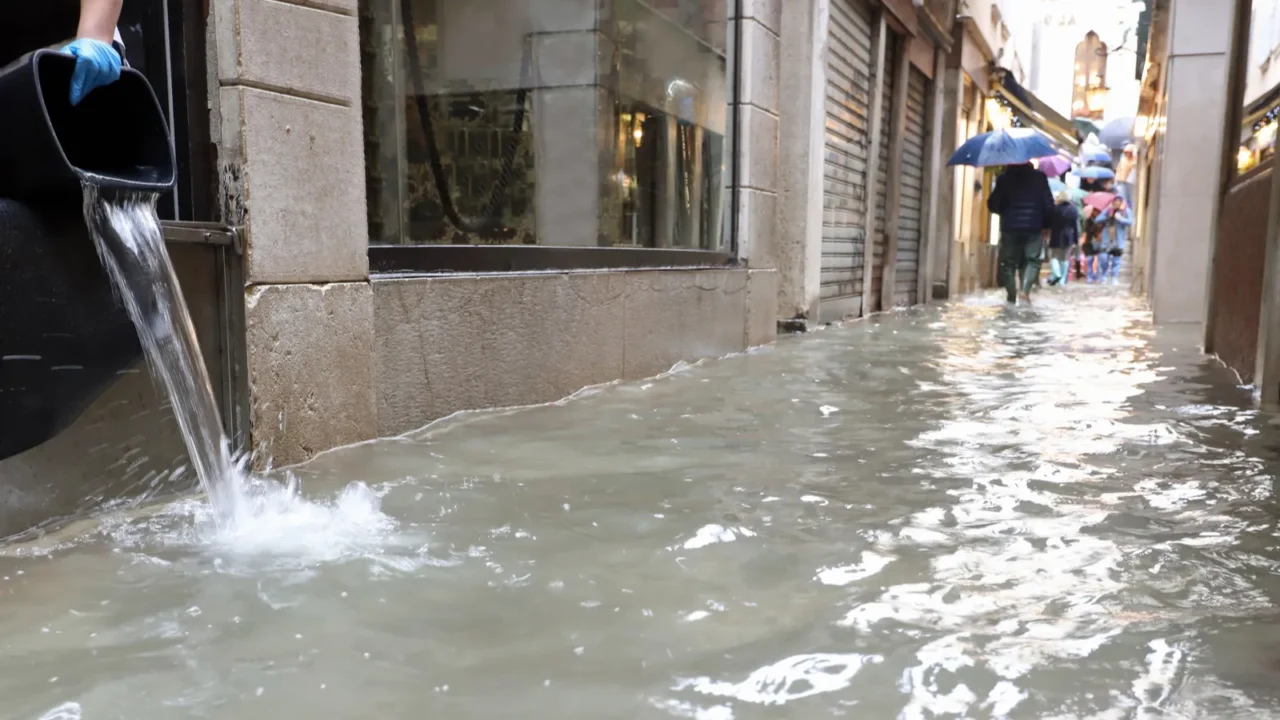
Venice under pressure
Venice has long lived with water, but stronger and more frequent floods are reshaping how visitors experience the city. High water events disrupt ferry routes, close pedestrian paths, and push hotels to elevate entrances and protect ground-floor rooms from damage.
Travelers often face last-minute changes to accommodations and sightseeing plans as historic neighborhoods become temporarily inaccessible, making timing and flexibility essential for anyone planning a stay in this iconic Italian destination.
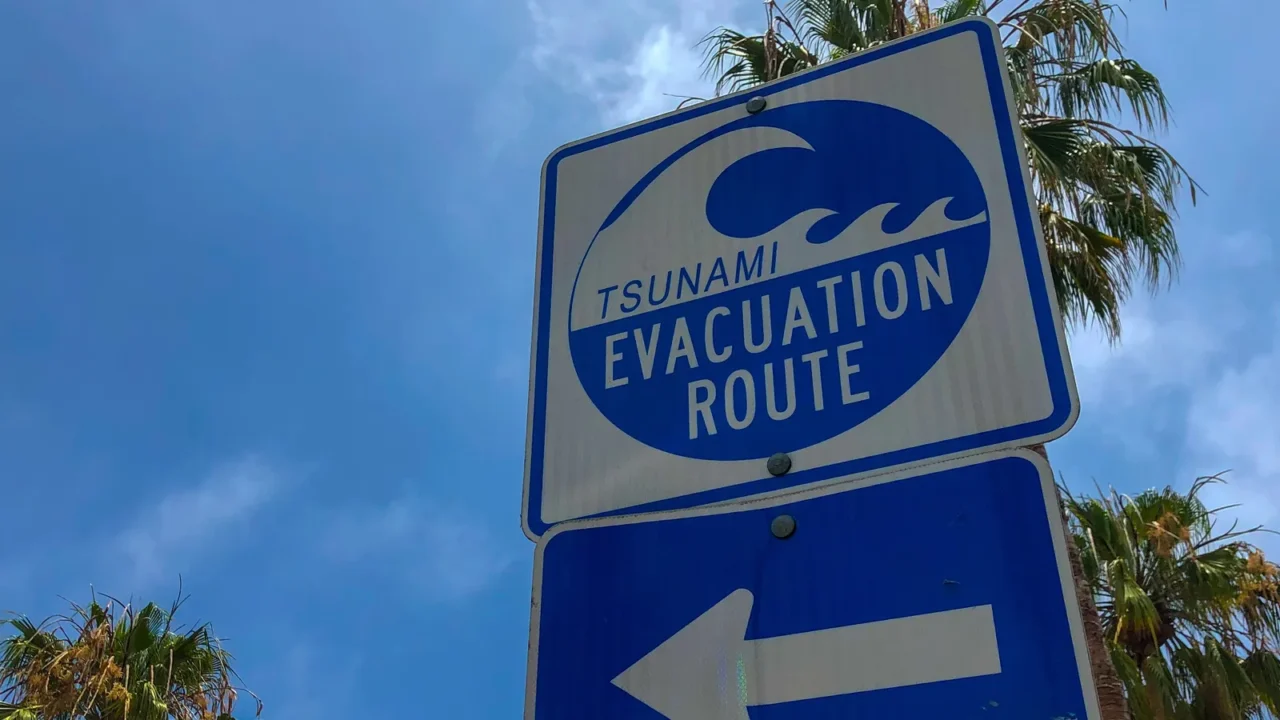
California river crossings
In California, powerful winter storms have overwhelmed rivers and reservoirs, washing out highways that connect inland cities with coastal regions. Popular driving routes linking Los Angeles, Big Sur, and Northern California have faced closures that force lengthy detours or trip cancellations.
Hotels near flood-affected zones often suspend operations during peak damage periods, while inland properties experience sudden surges in demand from displaced travelers and repair crews moving through the state.
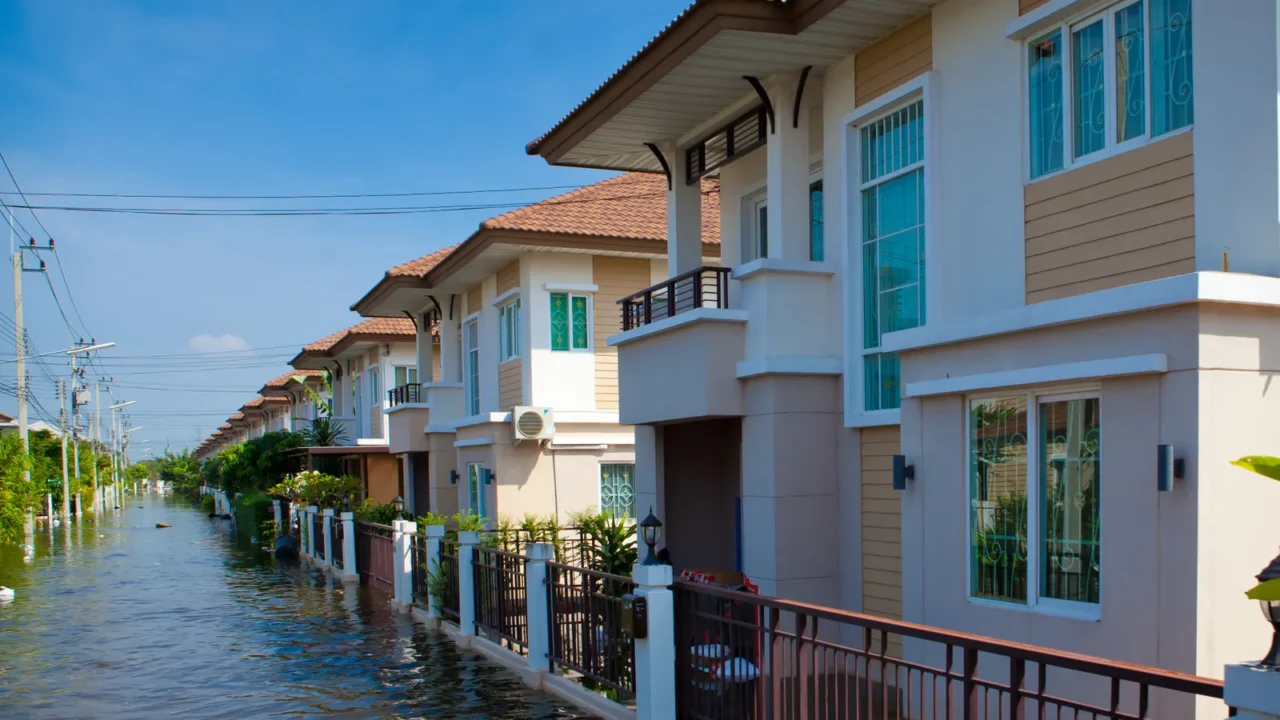
Bangkok changing currents
Bangkok’s relationship with water has always shaped the city, but urban flooding now routinely disrupts rail lines, expressways, and airport access roads. Travelers may find that reaching hotels takes far longer than expected, even when flights arrive on schedule.
Many hotels have adapted by redesigning entrances and relocating services to higher floors, yet guests still encounter altered itineraries as neighborhoods temporarily close to traffic during severe flood conditions.
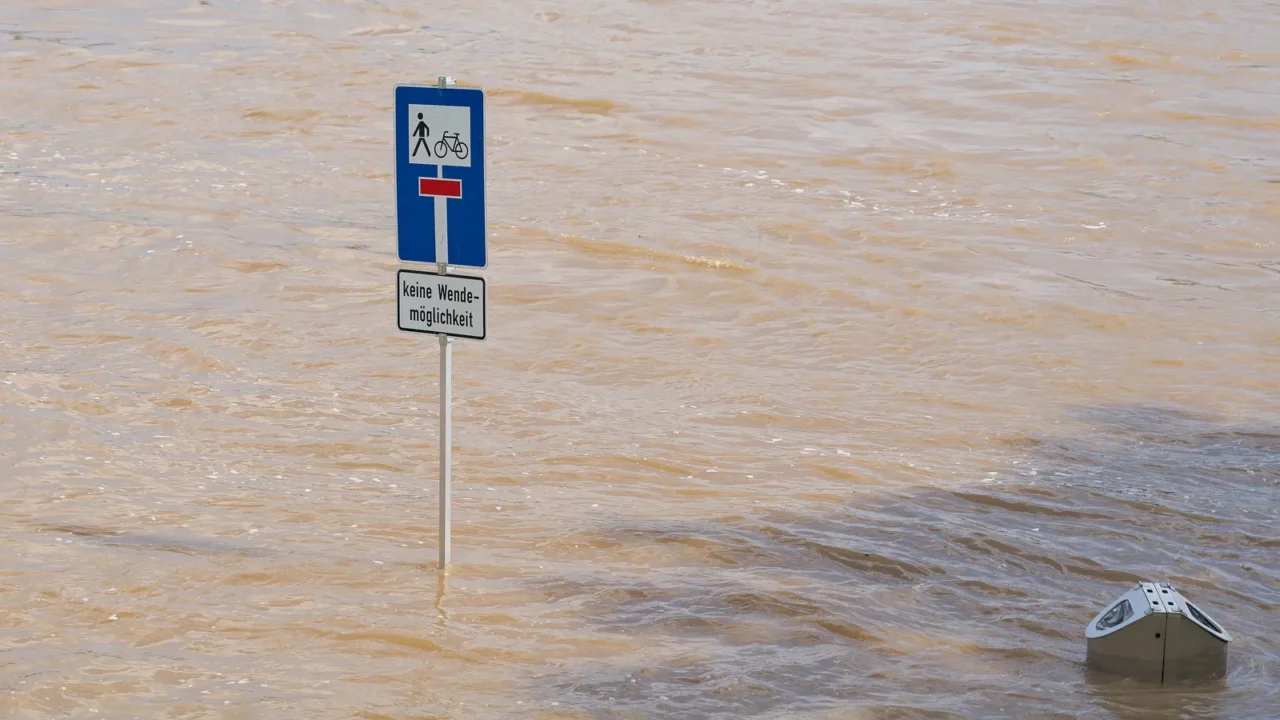
Germany’s broken rail links
Severe flooding across parts of Germany has damaged rail corridors that connect major cities and smaller historic towns. Train cancellations and reduced service have become common during extreme weather periods, interrupting cross-country travel plans.
Hotels in flood-hit regions often close for repairs while nearby cities absorb displaced visitors, creating uneven availability and price spikes that travelers may not anticipate when planning trips months in advance.
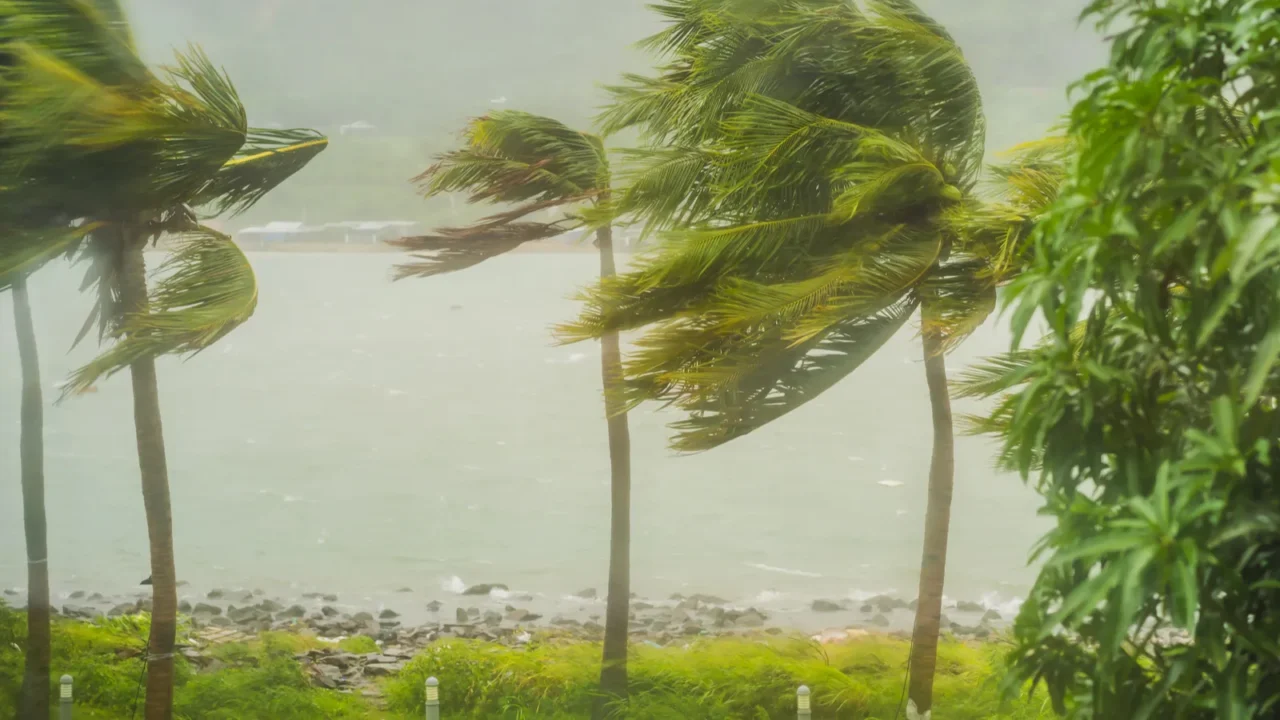
Caribbean coastal loss
Across the Caribbean, storm-driven flooding damages seaside roads that link airports with resort areas. Even short distances can become difficult to navigate when coastal erosion and flooded causeways block access to hotels and vacation rentals.
Some properties close for extended periods to repair foundations and utilities, while others reopen with limited services, reshaping how visitors experience destinations once defined by seamless beachfront access.
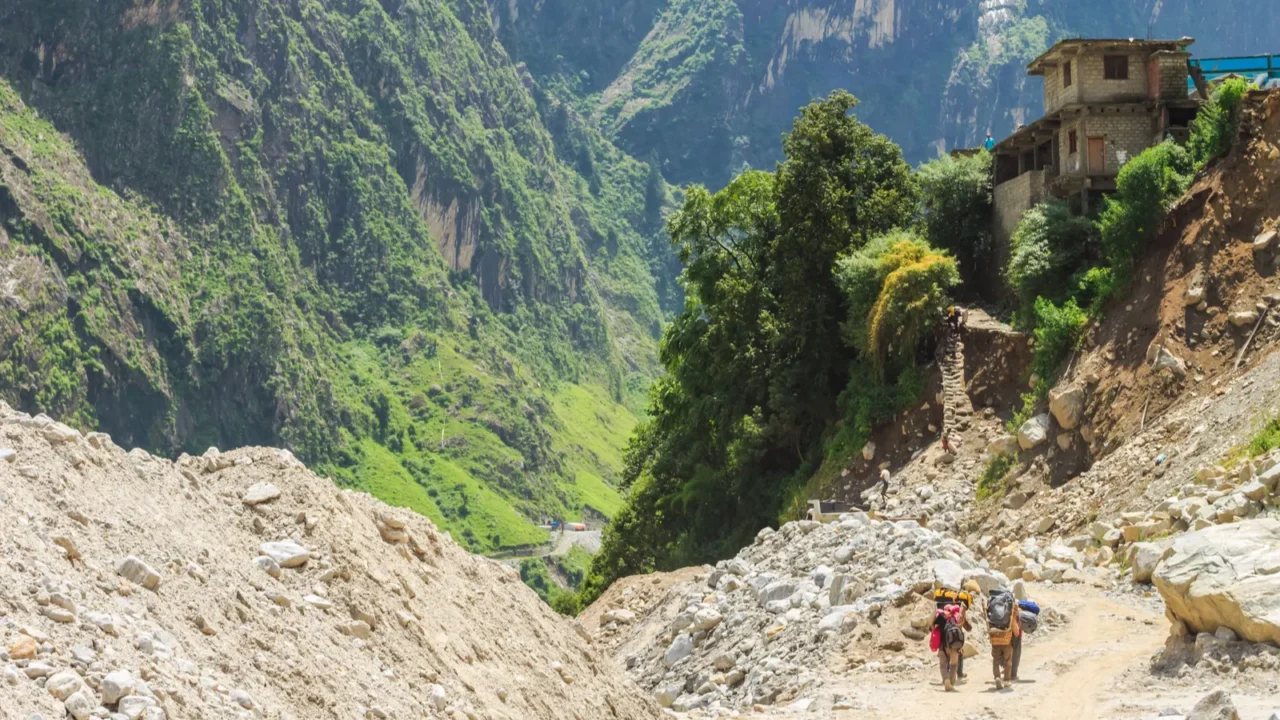
South Asia rail disruptions
Floods in South Asia frequently interrupt long-distance rail networks that millions rely on for intercity travel. Tracks submerged for days cause cascading delays that affect tourism routes connecting heritage cities and pilgrimage destinations.
Hotels near stations face mass cancellations, while properties farther away see unexpected arrivals as travelers search for shelter and alternative routes, shifting demand patterns overnight.
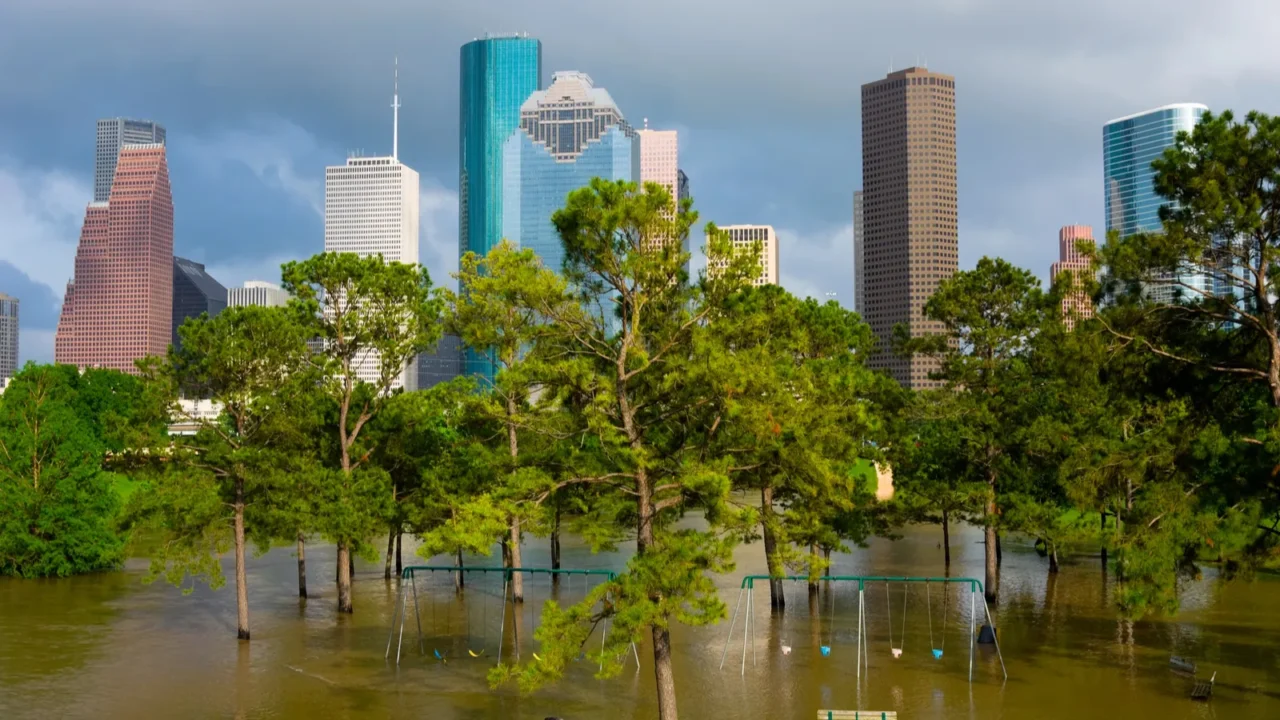
Insurance reshaping stays
Flood risk has changed how hotels insure their properties, and those costs increasingly affect travelers. Higher premiums and repair expenses lead some hotels to raise rates or reduce refundable booking options during flood-prone seasons.
Travelers may notice stricter cancellation policies or higher deposits in vulnerable regions, reflecting the financial strain hotels face as extreme weather events become part of normal operations.

Shorter booking windows
Flood uncertainty has pushed travelers to book closer to departure dates. Many wait for clearer forecasts and infrastructure updates before committing, especially in regions with a history of seasonal flooding.
Hotels must adapt to unpredictable demand, balancing empty rooms with sudden surges when conditions stabilize, making pricing and staffing far more complex than in the past.
Cities building higher
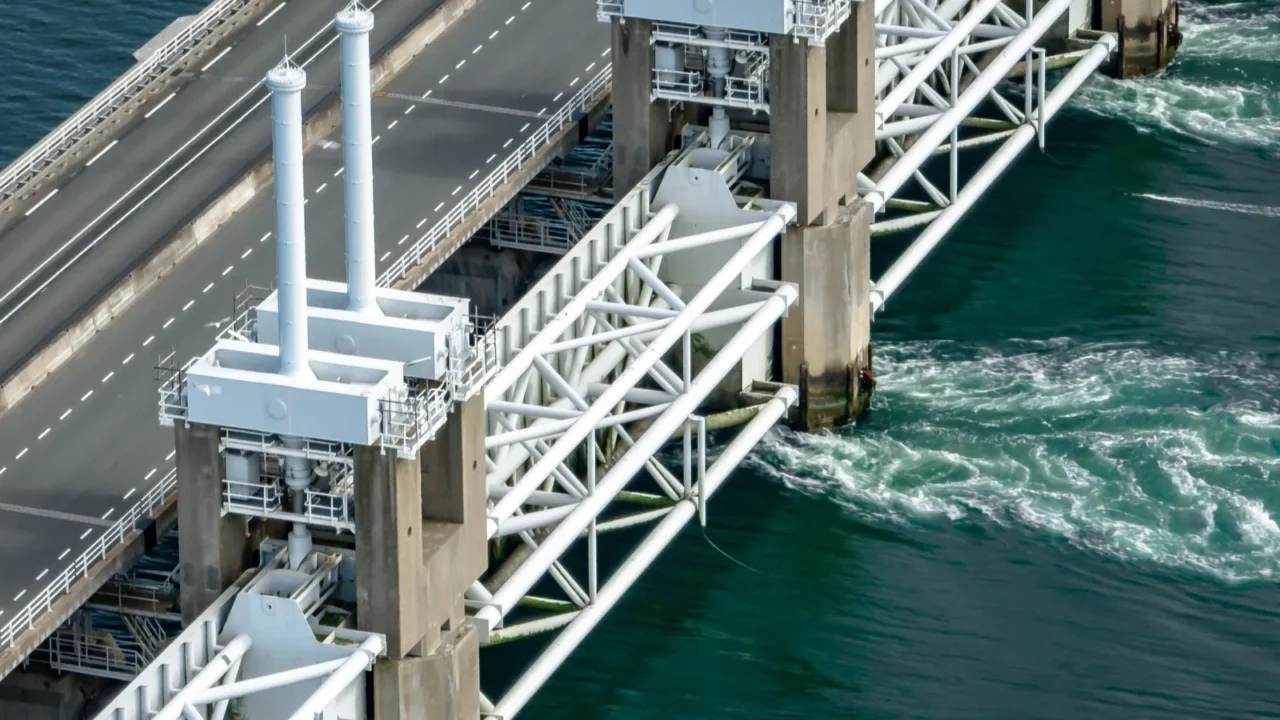
Some cities are redesigning infrastructure to protect tourism corridors. Raised roadways, improved drainage, and flood barriers aim to keep airports, train stations, and hotel districts accessible during heavy rains.
These long-term investments restore confidence but take years to complete, meaning travelers may still encounter disruptions as construction and adaptation reshape how cities defend themselves against water.

Choosing resilient destinations
Travelers increasingly favor destinations that communicate clearly during emergencies and recover quickly. Reliable updates, visible safety measures, and flexible hotel policies now influence destination choices as much as attractions themselves.
Places that balance visitor access with community safety earn long-term trust, while those slow to adapt risk losing travelers who prioritize reliability alongside experience.

A new travel mindset
Floods are changing more than routes and hotel stays. They are reshaping how people think about movement, risk, and responsibility while exploring the world. Travel now requires awareness of local conditions and respect for communities navigating recovery.
As you rethink your next adventure, consider destinations that prioritize safety and sustainability, like storm resilient safari lodges, so your journey can be unforgettable without compromising comfort or community support.

Planning with flood awareness
Planning with flexibility and knowledge is now part of every journey. Travelers who anticipate weather challenges, stay informed, and choose adaptable hotels reduce risks and make the most of each experience.
Plan with awareness and flexibility, choosing hotels and routes designed to adapt to floods, ensuring your travel experience stays safe, smooth, and memorable even when weather challenges arise.
How would your next trip change if the routes and hotels you rely on today no longer exist tomorrow? Could embracing flexible, flood-aware travel open up unexpected adventures and stories you’ll never forget?
This slideshow was made with AI assistance and human editing.
Don’t forget to follow us for more exclusive content right here on MSN.
Read More From This Brand:
