
Remote work alters U.S. travel patterns
Remote work continues to influence how Americans travel in 2026, affecting trips across states and leisure habits. A growing share of the workforce has flexibility in where and when they work, reshaping travel demand across regions. Many travelers now blend work and travel in ways that were uncommon before the pandemic.
This shift has implications for domestic destinations like Big Bend, Texas, and Asheville, North Carolina, where longer stays are more common. Remote jobs let people decouple travel decisions from traditional office schedules.

Hybrid work rises in Texas
Remote and hybrid work remain a significant part of the U.S. labor market, with many employees working outside traditional office settings. By 2025, roughly 32.6–36.2 million Americans (about 22% of the workforce by common estimates) were working remotely at least some of the time, according to projections and federal survey analyses; reported totals vary by methodology and definition. Hybrid work, where employees split time between home and workplace, accounts for a large share of this trend.
This rise in flexible work has a direct impact on when and where travelers decide to go. Leisure trips can now be planned around work commitments rather than strict office hours. Travel to scenic spots like Sedona and Savannah is increasingly woven into regular work weeks.

Extended stays boost North Carolina
Remote work encourages extended travel stays, with travelers combining work tasks with leisure trips. Many remote workers take longer vacations or workcations that stretch beyond traditional weekend breaks. Extended travel patterns are reshaping bookings and lodging demand in states across the U.S.
Destinations such as Asheville, North Carolina, and Sedona, Arizona, are seeing longer visitor stays that reflect remote work flexibility. This trend boosts local economies but also shifts how accommodations plan inventory and pricing. Travel companies are adapting offerings to suit extended trip lengths.

Tourism surges in Ohio metros
Remote work has contributed to booming tourism sectors in multiple U.S. states in 2025 and into 2026. Ohio, Arkansas, North Carolina, California, Hawaii, and Missouri experienced a surge in vacation rental market activity and spending. These surges reflect how flexible work can support increased travel spending across regions.
Remote workers often choose destinations that offer both natural beauty and remote infrastructure. Places near coasts or in the mountains see greater demand as remote travelers extend their stays. This shift reshapes tourism revenue and job opportunities in local communities.
Digital nomads flock to Arizona
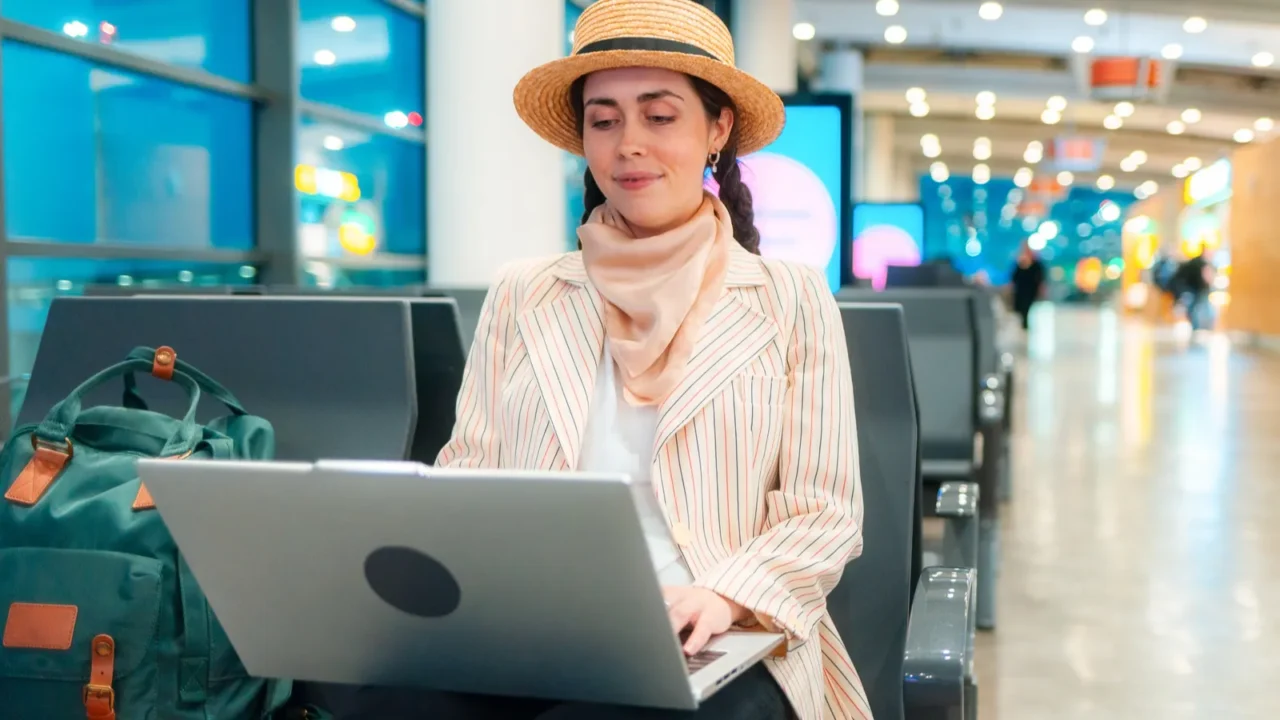
Remote work enables more people to become digital nomads who travel while working on the road. Dedicated digital nomads still rely on reliable internet and co‑working spaces in cities and towns across the country. In recent years, the number of American digital nomads has grown significantly as a lifestyle choice.
These travelers contribute to leisure travel demand in places like Santa Fe, New Mexico, and Flagstaff, Arizona, where co‑working options and lifestyle amenities attract remote workers. Local economies benefit from spending by nomads who stay longer than typical tourists. Travel trends reflect deeper integration between work and destination exploration.

Denver remote work reshapes tourism
Remote and hybrid work patterns have influenced travel within metropolitan regions across the U.S. Remote workers often travel locally for short trips and leisure outings during weekdays, boosting nearby tourism. These changes have been most significant in metro areas like Denver, Austin, and Raleigh, where remote work adoption is higher.
Even as some workers return to offices, suburbs and smaller metro regions see more travel for work-related trips. Transit systems in major cities like New York and Chicago saw reduced commuting volumes that later influenced travel demand. Remote work is reshaping daily mobility patterns as well as leisure travel.

Remote work changes New York
Remote work reduces daily commuting and alters travel patterns tied to work routines. This reduction in commute frequency has decreased travel to major employment centers, subtly shifting tourism flows.
Some regions now see more local trips as remote workers explore nearby state parks and cultural sites. Travel behavior is tied more directly to lifestyle choices rather than fixed office schedules. These dynamics shape state-specific travel demand patterns.
Bleisure trips rise in Nashville
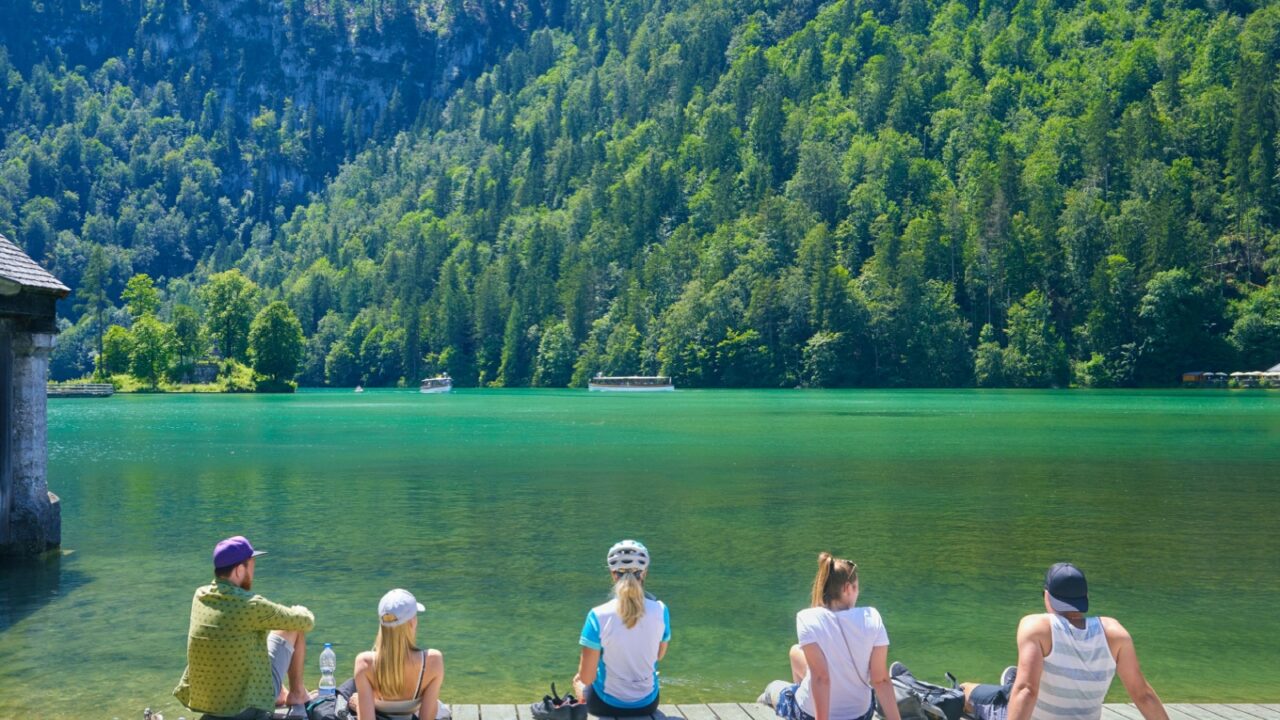
Not all remote work reduces travel demand, but it reshapes the kind of travel people take. Some remote employees combine business and leisure on the same trip, known as bleisure travel. This approach lets travelers extend stays in cities like Nashville or San Diego after completing remote work obligations.
Remote work also changes peak travel seasons as extended stays often occur outside traditional vacation windows. This benefits destinations with good remote infrastructure year-round. Travel companies are adjusting offerings to cater to both remote work and leisure purposes.

Travel shifts across Colorado region
Remote work is influencing travel patterns differently by state, based on local economies and remote worker populations. Regions with strong tech sectors, like Colorado and California, see remote workers drawn to recreational destinations in the same states. Coastal and mountain regions benefit from visitors staying longer and exploring remotely work-friendly destinations.
States with smaller remote worker populations may not see the same level of travel integration. In those places, traditional travel schedules still dominate. These regional differences shape how travel markets evolve across the U.S.

Albuquerque sees longer visitor stays
Remote travelers often spend on lodging, dining, and experiences while staying longer in destinations. Extended stays boost local economies as travelers integrate leisure with remote work flexibility. This trend supports businesses in places like Albuquerque and Boise, where tourism was previously smaller.
Travelers working remotely may choose longer accommodations or co-living arrangements. These preferences stimulate different sectors of the tourism economy compared with short weekend trips. Local governments are monitoring these shifts to guide tourism planning.

Hotels adapt in San Diego
Tourism and travel infrastructure are adapting to meet the needs of remote workers. Hotels and resorts add co-working spaces and reliable internet to appeal to long-stay visitors. Airlines and rental companies also offer packages that reflect the needs of blended work and leisure travelers.
This adaptation aims to keep hospitality relevant as travel patterns evolve through 2026. Some airports and airport-retail operators report growing interest in seating and lounges with work-friendly amenities, according to airport press releases and travel trade reporting.

Remote work debates in Seattle
Remote and hybrid work remain topics of debate among employers and employees. Some companies encourage office returns while others maintain flexible arrangements. Surveys show many workers prefer flexibility and will change jobs for remote options.
Remote work impacts travel behavior and location choices, influencing where people choose to live and explore. Employers see remote work as a retention tool while travelers value flexibility. In addition, work visas are easier to get in certain countries than many assume, allowing remote employees to legally work abroad while traveling. These dynamics will continue shaping travel trends in the years ahead.

Boulder remote work shapes travel
Remote work has fundamentally reshaped how Americans travel across U.S. states. Extended stays, local explorations, and integrated work trips have become more common. Travelers are blending professional responsibilities with leisure travel in new ways as flexibility persists.
Destinations from Boulder to Charleston will likely see continued demand from remote travelers. As travel habits evolve further in 2026, states are adjusting offerings to appeal to this growing trend. How are remote work patterns changing travel plans in 2026 for people you know? Share thoughts below.
This slideshow was made with AI assistance and human editing.
Don’t forget to follow us for more exclusive content right here on MSN.
Disclaimer: The images used are for illustrative purposes only and do not depict the actual locations mentioned.
Read More From This Brand:
