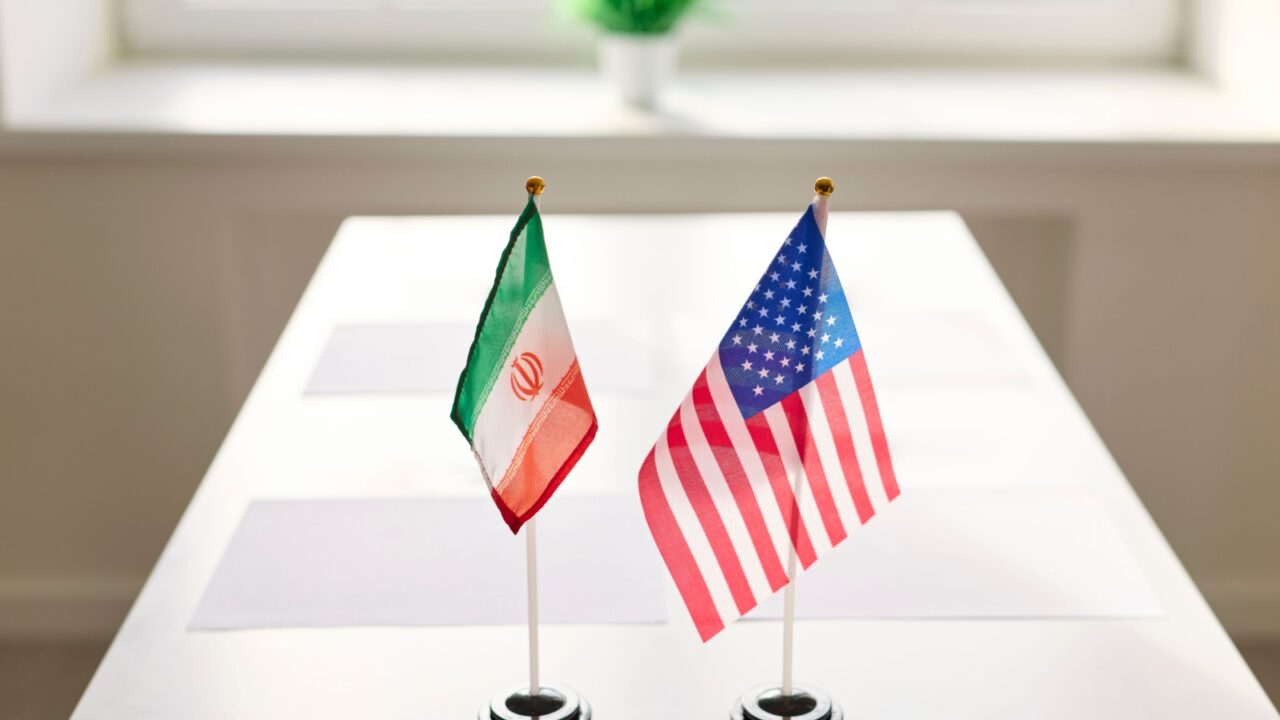
United States-Iran conflict impacts flights
The United States and Iran conflict is reshaping global aviation routes and forcing airlines to rethink long-haul flight paths from major American airports. Escalating military activity and airspace closures across the Middle East have made traditional international corridors unsafe for civilian aircraft. Airlines are responding quickly to protect passengers and crews.
Major carriers are avoiding large sections of airspace over Iran, Iraq, Israel, and nearby Gulf countries. These restrictions are causing flight diversions, longer travel times, and temporary route suspensions from hubs like New York and Chicago. The ripple effects now extend to travelers worldwide as carriers rework long-haul routings and adjust schedules.
Why airlines are rerouting
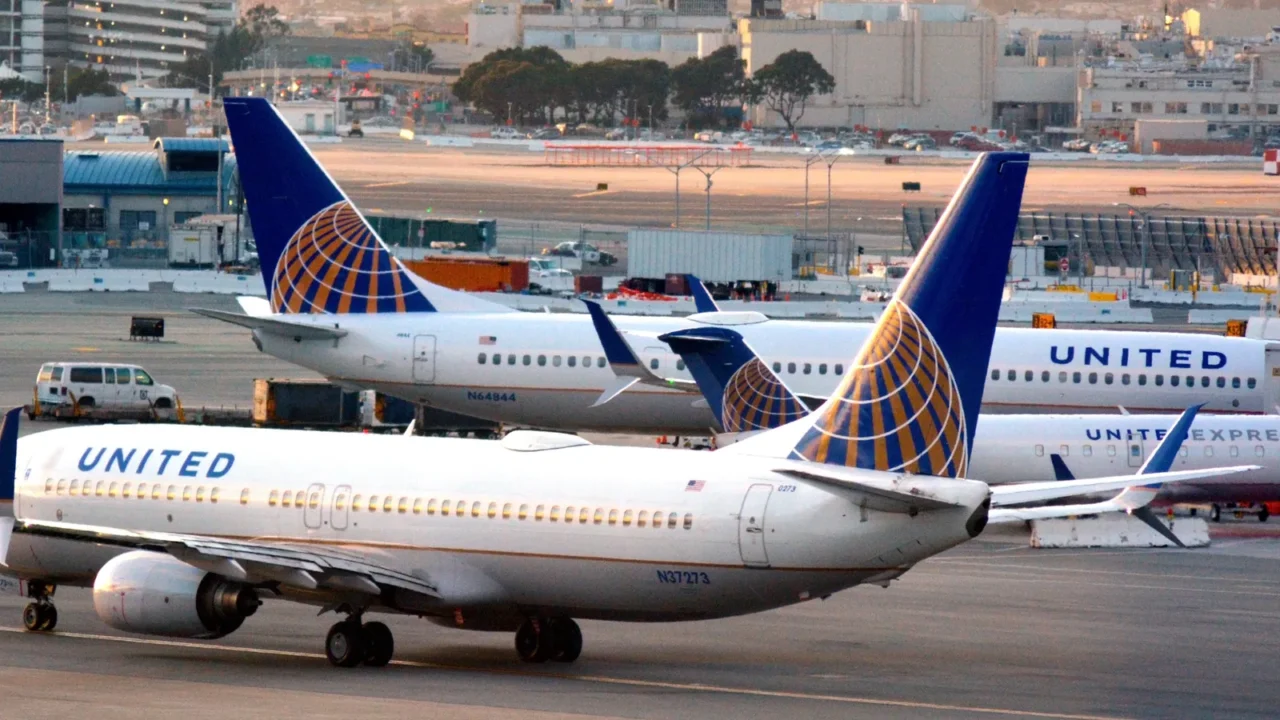
Airlines are rerouting flights primarily because several Middle Eastern countries have restricted or closed their airspace during the Iran conflict. Civil aviation safety authorities warn that missile activity and drone attacks increase risks for commercial aircraft. As a result, airlines are avoiding traditional corridors used between North America, Europe, and Asia.
The strikes and subsequent airspace restrictions have shut much of the Persian Gulf transit corridor used by Europe-to-Asia flights, forcing carriers to detour north via Turkey and the Caucasus or south via Egypt and the Arabian Sea. These adjustments help maintain safety but add complexity to global flight planning.
Flight cancellations increase globally
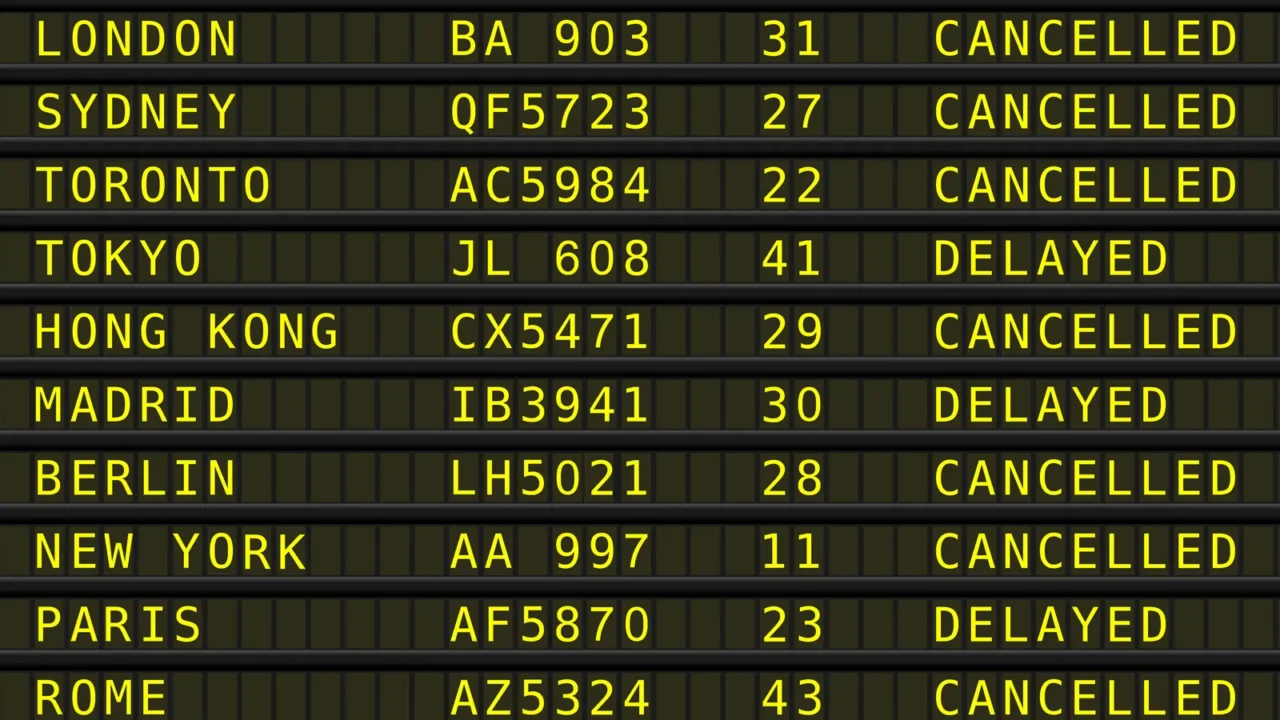
The Iran conflict has already caused thousands of flight disruptions around the world in recent weeks. Aviation data shows more than 3,400 flights were canceled during peak escalation days as regional airspace closures expanded. International airlines and regional carriers alike have adjusted schedules in response.
Some U.S.-related routes have also been affected as airlines suspend or delay services connected through Middle Eastern hubs. Routes linking North America with destinations like Tel Aviv, Dubai, and Doha face the most uncertainty. Airlines are constantly monitoring the security environment before restoring normal schedules.
Major U.S. airports affected
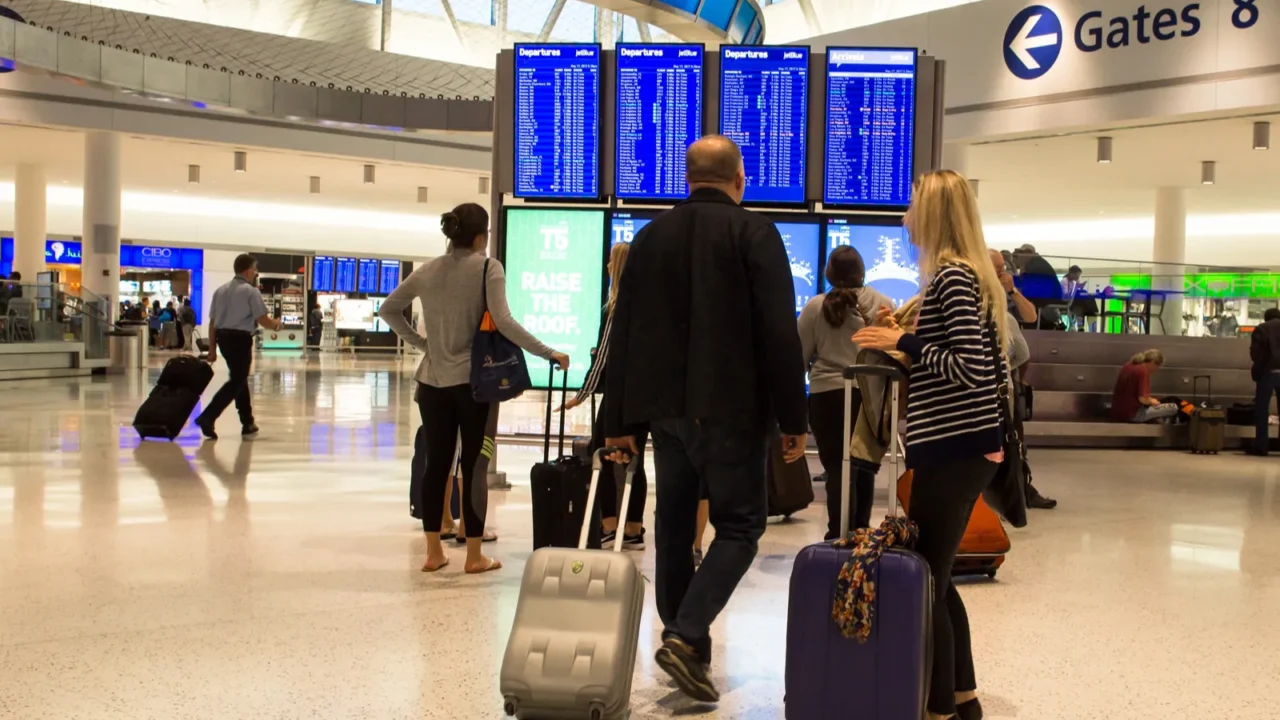
Large American aviation hubs are experiencing the operational ripple effects of the Iran conflict. Airports such as John F. Kennedy International Airport in New York, Chicago O’Hare International Airport, and Los Angeles International Airport handle many long-haul international departures. These airports rely on global route networks that often cross Middle Eastern airspace.
When those corridors close, airlines must redesign entire route maps from these U.S. gateways. Flights heading toward South Asia, Southeast Asia, and parts of Africa may now require longer detours. These adjustments increase travel time and sometimes reduce the number of flights available.
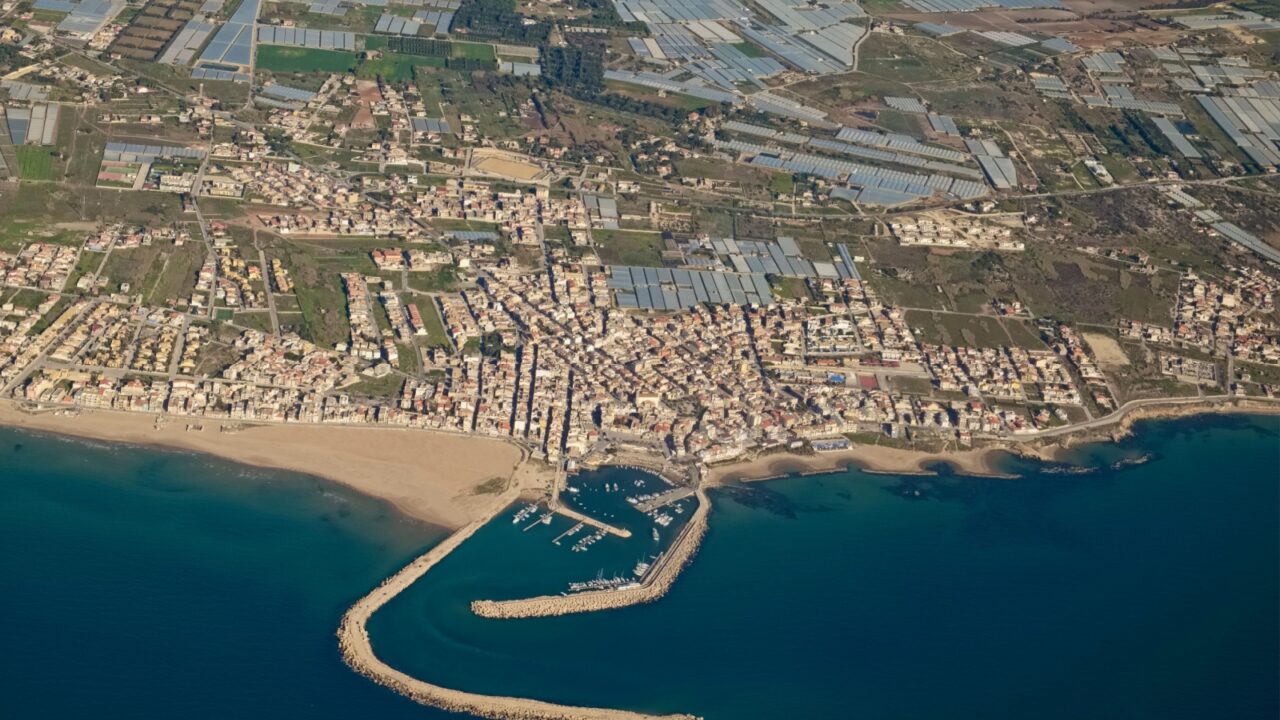
Airlines changing flight paths
Airlines around the world have quickly altered flight paths to avoid risky airspace connected to the Iran conflict. Carriers are using alternative routes that pass through the Caucasus region or across the eastern Mediterranean. Others route aircraft further south over North Africa and the Arabian Peninsula.
These new paths help maintain safety but come with operational challenges. Longer routes increase fuel consumption and require more careful planning for crew scheduling and aircraft range. Airlines must balance safety concerns with maintaining reliable schedules for international travelers.
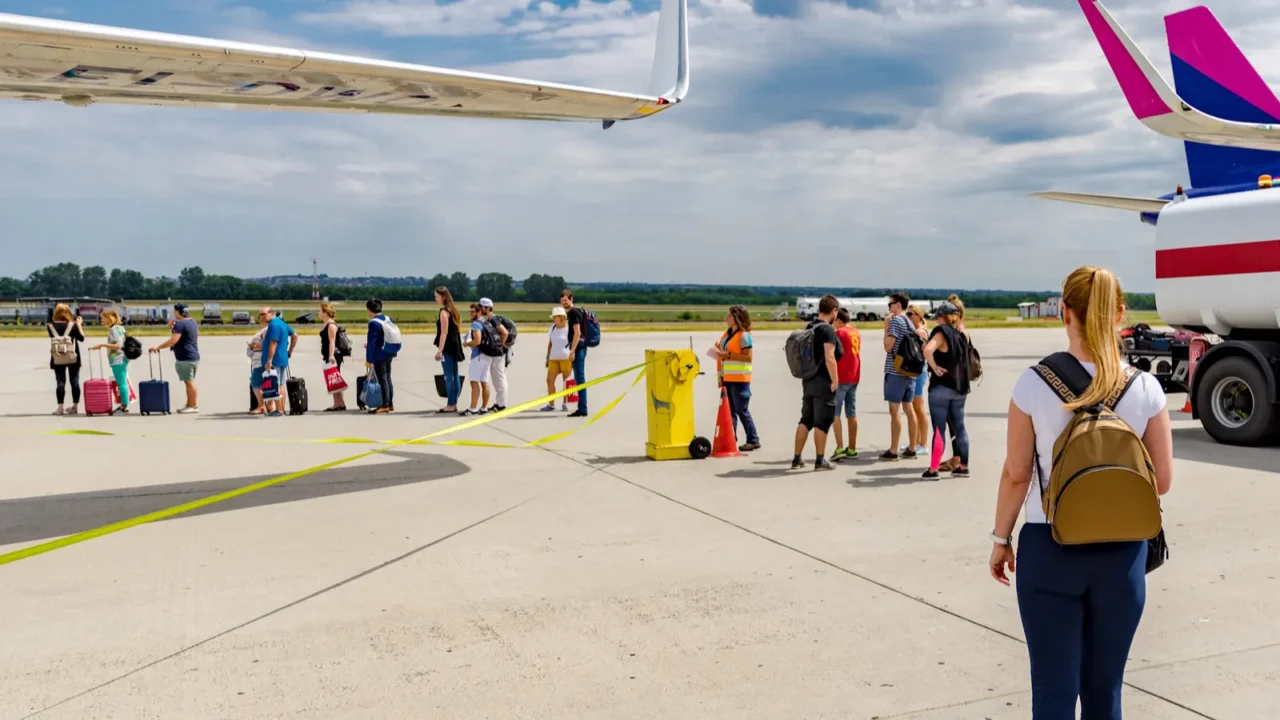
Longer routes increase travel
The Iran conflict is making many long-haul flights significantly longer than usual. Some European and Asian routes have already increased by two to five hours due to the need to bypass restricted airspace. Similar adjustments can affect flights connecting through American hubs.
Fact: According to flight tracking data, rerouted international flights can travel hundreds of extra miles when avoiding Iranian and Iraqi airspace. That extra distance often means additional fuel planning and occasionally technical stops for refueling.
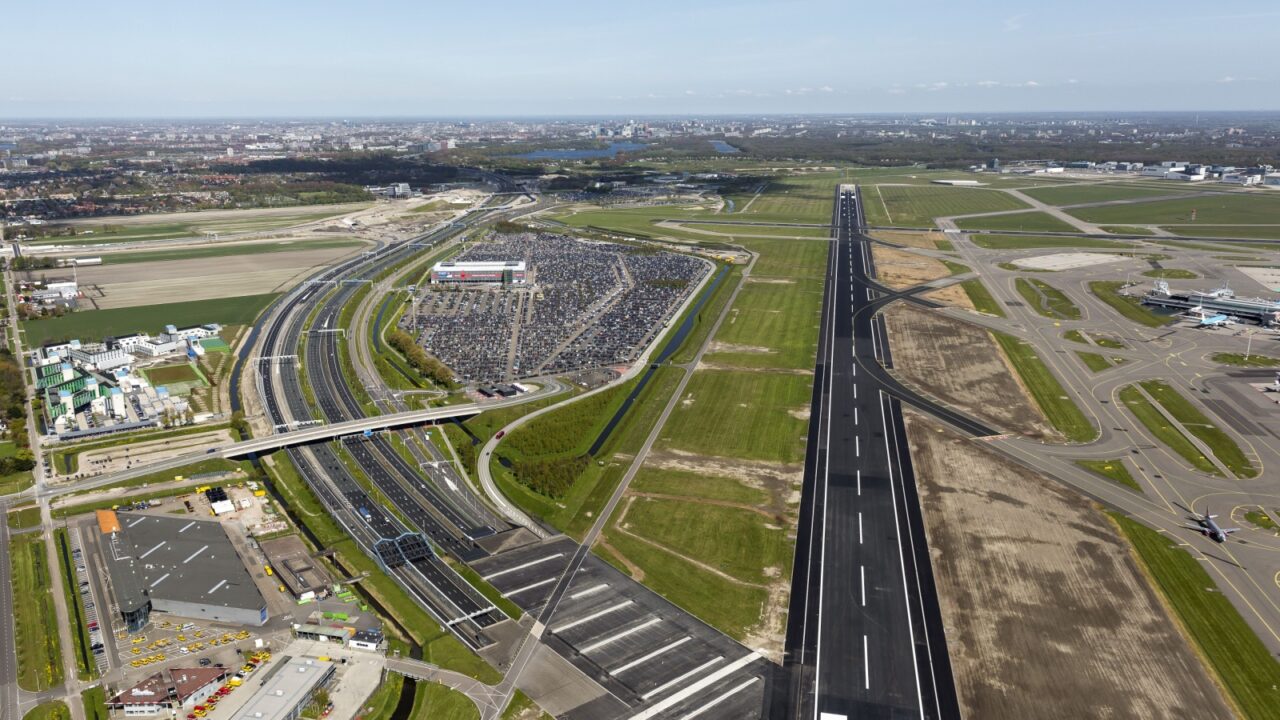
Global aviation corridors shifting
The Iran conflict is reshaping one of the world’s most important aviation corridors between Europe and Asia. Normally, thousands of daily flights pass through Middle Eastern airspace because it provides the shortest route between continents. When that corridor closes, airlines must squeeze through limited alternatives.
Fact: Aviation experts reported that some Europe-to-Asia traffic was forced into a corridor only about 50 miles wide through the Caucasus region after regional airspace disruptions. That narrow path shows how sensitive global aviation networks are to geopolitical events.
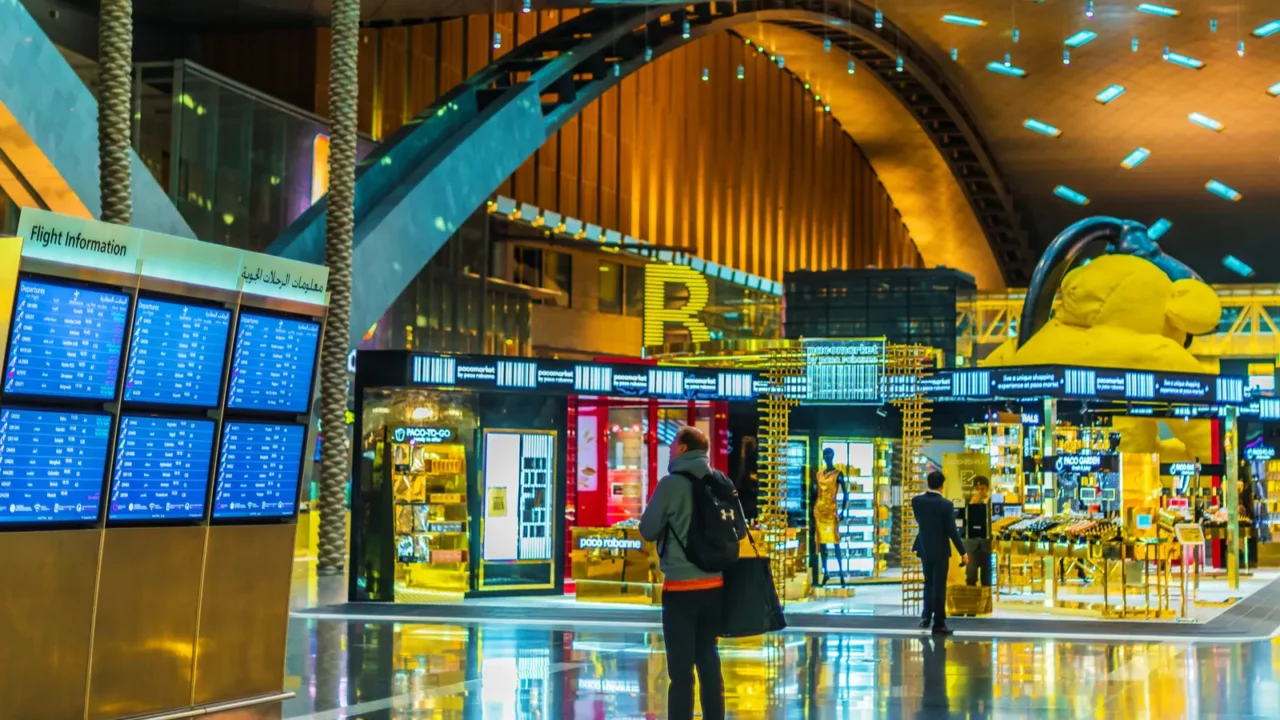
Gulf hubs face disruptions
Major Gulf aviation hubs are also feeling the effects of the Iran conflict. Airports like Hamad International Airport in Doha, Dubai International Airport, and Abu Dhabi’s Zayed International Airport normally connect travelers between continents. Airspace closures and security concerns have forced temporary suspensions or reduced operations.
Several airlines have paused or adjusted flights serving destinations across the region. These changes disrupt connecting passengers traveling between North America, Europe, and Asia. Even limited closures can affect thousands of travelers because Gulf airports handle massive global transit traffic.
U.S. airlines suspend routes
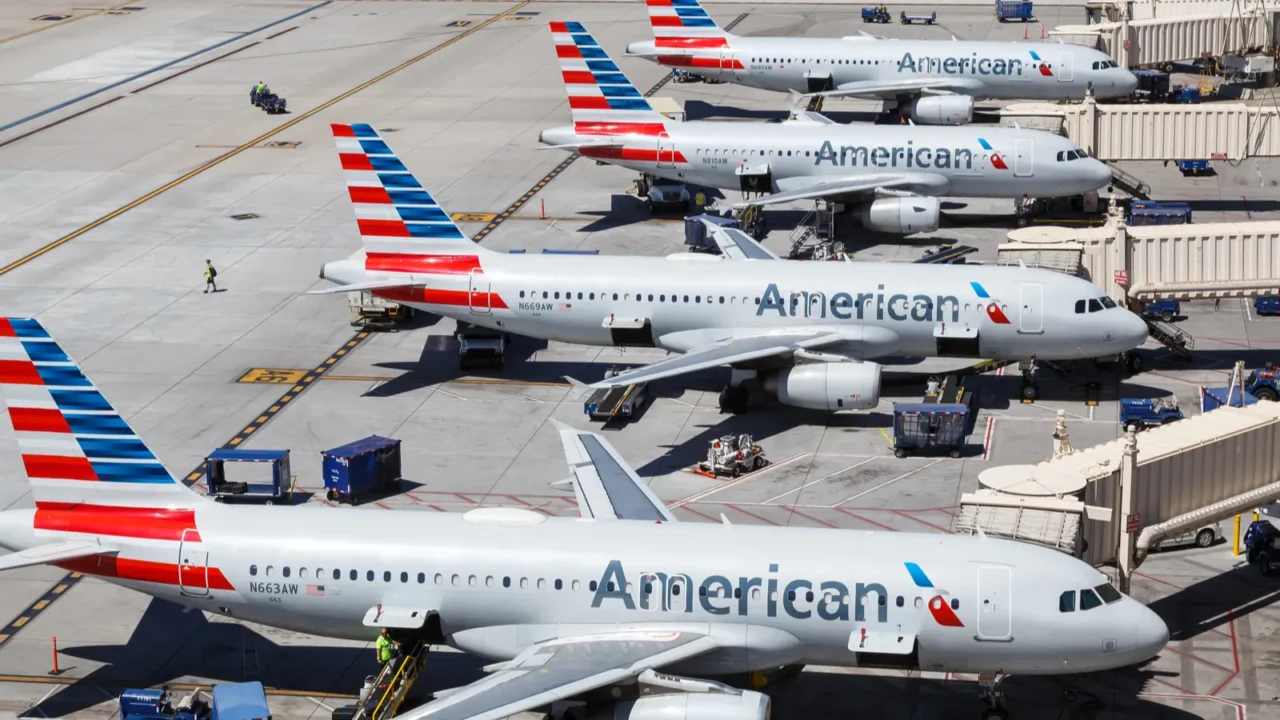
Several U.S. airlines have adjusted or suspended routes connected to the region during the Iran conflict. American Airlines temporarily suspended its Philadelphia–Doha flights, and United temporarily halted scheduled services to Dubai and Tel Aviv during peak escalation periods, citing safety concerns and airspace closures.
Airlines prefer to suspend routes rather than risk flying through unstable regions. These changes can disrupt international itineraries that rely on Gulf connections. However, airlines say passenger safety and crew security always remain the top priority.

Fuel costs also rising
The Iran conflict affects airlines not only through routing changes but also through rising operational costs. Longer routes require additional fuel and can increase overall flight expenses. When many flights are rerouted at once, the aviation industry can experience noticeable cost pressure.
Fuel prices are particularly sensitive to tensions in the Middle East because the region plays a major role in global oil supply. Higher fuel costs can eventually influence airline ticket prices on international routes. Airlines often monitor energy markets closely during geopolitical crises.

Travelers facing schedule changes
Travelers are seeing schedule adjustments as airlines adapt to the Iran conflict and regional airspace restrictions. Some flights depart earlier or later than originally planned to accommodate longer routes. Others may include unexpected stops for refueling during extended journeys.
Airlines usually notify passengers quickly when schedules change due to safety advisories. Travel experts recommend monitoring airline updates and airport announcements during periods of geopolitical uncertainty. Flexible travel planning helps reduce disruptions when global events affect aviation.
Airlines monitor safety advisories
Airlines constantly monitor safety advisories issued by aviation authorities during the Iran conflict. Organizations such as the European Union Aviation Safety Agency and global aviation monitoring groups track threats to civilian aircraft. Their guidance helps airlines decide which airspace to avoid.
Even when airspace technically remains open, airlines sometimes choose safer alternatives. Aviation safety experts emphasize that avoiding potential risk zones is standard practice during military tensions. Airline loyalty programs are evolving, and here’s what travelers need to know as airlines adjust routes, schedules, and benefits during periods of global disruption.
Global routes may evolve
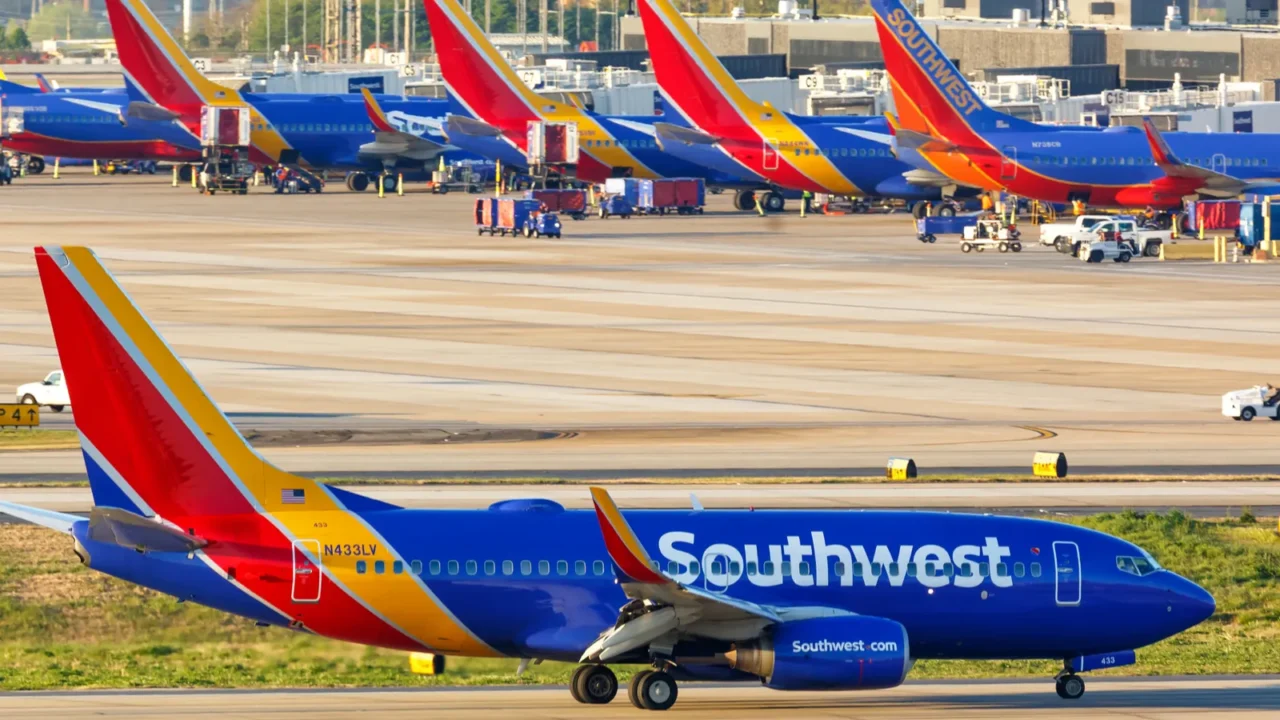
The Iran conflict shows how quickly global aviation networks can change during geopolitical crises. Airlines may continue adjusting routes until regional stability returns and airspace restrictions are lifted. For now, safety-driven detours remain the new normal for many long-haul flights.
Travel patterns often adapt when conflicts affect major transportation corridors. Airlines, airports, and aviation regulators all work together to keep international travel moving despite challenges.
How will global flight routes evolve if Middle Eastern airspace remains unstable for months? Share your thoughts below.
This slideshow was made with AI assistance and human editing.
Don’t forget to follow us for more exclusive content right here on MSN.
Read More From This Brand:
