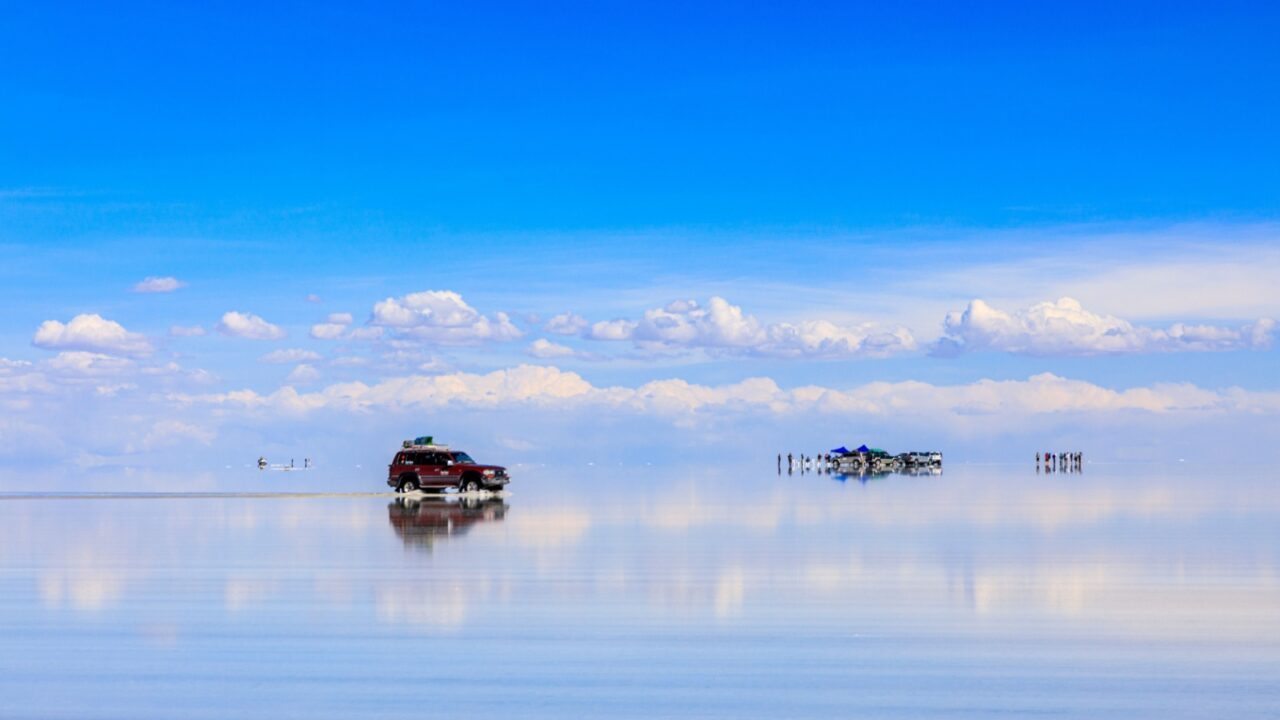
When Earth reflects the sky
In southwest Bolivia, there’s a place where the ground suddenly turns into a perfect mirror. Clouds, sunlight, and horizons reflect so clearly that direction feels lost. It looks like the sky and earth have quietly switched roles.
This strange illusion draws travelers from all over the world. Photos barely explain how real it feels in person. Let’s dive in!

The mirror of Bolivia
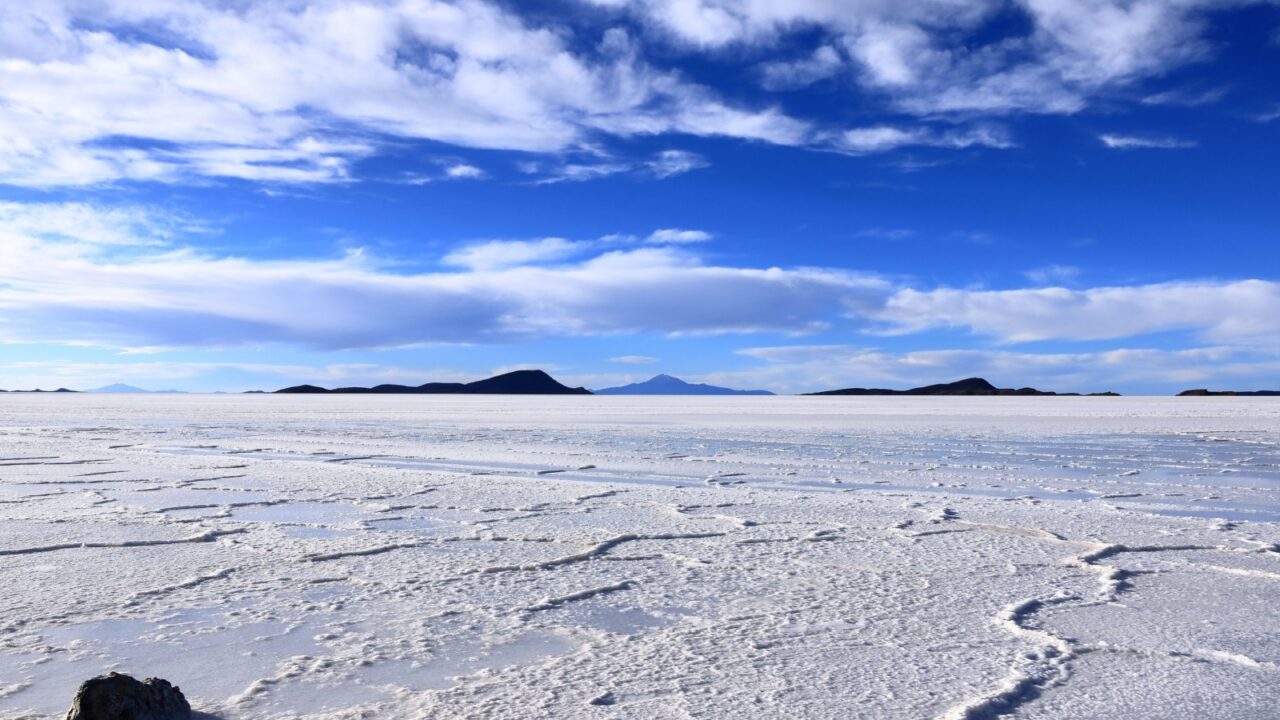
This phenomenon happens at Salar de Uyuni, the world’s largest salt flat. It stretches over ten thousand square kilometers across Bolivia’s Altiplano. Most of the year, it looks like a vast white desert.
For a short time, everything changes. A thin layer of water covers the salt surface. That’s when the mirror appears.
How the mirror forms
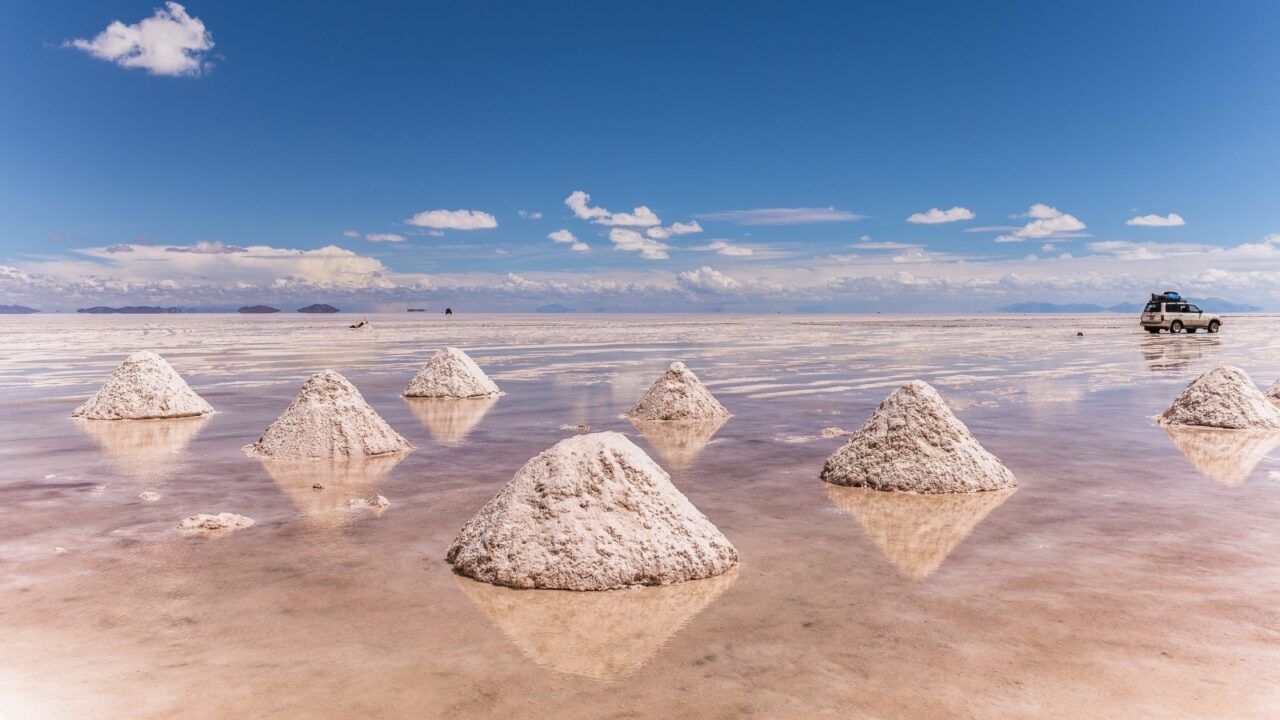
After seasonal rains, water spreads evenly across the flat. The salt crust underneath is extremely smooth and flat. That combination creates a natural reflective surface.
There are almost no ripples or waves. Light bounces cleanly off the surface. The result feels almost unreal.
The perfect flatness
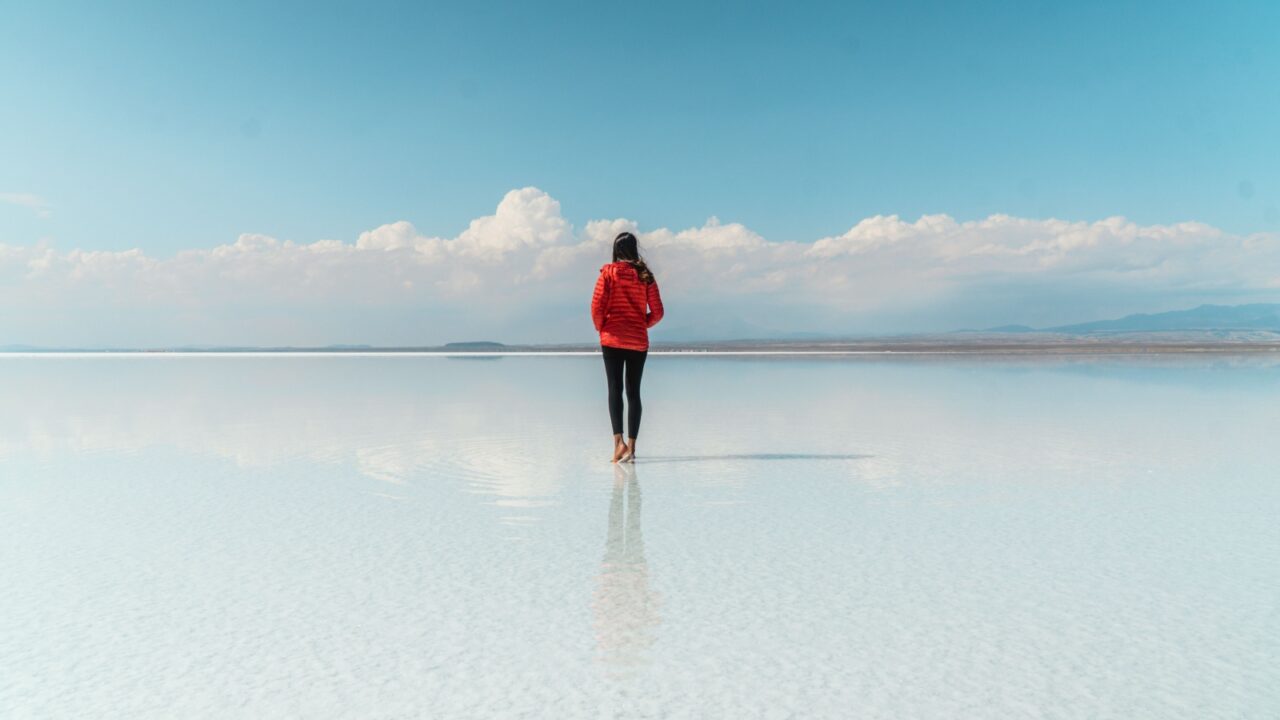
Salar de Uyuni is one of the flattest places on Earth. Variations in height are measured in centimeters across miles. That flatness is key to the mirror effect.
Even small slopes would break the reflection. Here, the surface behaves like polished glass. Nature did the engineering.
Rain makes the magic
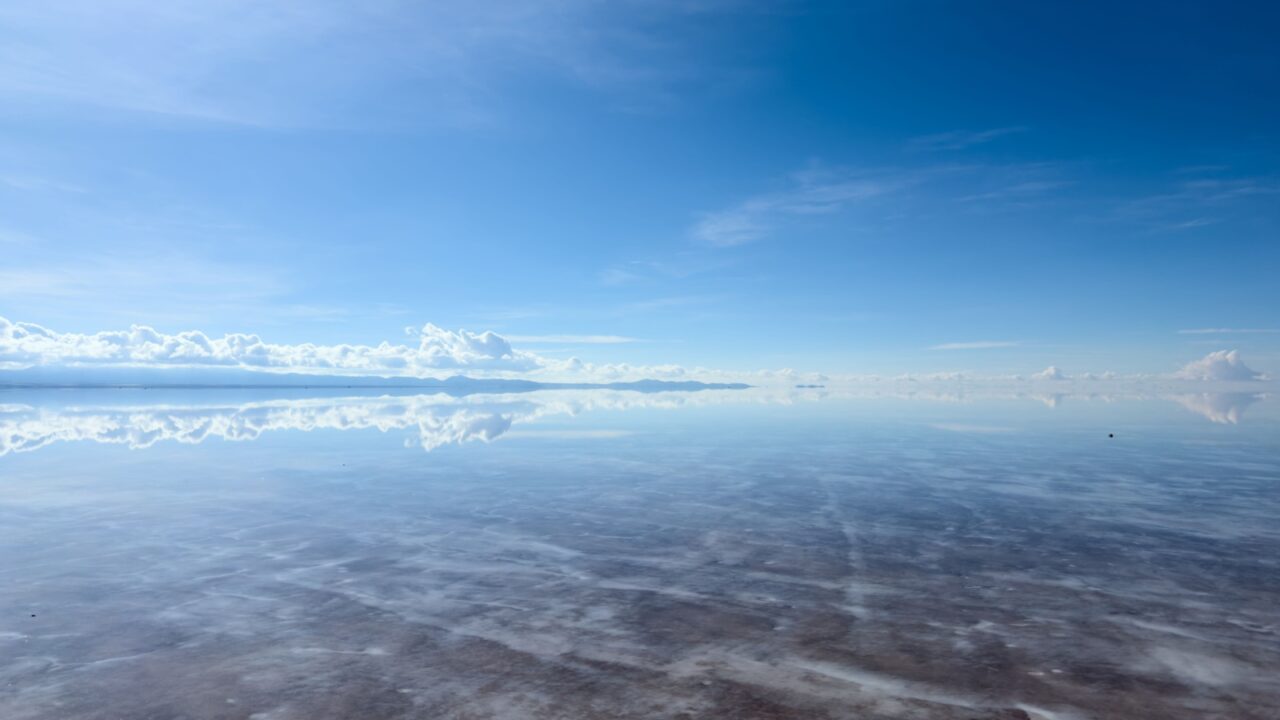
The mirror effect usually appears between December and March. Light rain is essential, but too much water ruins the reflection. Timing matters as much as weather.
Some days offer perfect conditions. Other days show only salt and sky. That unpredictability adds to the appeal.
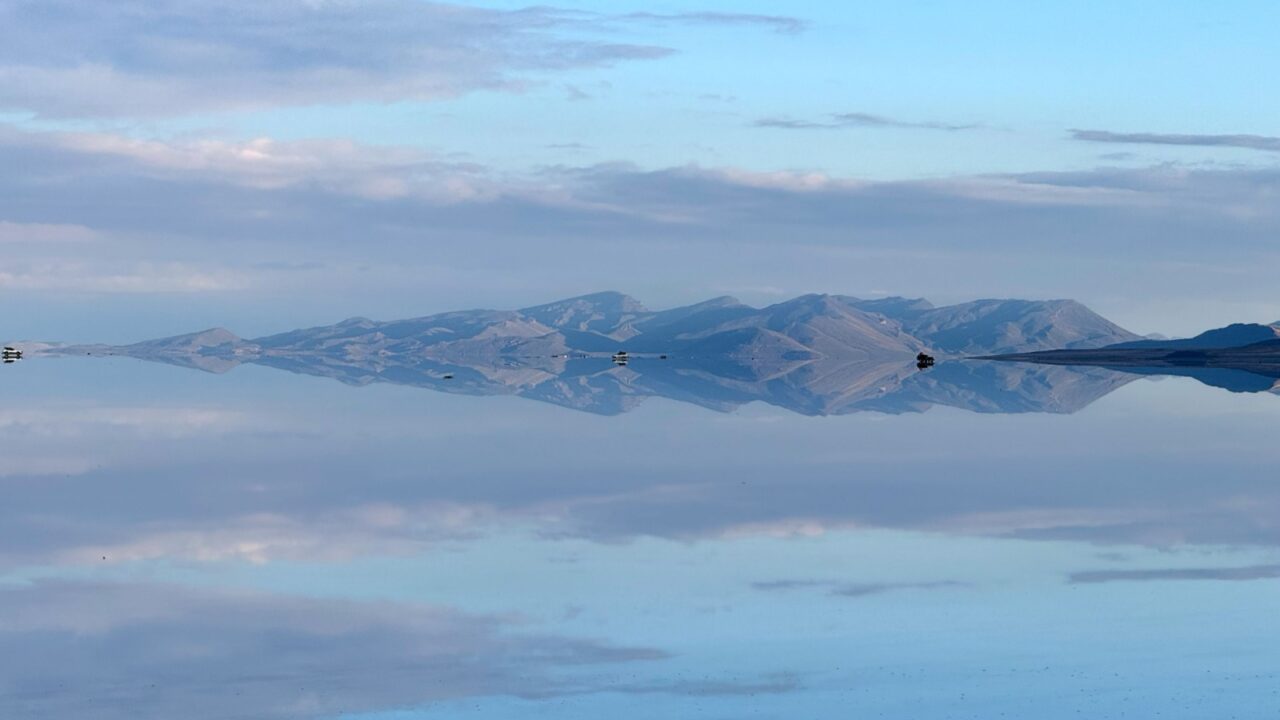
Sky and ground blur
When conditions align, the horizon disappears completely. Travelers can’t tell where land ends, and sky begins. Walking feels like floating through clouds.
Footsteps seem to hover above reflections. Even shadows look strange and detached. The experience feels dreamlike.
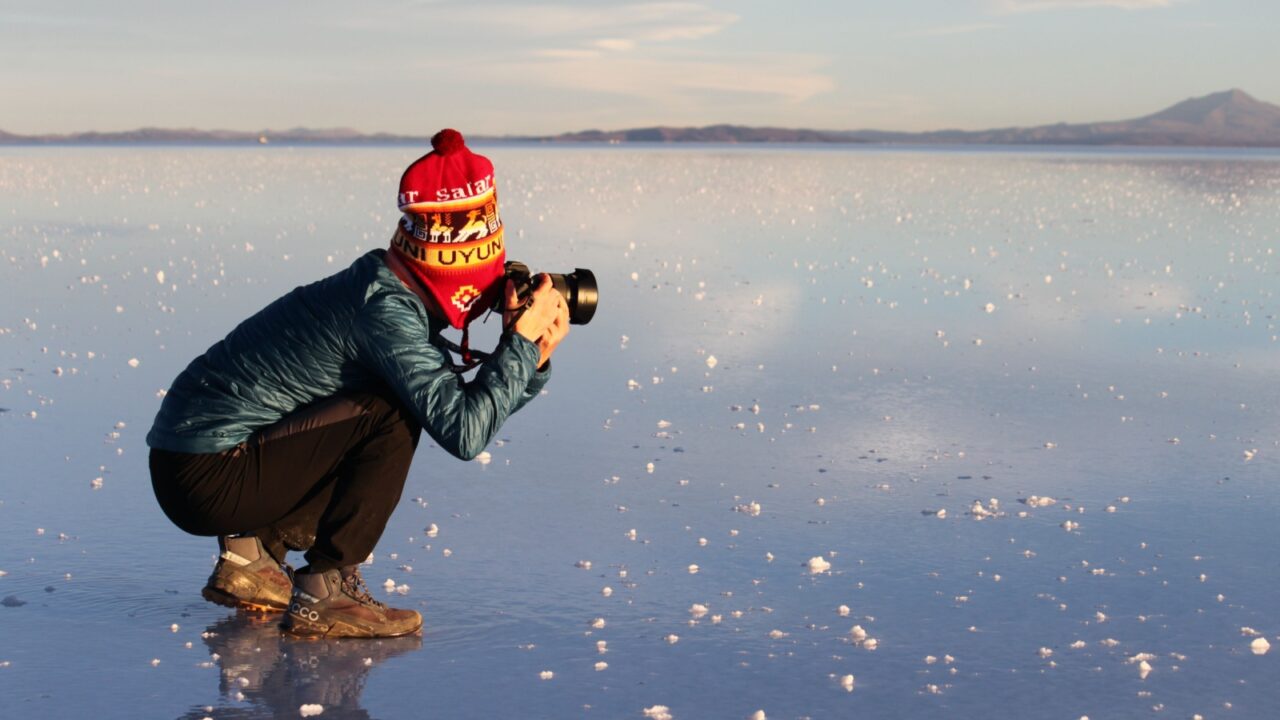
A photographer’s dream
Salar de Uyuni is famous for its panoramic photos. Reflections allow playful illusions with scale and distance. People appear to stand on clouds or touch the sky.
Professional photographers plan trips around this season. Light and reflection change throughout the day. Every hour offers something different.
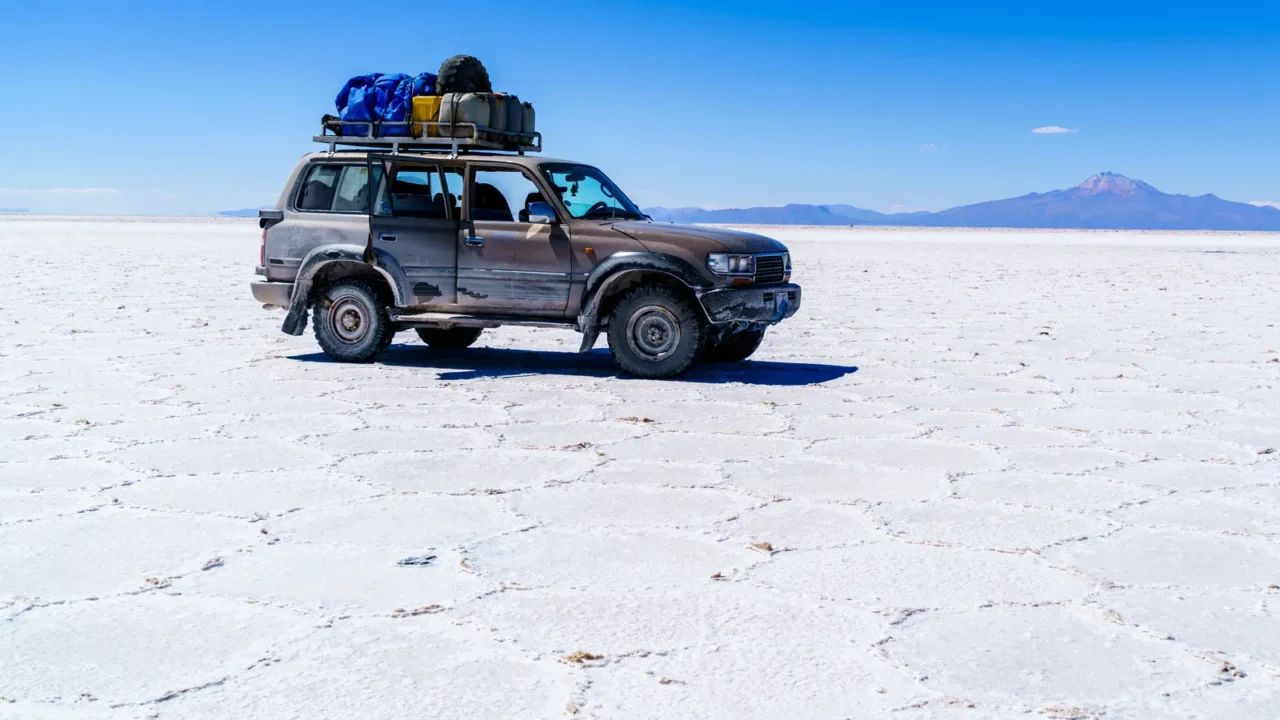
More than reflections
Even without water, the salt flat is striking. Hexagonal salt patterns stretch endlessly across the ground. The white surface feels blinding under the sunlight.
Islands covered with giant cacti rise from the salt. Isla Incahuasi is the most visited. It adds texture to the landscape.
Remote but reachable
Most travelers start from the town of Uyuni. Tours range from one day to several days. Jeeps are the main way to explore.
Distances feel vast and empty. Roads blend into the salt surface. The isolation becomes part of the experience.
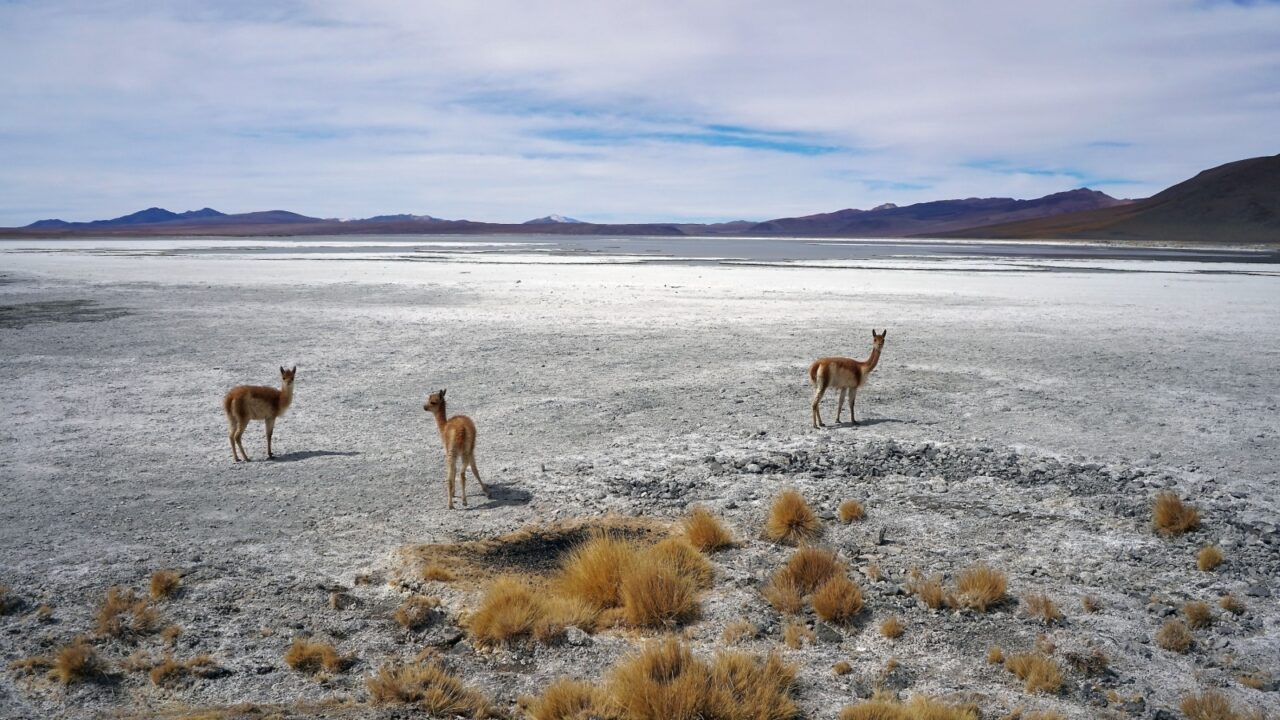
Wildlife nearby survives
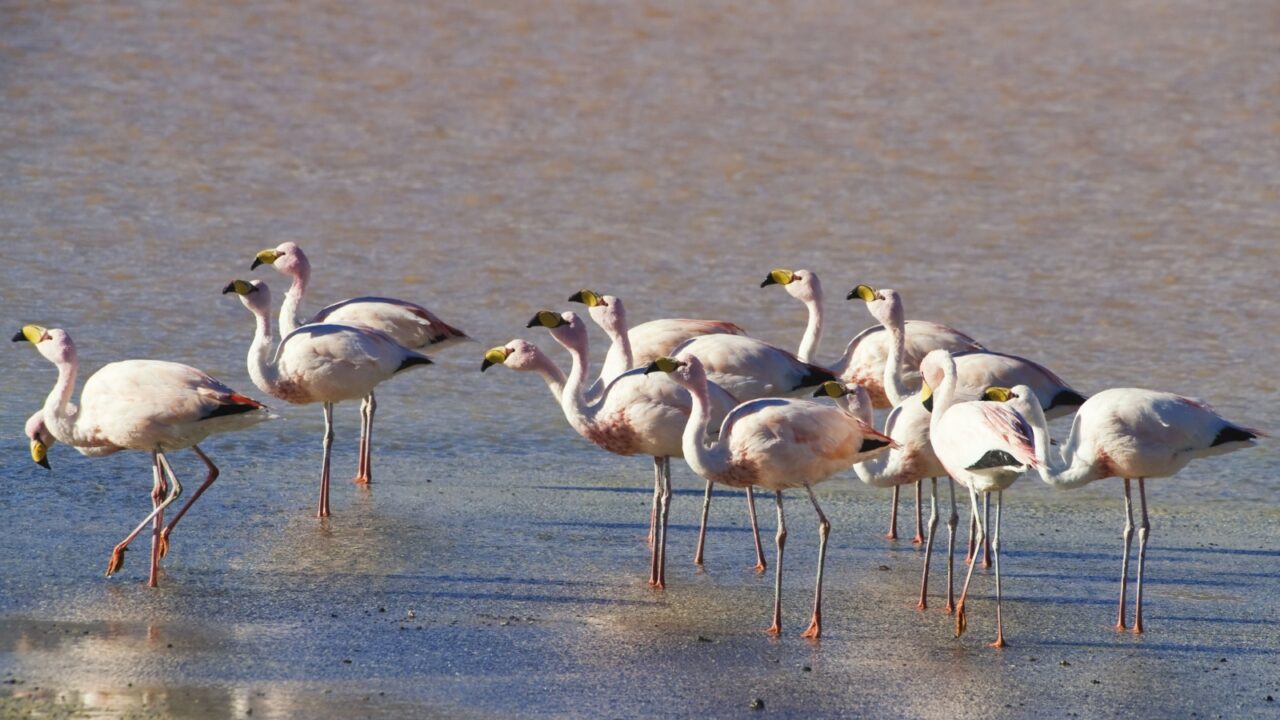
Despite harsh conditions, life exists around the flats. Flamingos gather in nearby lagoons during certain seasons. Their pink color contrasts sharply with the white salt.
These wetlands depend on a delicate water balance. The salt flat plays a role in the ecosystem. Nature here is resilient.
Weather shapes everything
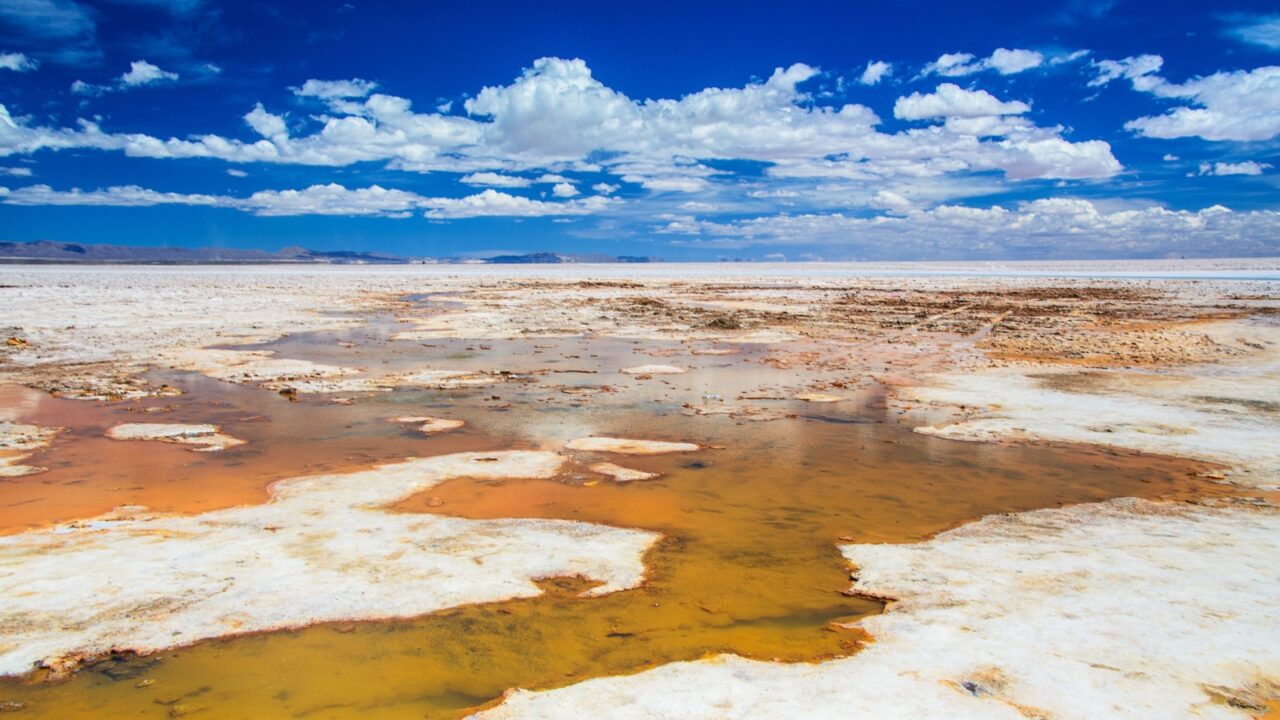
Clear skies create crisp reflections. Clouds add drama and depth to the mirror. Storms can erase the illusion instantly.
Patience is essential here. Nature decides what travelers see. That surrender is part of the journey.
A place with purpose
Salar de Uyuni also holds major lithium reserves. It plays a role in global battery production, adding complexity to how the landscape is managed. This balance mirrors other natural spectacles, like why Tanzania’s flamingo migration turns lakes pink each year, where ecosystems and global attention intersect.
Balancing tourism, industry, and conservation is an ongoing challenge. Awareness has increased in recent years. Protection matters more than ever.
Reality feels upside down
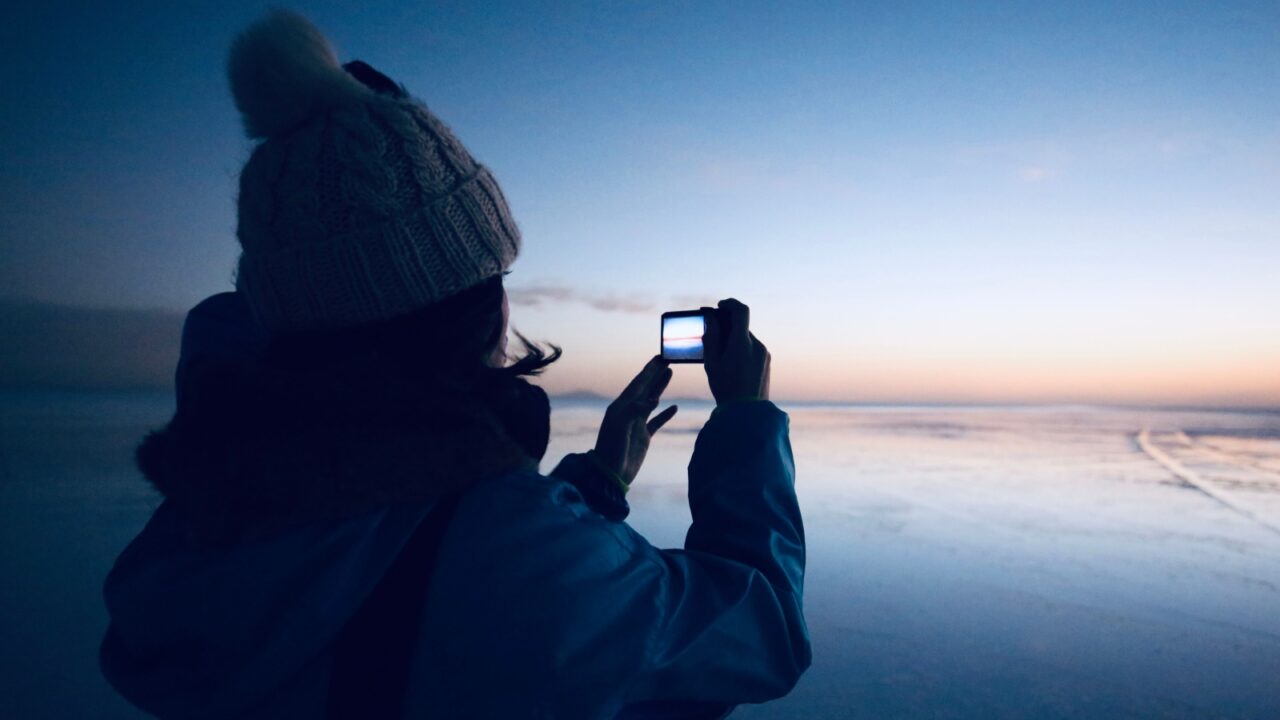
Salar de Uyuni changes how travelers see space and scale. Standing between sky and reflection feels humbling. Few places bend reality so completely.
The most unforgettable landscapes challenge perception itself. A mirror made of salt reminds travelers how powerful simplicity can be. Which destination has made reality feel different during your travels? Share your thoughts below.
This slideshow was made with AI assistance and human editing.
Don’t forget to follow us for more exclusive content right here on MSN.
Read More From This Brand:
