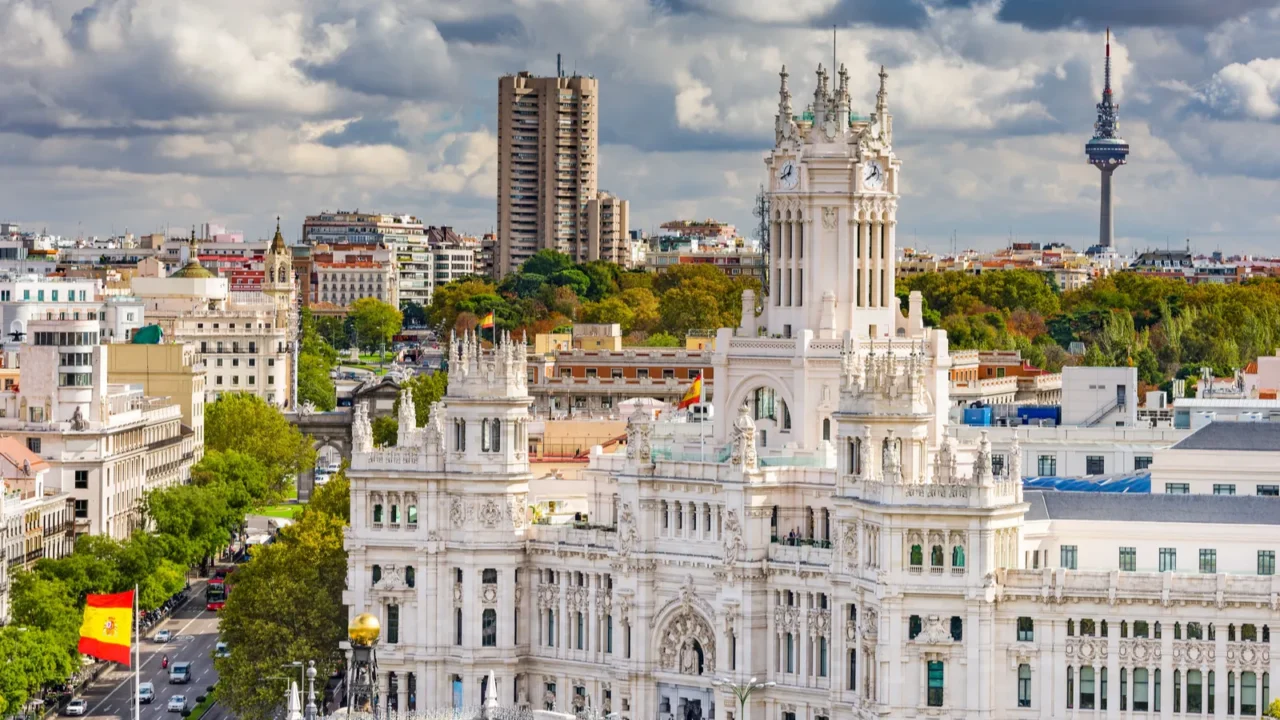
Spain, but make it feel new
If Spain is on your 2026 list, you don’t have to fight shoulder-to-shoulder crowds. A few smart swaps can give you better meals, calmer streets, and more nature. Think of it like choosing the scenic route instead of the busiest highway.
This slideshow skips the “same old” stops and spotlights regions that still feel lived-in. You’ll get food cities, wild coastlines, and greener travel picks. Let’s start in the north, where Spain feels refreshingly different.
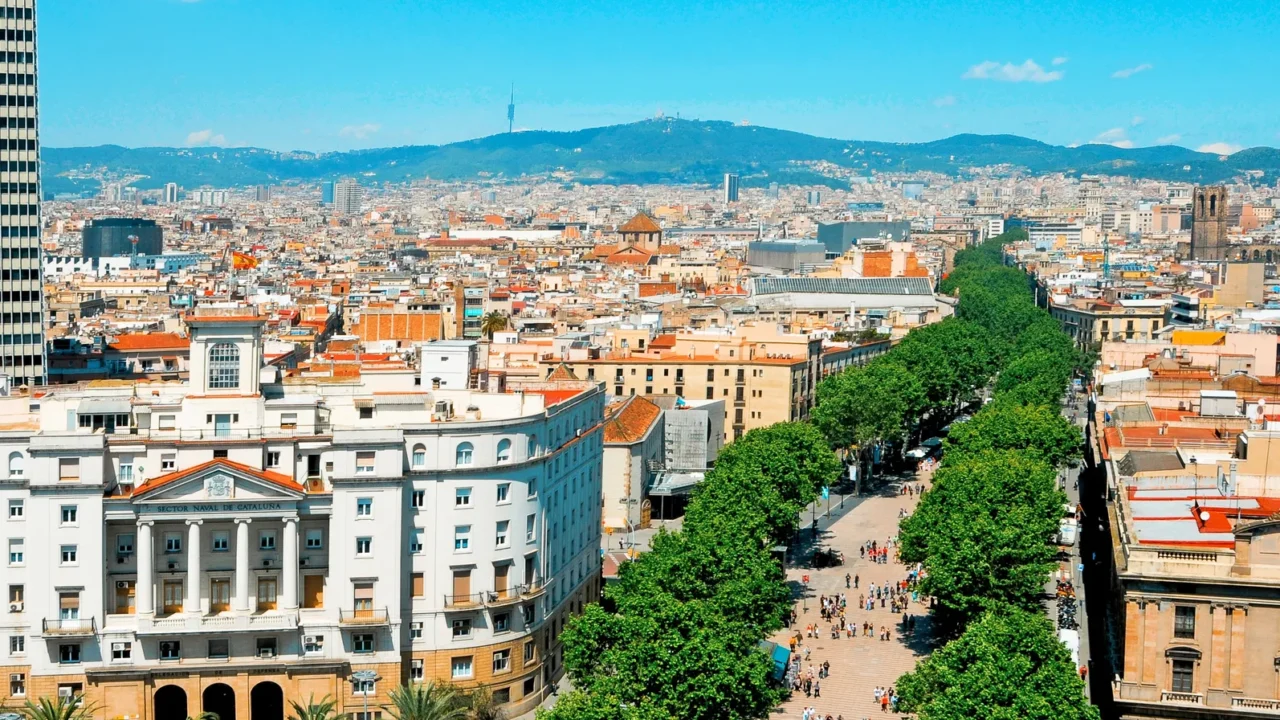
The swap that changes everything
Barcelona and Madrid are amazing, but they can feel packed in peak months. If you want a trip with a slower pace, switch one big city for one region. You’ll still get culture, art, and big flavors.
The Basque Country is one of those easy wins. It pairs coastline views with serious food and bold design. And it’s built for day trips, so you can see a lot without constantly repacking.
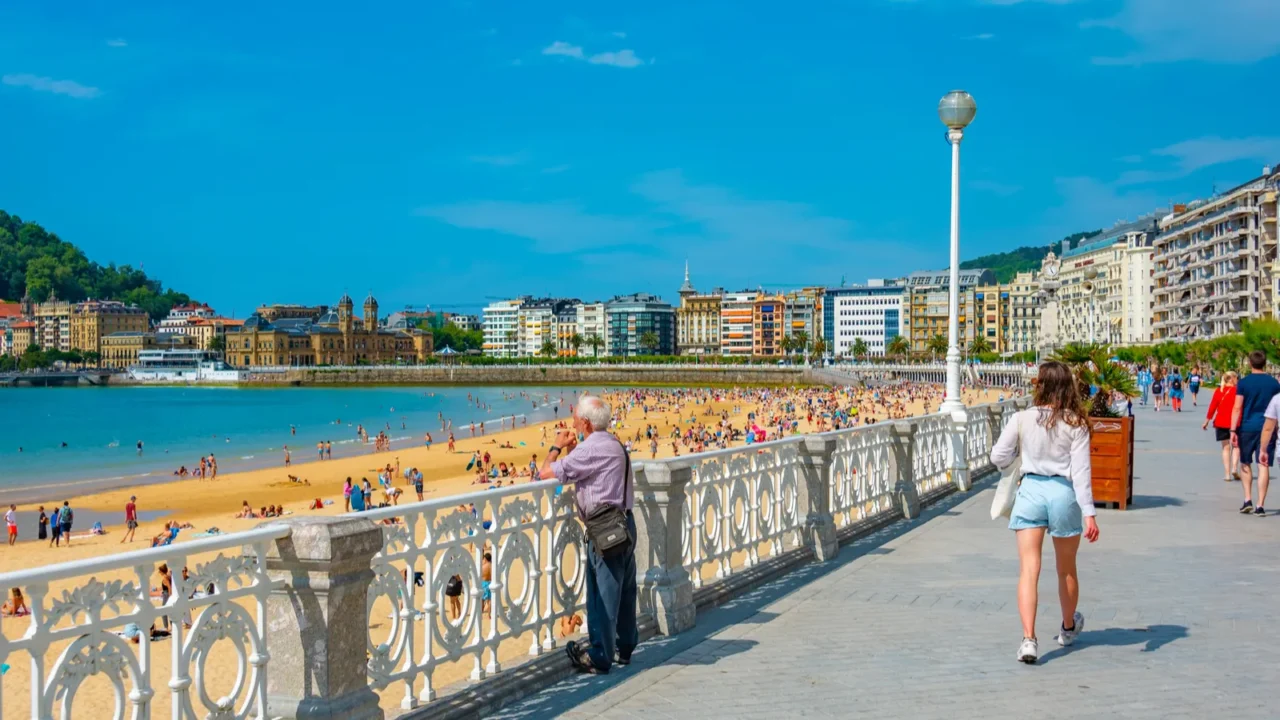
San Sebastián, the food-first city
San Sebastián is the kind of place where dinner feels like a hobby. You can hop from bar to bar sampling pintxos, then end with a waterfront walk. It’s lively without feeling like a theme park.
The city is also known for top-tier restaurants. Local tourism officials highlight its unusually high number of Michelin-starred spots for its size. Even if you never book a fancy table, the everyday food scene is the point.
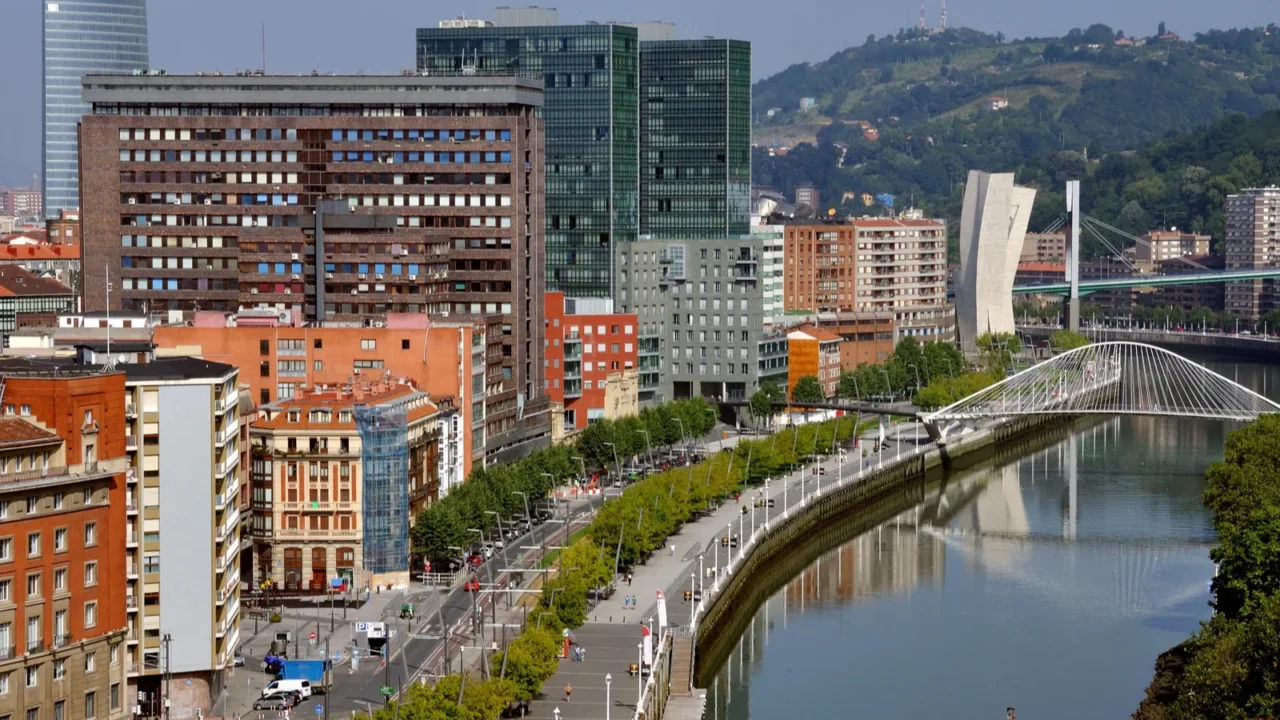
Bilbao for art and modern vibes
Bilbao is a great “city break” alternative when you want architecture and energy. The riverfront feels modern, walkable, and easy to navigate. It’s also a strong base for quick day trips around the region.
The headline stop is the Guggenheim Museum Bilbao, designed by Frank Gehry. Even people who “aren’t museum people” often come just to see the building. Make it a morning visit, then spend the afternoon in the old town.
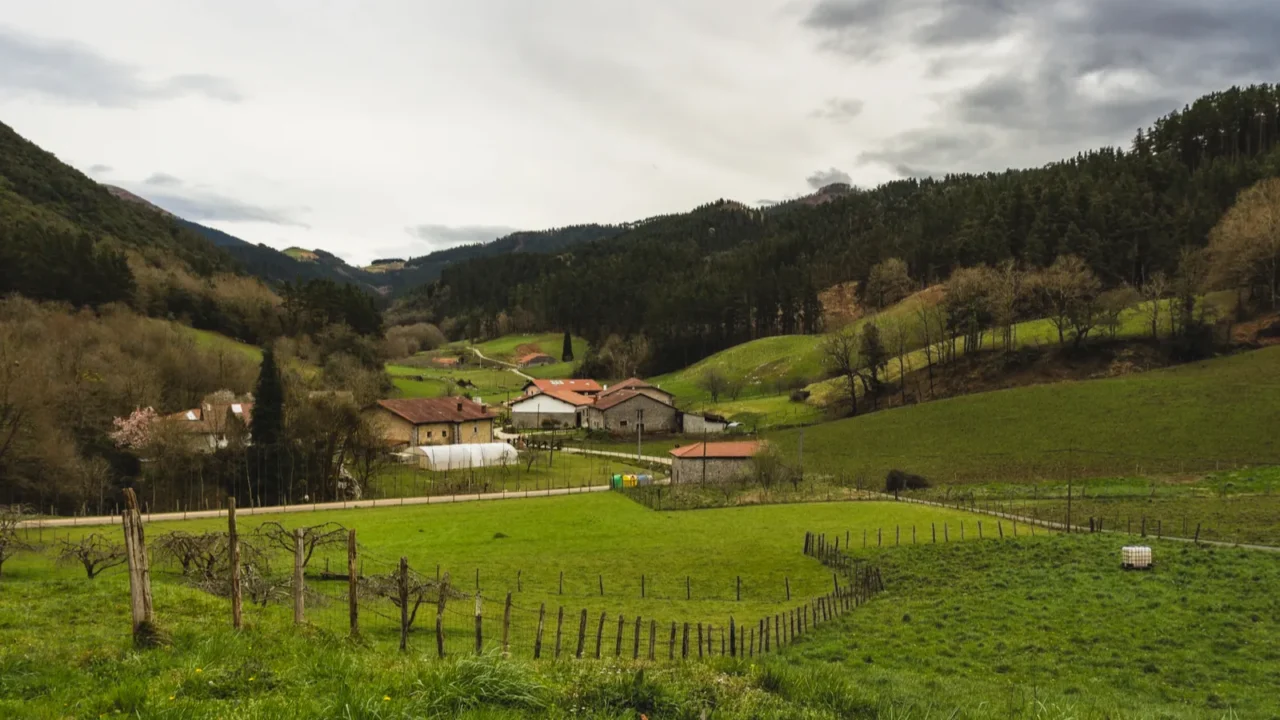
Basque culture beyond the postcards
The Basque Country feels different because it has its own strong local identity. You’ll see Basque names on signs, hear Euskara in everyday life, and notice traditions that don’t match the rest of Spain. That’s part of the fun.
Euskara is also famous for a reason. Britannica describes it as a language isolate, meaning it has no known linguistic relatives. For travelers, that uniqueness shows up in food words, place names, and local pride.
Trade the Costa del Sol for wilder shores
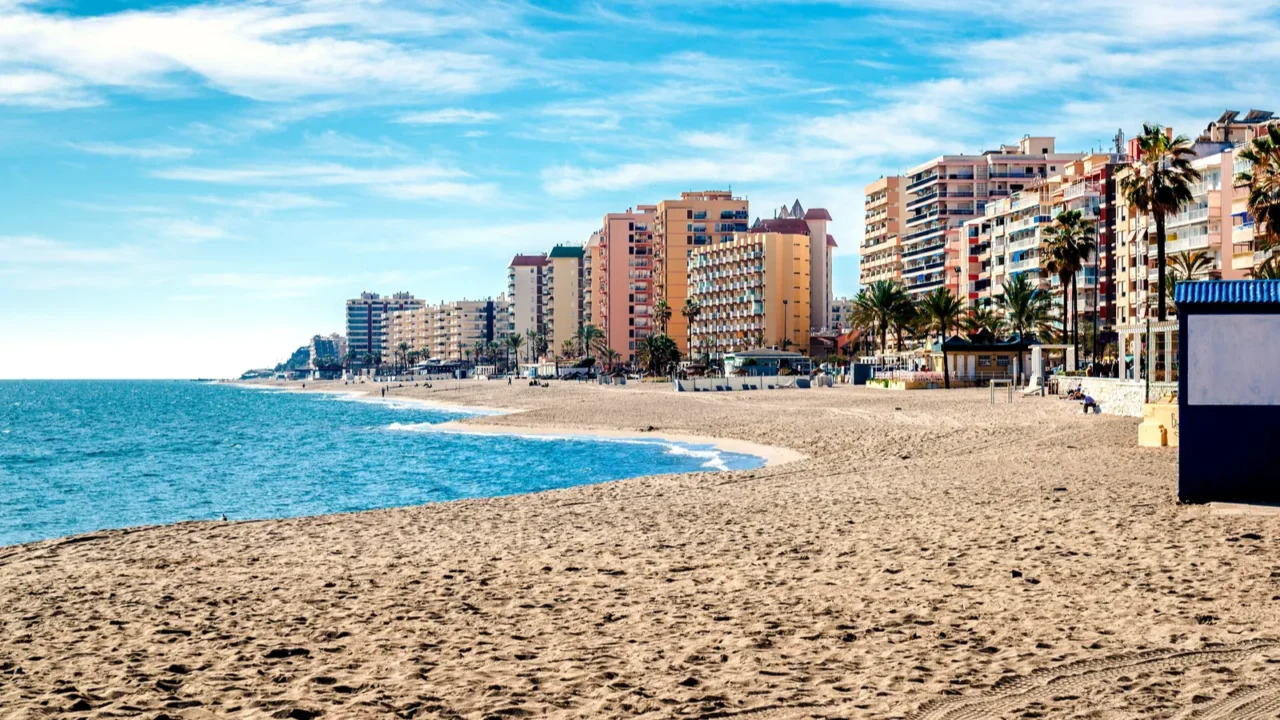
If you like beach weather but not beach crowds, swap the Costa del Sol for Costa de la Luz. This stretch runs along Spain’s Atlantic side, with long sands and big sunsets. It feels more open and less built-up in many spots.
Spain’s official tourism site highlights the Costa de la Luz for beaches in Cádiz and Huelva. You still get classic “Spain summer” energy, just with more room to breathe. It’s a great reset after busy sightseeing days.
Barbate for a real fishing-town feel
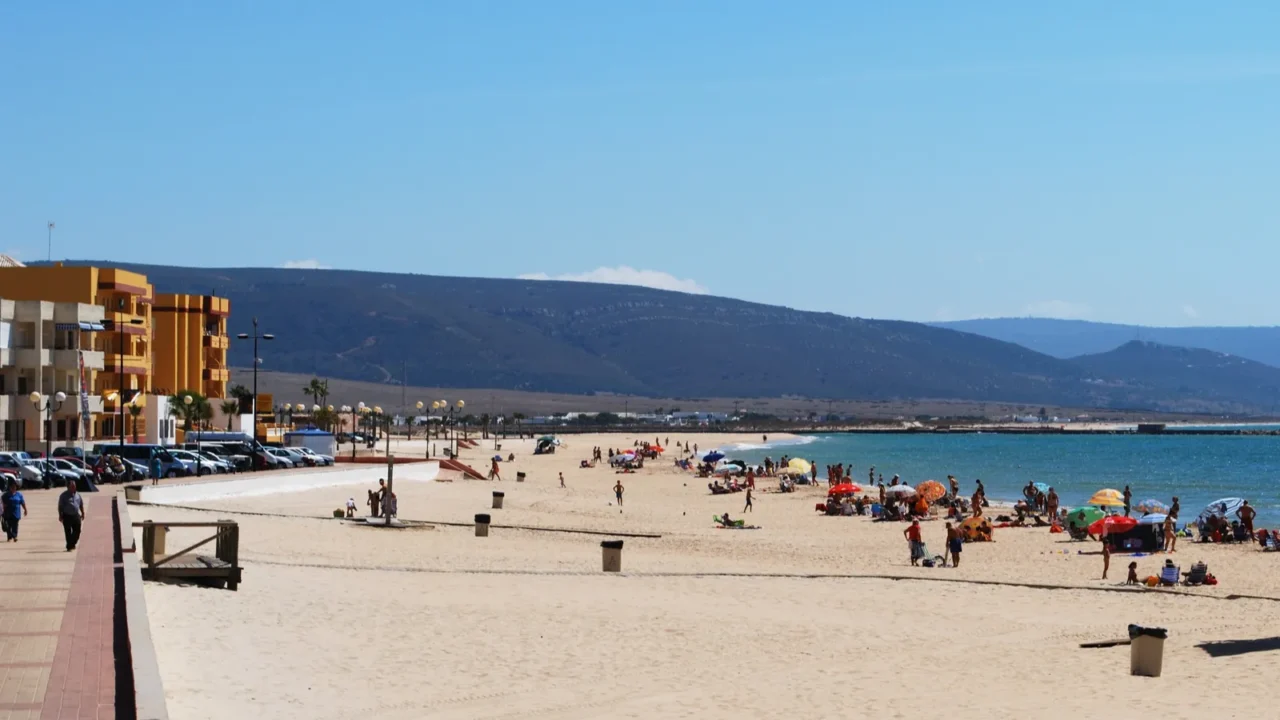
Barbate is a strong pick when you want something simple and coastal. It’s known for its fishing culture, fresh seafood, and that relaxed, end-of-the-day seaside mood. You’re not going for big landmarks, you’re going for atmosphere.
Andalucía’s official tourism site places Barbate right on the Costa de la Luz. It’s the kind of town where a beach walk and a seafood lunch can be the entire plan. If you love “local life” travel, this is it.
Little-known fact: Valencia was named European Green Capital 2024 by the European Commission, recognizing its work on sustainability and green transition.
Jerez for sherry and old-city charm
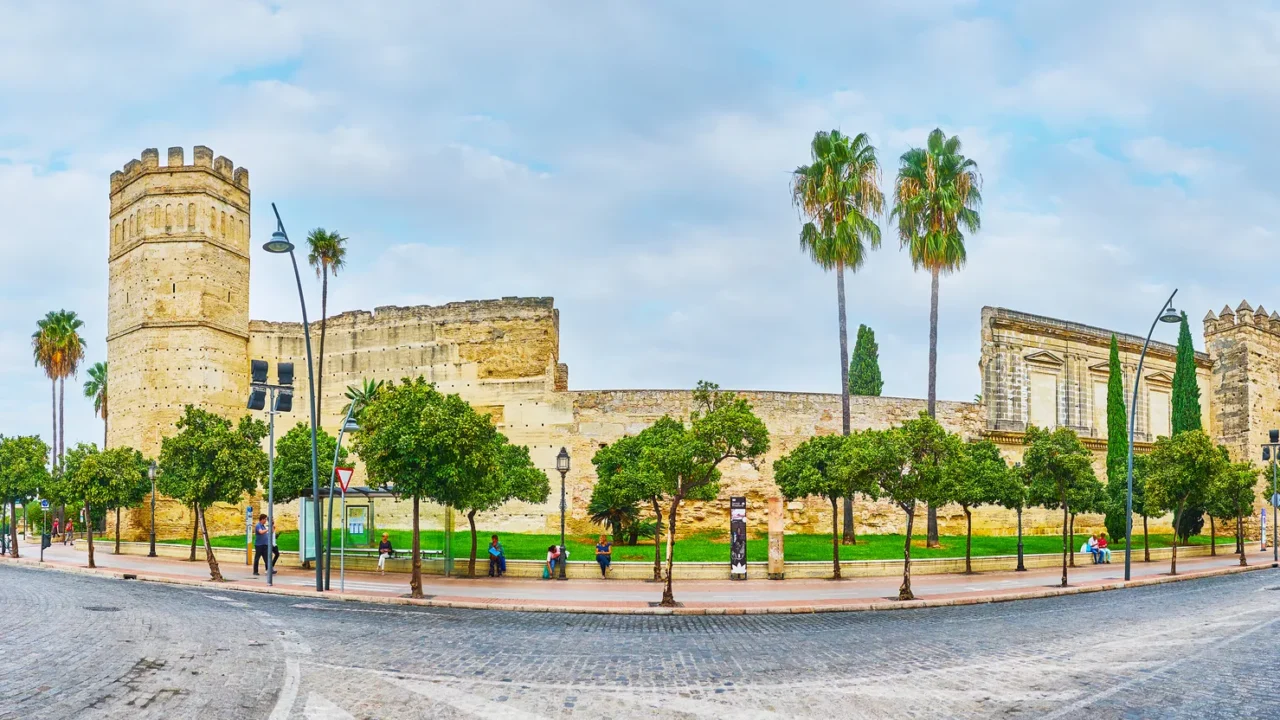
Jerez de la Frontera is a smart swap when you want Andalusia without the biggest tourist crush. The city is deeply tied to sherry, with bodegas and tasting culture woven into daily life. It’s also a place where an evening stroll still feels local.
The sherry region is overseen by the Consejo Regulador, which says it was established in 1935. That’s a big deal in Spanish wine history, and it helps explain why Jerez feels so rooted. Go for tastings, stay for the vibe.
Little-known fact: The Guggenheim Museum Bilbao opened in October 1997, and the museum says it grew from a partnership between Basque institutions and the Solomon R. Guggenheim Foundation.
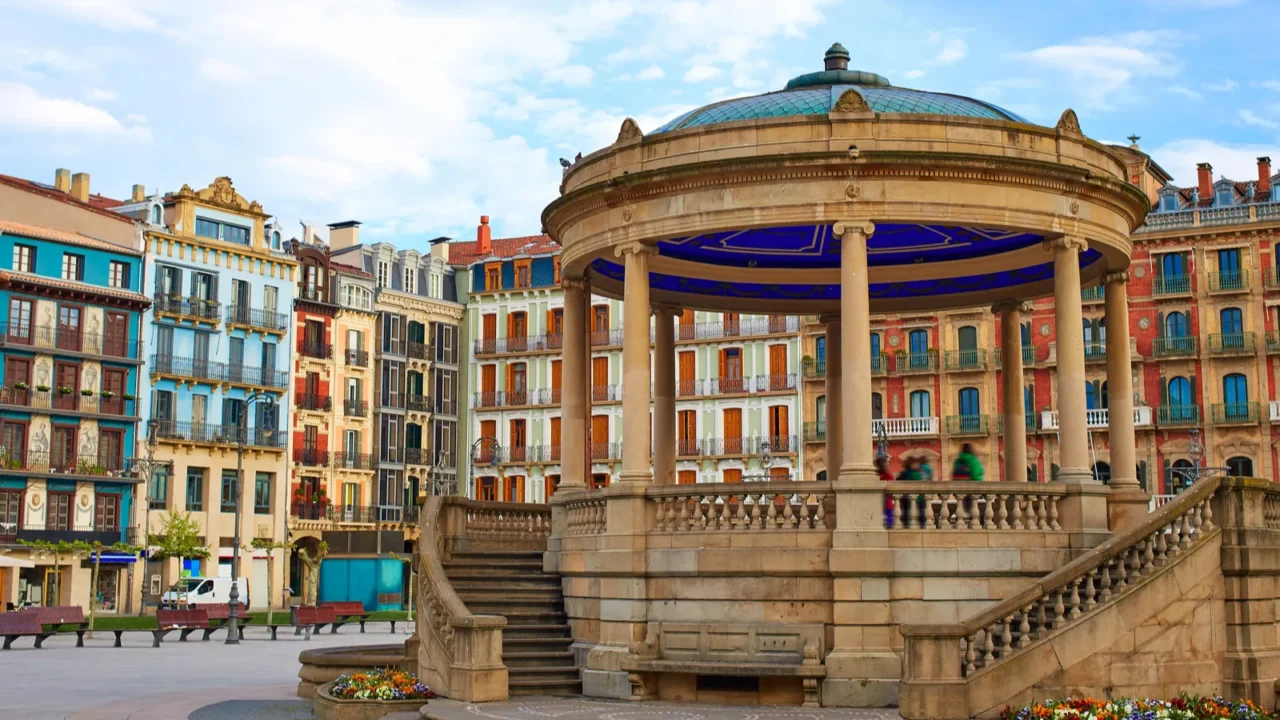
Navarra for greener, quieter travel
Navarra is a strong choice if you want nature and small towns. It’s in northern Spain, and it’s built for slow travel, hiking, and rural stays. You’ll spend less time in lines and more time outdoors.
Navarra’s tourism office leans into sustainable travel and nature-based lodging. That can mean rural houses, campsites, and stays in scenic areas that feel genuinely peaceful. If your ideal trip is “fresh air and good sleep,” start here.
Fun fact: The Cultural Landscape of the Serra de Tramuntana in Mallorca is a UNESCO World Heritage site, recognized for its long history of mountain agriculture and water-management systems.
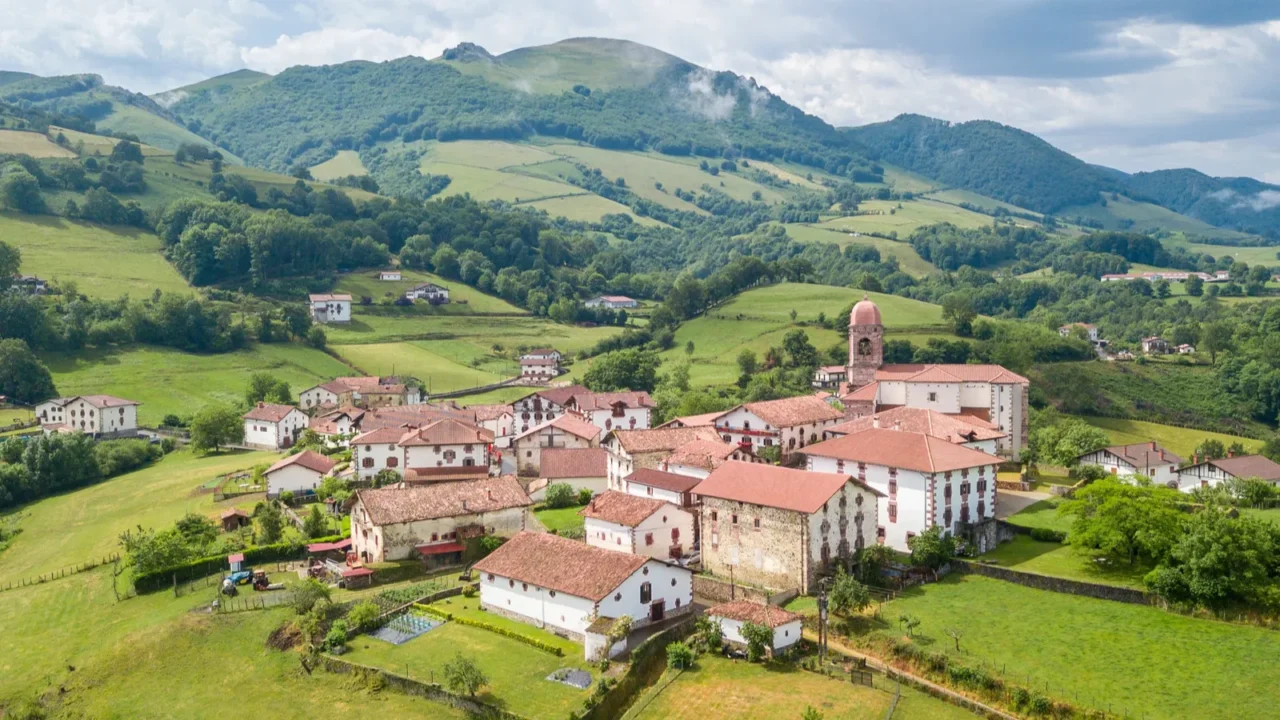
The Baztán Valley feels storybook
The Baztán Valley is the kind of green you don’t expect from “Spain” stereotypes. You’ll see stone farmhouses, small villages, and a landscape that feels more like a fairytale road trip than a checklist vacation. It’s made for slow drives and short walks.
Visit Navarra highlights the valley’s villages and its deep greenery. Pick one base town, then explore a few nearby stops each day. It’s easy, calm, and perfect when you want to unplug.
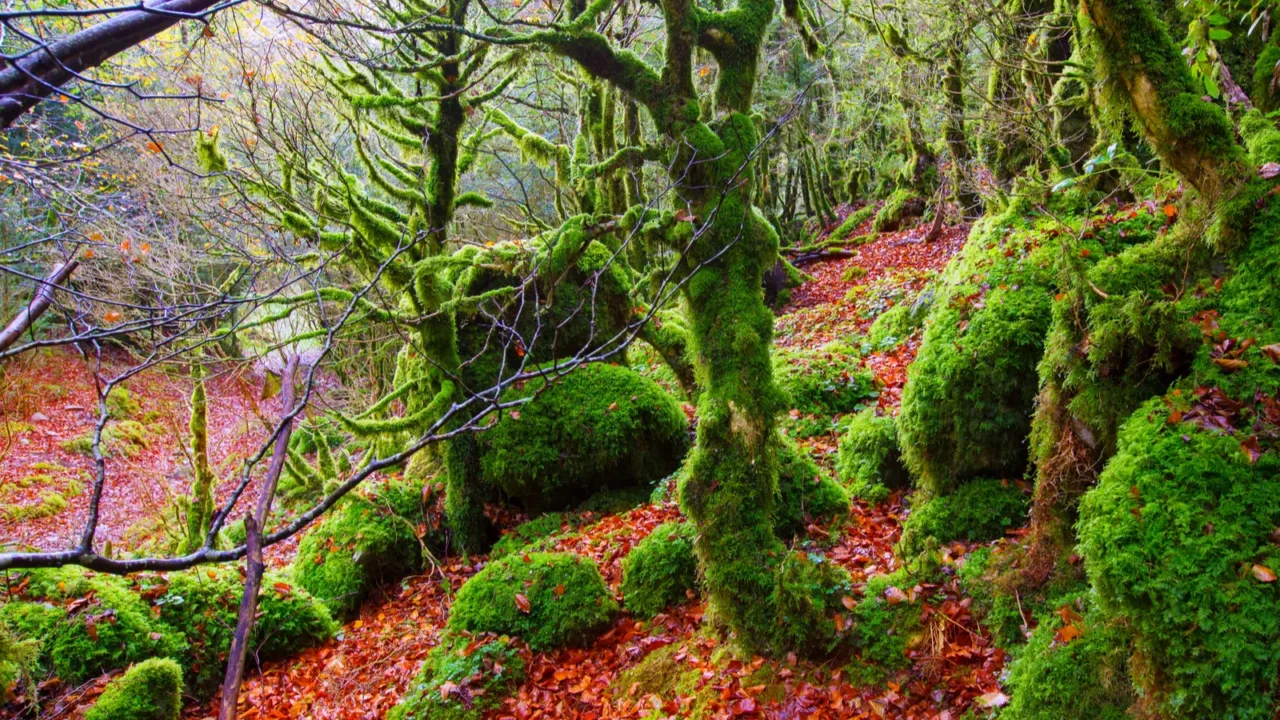
Irati Forest for a big nature fix
If you want a forest day that feels truly wild, put Irati on your list. It’s known for dense beech and fir trees and a “quiet-but-huge” feeling on the trails. The air is cool, and the scenery is dramatic in every season.
Navarra’s tourism site calls Irati one of the largest and best-preserved beech and fir forests on the Iberian Peninsula, and it is the largest wooded area in Navarre. That’s why it works so well as a crowd-free alternative to more famous nature spots. Bring good shoes and a picnic mindset.
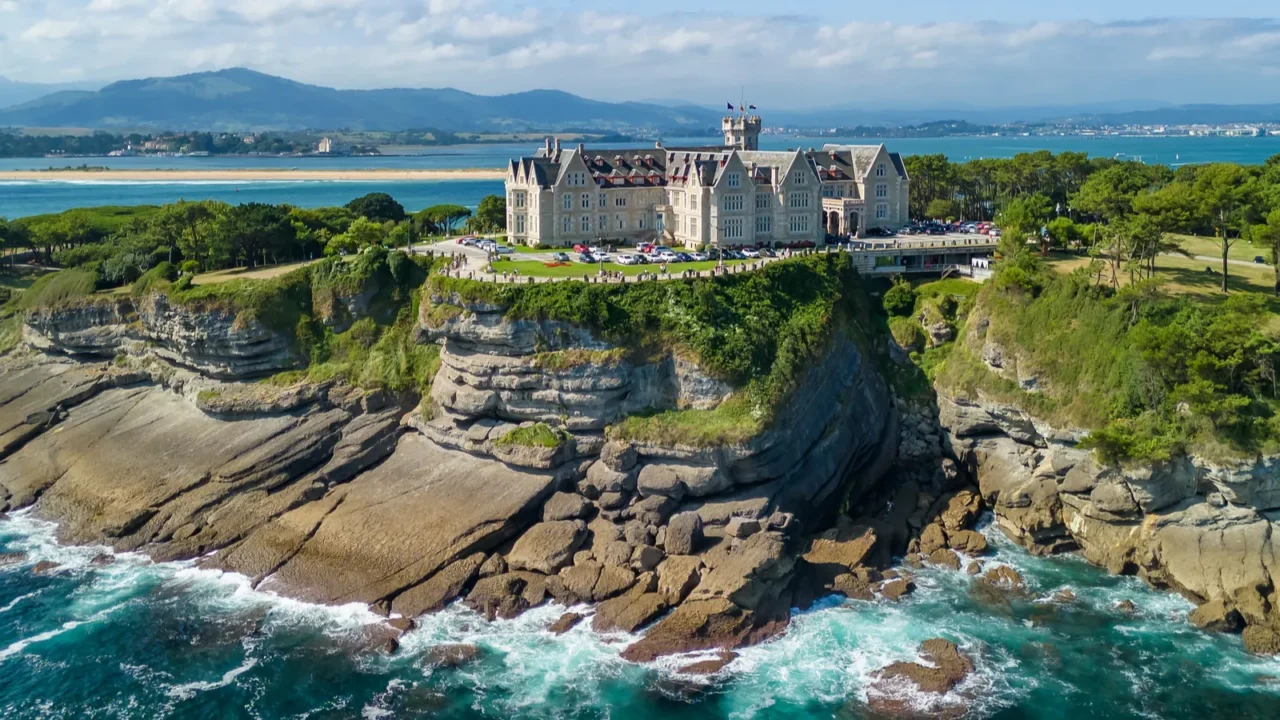
Cantabria for mountains, not mall crowds
If you think Spain is only beaches and cities, Cantabria will surprise you. This is where your trip turns into hikes, viewpoints, and cool-air mornings. It’s also a strong option when summer heat feels too intense down south.
Nearby, the Picos de Europa National Park spreads across Asturias, Cantabria, and León. Spain’s tourism site highlights it as a major Atlantic ecosystem with dramatic rock formations and deep forests. Even a short visit feels epic.
In other news, see why travelers are choosing secondary airports over major hubs in Europe.
A travel program that gives back
Some trips feel good, but don’t leave much behind. Navarra has a project called Huella Positiva that’s designed around regenerative tourism. The idea is simple: visitors join experiences that support local nature and culture.
Spain’s official tourism agency describes Huella Positiva as a set of experiences where visitors actively contribute to conservation and community benefits. It’s a great fit for travelers who want their trip to feel more meaningful. Look for activities that match your pace, not your guilt.
Looking for more options? Check out Spain’s best hidden gems to add to your bucket list.
So, when are you planning your trip to Spain? Share your plans in the comments.
This slideshow was made with AI assistance and human editing.
Don’t forget to follow us for more exclusive content right here on MSN.
Read More From This Brand:
