
International travel cost surge
The U.S. Travel Association reports that international travel spending by Americans has risen sharply through 2025 and early 2026, reflecting inflation and demand recovery. Average total trip costs are now approaching $9,922 per international vacation. This figure includes airfare, accommodations, food, and on-ground expenses across major destinations.
Rising global demand and limited airline capacity have pushed prices upward across multiple categories. Destinations like Paris, London, and Tokyo remain top choices despite higher costs. Travelers are now budgeting more carefully as international trips become a significant financial commitment.

Airfare takes largest share
Airfare remains the single largest expense in most international trips from the United States. Average round-trip international flights now range between $800 and $1,500, depending on destination and season. Long-haul routes to Europe and Asia often push costs even higher.
Flights to cities like London and Tokyo frequently exceed $1,200 during peak travel periods. Limited seat availability and fuel costs continue to influence pricing trends. Airfare alone can account for nearly 30 percent of total trip expenses.

Accommodation costs keep rising
Hotels represent another major portion of international travel budgets for Americans. Average nightly hotel rates in global cities range from $150 to $400, depending on location and quality. Luxury properties in cities like Paris and Dubai can exceed $500 per night.
A typical seven-night stay can easily cost between $1,200 and $2,800 for mid-range travelers. Short-term rentals offer alternatives but often include service fees and taxes. Accommodation expenses consistently rank as the second largest cost category.
Food expenses add up
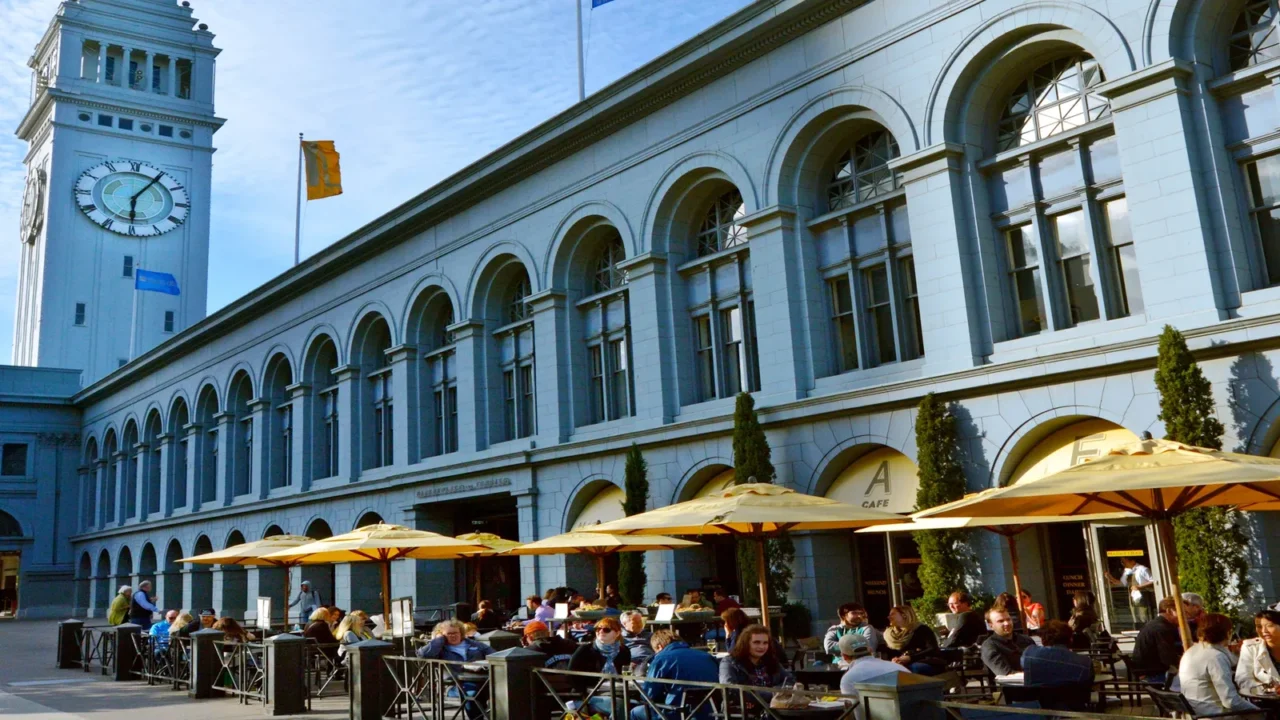
Dining costs vary widely depending on destination and travel style. Travelers typically spend between $30 and $100 per day on meals in major international cities. Fine dining or tourist areas can significantly increase daily spending.
Cities like Rome and Barcelona offer more affordable options compared to places like Zurich or Tokyo. Street food and local eateries can help control costs. Food expenses usually account for about 15 to 20 percent of total trip spending.
Transportation beyond flights
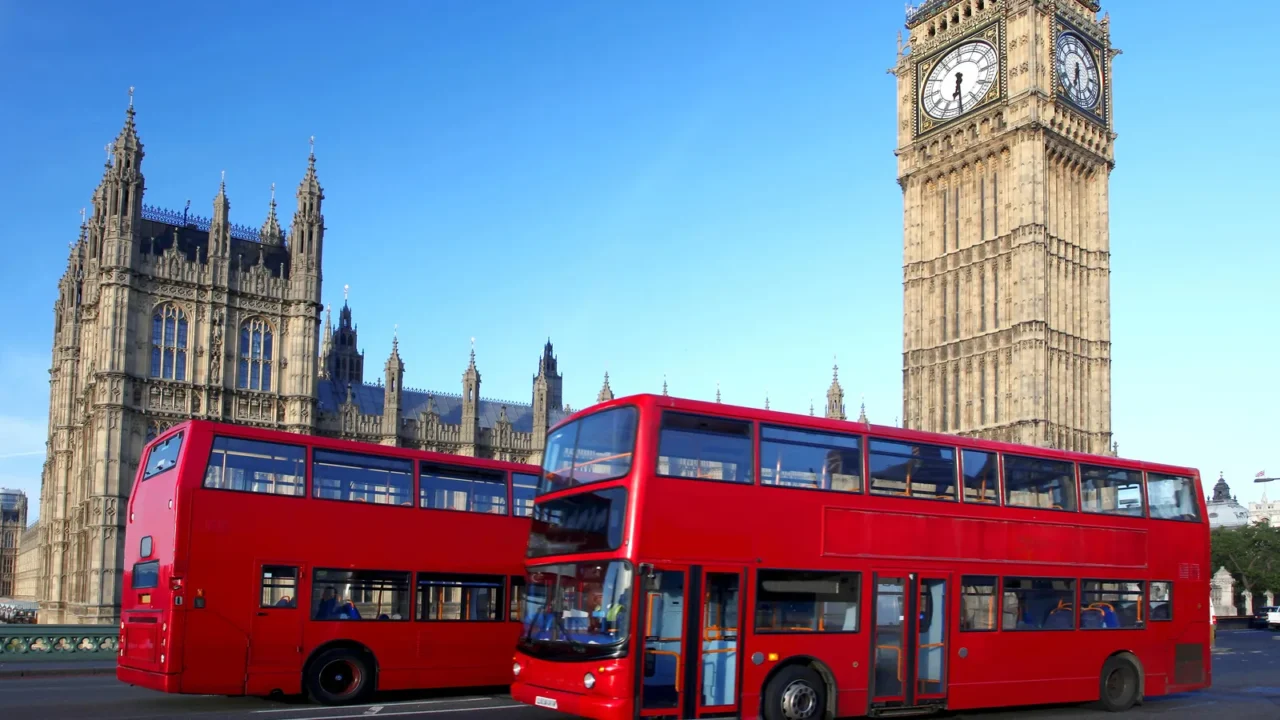
Local transportation adds another layer to overall travel expenses. Travelers spend on taxis, trains, buses, and rental cars depending on the destination. Daily transport costs can range from $10 to $50 in most cities.
European cities like Paris and London offer efficient public transit systems that reduce costs. However, taxis and rideshares can quickly increase spending in urban areas. These expenses often go unnoticed but significantly impact total budgets.

Activities and experiences spending
Experiences such as tours, museums, and attractions form a key part of travel budgets. Travelers typically spend $50 to $200 per day on activities, depending on the destination. Popular attractions like the Eiffel Tower or Tokyo Disneyland add to overall costs.
Fact: Attraction ticket prices in major global cities have increased by more than 25 percent since 2019 due to demand recovery and capacity limits, according to the World Tourism Organization. This increase has been most visible in cities like Paris, Rome, and Tokyo. Rising experience costs now make activities one of the fastest-growing travel expenses.

Shopping and personal spending
Shopping and personal purchases vary widely among travelers and destinations. Many visitors allocate $200 to $1,000 for souvenirs, clothing, and local goods. Cities like Milan and Paris often encourage higher spending due to luxury retail options.
Impulse purchases and cultural experiences contribute to these costs. Markets and artisan shops attract travelers seeking unique items. Personal spending often becomes one of the most flexible parts of a travel budget.

Peak season cost spikes
Traveling during peak seasons significantly increases overall expenses. Flights and hotels can rise by 30 to 50% during summer and holiday periods. Destinations like London and Rome experience the highest demand spikes.
Off-season travel can reduce costs across multiple categories. Lower demand leads to better deals on accommodations and activities. Timing remains one of the most important factors in managing travel budgets.
Currency exchange impacts costs
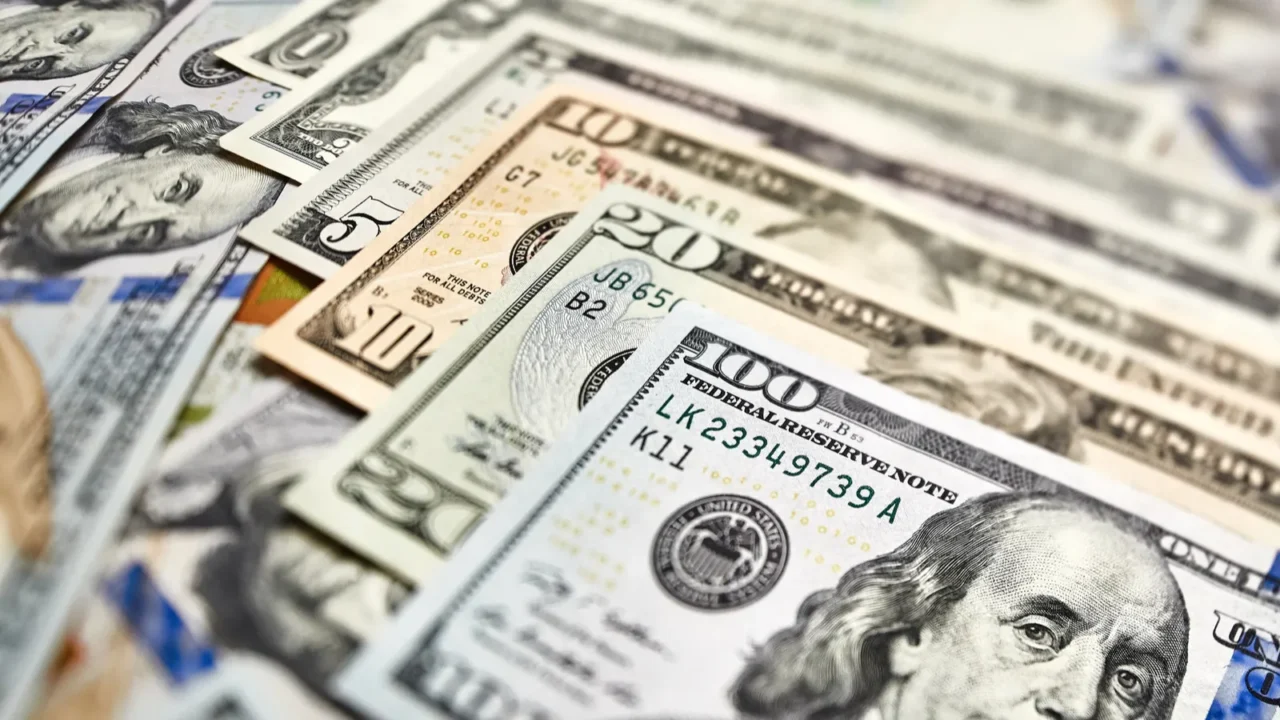
Exchange rates play a major role in determining final travel costs for Americans abroad. A strong U.S. dollar can reduce expenses, while weaker currency conditions increase overall spending. Travelers often overlook how currency shifts affect budgets.
Little-known fact: Currency fluctuations can change total international trip costs by 10 to 15 percent within a year, based on global exchange data from the International Monetary Fund. This variation directly affects destinations like Japan, the Eurozone, and the United Kingdom. Exchange rate timing has become a critical factor in travel budgeting.
Regional cost differences explained
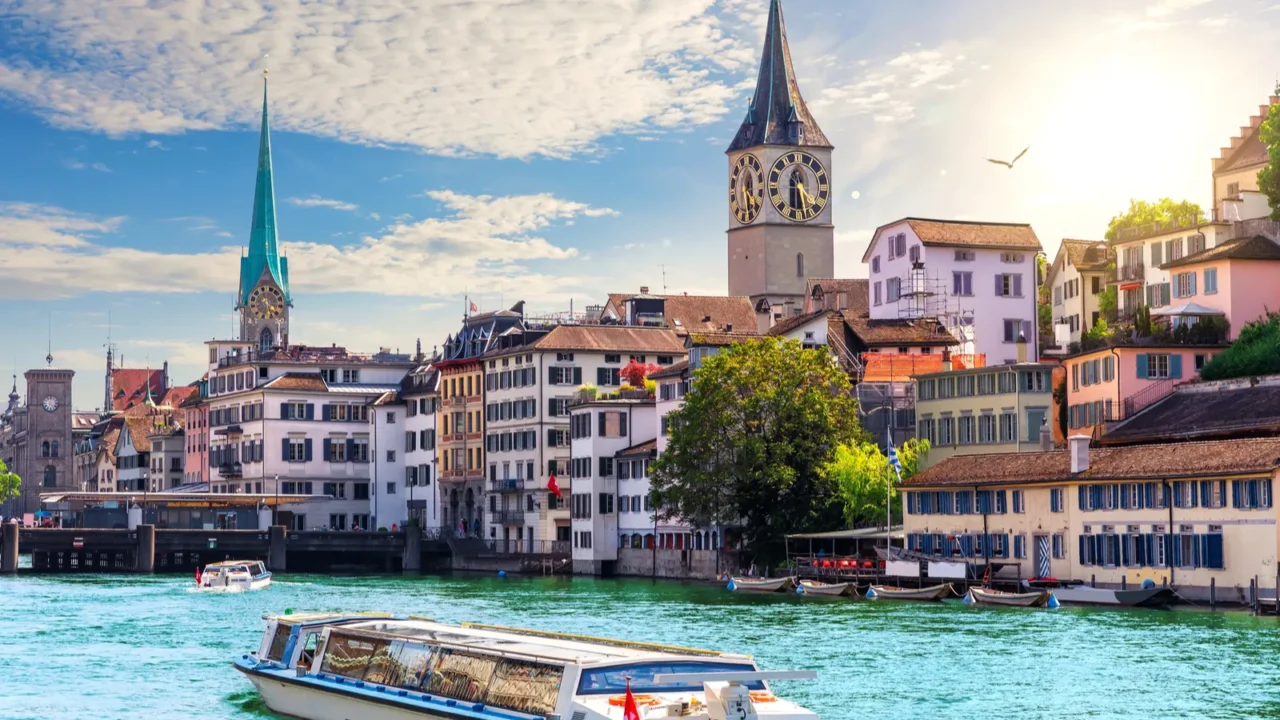
Travel costs vary widely depending on the chosen destination. Europe and Asia tend to offer better value compared to regions like Australia or Scandinavia. Cities like Bangkok and Lisbon are often considered more affordable options.
High-cost destinations such as Zurich and Sydney consistently rank among the most expensive. Exchange rates and local pricing structures influence these differences. Choosing the right region can significantly impact total trip expenses.

Total cost breakdown summary
The average international trip cost of nearly $10,000 reflects multiple combined expenses. Airfare, hotels, and food make up the majority of spending for most travelers, similar to how rising costs shape why living in some US cities costs a fortune, and what’s driving the prices. Additional costs like activities and shopping complete the overall budget.
Each category contributes differently depending on destination and travel style. Careful planning can help reduce certain expenses without sacrificing experience. Understanding this breakdown allows travelers to make smarter decisions.

Planning smarter trips ahead
International travel remains a valuable experience despite rising costs across the board. Travelers are adjusting strategies by booking earlier and exploring alternative destinations. Budget awareness is becoming a key part of trip planning.
The best trips balance meaningful experiences with practical spending decisions. Costs may be rising, but opportunities for memorable travel still exist worldwide.
Which part of international travel spending feels most surprising right now? Share thoughts and experiences below.
This slideshow was made with AI assistance and human editing.
Don’t forget to follow us for more exclusive content right here on MSN.
Read More From This Brand:
