A promise meets the budget clock
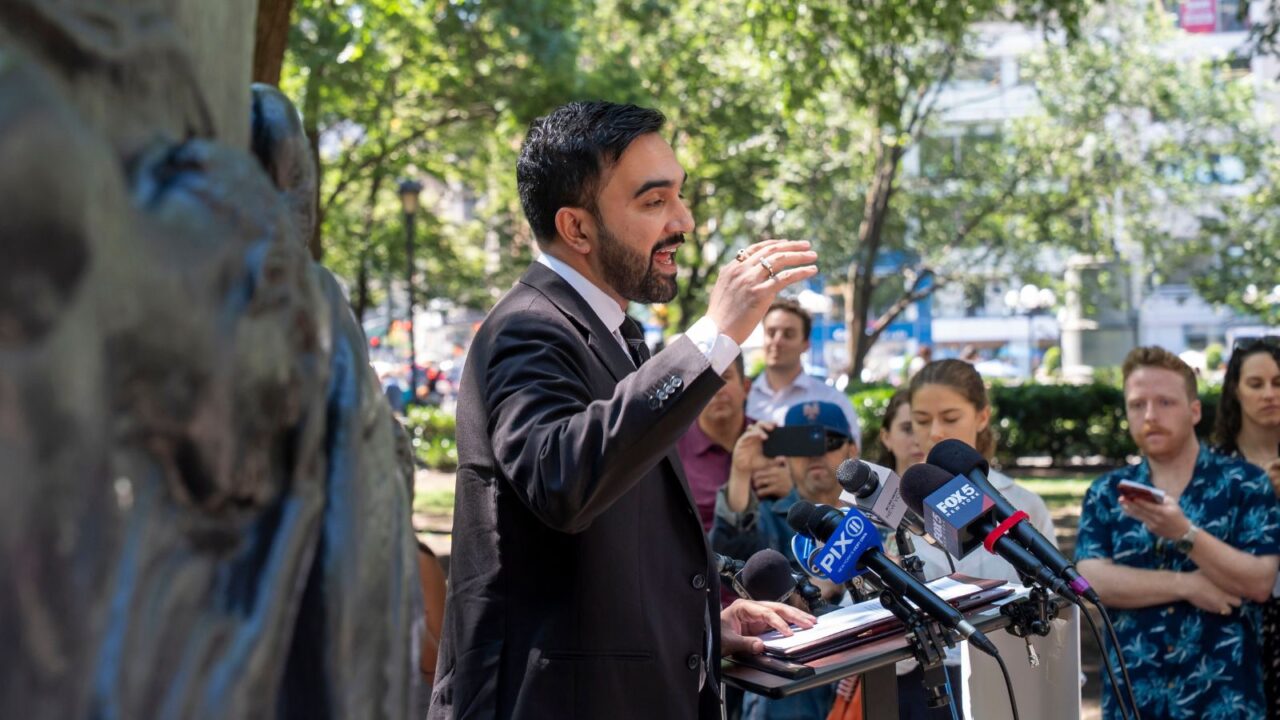
Campaign promises are easy to love until the invoices show up. Mayor Zohran Mamdani campaigned on expanding CityFHEPS, the city’s rental voucher program. In February, his administration signaled it is pursuing a settlement in court instead of backing the full expansion on the original track.
Housing groups expected an early “yes” because the City Council already passed an expansion package. Now the real story is how a new mayor handles a court fight while writing his first budget. This has become an immediate, public test of timing, fiscal tradeoffs and what best helps renters stay housed.

What is CityFHEPS?
CityFHEPS is New York City’s rental assistance program for people in shelter or at risk of entering shelter. It helps individuals and families find and keep housing by paying part of the monthly rent. The city says the program can support housing anywhere in New York State.
The city describes CityFHEPS as providing rental assistance for up to five years; the program is administered by the Department of Social Services (DSS) through the Human Resources Administration (HRA), with coordination from the Department of Homeless Services (DHS) on shelter-related placements and exits. So this one program sits right at the center of housing policy and the shelter system.

The expansion law is already written
In 2023, the City Council passed laws to expand who can qualify for CityFHEPS. The prior administration resisted, and the fight moved into the courts. So the program kept running, but the expansion rules did not roll out the way supporters wanted.
On July 10, 2025, the New York State Appellate Division issued an order tied to litigation over the City Council’s CityFHEPS expansion, directing that the city proceed with implementation steps unless stayed — a ruling that transformed a policy dispute into a legally enforceable question. Mamdani inherited the case, and now he owns the next decision.
The court pause that buys time
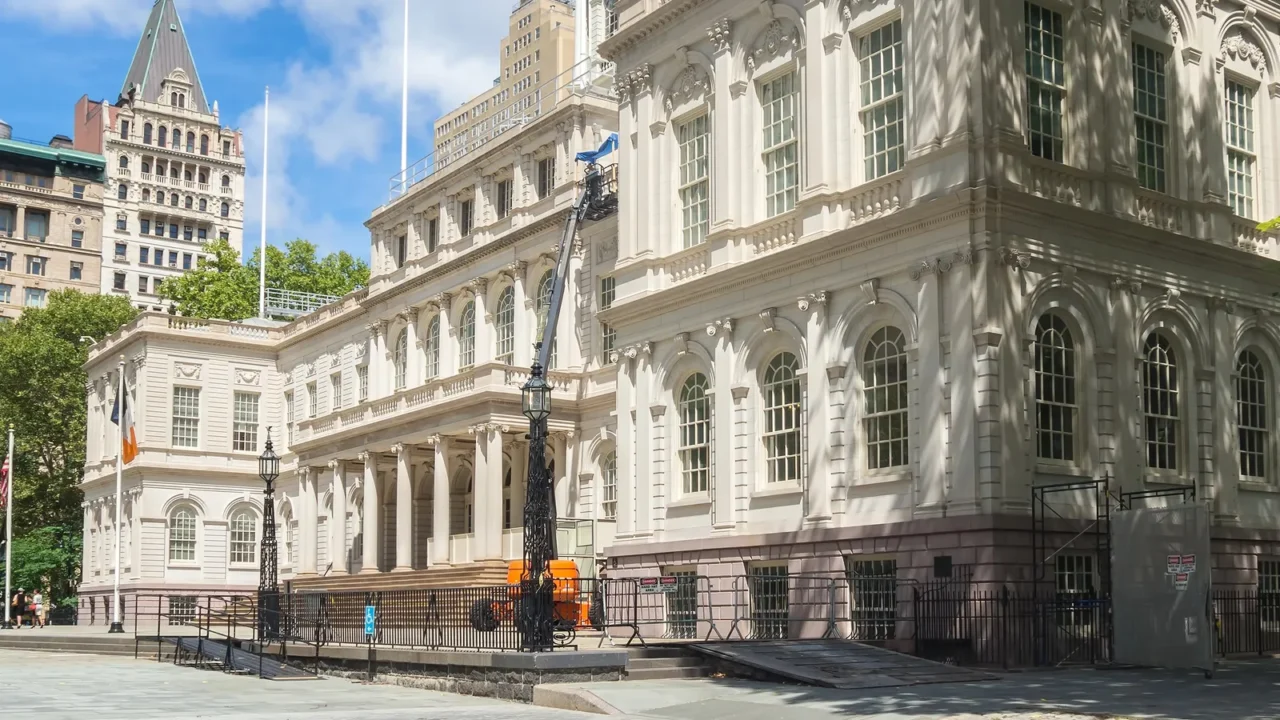
Instead of flipping the switch immediately, city lawyers sought time while negotiations continued. The administration has framed this as pursuing a settlement rather than simply ending the legal challenge. In plain terms, it is a pause meant to create room for a deal.
Settlements can narrow eligibility, phase changes in, or rewrite expensive details. Housing advocates worry “narrowing” means fewer people get help when eviction risk is real. City Hall says it is trying to prevent homelessness while keeping the budget sustainable.

The billion-dollar line item problem
CityFHEPS is large enough that tiny rule changes can move huge dollars. The Citizens Budget Commission estimated serving about 52,000 voucher holders would cost more than $1.1 billion in FY2025. The same report flagged a FY2026 CityFHEPS budget line of $519 million, far below the prior year’s cost.
The city’s Independent Budget Office has also highlighted a pattern of CityFHEPS being underbudgeted at adoption. That kind of mismatch makes planning harder because the “real” cost shows up later. It helps explain why this promise became a budget stress test so fast.

The deficit got re-scored in real time
Since the first headlines, the budget picture has already shifted again. City & State reported the administration revised a two-year gap from $12 billion down to about $7 billion after updated forecasts, reserves, and savings moves. That is still enormous, but it changes what “possible” looks like in year one.
Then Albany added breathing room. The Times Union reported that Gov. Kathy Hochul announced $1.5 billion in additional state aid over two years for New York City. It does not settle the voucher debate, but it affects how urgent the cuts-versus-expansion math feels.

Why a settlement became the new plan
The caution is not just political; it is about long-run exposure. The City Comptroller’s office estimated that implementing the Council’s expansion could add roughly $6.6 billion to $23.3 billion in gross costs over the first five years, depending on take-up and program design. When the range is that wide, officials often look for guardrails before they commit.
A settlement can set limits, timelines, and phased rollouts that reduce sticker shock. But it can also produce a final policy that looks different than what the Council passed. For renters, the practical question is who gets prioritized first and how quickly.
Little-known fact: CityFHEPS launched on Oct. 29, 2018, and consolidated several older city rental assistance programs, including multiple LINC programs plus CityFEPS and SEPS.
What renters can do right now
If you live in New York, the key thing is that the existing CityFHEPS program is still active. The city lists separate pathways for people currently in shelter and for households at risk of entering shelter. Official guidance and FAQs are posted through NYC Human Resources Administration.
Applications often come down to checklists, apartment review steps, and required forms. Landlords also have their own packages and payment documents, which can speed up the process when everyone is prepared. The court fight matters, but paperwork is what turns a voucher into keys.
Little-known fact: NYC HRA posts CityFHEPS documents in many languages, and the landlord resources include a “Landlord Utility Calculator for NYC” for calendar year 2026.

The shelter versus voucher math debate
There is a real policy argument under the headlines. The Citizens Budget Commission says vouchers can end up costing more than shelter over a five-year window, depending on household type and time in the program.
Others argue that vouchers can reduce expensive shelter stays and prevent repeat homelessness. City Limits reported that Women in Need released a report arguing that broader implementation could save money by offsetting shelter costs.
Little-known fact: An amNewYork summary of the state audit says CityFHEPS was helping about 60,000 households at the time, and notes 14,000 placements in fiscal 2024.

Oversight questions take center stage
Cost is not the only concern, and a recent audit added another pressure point. An amNewYork report described cases with major housing-code problems, including mold and pest issues. Auditors also flagged missing documentation in some cases, including income verification.
When a program scales fast, oversight has to keep up or trust cracks. If eligibility expands, the city will face louder demands to prove apartments are safe and payments are tracked properly. That is why “how it runs” is now part of the CityFHEPS story.

Landlords make or break the timeline
Vouchers only work if landlords will rent to voucher holders and complete the process. NYC HRA publishes landlord forms and guides, including leasing FAQs and payment paperwork. It also lists a “unit hold incentive” voucher and related FAQs tied to the approval timeline.
For renters, a responsive landlord can mean moving in instead of restarting the search. For the city, faster leases can reduce pressure on shelters and hotel placements. So “time to lease” becomes just as important as “who qualifies.”

The city wants renters to testify
While the voucher lawsuit continues, City Hall is pushing a different tool: public testimony. NYC says that in January 2026, Mamdani signed Executive Order 08, creating “Rental Ripoff Hearings” in all five boroughs. The city says tenants can share experiences and help shape future housing policy.
City Limits reported the hearings are set to kick off Feb. 26, with registration on a first-come, first-served. These sessions do not rewrite CityFHEPS overnight, but they show what officials want to spotlight next. For many renters, being heard is step one before any rule changes land.
Heading to NYC soon and wondering what might feel different under Mayor Mamdani? Read about what travelers should know about visiting New York City under Mayor Mamdani.

The June 30 deadline is the real boss
New York City’s budget process has a hard calendar. The fiscal year runs from July 1 to June 30, and the City Council must vote to adopt the final budget before June 30. That means the CityFHEPS decision is happening while every agency competes for funding.
In the FY2027 preliminary budget release, the mayor’s office said it found essential services that were underbudgeted, including rental assistance. That is a quiet warning that some costs were coming due, no matter what the campaign promised. The next few months will show how the city funds help without widening the gap.
Wondering how Mamdani’s rent freeze pledge could ripple through taxes and housing costs? Check out how Mamdani’s rent freeze pledge puts property owners under new tax pressure.
If you found this interesting, give us a like and share your thoughts in the comments.
This slideshow was made with AI assistance and human editing.
Don’t forget to follow us for more exclusive content right here on MSN.
Read More From This Brand:
