A rent freeze promise meets rising ownership cost
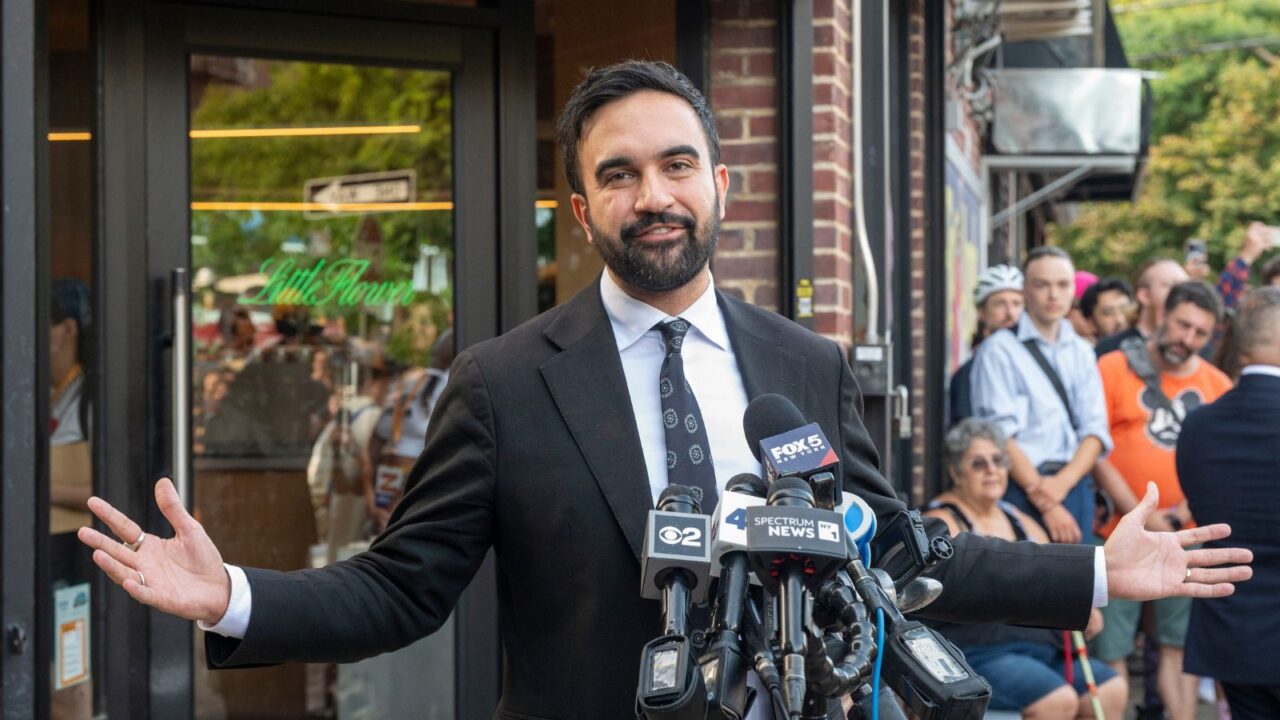
New York City is facing renewed tension between rent affordability and property ownership costs. Mayor Zohran Mamdani has pledged to freeze rents for regulated apartments, a policy aimed at easing pressure on tenants. At the same time, property assessments across the city are rising.
City finance officials say assessed values are increasing because of market conditions, not tax rate changes. For owners, however, higher assessments still translate into larger tax bills. That disconnect is driving concern among landlords and homeowners alike.

What the rent freeze proposal actually covers
The proposed rent freeze applies only to rent-stabilized and rent-controlled apartments. These units make up roughly one million homes across New York City. Rents for these apartments are set annually by the Rent Guidelines Board.
Market-rate apartments are not covered by the freeze. Owners of mixed buildings say this creates uneven financial pressure. Costs rise across an entire building, even when revenue from regulated units is capped.
Why landlords say the math no longer works
Owners of rent-regulated buildings argue that frozen rents limit their ability to cover basic operating costs. Expenses like insurance, maintenance, labor, and utilities have continued to rise. Property taxes are one of the largest fixed costs they face.
Landlords say they are forced to offset losses from regulated units by raising rents on market-rate tenants. In mixed buildings, that often means higher rents for market-rate tenants. Smaller owners say they have fewer financial buffers than large real-estate firms.
Property assessments are climbing citywide
The city’s preliminary assessment rolls show increases across nearly all property categories. These assessments determine future property tax bills for the fiscal year 2027. The data was released by the New York City Department of Finance.
Officials stress that assessments reflect estimated market value, not a change in tax rates. Still, higher assessed values usually lead to higher tax bills. Owners often feel the impact before any policy relief arrives.

How much residential properties are increasing
Class 1 properties, which include one- to three-family homes, saw average assessed value increases of about 4.7 percent. Staten Island homes experienced the largest jump within this category. These increases affect many owner-occupied households.
Class 2 properties, including co-ops, condos, and apartment buildings, rose by an average of 6.2 percent. In Brooklyn, assessments for these buildings increased by more than 11 percent. That spike is the highest in the city.
Commercial buildings are also affected
Commercial properties saw an average assessment increase of 5.8 percent citywide. In the Bronx, commercial assessments rose by roughly 11 percent, leading all boroughs. Office buildings increased by about 4.2 percent.
Retail buildings experienced even steeper growth in some areas. Brooklyn again led the city, with retail assessments rising more than 7 percent. These increases ripple through rents, leases, and operating costs.

Why assessments matter even without a tax hike
New York City has not raised property tax rates in years. However, tax bills are based on assessed value multiplied by the tax rate. When assessed values rise, taxes usually rise with them.
For owners, this feels like a hidden cost increase. Higher tax bills must be paid regardless of rent rules. Critics argue this undermines the goal of making housing more affordable.
The impact on maintenance and building quality
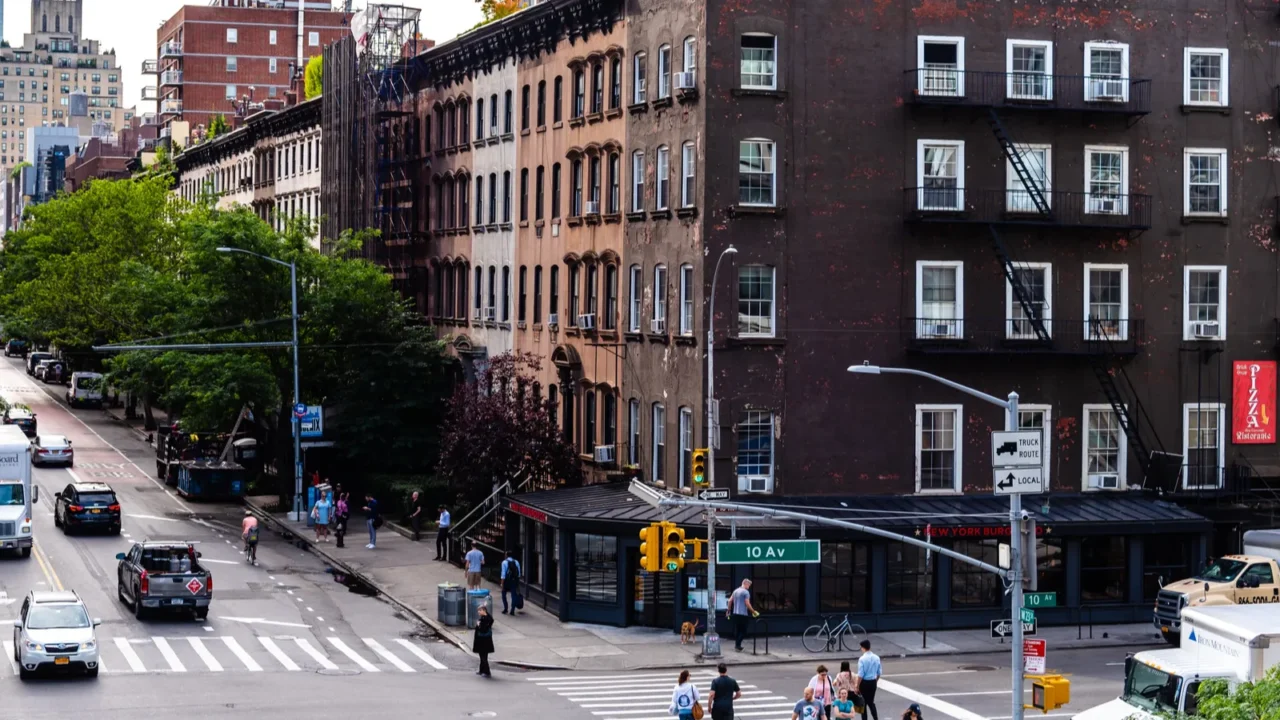
Landlords say rising costs limit their ability to reinvest in buildings. Deferred repairs and slower upgrades can follow prolonged financial pressure. This can affect heating systems, elevators, and overall building safety.
Tenant advocates acknowledge maintenance concerns but argue regulation is necessary to prevent displacement. City officials say enforcement tools exist to address neglected buildings. The tension between affordability and upkeep remains unresolved.
The problem of vacant regulated apartments
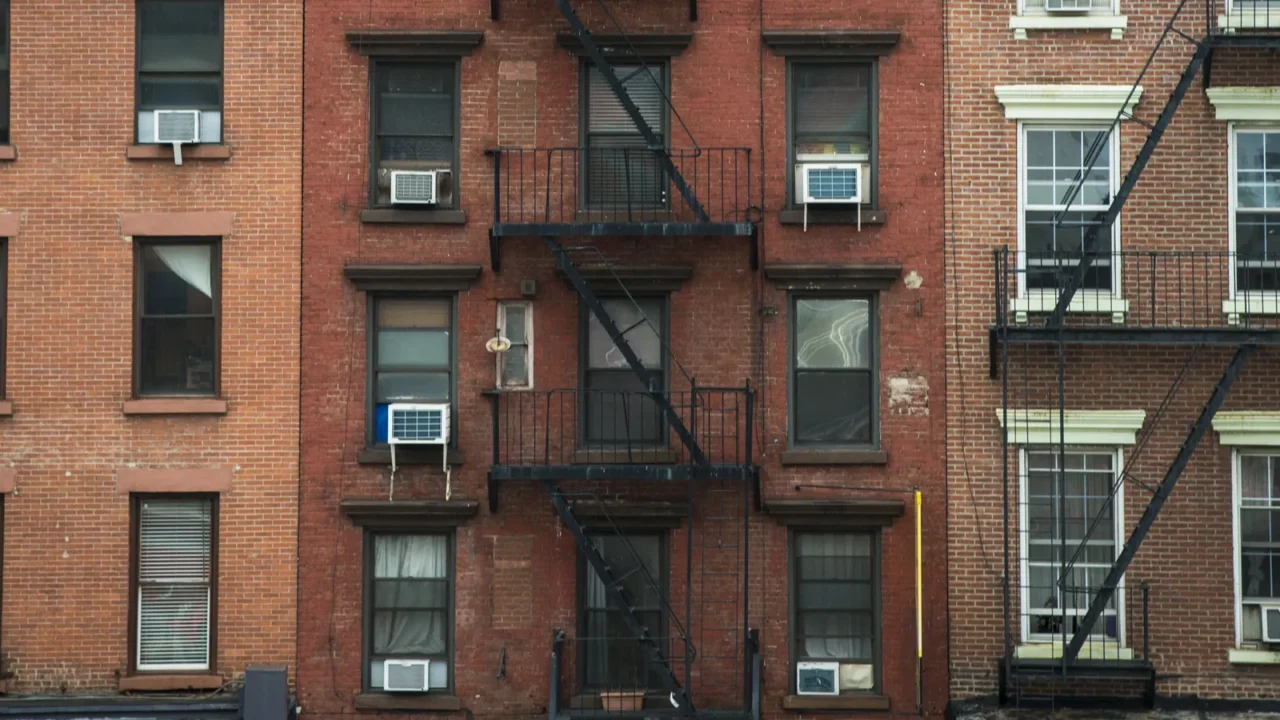
New York City has tens of thousands of rent-regulated apartments that remain vacant. Owners say rent caps make some units financially unviable to renovate and lease. These units are sometimes referred to as “zombie apartments.”
Court filings from small landlords claim they would lose money by renting certain vacant units. Housing advocates dispute some of those claims but agree vacancy levels are unusually high. The issue continues to fuel legal challenges.
Small property owners feel especially exposed
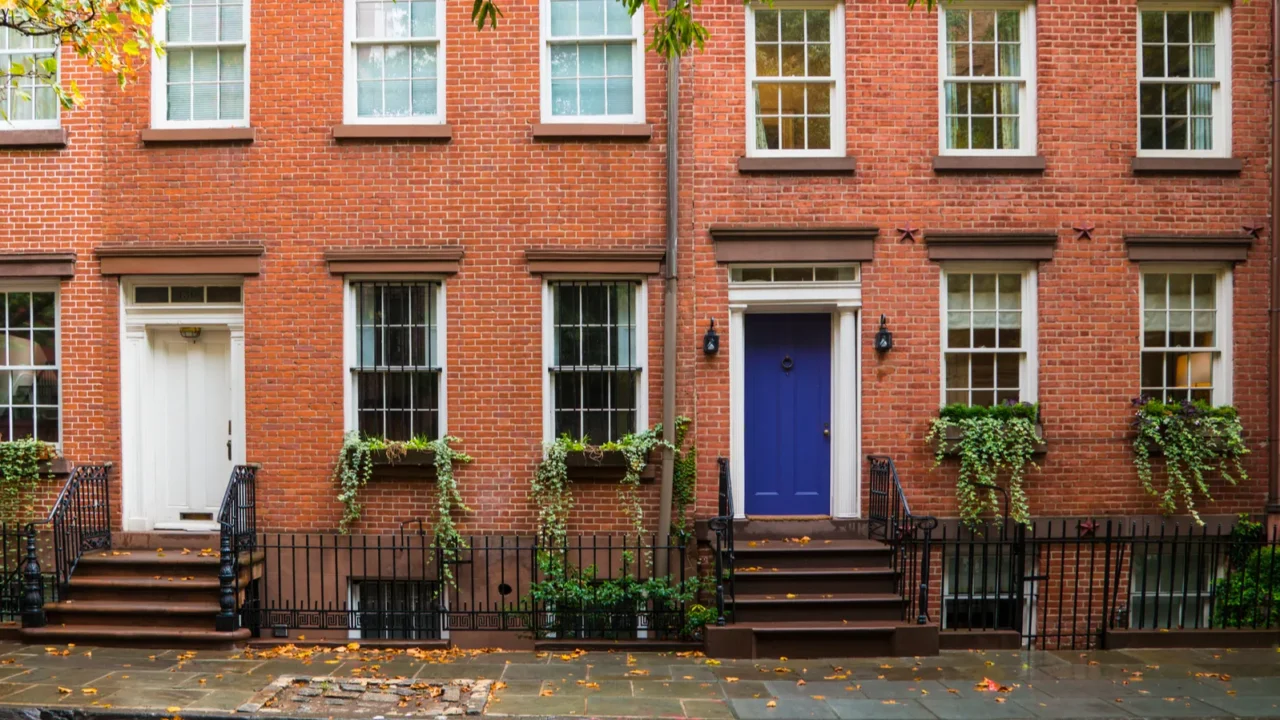
Owners of one- to three-family homes say they face rising taxes without corporate-level resources. Many rely on rental income to cover mortgages and repairs. Even modest tax increases can strain household budgets.
Unlike large landlords, small owners often live in the same buildings they rent. That blurs the line between homeowner and landlord impacts. Assessment increases affect both roles at once.
City Hall’s response to tax concerns
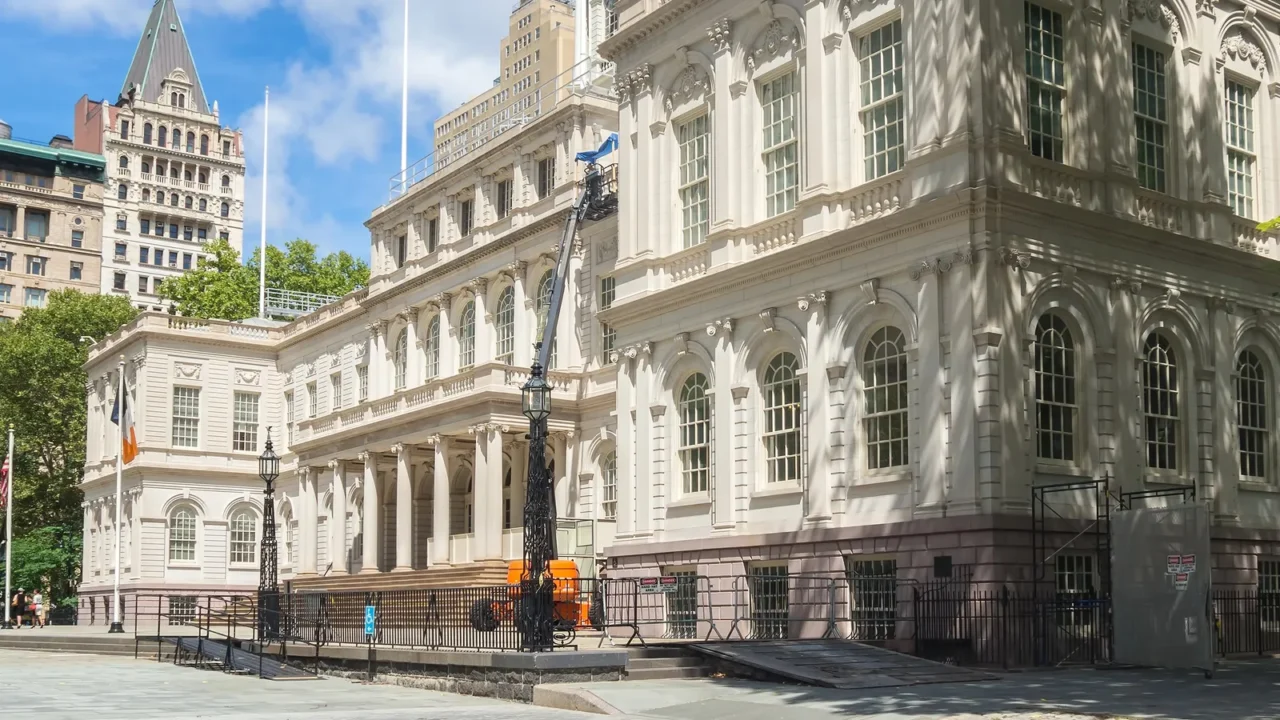
The Mamdani administration says property tax rates have not increased. Officials emphasize that assessments are based on market data and construction activity. They point to legal caps that limit how much assessments can rise annually.
City Hall also says the mayor supports broader property tax reform. Proposed changes include reclassifying co-ops and condos to better reflect owner occupancy. Any major reform would require state-level approval.

What owners can do right now
Property owners receive a Notice of Property Value each year. This notice explains market value, assessed value, and classification. Owners have the right to challenge these assessments before they are finalized.
Deadlines vary by property class, with most falling in early March. Challenges are filed with the city’s Tax Commission. Missing the deadline usually means paying the assessed amount for the year.
If you are planning to visit anytime soon, check the list of countries introducing new tourist taxes in 2026 and how much you will have to pay.
Relief programs that may reduce tax bills
The city offers exemptions and abatements for certain homeowners. Programs exist for seniors, veterans, people with disabilities, and clergy members. These can significantly lower annual tax obligations.
Payment plans are also available for owners who cannot pay in full at once. These options do not reduce taxes but can ease cash-flow pressure. Eligibility depends on property type and ownership status. Explore next what you should know about visiting New York City under Mayor Mamdani.
What do you think about the rent freeze and rising property taxes? Should property tax reform come before stronger rent controls? Share your thoughts in the comments.
This slideshow was made with AI assistance and human editing.
Don’t forget to follow us for more exclusive content right here on MSN.
Read More From This Brand:
