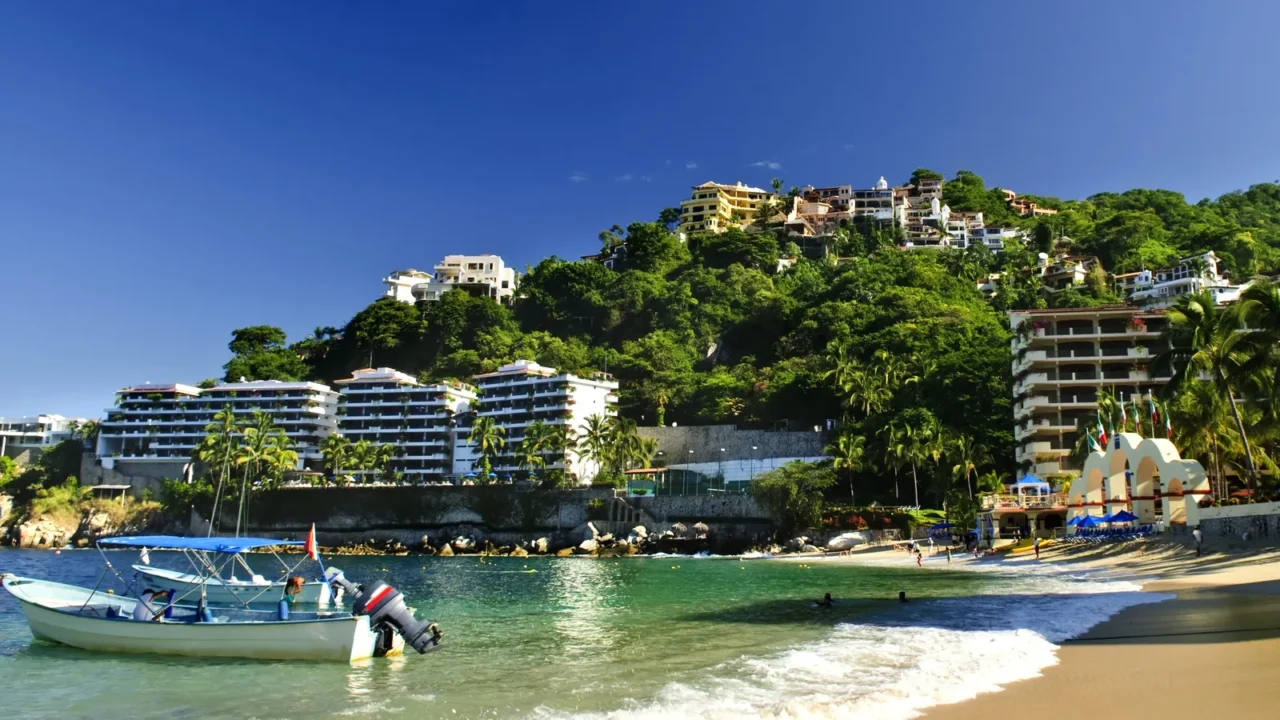
Resort security is getting more visible in 2026
Mexico’s resort towns are leaning harder on uniformed security because tourism money is too important to lose. When violence spikes or headlines rattle travelers, authorities respond with patrols that tourists can actually see.
That visibility can feel alarming, but it is also a signal of priorities. The goal is deterrence in high-traffic zones where one incident can reshape bookings overnight.
The U.S. advisory is countrywide but it works state by state
The U.S. State Department lists Mexico as Level 2 overall, and it updates risk guidance by Mexican state rather than by “Mexico” as one single rating. That is why Cancun and Los Cabos can be “exercise increased caution” while other areas are “do not travel.”
This matters because many Americans hop between destinations on one trip. A short drive can move you from a lower-risk tourist corridor into a higher-risk state without you realizing it.
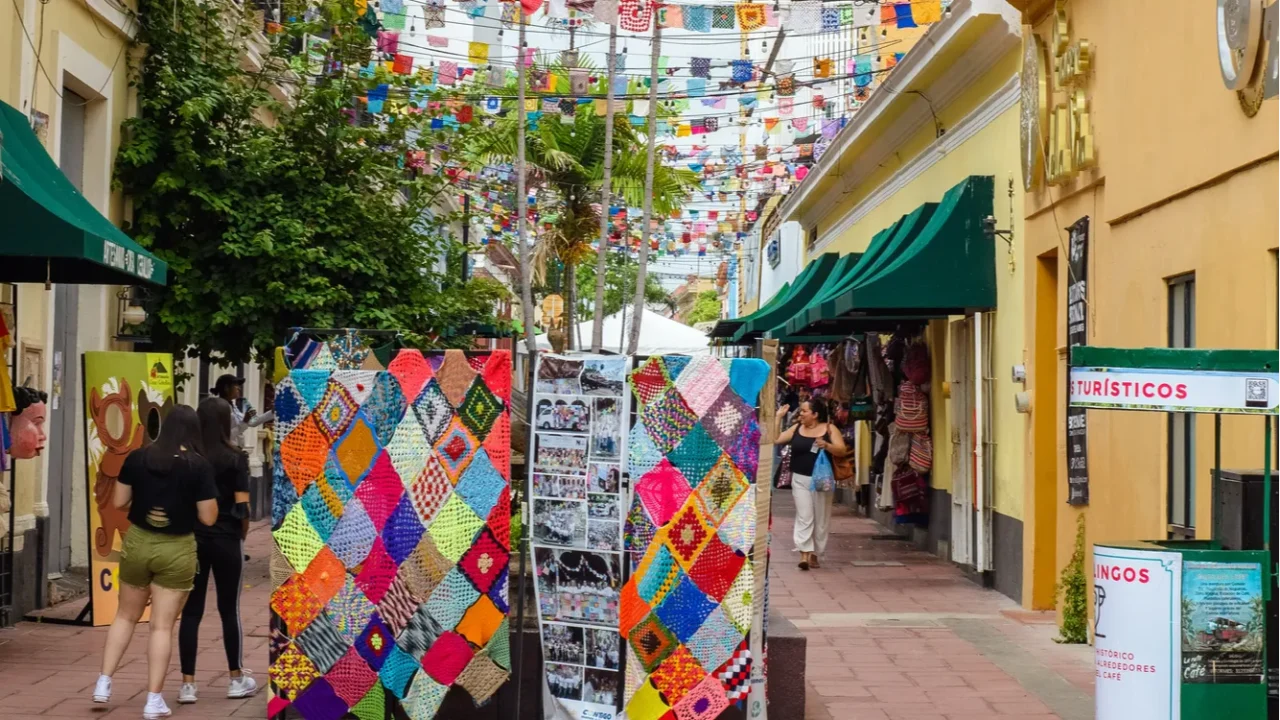
What Level 2 means in major resort states
Many of the best-known resort areas sit in states labeled Level 2, including Quintana Roo and Baja California Sur. The advisory language is blunt about why, citing crime risks and the possibility of bystanders being harmed in violence.
Level 2 is not a “no-go,” but it does change what smart travel looks like. It pushes travelers to plan transport, nightlife, and day trips with more structure.
Where Level 3 and Level 4 change the equation
Baja California (not to be confused with Baja California Sur) is listed as Level 3, covering places like Tijuana, Ensenada, and Rosarito, due to concerns about crime and kidnapping. That higher tier is tied to crime and kidnapping concerns, even while the advisory notes specific employee restrictions are limited.
Several states remain Level 4, including Colima, Guerrero, Michoacán, Sinaloa, Tamaulipas, and Zacatecas. That label is “do not travel,” and it is driven by serious crime and violence risks.
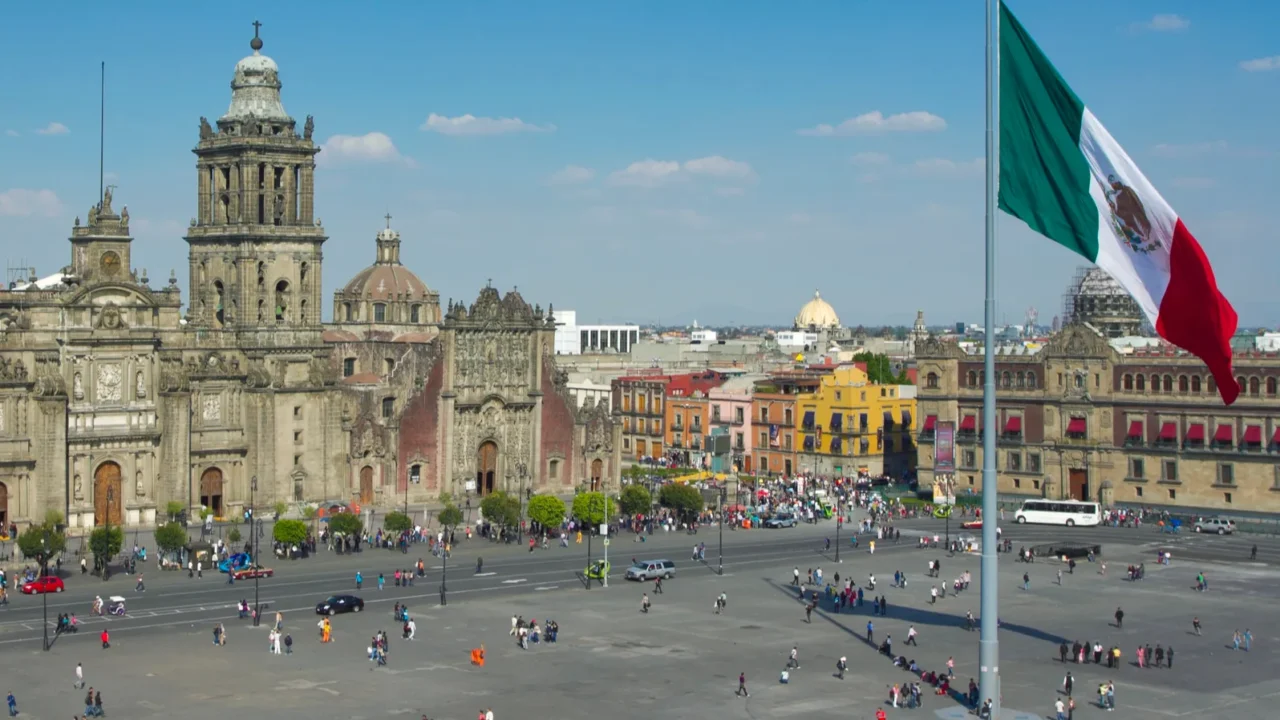
Why the government is putting forces in tourist corridors
Mexico has used “tourism protection” style deployments before, including a National Guard “tourist battalion” plan tied to the Riviera Maya after high-profile incidents. That approach reflects a simple cause-and-effect reality: when tourists feel unsafe, bookings drop fast.
Resort patrols also concentrate response capacity where crowds are densest. In practical terms, that can shorten response times in hotel zones and entertainment districts.
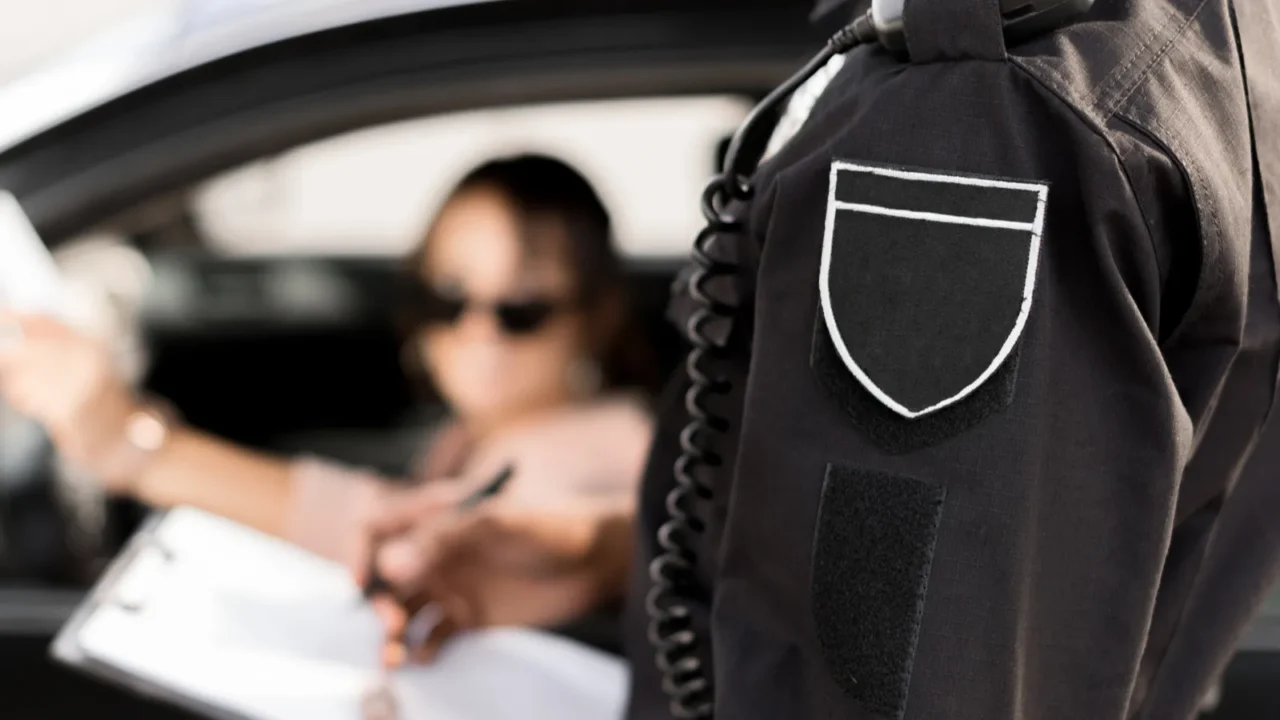
What travelers should expect to notice on the ground
In some resort areas, the most obvious change is the presence of armed personnel in public-facing spaces like beachfront walkways, marina areas, and main tourist streets. That visibility is meant to deter opportunistic crime and reassure visitors who are on edge.
The tradeoff is psychological. A beach day can feel different when security is part of the scenery, even if your actual risk in a managed tourist zone stays relatively low.
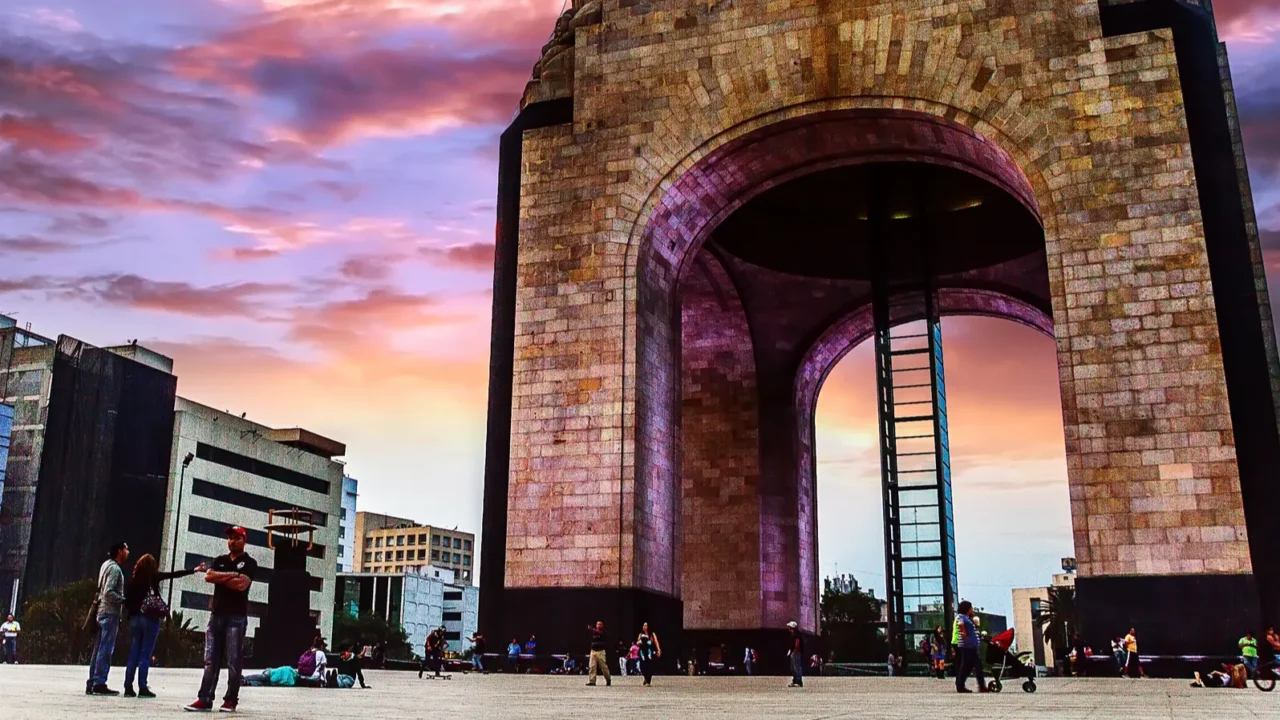
Tourist zones can be safer than the surrounding city
One reason resort travel still holds up is that tourist districts are often policed more aggressively than surrounding neighborhoods. That does not erase risk, but it reshapes where incidents cluster and how quickly authorities react.
It also changes your margin for error. The safest version of most resort trips is the one that stays close to established corridors, especially at night.
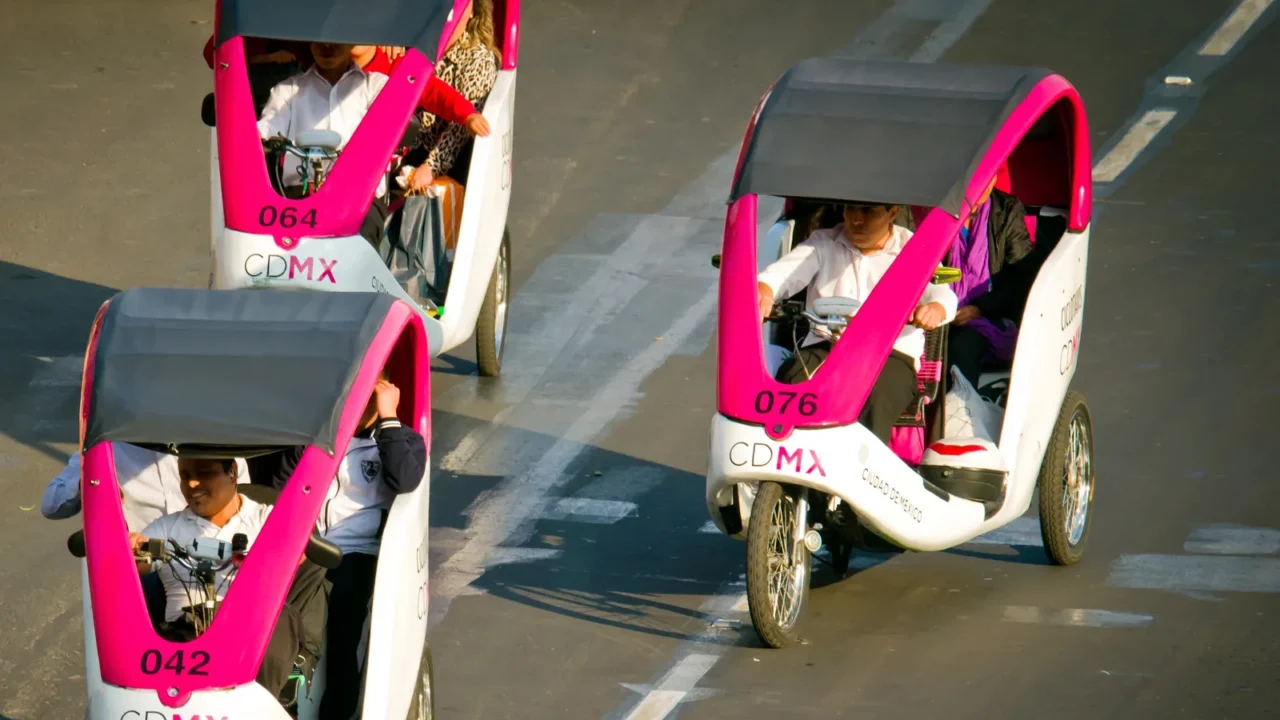
Transportation choices matter more than the hotel you pick
A recurring pattern in travel guidance is that risk rises during movement, not during a quiet afternoon at a resort pool. Night driving, isolated roads, and informal transit options can raise exposure to robbery or violence, even when your destination is considered a lower-risk zone.
This is why many advisories emphasize planning routes and using trusted providers. A safe itinerary is often a logistics plan, not just a hotel reservation.
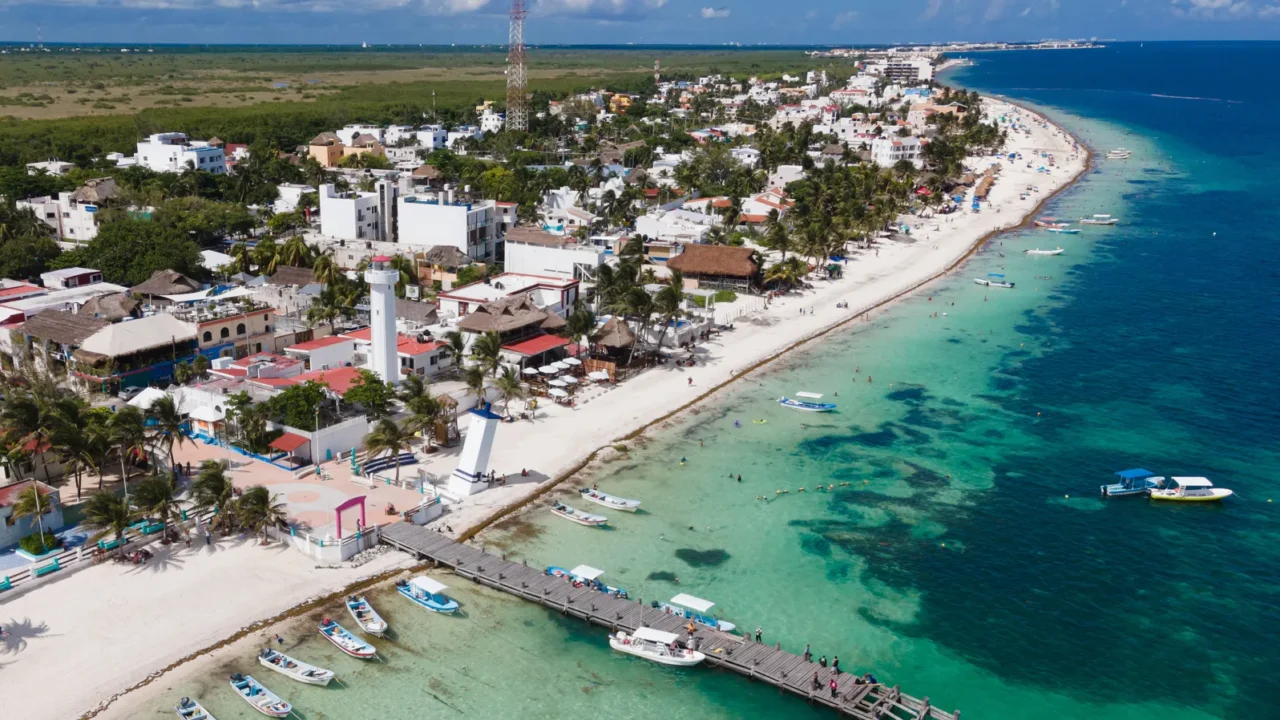
Old ferry warnings explain why ports get extra scrutiny
Security efforts are not limited to beaches, because ports and ferry terminals are high-volume choke points. After past threats, Mexican authorities have deployed extra screening resources at maritime terminals, including police and trained dogs.
Even if your trip is resort-based, ferry day trips can pull you into tighter security environments. It is smart to treat terminals like airports and build in extra time.
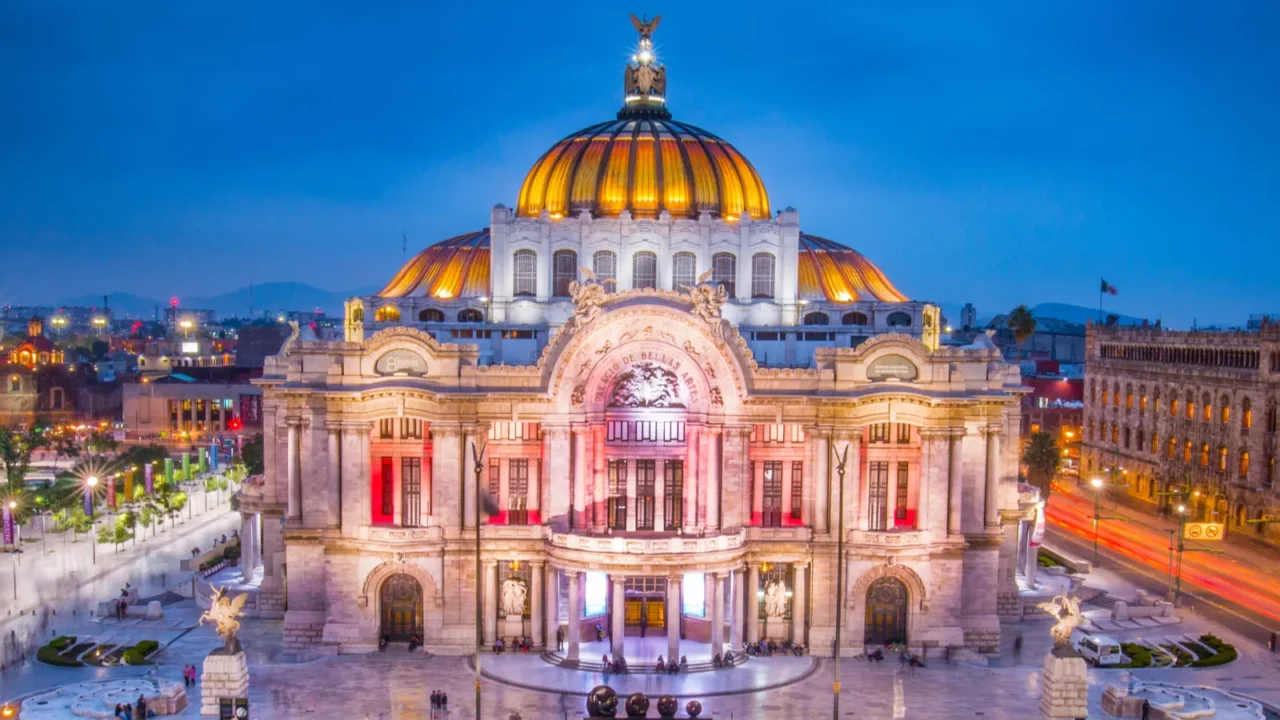
Mexico is still drawing huge numbers of visitors
Mexico’s tourism machine has remained strong, with reports that it received about 45 million international tourists in 2024 based on government data. That scale is exactly why resort security becomes a national priority when violence threatens demand.
For Americans, the takeaway is not “Mexico is closed.” It is that Mexico is managing reputational risk in real time while trying to keep tourism flowing.

Tools that help if something goes wrong
If you are traveling, STEP is one of the simplest safety moves because it connects you to updates and alerts from U.S. embassies and consulates while you are abroad. It is free, and it matters most during fast-moving situations.
Some destinations also promote local tools for tourists, like Quintana Roo’s Guest Assist app for help and guidance during emergencies. Think of it as backup when you need local direction quickly.
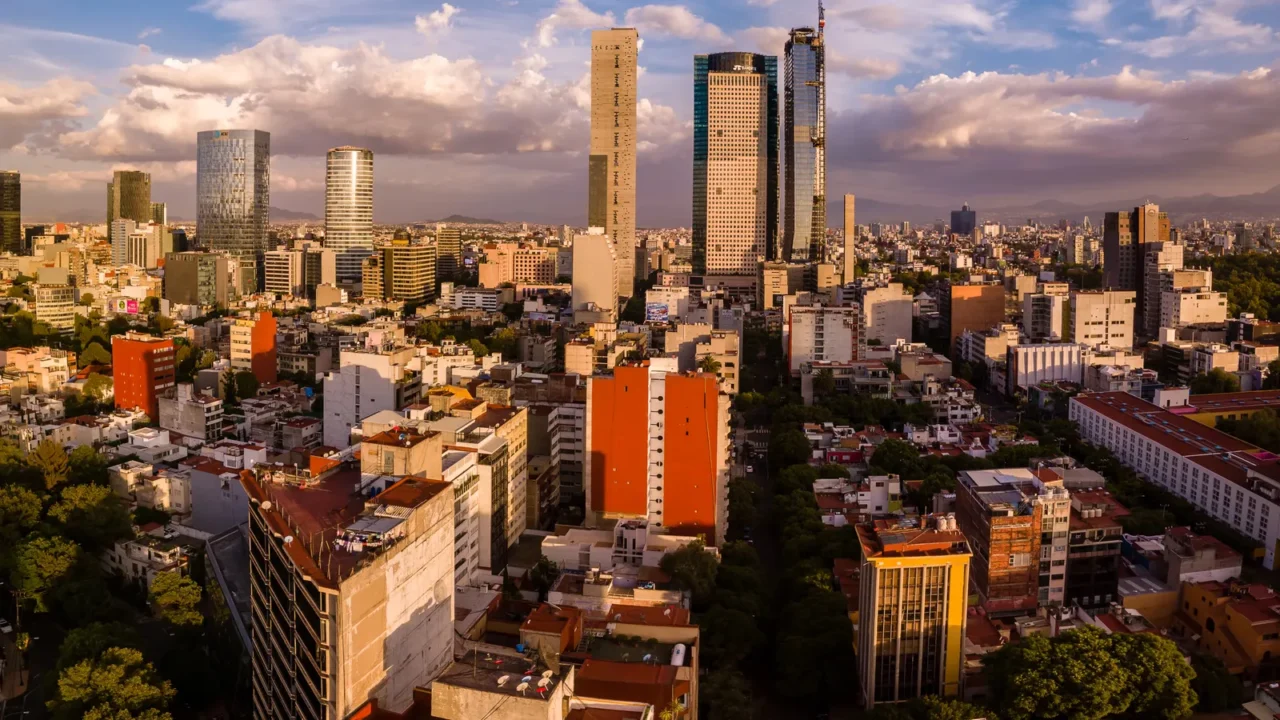
What “safe travel” looks like in 2026 resort Mexico
Start by matching your plans to the advisory map, not to vibes on social media. If your hotel is in a Level 2 state, keep excursions and overnight side trips inside that safer framework.
Then reduce predictable risks: limit late-night wandering, use trusted transport, and stay in well-lit tourist streets after dark in places where the advisory flags are concerned. Small choices cut exposure more than dramatic ones.
Next, explore how many destinations around the world are introducing digital tourist IDs and smart travel systems, which are making things easier for travelers.

The bottom line for Americans booking now
Resorts are adding visible security because tourism demand is sensitive, and the government wants to prevent violence from spilling into the places where visitors concentrate.
The U.S. advisory system reinforces that logic by separating Mexico into very different risk zones, sometimes just a few hours apart. In other news, see how border control automation causes unexpected delays.
If you’re considering a resort trip to Mexico in 2026, what safety measures would give you the most peace of mind before traveling? Share your thoughts and your view in the comments.
This slideshow was made with AI assistance and human editing.
Don’t forget to follow us for more exclusive content right here on MSN.
Read More From This Brand:
