
Minnesota’s fraud cases have become a national test of oversight
Federal prosecutors say Minnesota is under investigation for suspected fraud across 14 Medicaid-funded services that together cost about $18 billion since 2018. A top federal prosecutor has estimated the total fraud exposure could reach $9 billion or more, though that figure is still an estimate under review. The scale matters now because it is already changing how money flows to safety-net programs.
This is not one scandal with one loophole. Investigators describe a pattern of programs that were easy to bill and hard to verify at speed. When oversight fails at this size, it threatens both taxpayers and the people the programs were meant to serve.

Feeding Our Future put Minnesota’s fraud problem on the map
The best-known case is Feeding Our Future, a pandemic-era scheme tied to about $250 million intended for children’s meals. Federal prosecutors have described it as the largest pandemic-related fraud case of its kind, and trials have produced major convictions. The story drew national attention because the claims were so large and the spending was so visible.
Court records and federal filings describe a network of sites that billed for meals at massive scale. Prosecutors say much of the money went to purchases unrelated to feeding children. The case became a warning sign that emergency-era speed can outpace basic controls.

Investigators say the problem spread beyond one program
Federal officials now point to multiple services where billing did not match real-world care. One example is an autism services investigation where prosecutors allege Medicaid was billed for therapy that was not provided as claimed. The key issue is verification, not the category of service.
Prosecutors have stressed that autism services are not an isolated case. They have tied these investigations to a broader set of Medicaid services flagged as high risk. That framing is why this story keeps expanding instead of closing.

A housing program ballooned and became a new flashpoint
Minnesota’s Housing Stabilization Services program grew rapidly and then drew federal charges. State reporting shows costs rising sharply, with spending reaching over $100 million in 2024 after starting far smaller. Prosecutors said the program became so easy to exploit that it attracted people who came specifically to bill it.
Federal prosecutors began bringing cases tied to the program in 2025. They argued fraud drains funds meant for vulnerable people trying to stay housed. The program’s rise-and-collapse has become a central example in the wider investigation.
Child care payments became the next pressure point
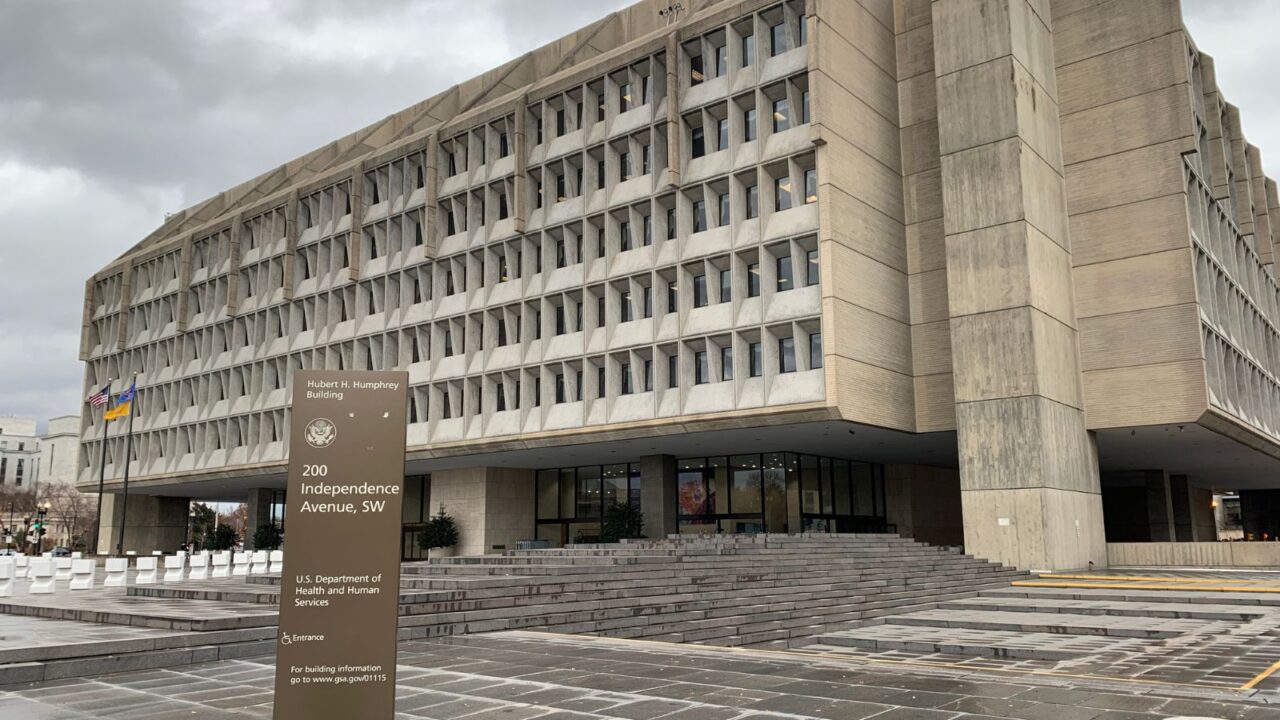
In early January 2026, the U.S. Department of Health and Human Services froze access to certain child care and family assistance funds for Minnesota and four other states. The agency said states must provide additional documentation before funds are released. The move raised immediate concern because it can disrupt services for families even while audits are ongoing.
Minnesota is now dealing with fraud investigations and cash-flow pressure at the same time. Federal officials argue tighter verification is necessary, while state leaders and Democrats have called the approach punitive and unclear. The fight over process is now part of the story, not just the allegations.

Charges and convictions show how large the cases have become
By late December 2025, the Justice Department said it had charged 98 people in Minnesota-related fraud investigations, with more than 60 guilty pleas or convictions reported. Those figures reflect multiple investigations, not a single case file. Prosecutors say more prosecutions are expected as audits continue.
This matters because the legal pipeline affects what happens next. When cases expand, states often tighten rules, pause payments, or redesign programs. That can protect public money, but it can also create delays for legitimate providers and clients.
Minnesota’s governor stepped back as criticism intensified
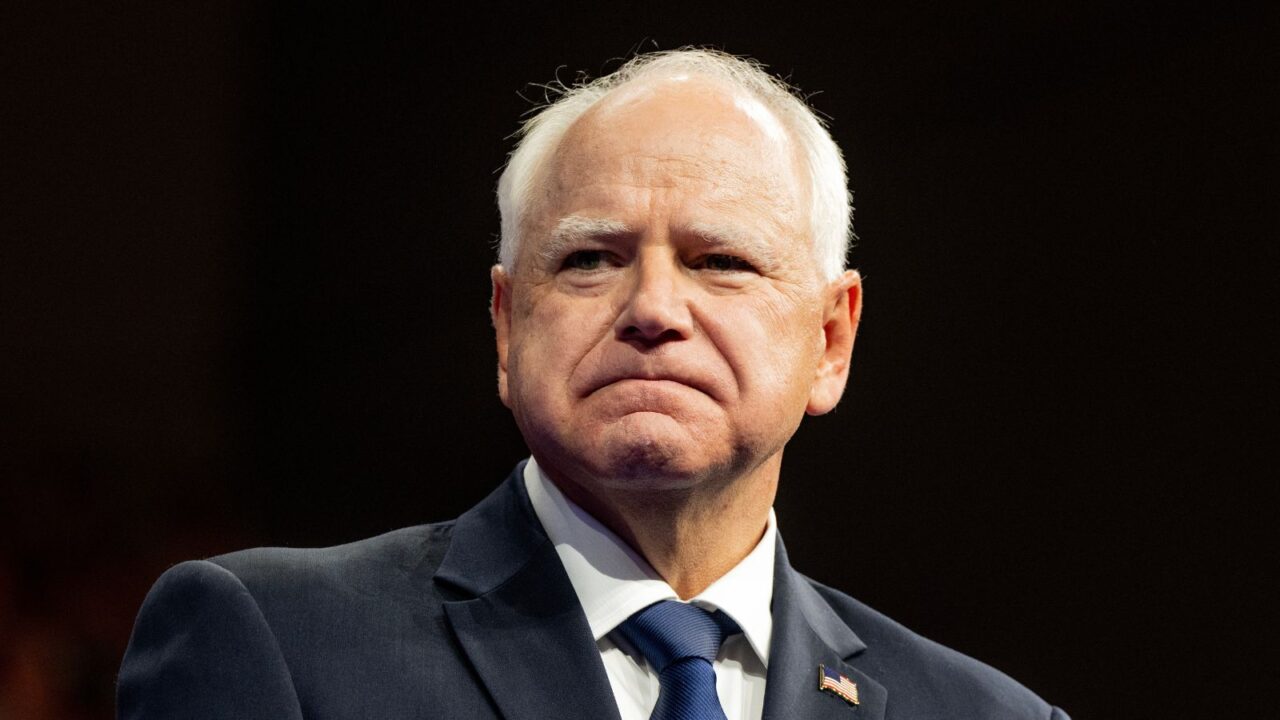
Governor Tim Walz announced on January 5, 2026 that he would not seek a third term. He framed the fraud problem as a crisis and said he wanted to focus on work rather than campaigning. The decision underscored how politically damaging the issue has become in Minnesota.
The state has faced criticism over whether warnings were missed or acted on too slowly. Legislative and media coverage has highlighted repeated audits, investigations, and program changes across Walz’s tenure. In a scandal this large, leadership decisions become part of the accountability story.

The scandal is now wrapped into a national political fight
The Trump administration has pointed to Minnesota as justification for tougher verification and funding restrictions. Democratic-led states targeted by the recent funding freeze argue the administration has not provided enough evidence or clear standards. The result is a clash between fraud prevention and service continuity.
Minnesota’s investigations have also triggered heated rhetoric about immigrant communities. It is important to distinguish individual defendants from whole groups, especially when cases involve large networks and public anger is high. Prosecutors focus on evidence in court, while politics often simplifies the story.

Weak verification systems made fast billing hard to police
Multiple reports have pointed to programs that paid quickly and then tried to sort out problems later. Minnesota has responded by pausing or reviewing payments in certain high-risk Medicaid services and ordering outside review work. These moves reflect the reality that recovery is much harder than prevention.
Housing Stabilization Services is a clear example of why verification matters early. The program was terminated at the end of October 2025 after fraud concerns and redesign plans. When a program shuts down, people who actually need help can be the ones caught in the gap.

Recovering money is slow even when cases are proven
Federal cases can end in restitution orders and forfeiture, but that does not mean funds return quickly. Investigators have said a portion of money in major cases was spent, moved, or otherwise difficult to claw back. Even strong convictions do not guarantee full recovery for taxpayers.
That reality changes the stakes for oversight. If money is unlikely to be recovered, prevention becomes the main line of defense. It also raises pressure on states to redesign programs so legitimate services can continue without becoming easy targets.

Why this is bigger than Minnesota’s politics
Prosecutors and auditors have framed Minnesota as an example of what can happen when billing expands faster than controls. Medicaid is complex, and many services rely on documentation that is hard to verify in real time. When systems are stretched, fraud risks rise alongside administrative errors.
That does not mean every program is broken. It means oversight design matters, especially in services that are billed per visit, per hour, or per client. The Minnesota cases are forcing a broader conversation about how to fund care without making fraud the easiest outcome.

What a serious anti-fraud response looks like in practice
The near-term playbook is straightforward but labor-intensive. Agencies tighten documentation rules, increase pre-payment review, and use data matching to flag suspicious patterns sooner. The HHS funding freeze also signals that federal agencies may demand more proof before sending money.
Striking the right balance is more difficult. Stronger controls can slow payments and disrupt services if done bluntly. The policy challenge is building verification that is strict enough to deter fraud while still keeping care and housing supports accessible for eligible people.
Amid the rising fraud and scams, the Zurich airport begins biometric checks for privacy.

The fraud warning Americans are finally paying attention to
Minnesota’s investigations are still unfolding, but the direction is clear. Prosecutors say the suspected exposure spans multiple programs, and federal action is already reshaping funding and oversight. The public impact will be measured in both dollars protected and services preserved.
This story matters now because other states are watching what happens next. If Minnesota becomes the template, verification rules may tighten nationwide, even in places without a headline case.
In other news, how did one of America’s most ambitious projects go so far off track? Find out what really happened inside California’s bullet train fiasco.
Do you think tougher controls can stop fraud without punishing families who rely on these programs, and what should change first? Share your thoughts and your view in the comments.
This slideshow was made with AI assistance and human editing.
Don’t forget to follow us for more exclusive content right here on MSN.
Read More From This Brand:
