A budget fight with real stakes
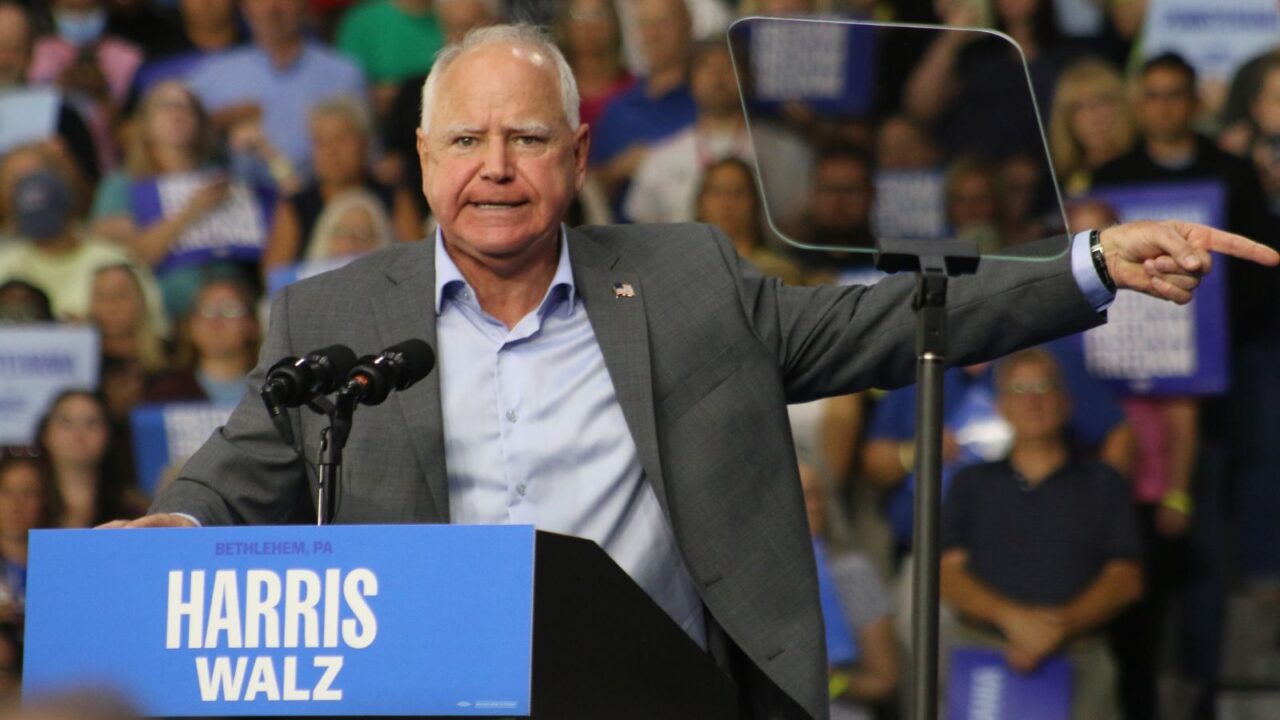
Most people do not follow Medicaid funding battles until they start sounding local. This one matters in Minnesota because it could affect hospitals, clinics, and care for families across the state. The Trump administration is withholding $243 million in Medicaid funds, and Governor Tim Walz’s administration says that gap could force painful choices if it drags on.
That is why this story goes beyond politics. Minnesota says the funds support health care for roughly 1.2 million low-income residents who rely on the state’s Medicaid program. When that much funding gets frozen, local health systems can start feeling the squeeze fast.
What the federal government did
The funding fight escalated when federal officials paused a large Medicaid payment to the state. Reuters reported the administration temporarily withheld about $259 million, while AP and PBS reported the lawsuit centered on $243 million the state says is being held back.
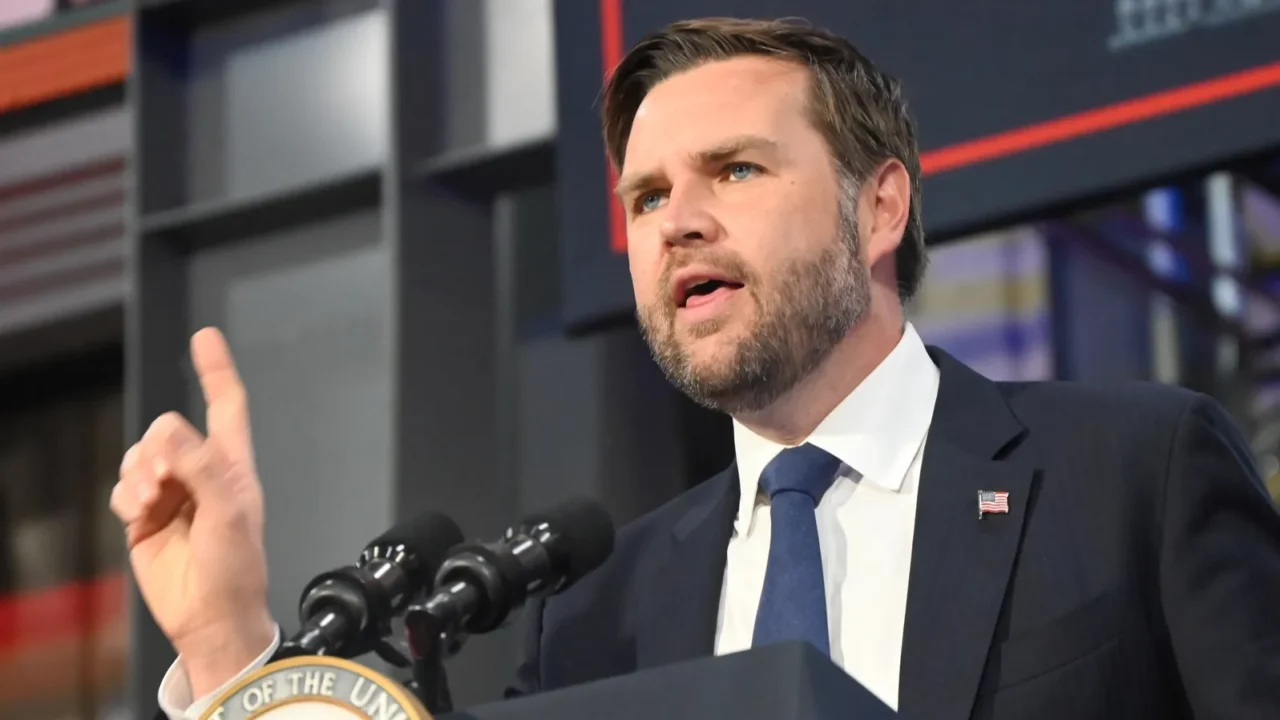
Federal officials said the pause was tied to fraud concerns; Vice President J.D. Vance announced the action and Dr. Mehmet Oz said funds would remain suspended until Minnesota submits a corrective action plan (the administration referenced a 60-day timeframe).

Why Minnesota sued
Minnesota did not just protest the move. It went to court and asked a federal judge to block the withholding, arguing the action was unlawful and harmful to the state’s health care safety net. PBS and AP both reported that the state sought immediate court intervention over the frozen Medicaid money.
State officials say the administration cannot simply hold back this level of funding without proper process. In court filings described by PBS, Minnesota argued the withholding was unconstitutional and asked for a temporary restraining order.

Why hospitals are nervous
Hospitals do not have to lose funding directly to feel pressure. If the state suddenly has a major federal payment held up, it can create a serious cash flow strain across the broader care system. That risk is one reason Minnesota officials warned of disruptions to providers if the freeze continues.
This hits especially hard in places already working with thin margins. Rural hospitals, long-term care facilities, and specialty providers often have less room to absorb delays. A state-level payment fight can quickly become a local operations problem.

Care for children is in the mix
Minnesota officials say the impact would not stop at accounting spreadsheets. They warned that care for more than a million residents could be destabilized, including many children who rely on Medicaid-supported services. That is part of why the state says the fight is urgent.
When payment systems get shaky, providers may have to slow hiring, delay expansion, or rethink certain services. Families do not always see the funding mechanics, but they can feel the effects in wait times, access, and local program stability.
Rural care could feel it first
Rural communities are often the most exposed when Medicaid or other health funding is uncertain. Smaller clinics and regional hospitals usually have fewer financial cushions than big metro systems, which makes delayed reimbursement more dangerous over time. Minnesota’s warning about service disruption lands differently in places with limited backup options.
That is what makes this more than a courtroom story in St. Paul or Washington. If services shrink in a rural area, rebuilding them can take years. Even a temporary crunch can leave a lasting mark on access to care.
The fraud argument is central
The administration says this move is part of a wider anti-fraud push. Reuters reported federal officials accused Minnesota of failing to do enough to stop misuse in state-run social welfare programs, and they tied the Medicaid pause to that concern.
Minnesota strongly disputes the idea that it has ignored the issue. State officials say they have already taken aggressive steps to tighten oversight and that the funding hold unfairly punishes the broader health system while those efforts are underway.
Fun fact: Medicaid was created in 1965 when President Lyndon B. Johnson signed the Social Security Amendments into law.

The state points to its own numbers
Minnesota says federal data undercuts the idea that its Medicaid program is unusually sloppy. The state’s Department of Human Services said a CMS review found Minnesota’s Medicaid payment error rate was just over 2.1%, compared with a 6.1% national average.
Those numbers do not erase the fraud debate, but they do add context. If Minnesota’s error rate is below the national average, the state can argue it is being singled out in a way that does not match the broader data.
Fun fact: Minnesota’s Medicaid program is called Medical Assistance at the state level.

The state already tightened rules
Minnesota did not wait for this lawsuit to act. In January, the Department of Human Services announced a freeze on new provider enrollments in 13 categories of Medicaid services considered high risk for fraud.
Those categories include several sensitive services, such as adult rehabilitative mental health services, assertive community treatment, intensive residential treatment, and nonemergency medical transportation. The state said the pause was initially planned for six months as part of a broader fraud-fighting effort.
What those freezes could mean
Freezing new provider enrollment is meant to protect the program, but it can come with tradeoffs. It may help slow bad actors, yet it can also make it harder for new providers to enter high-need service areas.
That is part of the tension in this story. Officials are trying to show they are serious about fraud prevention while also keeping access stable for patients who depend on these services. The harder that balance gets, the more local providers may feel caught in the middle.

This could reach beyond Minnesota
Minnesota may not be the end of the story. AP reported the administration has widened its anti-fraud efforts, including a Medicaid probe in New York, after the Minnesota funding freeze.
That gives this fight national importance. If Minnesota becomes the template, other states could face similar pressure, and providers elsewhere may start watching how courts respond here. What happens in this case could shape how future Medicaid disputes unfold.

The legal path matters now
The case is now partly about timing. Minnesota wants immediate relief through a temporary restraining order because a drawn-out fight could leave the state managing a major funding hole while the case moves forward.
That makes the court’s early response especially important. A fast ruling could ease pressure on the state, while a delay could keep hospitals and other providers guessing about whether payments stay secure in the near term.
Medical fraud is spreading across the U.S. See why Minnesota’s massive welfare fraud scandal is getting big and why Americans can’t ignore anymore.

Why local hospitals may feel squeezed
Hospitals are often where broad policy fights become most visible. They face staffing costs, emergency care demands, and thin reimbursement margins even in calmer times. Add funding uncertainty, and leaders may have to make harder calls on budgets and services.
That does not mean every hospital is on the brink. It does mean a federal-state payment battle can raise risks for facilities already under pressure, especially those serving high numbers of Medicaid patients. That is the squeeze behind the headline.
In other news, how did one of America’s most ambitious projects go so far off track? Find out what really happened inside California’s bullet train fiasco.
Do you think this Medicaid fight will end up hurting local hospitals the most? Share your thoughts in the comments.
This slideshow was made with AI assistance and human editing.
Don’t forget to follow us for more exclusive content right here on MSN.
Read More From This Brand:
