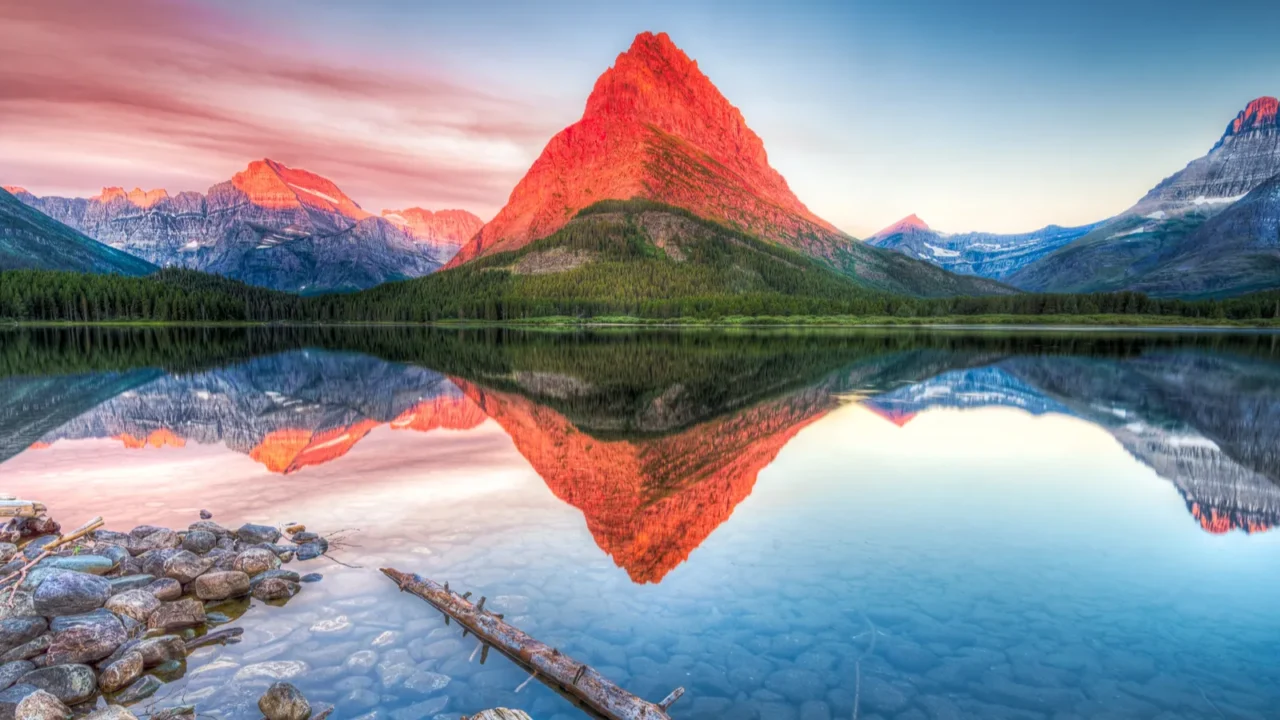
Quiet places get loud
Montana’s wide open spaces once felt untouched and endlessly calm. Small towns near Glacier and Yellowstone quietly welcomed visitors without major pressure on daily life. That calm has shifted as rural travel suddenly moved into the spotlight.
Cabins, scenic highways, and mountain towns now trend across travel feeds. Interest has surged beyond peak summer seasons. Let’s dive in and see how this boom is reshaping Montana.
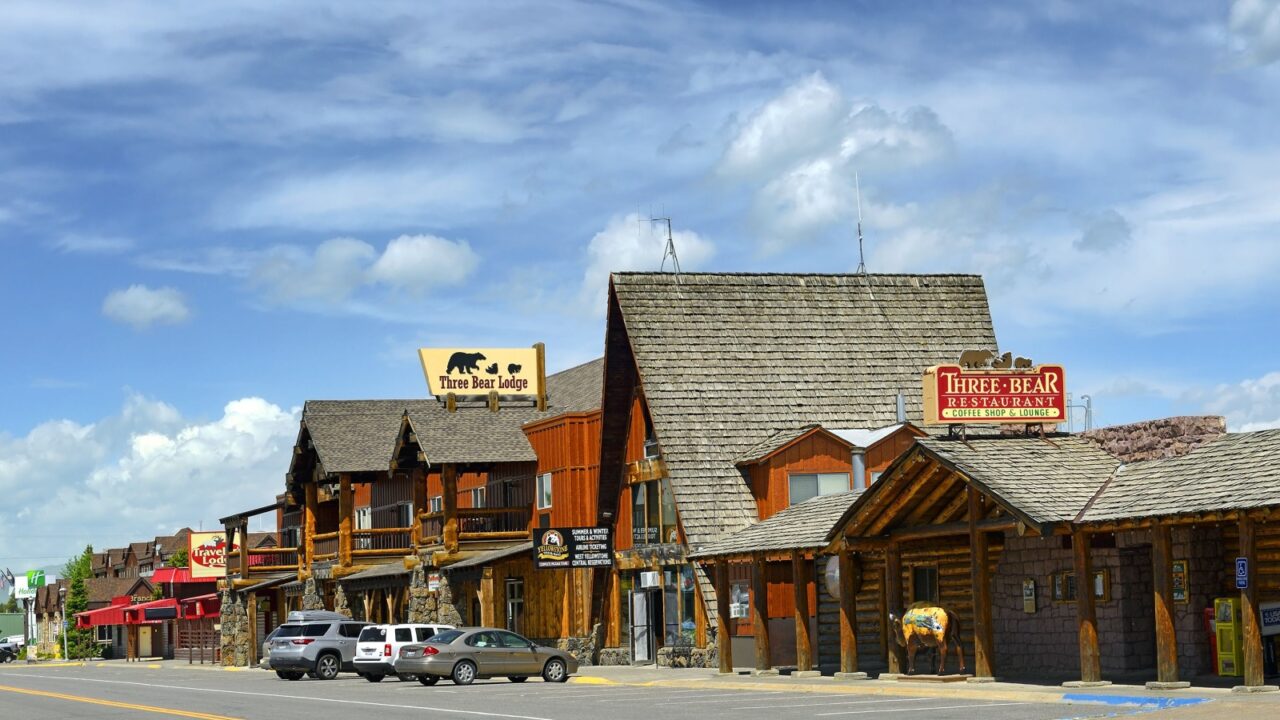
Rural travel takes off
Remote towns like West Yellowstone and Whitefish saw visitor numbers climb fast. Travelers seek space, scenery, and slower rhythms far from crowded cities. Montana’s rural identity fits that desire perfectly.
Post-pandemic travel patterns accelerated this shift. Nature-driven trips replaced urban itineraries. Demand rose faster than local systems expected.
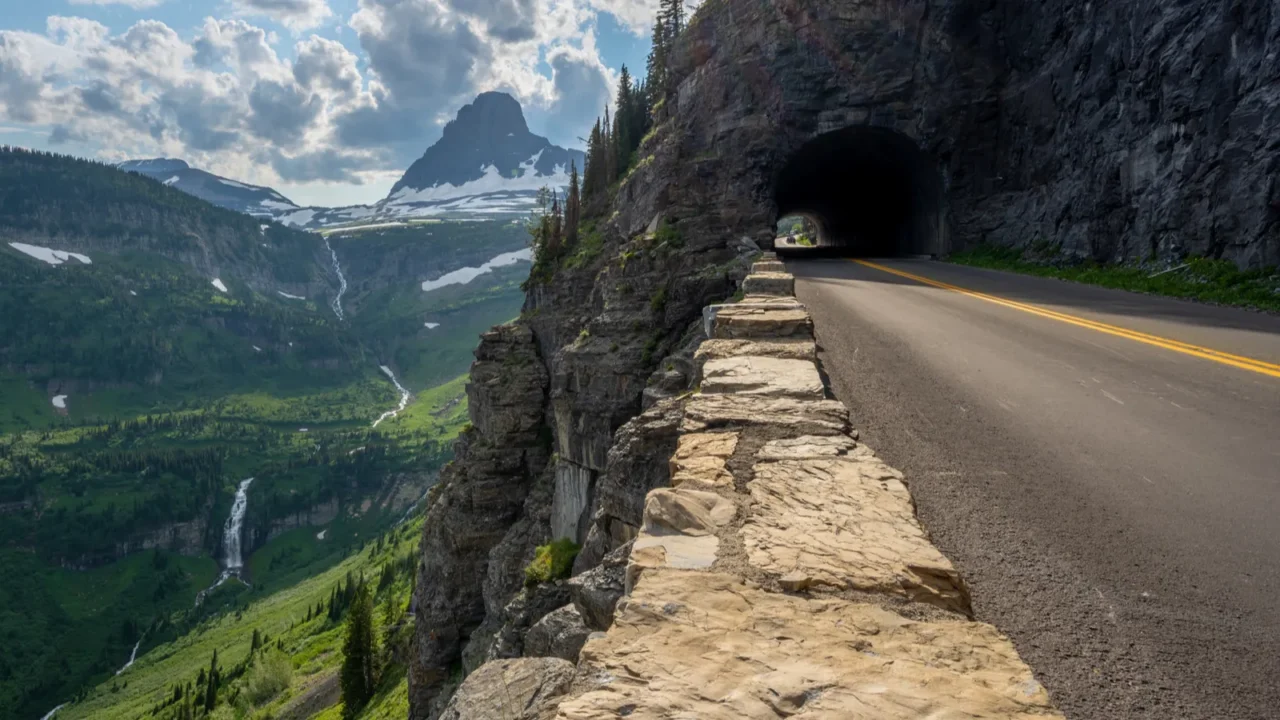
Infrastructure feels pressure
Roads built for light traffic now handle constant seasonal congestion. Narrow highways near Glacier National Park back up daily during peak months. Parking shortages frustrate both visitors and residents.
Water systems and waste services feel the strain as well. Small towns were never designed for this scale. Growth arrived before upgrades could catch up.
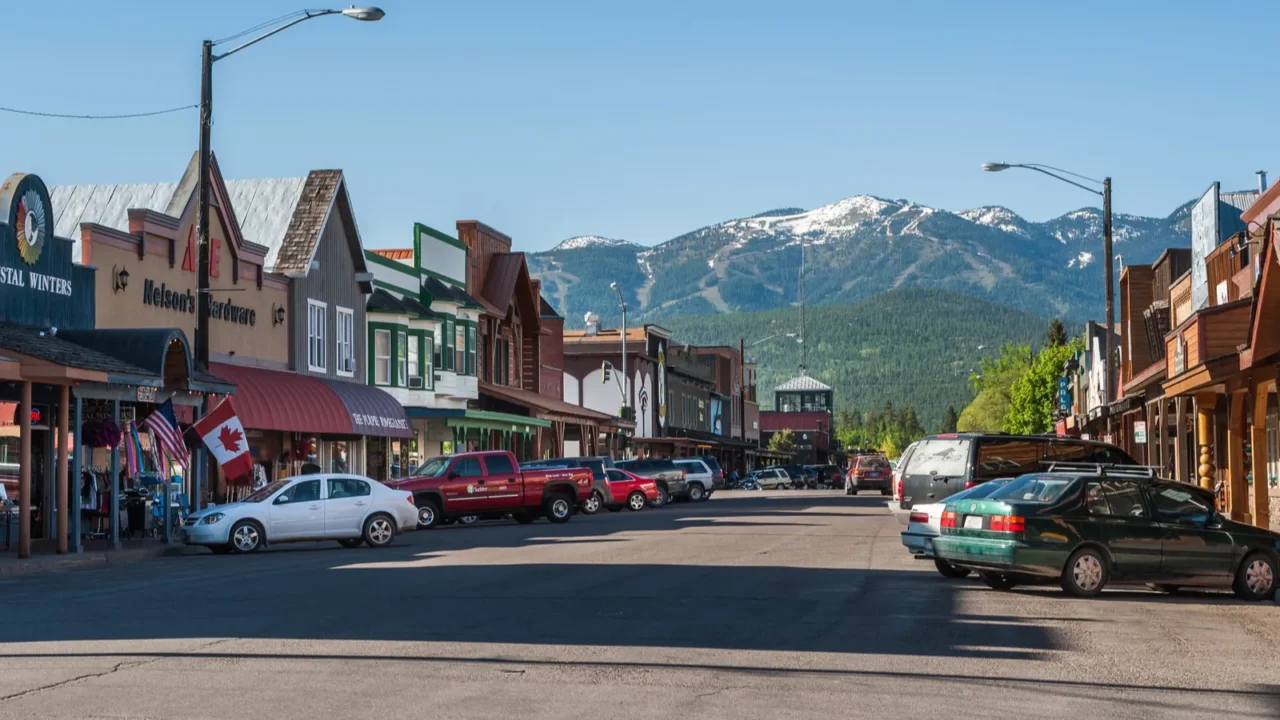
Housing costs climb fast
Short-term rentals expanded quickly across rural Montana. Locals struggle to compete with tourist-driven prices. Workforce housing has become a growing concern.
Teachers, service staff, and park workers feel pushed outward. Communities fear losing year-round residents. Tourism success brings complicated tradeoffs.
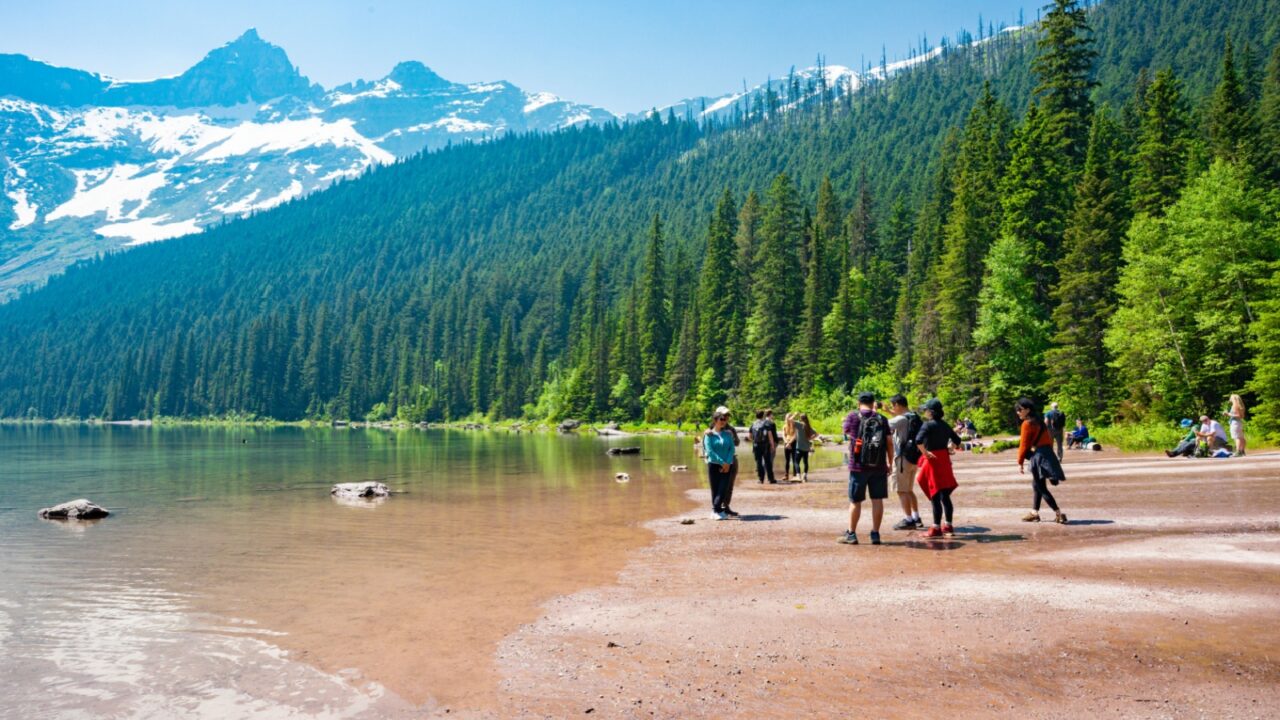
Parks under pressure
Glacier and Yellowstone experience record visitation levels. Trails wear down faster than maintenance crews can respond. Wildlife patterns shift as human presence increases.
Timed entry systems now manage access in peak seasons. Conservation goals shape visitor policies more directly. Protection becomes as important as promotion.
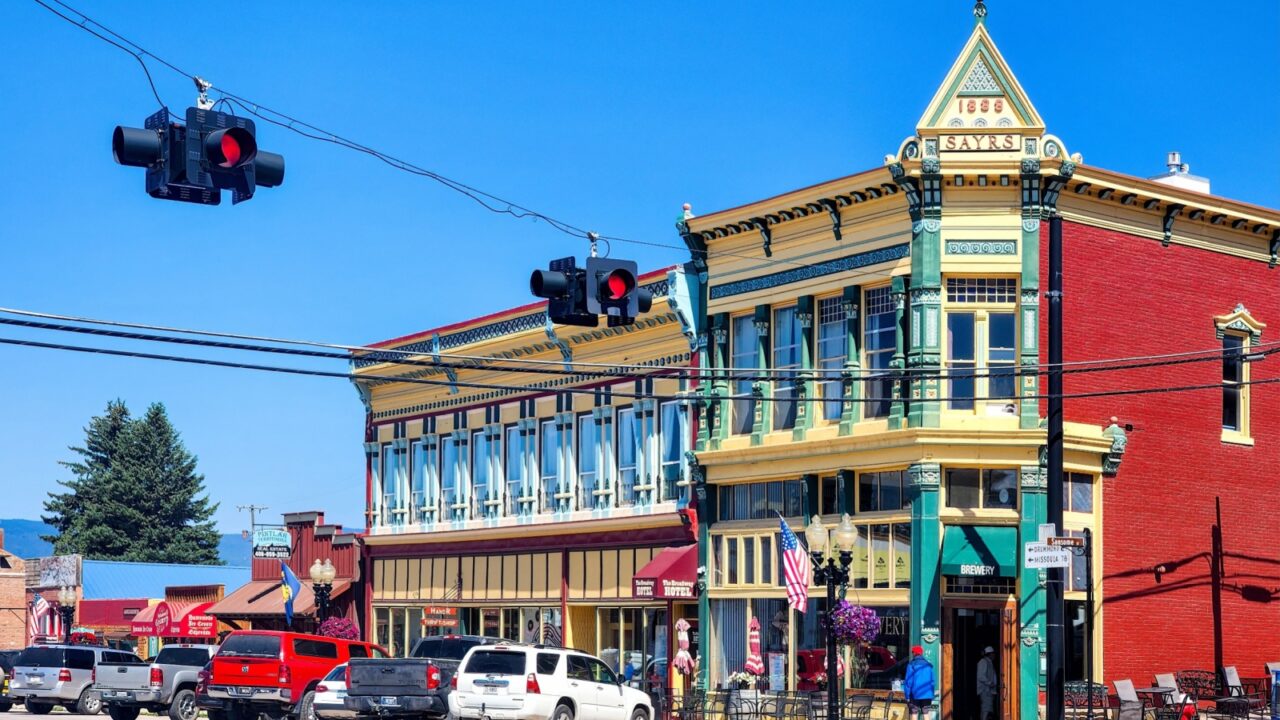
Local businesses benefit
Restaurants, outfitters, and guides see strong revenue growth. Seasonal income supports small business survival. Tourism dollars circulate locally when managed well.
However, staffing shortages complicate operations. Workers struggle with housing and long commutes. Success feels uneven across communities.
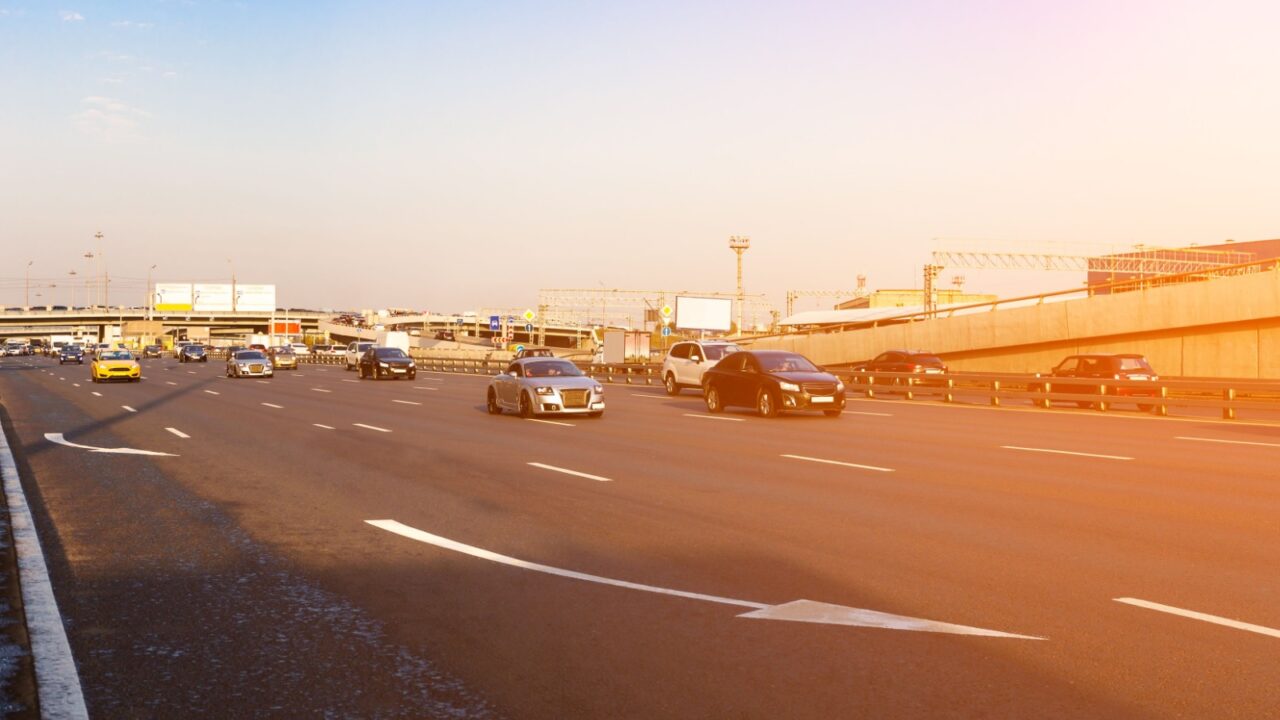
Roads face new reality
Scenic byways like Going-to-the-Sun Road carry unexpected traffic volume. Accidents increase during high traffic periods. Emergency response times stretch longer.
Maintenance budgets struggle to keep pace. Rural counties face funding gaps. Infrastructure planning becomes urgent rather than optional.
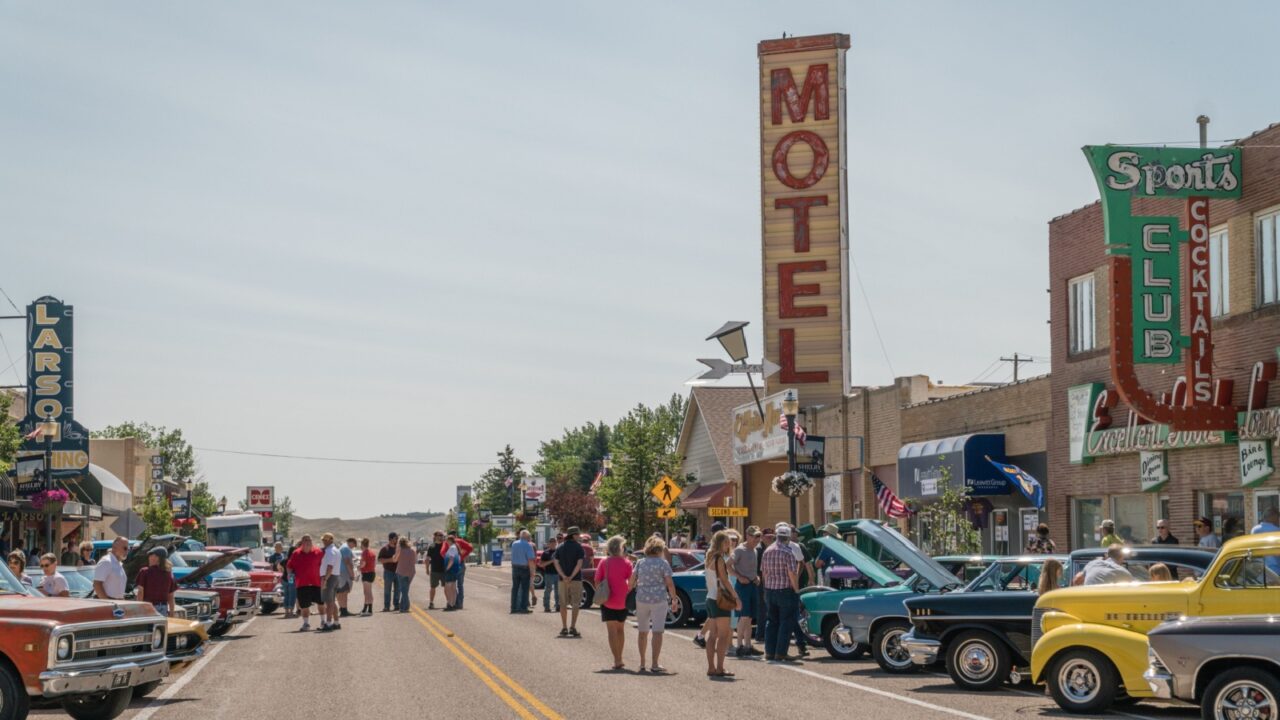
Community voices grow louder
Residents speak up at town hall meetings and planning sessions. Growth sparks debate over limits and zoning rules. Preservation competes with opportunity.
Some towns cap short-term rentals. Others invest in visitor education programs. Local voices guide future decisions.
Sustainable tourism emerges
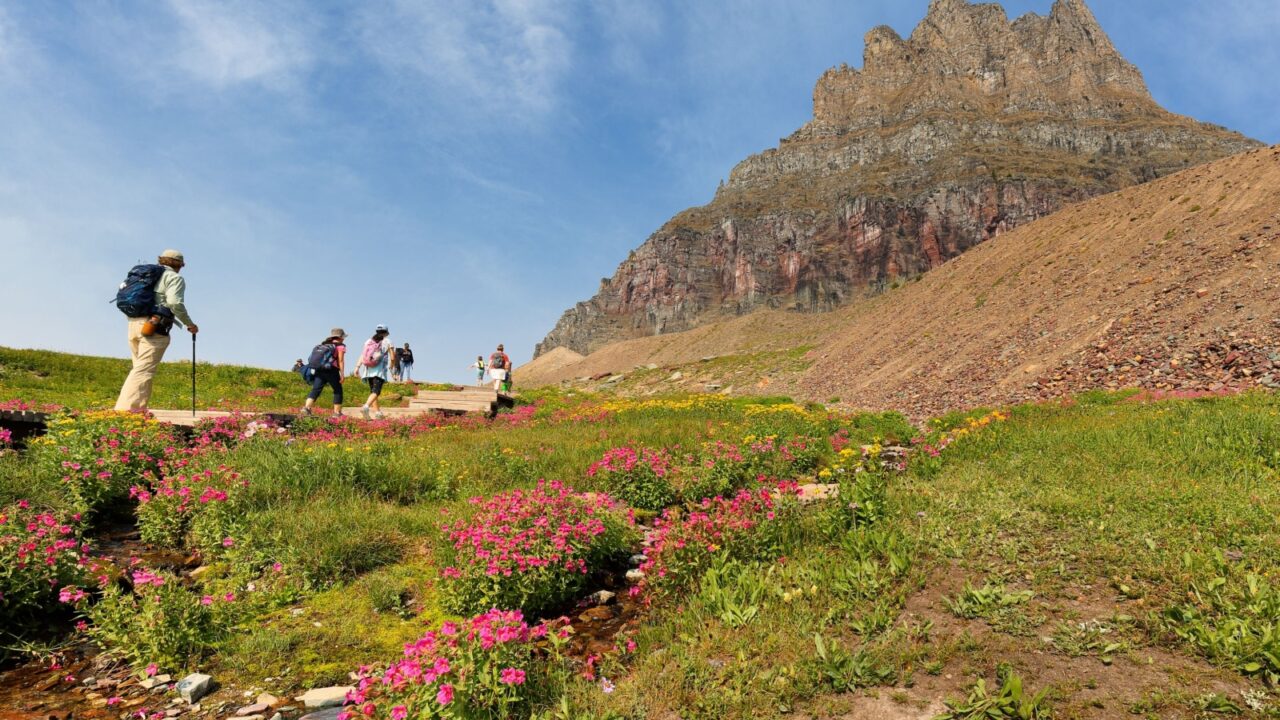
Officials promote shoulder season travel to spread demand. Slower itineraries reduce daily pressure. Education encourages respectful outdoor behavior.
Partnerships form between parks and towns. Long-term planning replaces short-term fixes. Balance becomes the shared goal.
Transportation gaps appear
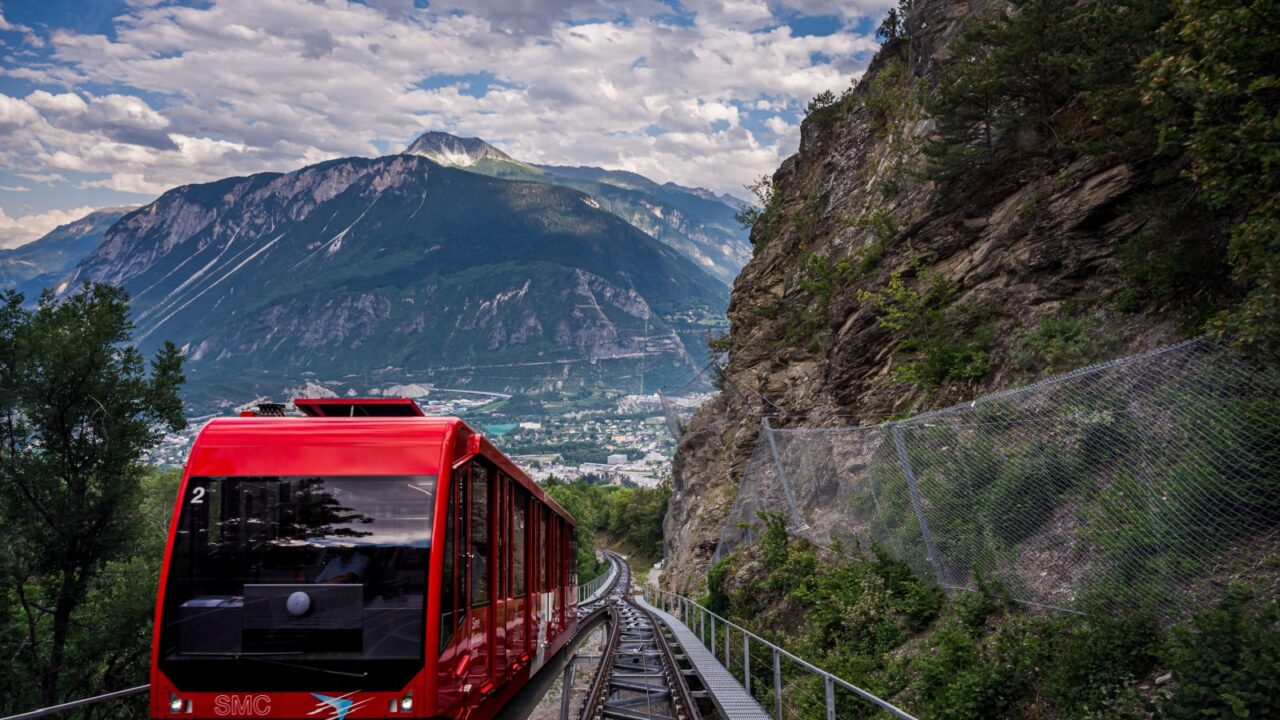
Public transit remains limited in rural regions. Visitors rely heavily on personal vehicles. Traffic concentrates around park entrances.
Some towns test shuttle systems. Others expand bike-friendly routes. Transportation innovation lags, but momentum builds.
Economic dependence risks
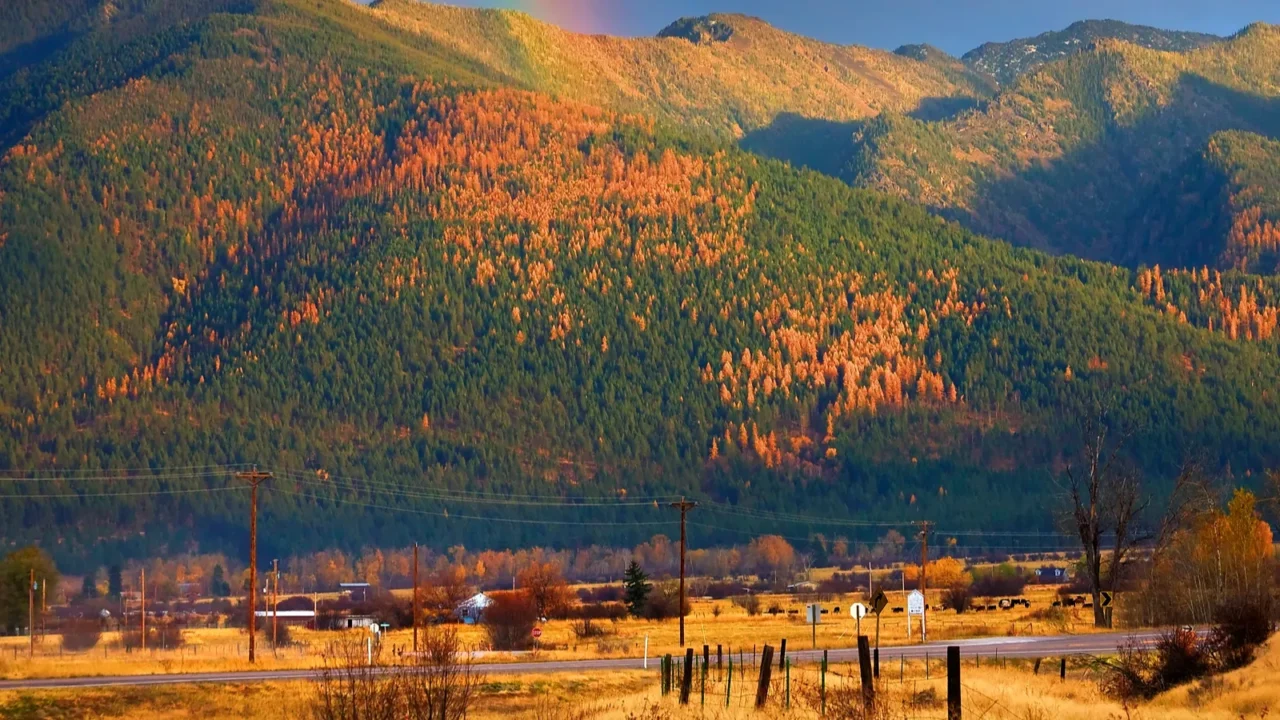
Tourism revenue now supports many rural budgets. Economic swings create vulnerability. Seasonal demand complicates stability.
Communities seek diversification beyond visitors. Agriculture, remote work, and education investments grow. Balance protects long-term resilience.
Planning for longevity
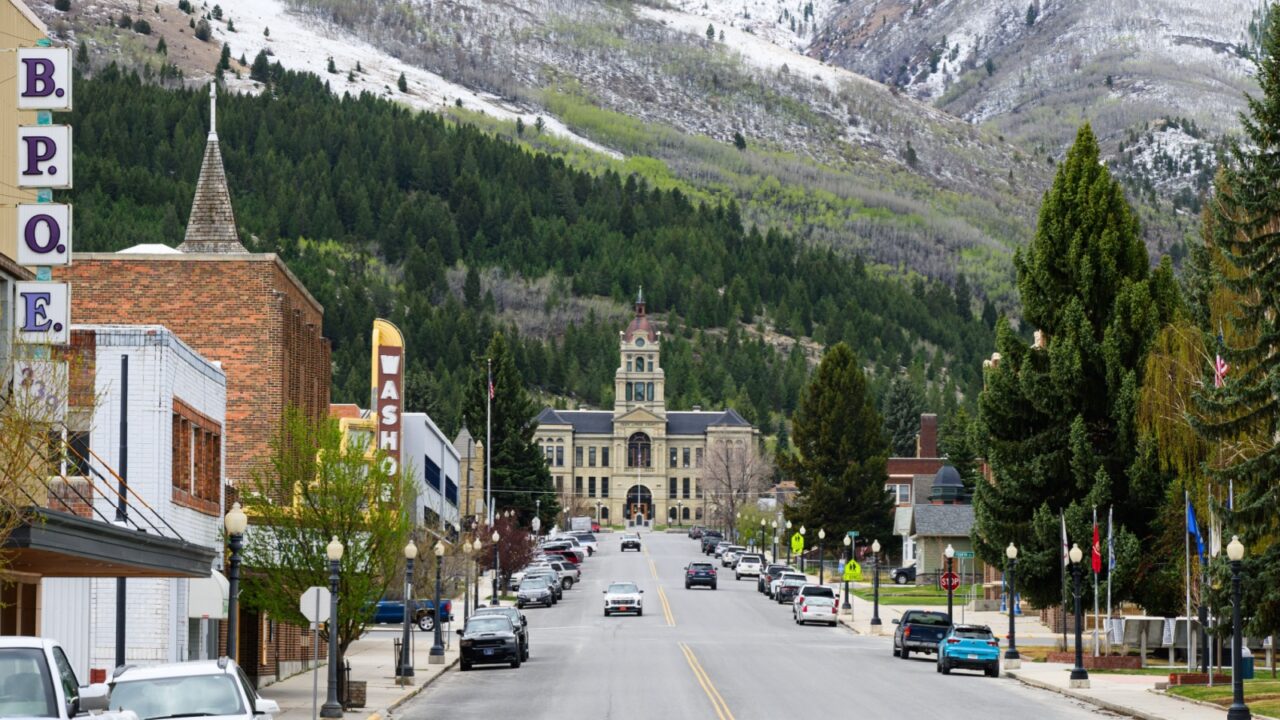
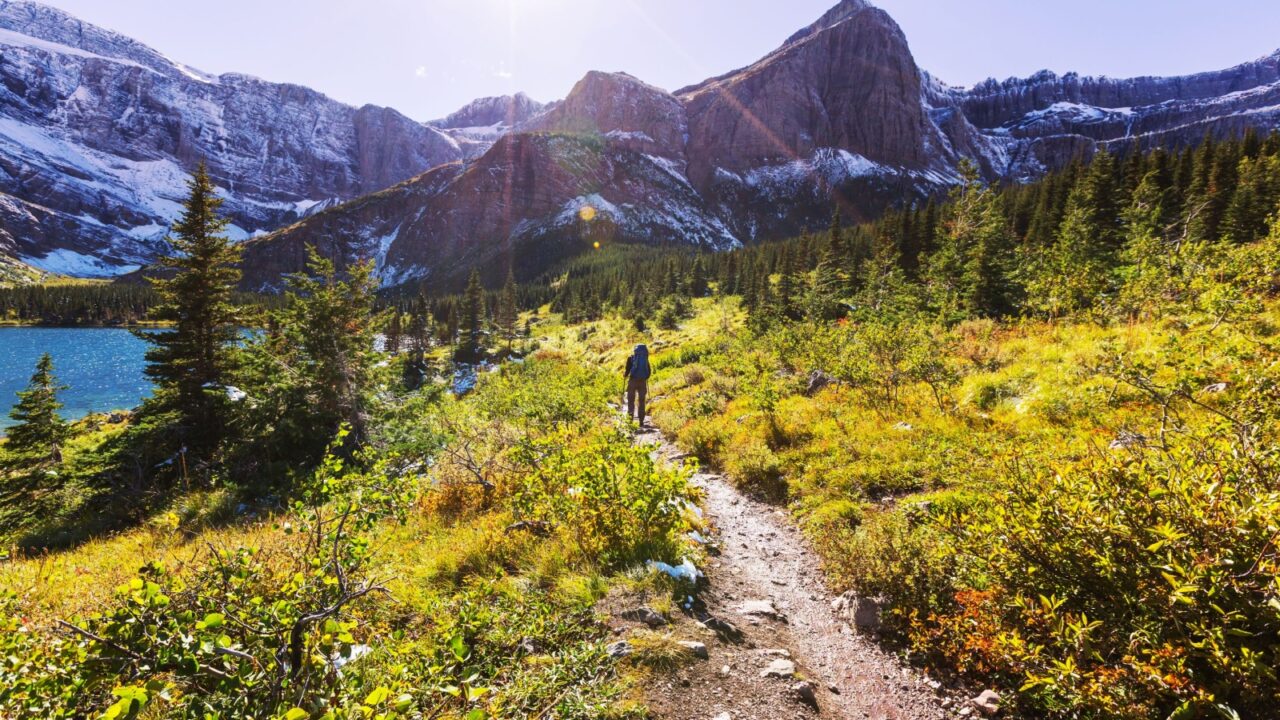
Montana’s appeal depends on protecting what draws travelers in the first place. Infrastructure investment shapes future success, especially as hikers in Colorado and Montana may soon rethink prep as new wearables roll out across popular trails. Growth without care risks long-term erosion of both landscapes and trust.
Policy now focuses on sustainable capacity. Preservation and access must coexist. The next phase demands patience and foresight.
The road ahead
Montana’s rural boom brings opportunity and responsibility. Communities balance welcome signs with protective boundaries. The future depends on thoughtful management.
The best destinations grow without losing identity. Which rural place deserves stronger protection as tourism grows? Share your thoughts below.
This slideshow was made with AI assistance and human editing.
Don’t forget to follow us for more exclusive content right here on MSN.
Read More From This Brand:
