
U.S. labor market pressure
Recent labor data show a mixed U.S. job market, while separate Federal Reserve research indicates that recent college graduates have faced weaker employment outcomes. Together, those trends help explain why some young adults may be more cautious about discretionary spending, including travel. Entry-level hiring in several industries has slowed compared with earlier post-pandemic growth. Economic uncertainty is pushing many young adults to reconsider discretionary plans.
Recent graduates across the United States are entering a labor market that has become more challenging in recent quarters. That environment can lead some young adults to delay optional spending while they focus on securing stable work.

Graduates rethink travel budgets
Graduates across the United States are becoming more cautious about travel spending. Rising living costs and student loan obligations are encouraging many young adults to focus on financial stability first. Travel plans are often delayed until steady employment becomes secure.
Many young adults are likely to prioritize job searches, housing, and debt obligations before booking leisure trips. That pattern fits broader financial pressures facing recent graduates, even though travel interest remains strong.

Entry-level hiring slows
Entry-level hiring has become more competitive across several industries. Technology companies in places like San Francisco and Seattle have reduced hiring in some junior positions compared with earlier years. Graduates entering the workforce face more applicants for each role.
Recruiters say companies are focusing on experienced workers during uncertain economic periods. This trend can delay job offers for recent graduates. When employment timelines extend, travel plans are often postponed.

Student loans influence decisions
Student loan payments are another factor shaping travel decisions among new graduates. The return of federal student loan repayments has added financial pressure for millions of Americans. Many young adults now allocate more income toward debt obligations.
Graduates living in cities such as Denver and Miami often balance rent, transportation, and loan payments. Travel spending becomes difficult under these conditions. Financial planners say debt management often takes priority over vacations.

Travel industry notices shift
The travel industry closely monitors spending patterns among younger consumers. Airlines and tourism companies often see strong demand from recent graduates during summer travel seasons. Economic changes can quickly influence those patterns.
Destinations like Cancun, Barcelona, and Bali remain popular among young travelers. However, some graduates now delay international trips until their financial outlook improves. Tourism analysts say flexible travel planning has become more common.
Graduation travel traditions
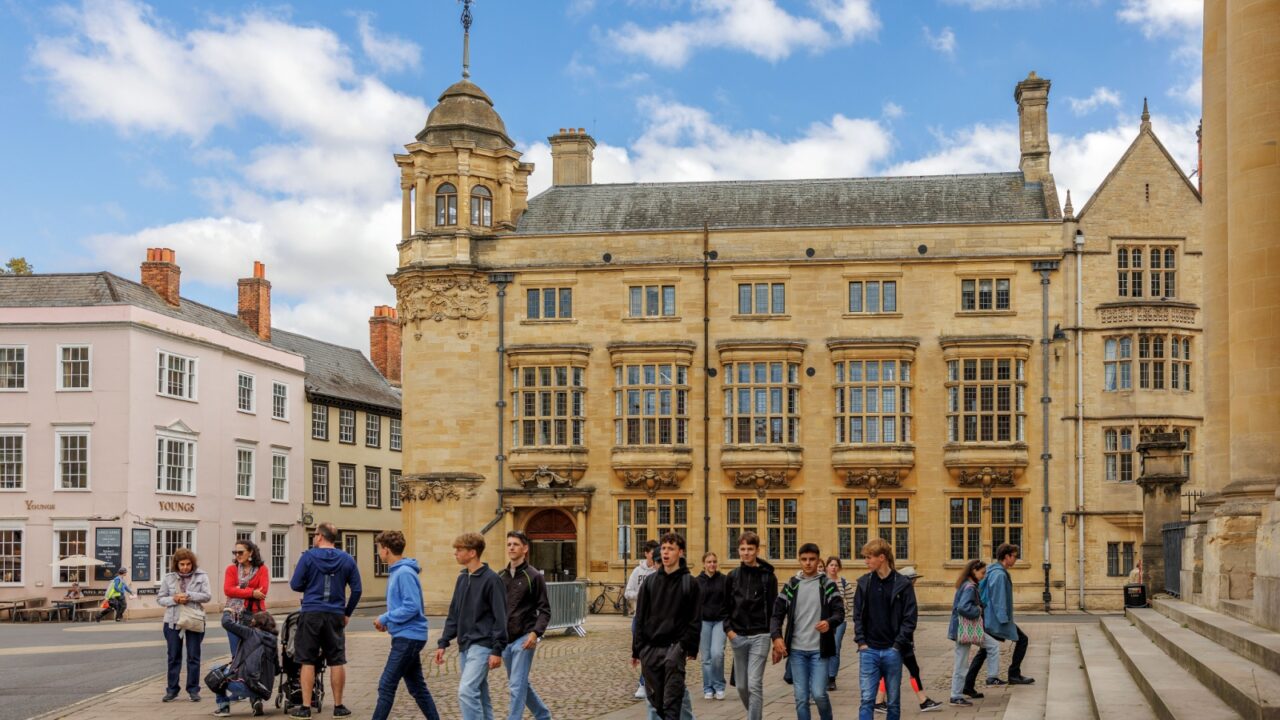
Graduation travel has long been a tradition for many young Americans entering adulthood. Trips to destinations such as Las Vegas, Miami, and Cancun often mark the transition from student life to the professional world.
Economic uncertainty can delay these celebratory journeys even when the desire to travel remains strong.
Young travelers prioritize experiences
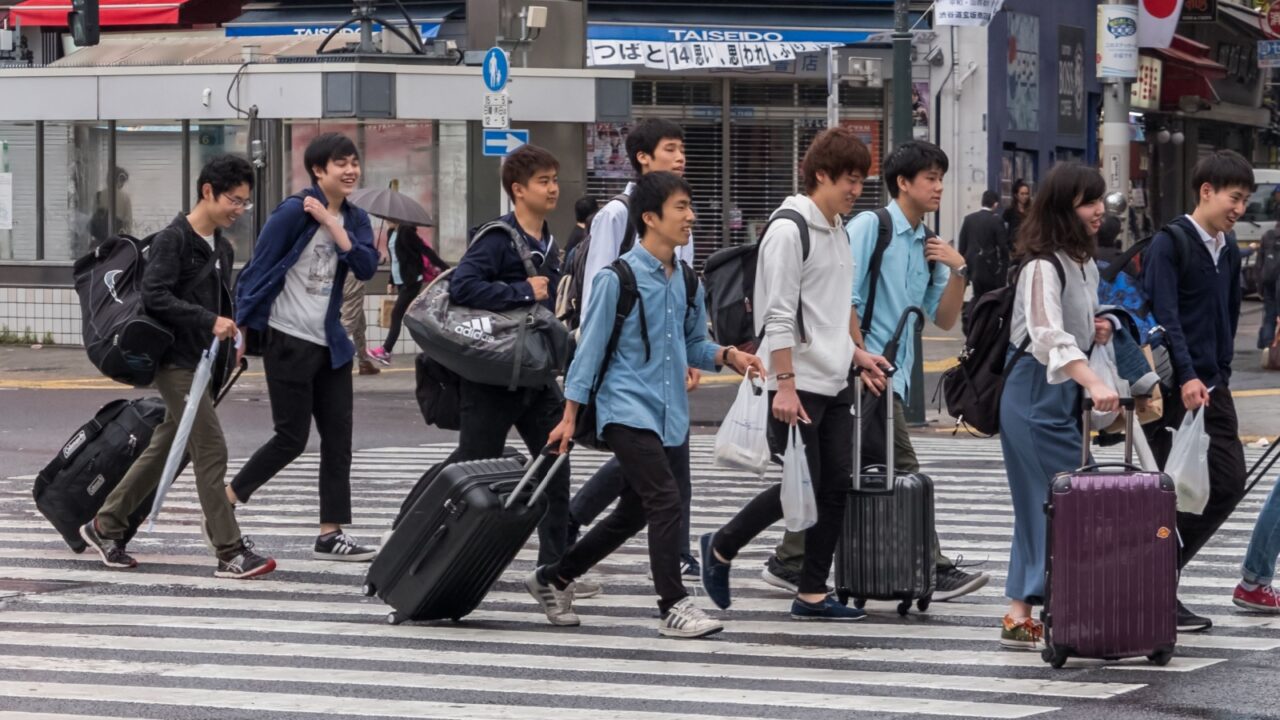
Young adults remain one of the most active travel groups in the global tourism market. Research shows that younger generations often view travel as an essential life experience rather than a luxury purchase. Even during uncertain economic conditions, many young adults continue planning future trips.
Fact: A global travel survey by McKinsey found that millennials and Gen Z travelers take nearly 5 trips on average each year and devote around 29% of their income to travel experiences. This strong interest in exploration continues even when budgets become tight.

Employers adjust recruiting
Employers are also adapting their recruiting strategies as the job market changes. Companies in cities like Dallas and Minneapolis have increased internship programs that help graduates gain experience. These programs often lead to permanent roles.
Career experts say internships sometimes delay immediate financial independence for graduates. While gaining experience, many young workers continue living on limited budgets. Travel plans may wait until stable salaries begin.

Urban costs create challenges
Living costs in major American cities remain high for young workers. Rent prices in areas like San Francisco, New York, and Washington continue to challenge early career budgets. Housing expenses alone can absorb large portions of income.
Graduates relocating for new jobs often prioritize essential expenses. Savings and travel funds may take time to rebuild. Financial experts say this pattern is common during the first years of employment.
Domestic travel remains popular
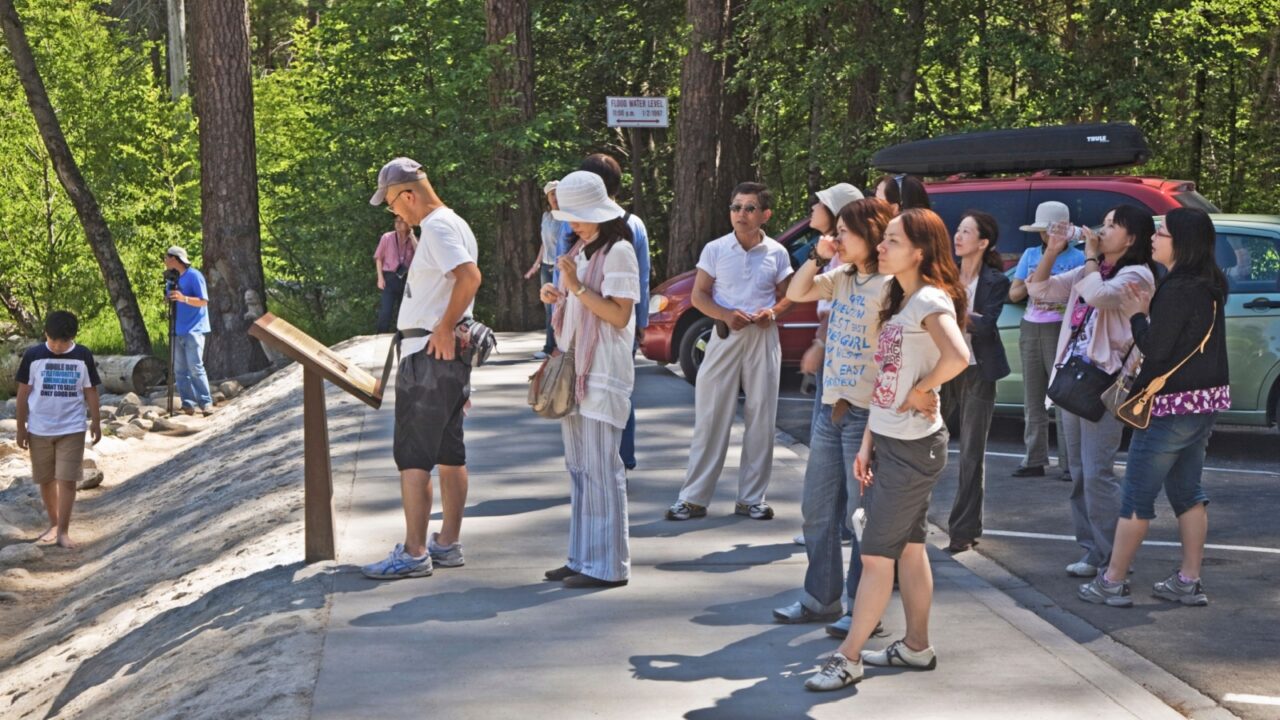
Despite financial challenges, domestic travel still attracts many graduates. Short trips within the United States often cost less than international vacations. National parks and major cities remain common choices.
Places such as Yellowstone National Park, Nashville, and San Diego draw visitors seeking affordable experiences. Weekend travel allows graduates to explore while managing limited budgets. Domestic tourism, therefore, remains resilient.
Airlines monitor demand trends
Airlines carefully track booking trends among younger travelers. Companies such as Delta Air Lines and United Airlines analyze travel data to understand shifting demand. Changes in graduate travel behavior can influence seasonal bookings.
Flexible ticket policies and budget fares sometimes help maintain demand. Airlines adjust marketing strategies when certain demographics reduce travel spending. Industry analysts say adaptability remains essential.

Travel plans may rebound
Economic conditions often shift quickly, and travel demand can rebound when hiring improves. Graduates who delay trips sometimes plan larger vacations once financial stability arrives. Tourism industries frequently see this pattern, although student loan changes are affecting travel budgets for millions of Americans.
Cities such as London, Bangkok, and Sydney remain popular long-term destinations for American travelers. Travel planners expect interest among young adults to remain strong. Timing often depends on career opportunities.

Travel dreams remain strong
Graduates may postpone trips, but travel aspirations remain part of early adulthood. Visiting new places often becomes a reward after securing stable employment. Many young professionals eventually return to postponed travel plans.
Destinations around the world continue attracting curious travelers seeking adventure and cultural experiences. Economic cycles may shape timing, but the desire to explore rarely disappears.
Which destination feels like the perfect first trip after landing a new job? Share thoughts below.
This slideshow was made with AI assistance and human editing.
Don’t forget to follow us for more exclusive content right here on MSN.
Read More From This Brand:
