Norway’s wartime notice letters are landing now
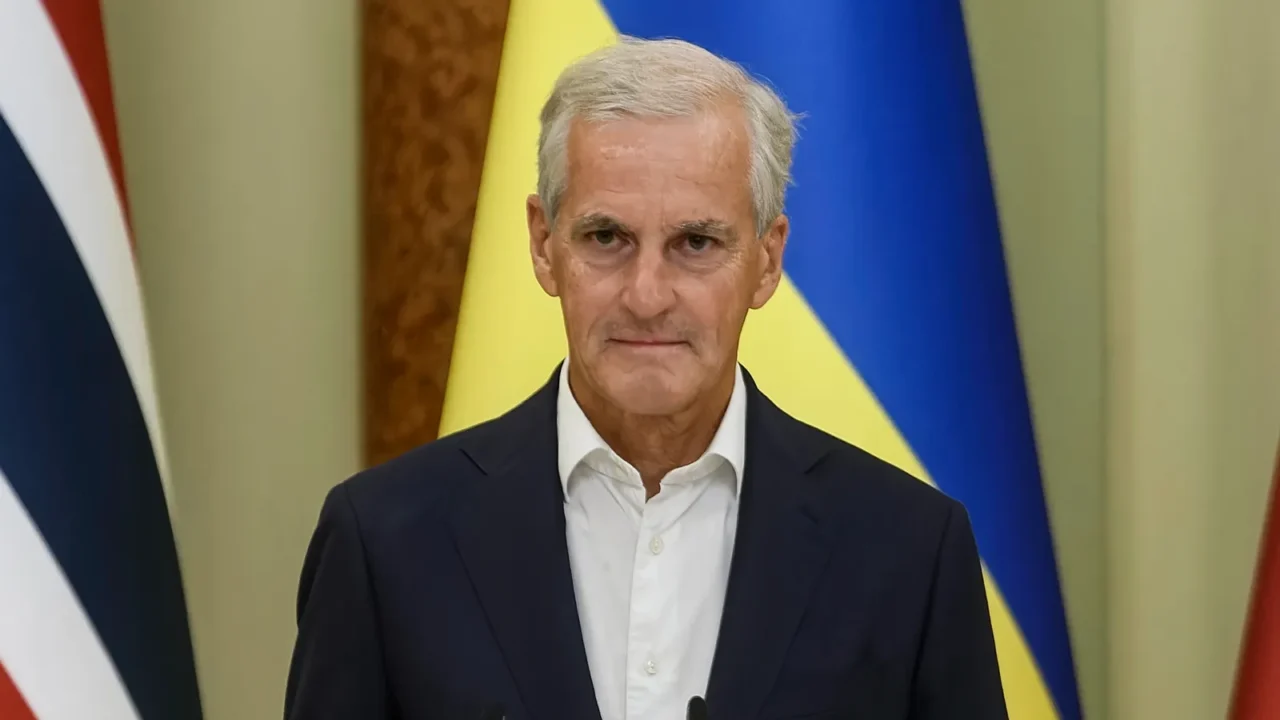
Norway has started mailing “preparatory requisition” letters telling selected citizens that private assets could be taken over if war breaks out. Around 13,500 notices are being issued for 2026, according to the Norwegian Armed Forces. The point is to lock in logistics plans before a crisis forces rushed decisions. It’s a reminder that readiness planning can reach into ordinary households.
In peacetime, nothing changes hands. The military says the letters mainly inform owners that their goods could be requisitioned in a conflict scenario.
What “preparatory requisition” actually means
These notices are advance warnings, not immediate seizures, and they don’t restrict how people use their property today. The armed forces describe them as a way to ensure access to needed resources in wartime. The letters are time-limited paperwork designed to cut confusion later. That distinction matters because the headline can sound more dramatic than the legal step being taken now.
Each notice is valid for one year. Euronews reports that roughly two-thirds of the 2026 letters are renewals from previous years, which signals continuity in planning rather than a sudden new policy.
The assets Norway is flagging
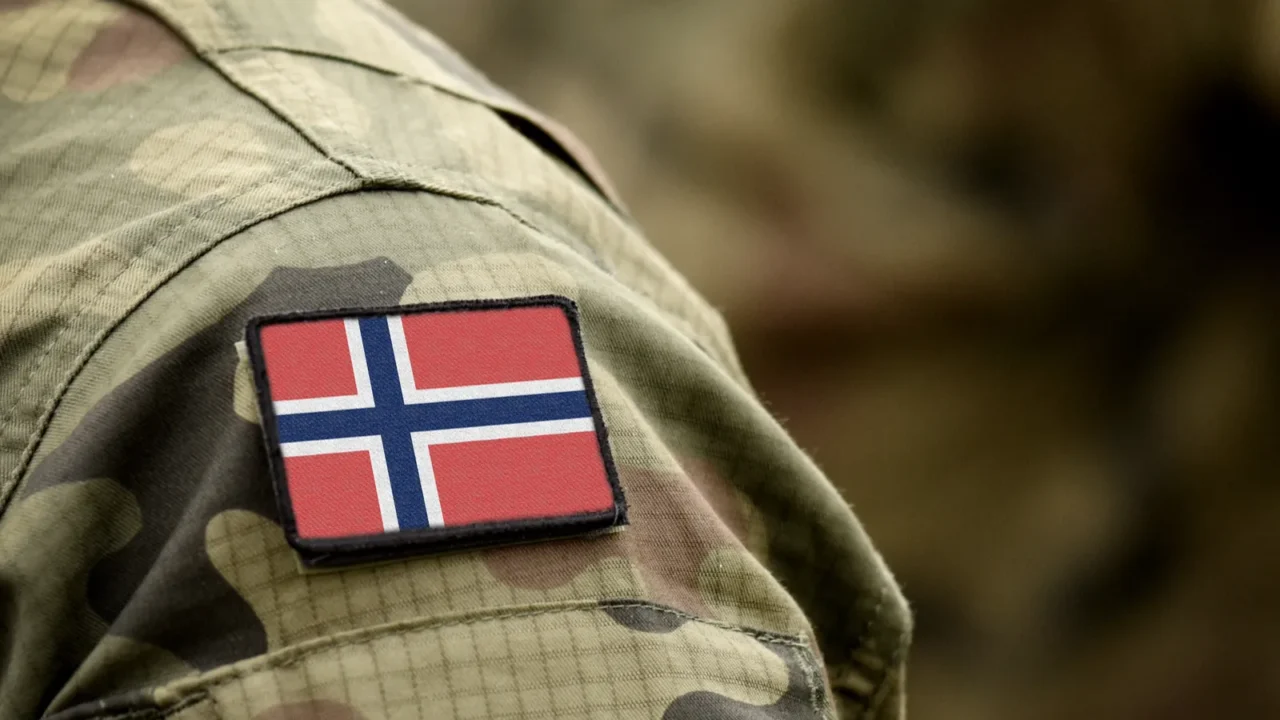
The letters cover practical things the military may need fast: homes, vehicles, boats, machinery, and equipment. That list isn’t random, because these are the items that move people, transport supplies, and create temporary capacity when the state has to scale up quickly. It also shows how modern mobilization relies on civilian infrastructure as much as uniforms. For many recipients, the surprise is not “war,” but how broad the category of “useful assets” can be.
The military frames this as an access problem, not a property-rights debate in peacetime. In a conflict, the bottleneck is often transport and staging space, so planners map what exists before they need it.
The security message behind the paperwork
Officials are pairing these notices with blunt language about risk. The head of Norway’s military logistics organization, Anders Jernberg, said the importance of being prepared for crisis and war has increased dramatically. He also described Norway’s situation as the most serious security policy environment since World War II. That framing pushes preparedness from theory into active administration.
This does not mean the government is predicting imminent war. It means Norway wants the mechanics of response ready if conditions deteriorate, especially in the north.
Norway’s “total defence” model is the backbone
Norway’s approach sits inside “total defence,” which links civilian and military resources for crises, armed conflict, and war. Norway’s Directorate for Civil Protection describes it as the sum of civilian and military resources working together, with a focus on support and cooperation in security crises. The concept helps explain why private capacity is even part of a defence conversation. It’s a system design choice, not a one-off headline.
This matters now because total-defence planning becomes more visible when tensions rise. When governments expect disruption, they formalize roles and resources earlier to avoid improvisation later.
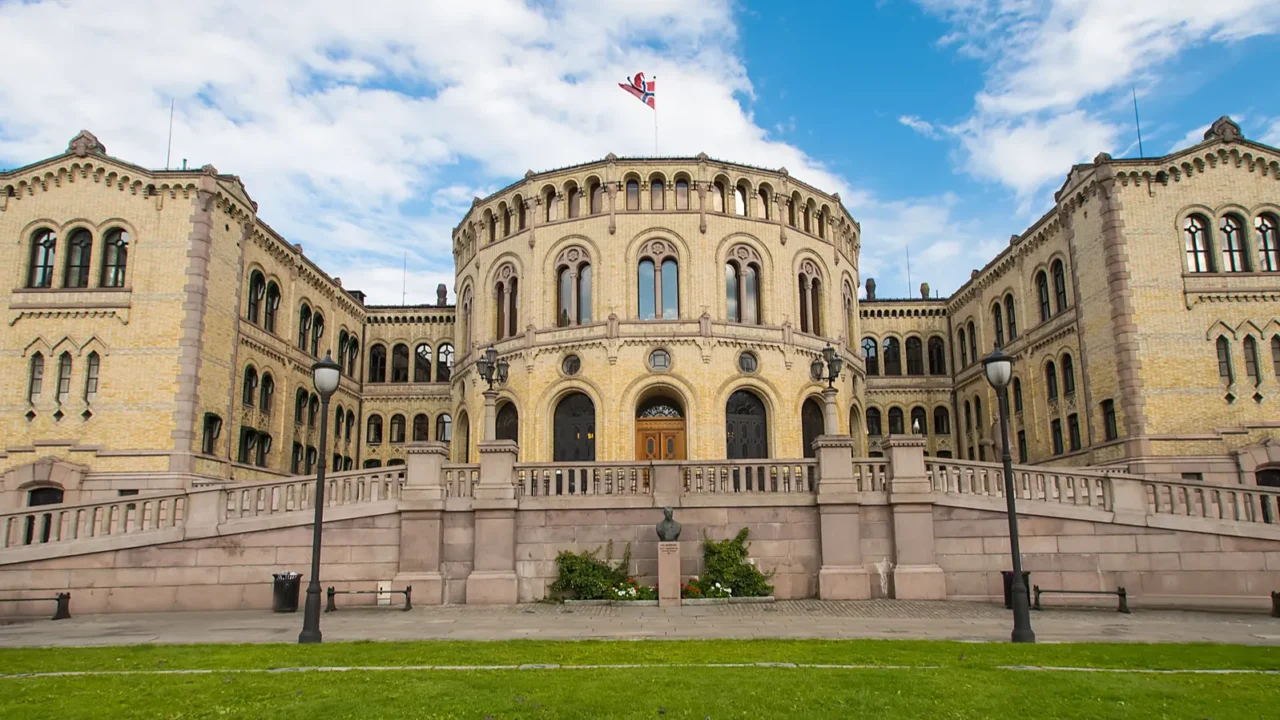
Why governments send letters instead of staying vague
In an emergency, unclear authority slows response and fuels conflict between agencies. Advance notices help planners know what may be available, where it is, and how quickly it can be deployed. They also reduce the chance that citizens feel blindsided if a wartime requisition process is triggered. That’s the tradeoff Norway is making: discomfort now to speed coordination later.
The letters also signal that preparedness is being operationalized, not just discussed. For a public used to peacetime normalcy, that alone changes the tone of national readiness.
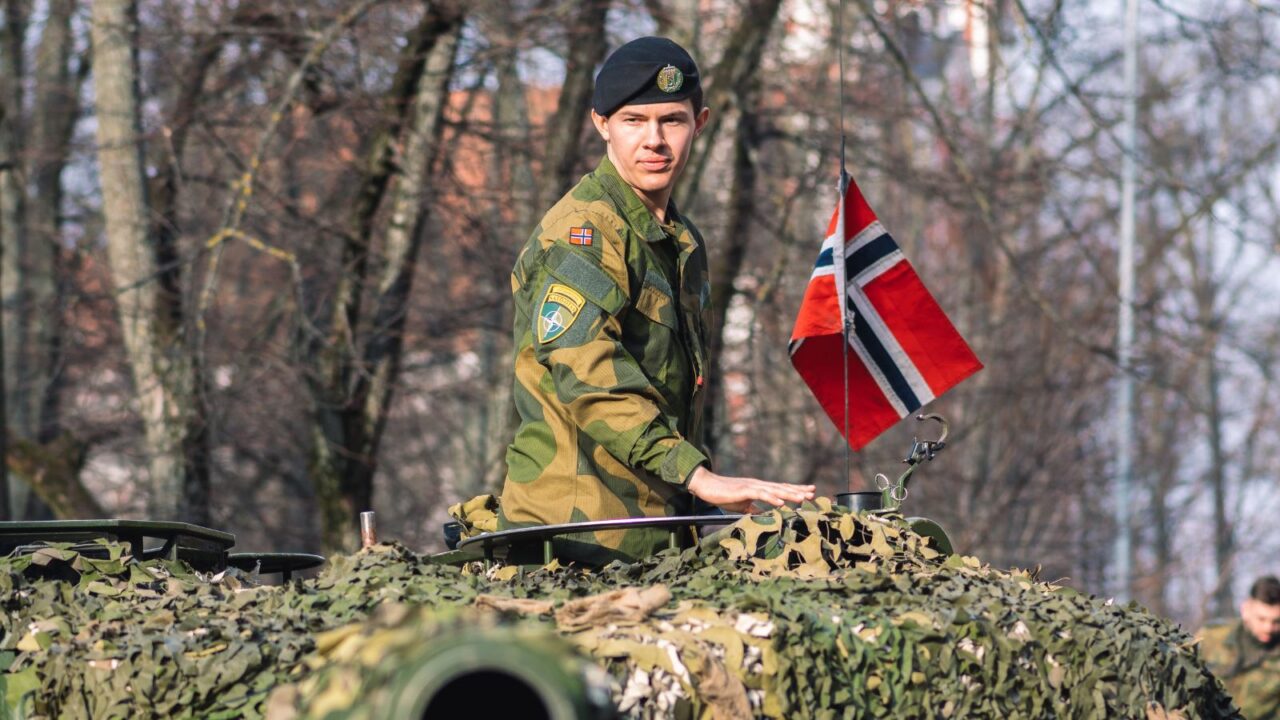
What recipients should and should not assume
The armed forces emphasize that the letters have no practical impact in peacetime beyond notification. That means there is no immediate handover and no automatic restriction on daily use. It also means panic reactions are often based on a misunderstanding of what the document does today. The most useful takeaway is that the state is updating a planning list, not taking action against owners now.
If someone receives a notice and wants specifics, the safest guidance is to rely on official explanations, not viral summaries. Explainers have stressed that these letters are part of a standing framework and are renewed regularly.

The question people ask first, and what reporting supports
Most readers immediately ask about compensation, appeals, and enforcement rules. The core reporting around the 2026 letters focuses on the count, the one-year validity, the renewal share, and the asset categories. Those are the facts you can state confidently without overreaching. Any deeper legal details should be tied to official guidance, because they vary by scenario and process.
A safe way to frame it is this: the letter itself is not a seizure, but it signals what could be requisitioned if Norway enters a wartime footing. That keeps the piece accurate and avoids inventing procedural specifics.
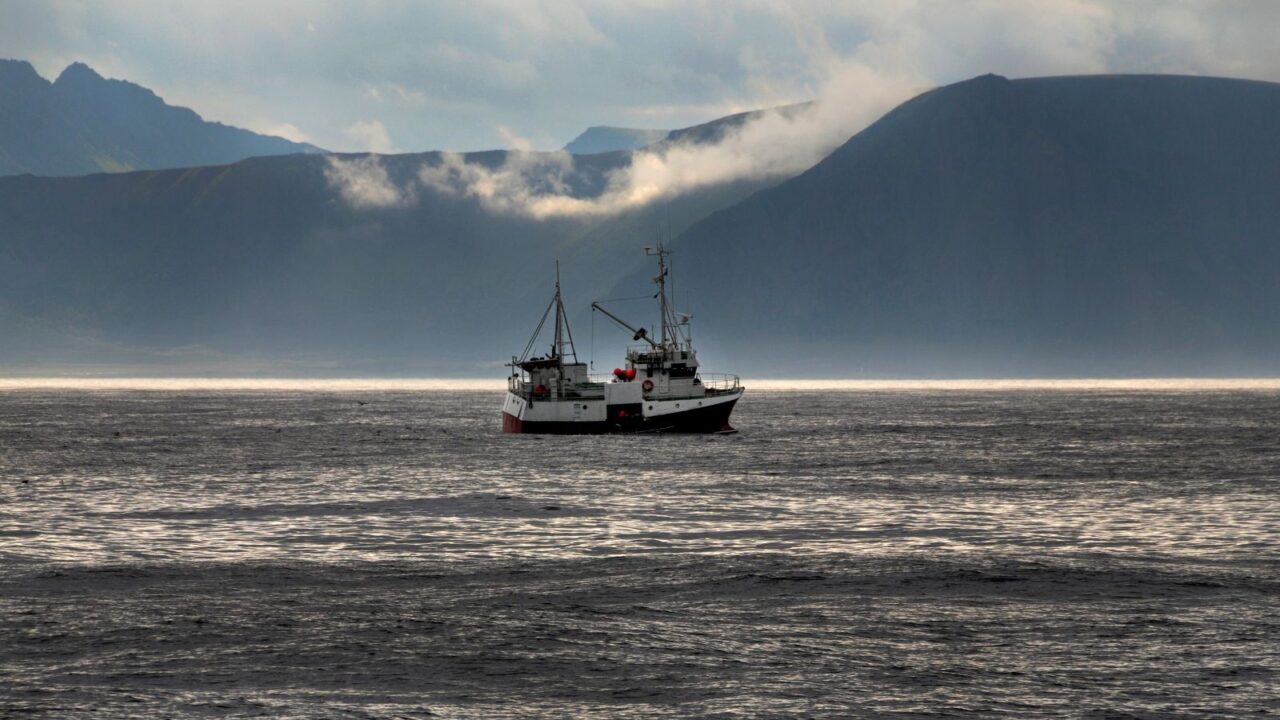
Why vehicles and boats matter more than most people think
Norway’s terrain makes mobility a core defence requirement. Boats, 4x4s, and heavy equipment can be essential in remote areas where weather, distance, and infrastructure limit options. That is why the list includes ordinary-looking assets that become strategic when supply chains are stressed. In practical terms, leveraging civilian transport assets is faster than expanding military fleets from scratch.
This is also why logistics leaders speak publicly about preparedness. If the goal is speed, you plan around what already exists, not what you wish you had.

The Trump–Greenland dispute adds fuel to the timing
The letters landed during a broader Arctic-security argument that has been spilling into politics and diplomacy. Reporting in January 2026 tied the story to President Trump’s renewed push around Greenland, and his messaging to Norway tied to the Nobel Peace Prize snub.
That matters now because Norway sits on NATO’s northern edge and is treated as a frontline “eyes and ears” country in the High North. When Greenland and Arctic access become headline issues, Norway’s readiness steps stop looking like background bureaucracy and start reading like part of a larger regional posture shift.
The Arctic reality shaping Norway’s posture
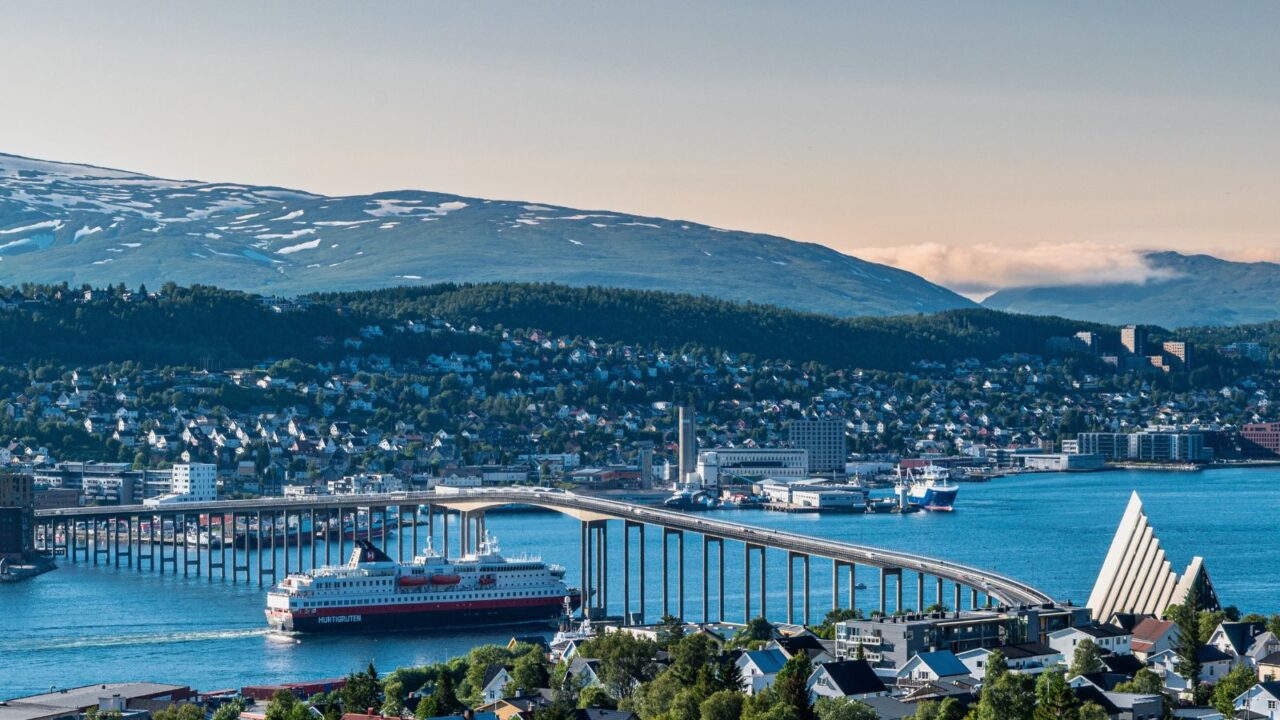
Norway is a NATO member with critical responsibilities in the High North, where surveillance and readiness are constant. It shares a border with Russia in the Arctic region, keeping security planning tightly integrated with daily governance. Officials argue that risks have grown in recent years, pushing Norway to strengthen both military and civilian preparedness. The letters fit that larger posture by mapping resources that could support defence operations.
This matters now because the Arctic is becoming more strategically contested. When states expect pressure on routes, bases, and infrastructure, they plan for faster mobilization and deeper resilience.
Why this story resonates beyond Norway
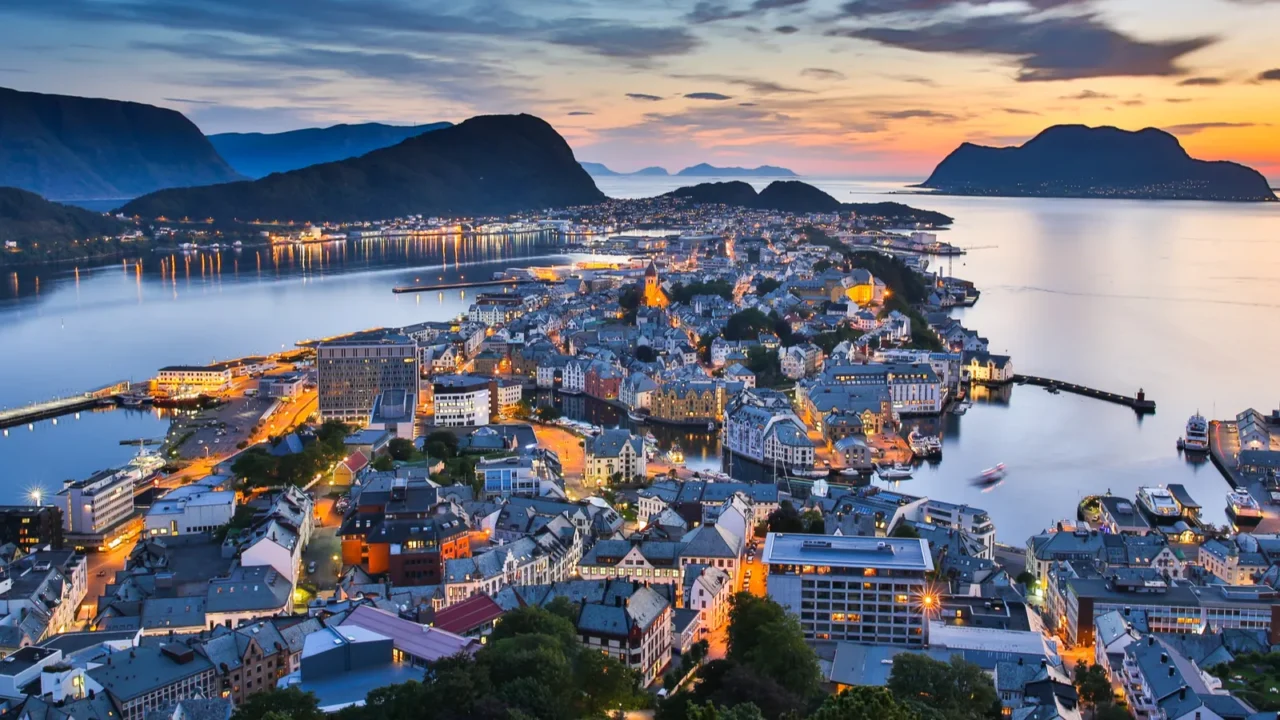
Across Northern Europe, “preparedness” has become a mainstream policy word again. Norway’s letters show a model where citizens are explicitly told what roles private assets could play in a national emergency.
That transparency can build trust for some readers and trigger unease for others, but it undeniably changes how the public thinks about crisis readiness. It also shows how governments are trying to normalize planning steps before fear spreads.
For U.S. readers, the key point is the visibility of the system. Norway is making civil-military coordination concrete, not abstract.
In other news, see how Arctic expedition cruises are replacing yachts as the new status symbol for celebrities.
What this does and does not say about 2026
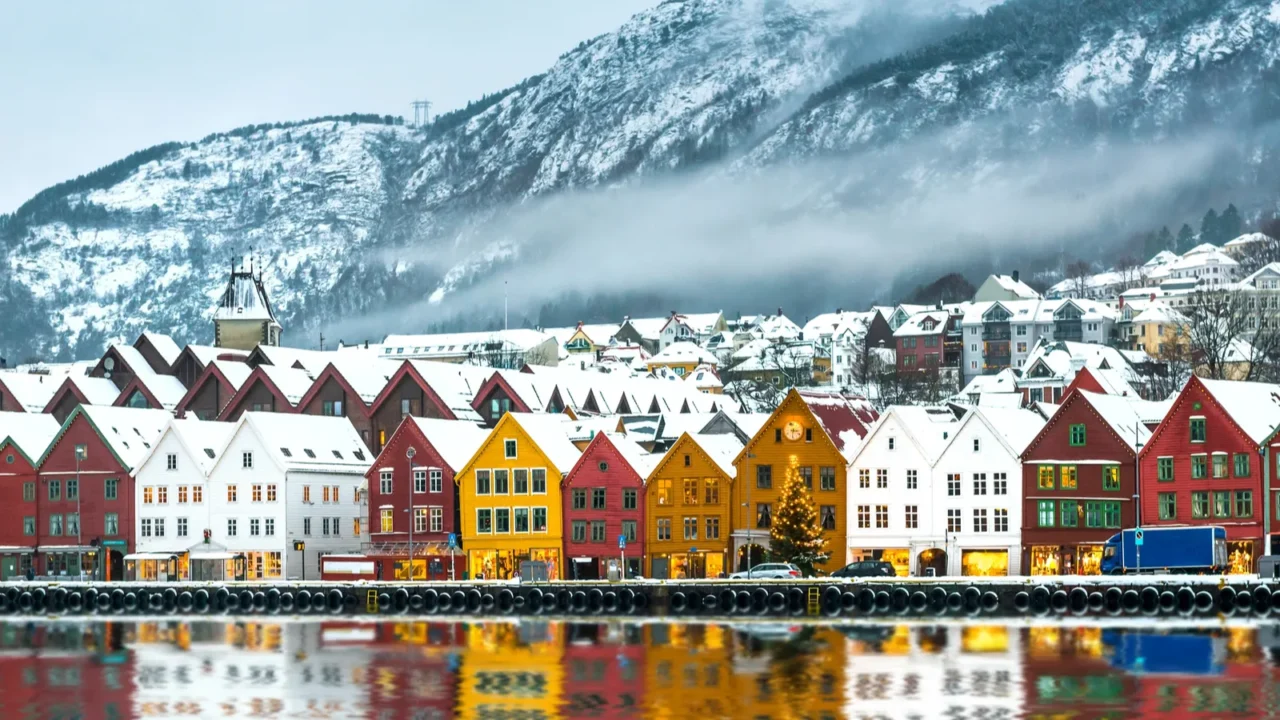
It’s easy to misread these letters as proof that war is imminent. But the reporting stresses continuity: the notices are valid for one year, and most are renewals. That pattern supports an interpretation of routine preparedness maintenance under a more anxious security climate. The story is less “new power” and more “old tool being used loudly.”
At the same time, governments do not emphasize wartime logistics unless they believe risk has risen. Norway’s own officials are using unusually serious language, and that’s the part that signals the mood shift.
Do you see this as smart, transparent preparedness, or an unsettling expansion of government reach, and why? Share your thoughts and your view in the comments.
This slideshow was made with AI assistance and human editing.
Don’t forget to follow us for more exclusive content right here on MSN.
Read More From This Brand:
