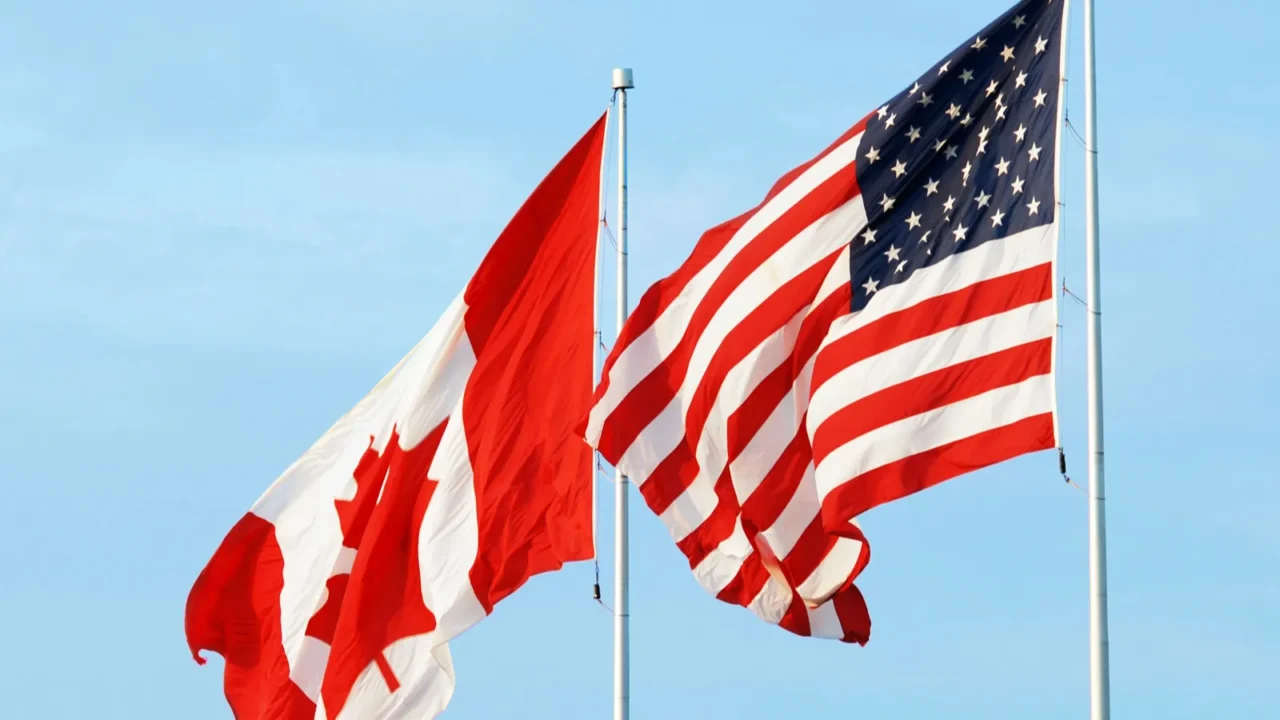
A neighborly relationship gets tougher
For decades, Canada and the U.S. worked like close partners who could argue and still share the same table. In early 2026, Ottawa’s tone is noticeably firmer when Washington turns up the pressure. The message is simple: Canada wants fewer “surprises” that can shake its economy or security.
That shift shows up in trade policy, border planning, and defense decisions. Canadian leaders are also talking more openly about sovereignty, especially in the Arctic. And they are pushing new partnerships so the U.S. is not the only big option.

Tariffs changed the whole mood
The spark was a new round of U.S. tariffs that hit Canadian imports hard. In February 2025, the U.S. imposed 25% tariffs on many Canadian goods (with different treatment for some energy products). That kind of move can rattle factories, farm supply chains, and cross-border jobs fast.
Canada answered with its own response plan and countermeasures. Ottawa framed it as protecting workers, not picking a fight. Either way, it pushed the relationship into a more guarded phase.

Canada’s new play is “respond fast”
Instead of hoping the conflict cools down, Canada built a clearer retaliation playbook. Officials announced targeted counter-tariffs and tools meant to reduce shock to key sectors. It is a more “measured but ready” posture than the old approach of waiting things out.
Over time, Canada also adjusted some of its own counter-tariffs. That shows how Ottawa is trying to keep leverage without permanently raising costs at home. This back-and-forth is exactly why Canada is preparing for more volatility, not less.

“Buy Canadian” becomes a real policy tool
When trade pressure rises, national purchasing preferences and industrial support programs often gain political momentum. Ottawa has announced targeted support and procurement measures to help sectors hurt by tariff retaliation and to strengthen domestic supply chains; Prime Minister Mark Carney and his cabinet have publicly framed those steps as protecting Canadian jobs and industries.
That matters because the U.S. and Canada sell to each other at massive scale. If consumers and governments shift purchases, even a little, the ripple hits suppliers on both sides. For Americans, it can also mean fewer easy wins in Canadian markets.
A new trade negotiator for a risky moment
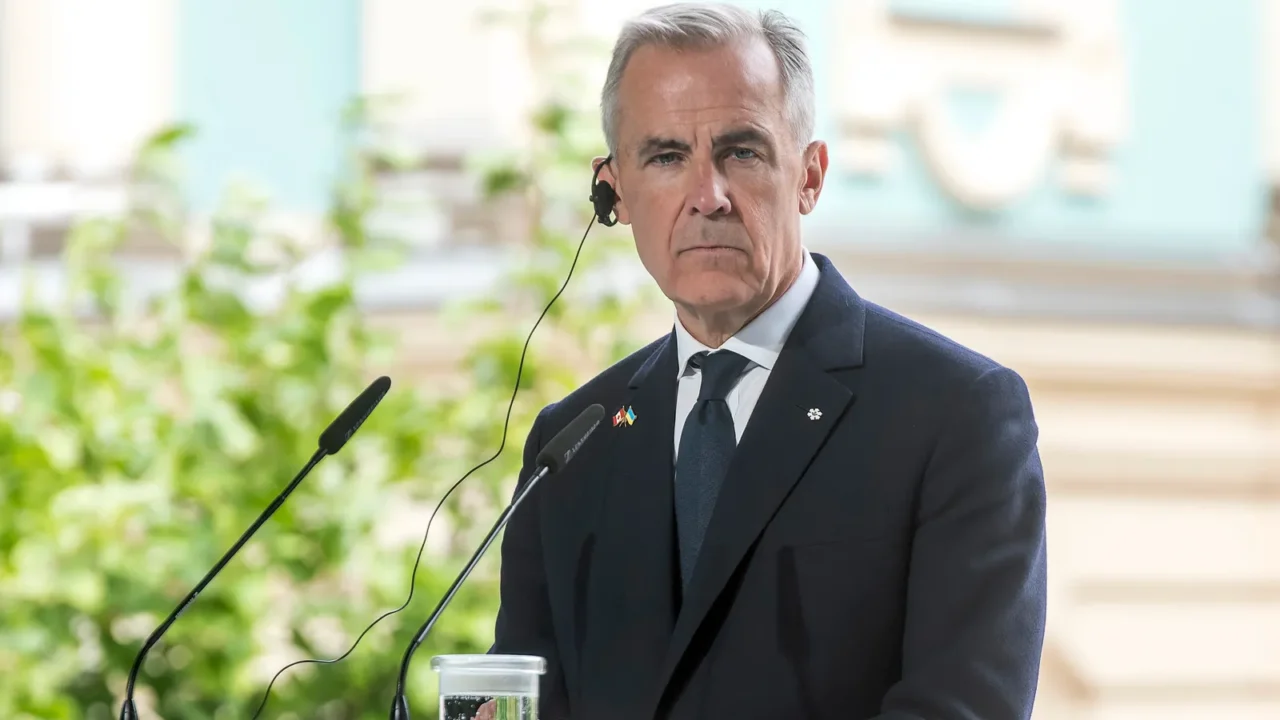
Canada is also treating the next phase like a major negotiation, not routine paperwork. Carney appointed veteran public servant Janice Charette as chief trade negotiator to the U.S. The focus is the upcoming review of the Canada-U.S.-Mexico trade deal.
Reuters reported the joint CUSMA review is set for July 1. Canada is signaling it wants experienced hands ready for hard bargaining. It is a “prepare now, not later” move.

The 2026 CUSMA review looms large
CUSMA is the rulebook that keeps a lot of North American trade running smoothly. The agreement has a built-in joint review process, and July 2026 is the first big checkpoint. That timing makes the politics even more intense.
Trade lawyers often call it a “review and extend” moment, because the decisions shape long-term confidence. Canada’s strategy looks like this: reduce dependency, but still protect the deal if it keeps markets stable. That is a tricky balance.
Diversifying trade is now the headline plan
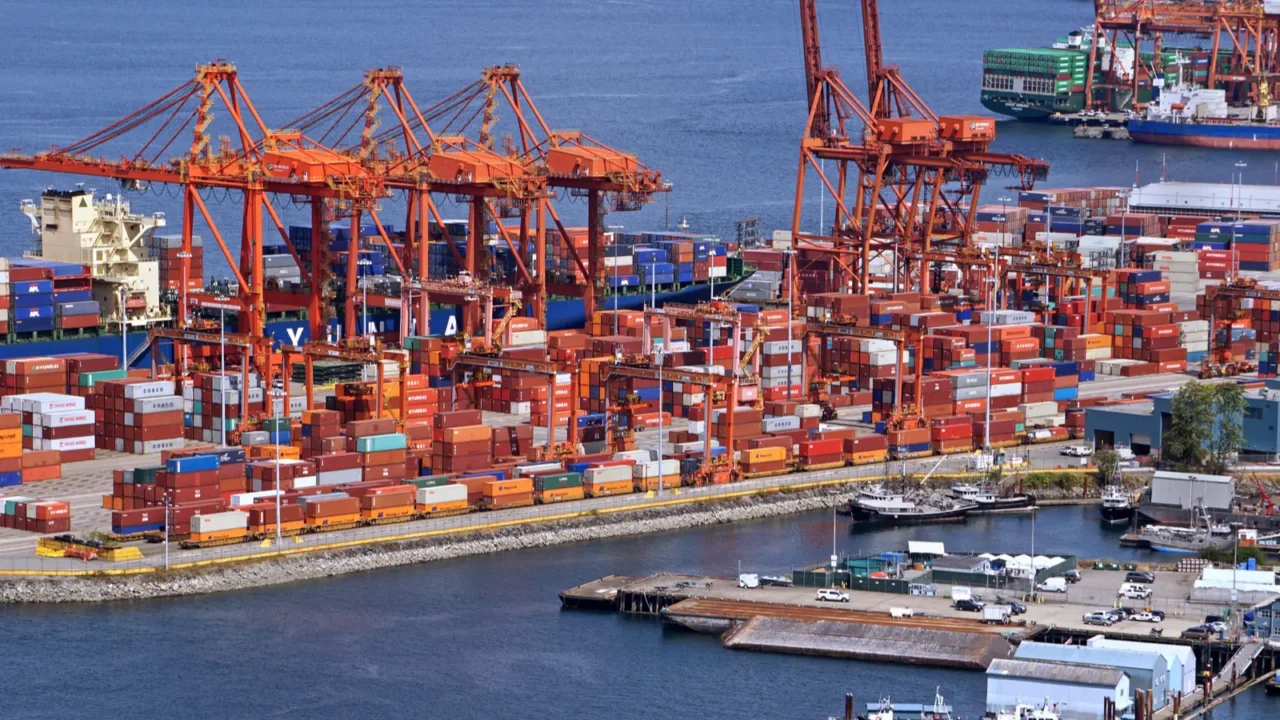
When your biggest customer gets unpredictable, you shop for new customers. Canada is leaning into that logic by pushing deeper trade ties beyond the U.S. One example is Carney’s planned India visit tied to a proposed economic partnership framework.
This is also about future-proofing supply chains. More trade routes can mean less panic when tariffs hit. For American readers, it is a reminder that alliances can shift quietly through business deals, not just speeches.

Border security gets more funding and focus
Border cooperation is usually a shared project, but it becomes touchy during disputes. Canada committed $1.3 billion to a Border Plan that adds personnel, technology, and coordination measures. It is framed as public safety, but it also answers political pressure.
Canada’s message is that it can protect its border on its own terms. That includes tackling cross-border crime and tightening systems without giving up policy control. Border moves like this can also affect travel wait times and trade logistics.

The defense shift is about self-reliance
Canada’s biggest defense move is industrial, not just military. A new Defence Industrial Strategy aims to reduce reliance on U.S. arms suppliers and grow domestic capacity. The logic is “build at home,” so Canada is not stuck if politics change overnight.
The plan sets big targets for production, jobs, exports, and research. It also lines up with Canada’s broader story: sovereignty is not only about borders. It is also about what a country can make and maintain itself.
Little-known fact: If the CUSMA parties fail to extend the deal during joint reviews, it is set up to terminate on July 1, 2036.

A bold target for Canadian defense contracts
A big explicit target in Ottawa’s new Defence Industrial Strategy is to increase the share of defence acquisitions awarded to Canadian firms to 70 percent — a move the government says will help scale domestic suppliers, boost R&D and preserve key industrial capabilities.
Canada is also promising a major boost in defense-related R&D investment. Those choices can reshape where factories open, where workers train, and which companies scale up. For the U.S., it could mean fewer automatic Canadian purchases from American suppliers.
Little-known fact: Canada’s top civil servant job is “Clerk of the Privy Council,” and Janice Charette has held it twice.

Hitting NATO’s 2% goal sooner than expected
Hitting NATO’s 2% goal sooner than planned After years of falling short, Ottawa has said it will reach NATO’s guideline of defence spending equal to 2% of GDP in the 2025–26 fiscal year — a step officials say strengthens Canada’s contributions to collective defence and addresses Arctic and broader security concerns.
This is also tied to Arctic concerns and broader security worries. More spending can mean faster upgrades in surveillance, fleets, and readiness. It is less about looking tough, and more about removing vulnerabilities.
Want to see which countries and industries are cashing in from Trump’s tariffs, which ones are getting squeezed, and how those ripple effects could hit prices and jobs back home? Check out how the Trump trade war is creating new global winners and new losers?

The Arctic is where sovereignty gets real
The Arctic is not just ice and polar bears anymore. Shipping and security questions are growing as seasonal access changes. Canada’s long-standing position is that the Northwest Passage is internal waters, while the U.S. has historically treated it as an international strait.
That legal dispute has been around for decades, but it matters more when the region becomes more usable. Canada’s “protect sovereignty” message lands hardest here. It is the kind of issue that can flare up quickly during tense politics.

Canada looks to Europe as a backup plan
When the U.S. relationship strains, Canada leans harder into other allies. Recent reporting shows Canada pitching itself to Europe as a “supplier of choice” for energy, defense, and critical materials. This is a practical move, not a symbolic one.
Defense industry access also matters here. Canada has been connecting its firms to European initiatives and markets, which spreads risk. For Americans, it is a reminder that trade fights can accelerate new partnerships elsewhere.
Want to know how Canada’s new citizenship-by-descent rules could reshape who qualifies for a Canadian passport, and why families from places like India, the U.K., and the Gulf are watching closely? Check out how Canada’s citizenship changes could impact immigrants worldwide?
Share your opinion in the comments on Canada’s tougher stance toward the U.S. in early 2026, and how you think it could affect trade and cross-border ties.
This slideshow was made with AI assistance and human editing.
Don’t forget to follow us for more exclusive content right here on MSN.
Read More From This Brand:
