When the lights get political
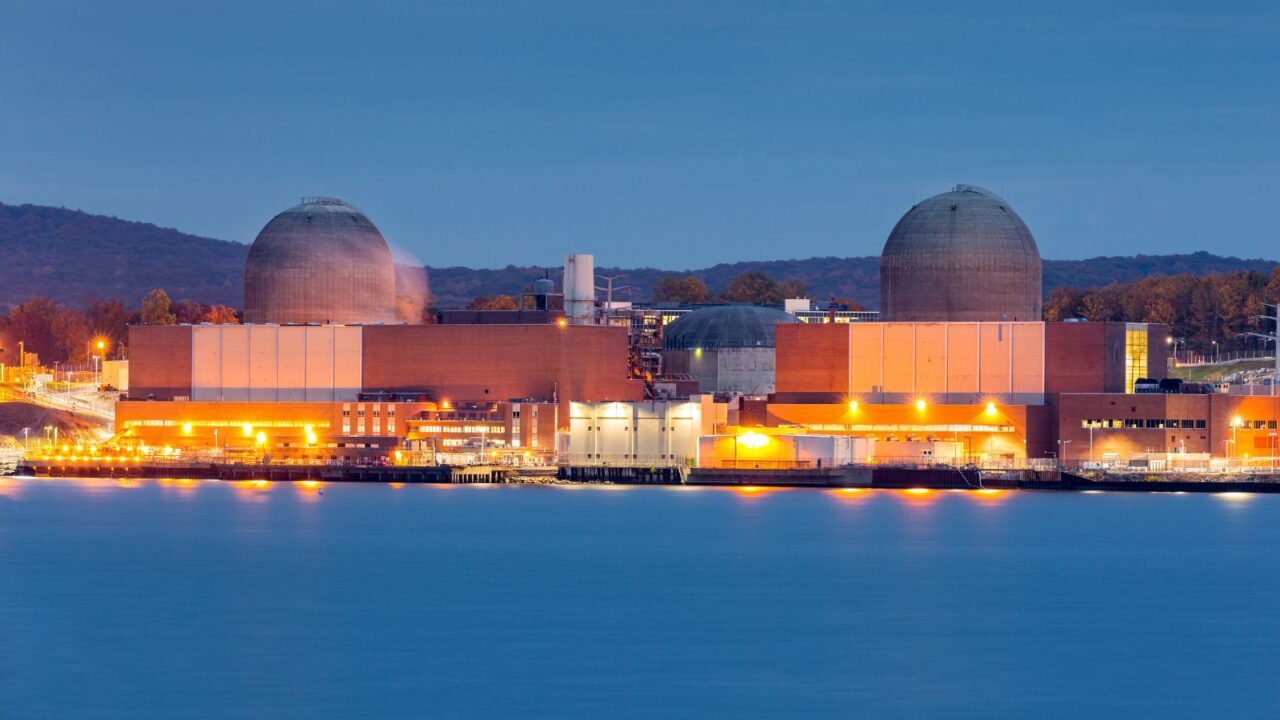
Opening a power bill already feels rough in New York, especially when winter heating or summer cooling starts pushing the total higher than expected. Now an old energy decision is back in the spotlight as critics ask whether closing Indian Point made today’s costs even harder to manage for households and small businesses alike.
That plant shut down in 2021, but the argument never really ended after the final reactor stopped producing electricity. As rates, reliability worries, and climate goals keep colliding, more people are asking what New York lost when the reactors went dark and whether the state moved too fast
The plant at the center of it
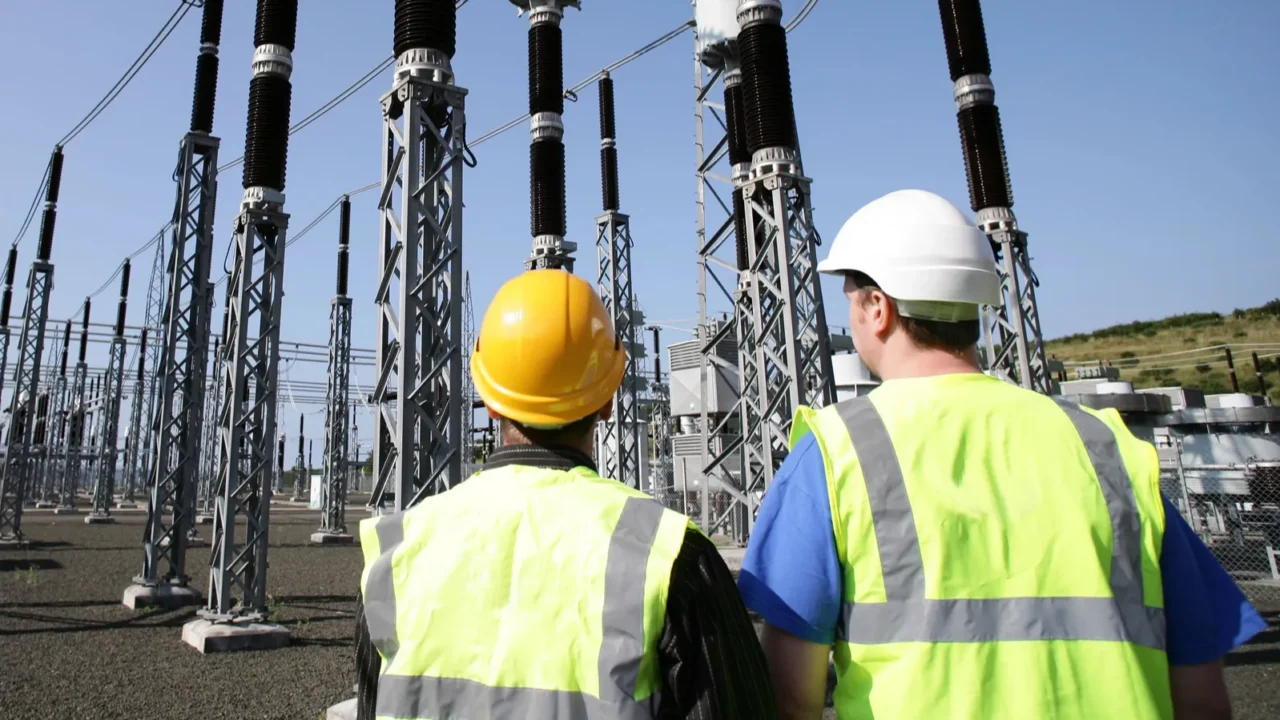
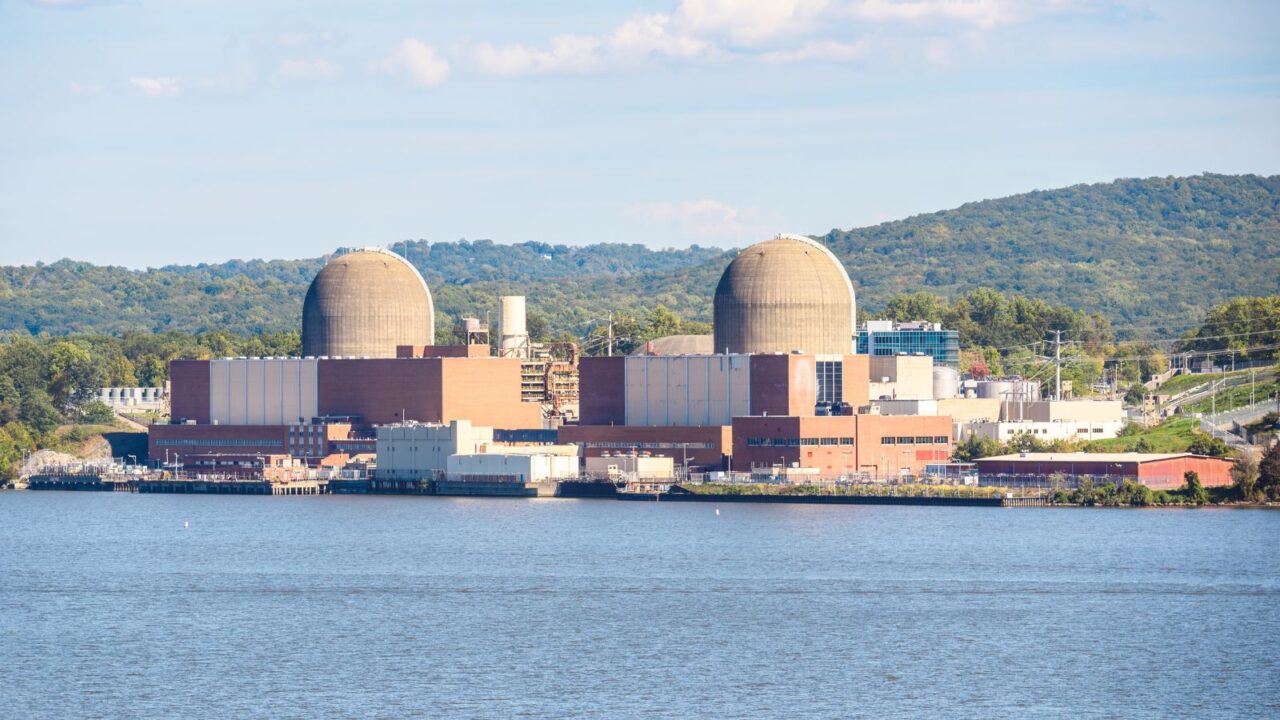
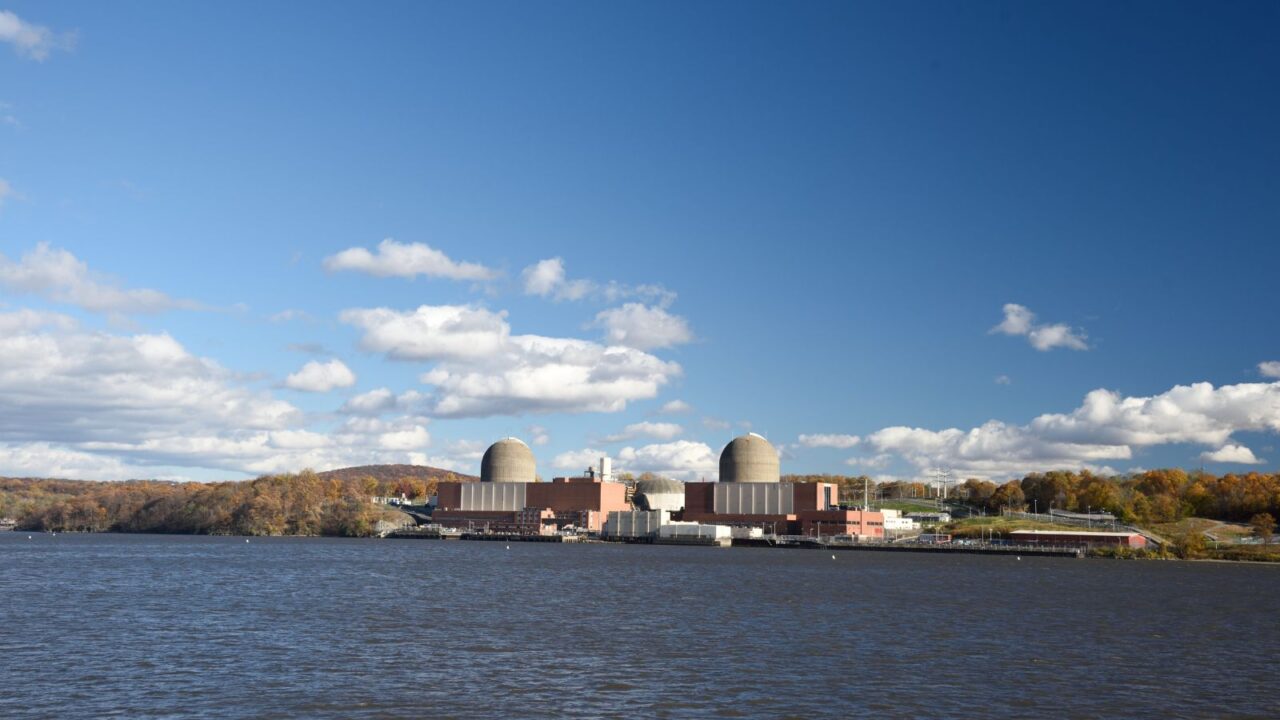
Indian Point Energy Center sat in Buchanan along the Hudson River, not far from New York City and the busy suburbs of Westchester County. Its last operating reactor retired on April 30, 2021, ending nearly six decades of power generation at one of the region’s most debated energy sites.
For years, Indian Point was a major part of the downstate power picture and a familiar name in New York energy politics. Federal and state-era descriptions often said it supplied about a quarter of the electricity used in New York City and Westchester, though some recent local reporting says that claim should be treated more carefully in its final years.

Why critics are talking again
The issue is flaring up again because utility affordability has become a real stress point for many New Yorkers. A new AARP New York survey found that rising utility costs are pushing many older residents to cut back on basics like food, medication, and comfortable temperatures at home.
That has given fresh energy to people who opposed the shutdown from the start and never stopped criticizing it. Lawmakers and nuclear supporters now argue that closing a large zero-emission plant made the system more expensive, more gas-dependent, and more fragile than it needed to be during a period of rising demand.
What supporters of closure said
Backers of the shutdown did not see Indian Point as a simple clean-power success story with no serious downside. Safety fears, emergency evacuation concerns, and the plant’s location near the Hudson and the nation’s biggest city were major parts of the case against keeping it open.
Those worries had been debated for years before the closure agreement was finalized and carried out in stages. The political pressure was real, and opposition came from environmental groups, local leaders, and state officials long before the last reactor stopped running in 2021.
What New York replaced it with
When Indian Point closed, New York did not replace it with another nearby nuclear plant or a ready-made zero-carbon twin. Instead, the power mix leaned more heavily on natural gas while several cleaner replacement projects took longer than many planners, advocates, and residents had hoped.
That timing matters because electricity demand has not stood still while this transition plays out across the state. New York is trying to electrify more of daily life, from buildings to transportation, while also keeping the grid reliable, and losing a large steady generator made that balancing act much tougher.
Gas filled more of the gap
One widely cited estimate says natural gas rose to 50% of New York electric generation in 2023, up from 39% in 2017. That shift has become a major talking point because gas prices can swing sharply, and gas-fired power plants add emissions at a time when the state says it wants deep cuts.
Critics say that is the opposite of what a climate-minded state was trying to achieve by shutting Indian Point. They argue New York lost a large source of round-the-clock power and became more dependent on a fuel it was supposed to be moving away from over time.
Emissions became part of the fight
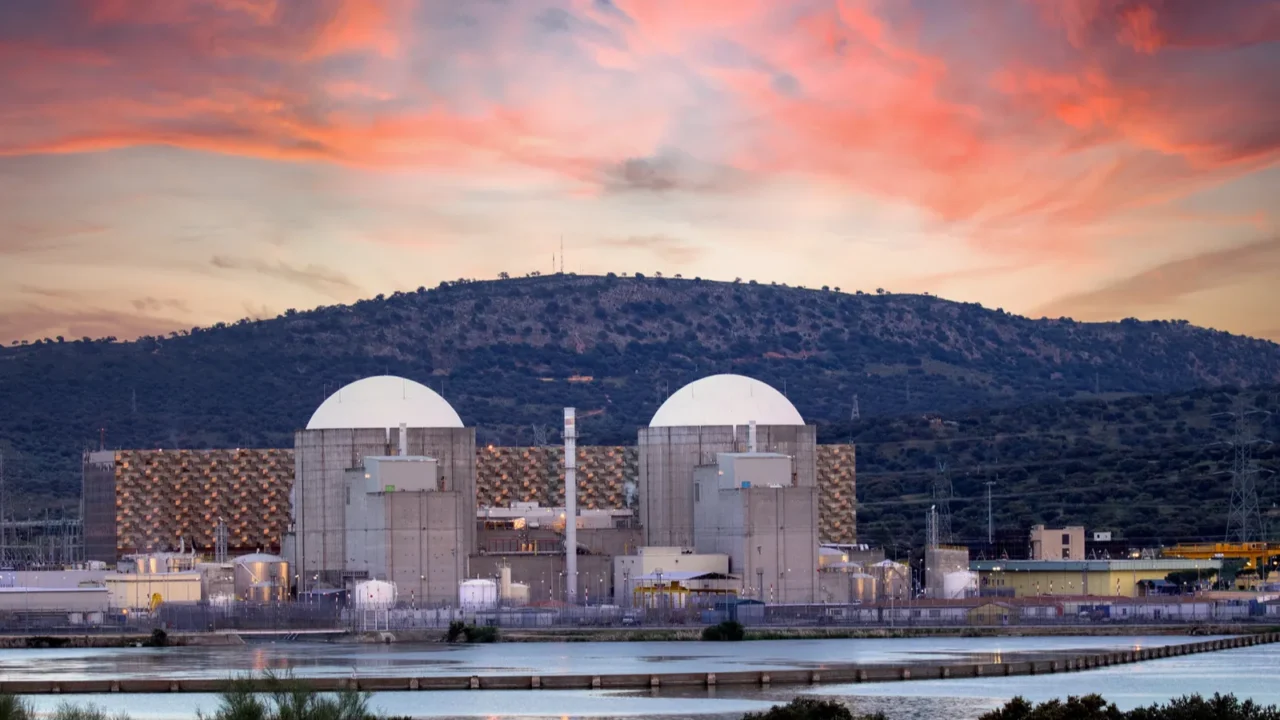
The bill debate is not only about money, and that is one reason the issue keeps resurfacing. The same report cited by critics said closing Indian Point added about eight megatons of carbon dioxide pollution in 2022, giving opponents a powerful talking point.
That claim matters because New York has some of the most ambitious climate goals in the country on paper. If the closure raised emissions while clean replacements lagged behind schedule, opponents say the state ended up moving backward before it could move forward in a meaningful way.
Bills are under sharper scrutiny
The numbers show clear and mounting pressure from rising energy costs across the state. AARP New York says utility bills are forcing many older residents into financial distress, and recent reporting says customers statewide owe more than $1.8 billion in unpaid gas and electric bills.
That does not mean Indian Point alone caused every painful monthly bill showing up in mailboxes or apps. Rate cases, fuel costs, weather, grid upgrades, and unpaid-bill recovery all play a role, but the plant’s closure has become a symbol of a system many people now see as too expensive.
Little-known fact: Indian Point’s original Unit 1 began operating in 1962, years before the later reactors became the better-known part of the site.
Why reopening is not simple
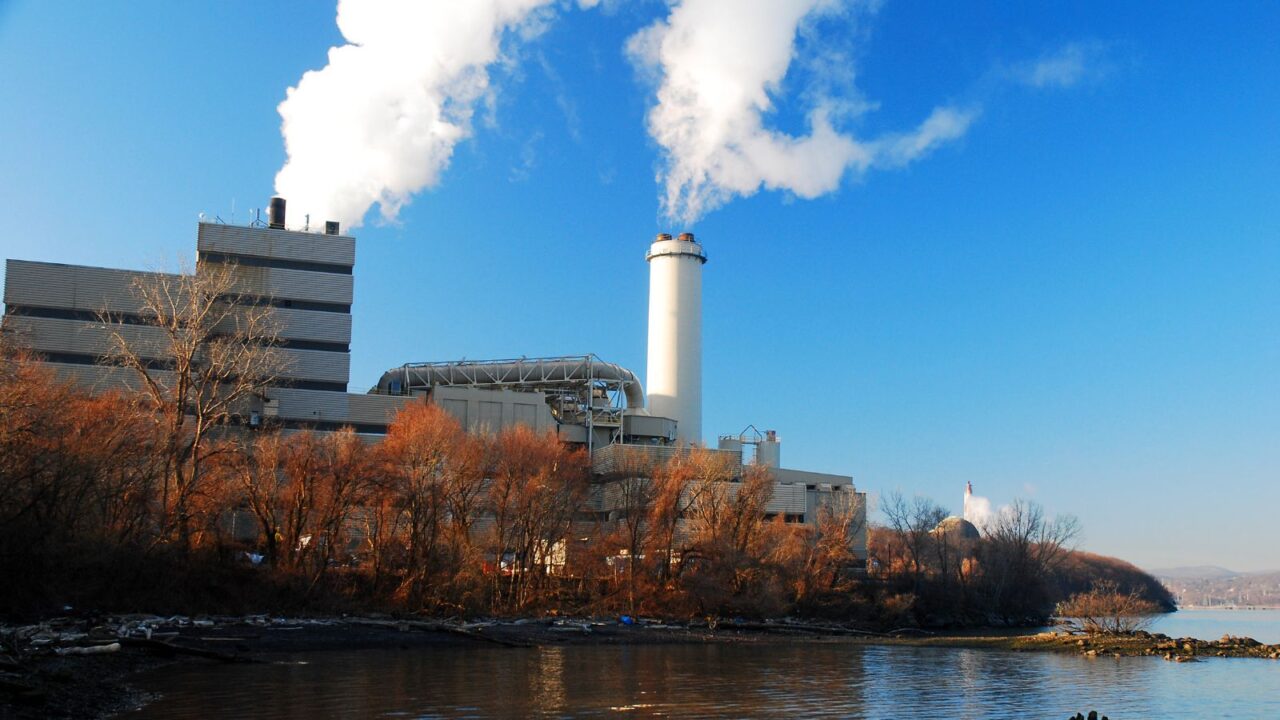
Some federal officials and local Republicans now want Indian Point brought back into service in some form. But reopening a decommissioning plant is far more complicated than flipping a switch, especially when the state government has made clear that it does not support that path.
Reuters reported this week that Governor Kathy Hochul firmly opposes reopening Indian Point despite the federal push. She supports expanding nuclear energy in New York, but not by reviving this specific plant near the New York City metro area.

Hochul wants a different path
Instead of restarting Indian Point, Hochul has pushed for a different nuclear strategy centered on newer projects upstate. Reuters reported that she favors developing advanced nuclear energy elsewhere in New York rather than reopening the retired Hudson Valley site.
That matters because it shows the debate is no longer simply nuclear versus anti-nuclear in the old sense. New York appears open to future nuclear development, but it wants that future tied to new technology, new siting decisions, and a cleaner political break from Indian Point.
Hydropower is part of the fix
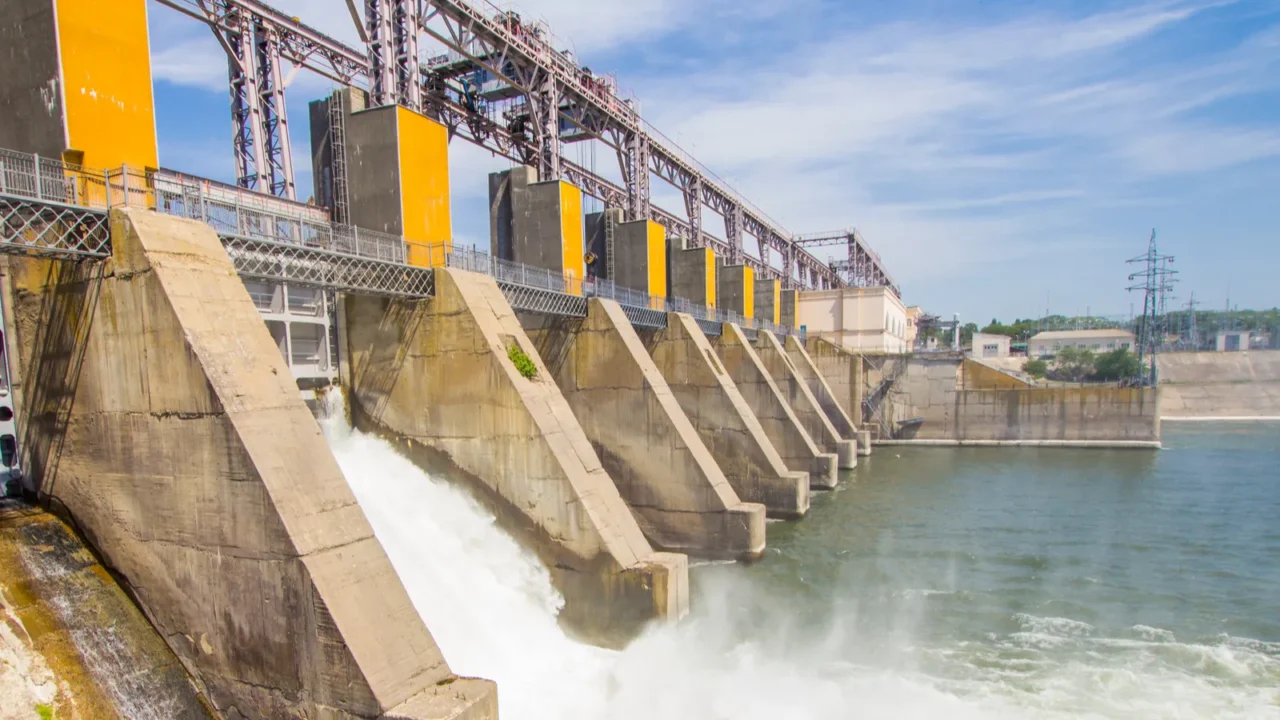
New York is also counting on imported hydropower to help support the downstate grid as the transition continues. The Champlain Hudson Power Express is expected to deliver 1,250 megawatts of renewable power into the New York metro area and is slated to be operational in 2026.
That project could ease some pressure, especially for New York City, but it did not arrive in time to replace Indian Point immediately. The lag between closure and replacement capacity is one reason critics say the shutdown happened before enough substitute power was truly ready.
Heading to NYC soon and wondering what might feel different under Mayor Mamdani? Read about what travelers should know about visiting New York City under Mayor Mamdani.

The bigger lesson for New York
This fight now goes well beyond one plant sitting on the Hudson River north of Manhattan. It is really about whether a state can retire big sources of firm power without raising costs, increasing fossil-fuel use, or falling behind on its own climate promises.
New York’s answer is still taking shape, and that is why the story still feels unfinished to so many people. Bills are high, replacement projects have taken time, and both sides of the argument believe the last few years have only strengthened their case.
Check out why Mamdani is backing away from his promise to help cover rent in New York, and what that could mean for tenants across the city.
Was closing Indian Point a costly mistake, or a necessary choice for safety and the state’s future? Share your thoughts in the comments.
This slideshow was made with AI assistance and human editing.
Don’t forget to follow us for more exclusive content right here on MSN.
Read More From This Brand:
