
The Rick Steves hotel rule
Rick Steves is an American travel writer and television personality best known for his PBS series Rick Steves’ Europe. Based in Edmonds, Washington, he has spent decades guiding Americans through smarter, more immersive independent travel abroad. His website, books, and guides collectively reach millions of travelers each year.
One of his most consistently cited philosophies is his position against one-night hotel stays. Steves argues this single habit quietly costs travelers far more in time and money than most ever realize when planning their trip.

Your itinerary is lying to you
Packing a different city into every night looks impressive in a spreadsheet. In reality, it means spending half your vacation hauling suitcases, adjusting to unfamiliar streets, and mentally resetting every morning instead of actually being somewhere worth seeing.
Rick Steves makes this case plainly. Arriving one afternoon and departing the following morning does not constitute experiencing a place. It constitutes passing through it. That gap between the two is where most of the joy of travel actually lives, and a one-night booking almost guarantees you will miss it entirely.
Two nights change everything
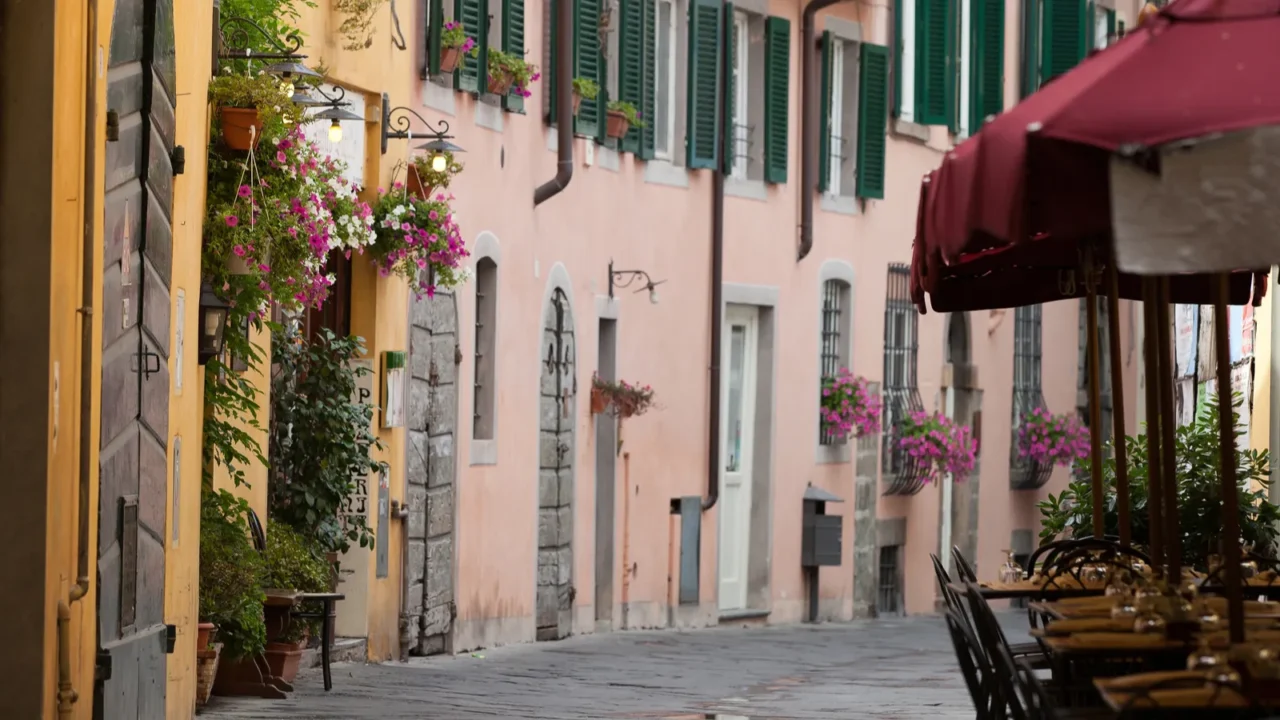
Settling into a city for two consecutive nights earns you one full, uninterrupted day. No check-out pressure by eleven. No platform dash with rolling luggage. Just a genuine morning somewhere, followed by an afternoon where you can actually make decisions based on curiosity rather than a countdown clock.
Steves writes that even the speediest itinerary should operate as a series of two-night stays. In cities like Florence, Italy, that single shift means trading a frantic museum sprint for the experience of actually understanding a neighborhood, its pace, and its character on your own terms.

The hidden cost nobody counts
Every city swap costs more than the room rate. There is the train ticket, the taxi, the metro on arrival, and at least half a vacation day dissolving into logistics before you even unpack again.
Hotels also tend to offer better nightly rates for longer stays, meaning the one-night habit costs more per night while delivering far less per destination. You end up paying a premium to see less, a trade most travelers would firmly reject if someone laid it out that plainly before they booked.

Europe’s secret is staying put
Europe’s train network makes it dangerously easy to convince yourself that moving fast equals seeing more. Hopping from Paris to Amsterdam to Brussels to Bruges, Belgium, in four days sounds spectacular. The experience tends to involve blurry train windows and hotel lobbies you barely remember.
Steve’s encourages travelers to pick a well-connected city and use it as a base for exploring the surrounding region. Staying in one place while making day trips to nearby destinations eliminates daily packing, keeps your costs predictable, and gives you the kind of geographic depth that one-night stays structurally cannot provide.
Bruges, Belgium proves the point
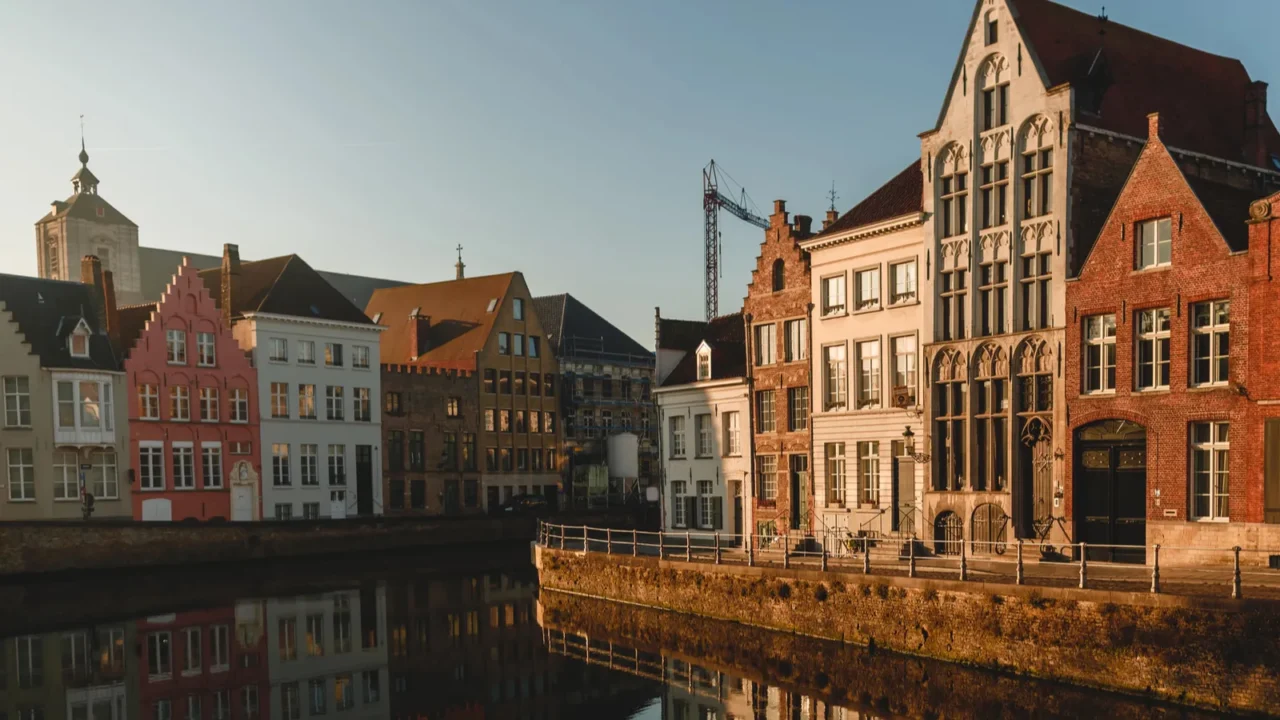
Bruges, Belgium, is one of the most quietly convincing arguments for the two-night stay. The city looks different in early morning fog than it does at midday, and both versions are worth experiencing without a departure time shadowing the whole thing.
Bruges’ canal network is crossed by dozens of bridges (visitor guides note commonly there are more than 50), which is one reason the city is sometimes called ‘the Venice of the North.’ The city’s historic center was designated a UNESCO World Heritage Site in 2000, a distinction that reflects just how intact and extraordinary its medieval architecture remains to this day.
The luggage nobody talks about
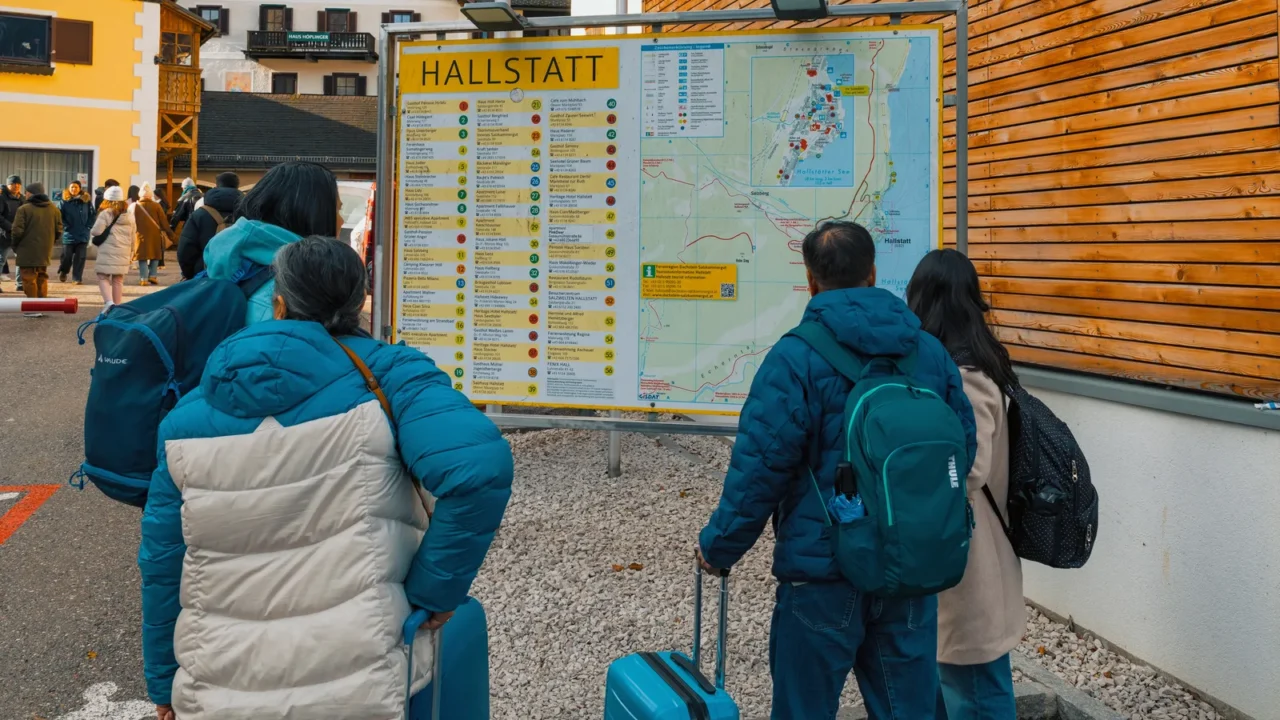
Here is a travel truth that guidebooks rarely address directly: dragging luggage through train stations is genuinely exhausting. Not metaphorically. Physically, mechanically exhausting in a way that compounds over days and quietly reshapes your mood by midweek.
Steves notes that choosing a home base and making day trips eliminates this. You leave the hotel light on, return when you want, and never spend twenty minutes navigating a crowded platform with a rolling bag catching on every gap in the pavement. That reclaimed energy has a real impact on how much you actually enjoy the places you come to see.
Paris is not a one-night city
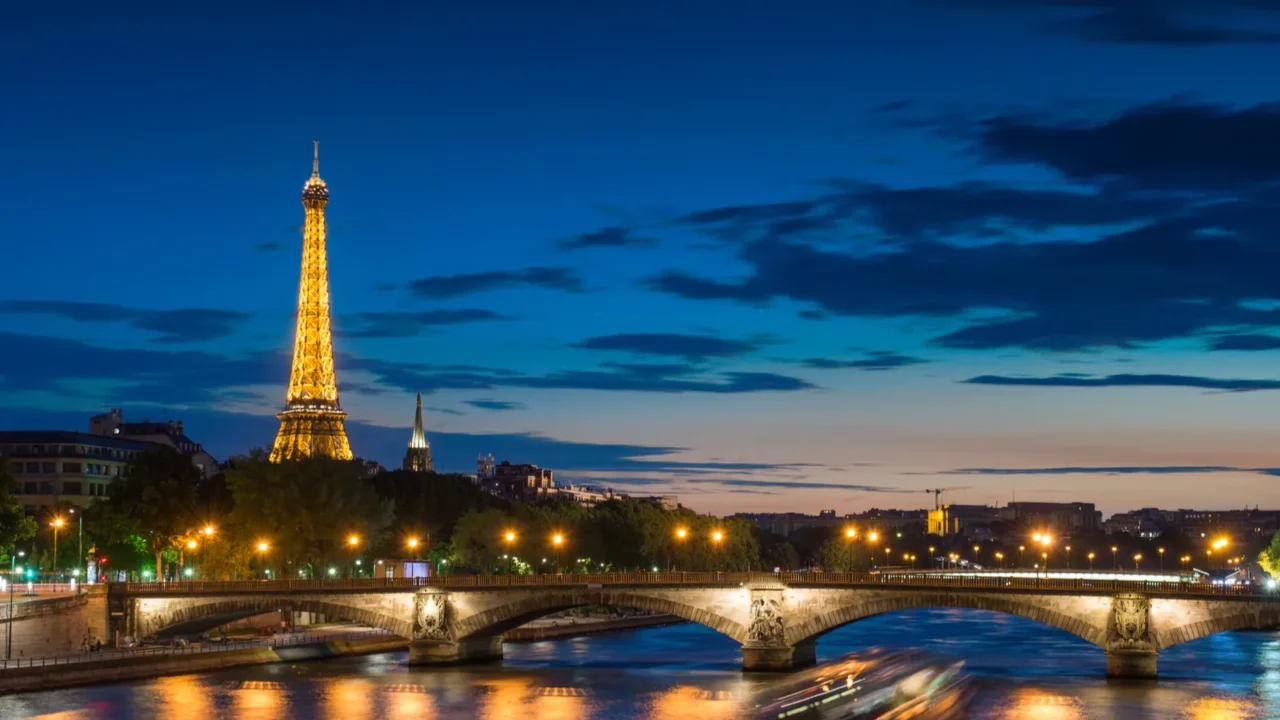
Paris, France, has been drawing travelers from every corner of the world for centuries, and it still manages to reward the people who stay longer and punish those who try to squeeze it into a single overnight. The city reveals itself in layers that one morning simply cannot expose.
As of 2025, the City of Paris maintains 536 public parks, gardens and squares, with thousands of smaller green spaces across the city — a second full day outdoors still barely scratches the surface of what lies beyond the museums and monuments.
When one night actually works
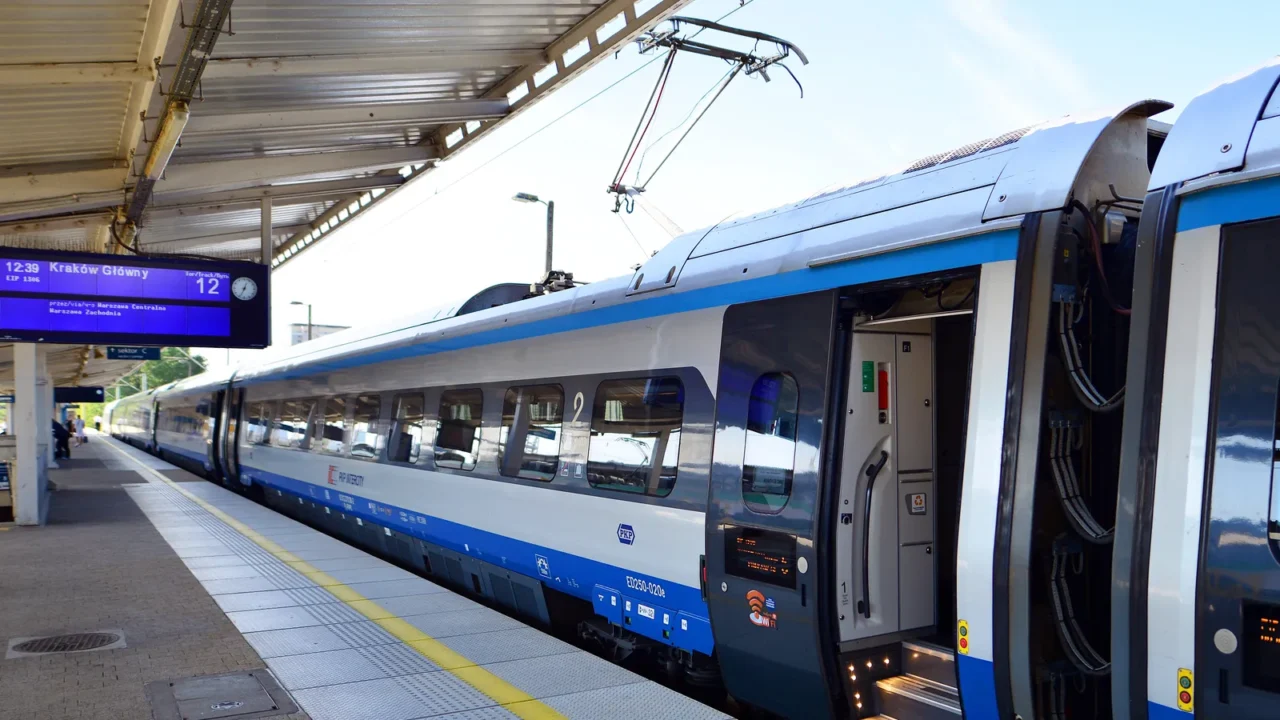
Rick Steves does not apply his two-night rule universally. There is one specific scenario where a single-night booking makes complete sense, and that is the European overnight train.
Boarding a sleeper from one city to another means your transportation and your night’s rest happen simultaneously. Steves writes that for every night spent on the train, you gain a full day of sightseeing at your destination while skipping the hotel cost entirely. The Nightjet trains connecting Austria and Germany to neighboring countries are a well-known example of this approach working exactly as intended.

The couchette is smarter than it sounds
A couchette on a European sleeper train is a bunk bed in a shared compartment with linen included for around thirty to fifty dollars. It is not meant to be glamorous.
The math is what makes it valuable. On a route like Vienna, Austria, to Rome, Italy, a couchette replaces both a hotel night and a separate train ticket with one affordable booking. Steves notes the math is what makes overnight trains valuable: couchettes (basic shared bunks) are often available for modest prices while private sleepers cost substantially more — exact savings vary by route and date. For example, some Nightjet routes list couchettes and seats from roughly €30 and sleepers at higher tiers; travelers should check specific routes for current fares.
Leave slack in your schedule
One quieter argument against the one-night stay is what it does to the surrounding itinerary. When every night is pre-assigned to a different city, there is no buffer for a missed train, an unexpected illness, or a place that simply turns out to deserve more of your time than you originally gave it.
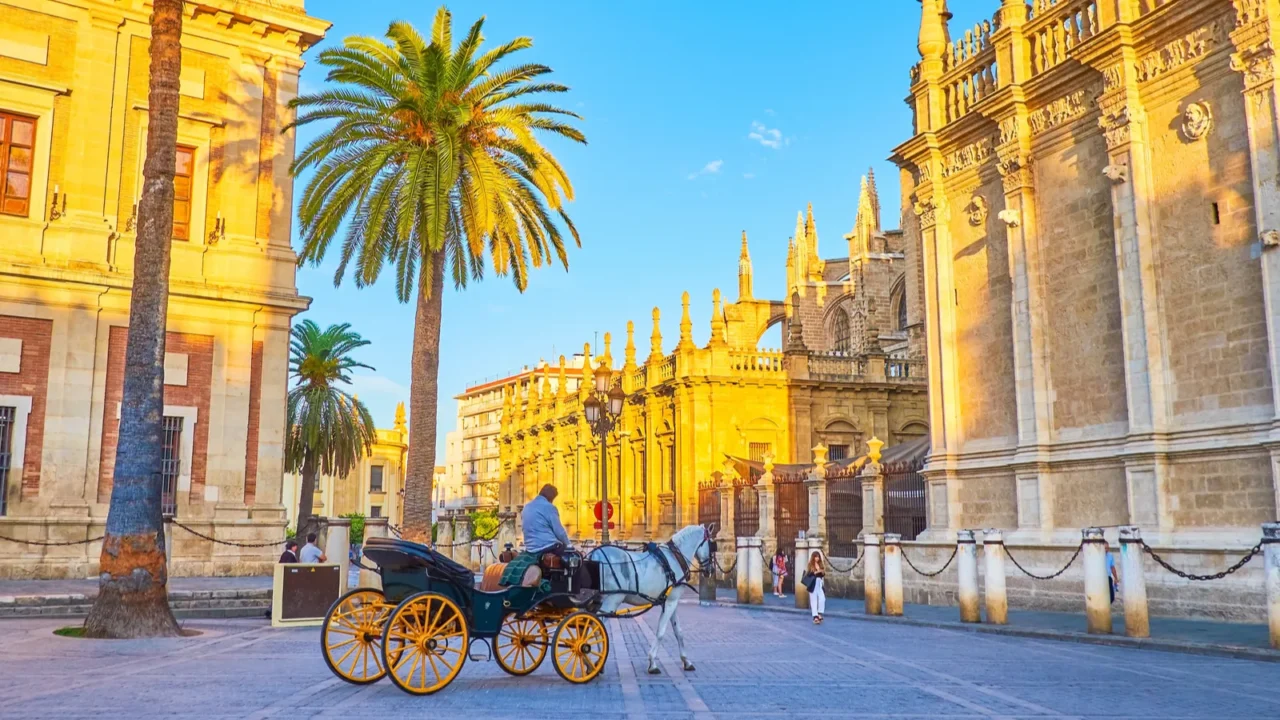
Steves encourages travelers to leave slack in their plans. A schedule with room built in lets you extend a stay in Seville, Spain, when the city earns an extra day, rather than forcing yourself toward a pre-booked room somewhere else because the original plan said so.

Stop worrying about what you’ll miss
There is a specific anxiety that drives one-night itineraries, and that is the fear of leaving something out. Six cities feel more valuable than three on paper. But according to Steves, you will not truly see any of them if you are moving too fast to actually be present in them.
Steves puts it plainly: if you spend the trip worrying about things just out of reach, you will not appreciate what is in your hand. The goal is not to collect the most cities. It is to return home genuinely changed by the ones you were willing to slow down for, starting with the kind of unique hotels that make you want to stay another night just to soak it all in.
Travel slower, return richer
The one-night hotel stay is a symptom of a larger misunderstanding about what travel is actually for. The impulse behind it is understandable: more destinations, more stamps, more photographs. But what it reliably produces is exhaustion dressed up as adventure.
Rick Steves has spent decades arguing for a different standard. Stay longer. Move slower. Pick fewer places and understand them more completely. The travelers who follow that philosophy consistently come home with something the city-per-night crowd rarely manages: the sense that they were actually somewhere, and if that idea excites you, expedition travel might be exactly where your next chapter begins.
Rick Steves has been saying this for years, and most travelers still get it wrong. Which city did you leave too soon and have always wanted to go back to?
This slideshow was made with AI assistance and human editing.
Don’t forget to follow us for more exclusive content right here on MSN.
Read More From This Brand:
