That pump sign feels different now
Filling up used to be a quick stop you barely noticed. This March, it feels more like a running bill that keeps changing. The national average for regular gas hit $3.539 on March 10, up sharply from $3.109 a week earlier.
That kind of jump gets attention fast. It also has people asking whether $5 gas could spread beyond a few high-cost states. Right now, the big story is not just the price itself, but how quickly it has climbed.
The weekly jump was huge
The latest AAA figures show regular gas rose about 43 cents in a single week. It also climbed about 62 cents from a month ago, which is a steep move for such a short stretch. Diesel moved even faster, rising from about $3.89 a week earlier to roughly $4.78 on March 10, according to AAA’s state and national tracking.
That matters beyond road trips and school runs. Diesel helps move groceries, packages, and other daily goods across the country. When diesel rises this fast, families can end up feeling it in more places than the gas station.

Why this spike is happening
The biggest driver is oil. Reuters reported Brent crude briefly topped about $119 on March 9 before falling back below $100 and settling in the high-$80s (around $87.80) on March 10 as markets reacted to tensions in the Middle East. That kind of swing sends shock waves through fuel markets almost immediately.
Gasoline prices do not move in a vacuum. Crude oil is a major part of what drivers pay at the pump. Newsweek cited economist Mark Zandi saying a sustained $10-per-barrel rise in oil can add about 25 cents to a gallon of regular gas.

The Hormuz factor matters
One reason traders are so nervous is the Strait of Hormuz. Reuters reported that up to 20% of global oil and LNG flows move through that route, making it one of the world’s most important energy chokepoints. When traffic there looks threatened, fuel markets react fast.
That does not mean every shortage becomes permanent. It does mean even a short disruption can send a fear premium into oil prices. And once oil spikes, U.S. pump prices often follow with a lag that drivers can feel within days.

Spring was already a price season
This spike is landing during a time of year when gas usually gets more expensive anyway. AAA said spring often brings higher prices as demand rises and refiners begin making summer-blend gasoline. The group noted the last similar weekly jump came in March 2022.
That seasonal pattern makes this year’s surge even tougher. Drivers are dealing with normal spring pressure and a global oil shock at the same time. That is one reason the jump has felt so sudden in many states.
Little-known fact: AAA says the highest recorded U.S. national average for regular gasoline was $5.016 on June 14, 2022.

California is already above $5
Not every state is seeing the same pain. AAA’s March 10 numbers show California at $5.290 a gallon for regular, far above the national average. Washington was also elevated to $4.687, while Hawaii stood at $4.594.
That means $5 gas is not just a theory in America right now. It is already a reality in parts of the West Coast. The real question is whether that kind of pricing spreads nationally or stays concentrated in the highest-cost markets.

Some states are still much lower
The map looks very different in lower-cost states. AAA listed Kansas at $2.962, Arkansas at $3.052, and Texas at $3.206 on March 10. North Carolina came in at $3.294, showing how wide the state-by-state gap still is.
That wide gap matters when people hear talk of $5 gas. A national average near $5 would require much broader price pressure than what exists today. For now, the country is split between very high-cost states and places that are still closer to the low $3 range.

Pennsylvania shows the squeeze
Some states sit in the middle and can show how quickly prices are tightening. AAA listed Pennsylvania at $3.644 for regular and $5.055 for diesel on March 10. That combination is rough for commuters and businesses at the same time.
It also shows why diesel deserves more attention. People may focus on regular gas signs while delivery fleets watch diesel climb past $5 in some places. That can ripple into freight costs, food prices, and local service bills.
Little-known fact: The EPA regulates gasoline Reid vapor pressure (RVP) during the summer ozone season (roughly June 1–Sept. 15) to limit evaporative emissions that contribute to smog.
Is $5 gas nationwide likely now
The most careful answer is this: possible, but not the base case yet. Newsweek reported prediction markets put the odds of $5 gas by the end of March at 43% on March 9, while GasBuddy’s Patrick De Haan said a $5 to $5.50 national average would likely need Brent around $150.
That is why this story needs nuance. The risk is real, especially if oil jumps again or shipping problems drag on. But today’s national average of $3.539 still sits well below the 2022 record of $5.016.
Little-known fact: Most finished motor gasoline sold for vehicles in the United States is about 10% ethanol by volume, according to the EIA.
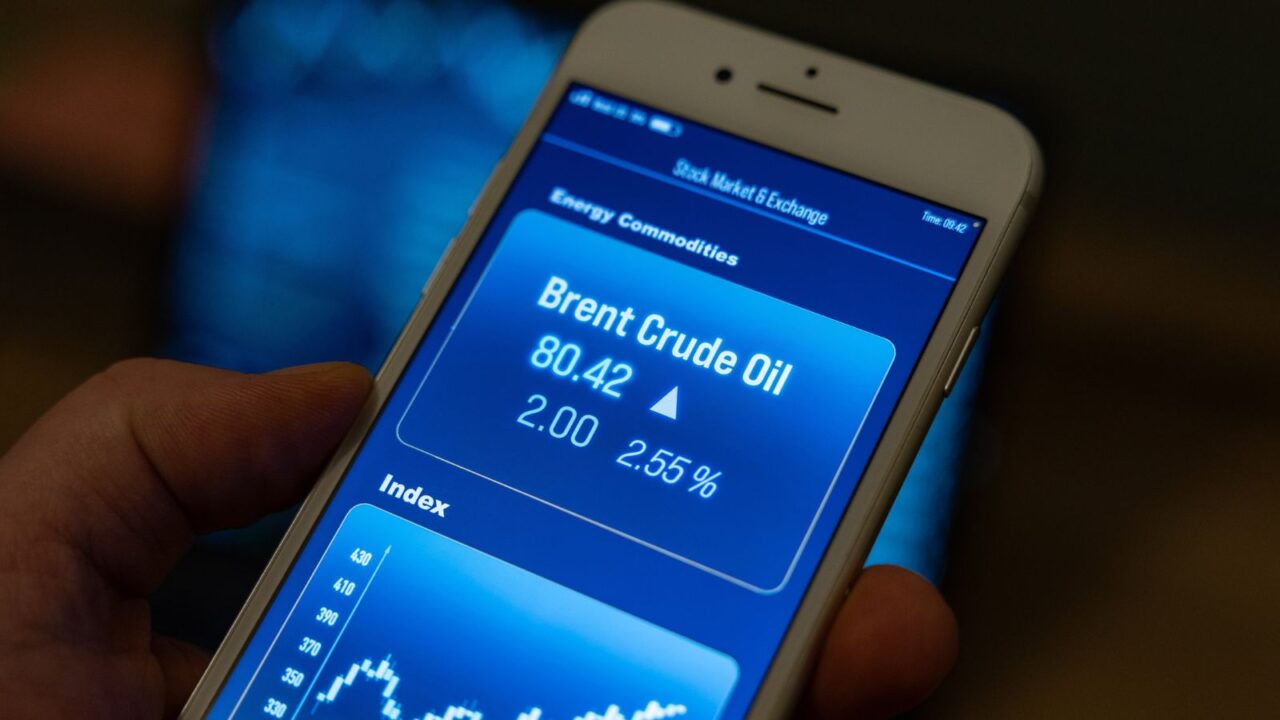
Oil cooled but not the risk
March 10 brought a little relief in crude markets. Reuters said Brent fell back to about $92.32 after topping $119 the day before, helped by hopes of de-escalation. Even so, analysts warned that the downside move may be underestimating ongoing risk.
That matters because pump prices rarely reset instantly. Retail gas often takes time to catch up on the way down, especially after a rapid run-up. So even if oil cools for a day, drivers may not feel much relief right away.
Inflation could get a lift too
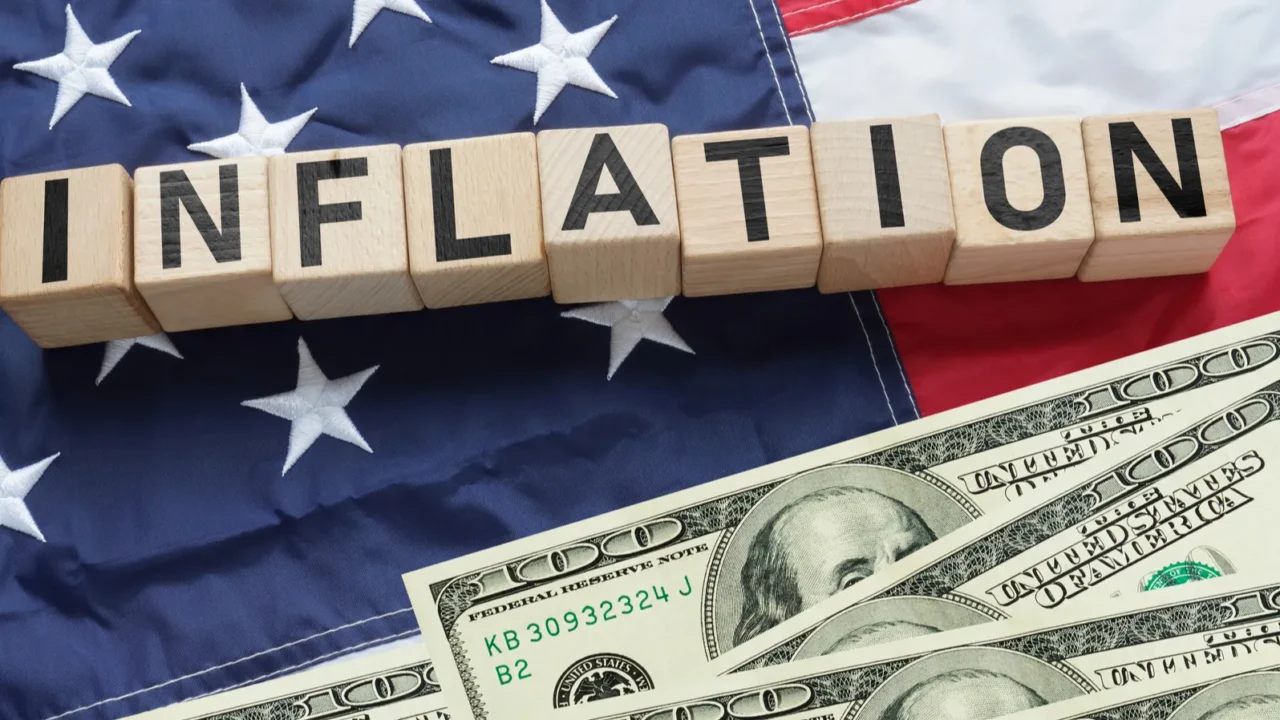
This is bigger than what drivers pay to top off a tank. Newsweek reported RBC Economics said if Brent holds around $100, U.S. inflation could hit 3.7% in the second quarter of 2026, up from a prior 2.9% base case. Higher fuel costs can spread through the economy fast.
That is why gas prices matter politically and personally. Fuel affects commuting, shipping, travel, and household budgets all at once. For families already watching every bill, another run-up can feel much larger than a number on a station sign.
The U.S. still uses a lot
America’s fuel appetite is one reason gas swings get so much attention. The EIA says U.S. finished motor gasoline consumption averaged about 8.94 million barrels per day in 2023, or about 376 million gallons per day. Even small price moves can add up fast at that scale.
That helps explain why pump prices become a national mood signal. Gas is one of the most visible household costs in the country. When it rises quickly, drivers in suburbs, small towns, and big cities all notice at once.
Talking about oil, a tiny South American nation is suddenly sitting on massive global potential. Check out Suriname’s sudden oil boom could make it one of the world’s richest nations.
What drivers should watch now
Three things matter most over the next two weeks. Watch oil prices, watch whether the Strait of Hormuz stays under pressure, and watch AAA’s daily state averages for signs the increases are spreading. Those clues will say more than one viral headline ever could.
It also helps to remember how fast this can change. AAA showed the national average was just $3.251 on March 5 before climbing to $3.539 by March 10. That is why late March could look very different from early March.
Could higher oil prices soon hit everything from gas bills to airfare? Check out the full story on how U.S.-Iran tensions are fueling supply fears.
Do you think gas prices will keep rising before March ends? Share your thoughts in the comments.
This slideshow was made with AI assistance and human editing.
Don’t forget to follow us for more exclusive content right here on MSN.
Read More From This Brand:
