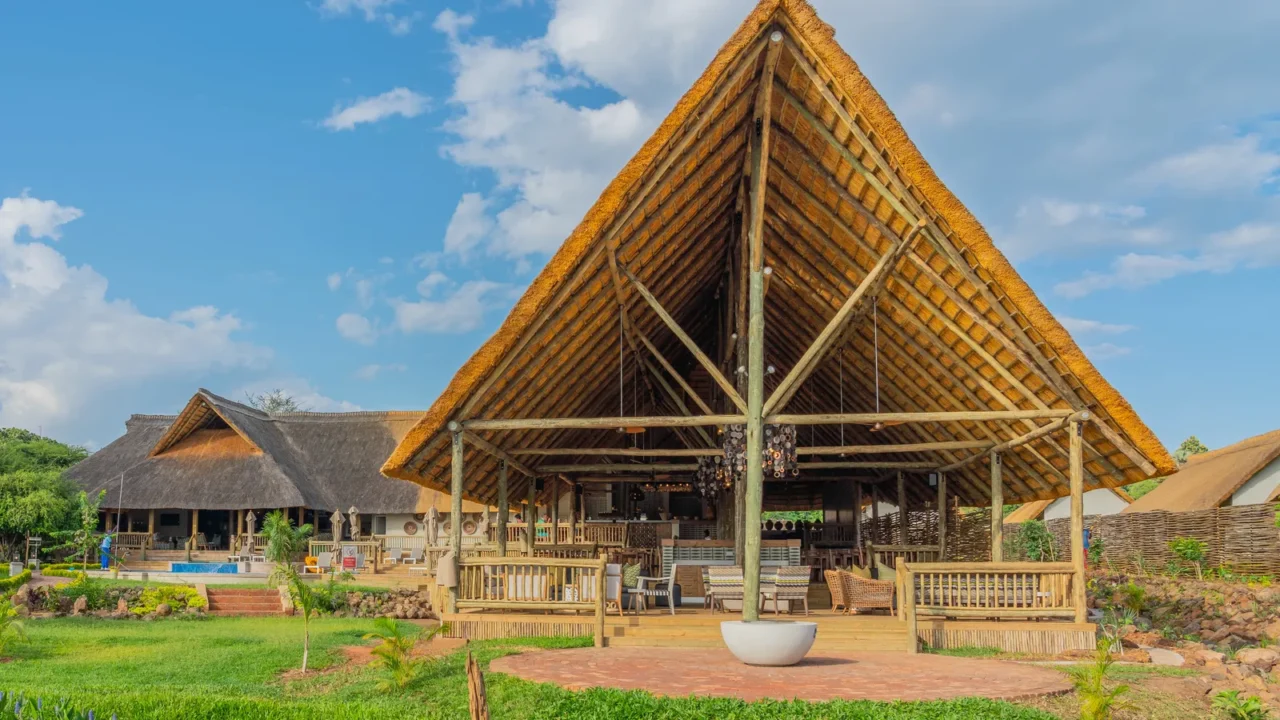
A new safari trend
Celebrities who care about climate change are increasingly booking safari stays at lodges built to withstand extreme weather. These are not just eco-friendly camps, they’re designed to be storm resilient. As climate patterns shift, these sustainable retreats are becoming must-stay spots for people who want luxury and resilience.
Storm-resilient safari lodges are gaining traction because they combine conservation with durability. Travelers drawn to both adventure and climate responsibility are leading the demand. Let’s dive into what makes these lodges special, and why they’re catching celebrity eyes.
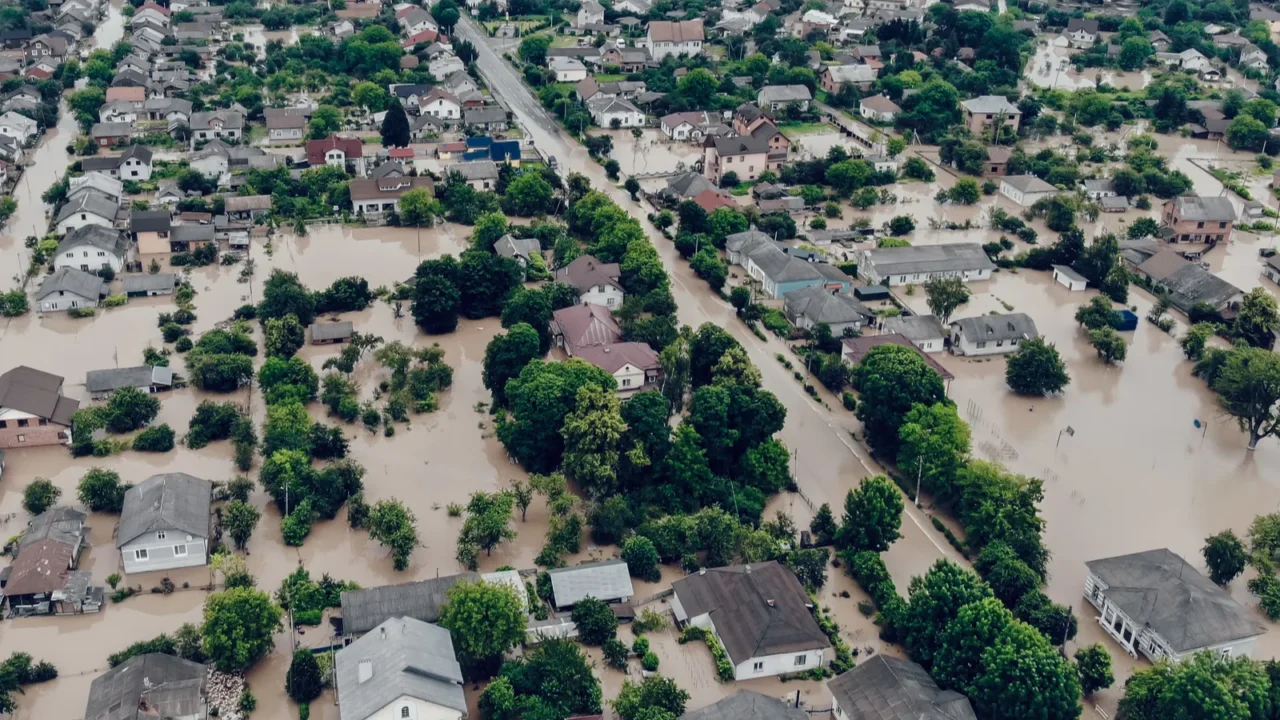
What does storm resilient mean?
Storm-resilient lodges are built to endure heavy rains, high winds, and seasonal flooding. Their design often includes reinforced structures, raised platforms, and durable materials. These built-in features protect both guests and the environment.
Beyond physical resilience, many of these lodges run on renewable energy, which reduces reliance on fragile fuel supply lines during storms. They also have robust water-management systems, like rainwater harvesting and greywater recycling, to adapt when climate stress hits. This combination of smart design and green tech makes them more than just pretty camps; they’re future-ready sanctuaries.
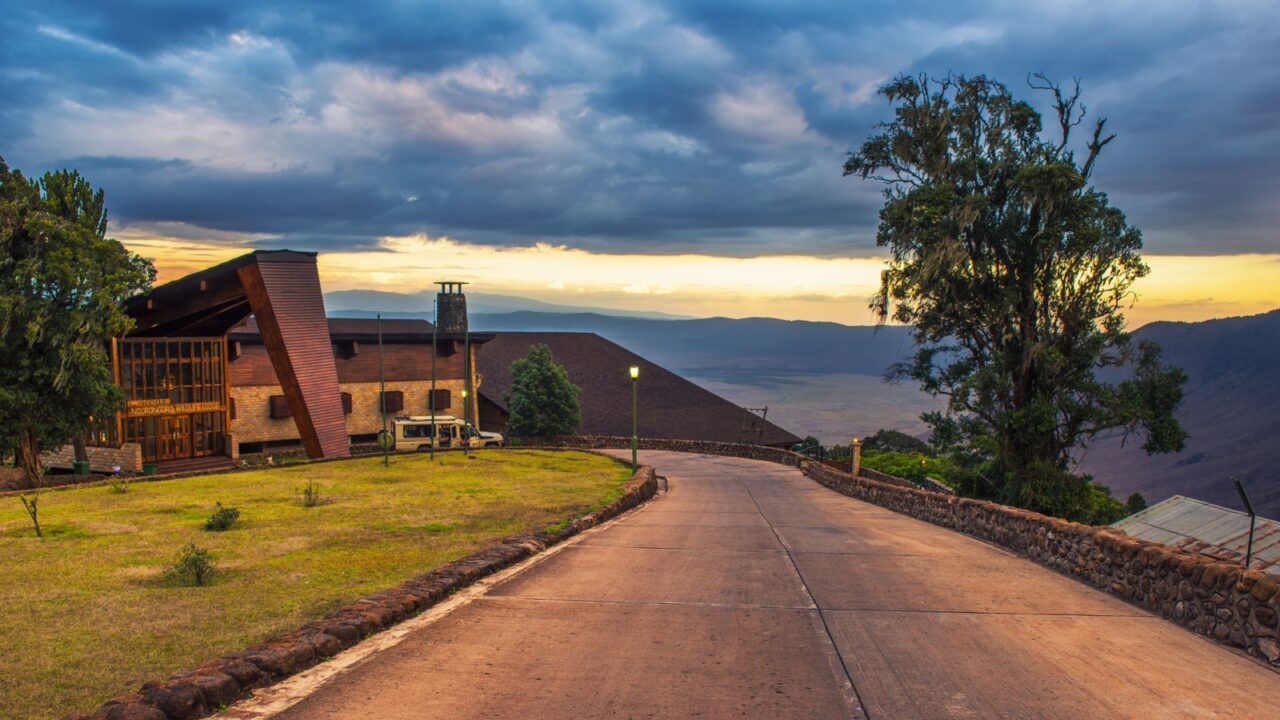
Solar power at the core
Several lodges are leading the shift to solar energy to ensure continuous power during disruptions. For example, Ngwenya Lodge in South Africa installed a hybrid solar and battery system to bypass unreliable grid power.
Relying on solar energy helps maintain lodge operations even if external fuel or electricity sources fail. This makes the lodge far more resilient to storm-related interruptions. For climate-conscious celebs, that kind of energy independence is a major appeal.

Water management strategies
Storm-resilient lodges also invest heavily in water technology, because weather extremes can mean both droughts and deluges. Many safari camps collect rainwater and reuse greywater for toilets and landscaping.
Some sites even build natural wetland filtration systems to handle overflow and reduce strain on local ecosystems. These practices protect natural resources and ensure the camp remains functional when traditional systems might fail. It’s a smart way to adapt to changing climate realities.
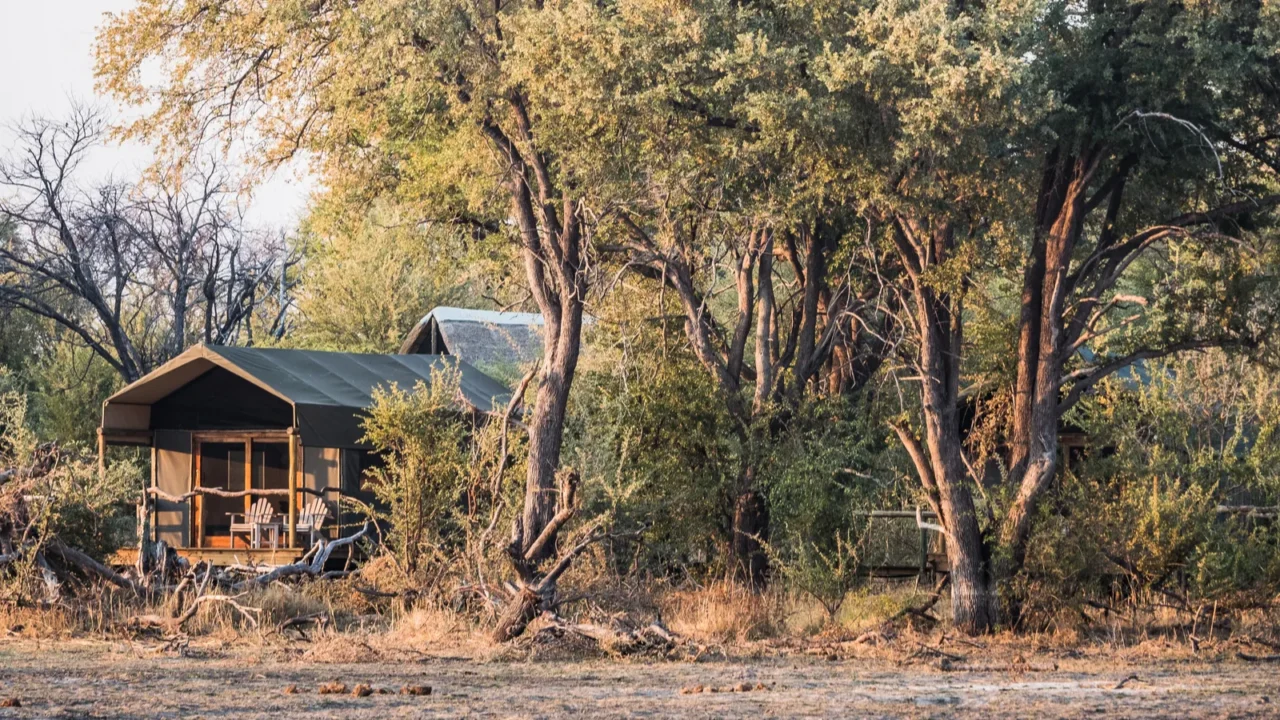
Off-grid wastewater systems
Water treatment is a big deal for remote camps, especially under storm pressure. Mdluli Safari Lodge, for instance, runs a self-contained bioreactor system to treat wastewater on-site.
This reduces reliance on local, fragile infrastructure and keeps the lodge clean and functional even during heavy weather. For guests who prioritize sustainability and resilience, this kind of setup is a major plus.
Eco-materials and design
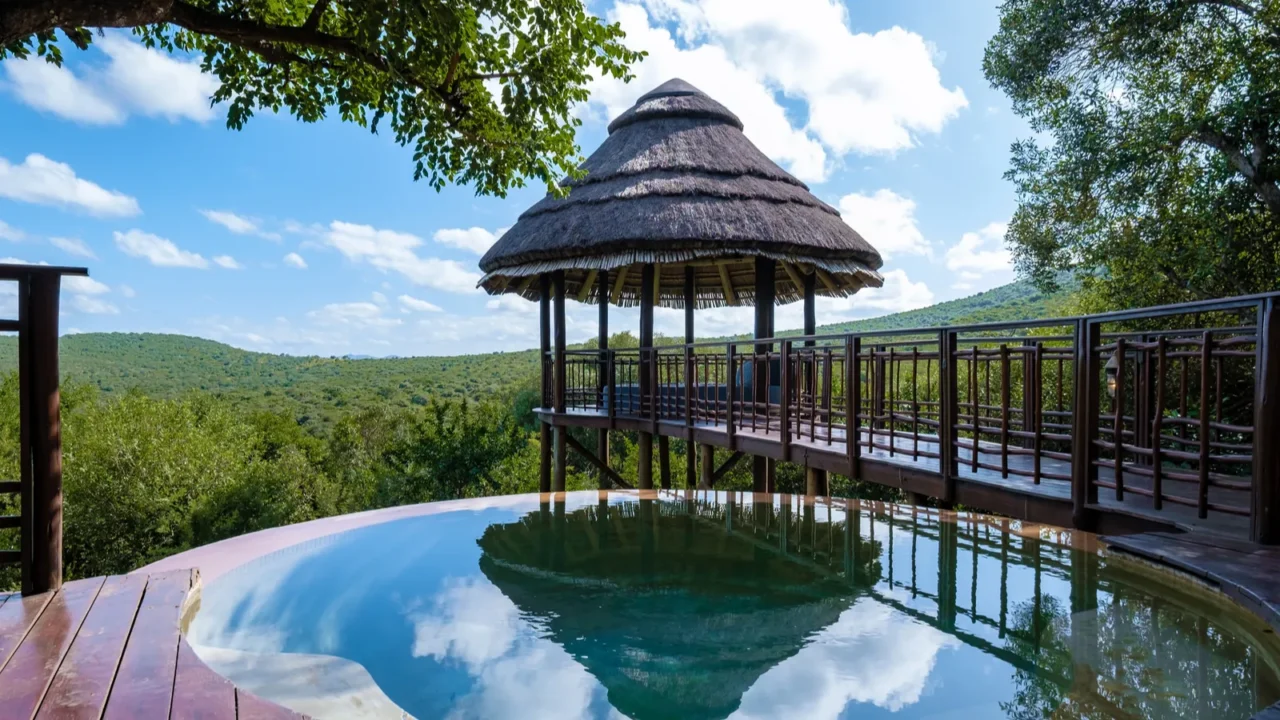
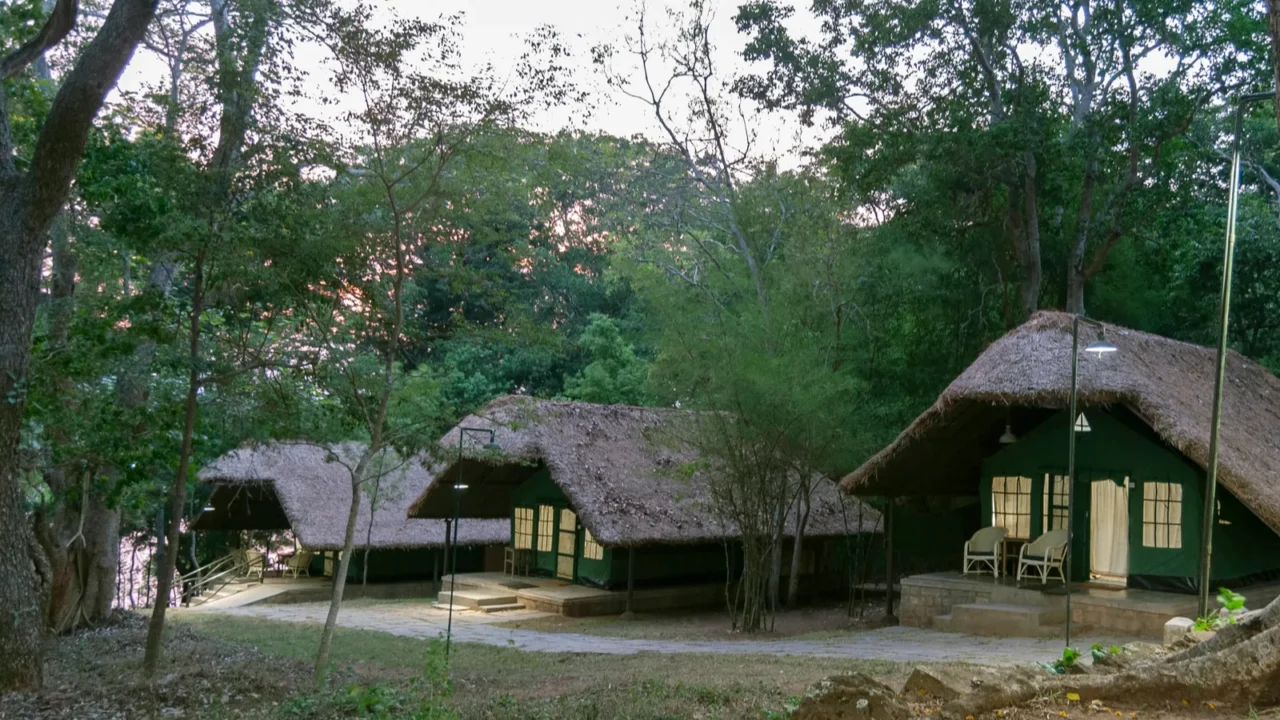
Modern safari lodges are using locally sourced, natural materials that can better handle intense weather. Anderson & Harvey note that many camps use timber, stone, and canvas to blend with the environment while staying strong.
They’re also raising structures on stilts to protect them from floods and avoid damaging fragile terrain. These design choices minimize environmental impact while maximizing resilience and comfort. It’s a thoughtful, long-term approach to building in the wild.
Community involvement matters
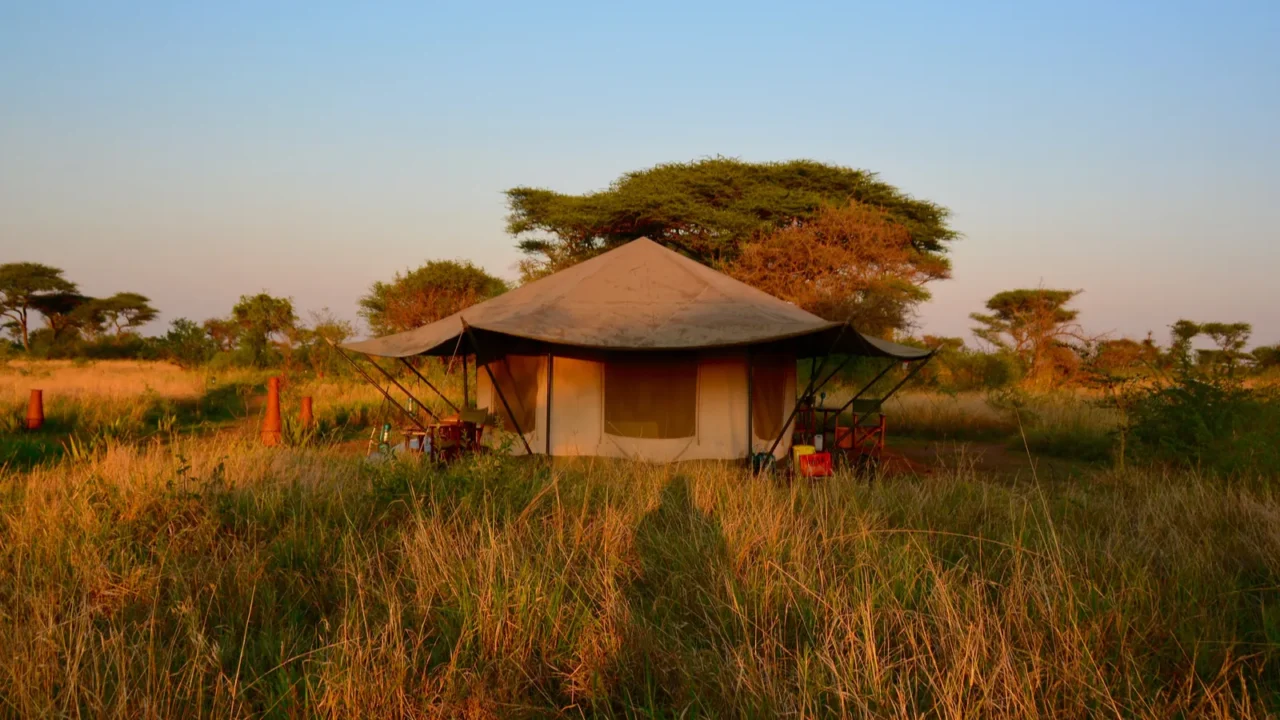
Storm resilience isn’t just about the building, it’s also about local people. Many eco lodges are working with communities to strengthen infrastructure and conserve water.
When locals help design and maintain systems like solar arrays and water work, it creates shared climate resilience. Celebrities who stay here often appreciate that their travel supports not just conservation, but real, community-centered climate adaptation.
Real-world risk in safari regions
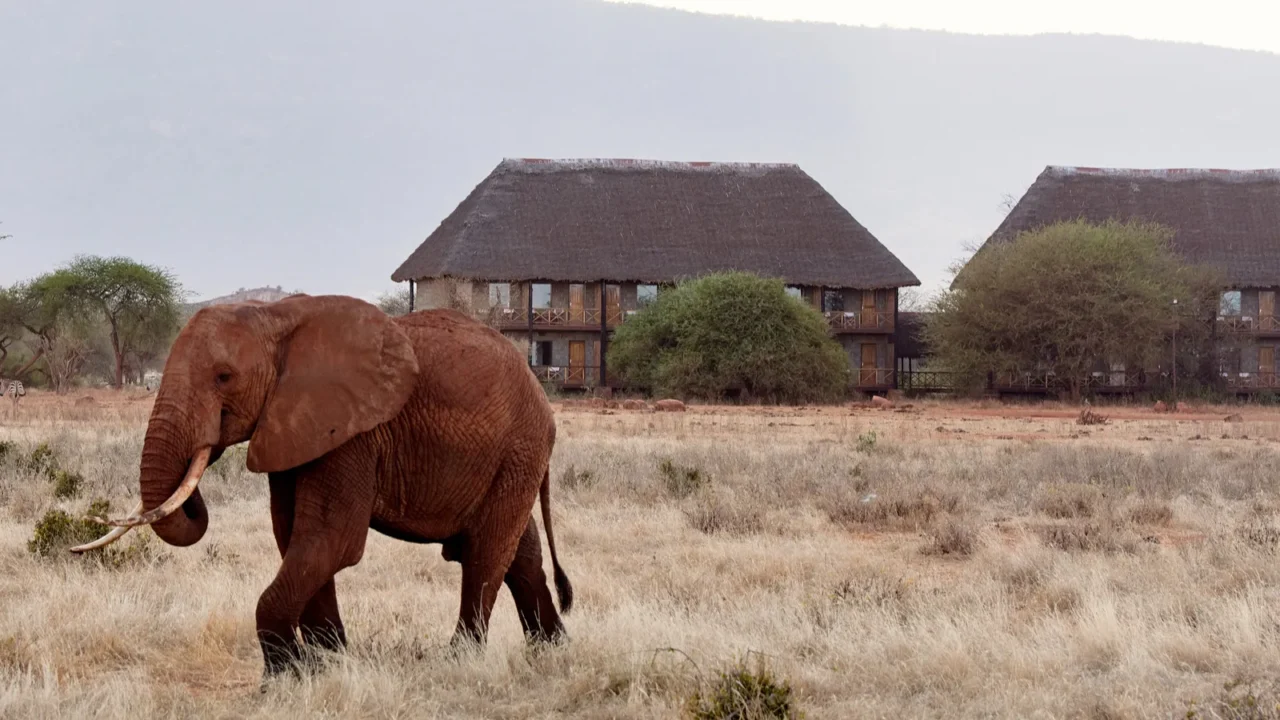
Climate change is already affecting safari areas: flooding, storms, and unstable weather are more common. For example, safari lodges in Kenya’s Masai Mara have experienced destructive floods, putting infrastructure to the test.
These risks make resilient design not just a luxury, but a necessity. Lodges that plan and build for these realities will likely become the preferred choice for travelers who care about environmental and physical security.
Celebs and eco-luxury
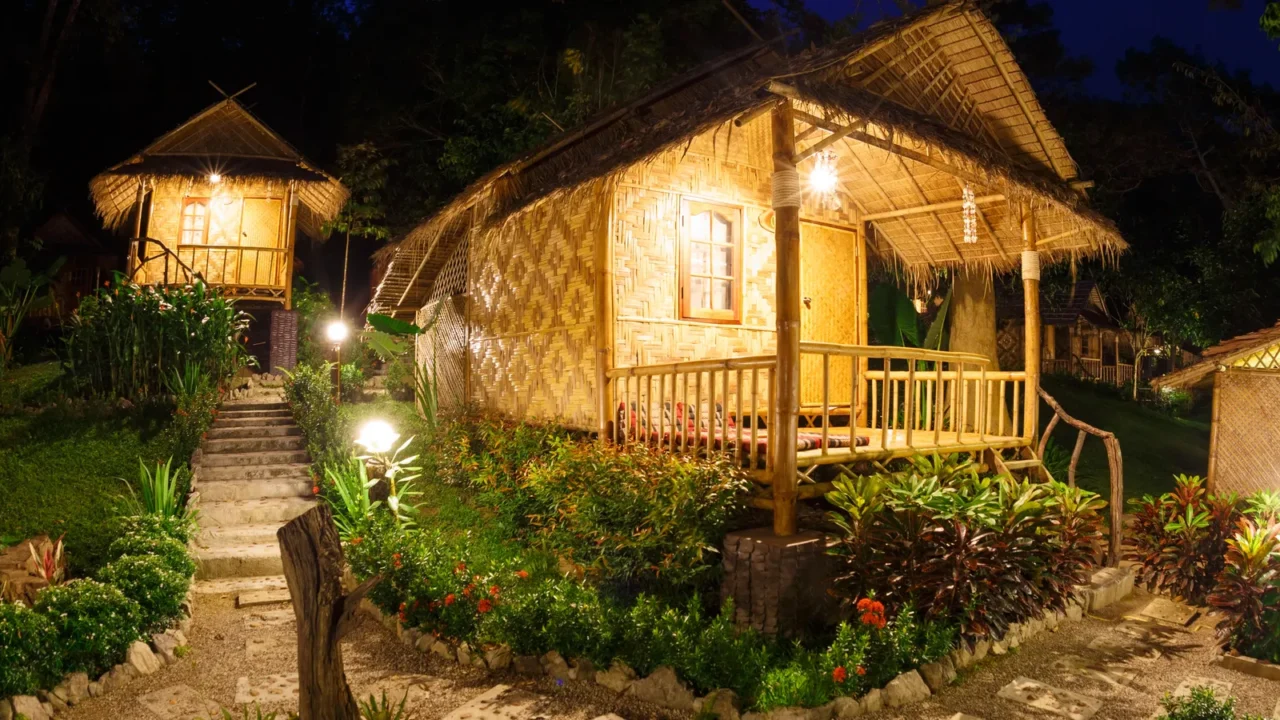
High-profile travelers are increasingly choosing lodges that back up their eco-values with real tech and design. Some celebrities support conservation through stays that invest in renewable energy and water systems. This kind of travel lets them enjoy luxury without contributing to environmental fragility.
When stars highlight their stays at these safari retreats, they also bring attention to climate-smart tourism, encouraging others to demand more from their getaways. Their influence helps drive investment into better, more resilient tourism. It’s not just about destination, it’s about future-proof travel.

Guest experience stays strong
Even during extreme weather, storm-resilient lodges don’t sacrifice comfort. Thanks to off-grid power and water systems, guests usually don’t see or feel the disruption. This gives peace of mind in a wild environment where nature can be unpredictable.
Moreover, sustainable lodges often offer immersive experiences, guided wildlife walks, talks on conservation, and eco-education, all tied to their resilient infrastructure. For travelers who value both comfort and purpose, these stays feel deeply meaningful.
Recognizing greenwashing
Not all safari lodges claiming to be “eco” truly build for storm resilience. It’s important for travelers to ask specific questions: Do they have rainwater systems? Can they function off-grid?
True storm-resilient lodges will be transparent about their energy, water, and waste systems. Travelers concerned with climate impact should choose properties that clearly disclose their infrastructure and sustainability investments.
Future of safari travel
The trend toward climate-resilient safari lodges is growing fast, especially with travelers who want a low-risk, high-integrity escape. As climate change intensifies, these camps will likely become more popular and more necessary. This could shift the entire safari industry toward smarter and greener design that protects both wildlife and guests.
Investing in these lodges makes sense not only for the environment but also for their long-term viability as climate pressures increase. For climate-conscious celebs and everyday travelers alike, this type of travel is becoming a meaningful way to connect with nature responsibly, especially as celebrity safari adventures inside Africa’s most exclusive camps continue to gain attention. And with gaining global interest, the demand for sustainable and storm-resilient stays is only expected to rise.
Join the movement
Storm-resilient safari lodges offer luxury, safety, and travel in one powerful package. They show that adventure and responsibility can go hand in hand. If climate matters when choosing where to stay, these eco-forward retreats are worth serious consideration.
What do travel lovers think? Do any of these resilient safari lodges sound like the kind of escape that’s both luxurious and future-proof?
Read More From This Brand:
- See These Stunning Places Before They Disappear
- Eco-Friendly Airbnbs You Can Actually Afford
- Why Asheville Is a Model for Green Living
Don’t forget to follow us for more exclusive content right here on MSN.
This slideshow was made with AI assistance and human editing.
