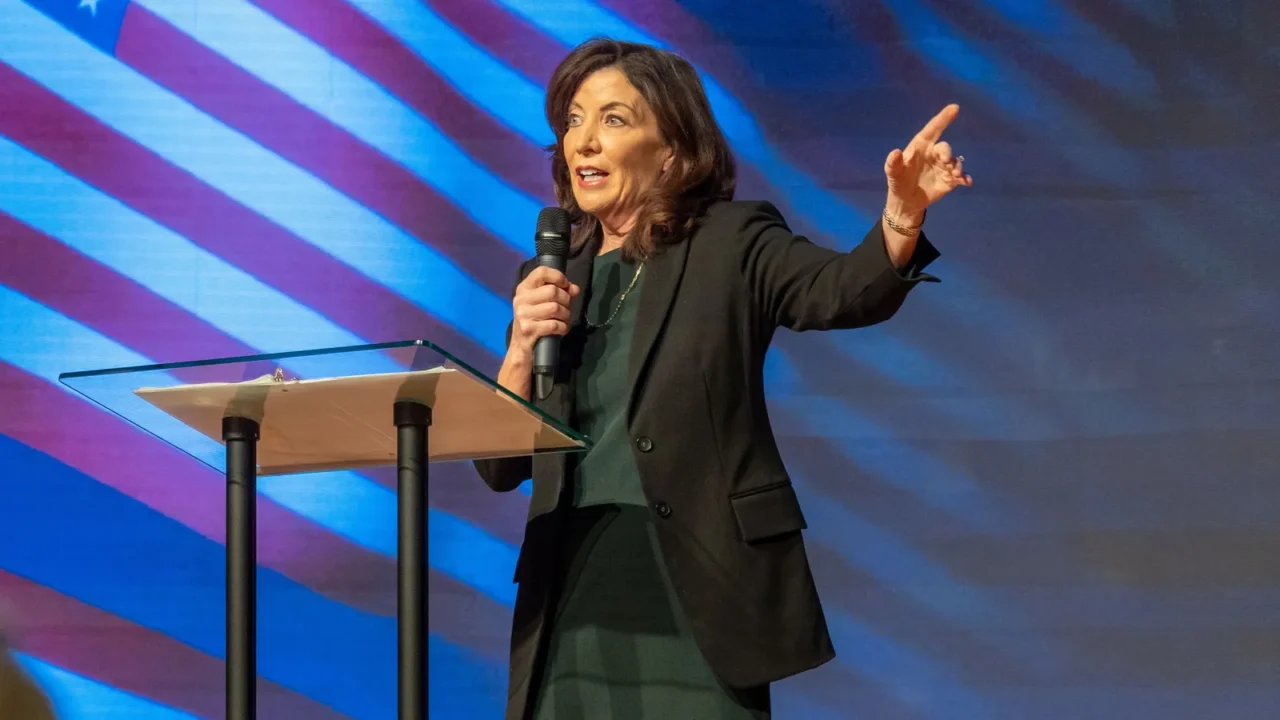
Budget size keeps climbing
Gov. Kathy Hochul’s January 2026 plan pegs New York’s next state budget at $260 billion, a record top line that’s being sold as an “affordability” budget in an election year.
The problem is that a bigger budget raises the stakes if revenues wobble or federal help shrinks, because Albany still has to pay bills on time. That is why this proposal is being framed as a gamble, not just a wish list.

The missing money is the real storyline
Critics call it a “missing $18 billion” gap because planned spending rises while federal support drops and the math does not neatly balance.
In plain terms, the state can either cut planned spending, find new recurring revenue, or push costs onto employers and residents through taxes and fees. Each option has political and economic consequences in 2026.
Federal aid is shrinking at the worst moment
Multiple reports put the expected reduction in federal support at about $10.3 billion, which forces Albany to replace cash it previously counted on.
When federal dollars pull back, the state either trims programs or backfills with state revenue, and that backfill usually lands on taxpayers or businesses. That pressure is what turns a budget debate into a competitiveness fight.

Spending commitments are moving in the other direction
Even as federal support is projected to fall, Hochul’s plan increases spending compared with last year’s proposal, and she argues it improves affordability without raising income taxes.
That choice matters because it reduces flexibility later, especially if Wall Street-related receipts cool or if Washington cuts deeper than expected. A budget that banks on strong revenues becomes fragile when the economy turns.
Medicaid growth is a major driver
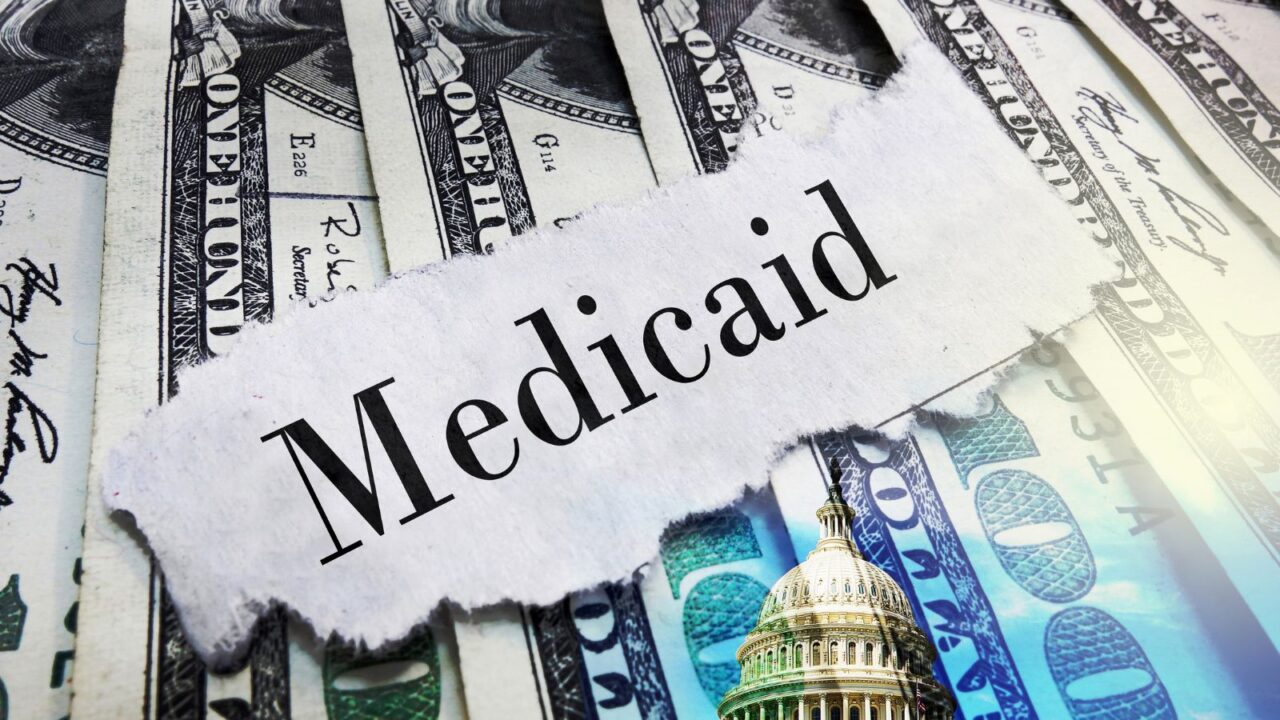
Health care is one of the biggest engines in the plan, with reporting pointing to an 11.4% Medicaid spending increase.
When Medicaid costs climb, Albany has fewer “easy” places to cut without triggering political backlash or real service reductions. That is why budget gaps often end up chased with new revenue tools instead of clean cuts.

Child care is politically popular and expensive
Hochul’s budget includes a major child care expansion, including a $4.5 billion commitment tied to programs like NYC’s 2-year-old care push.
This matters now because affordability promises are becoming a must-have in New York politics, and leaders are competing to fund them without saying “tax hike” out loud. The bill still has to be paid, even if the language stays soft.
No income-tax hike does not mean no new burden
Hochul emphasizes that there are “no income taxes” in the plan, but that does not remove pressure from the rest of the system.
New York already has high personal income-tax rates, and CBS notes the state rate is 10.9% while the combined NYC rate is 14.8%, which shapes how sensitive residents and employers are to any added costs.

The business-tax extension is the pressure valve
A central patch is extending higher corporate taxes, including a three-year extension of the 7.25% corporate rate on companies earning over $5 million.
That matters because it locks in higher costs for the firms most likely to have location choices, especially in finance, tech, and professional services. If executives think the “temporary” taxes never end, long-term planning shifts.

Albany is openly worried about business flight
Spectrum reported the extension is expected to raise about $1.6 billion annually, and the state’s own budget director acknowledged that “businesses are mobile.”
That is the core tension: Albany wants to fund big commitments, but it also knows that squeezing the tax base can shrink the base over time. A budget can balance on paper while weakening the underlying engine.

Fees and targeted taxes become the backup plan
When large tax hikes are politically risky, governments often reach for narrower tools, like product taxes and user fees. This budget discussion includes ideas like taxing nicotine pouches and other targeted revenue sources.
Those moves matter because they can stack quietly across industries, raising operating costs without ever being labeled a broad “tax increase.” For employers, it still shows up in budgets, pricing, and hiring decisions.
Reserves help, but they are not a clean fix
Rainy-day funds can soften shortfalls, but using them in normal times creates risk if a real downturn hits. Spectrum reported the state expects to maintain about $14.6 billion in reserves after prior uses.
This matters now because reserves are one-time money, while Medicaid and child care are recurring costs. If Albany plugs recurring gaps with one-time fixes, the same hole reopens next year.

What companies hear is instability, not just taxes
Businesses make location decisions based on the total package: taxes, regulations, labor costs, and predictability. When a state leans on “temporary” surcharges and patchwork revenue, it signals uncertainty.
This matters now because New York is competing with states that market stability and lower tax burdens as a feature, and remote-capable work makes moving easier than it used to be. A budget built on extensions can push relocation conversations from theory to timeline.
In other news, see how rising H-1B visa costs could impact DMV businesses.
The bottom line is who absorbs the hole
If federal aid declines while Albany maintains its existing spending commitments, the resulting gap has to be filled somewhere. Historically, that pressure often shifts toward higher business taxes, expanded fees, or tighter regulatory costs, which are easier to impose than broad-based cuts or voter-facing tax increases.
That dynamic is at the center of what critics describe as a “budget gamble.” They argue that relying on businesses to absorb the shortfall risks accelerating corporate relocations and investment pullbacks, particularly in industries with the flexibility to move operations elsewhere.
In other news, see how Mamdani’s rent freeze pledge puts property owners under new tax pressure.
If you were advising a mid-size company with real mobility, would you treat this budget as a short-term patch or a long-term warning sign? Share your thoughts and your view in the comments.
This slideshow was made with AI assistance and human editing.
Don’t forget to follow us for more exclusive content right here on MSN.
Read More From This Brand:
