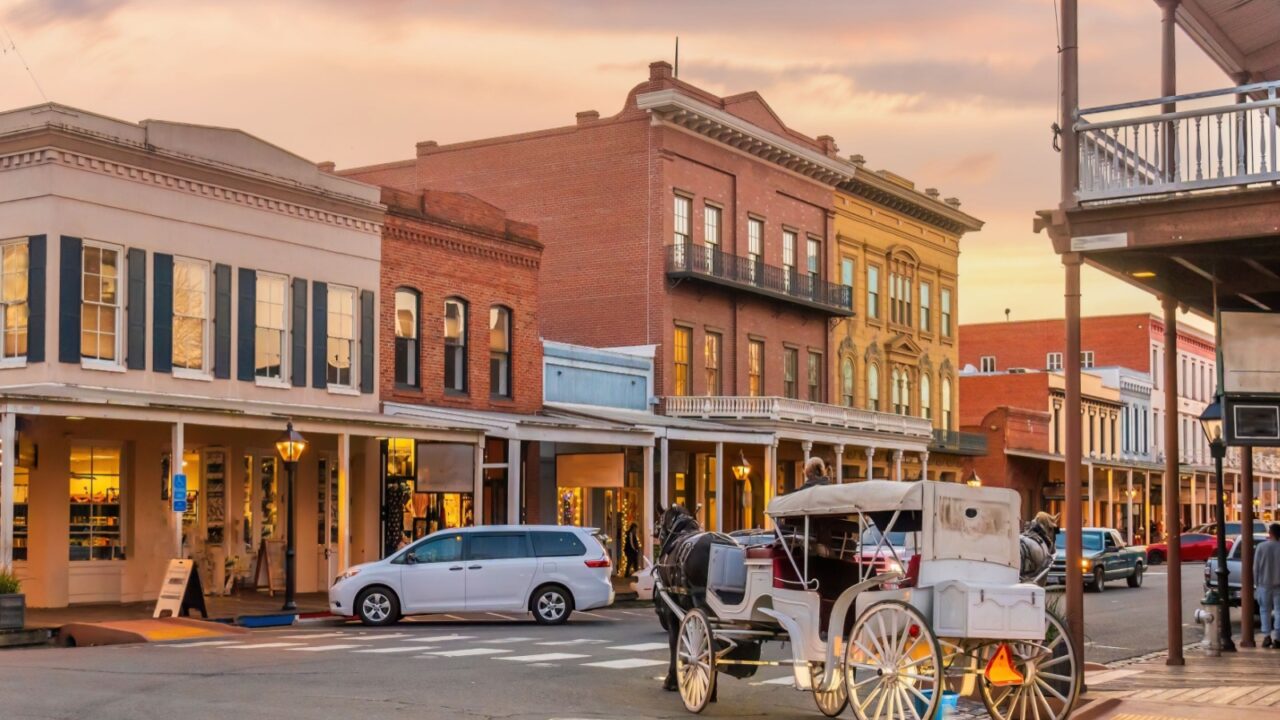
Where borders feel closer
Travel habits are shifting, and border towns are stepping into the spotlight. These destinations offer the rare feeling of standing between cultures without long travel times. Visitors enjoy seeing two countries through one relaxed stay.
From Europe to Southeast Asia, border towns offer a unique blend of authenticity and accessibility. They combine local rhythm with international curiosity. Let’s get to it!
Why border towns appeal
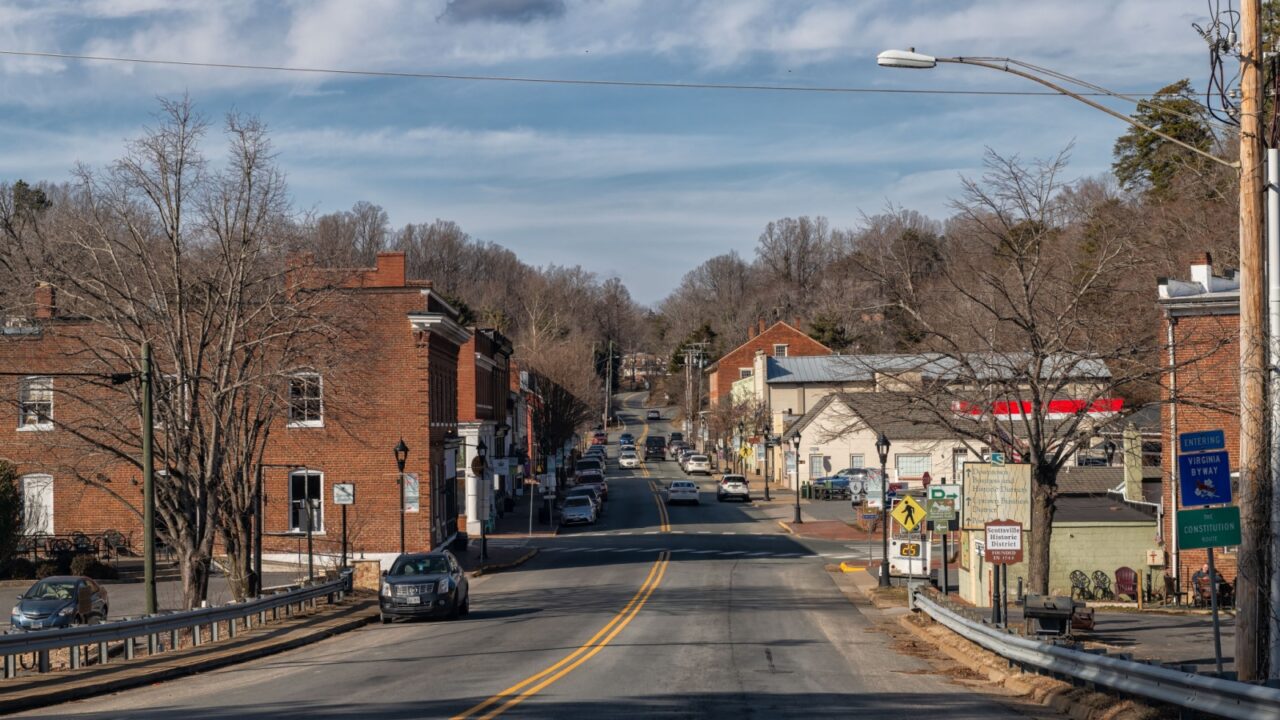
Border towns offer something major cities often lack, which is balance. Life moves more slowly, prices feel fairer, and experiences feel less staged. Travelers find them refreshing after crowded capitals.
These places naturally blend languages, food, and customs. Crossing cultures feels organic rather than planned. That mix creates memorable travel moments.
Europe’s open borders
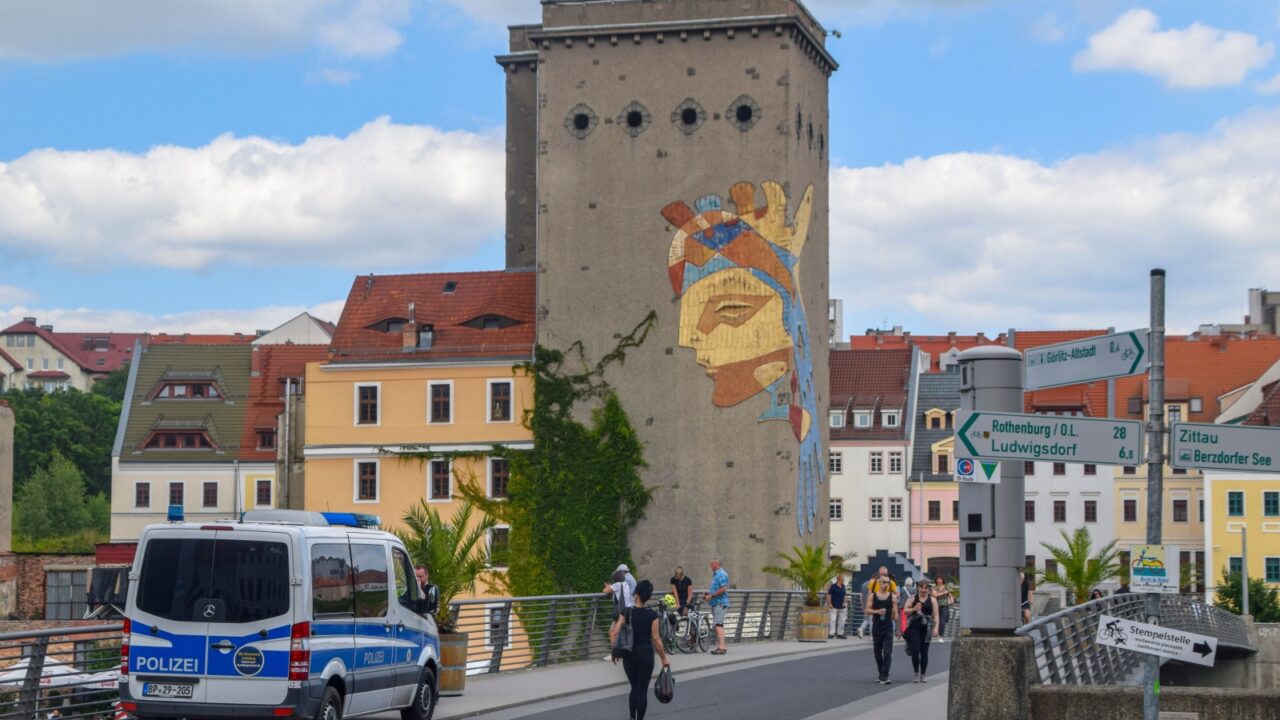
Europe’s Schengen Area made border towns especially attractive. Places like Görlitz on the Germany-Poland border welcome easy day crossings. Visitors can explore two cultures without changing hotels.
Another example is Haparanda in Sweden, beside Tornio in Finland. Travelers shop, dine, and sightsee across borders in a single afternoon. The experience feels seamless and relaxed.
Italy meets France
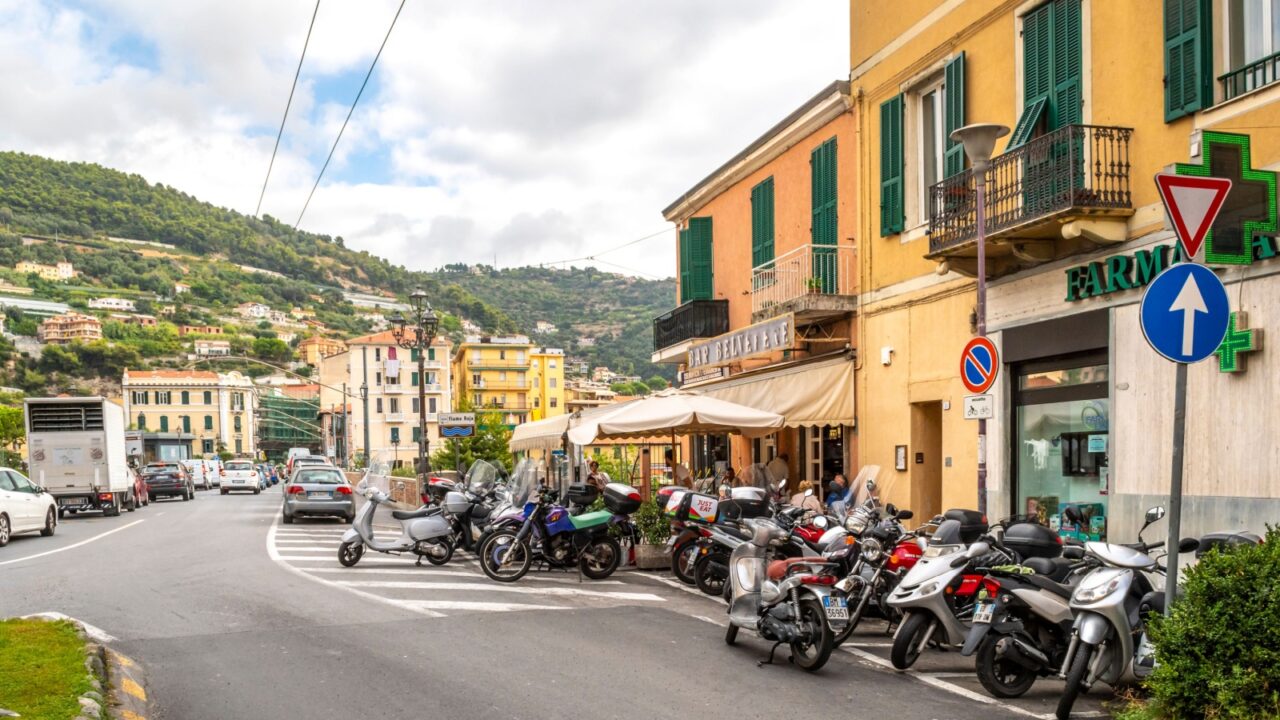
Ventimiglia sits quietly near the Italian-French border. It offers Italian markets with quick access to the French Riviera. Travelers enjoy local food without Riviera prices.
Nearby Menton provides colorful streets and coastal walks. Moving between the two feels effortless. Border towns make luxury regions feel approachable.
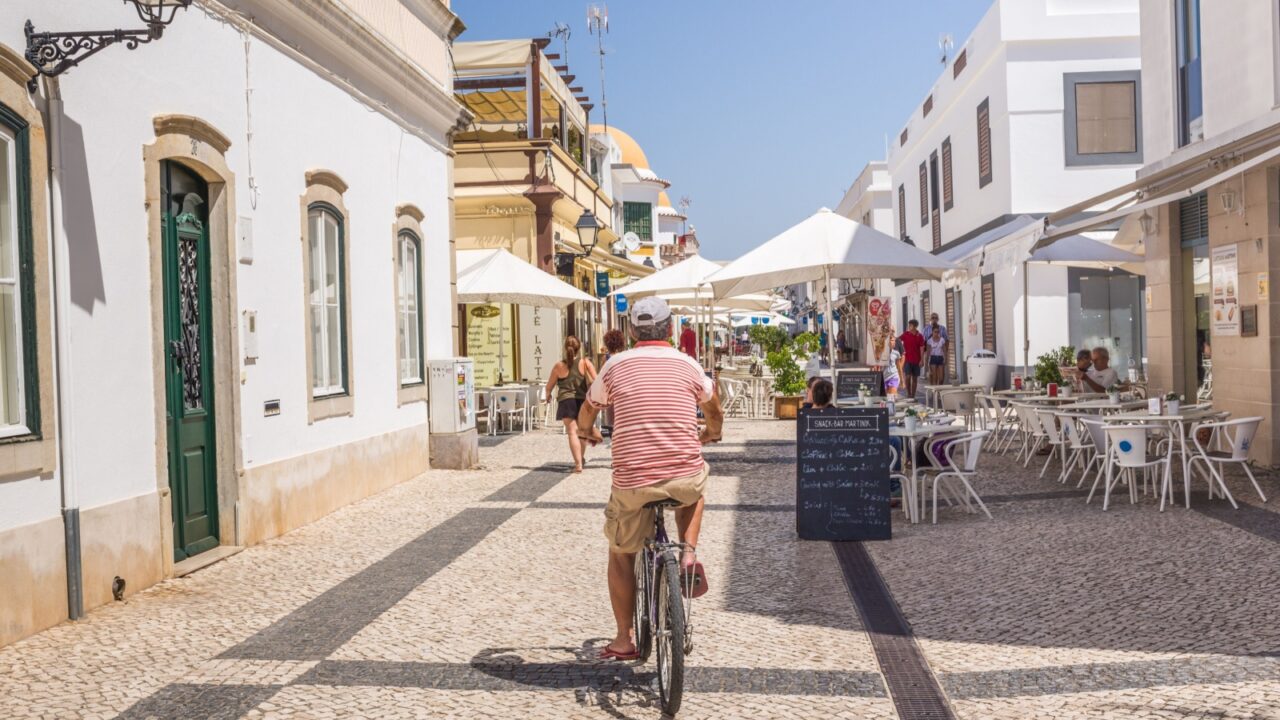
Spain and Portugal blend
The towns of Ayamonte in Spain and Vila Real de Santo António in Portugal share daily life across the Guadiana River. A short ferry ride connects two cultures instantly. Travelers enjoy Spanish tapas and Portuguese pastries in one trip.
The atmosphere stays calm compared to Lisbon or Seville. Locals welcome visitors without rushing. These towns feel personal and genuine.
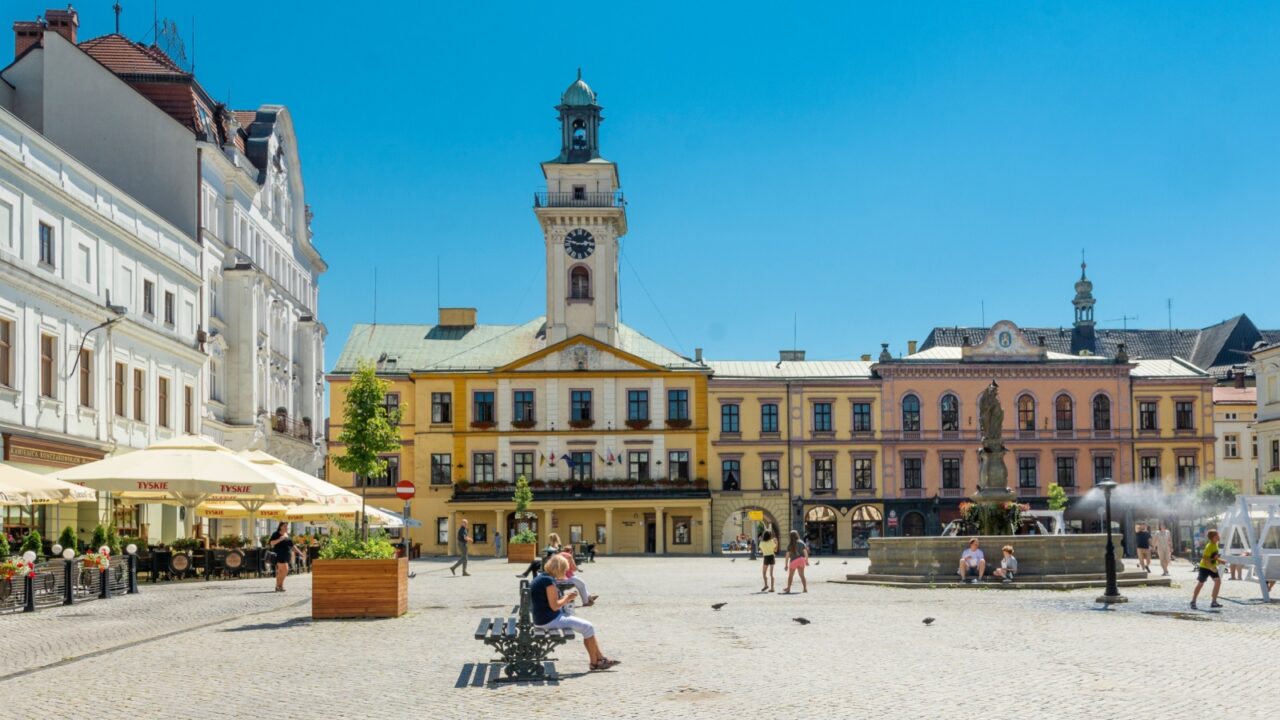
Central Europe charm
Český Těšín and Cieszyn sit divided between Czechia and Poland. A river separates them, yet daily life flows across bridges. Travelers enjoy different currencies and cuisines, steps apart.
The area feels historic but isn’t overwhelmed by tourism. Cafes and galleries reflect mixed heritage. Border history adds depth to simple walks.

Southeast Asia crossings
Chiang Khong in Thailand sits across the Mekong River from Laos. Travelers use it as a gentle crossing rather than a rushed checkpoint. Life there feels calm and welcoming.
Markets sell goods influenced by both cultures. Food reflects shared traditions rather than national labels. Border towns soften international travel.

South America connections
Puerto Iguazú in Argentina borders Brazil and Paraguay. Visitors easily access Iguazú Falls from multiple countries. The border setting enhances the experience rather than complicating it.
Each side offers a different perspective. Cultural contrasts feel immediate and fascinating. Travelers gain a broader context in one stay.
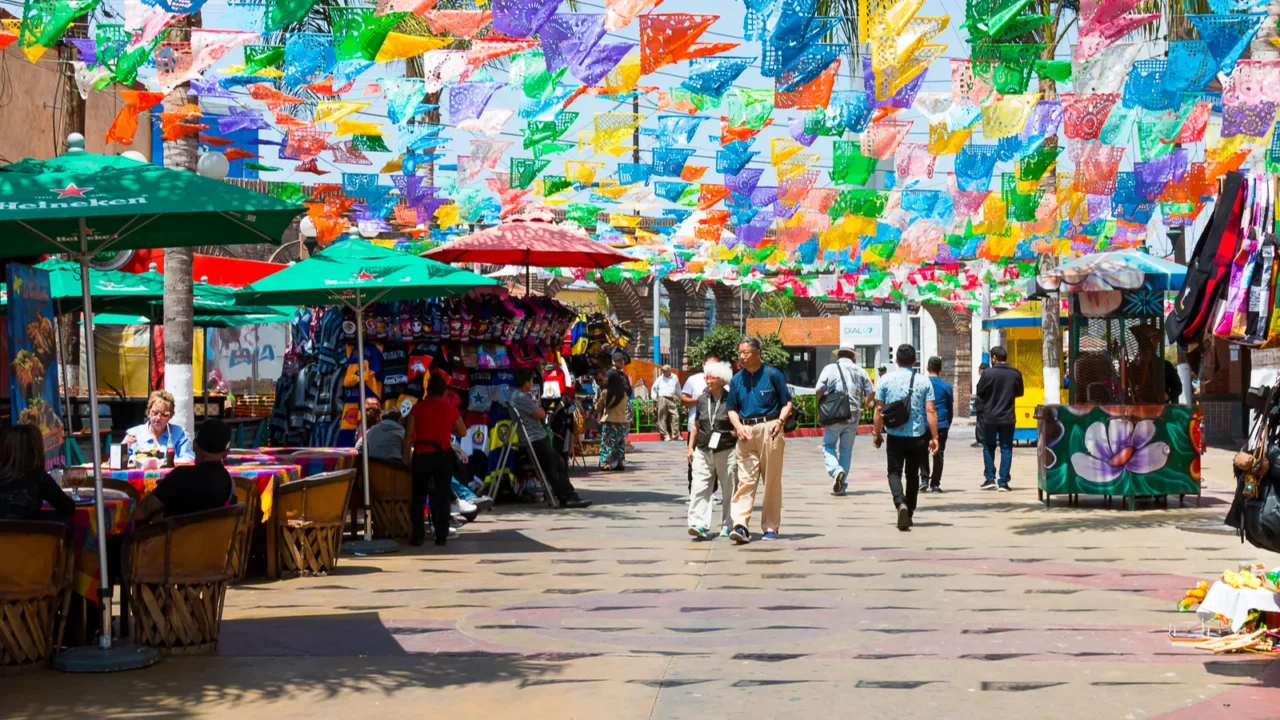
North American border towns
San Diego and Tijuana form one of the most visited border regions. Travelers enjoy California beaches and Baja cuisine together. The contrast feels exciting rather than overwhelming.
Tijuana’s food scene attracts global attention. San Diego offers comfort and familiarity. Together, they create a dynamic travel pairing.
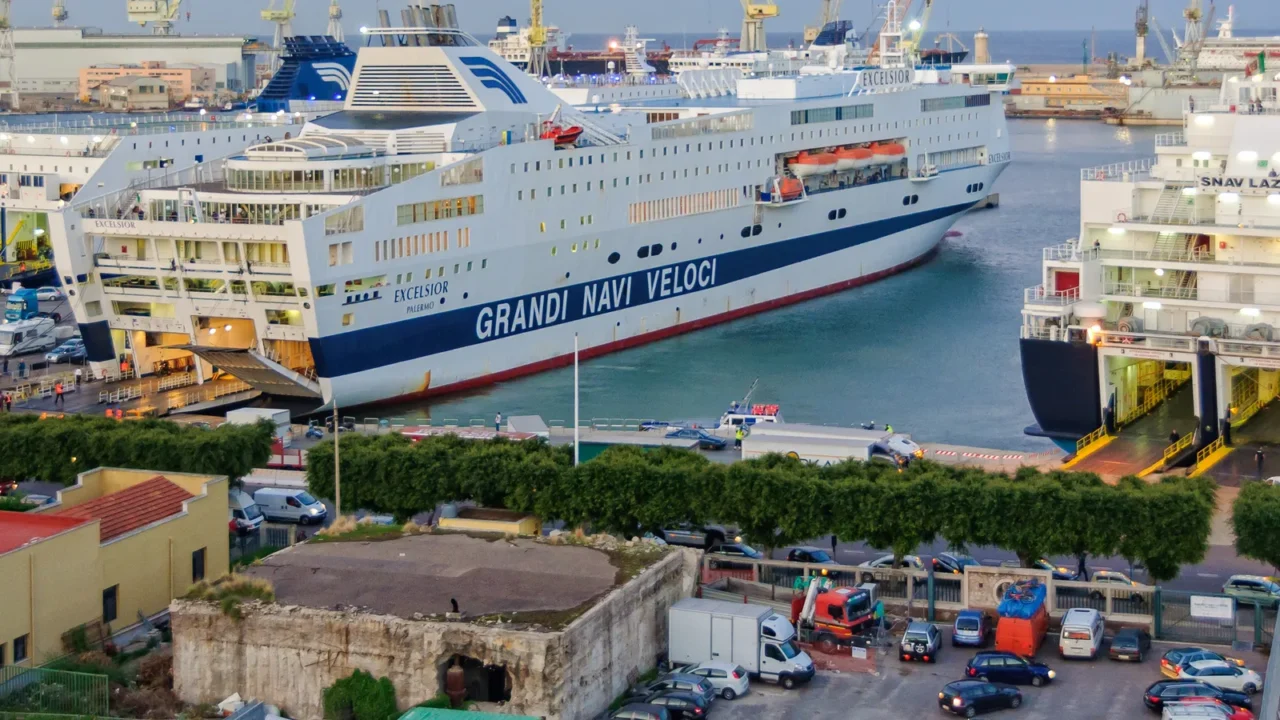
Easier travel logistics
Border towns often have flexible transport options. Trains, ferries, and short crossings simplify planning. Travelers avoid long internal travel days.
Accommodation costs also tend to be lower. Staying near borders stretches travel budgets. Value and access work hand in hand.
Cultural curiosity grows
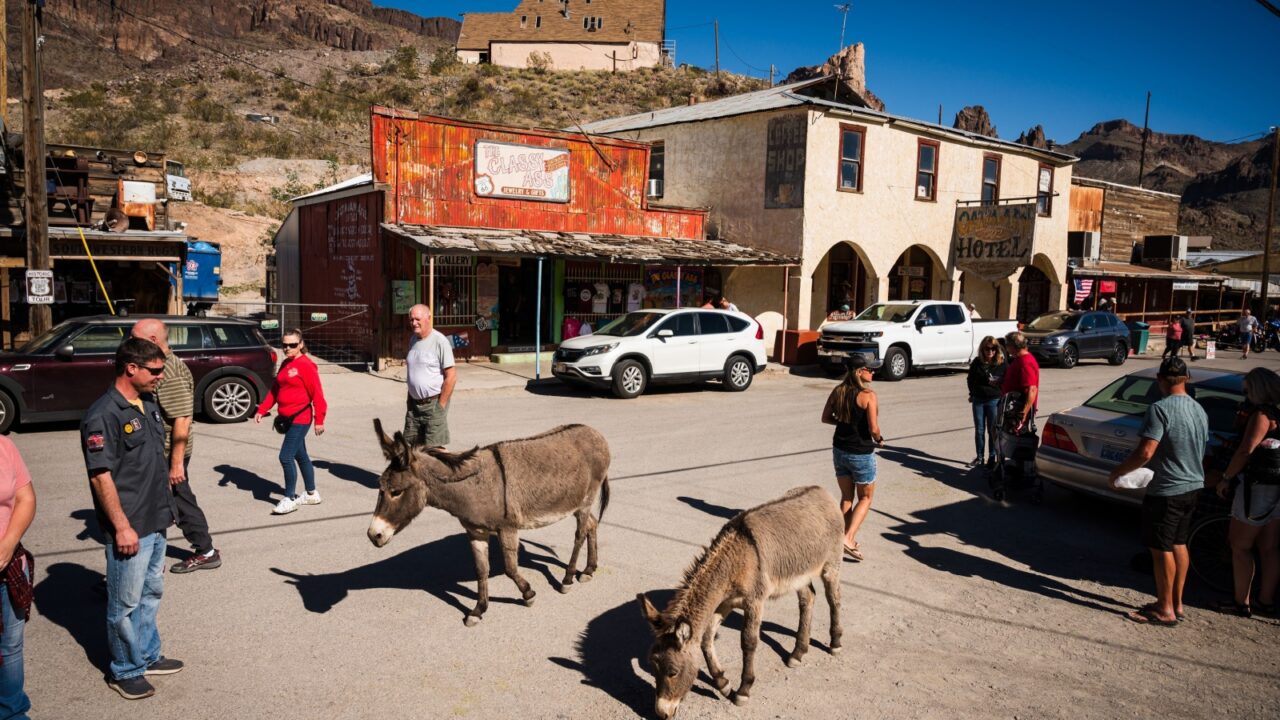
Travelers increasingly seek cultural depth over landmark checklists. Border towns offer a living culture rather than curated highlights. Daily routines feel more visible.
Language shifts and food variations happen naturally. These details spark curiosity and conversation. Cultural learning feels effortless.
Social media influence
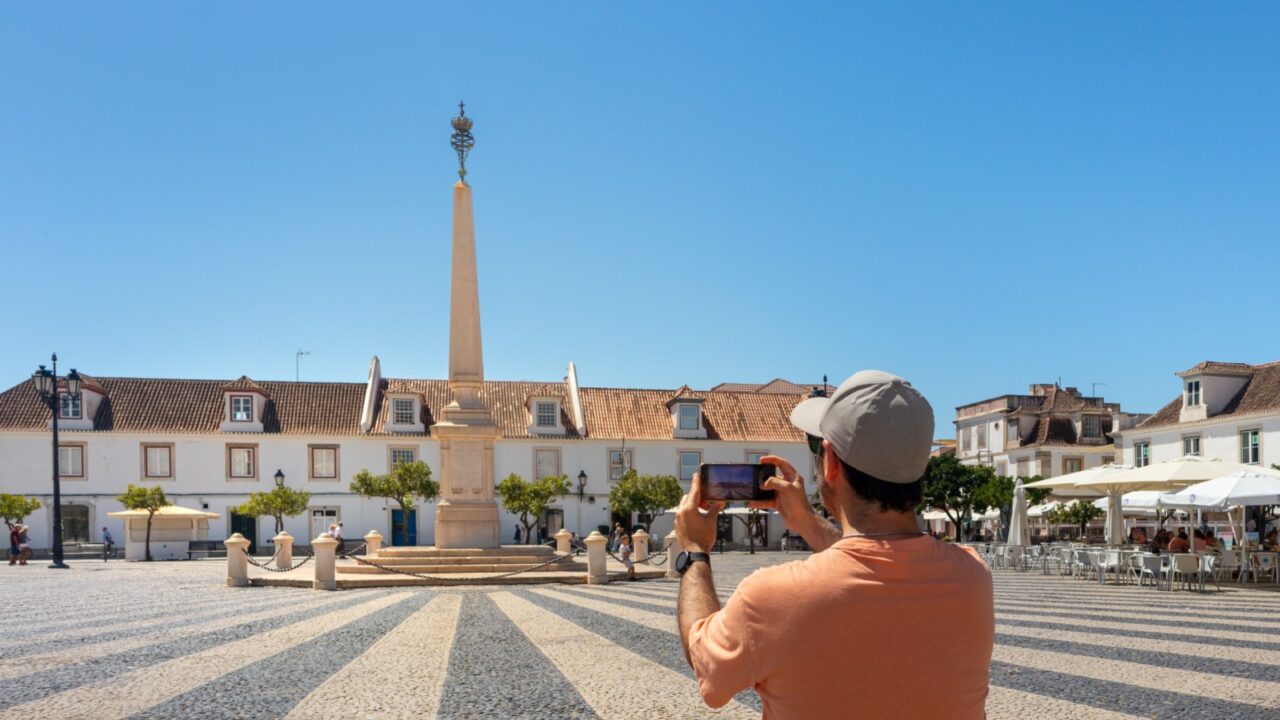
Social media highlights lesser-known destinations quickly, and border towns now trend as hidden gems rather than crowded hotspots. Visual storytelling brings attention without overwhelming scale, which helps these places stay calm and welcoming. At the same time, scenic towns are banning drones to protect their peace and preserve everyday life.
Travelers share slow mornings and cross-border walks. These moments feel authentic and appealing. Interest grows through relatability.

A quieter way abroad
Border towns show that international travel does not need complexity. They offer cultural contrast with comfort and calm. Visitors experience more by rushing less.
The best trips often happen where worlds quietly meet. Border towns deliver discovery without exhaustion.
Which border town would travelers love to explore next? Share your thoughts below.
This slideshow was made with AI assistance and human editing.
Don’t forget to follow us for more exclusive content right here on MSN.
Read More From This Brand:
