Money shifts shape trips
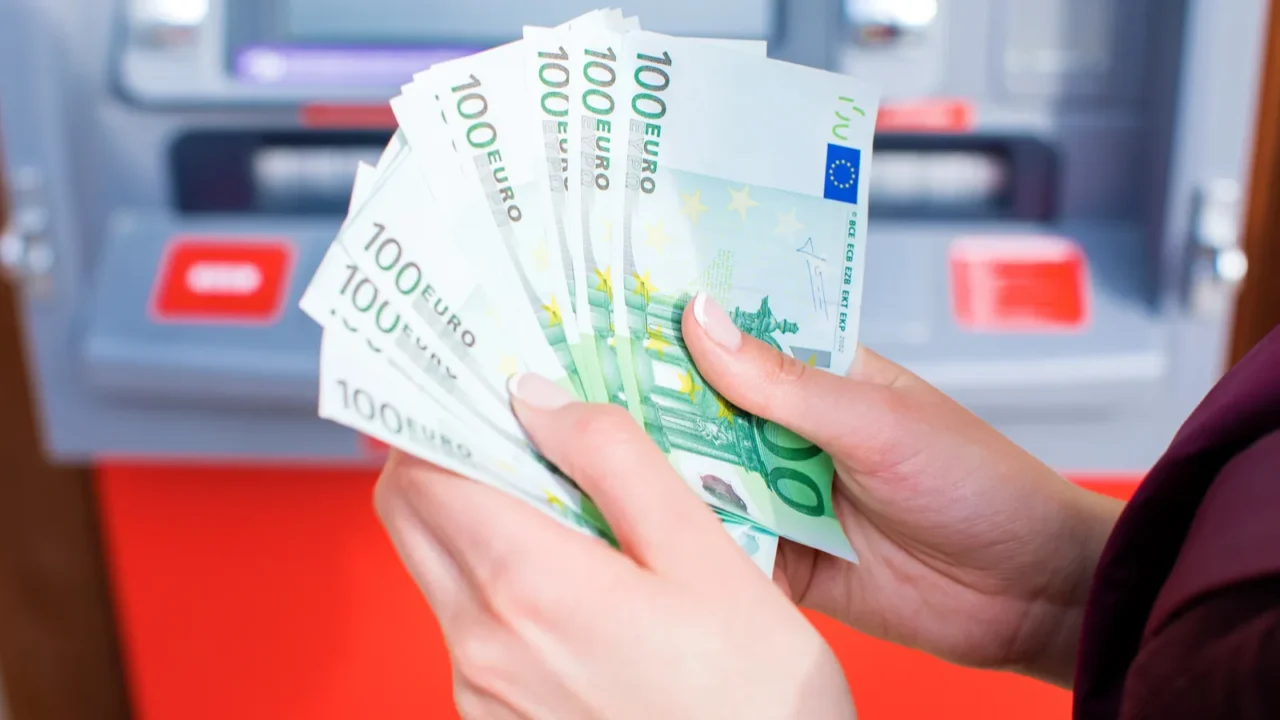
Currency swings are no longer background noise for travel planning in 2026. Exchange rates now influence where trips happen, how long they last, and what feels affordable. Destinations once seen as expensive suddenly feel reachable again.
Travelers now monitor exchange rates nearly as closely as flight prices when planning their trips. Timing matters just as much as destination choice. Let’s dive in!
Strong dollar changes routes
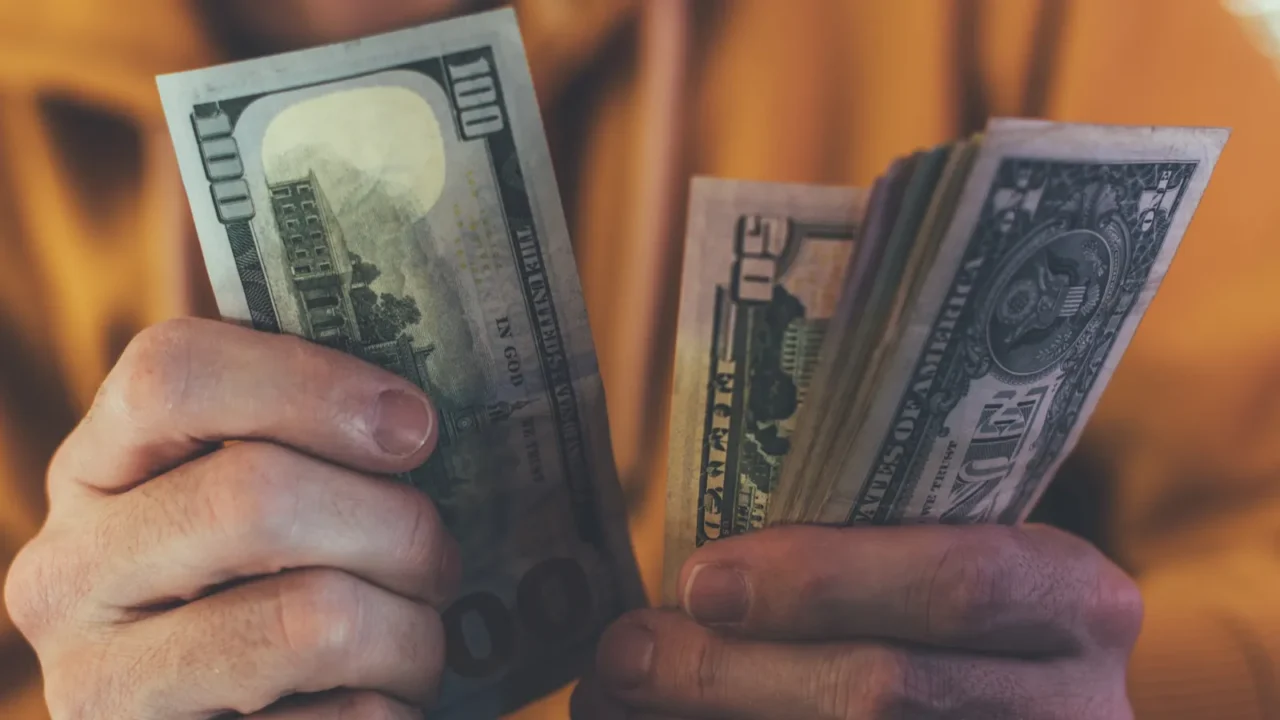
A strong US dollar continues to reshape global travel flows in noticeable ways. Americans are favoring Japan, South Korea, and parts of Southeast Asia, where costs stretch further. In Tokyo, hotel rates, dining costs, and transportation fees currently offer strong value for U.S. travelers due to the favorable exchange rate.
Meanwhile, Europe feels more selective for budget-conscious visitors. Paris and Rome remain popular, but trips are shorter. Value-driven planning defines 2026 itineraries.
Weak currencies draw crowds
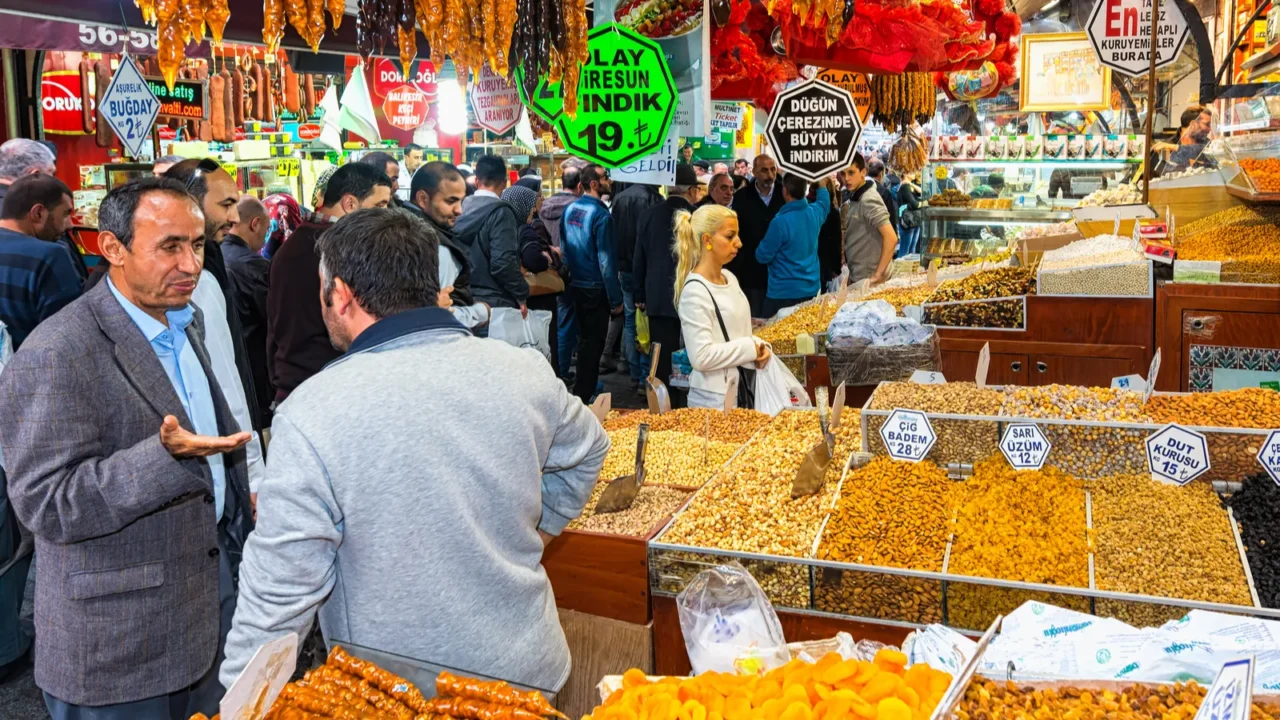
Countries with weaker currencies are seeing renewed tourism momentum. Argentina, Turkey, and Egypt are attracting travelers looking for high-value experiences. Meals, guided tours, and accommodations feel dramatically cheaper on arrival.
Buenos Aires’ acclaimed dining scene and Istanbul’s bustling bazaars are drawing international visitors back with noticeably lower on-ground costs. Longer stays become possible without higher budgets. Currency gaps quietly shape travel confidence.

Europe feels uneven now
Not all European destinations feel equally priced anymore. Portugal and Greece remain comparatively affordable against Northern Europe’s stronger currencies. Scandinavian trips feel noticeably more expensive than Mediterranean alternatives.
Travelers are mixing cities and regions carefully. Lisbon pairs well with Porto for budget balance. Currency differences create smarter multi-stop itineraries.
Asia benefits from balance
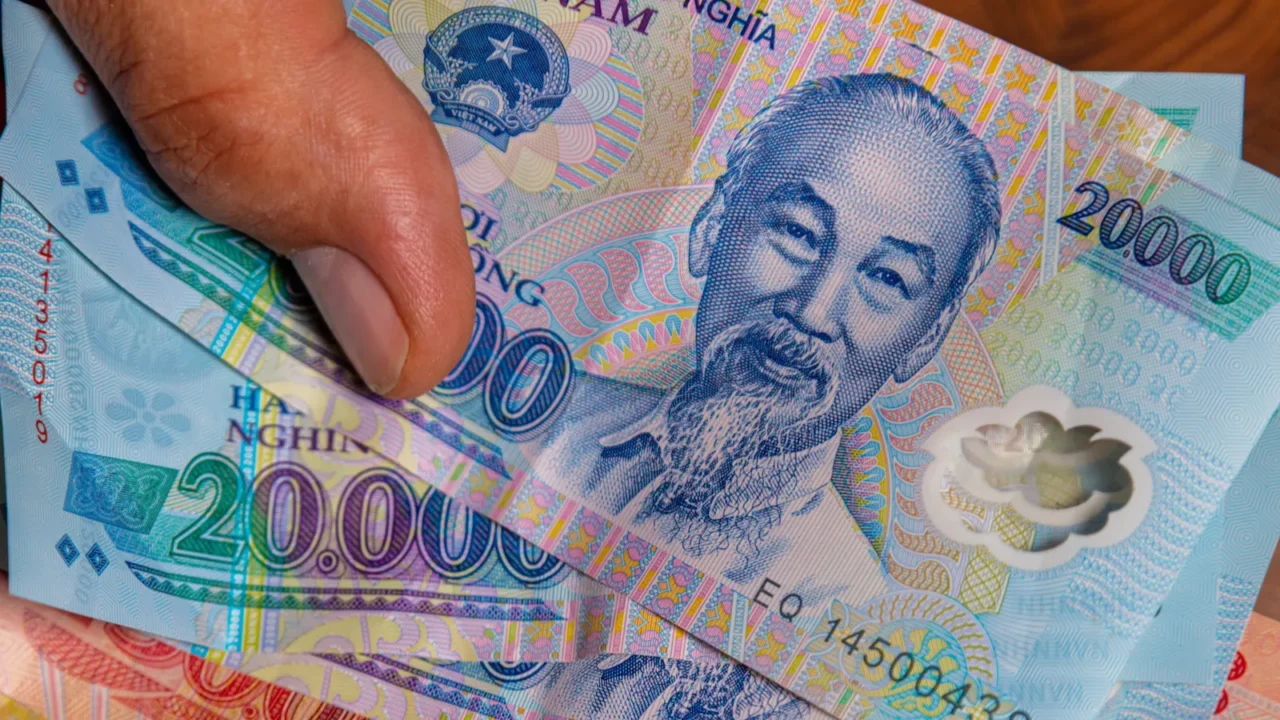
Asia’s currency stability creates comfort for long-haul planners. Japan’s yen continues drawing visitors back to Osaka, Kyoto, and Sapporo. South Korea and Vietnam also offer predictable daily costs.
Travelers feel safer committing weeks instead of days. Spending expectations stay realistic on arrival. Stability encourages deeper cultural exploration.
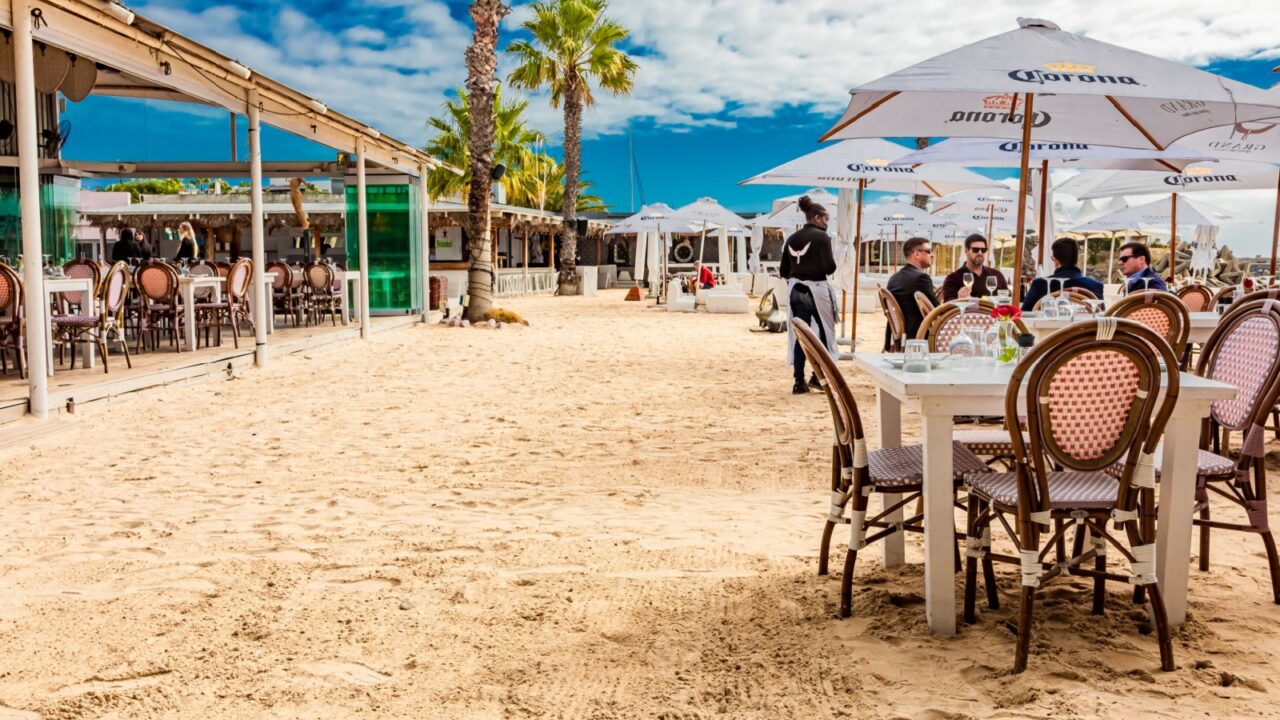
Africa gains cost appeal
Several African destinations benefit from favorable exchange rates. Morocco, Kenya, and South Africa feel more accessible for mid-range travelers. Safari extensions and cultural tours become realistic additions.
Cape Town dining and wine regions feel surprisingly affordable. Local tourism economies see longer stays. Currency shifts quietly boost regional growth.
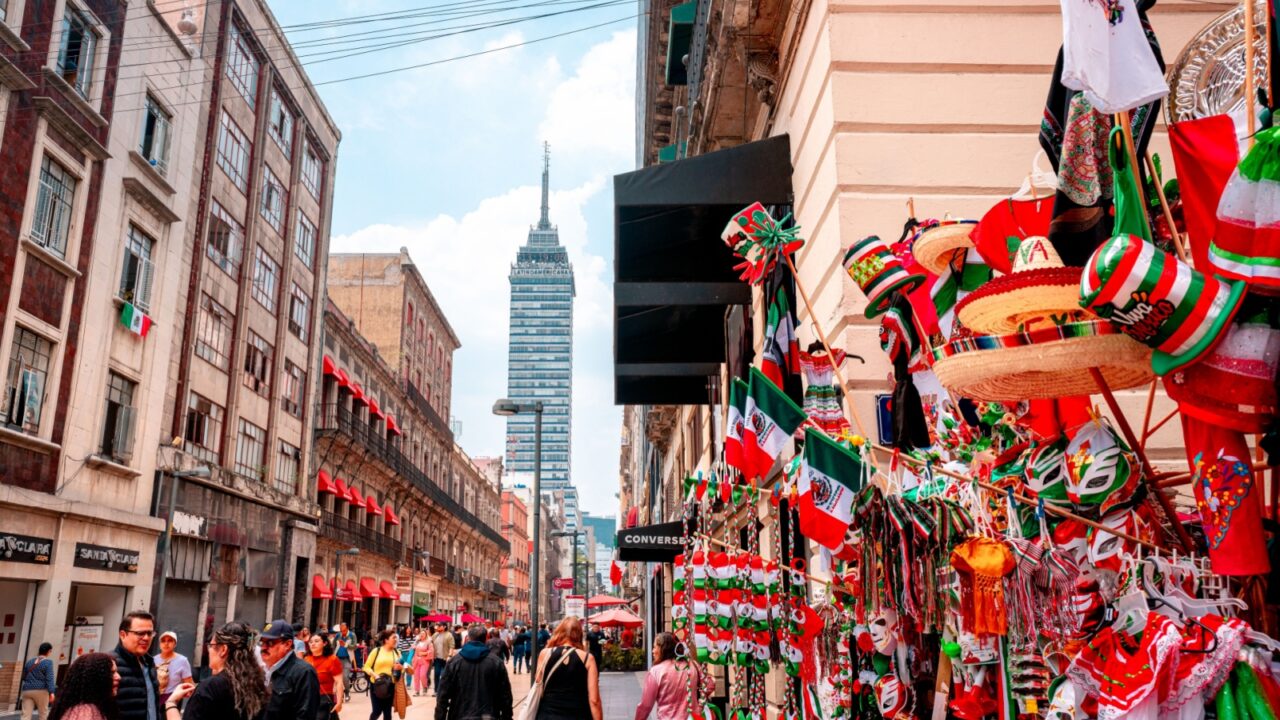
Latin America stays flexible
Latin America remains sensitive to currency movement in 2026. Mexico stays stable, while Colombia and Brazil fluctuate more frequently. Travelers plan flexible budgets and monitor rates closely.
Mexico City and Medellín remain strong value choices. Short-term volatility encourages adaptable itineraries. Flexibility becomes part of smart planning.

Booking timing matters more
Currency timing now influences when bookings happen. Travelers delay hotel reservations while watching exchange trends. Flights are locked first, lodging stays flexible.
This approach reduces regret when rates shift suddenly. Popular destinations reward patience. Strategy replaces impulse planning.

Travel insurance gets attention
Currency volatility intersects with broader financial risk planning. Travelers now review insurance for trip disruption and cost protection. Extreme weather and economic instability drive these choices.
Insurance policies feel less optional than before. Planning considers multiple uncertainties together. Financial awareness becomes travel literacy.
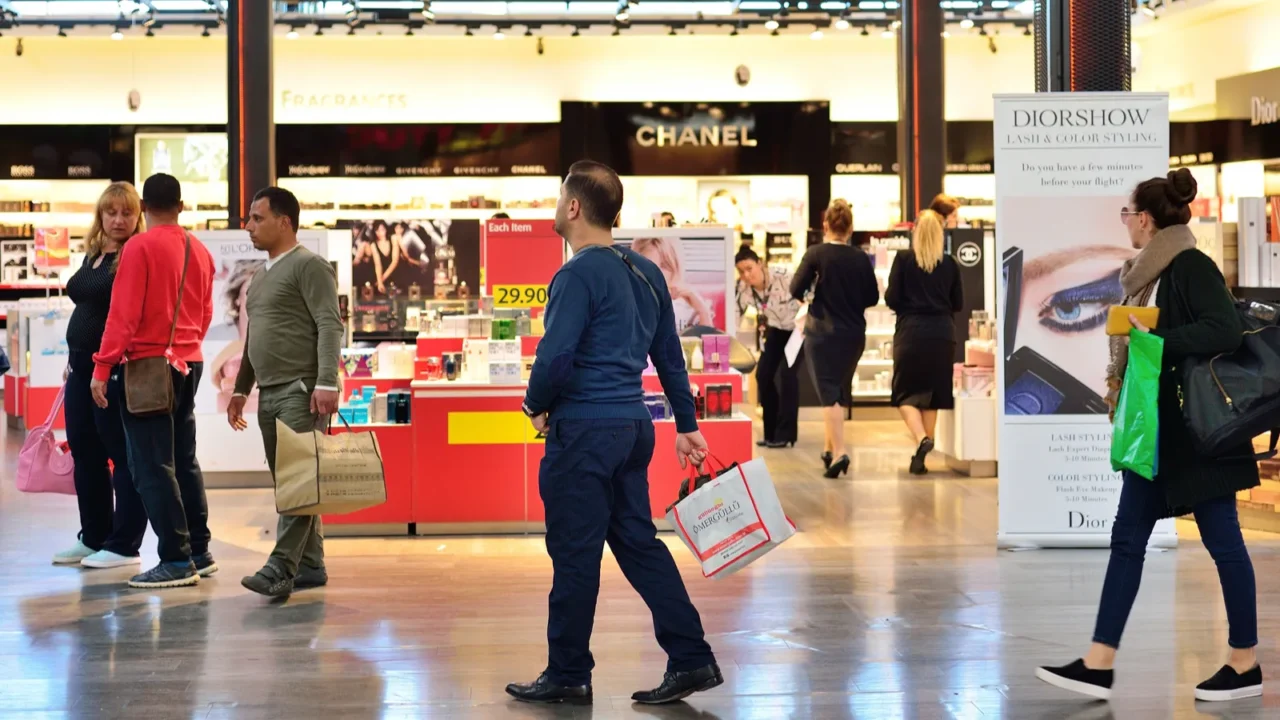
Local spending feels different
Daily spending feels different when currencies fluctuate sharply. Visitors adjust dining, shopping, and transport choices quickly. Cashless payments highlight real-time exchange impacts.
Markets and local cafés feel more attractive than luxury chains. Spending becomes intentional rather than automatic. Awareness shapes experiences.

Destinations adjust pricing
Tourism boards and hotels respond to currency changes. Some destinations promote value packages to attract foreign visitors. Others quietly raise prices to offset losses.
Japan and Turkey actively market affordability abroad. Messaging adapts quickly to exchange realities. Promotion becomes currency-aware.

Planning feels more strategic
Travel planning now feels closer to financial decision-making than pure inspiration. Travelers compare destinations through exchange calculators, daily budgets, and even guides like 15 Money Saving Secrets for family road trips when mapping routes. Emotional choices still matter, but practical math now shares the spotlight.
Flexibility wins over rigid schedules. Multi-destination trips balance strong and weak currencies. Strategy defines satisfaction.
Value reshapes wanderlust
Currency volatility doesn’t stop travel; it redirects it. New destinations rise as affordability shifts global interest. Value-driven travel feels smarter, not restrictive.
The best trips balance experience with financial comfort. Which destination feels most tempting with today’s exchange rates? Share your thoughts below!
This slideshow was made with AI assistance and human editing.
Don’t forget to follow us for more exclusive content right here on MSN.
Read More From This Brand:
