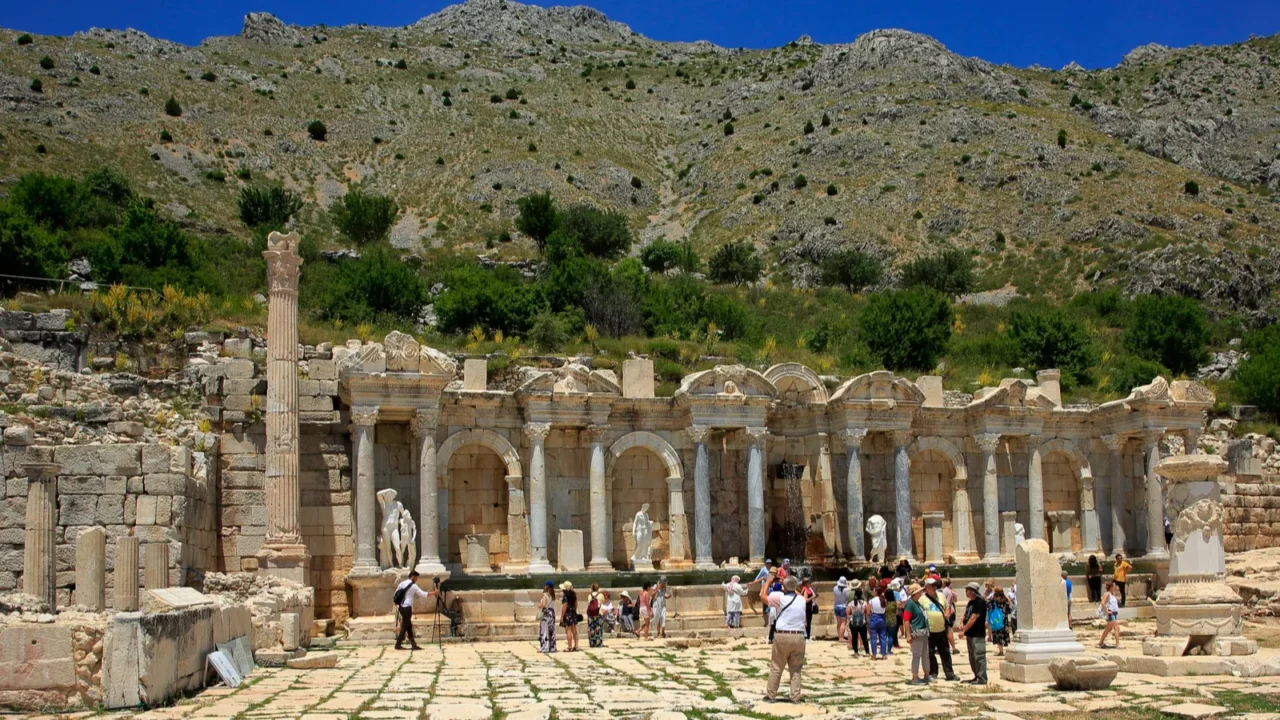
Cities that time never erased
Human civilization has long searched for permanence, and some cities have answered that call across millennia. The oldest continuously inhabited cities on Earth are not museum pieces frozen in time. They are living, breathing urban centers where ancient temples share skylines with modern infrastructure, where traditions passed down across generations coexist with contemporary commerce, and where history is not something visited but something lived every single day.
These cities defy the conventional narrative that ancient things are fragile. Populations have swelled, empires have risen and collapsed, and yet these places endured every transformation. Understanding what keeps them alive offers insight into human resilience, cultural identity, and the remarkable capacity of communities to adapt without losing what makes them fundamentally themselves across thousands of years.
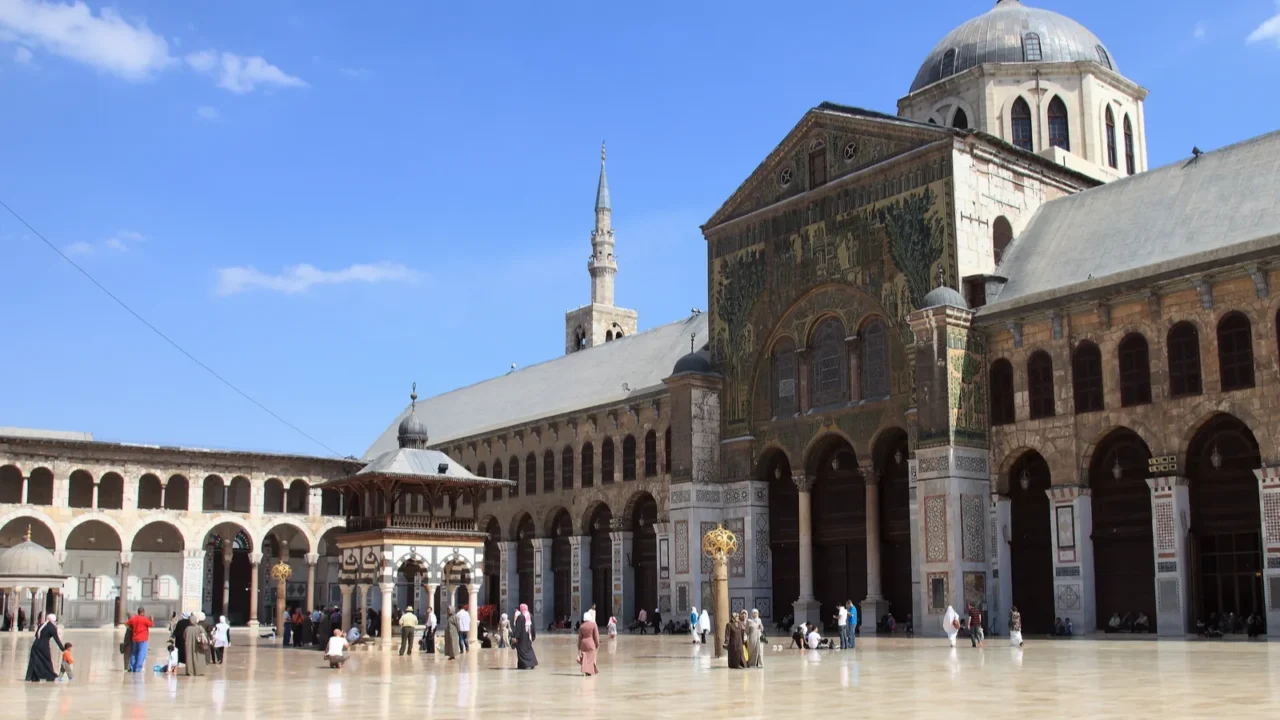
Damascus, Syria’s eternal capital
Damascus holds a place in the historical record that few cities can match. Located in southwestern Syria, it has evidence of settlement dating back approximately eleven thousand years from Neolithic sites like Tell Ramad, making it one of the strongest contenders for the oldest continuously inhabited city on the planet. The Syrian capital sits in a fertile basin formed by the Barada River, a geographic advantage that drew early settlers and sustained populations through centuries of shifting political control.
Despite the devastation of recent conflict, Damascus retains neighborhoods, markets, and architectural layers that predate most modern nations by millennia. The Old City, a UNESCO World Heritage Site, contains the Umayyad Mosque, ancient Roman-era streets, and traditional courtyard homes called damascene houses. The people of Damascus carry an identity shaped not just by memory but by physical proximity to thousands of years of uninterrupted urban life.
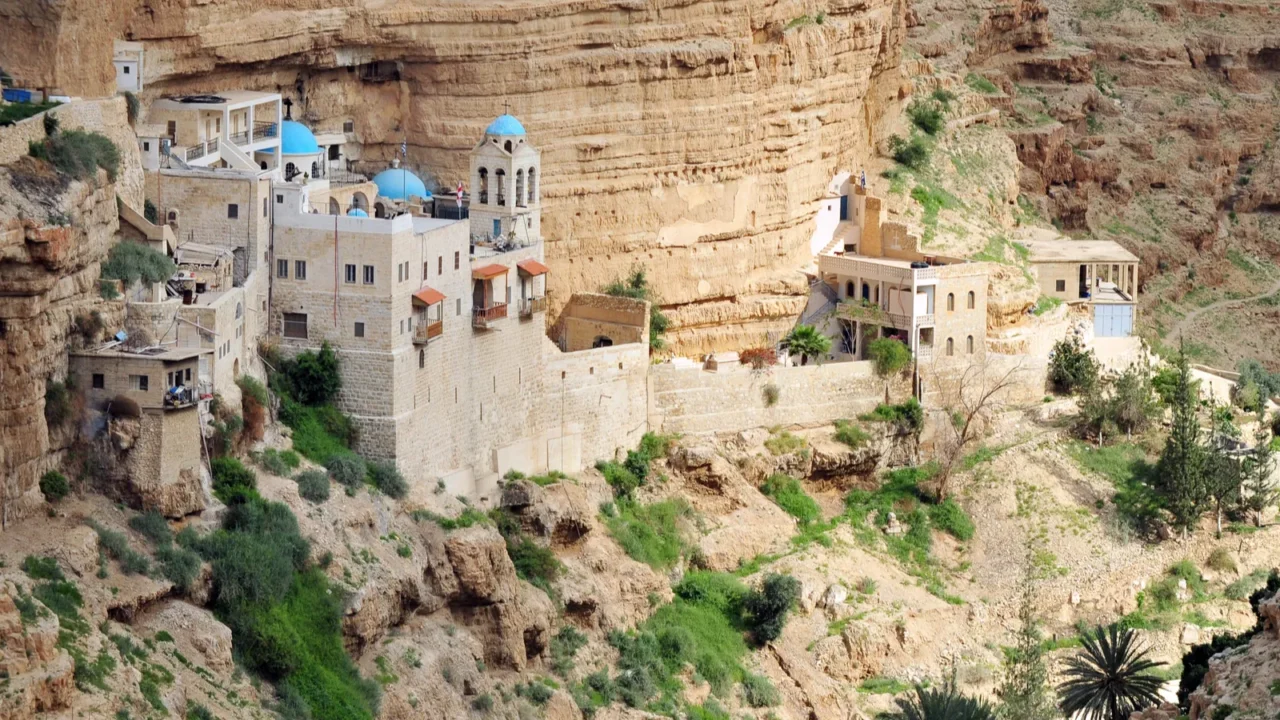
Jericho sits below sea level
Situated in the West Bank near the Jordan River, Jericho is widely recognized among archaeologists as one of the oldest continuously inhabited cities ever discovered. Excavations at the site of Tell es-Sultan have revealed settlement layers dating back approximately ten thousand years, offering a material record of human habitation that stretches from the Neolithic period through successive civilizations. Jericho’s position in the Jordan Valley, well below sea level, gives it a unique geography that shaped its development.
The city’s warm climate and access to natural springs, particularly the Ain es-Sultan spring, made it an agricultural hub long before writing existed. Today, Jericho is a Palestinian city of roughly twenty thousand residents who live alongside ancient ruins, Byzantine mosaics, and Herodian palace remains. The depth of history beneath everyday life in Jericho is extraordinary, each layer of soil holding evidence of communities that chose this place, again and again, across ten thousand years.
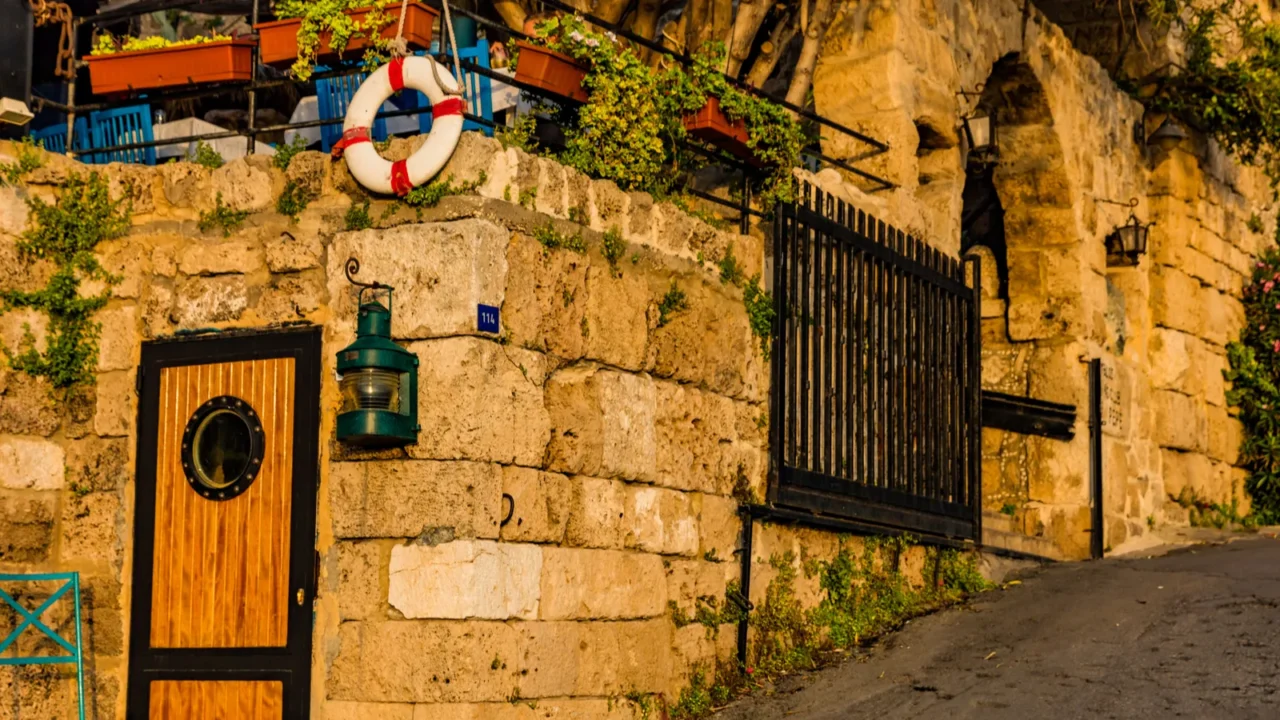
Byblos built Lebanon’s identity
Byblos, located on the Mediterranean coast of Lebanon, approximately forty kilometers north of Beirut, holds one of the most significant places in the history of written communication. The city, known today as Jbeil, has been continuously inhabited for roughly seven thousand years and was among the most important Phoenician port cities of the ancient world. Its commercial relationships with ancient Egypt and Mesopotamia made it a crossroads of early civilization, facilitating the exchange of goods, ideas, and cultural practices across the Mediterranean basin.
Byblos played an important role in the spread of Phoenician writing, and the Phoenician alphabet later influenced Greek and Latin scripts that shaped many modern writing systems. The modern English word “Bible” derives from the Greek “Byblos,” a direct reference to the papyrus trade that passed through this very city. Visitors today can walk through the ruins of Crusader castles, Phoenician temples, and Roman colonnaded streets within a single afternoon in Jbeil’s compact, UNESCO-listed archaeological zone.
Athens, democracy’s original home
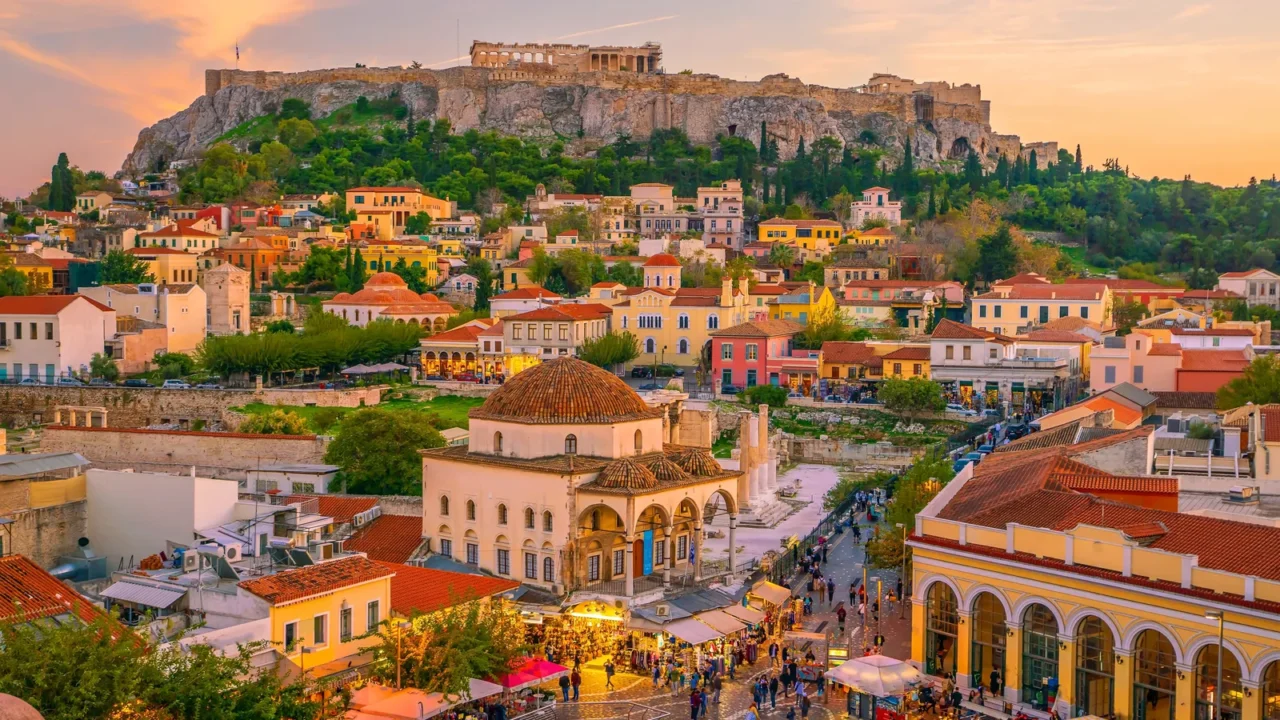
Athens, the capital of Greece, is one of the world’s oldest cities with recorded habitation stretching back at least three thousand four hundred years, though archaeological evidence suggests human presence in the region dating much further. The city rose to particular prominence during the Classical period, roughly the fifth and fourth centuries BCE, when it became the intellectual and political center of the ancient Mediterranean world. It was in Athens that democracy, philosophy, theater, and Western scientific inquiry found their earliest institutional expressions.
The Acropolis, the limestone hill at the city’s center crowned by the Parthenon, remains one of the most visited monuments on Earth, drawing millions of travelers annually. Yet Athens is far from a preserved relic. It is a dynamic metropolis of nearly four million people with a thriving arts scene, contemporary architecture, and a culinary culture that has attracted international attention. The city wears its ancient legacy not as a burden but as a backbone.
Plovdiv, Bulgaria’s living museum
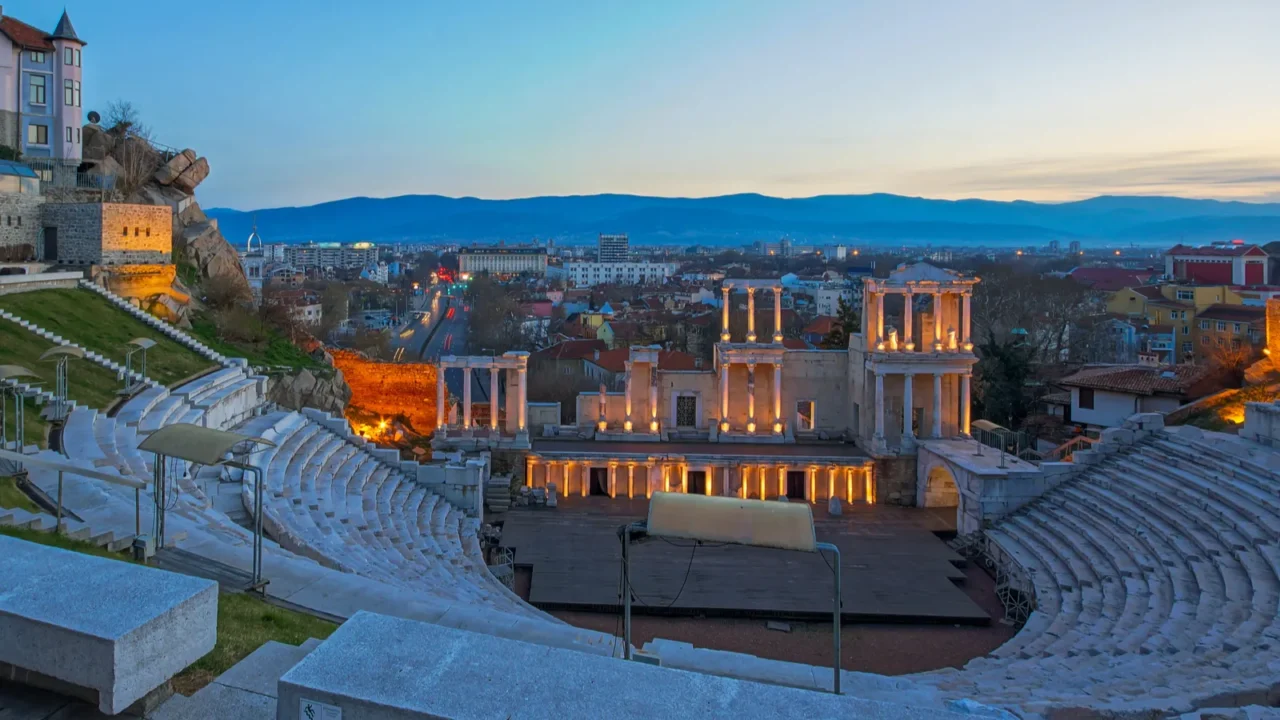
Plovdiv, located in southern Bulgaria along the Maritsa River, is widely considered one of the oldest continuously inhabited cities in Europe, with settlement in the area dating back several millennia. Long before it became the Roman city of Philippopolis, Plovdiv was a Thracian settlement built across a series of volcanic hills that gave the city its distinctive skyline. Each successive civilization left architectural traces readable like chapters in an open-air textbook. The Old Town district showcases National Revival architecture, with colorful nineteenth-century houses cantilevering dramatically over cobblestone streets. In 2019, Plovdiv earned the designation of European Capital of Culture.
Luxor holds Egypt’s grand legacy
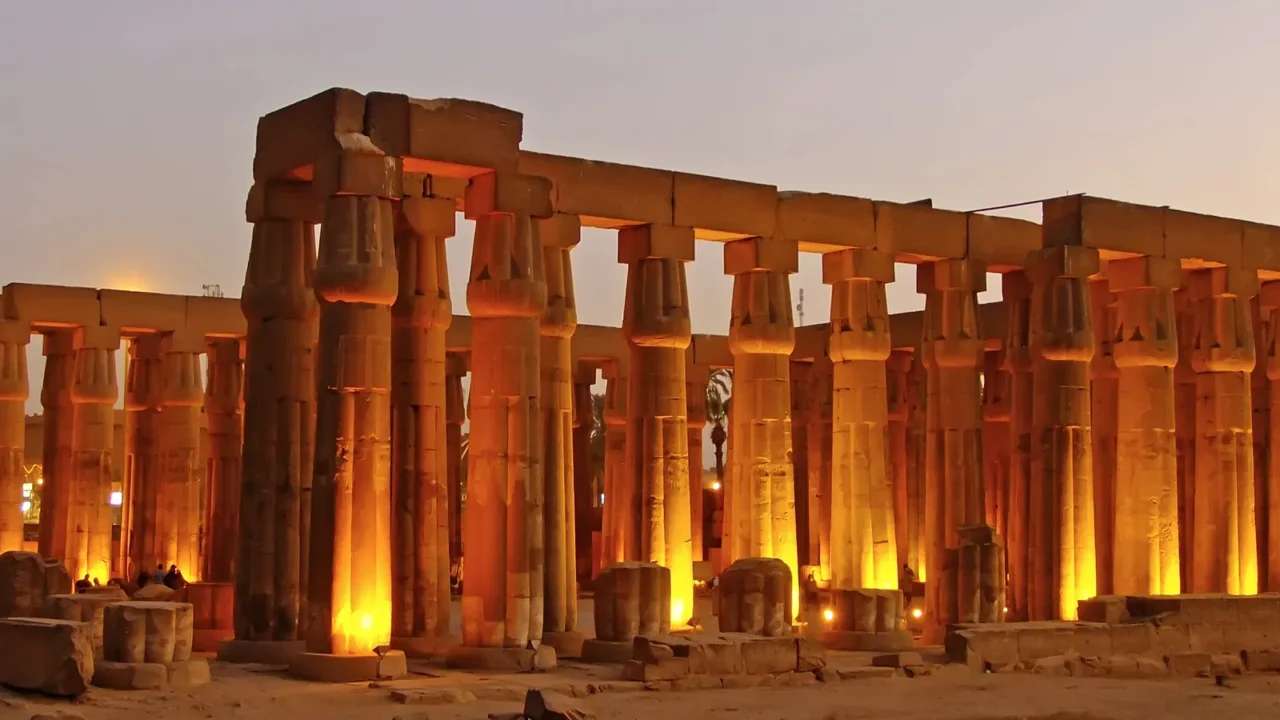
Luxor, situated on the east bank of the Nile River in Upper Egypt, occupies the site of ancient Thebes, the magnificent capital of Egypt’s New Kingdom period from approximately 1550 to 1070 BCE. With a continuous urban presence stretching back over four thousand years, Luxor contains the highest concentration of ancient monuments found in any single city on Earth. It is sometimes called the world’s greatest open-air museum, a description that is difficult to argue against when standing before the sheer scale of what remains.
The Karnak Temple Complex, covering over one hundred hectares, took more than two thousand years to build as successive pharaohs added pylons, obelisks, and sanctuaries. The Valley of the Kings, located across the Nile on the west bank, contains more than sixty tombs, including the tomb of Tutankhamun. Luxor today is a city of approximately five hundred thousand people where modern neighborhoods border ancient temples in an arrangement that nowhere else on Earth quite replicates.
Aleppo’s resilient ancient roots
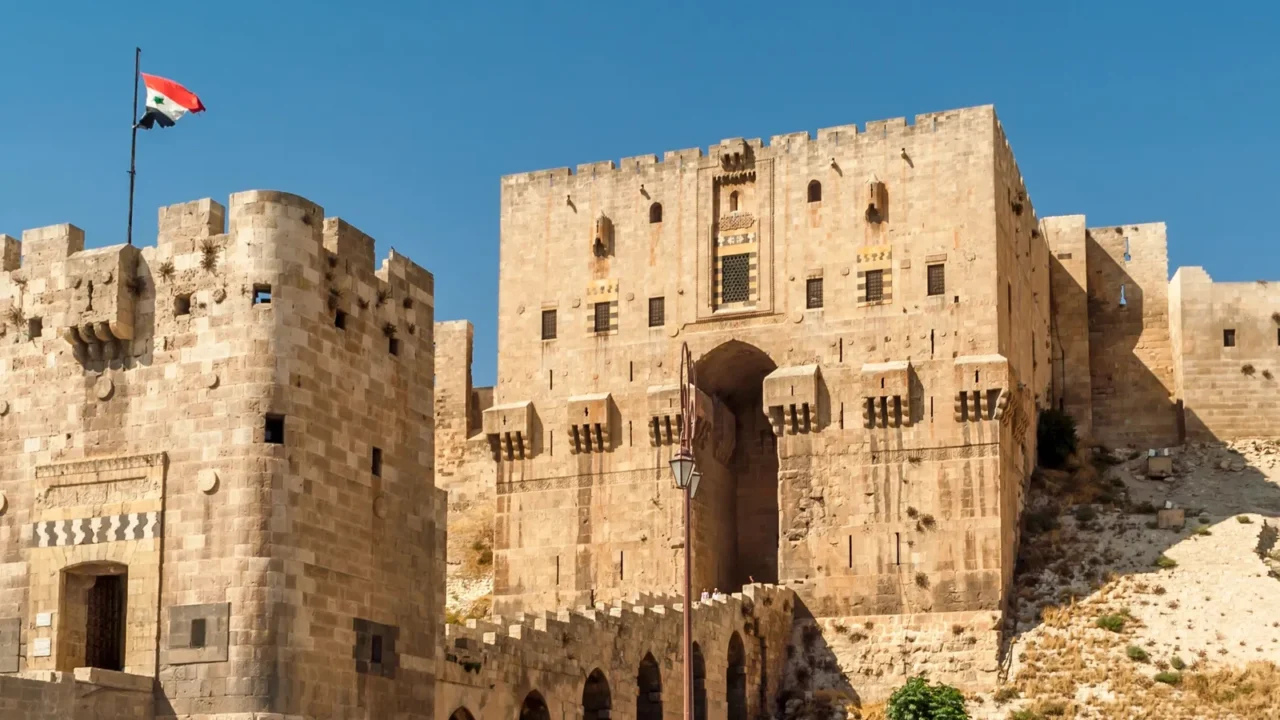
Aleppo, located in northwestern Syria, is one of the oldest continuously inhabited cities in the world, with evidence of settlement dating back approximately eight thousand years. For much of its history, Aleppo functioned as a critical node along the Silk Road, connecting trading networks stretching from China and Central Asia to the Mediterranean and beyond. Its central covered market, the Souq al-Madina, was once the longest covered bazaar in the world and served as an economic hub for merchants traveling across continents for centuries. The city has faced devastating destruction during the Syrian civil war, and the international community’s attention was repeatedly drawn to the loss of irreplaceable architectural heritage in its ancient quarters. Yet Aleppo’s population has begun returning, and reconstruction of the Old City is underway.
Fact: Aleppo’s citadel, part of the city’s UNESCO World Heritage significance, rises above a site with occupation stretching back to antiquity and remains one of the city’s defining historic landmarks.
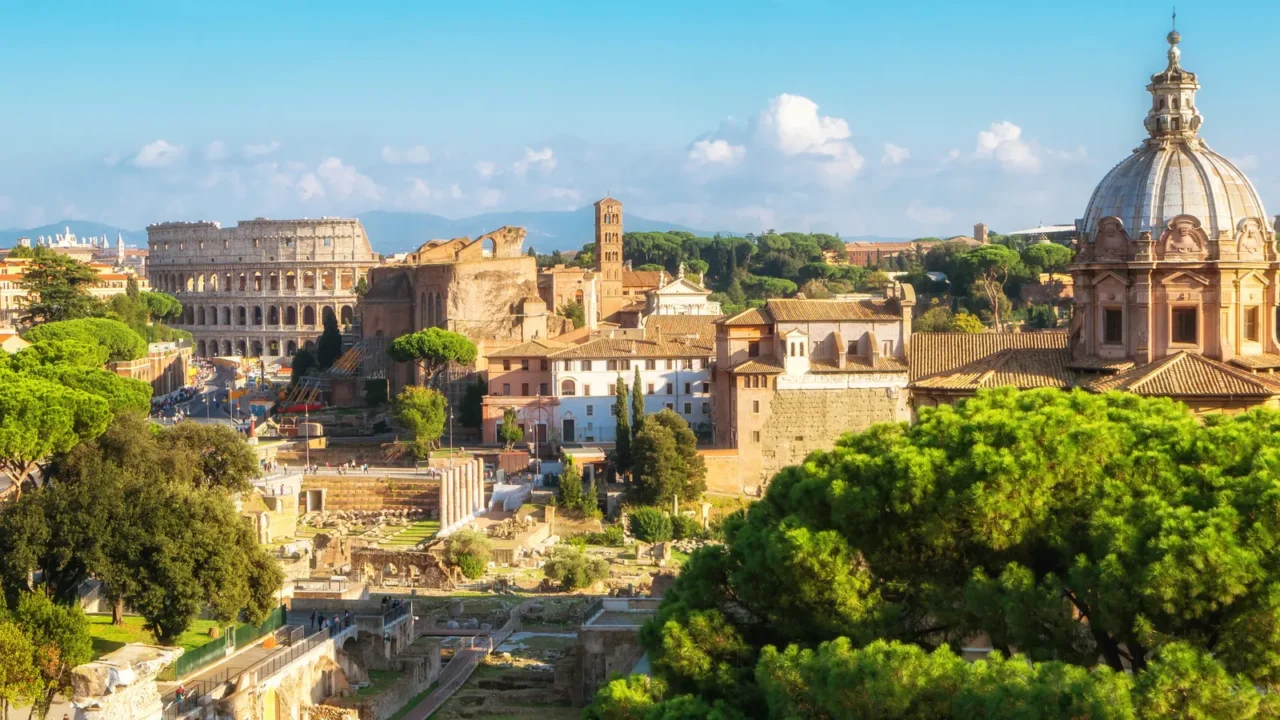
Rome was not built overnight
Rome, the capital of Italy, stands as one of the most consequential cities in the history of human civilization, with continuous habitation documented for approximately two thousand eight hundred years. The city grew from a cluster of Iron Age settlements on the hills beside the Tiber River into the capital of an empire that stretched from Scotland to Mesopotamia. At its peak, Rome housed over one million residents, a population size that no other Western city would match again until London in the nineteenth century.
What makes Rome remarkable today is not only its ancient monuments but the seamless way modern Roman life unfolds around them. Commuters ride buses past the Pantheon, cafes operate beside triumphal arches, and apartments overlook forums that once hosted the Senate of the ancient world. Rome is a city of layered time, where every street renovation risks uncovering another archaeological find, and where living is perpetually intertwined with the weight and texture of an extraordinary past.
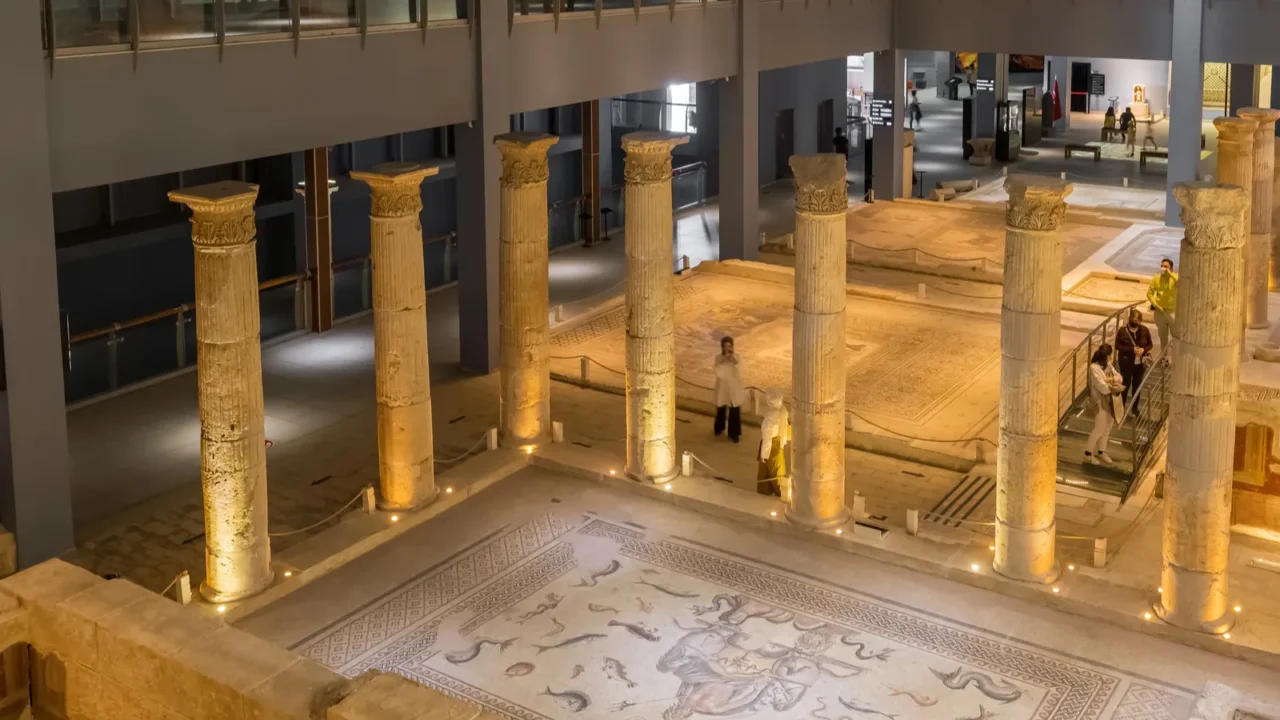
Gaziantep, Turkey’s culinary ancient city
Gaziantep, located in southeastern Turkey near the Syrian border, is one of the oldest continuously inhabited cities in the world, with settlement evidence dating back approximately six thousand years. Known historically as Antep and officially renamed Gaziantep in 1921 to honor its residents’ resistance during the Turkish War of Independence, the city has survived successive rule under Hittite, Assyrian, Roman, Byzantine, and Ottoman civilizations. Each era deposited cultural and architectural layers that remain visible across the city today.
Gaziantep is recognized internationally as a UNESCO Creative City of Gastronomy, a distinction rooted in its extraordinary culinary traditions. The city produces what many consider the finest baklava in the world, layered with locally grown pistachios that have been cultivated in the surrounding region for centuries. Beyond its food culture, Gaziantep houses the Zeugma Mosaic Museum, home to one of the largest and best-preserved collections of Roman mosaics anywhere on Earth, drawing scholars and visitors from across the globe annually.
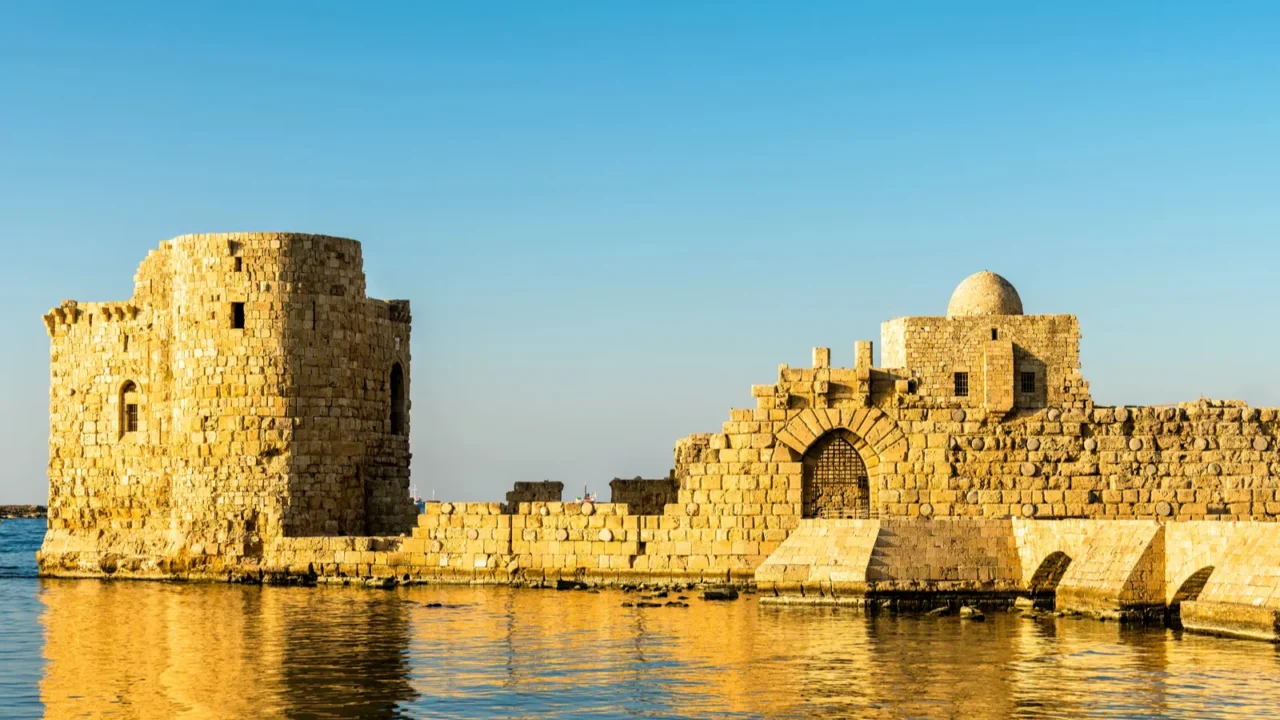
Sidon shaped Phoenician Sea trade
Sidon, located along the southern coast of Lebanon approximately forty kilometers south of Beirut, is among the oldest continuously inhabited cities in the world, with evidence of settlement dating back approximately six thousand years. In antiquity, Sidon was the most powerful of the Phoenician city-states and the commercial gateway through which the purple dye trade, made from Murex sea snails, transformed the ancient Mediterranean economy. The very name Phoenicia derives from the Greek word for purple, a color so closely associated with Sidon that it shaped how an entire civilization was remembered.
The city, known today as Saida, is home to roughly two hundred thousand people and retains a remarkable density of historical layers. The Sea Castle, a Crusader fortress built on a small island and connected to the mainland by a narrow causeway, remains one of Lebanon’s most evocative landmarks. Beneath its modern streets lie Phoenician, Greek, Roman, and Ottoman remains, underscoring how deeply the ancient past still shapes urban life in present-day Saida.
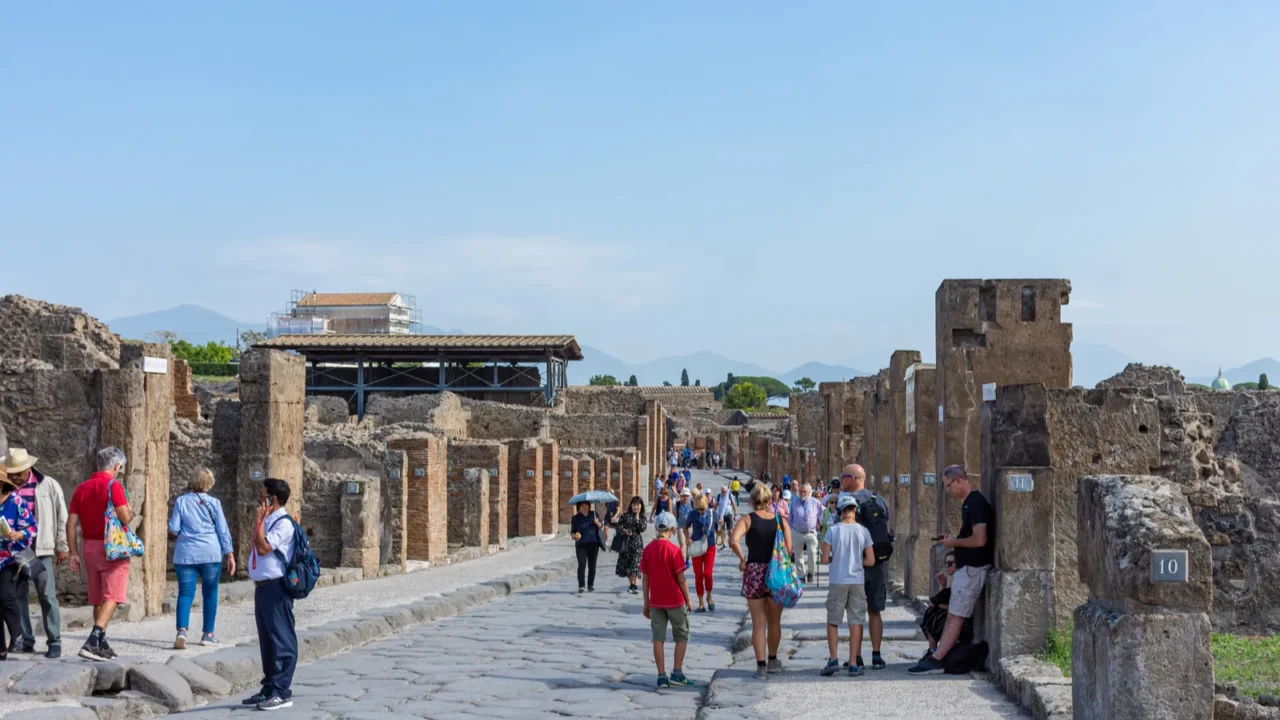
Ancient cities, enduring human spirit
The oldest continuously inhabited cities on Earth share a quality that transcends their individual histories, monuments, and geographies. Each one represents a collective decision made repeatedly across thousands of years by countless generations who chose to remain, rebuild, and invest in place. That choice, repeated across millennia despite invasions, natural disasters, and political upheaval, reveals something fundamental about the human relationship with belonging, memory, and the meaning that communities derive from shared ground and shared story.
Traveling to these cities is not simply an exercise in tourism or historical curiosity. It is an encounter with the full arc of what human beings have managed to create and sustain on this planet. Standing in Damascus, Jericho, or Rome, the sensation is consistent: time collapses, not unlike what happens in cities investing in pedestrian-only tourist zones, where slowing down reveals just how close the ancient past truly remains.
These cities were thriving before most modern nations even existed. Which one would you walk through first if you had the chance?
This slideshow was made with AI assistance and human editing.
Don’t forget to follow us for more exclusive content right here on MSN.
Disclaimer: The images used are for illustrative purposes only and do not depict the actual locations mentioned.
Read More From This Brand:
