
Europe tightens rental rules
Landing in a European city and unlocking a rental with a quick keypad code is becoming rare. More cities are rethinking short-term rentals because locals are getting priced out and neighborhoods are losing their long-term residents.
Travelers arriving in places like Milan, Amsterdam, or Barcelona will now find fewer entire-home listings and more rules to follow. It’s changing the easy, flexible travel style that many people have grown used to over the last decade.
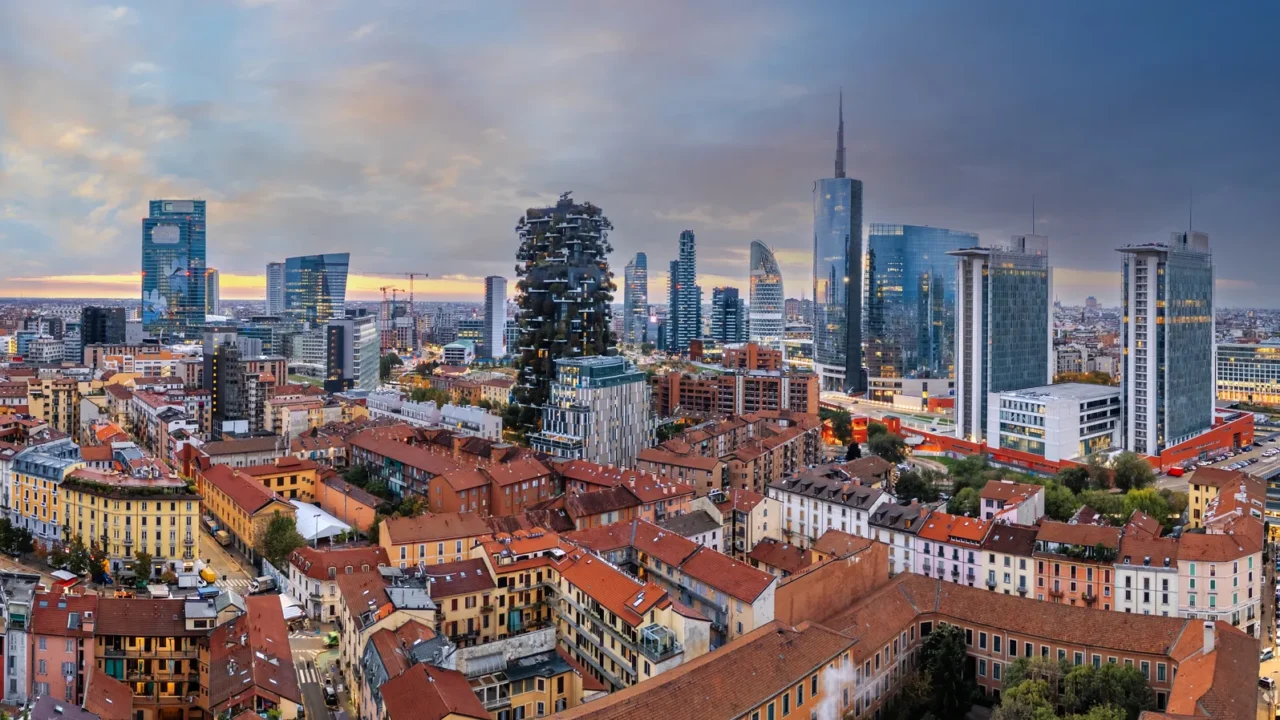
Milan to end easy key-box check-ins by 2026
Milan’s new rule banning outdoor key-boxes for short-term rentals is shaking things up. Starting January 2026, hosts can no longer rely on easy self-check-ins, and travelers will need to meet someone in person or follow controlled entry steps.
The city wants more accountability, safer streets, and fewer anonymous arrivals. For travelers, it means planning arrival times carefully and expecting a more traditional check-in instead of a late-night, code-only entry.
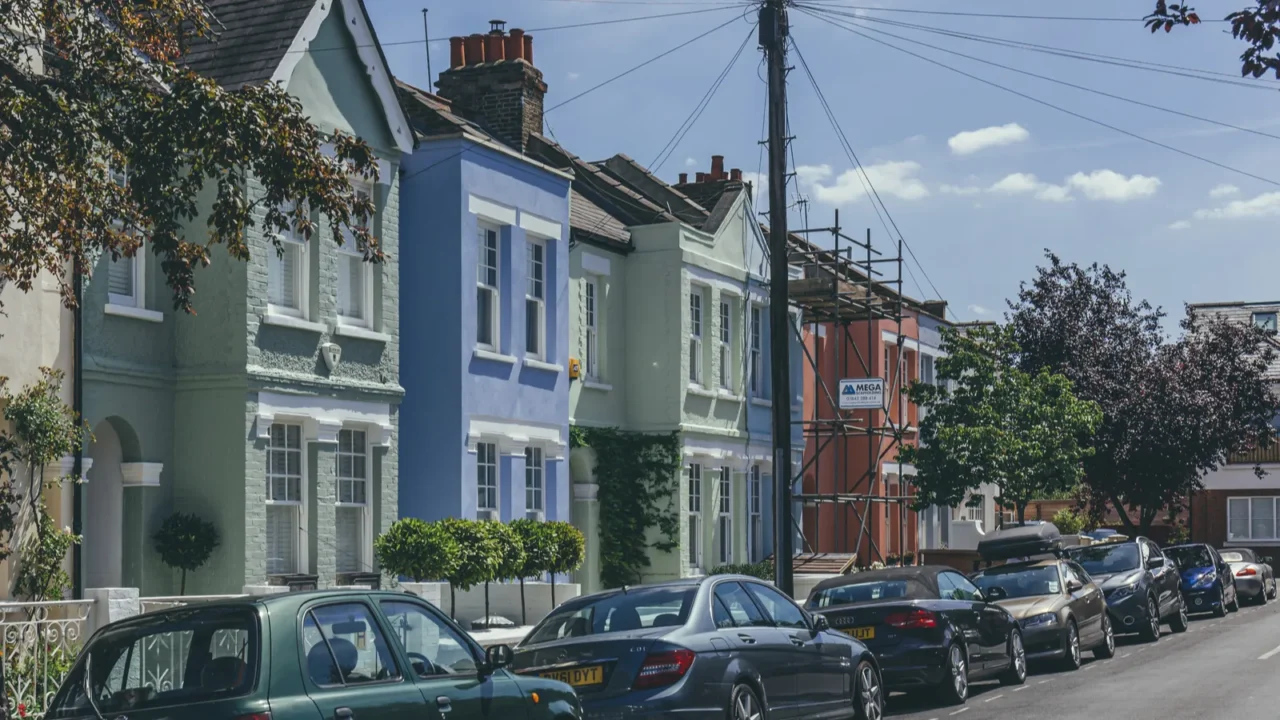
Why cities are pushing back
Many European cities feel overwhelmed by “too many tourists, not enough homes.” Short-term rentals often turn residential buildings into revolving doors of visitors, driving up prices and shrinking housing options for locals.
This shift isn’t just an economic issue; it’s about preserving the character of neighborhoods. When long-time residents move away, the atmosphere disappears, and cities are trying to protect that before it’s too late.
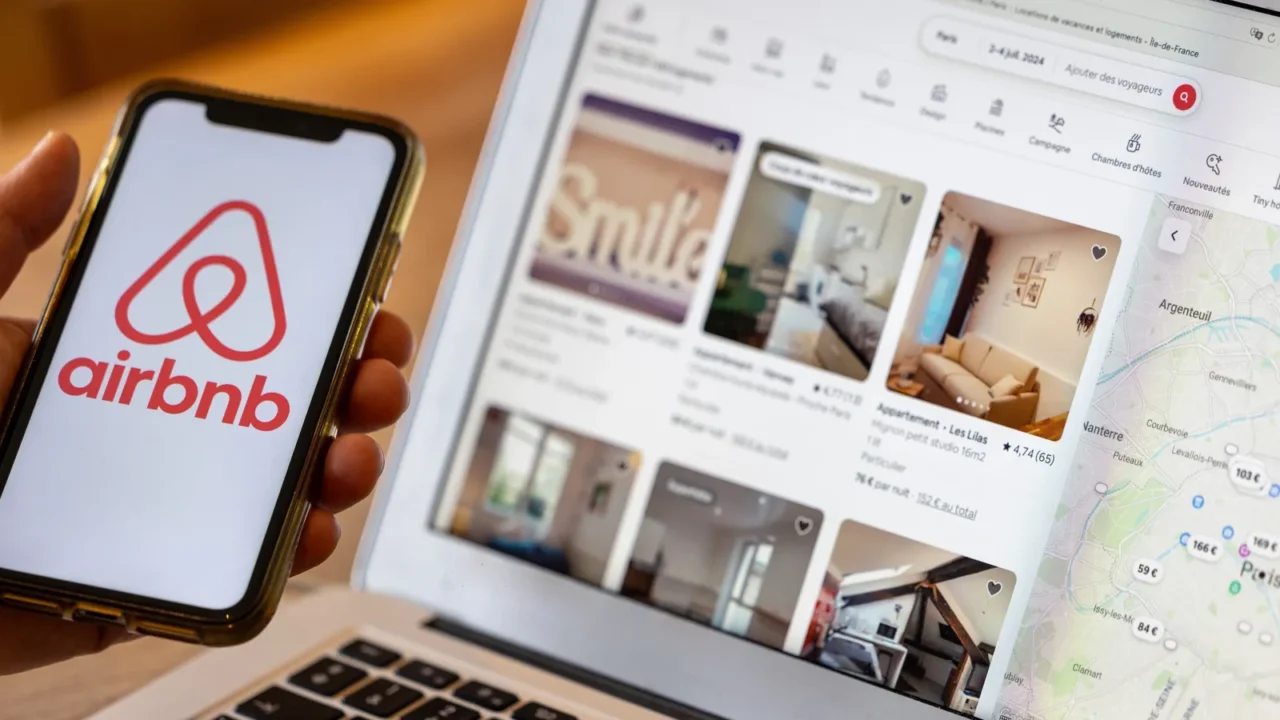
Fewer rental listings available
Travelers may notice that entire apartments, once easy to grab on booking apps, are disappearing. Popular districts in cities like Budapest and Paris are limiting how many homes can be rented out short-term.
This squeeze creates more competition for legal rentals, making the search a little tougher. Booking early and double-checking details becomes more important, especially during holiday seasons when availability drops fast.

Expect higher nightly prices
With fewer rentals on the market, the remaining ones often get more expensive. That gap pushes many travelers toward hotels, which may see higher demand and rising prices, too.
Budget travelers might feel the change most, especially in places that were known for affordable apartment stays. Planning early and comparing hotels, B&Bs, and licensed rentals will help avoid surprises.

New rules and real penalties
Cities are rolling out strict rules, registration numbers, night limits, and clear guest guidelines. Paris now uses heavy fines for illegal rentals, and Amsterdam controls how many nights a property can host tourists.
Visitors can get caught up in these rules if a listing isn’t legal. That means travelers should check that a rental is properly registered, so they don’t face last-minute cancellations or unexpected issues upon arrival.
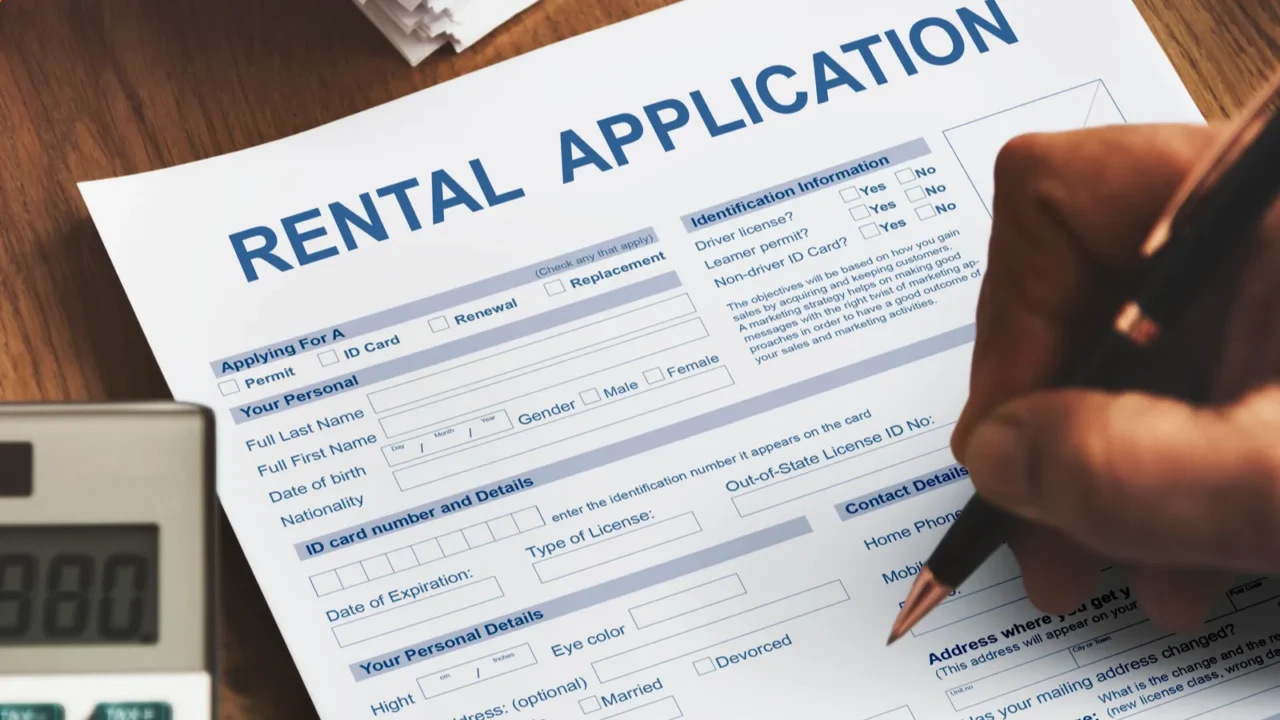
Making sure listings are legal
Some cities have thousands of rentals that do not meet local laws. Booking platforms may show them anyway, leaving travelers confused or at risk of sudden booking changes.
To avoid problems, travelers are encouraged to check host registration numbers or look for listings marked as verified. A little extra time during booking can save stress when you arrive.
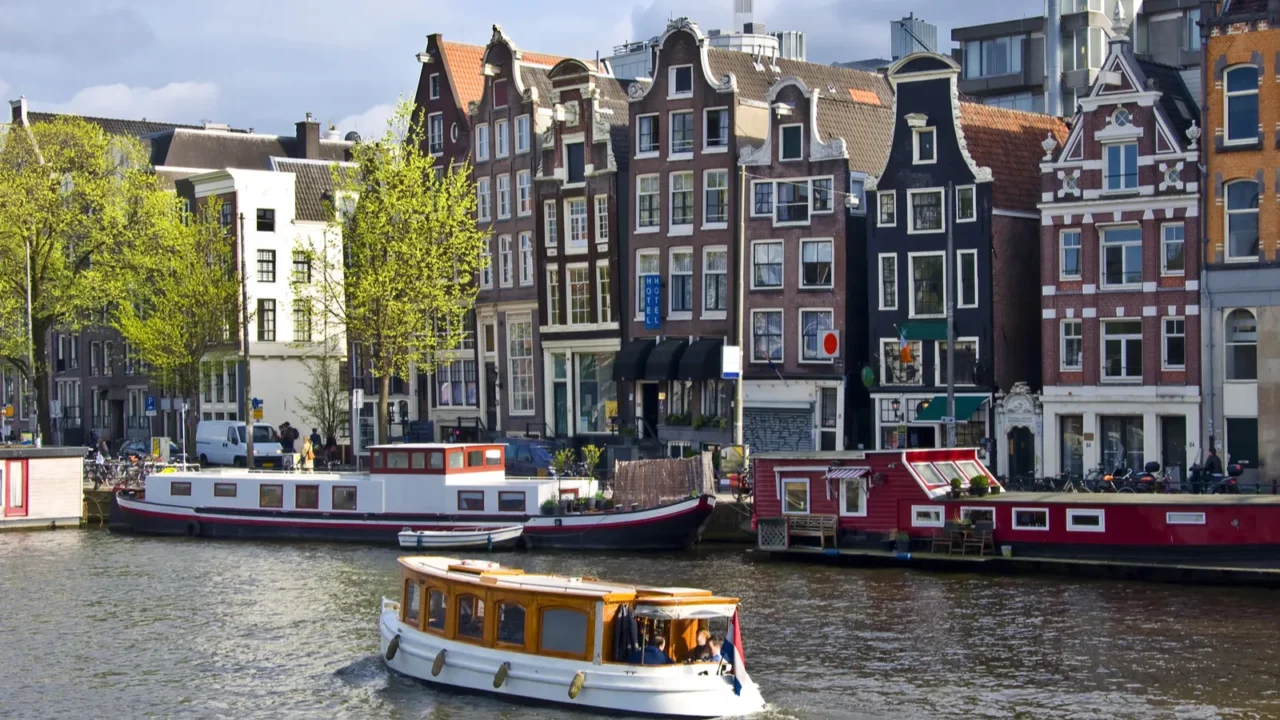
Amsterdam tightens tourist stays
Amsterdam’s famous canal neighborhoods face strict controls. In designated zones, non-primary residences can be limited to 30 nights per year, and some districts block tourist rentals altogether.
For travelers hoping for a cozy canal apartment, options now move fast. Many end up choosing licensed guesthouses or small boutique hotels that meet city rules.

Barcelona plans a full rental ban
Barcelona plans to phase out all short-term apartment rentals by 2028 gradually. Local leaders say the city needs homes for residents, not more tourist rentals.
Travelers will eventually need to rely on hotels, regulated B&Bs, or officially licensed stays. This shift could reshape how people visit one of Europe’s most popular destinations.

Budapest bans rentals in key district
Budapest will ban short-term rentals in its busy 6th district, an area filled with theaters, cafés, nightlife, and major attractions. The city believes residents are being pushed out as more buildings become tourist-only spaces.
For visitors, it means fewer apartments near top sights and a shift toward hotels or rentals farther away. The move could also raise prices in surrounding neighborhoods.
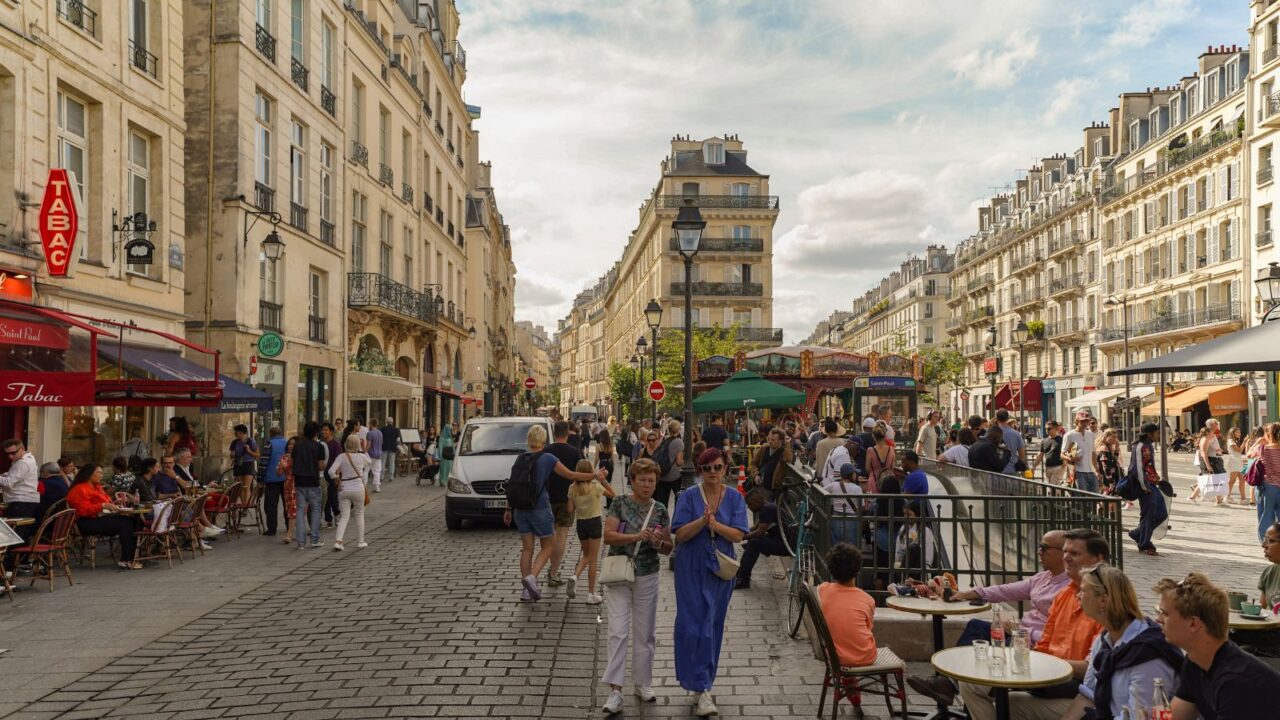
Paris increases pressure on hosts
Paris now requires strict licensing for short-term rentals, especially in central districts. Hosts who skip the rules face serious fines, and the city actively checks for illegal listings.
Travelers may see fewer “cute Paris flats” in popular neighborhoods. Hotels and registered apartments become the safer, more predictable choice for anyone visiting the city.

What travelers should do next
The new landscape means planning matters more than ever. Before booking, travelers should ask hosts clear questions about check-in, registration, and local restrictions.
Arriving without a plan, especially late at night, can cause major headaches. Choosing verified entry methods or on-site staff can help avoid last-minute surprises.
For travelers, it means being flexible and embracing new ways of staying. A little extra planning ensures smoother trips and helps support the communities we’re eager to explore.
Want to explore Europe without stretching your budget? Discover the best budget-friendly cities for 2025.

Old-school check-ins return
More cities want face-to-face check-ins to ensure identity verification and calmer neighborhoods. Travelers may need to coordinate meeting times or wait for someone to hand over keys.
It adds a small layer of effort, but it also brings more clarity and a stronger sense of security. Some people even enjoy the human connection after years of fully contactless travel.
These changes reflect a larger movement across Europe toward protecting local life while still welcoming visitors. Cities want to avoid turning entire districts into tourist zones full of short stays and empty homes.
If you’re looking for an affordable, environmentally friendly option in the U.S., check out eco-friendly Airbnbs you can actually afford.
What do you think about these new rules? Drop your thoughts in the comments.
This slideshow was made with AI assistance and human editing.
Don’t forget to follow us for more exclusive content right here on MSN.
Read More From This Brand:
