A sudden shift in travel rules
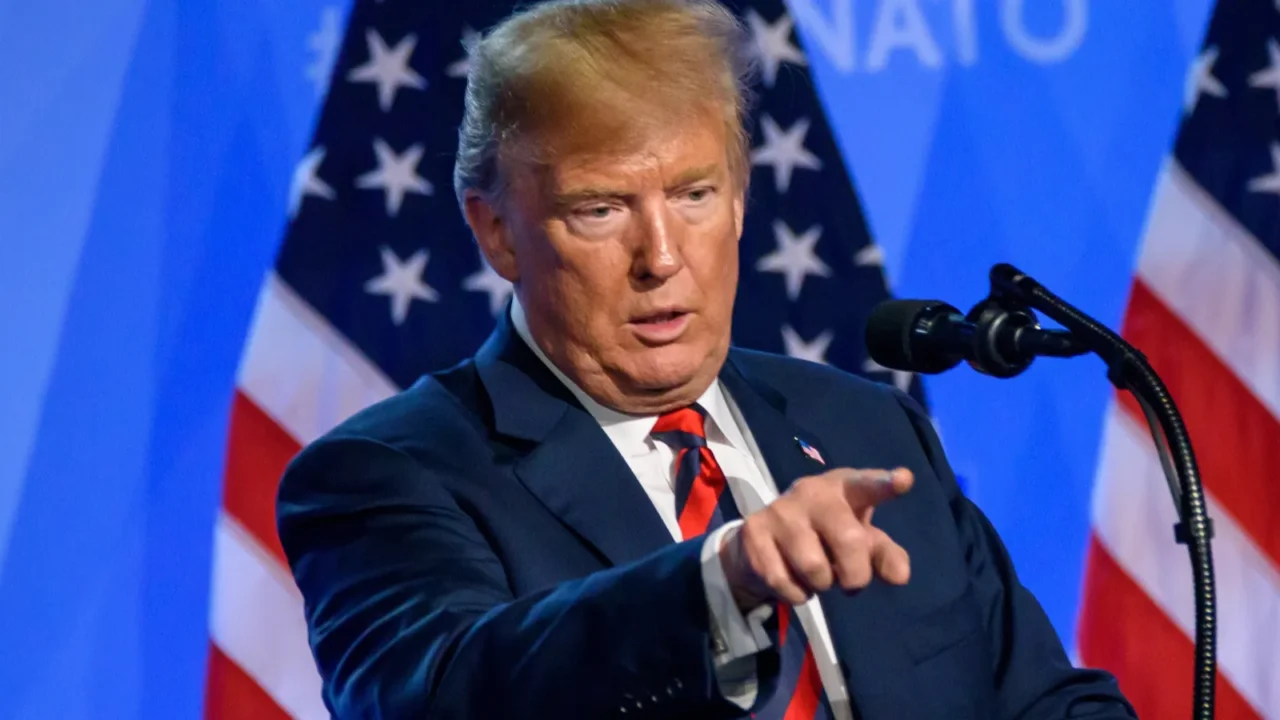
A lot of people are waking up to the news that the U.S. may now block travelers from more than 30 countries, and it’s catching many by surprise. The change comes as the administration tightens security after a recent high-profile case sparked national concern.
Homeland Security Secretary Kristi Noem says the list will grow, but she hasn’t named which countries are next. That uncertainty has left families, students, and workers wondering if their future plans might suddenly change.
Why the list is getting longer
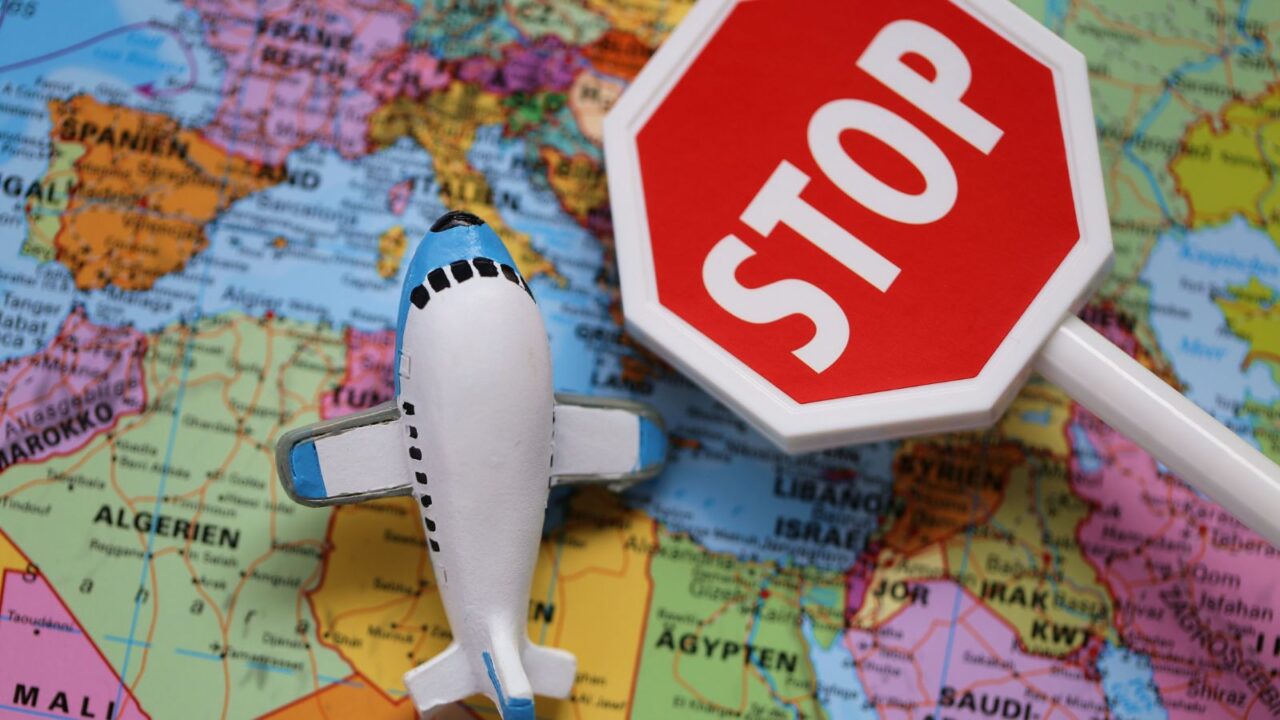
Officials say the expansion builds on a travel ban announced earlier this year, which already limited travel from 19 nations. Those earlier rules affected both visitors and long-term immigrants.
The new push aims to widen the restrictions even further as the administration looks for countries it believes can’t reliably verify travelers. The goal, according to leaders, is to prevent security gaps before they reach U.S. borders.
What sparked the renewed push
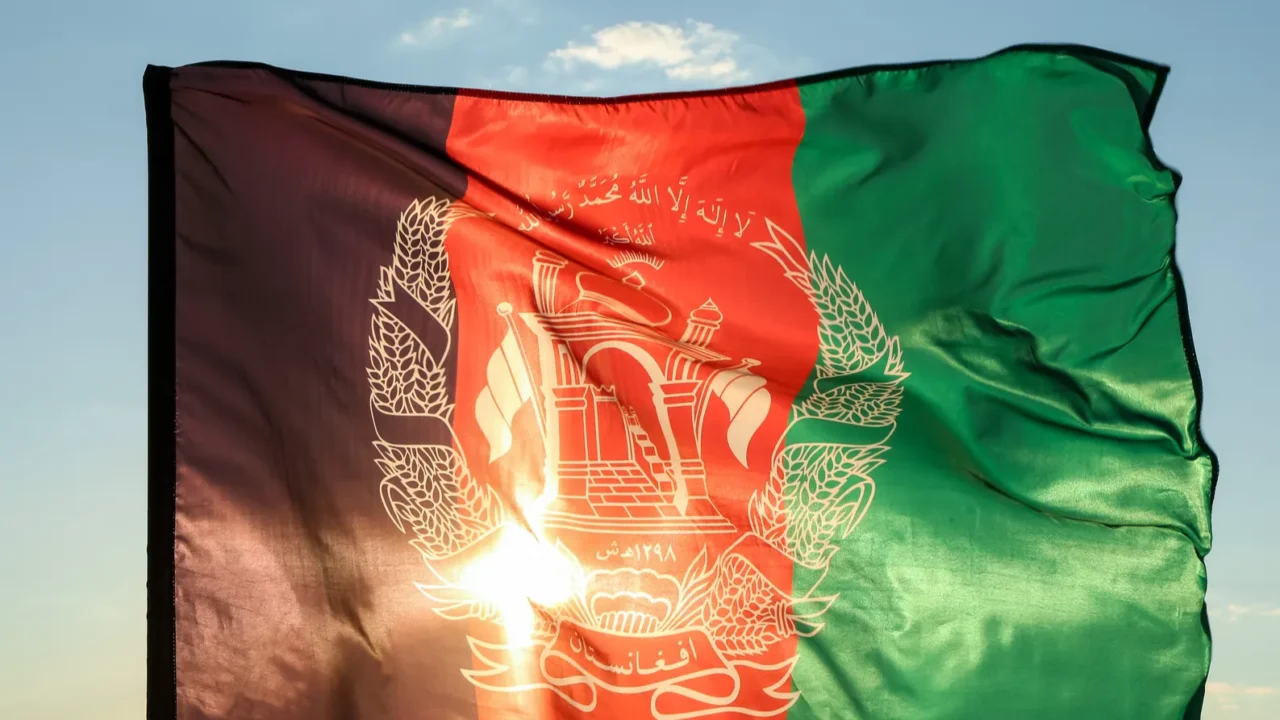
The travel rules began moving faster after a man from Afghanistan was accused of a tragic shooting involving two National Guard members. The case led leaders to call for even stricter vetting measures.
While the legal process continues, the administration argues that broader travel limits are a necessary precaution. Critics say the reaction puts pressure on entire communities who already follow strict screening.

What officials are looking at
Secretary of Homeland Security Kristi Noem says the U.S. is focusing on countries that can’t confirm traveler identities or maintain stable government systems. She says those gaps make it harder for immigration officers to feel confident in their checks.
The administration believes the U.S. shouldn’t accept travelers from places that can’t share reliable information. That viewpoint has shaped which countries may be added next.
A ban that affects all types of travel
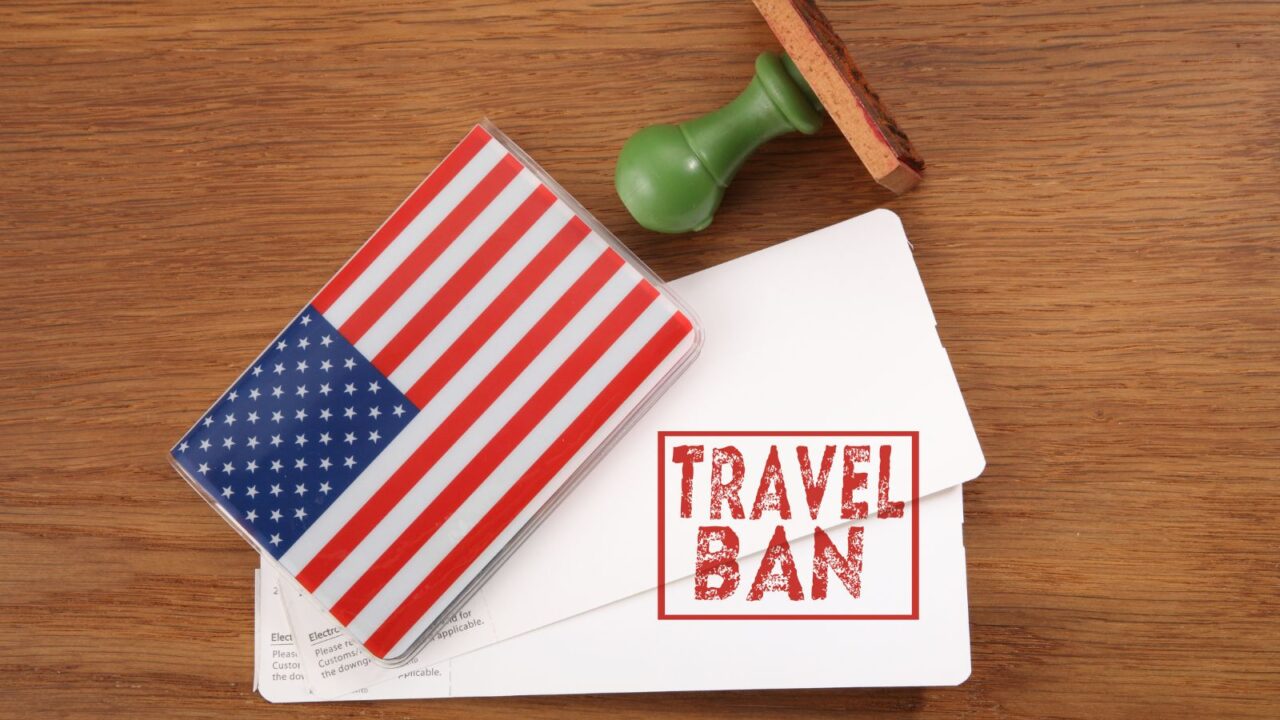
The travel rules apply to immigrants, tourists, students, and business visitors, making the impact broader than many expected. Families hoping to visit relatives may see plans put on hold without warning.
Students accepted to U.S. schools are also watching closely, unsure if visas will be paused. Business travelers could face long delays if their home country gets added to the list.
A look at the current list
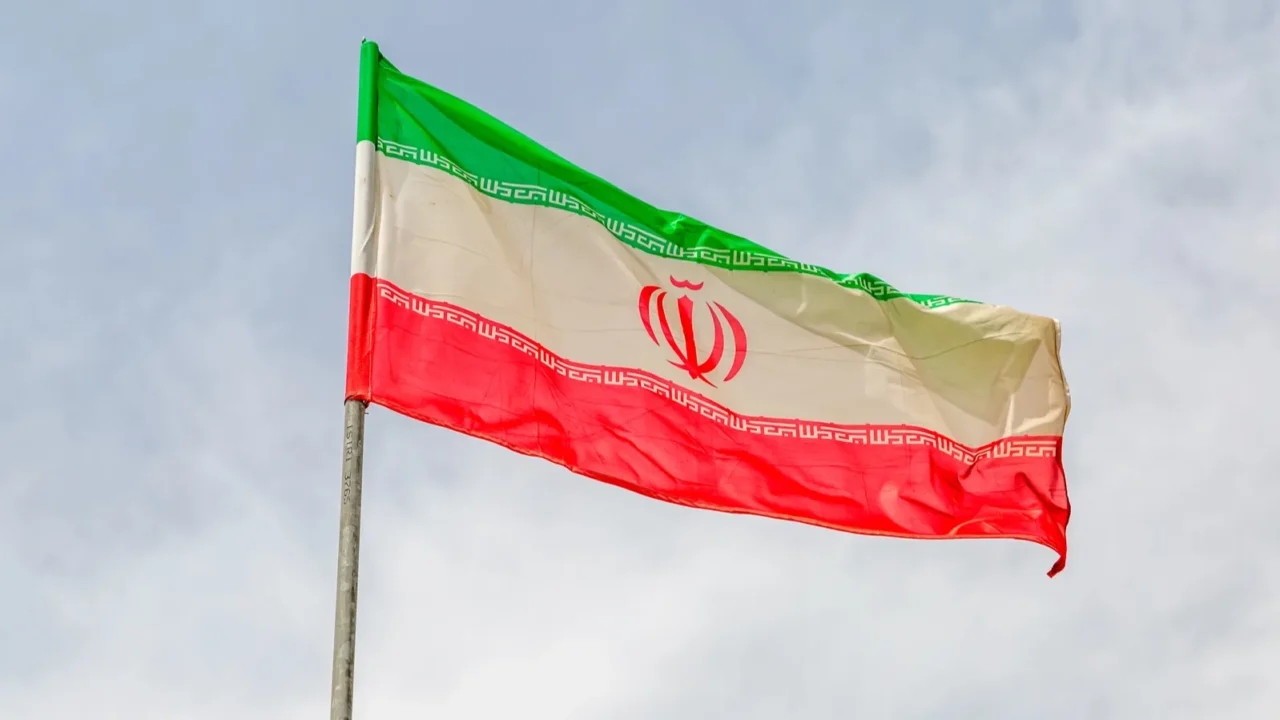
Nineteen countries are already under restrictions, including Afghanistan, Somalia, Haiti, Iran, Sudan, and Libya. These rules vary, but often block certain visas or place heavy screening on visitors.
Some countries face near-total travel stops, while others have partial limits. With the expansion, more nations could join this list, changing thousands of travel plans overnight.

Uncertainty around the new countries
Noem says she won’t announce numbers or names yet because the president is still reviewing options. That lack of detail has left many travelers checking updates daily.
Families with ties overseas are concerned they may soon face longer separations. Even people with approved visas are unsure whether processing could be paused again.
More than travel is on hold
In the past week, officials paused asylum decisions and immigration-related benefits for people from the already restricted countries. Some applicants reported canceled appointments and delays they didn’t expect.
There are also reports of postponed naturalization ceremonies for those on the affected list. These sudden stops add extra stress for people who have followed every rule for years. Community groups say they’re now helping more people navigate the changes.

Why supporters back the expansion
Supporters say the U.S. needs more time to make sure incoming travelers can be fully checked. They argue that slowing entries from unstable countries helps prevent potential threats.
They also believe each expansion gives agencies more space to improve vetting technology. To them, the goal is long-term safety over short-term convenience. Some supporters say the clearer rules may help avoid confusion later.

Why critics are raising concerns
Critics say many people from restricted countries have already passed multiple layers of screening. They worry the changes unfairly target groups who aren’t connected to security risks. They also argue that it places extra burdens on families who travel responsibly.
Some advocacy groups argue that the expansions create confusion for people halfway through major life steps. They say the constant rule changes add fear to families who are simply trying to stay together.
How past bans shaped the new one
Previous travel bans often focused on countries with limited government cooperation or unstable conditions. Those patterns appear to be continuing with this new round of restrictions.
Observers say this suggests a long-term policy shift rather than a short-term fix.
The administration says its decisions come from ongoing reviews of global security. That means the list could shift again depending on world events or new assessments. Travel planners expect more adjustments if global tensions rise.
What this means for travelers now
Anyone planning to visit the U.S. from a country with weaker government systems may face sudden rule changes. Even travelers with upcoming trips might see unexpected delays.
Some are choosing to delay travel entirely to avoid last-minute surprises.
People already living in the U.S. under certain visas may also feel the impact if processing pauses continue. Staying informed is becoming more important than ever. Immigration lawyers say calls have increased as people seek guidance.
In other news, U.S. halts Afghan immigration applications after security concerns.

How the timing could unfold
Noem did not share when the expanded list will take effect, but officials say reviews are moving quickly. That suggests changes could be announced with little notice. Past updates show that changes can appear overnight without warning.
Travelers and families who depend on regular visits are now preparing for possible disruptions. Many are searching for updates from DHS as they try to plan ahead. Some are rearranging travel dates just to feel a little safer.
In all this chaos, if you have already planned your trip to America, check first what Trump’s 2025 travel bans mean for you.
What’s your take on the new travel ban changes? Drop your thoughts in the comments.
Read More From This Brand:
- Secrets for a stress-free airport experience
- 15 packing hacks flight attendants swear by
- The return of ultra-long-haul flights and how to manage a 20-hour trip
Don’t forget to follow us for more exclusive content right here on MSN.
This slideshow was made with AI assistance and human editing.
