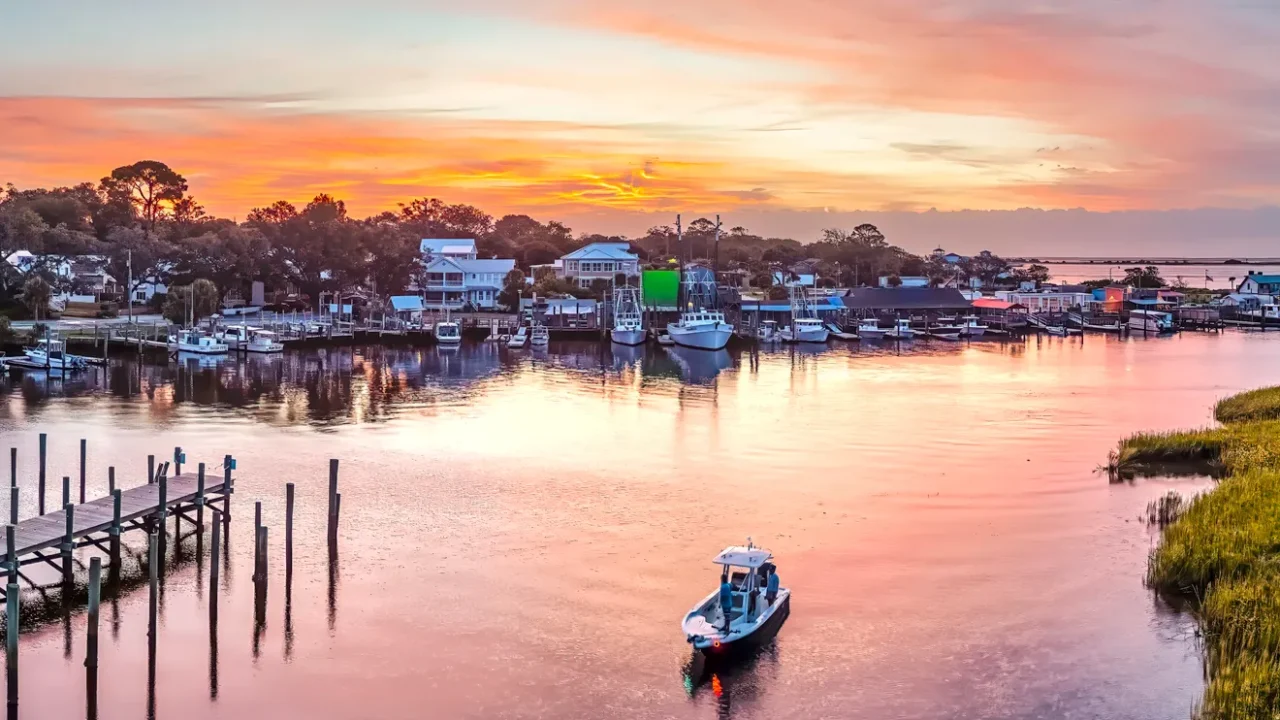
Two North Carolina towns that kept their charm on purpose
Southport and Blowing Rock still feel “historic” because their look is protected, not accidental. In both places, the town’s identity is treated as public infrastructure, like roads or water lines. That mindset helps them stay recognizable even as North Carolina travel grows.
Southport sits where the Cape Fear River meets the Atlantic, and its small scale is part of the appeal. Blowing Rock leans into a walkable village image tied to the Blue Ridge setting. Together, they show how rules and place can beat sprawl.

Historic charm is enforced in meetings
A “cute historic town” usually survives because someone said no to a bad fit. That is why design review matters as much as old buildings. In Southport, exterior changes in the local historic district can require a Certificate of Appropriateness.
Blowing Rock uses a similar idea through commercial design and appearance standards. The goal is compatibility with the town’s character, not whatever is cheapest to build. That is why the streetscape stays consistent even when businesses change.
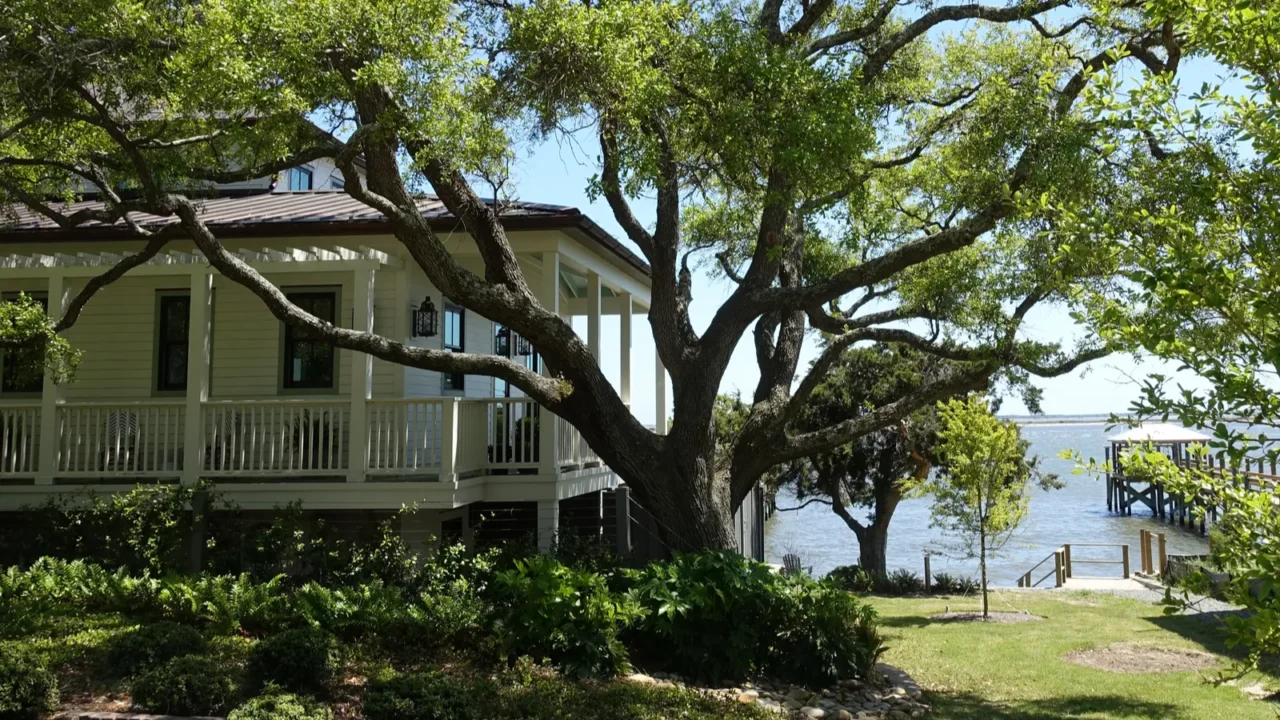
Southport’s historic district has a gatekeeper
Southport’s Historic Preservation Commission design standards describe when a project must go through review. The document lays out the COA process and why it exists. It is a practical barrier against quick exterior changes that would permanently alter the town’s look.
This matters because small visual shifts add up fast in a waterfront town. When porch enclosures, windows, siding, or roofs change, the street changes with them. The review step slows that momentum and forces a public conversation first.
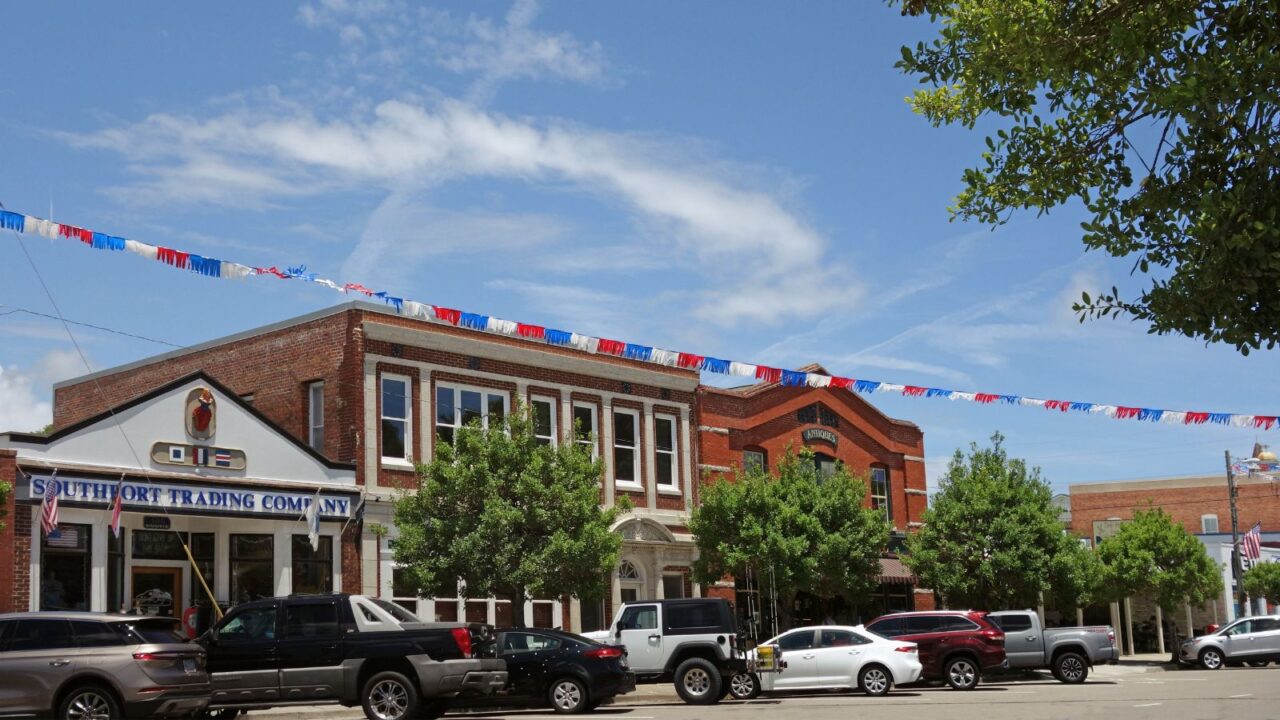
Southport draws a hard line against fake “historic” upgrades
Preservation is not the same as making something look older. Southport’s design standards flag “conjectural features” and warn against creating a false sense of history. That rule keeps owners from adding period details that never belonged there.
It sounds picky, but it protects credibility. Visitors can feel when a historic district is becoming a costume set. Southport’s standards push repairs and additions toward honest, evidence-based work instead.
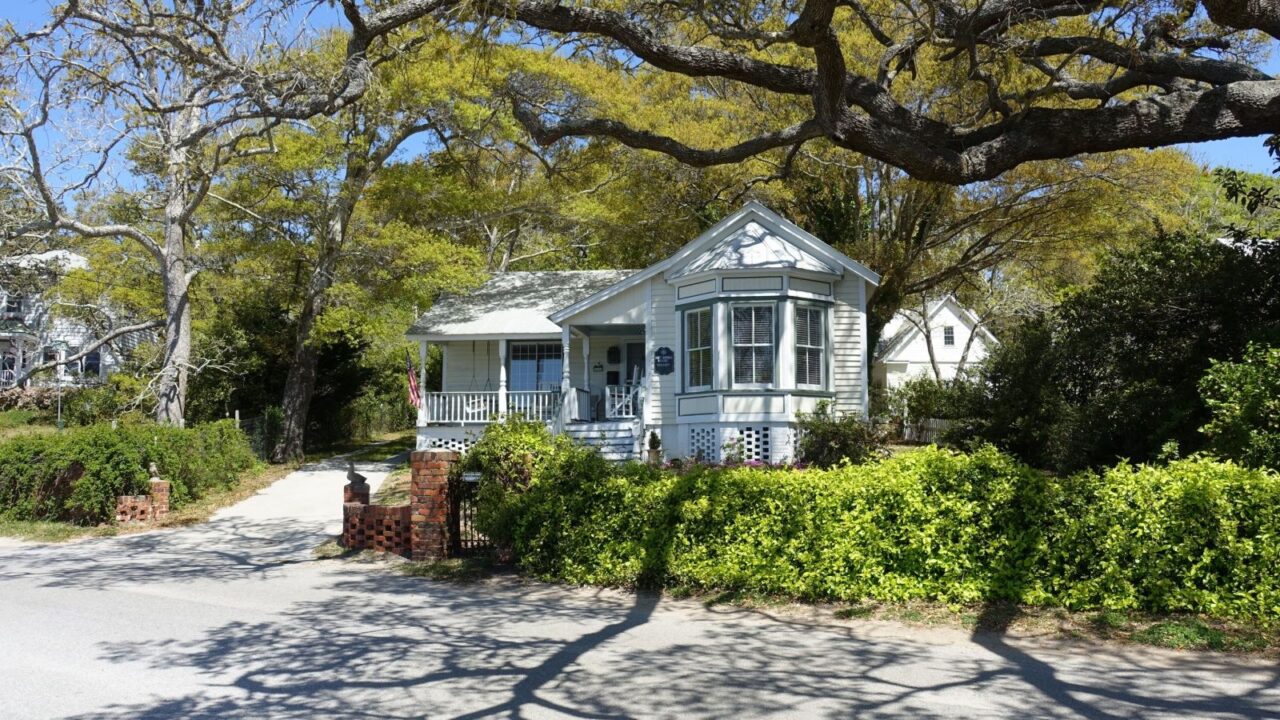
Southport’s live oaks are treated as part of the streetscape
Southport’s canopy is not just pretty; it is a defining feature. The design standards discuss protecting mature trees and the streetscape that frames the historic district. That approach helps the town keep its shaded, porch-and-sidewalk rhythm.
Tree loss changes light, temperature, and the feel of a block. Once the canopy breaks, it rarely comes back in the same way. By treating trees as part of historic character, Southport protects the “look” people remember.
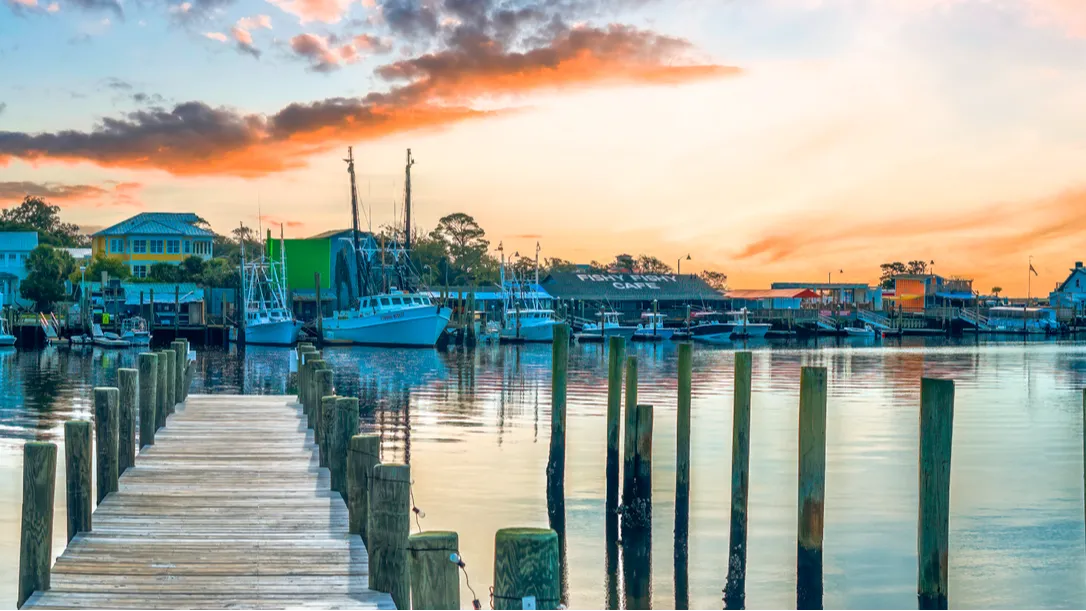
Southport protects its water views like a public asset
In Southport, the view is part of the town’s identity, not a bonus. The design standards include a section on protecting historic vistas. That includes “water views at street ends,” which are easy to lose to fences, walls, or poorly placed changes.
This is a quiet reason the town still feels open and coastal. You can walk a few blocks and keep catching the river. When the view stays public, the town feels shared rather than privatized.
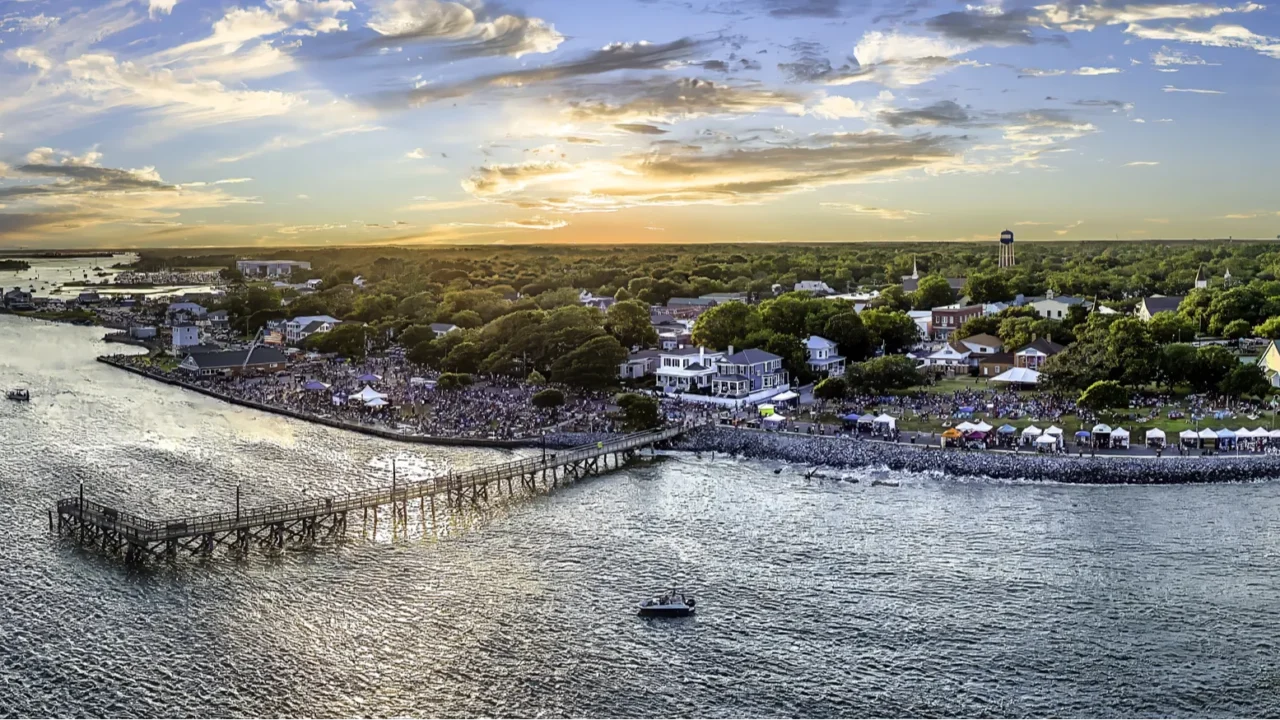
Southport’s film fame stays in the background
Southport’s preserved look has made it useful for film and TV crews. Visit North Carolina highlights Southport locations tied to the film Safe Haven. The city also promotes its “Southport on Film” history without turning downtown into a theme.
That restraint supports authenticity. When a town builds its economy around being a set, it can start performing for visitors. Southport’s approach keeps the town feeling lived-in first, visited second.
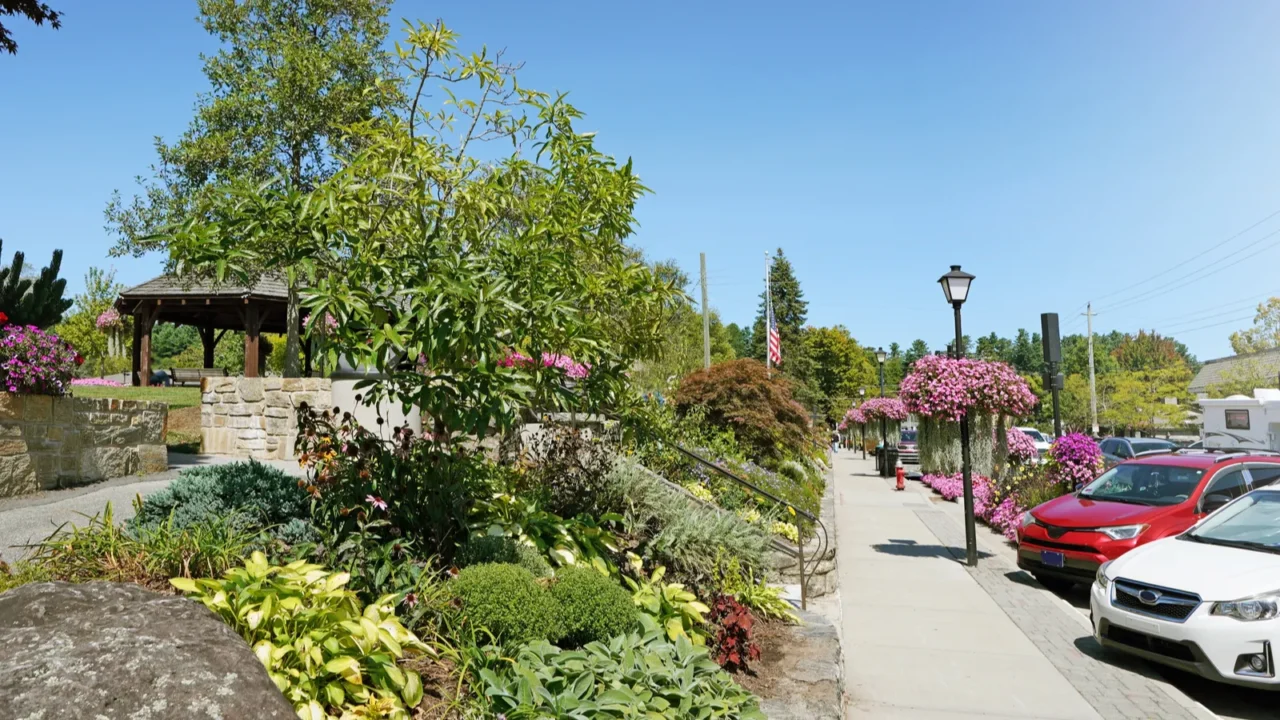
Blowing Rock wrote its village look into the rulebook
Blowing Rock’s charm is not just “mountain vibes,” it is codified. The town’s Commercial Design and Appearance Standards spell out how new projects should fit the established character. The standards are framed around compatibility, not novelty.
This is how a small downtown stays cohesive. Even when new businesses arrive, the building form and streetscape signal “Blowing Rock” instead of “any highway stop.” The rules create predictability, which is what visitors read as timeless.

Blowing Rock prioritizes pedestrian scale over roadside scale
Blowing Rock’s standards focus on how buildings meet the street. They call for pedestrian-oriented design and address elements that shape the sidewalk experience. That includes details like façade rhythm and how commercial buildings present themselves to the public realm.
This is a big deal in mountain towns where traffic can dominate. When the street still feels walkable, the town reads as a “village,” not a strip. That is why Main Street stays the center of gravity.
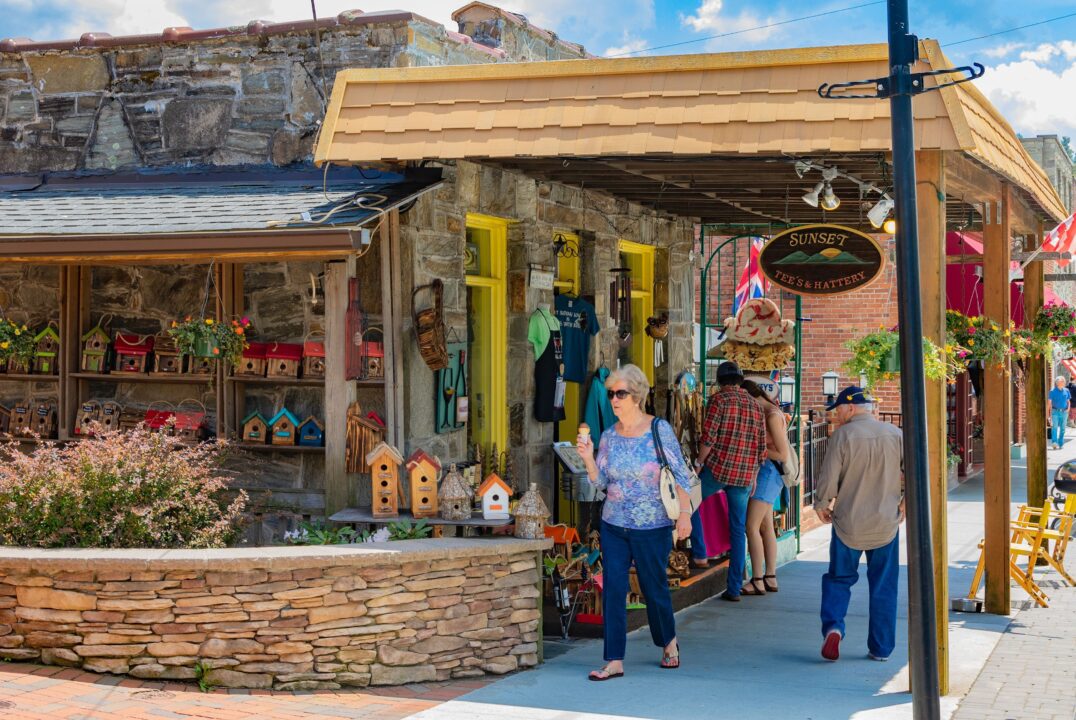
Materials and storefront rules help Blowing Rock avoid the generic look
Blowing Rock’s standards address exterior building materials and window design. They also limit design choices that would make storefronts feel sealed off or out of character. Those details keep the downtown from drifting into the glass-and-panel look common in newer builds.
The result is visual continuity without freezing the town in amber. Businesses can modernize inside while the street stays coherent outside. That balance is a big reason visitors describe the town as “classic” year after year.
Landmarks anchor Blowing Rock’s identity year-round
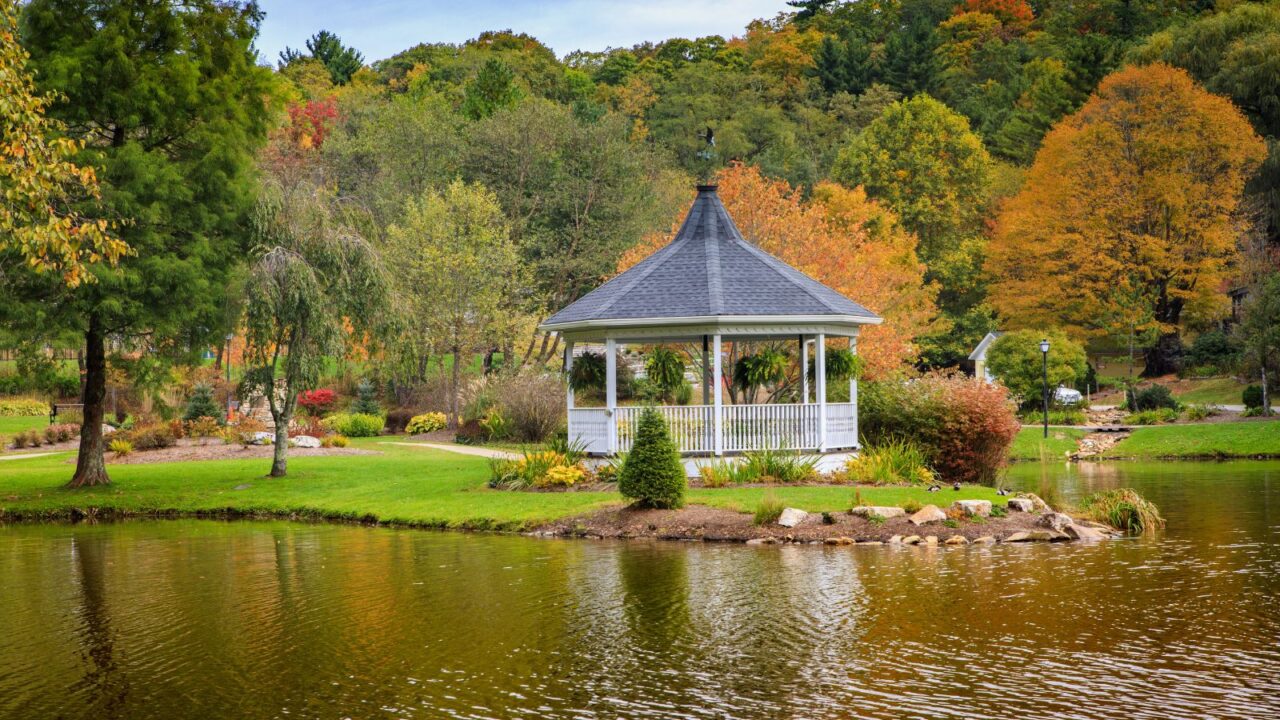
Blowing Rock’s vibe is strengthened by signature historic anchors. The town promotes the Green Park Inn as a grand hotel opened in 1891 and listed on the National Register of Historic Places. Having a visible landmark like that reinforces the idea that this is a long-established resort town.
Nearby, Moses H. Cone Memorial Park adds a major historic estate experience. The National Park Service notes the Cone estate was donated in 1949, is listed on the Register, and underwent major exterior restoration completed in 2021.
Retiree-friendly towns that slow life down
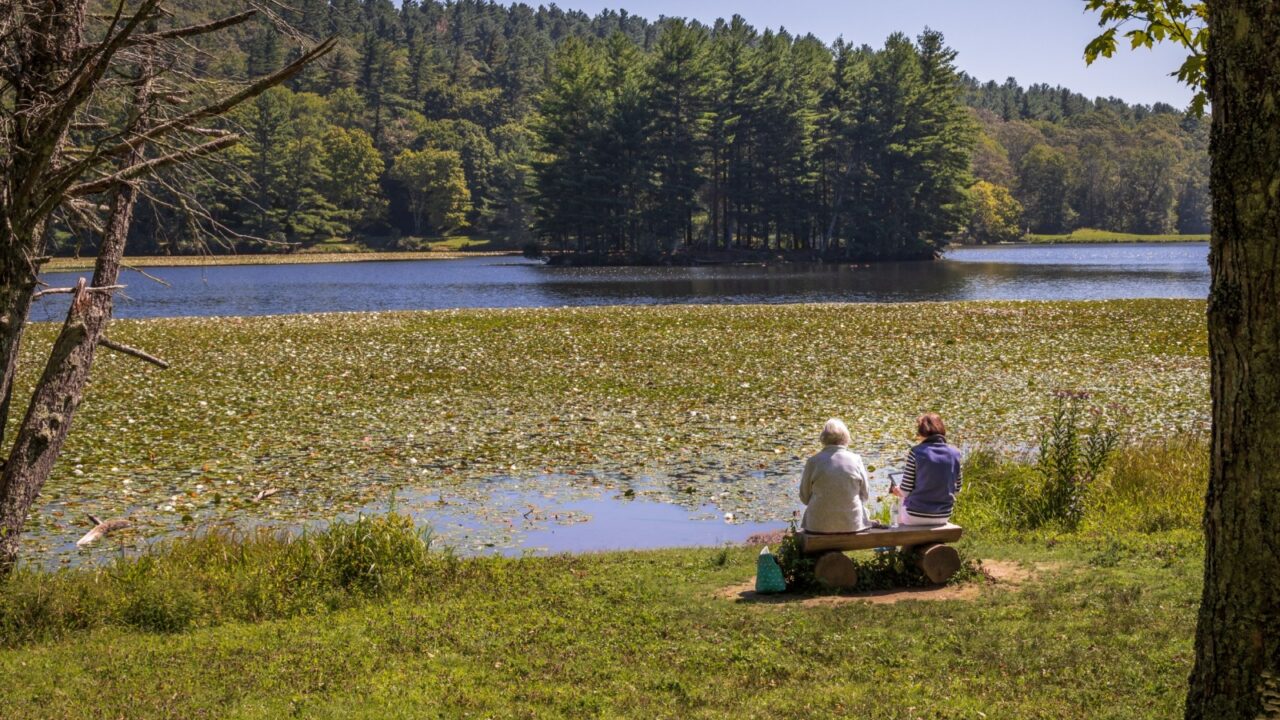
Southport and Blowing Rock work for retirees because both feel calm, small, and easy to navigate. Southport’s waterfront setting and slower pace make it a natural spot for porch mornings, short walks, and sitting by the water. It is often listed among North Carolina retirement-friendly towns for its relaxed coastal vibe.
Blowing Rock is a cooler-weather reset with a true walkable village feel and quick nature access. Blowing Rock is often described as the only full-service town directly on the Blue Ridge Parkway, offering a rare mix of restaurants, shops, and lodging. Readers of Blue Ridge Country Magazine have even named it a “Best Walkable Town,” which is basically the retiree travel dream.
Geography raises the stakes for growth decisions
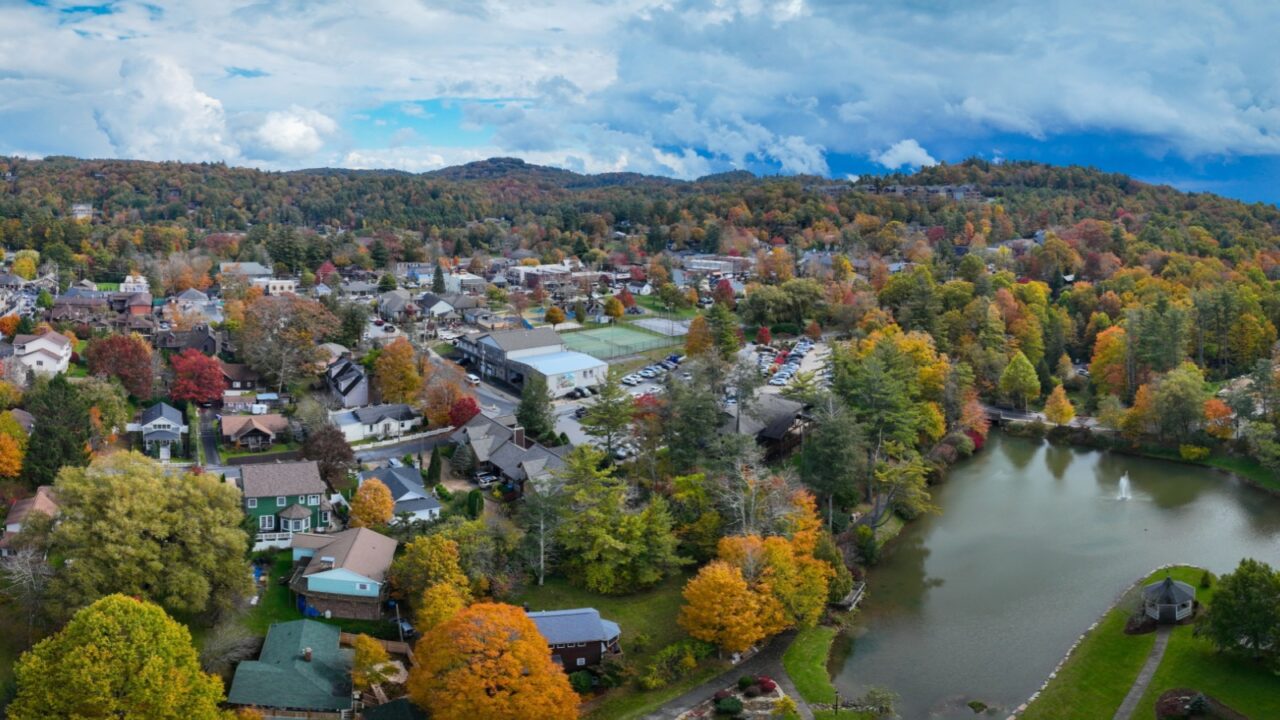
Both towns benefit from a geography that discourages unlimited build-out. Southport’s location at the river’s edge shapes what can expand and where. That natural edge makes it harder to sprawl without changing the town’s relationship to the water.
Blowing Rock’s setting also ties land decisions to environmental impact. A conservation group notes the town sits on the Eastern Continental Divide and is linked to headwaters feeding three major rivers. When water and viewsheds feel fragile, pressure to protect character rises.
If you are looking for something that still feels like Italian charm, explore the under-the-radar town Rick Steves highlights for a lower-cost escape.
Which of these towns would you pick for a slow, nature-filled getaway, and why? Share your thoughts in the comments.
This slideshow was made with AI assistance and human editing.
Don’t forget to follow us for more exclusive content right here on MSN.
Read More From This Brand:
