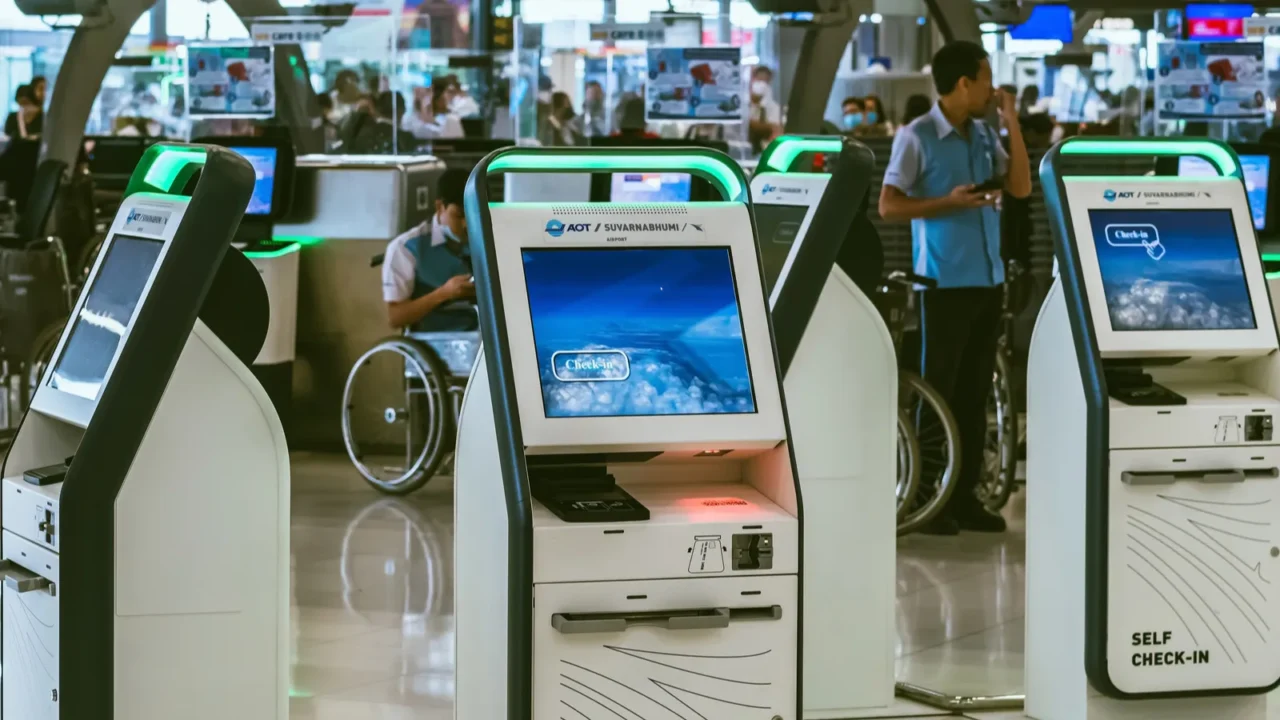
Asia leads in terminal tech
Asian airports are investing heavily in smart-terminal upgrades, often outpacing Western hubs in biometric adoption and automation. These modernizations aren’t just cosmetic; they’re reshaping how passengers move, check in, and clear security. For travelers, this means smoother journeys and less waiting at key Asian gateways.
Across Southeast Asia, China, and India, airport operators are building next-generation terminals with biometric systems, automated baggage drops, and data-driven infrastructure. These investments point to a bigger trend: airports here don’t just want to handle volume, they want to do it smartly.

Biometric processing goes big
Biometric identity systems are being deployed at major Asian airports to make check-in and security seamless. Incheon International Airport is expanding its “One ID” facial recognition system for check-in, bag drop, and boarding.
Singapore’s Changi Airport Terminal 4 is already using facial recognition to link self-service check-in, bag drop, and boarding. This reduces the number of manual ID checks and speeds up the whole journey for passengers.

Self-service check-in everywhere
Airports across Southeast Asia are rolling out self-service check-in kiosks and baggage drops to streamline passenger flow. At Kuala Lumpur’s KLIA, biometric-enabled kiosks paired with automated bag-drop units help travelers skip long queues.
These systems are part of a broader “Airport 4.0” transformation that reduces manual intervention. Self-bag-drop counters now let passengers tag their luggage, confirm their identity, and drop their bags, all without talking to staff. This makes departures faster and more efficient.
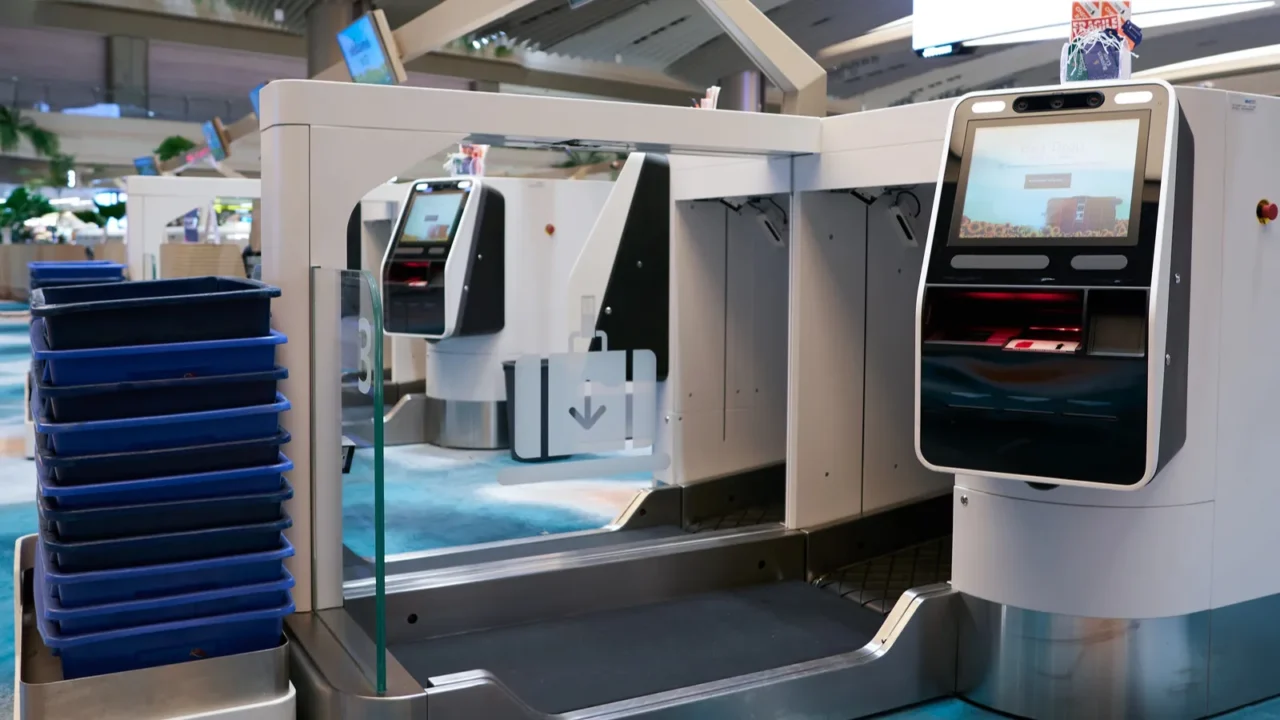
Smarter security screening
Some Asian airports are using advanced CT-scanner technology for carry-on screening, which can speed up checks and reduce hassle. Travelers won’t always have to unpack electronics or liquids thanks to 3D imaging systems.
Complementing that are smart security lanes with automated tray return systems, which keep lines moving smoothly. These tech upgrades reduce stress at checkpoints and improve both safety and throughput.
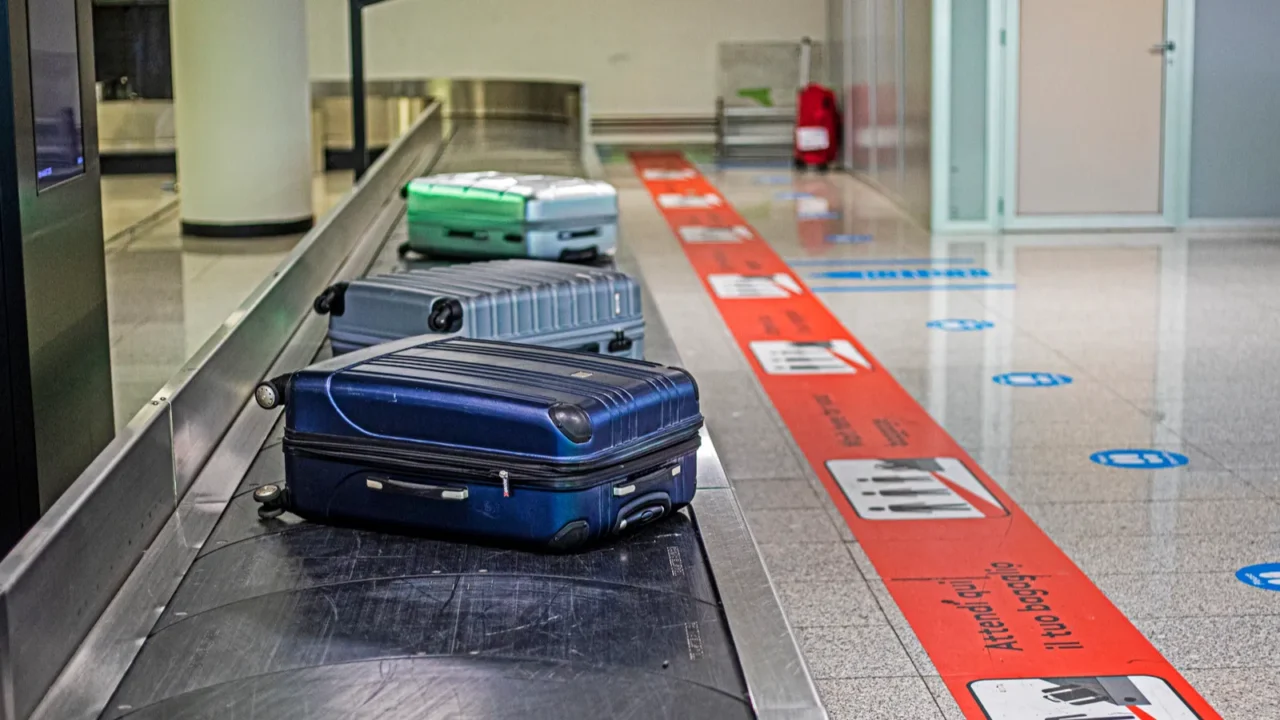
High-capacity baggage systems
Asian hubs are not just upgrading passenger touch points, they’re also boosting baggage handling with powerful, automated systems. For example, some airports are deploying tilt-tray sorters and IoT-connected conveyors to manage luggage more efficiently.
These systems also integrate directly with self-service bag drops, meaning luggage gets tagged, screened, and routed without excessive manual labor. Passengers benefit from faster check-in and fewer lost-bag headaches.

Info systems that talk tech
Passenger information systems in Asian terminals are going digital, with real-time updates, multilingual wayfinding, and interactive kiosks. Some airports are using AR (augmented reality) to guide travelers via their phones.
Digital signage and beacon-based navigation help improve flow and reduce confusion. For travelers, this means less time lost navigating terminals and more clarity about where to go next.
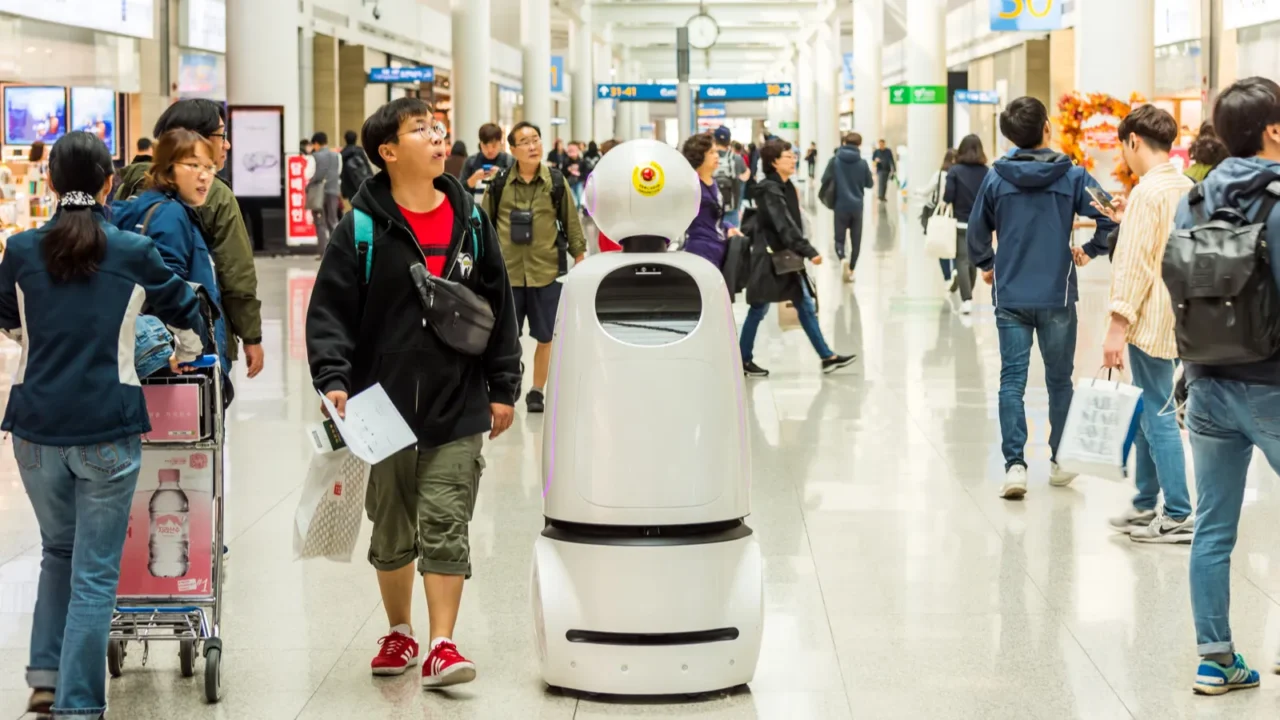
AI and robotics in action
Airports in Asia are putting robots, AI, and IoT to real use, not just for show. In some terminals, AI tracks passenger flows, manages energy usage, and helps schedule maintenance.
Service robots are also appearing, helping guide people or answer questions at airports. All of this is part of a vision to make terminals feel smarter, friendlier, and more intuitive.
New terminal scale drives innovation
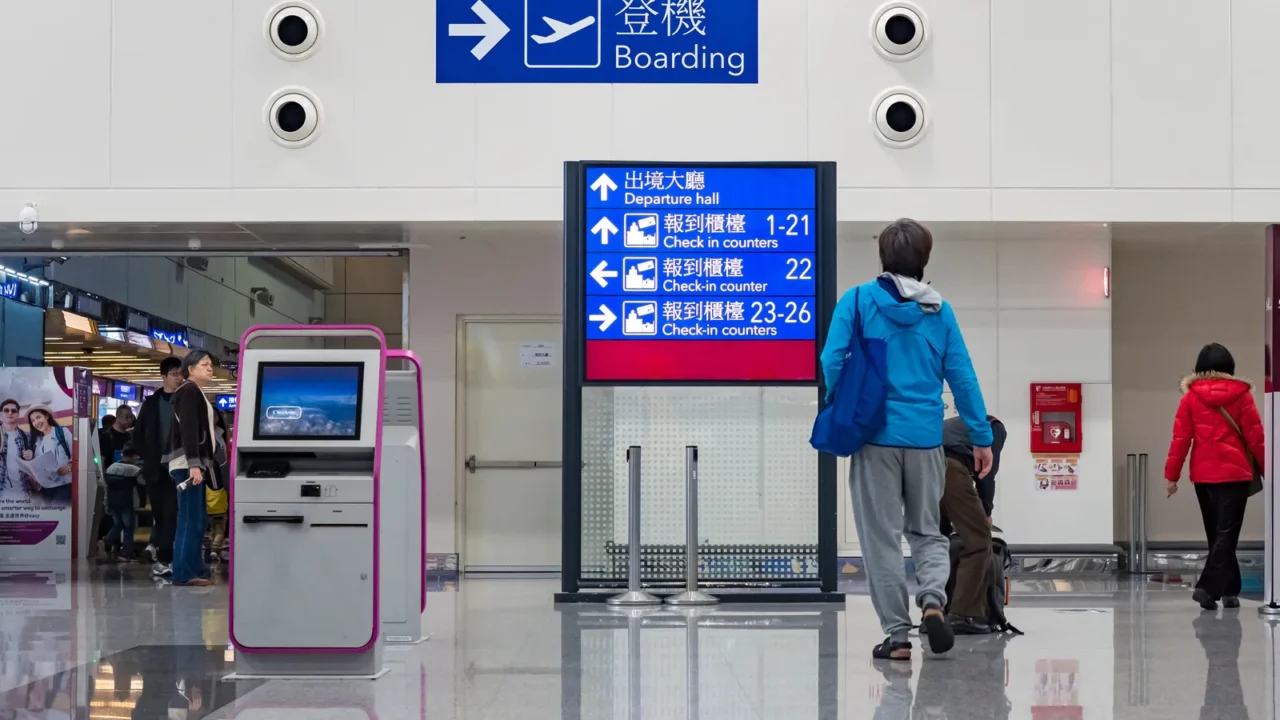
Massive terminal construction is fueling the smart-upgrade boom. For example, Taipei Taoyuan International Airport is building a huge Terminal 3 that will more than double its capacity.
When airports build new terminals from scratch, they can design them with advanced tech already baked in. That means biometric gates, smart baggage, and data systems get integrated from day one, not tacked on later.

China’s smart terminals leading
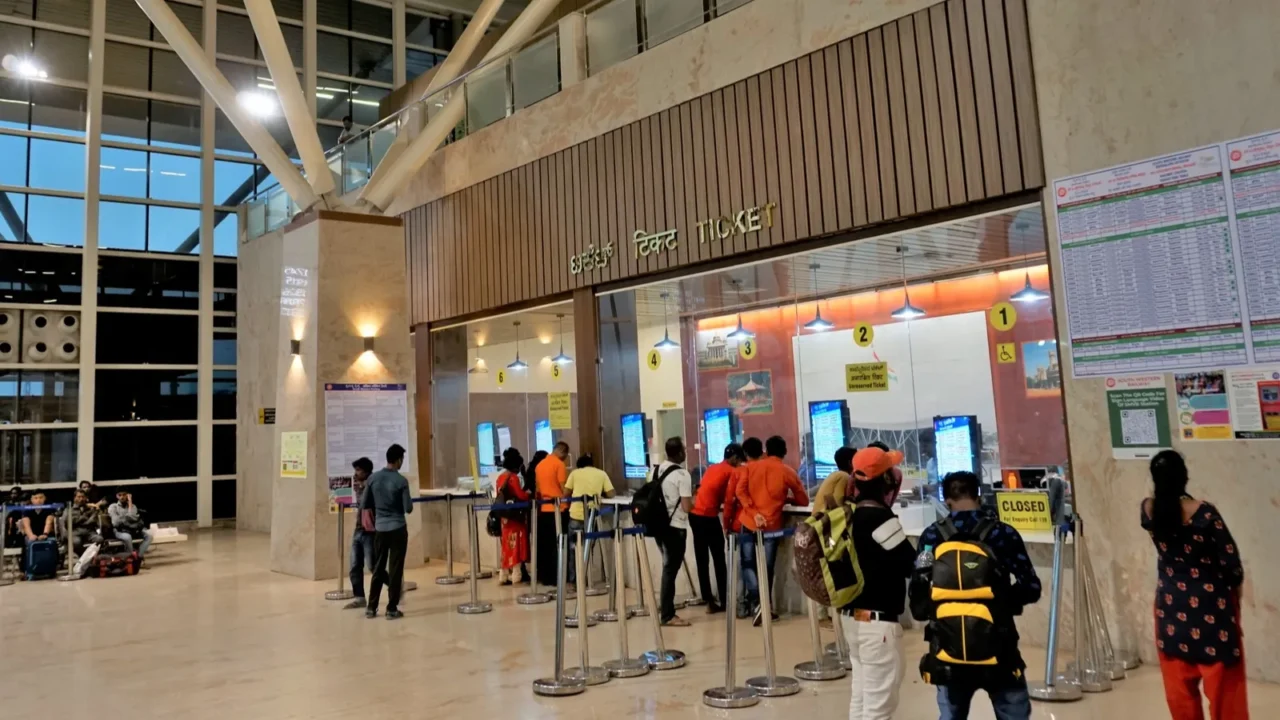
In China, airports are building large, high-tech terminals that push the boundaries of automation. Xi’an Xianyang International Airport’s new Terminal 5 features a robotic security system and an advanced baggage-handling network.
That kind of infrastructure scale shows Chinese airports are betting hard on automated, efficient operations. The technology isn’t just for show; it’s built to handle a huge volume of passengers every day.
India’s futuristic airport boom
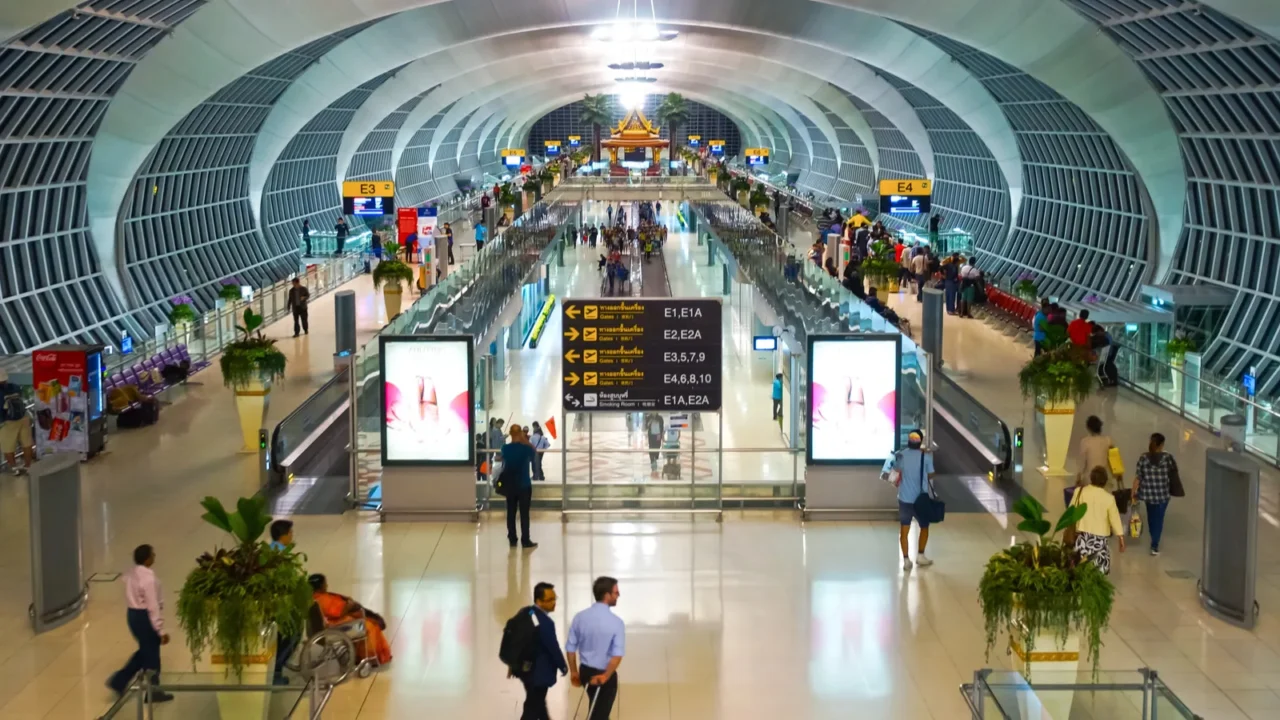
India’s new airports are embracing smart terminal design from the ground up. The upcoming Jewar International Airport (Noida) is planning to use biometric “DigiYatra” check-ins, AI-based baggage systems, and smart climate controls.
This isn’t just about capacity; it’s about building an airport of the future. For travelers, this means a smoother, high-tech experience in one of Asia’s fastest-growing aviation markets.
Speed beats tradition in Asia
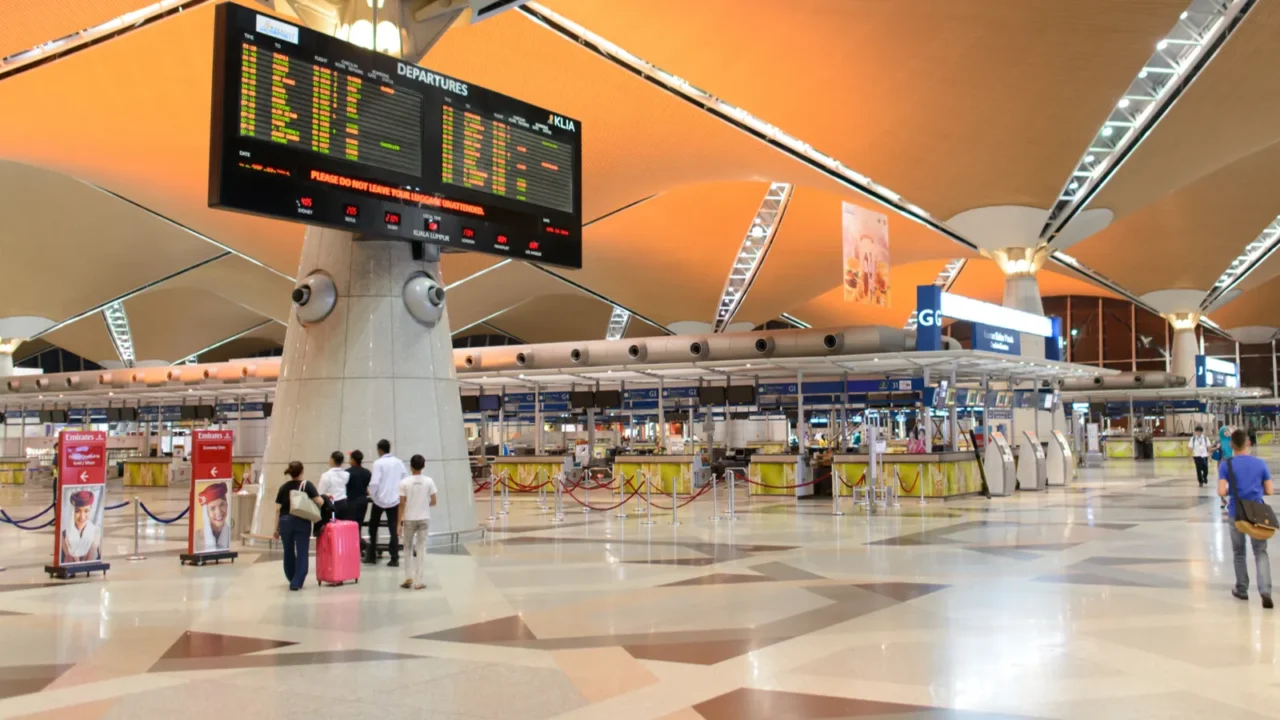
One big reason Asia is outpacing the West: airport leadership here is more willing to invest aggressively in transformative tech. While many Western airports are bogged down by legacy infrastructure and tight regulation, Asian airports are building greenfield terminals at scale.
These greenfield projects let operators skip retrofitting old buildings and go straight to modern, digitally native designs. That gives them a real advantage in speed, cost, and technology integration.

What this means for travelers
For passengers flying through Asia, smart terminals mean less time in lines, more self-service options, and a more seamless journey. Biometric gates and automated systems help reduce friction from check-in to boarding. Even as Asia modernizes, travelers in the U.S. may still face long lines and outdated terminals at several major airports.
These improvements also help airports scale for future growth without sacrificing service. As traffic rebounds post-pandemic, tech-driven capacity will be key. For both frequent travelers and casual flyers, this is a huge win.
The future is already arriving
Asian airports are showing the world what next-generation terminals look like when technology, design, and scale come together. With biometrics, AI, robotics, and smart infrastructure, they’re reshaping what travel feels like.
As more of these terminals go online, we may see their ideas spread, and perhaps the West will catch up sooner than expected. What tech-driven airport experience stands out most to travelers? Drop thoughts in the comments.
Read More From This Brand:
- The Best Walkable Cities for a Car-Free Getaway
- Why Asheville Is a Model for Green Living
- How to plan a zero-waste road trip across the U.S.
Don’t forget to follow us for more exclusive content right here on MSN.
This slideshow was made with AI assistance and human editing.
