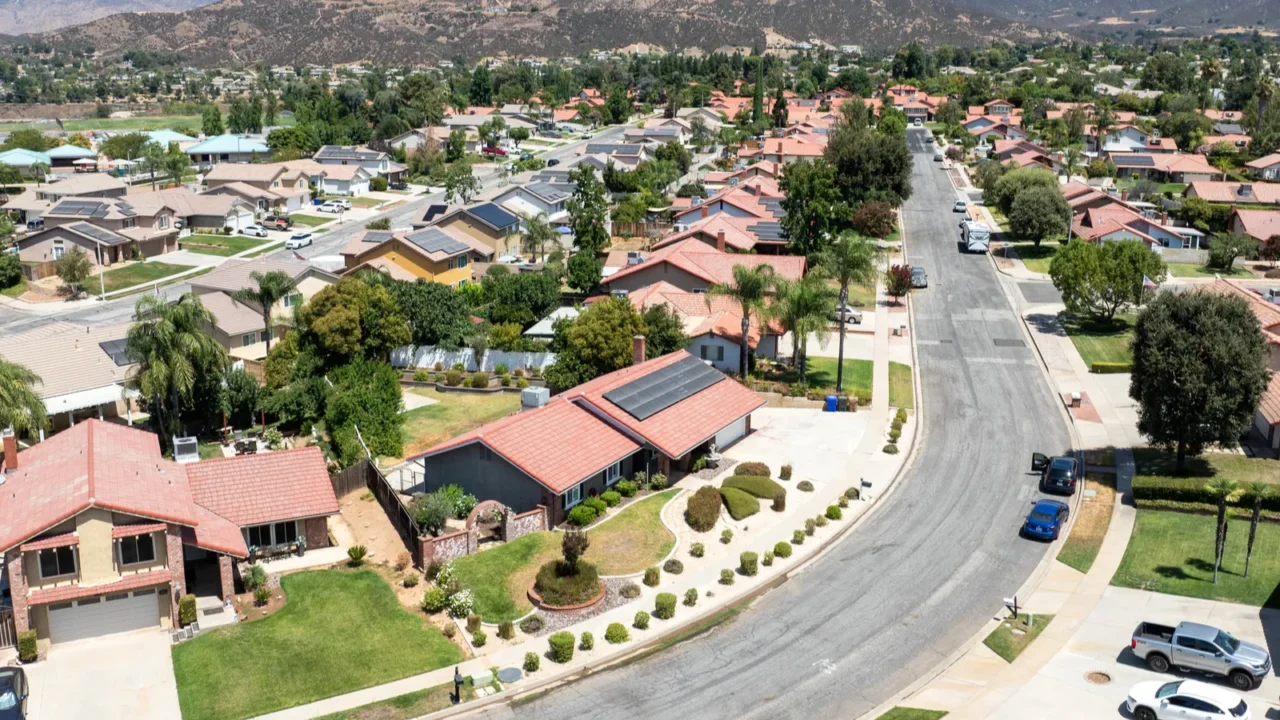
The house is perfect, then insurance hits
You find a place you love, run the numbers, and start picturing move-in day. Then the insurance quote shows up and it feels like someone added a surprise second mortgage. In 2026, that moment is becoming normal in parts of California.
Buyers now ask about insurability before they ask about schools or the kitchen: “Can I insure it, and will a lender accept the policy?” When the answer is unclear, deals slow down quickly.

The new question at open houses
In many states, shoppers lead with price, rates, and taxes. In California, more people lead with insurability, because it decides the real monthly cost. If coverage is shaky, the home can feel “unbuyable.”
Agents now warn buyers to check insurance before they fall in love. Some buyers call insurers while standing in the driveway. If the home can’t get acceptable coverage, the rest of the deal barely matters.
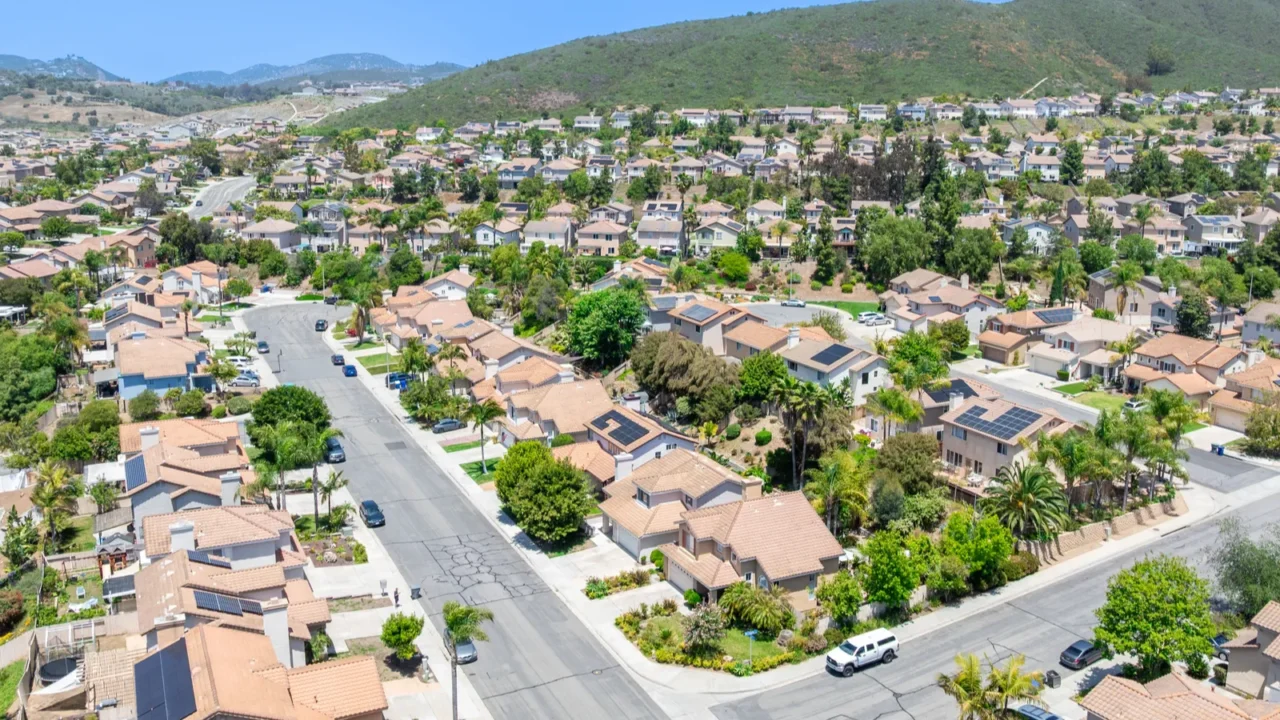
Non-renewals are changing the map
A big stressor is non-renewals, when a company chooses not to continue your policy. It can happen even if you never filed a claim. The notice can feel like a countdown clock.
Hillsides, canyons, and brushy edges of town get hit hardest. Some owners only learn their risk label after the letter arrives. Then they’re forced into a fast, expensive search with fewer options.

Premiums that jump without warning
Even if you keep coverage, price spikes can be brutal. People report renewals that feel like a new bill, not a small increase. That can wreck a budget built on last year’s costs.
Higher premiums also change how buyers qualify for a home. A lender may accept your mortgage payment, but the full payment plus insurance can tip you over the limit. Suddenly, the “affordable” house is not affordable anymore.

Why more people land on the FAIR Plan
When private insurers pull back, people turn to the California FAIR Plan. It is meant as a last-resort option when standard coverage is not available. In 2026, more owners say it feels like the only door still open.
The problem is price and limitations can still be tough. A FAIR Plan policy can cost more than expected. It can also leave gaps that owners must patch with extra coverage.
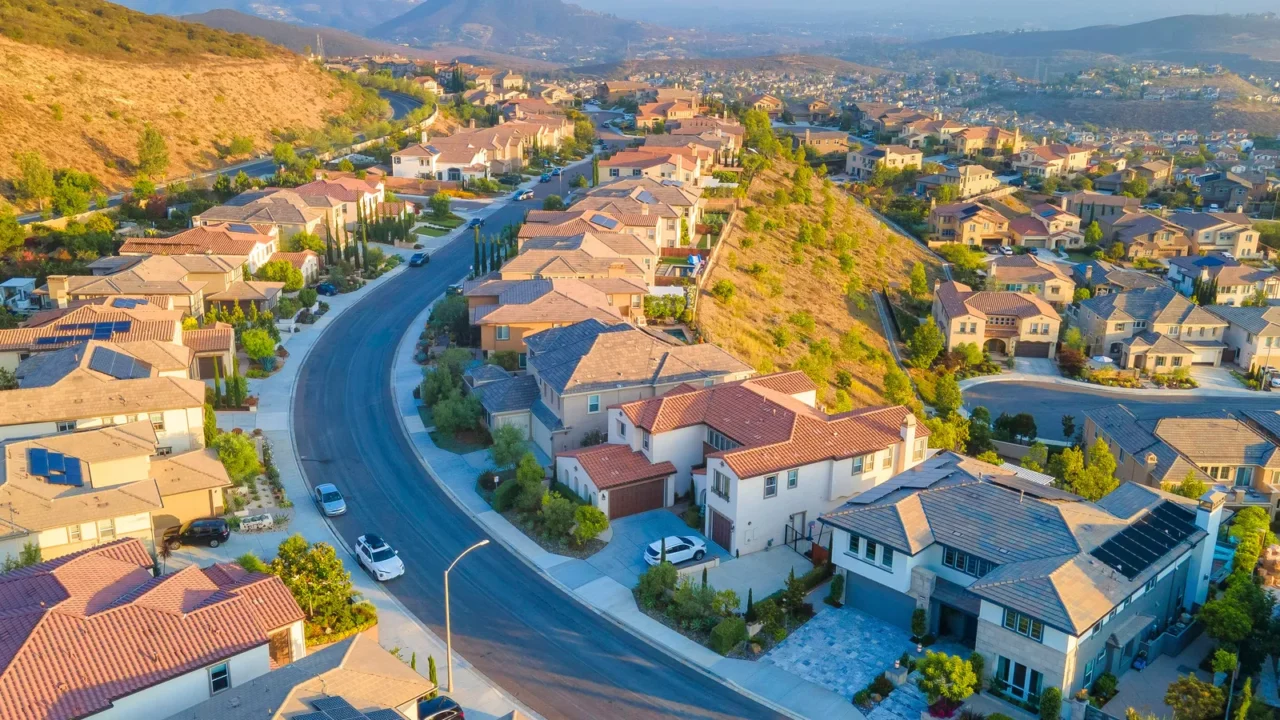
The FAIR Plan is getting huge
FAIR Plan exposure has surged: according to FAIR Plan/oversight reports the program’s total exposure rose to about $724 billion by December 2025, up many-fold from early-2020s levels (analysts using different baselines report increases ranging from roughly 200% to over 300%, depending on dates and whether they track residential exposure only).
Growth that fast creates strain. More policies mean more claims capacity, more reinsurance needs, and more pressure on the system. For homeowners, it signals a market that is still searching for stability.

“Insured” doesn’t always mean “covered”
Many people assume any policy equals full homeowners protection. But FAIR Plan coverage is more limited and often focuses on named perils like fire-related damage. That can surprise owners after they move in.
Common gaps include theft, water damage, and liability protection. That is why many owners try to add a wraparound policy, often called DIC coverage. If DIC is hard to find, the risk feels even bigger.
Little-known fact: Many FAIR Plan customers also seek DIC “wraparound” coverage, because FAIR Plan policies often don’t include key protections like liability and theft.

Why lenders care so much
Mortgage lenders usually require property insurance that meets specific standards. If you can’t get a policy that fits those rules, the loan can get delayed or denied. That’s why insurance has become a deal breaker, not a side detail.
This can hit refis too, not just new purchases. If your coverage changes at the wrong time, paperwork can stall. People who thought they were “done” end up back in scramble mode.
Little-known fact: California has a mandatory one-year moratorium in certain wildfire emergency areas that can block cancellations and non-renewals for eligible homes.

Replacement cost is the quiet shock
Even in safer areas, rebuilding costs have risen. Labor, materials, and code upgrades can push replacement-cost estimates higher than owners expect. If your dwelling limit is too low, you may be underinsured.
When insurers raise coverage limits to match rebuilding reality, premiums rise too. It feels like paying more for something you never asked for. But in a total loss, that higher limit can be the difference between rebuilding and walking away.
Little-known fact: The FAIR Plan’s residential coverage limit can go up to $3 million per policyholder.

The wildfire factor behind the math
Wildfire risk is not just about flames reaching your street. Smoke damage, ember storms, and fast-moving wind events change how risk is priced. A single season can reshape models and reinsurance costs.
After big fires, insurers often tighten underwriting. That can mean fewer new policies, stricter inspections, or higher deductibles. Homeowners feel it as higher costs and more “no” answers.

Shopping for insurance feels like job hunting
In 2026, some buyers describe the insurance hunt like applying everywhere and hearing nothing back. You may need multiple quotes, paperwork, photos, and follow-ups. The process can take weeks when you only have days.
This is where deals get fragile. Appraisal and loan timelines keep moving. If insurance is not locked in early, a buyer may walk to avoid losing deposits and time.

What homeowners can control right now
Not every fix is expensive, but it must be documented. Defensible space, cleared gutters, screened vents, and fire-resistant upgrades can help your risk profile. Some programs offer discounts for mitigation steps.
Homeowners are also keeping “insurance-ready” records. Photos, receipts, roof age, and upgrade dates speed up quoting. In this market, being organized can save you weeks and sometimes real money.
Internet is also talking about how Florida’s insurance crisis is reshaping coastal vacation planning.

The rule changes behind the scenes
California regulators have been pushing a “Sustainable Insurance Strategy” to improve availability. Part of it involves letting insurers use forward-looking catastrophe models and factoring reinsurance costs in rate-making. The goal is more companies writing policies again.
For homeowners, the transition can feel bumpy. Changes take time to show up in real quotes. Until then, uncertainty stays in the driver’s seat for many neighborhoods.
In other news, see how extreme weather is changing travel insurance requirements.
What are your thoughts about these insurance changes? Share your views in the comments.
This slideshow was made with AI assistance and human editing.
Don’t forget to follow us for more exclusive content right here on MSN.
Read More From This Brand:
