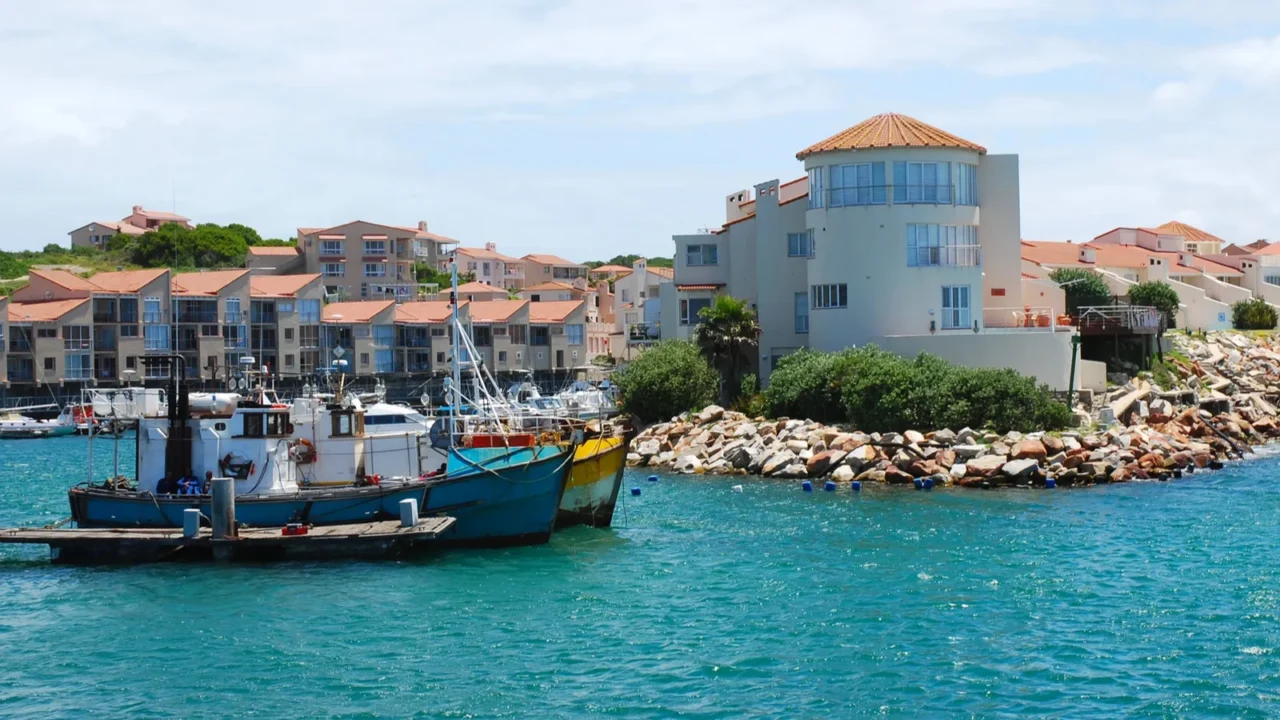
Coastal beauty finds attention
Japan has quaint fishing villages that sit far from busy streets and crowded sightseeing spots. These places hold soft light, old wooden homes, and bays that glow during sunrise. Travelers keep finding them irresistible, so let us get to it.
Visitors often feel drawn to the calm rhythm that shapes daily life in these forgotten ports. The atmosphere blends gentle waves with scenes that feel unchanged for decades. This mix creates an opening chapter that builds curiosity for what comes next.
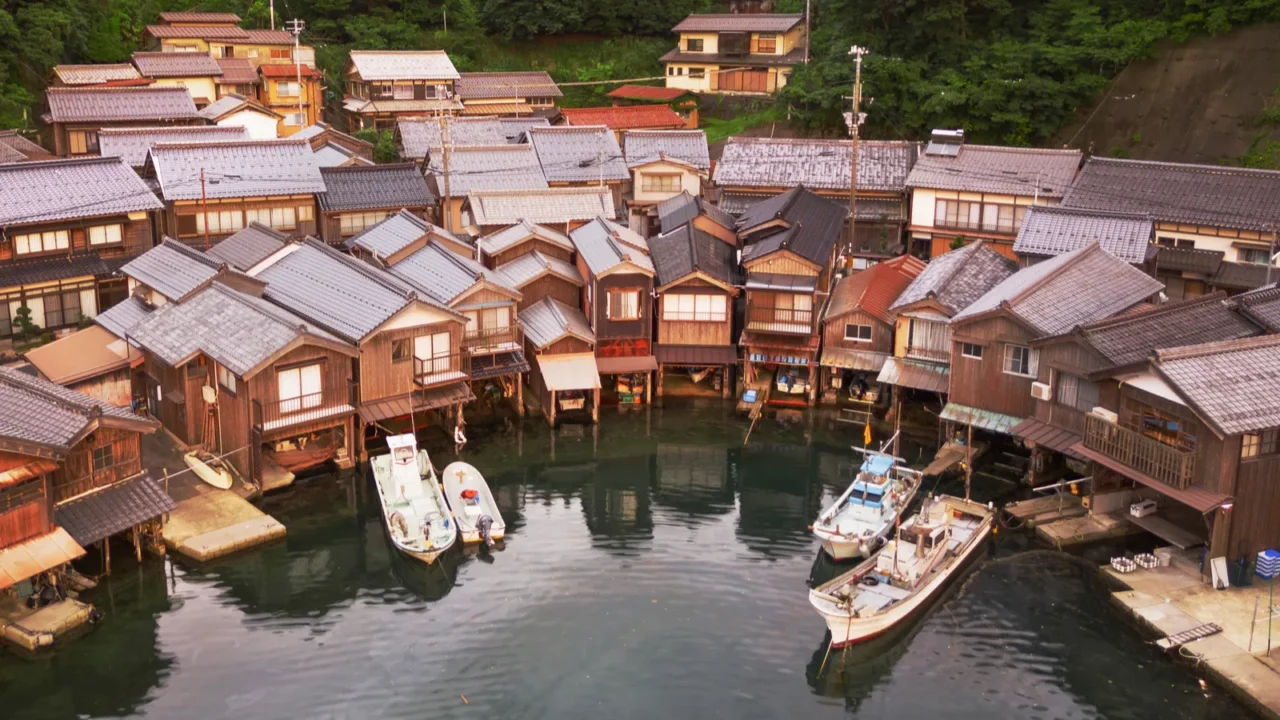
Decline brings new plans
Many coastal villages have watched their populations shrink as fishing work became unstable. Younger residents moved to large cities where steady jobs felt more secure. This shift left entire harbors quiet and in need of fresh possibilities.
Local leaders began exploring small-scale tourism as a way to protect traditions and support families. The goal was to avoid mass tourism while preserving the spirit and traditions of each village. This direction marked the start of a thoughtful revival across the coast.
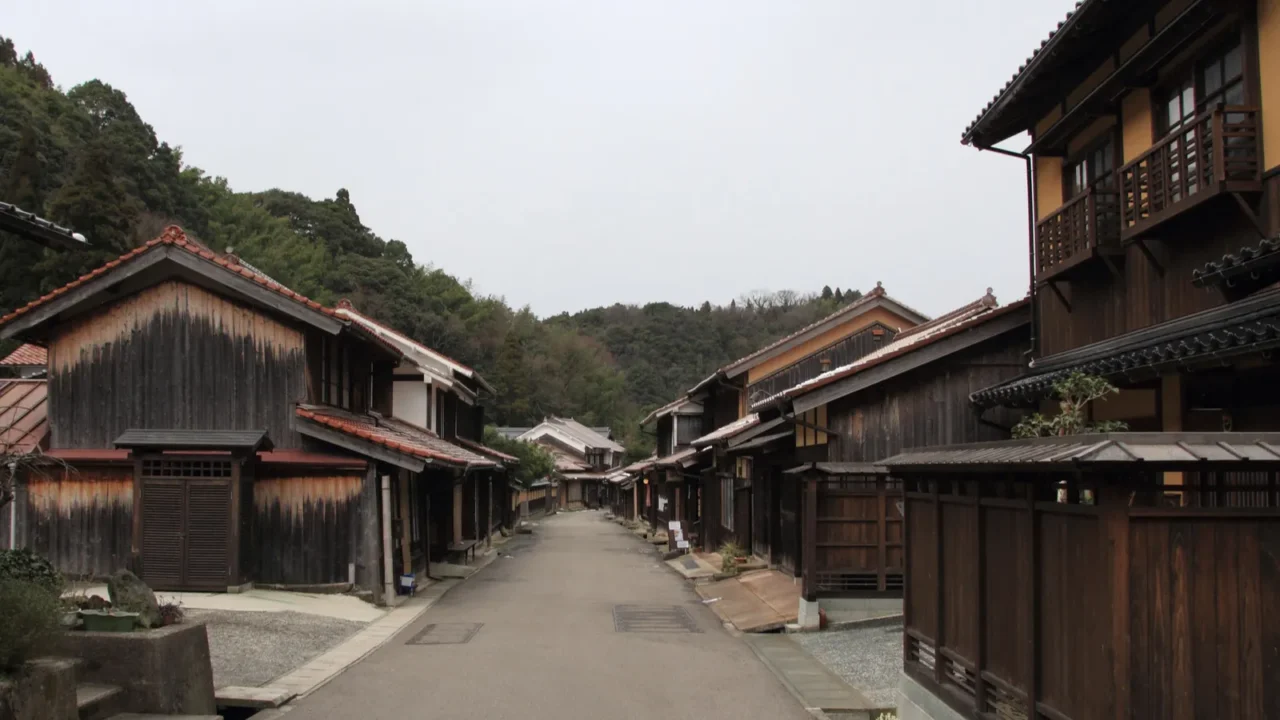
Wooden homes frame beauty
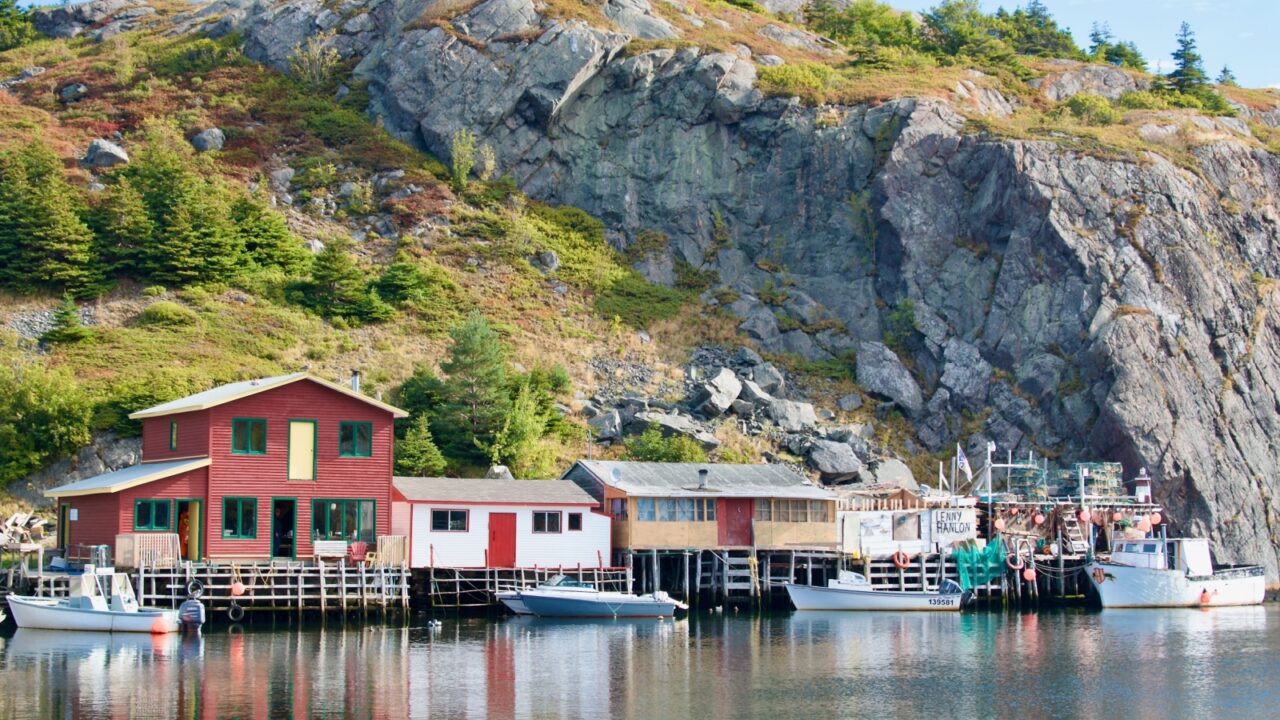
Villages like Ine in Kyoto Prefecture hold rows of wooden homes known as funaya. These buildings sit right at the waterline and form a picture that feels almost unreal. Travelers often find themselves stopping just to take in the soft details.
Each home keeps boats on the lower level and living space above. This setup reflects a long history of working closely with the sea. The result is a view that blends daily life with quiet architecture in a striking way.
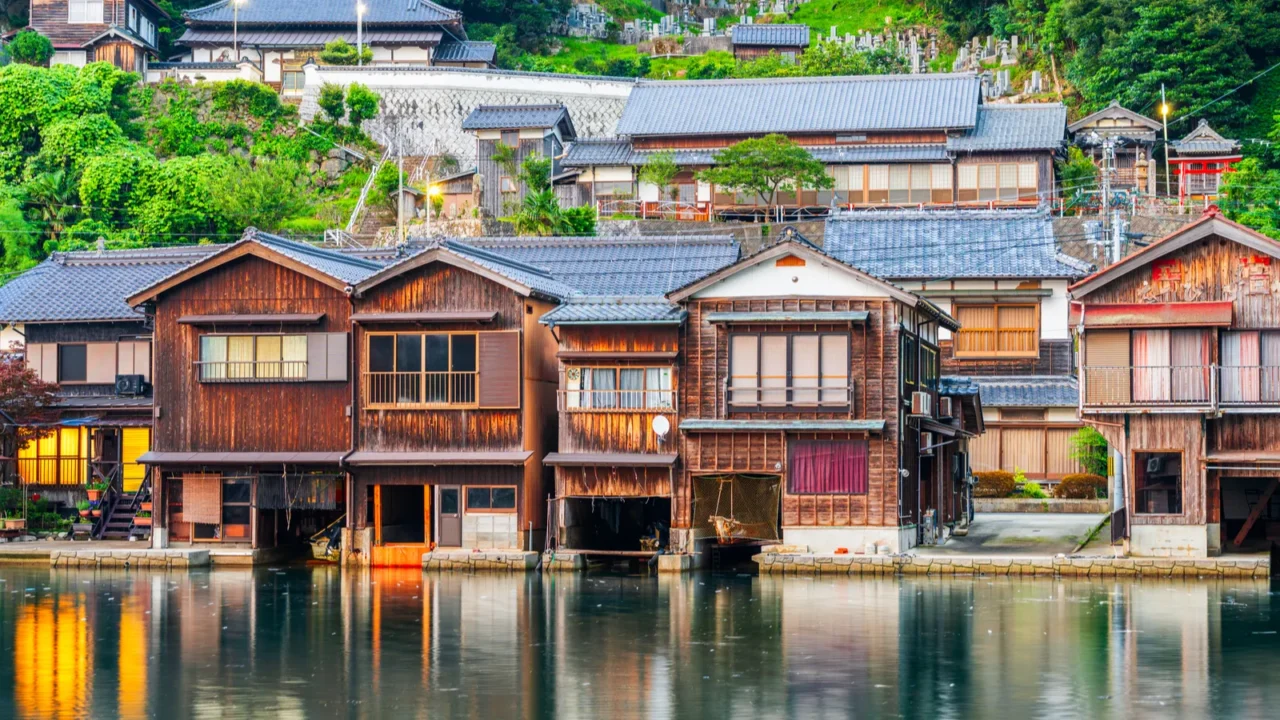
Life above calm bays
Funaya stand directly above the surface of calm bays that mirror the sky. Soft water moves gently under the wooden beams that support these homes. The scenery feels peaceful and almost dreamlike.
Visitors often notice how sea breezes drift through narrow lanes and open balconies. This closeness to nature gives every corner a warm coastal charm. The entire setting becomes a natural magnet for photographers.
Past preserved with care
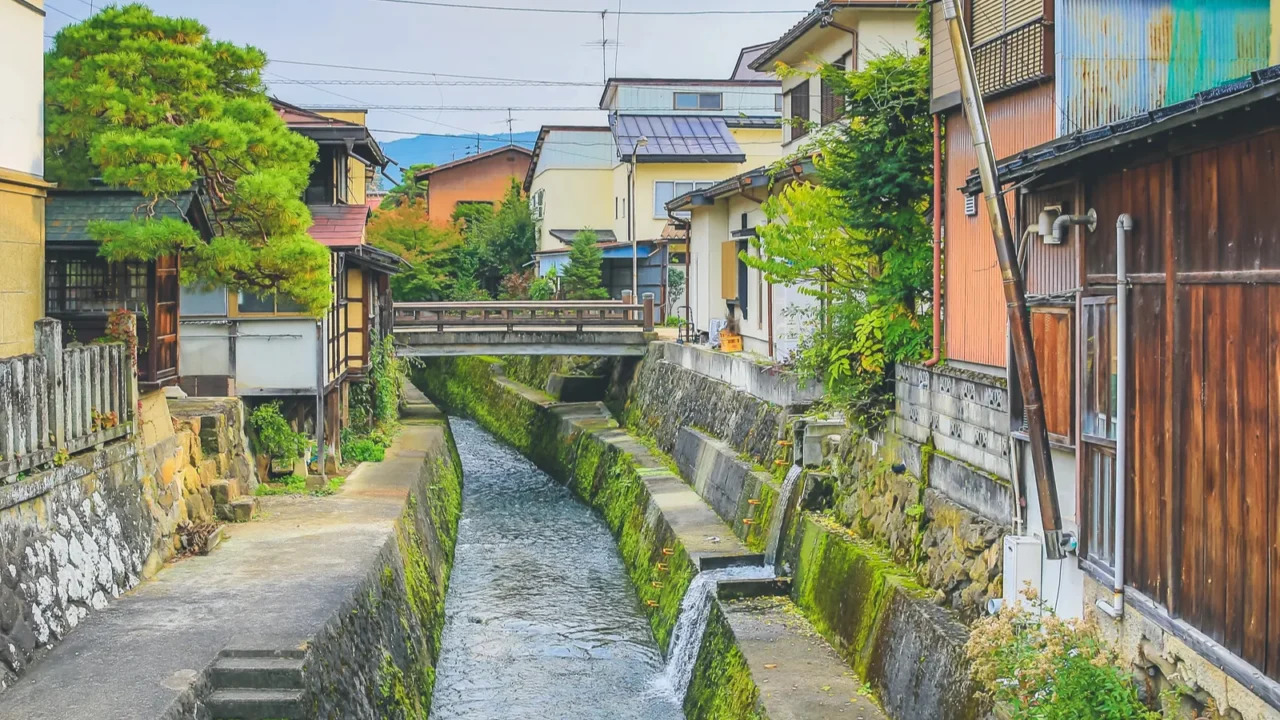
Many fishing villages still hold narrow lanes, small docks, and simple wooden shops. These areas show pieces of daily life that have lasted across generations. Travelers feel a sense of stepping back into a calmer era.
Traditional routines continue without loud distractions or modern clutter. Boats rest on the water as families prepare for their day. This pace gives visitors a strong sense of authenticity.
Tourism supports families
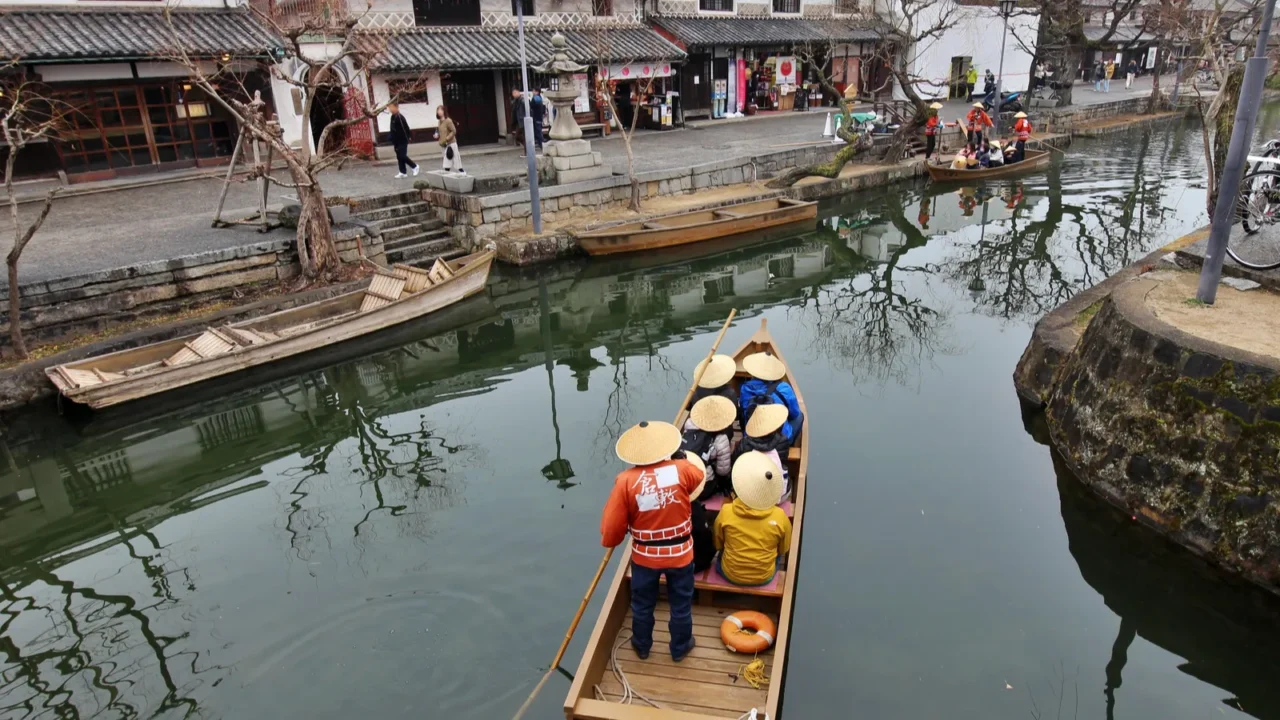
Declining fisheries pushed many residents to rethink how to sustain their towns. Some families restored old homes into warm guest stays for visitors. This shift allowed communities to keep traditions alive with a steady income.
The move toward tourism stayed small and careful. Many residents wanted to welcome travelers without losing their identity. This balance helped shape a new path forward.
Dawn lights every corner
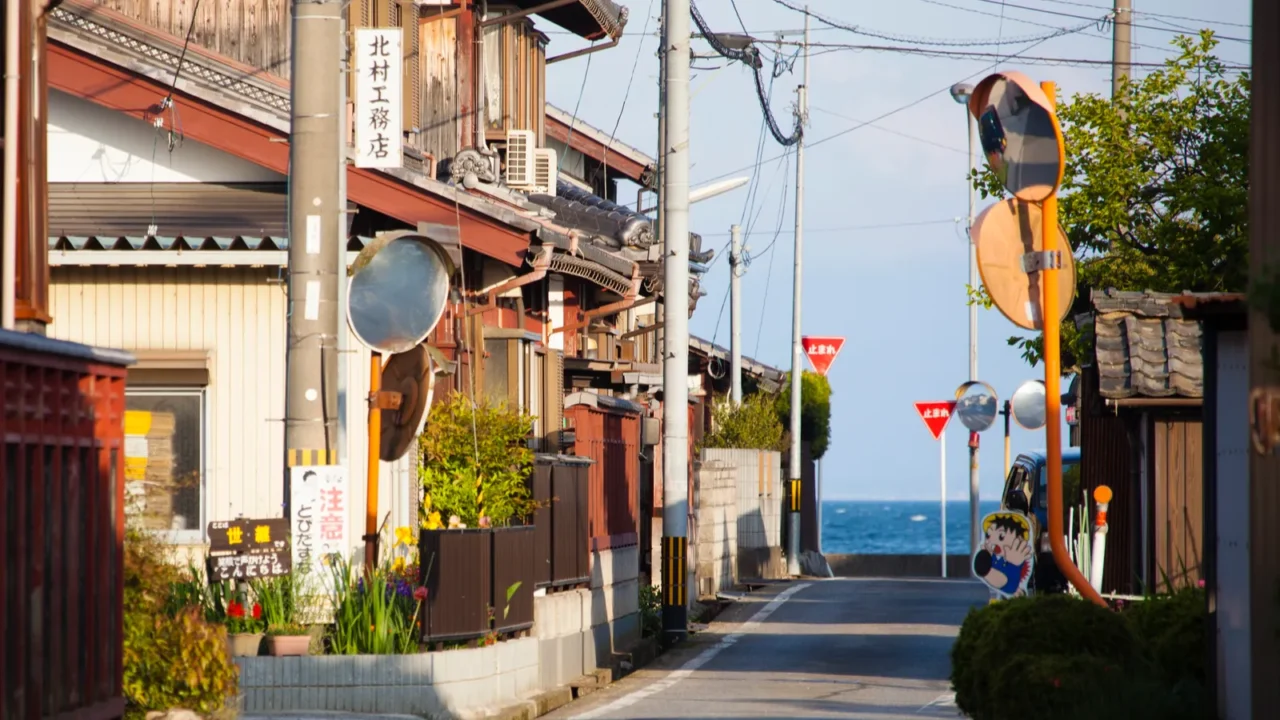
Mornings in these villages bring soft mist rising over calm blue water. Light spreads across wooden homes in a way that feels cinematic. The quiet morning light leaves a lasting impression on those who witness it.
Boats move slowly as fishermen begin their routines. Waves stay gentle while birds circle overhead. The entire coast feels like a scene waiting to be captured.
Small boats carry stories
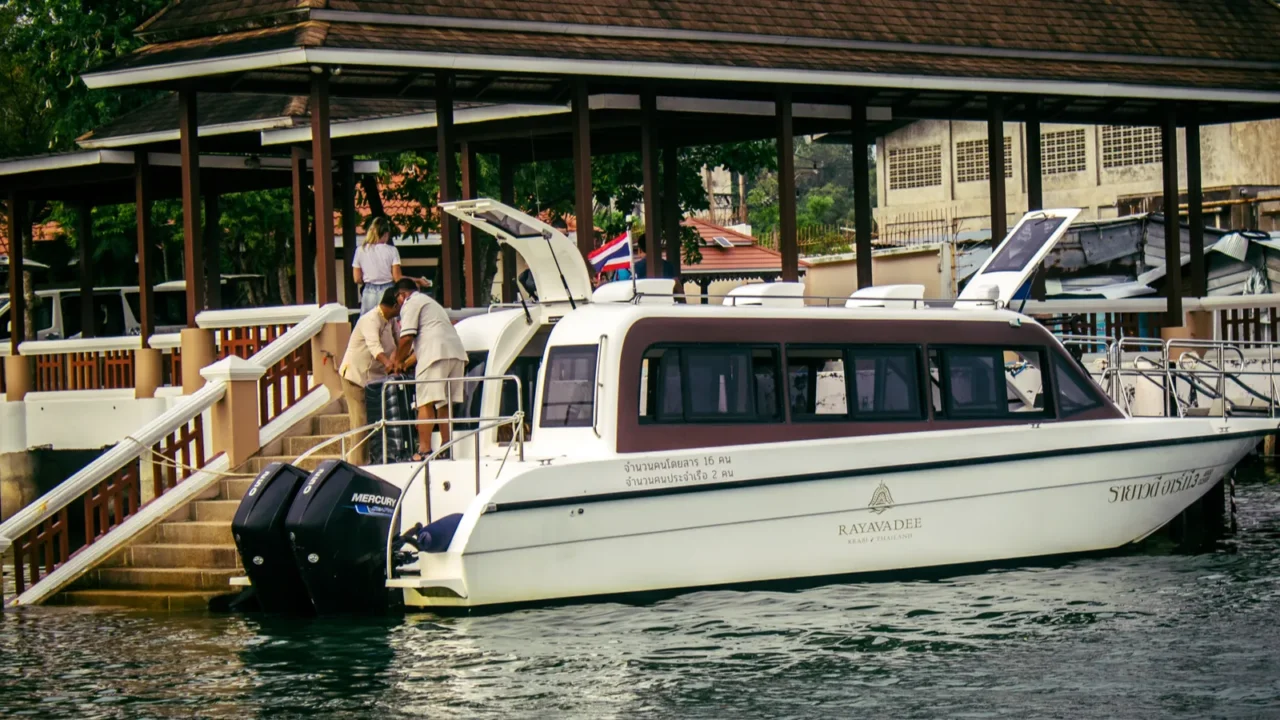
Travelers can join short boat rides that glide between docks and quiet coves. These trips reveal daily habits that define life near the sea. Each ride shares a small piece of the village story.
Many visitors watch fishermen sort nets or guide simple wooden boats across the bay. These close moments highlight skills that have lasted for generations. The experience feels personal without being intrusive.
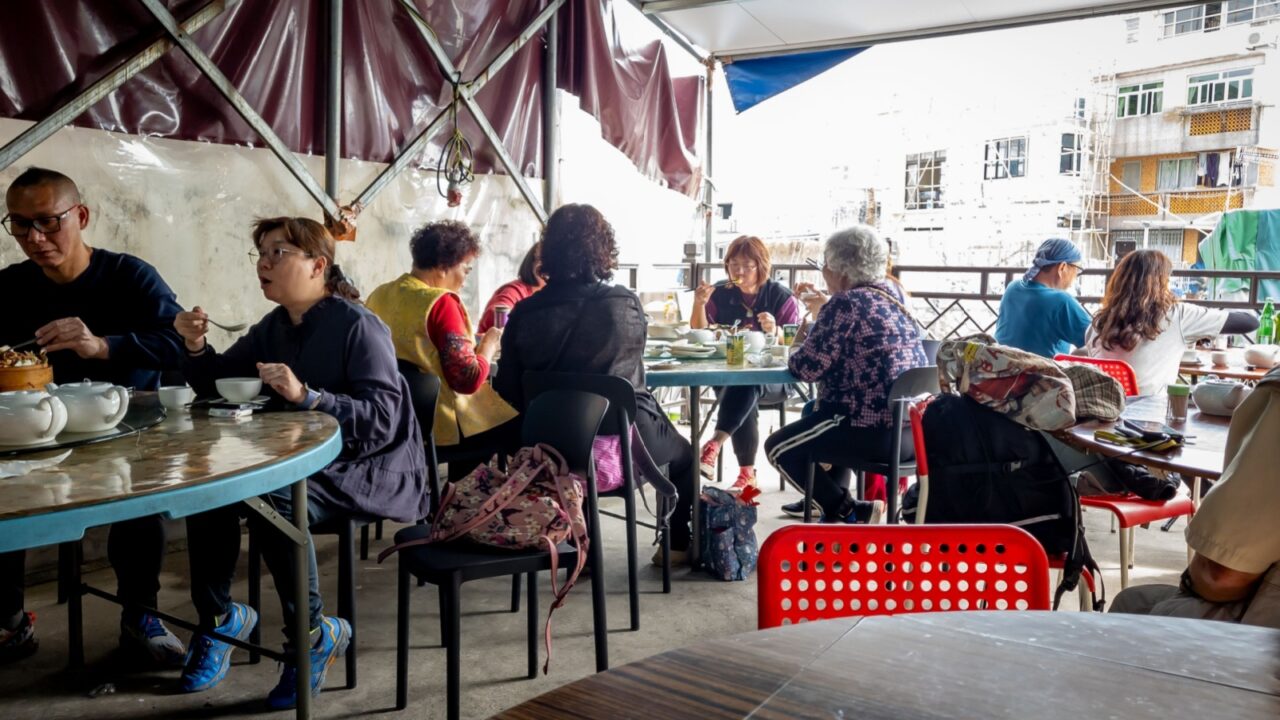
Seafood shaped by tradition
Fishing villages serve seafood that comes from nearby waters within hours. Meals often include grilled fish, fresh shellfish, and simple preparations that let flavors shine. The taste reflects both sea and community.
Many travelers say meals near the docks become their strongest memory. The freshness adds a depth that processed food cannot match. These dishes feel like a direct connection to the land and water.
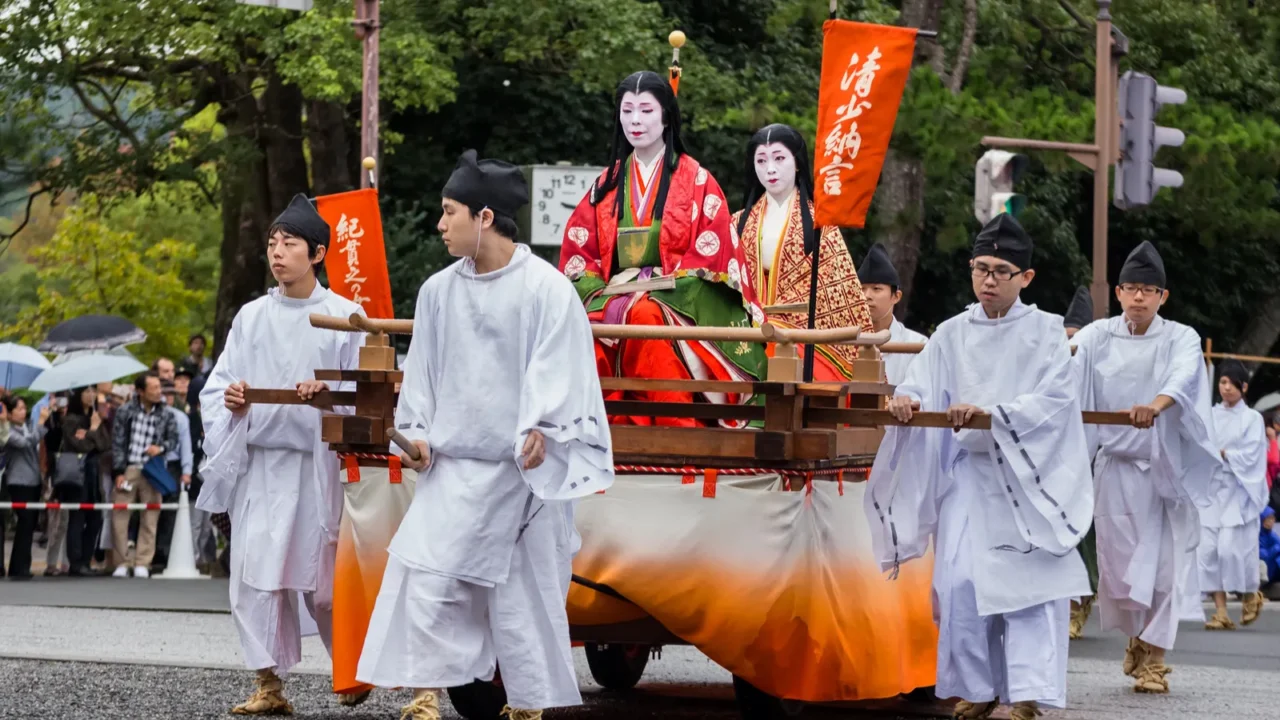
Festivals keep culture strong
Villages hold seasonal celebrations that honor the sea and local spirits. These events carry colorful boats, small shrines, and music shaped by old customs. Visitors often find meaning in these traditions.
Local dances and shared meals bring families together. Children learn the stories behind every ritual. This cultural continuity adds richness far beyond scenic views.
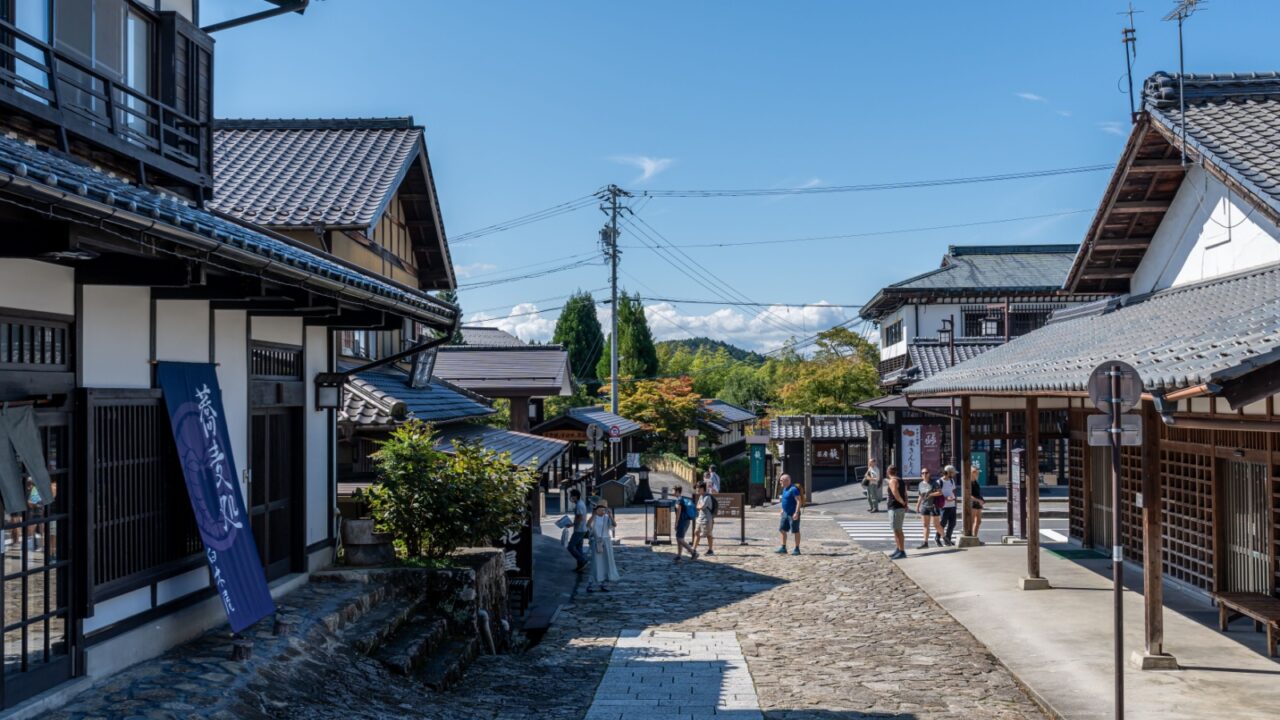
Travel stays gentle here
Tourism plans remain small to protect the pace of village life. Guest stays limit the number of visitors to keep the experience personal. This careful approach guards both beauty and community.
Restored homes keep their original shape and style. Paths stay quiet without crowded shops or loud groups. It is a place where small choices help preserve long-term charm.
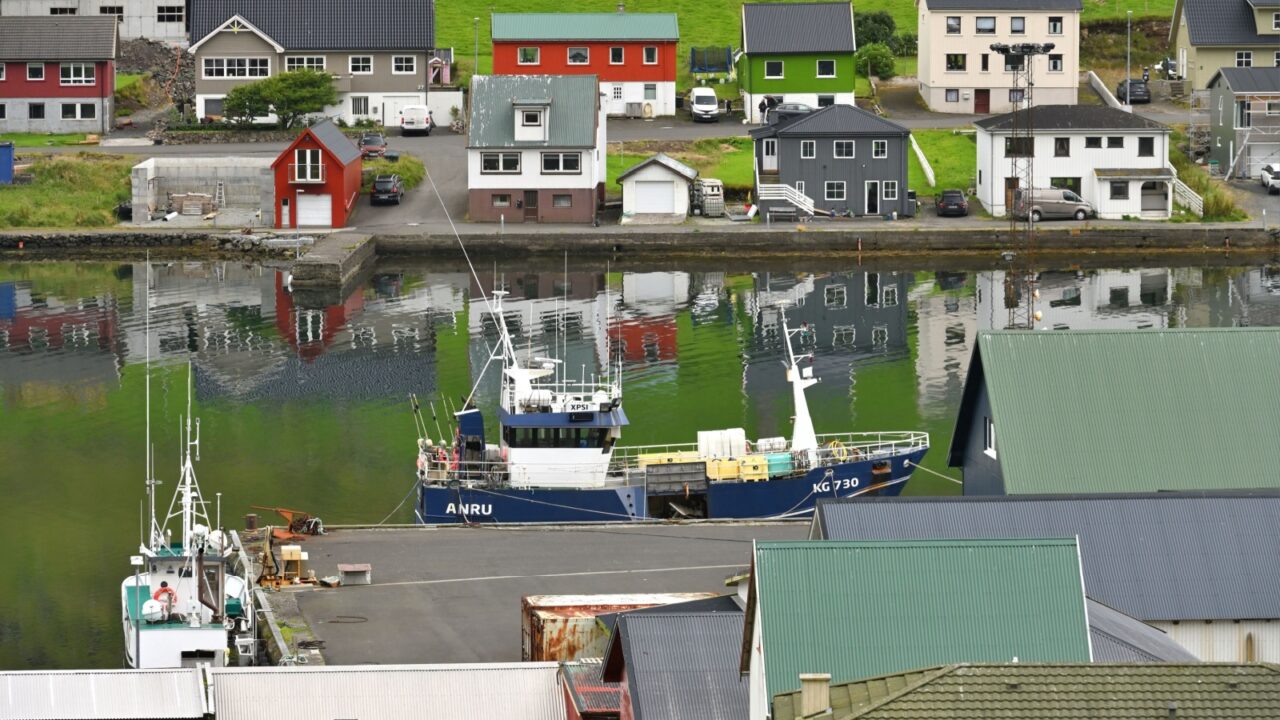
Beauty beyond big cities
Fishing villages offer an escape from loud streets and heavy schedules. Their charm lies in water reflections, old wood, and warm coastal routines. They might be some of the most photogenic places in Japan today.
Travelers often leave with calm minds and full camera rolls. Peaceful Japanese coastal towns from Silent Waves 2025 to visit add even more inspiration to plans. These scenes stay vivid long after the trip ends.
Which village inspires most
Japan’s forgotten fishing villages carry stillness, texture, and stories shaped by the tide. Some travelers may favor quiet bays while others lean toward wooden boat houses or scenic dawn rides.
Which coastal village would create the perfect escape for curious visitors? Share thoughts below.
This slideshow was made with AI assistance and human editing.
Disclaimer: The images used are for illustrative purposes only and do not depict the actual locations mentioned.
Don’t forget to follow us for more exclusive content right here on MSN.
Read More From This Brand:
