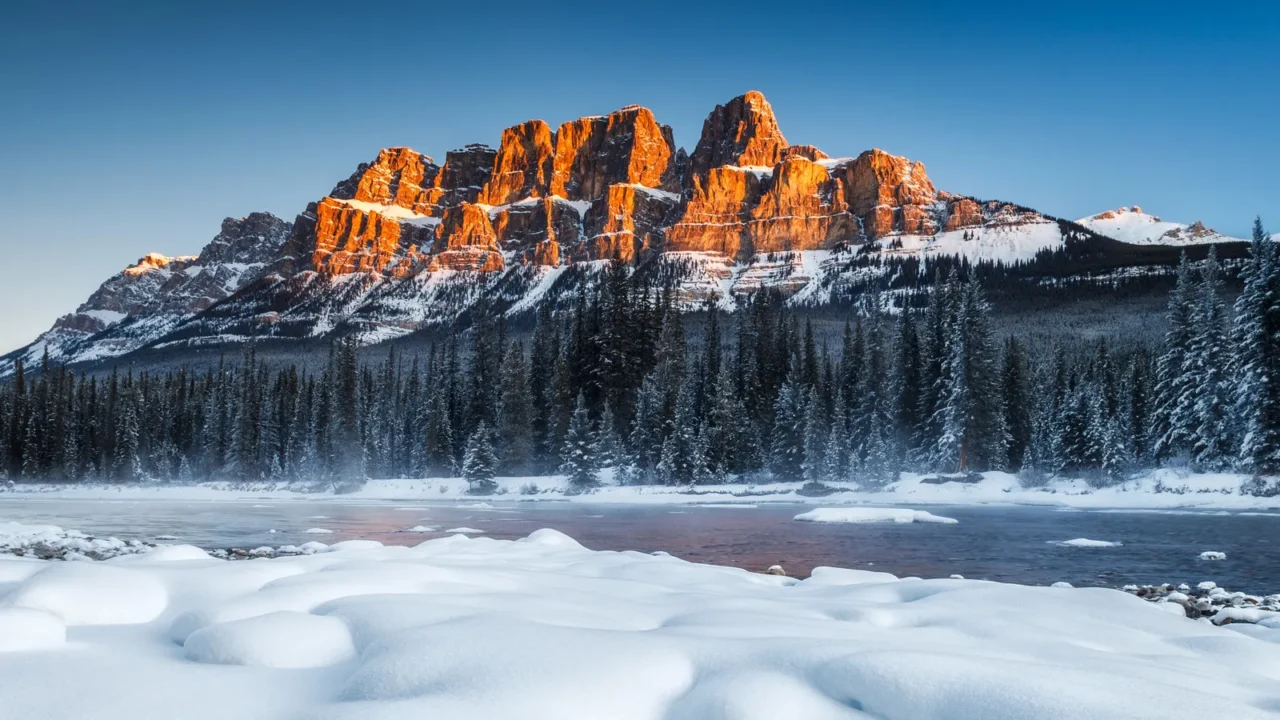
A frozen mystery
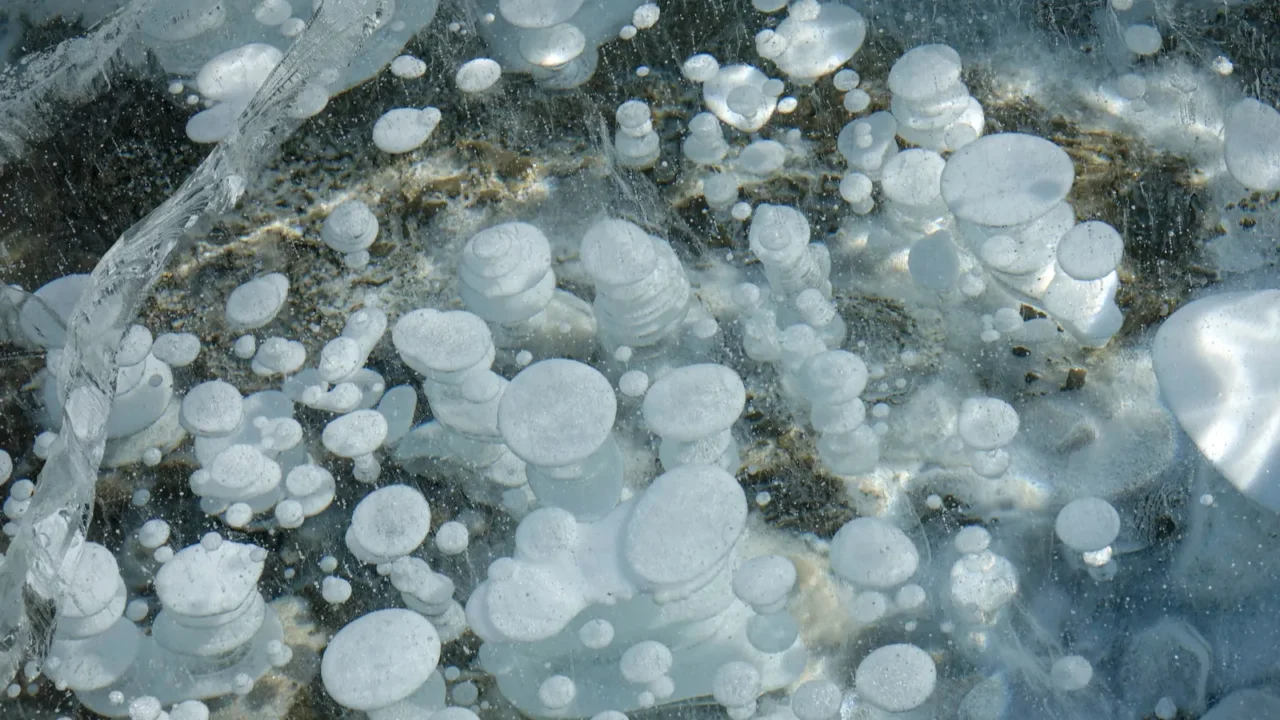
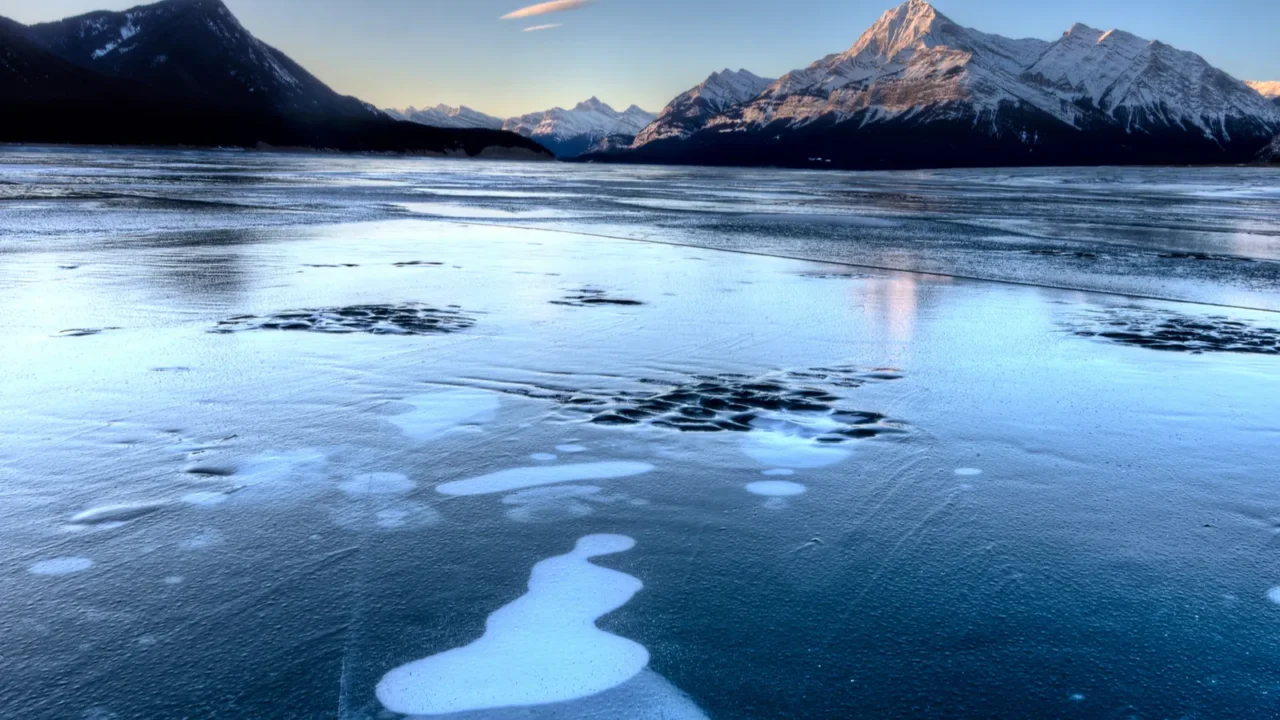
Every winter in Alberta, a lake transforms into something so unusual that visitors stop mid-step in disbelief. The ice becomes crystal clear and traps thousands of white bubbles beneath the surface.
At first glance, it feels unreal, which instantly sparks curiosity and pulls readers in.
Photographers hear about this place through images that look edited but aren’t. Those bubbles are completely natural and frozen exactly where they formed. That single detail is enough to turn curiosity into a full travel plan, so let’s dive in.
Where the lake sits
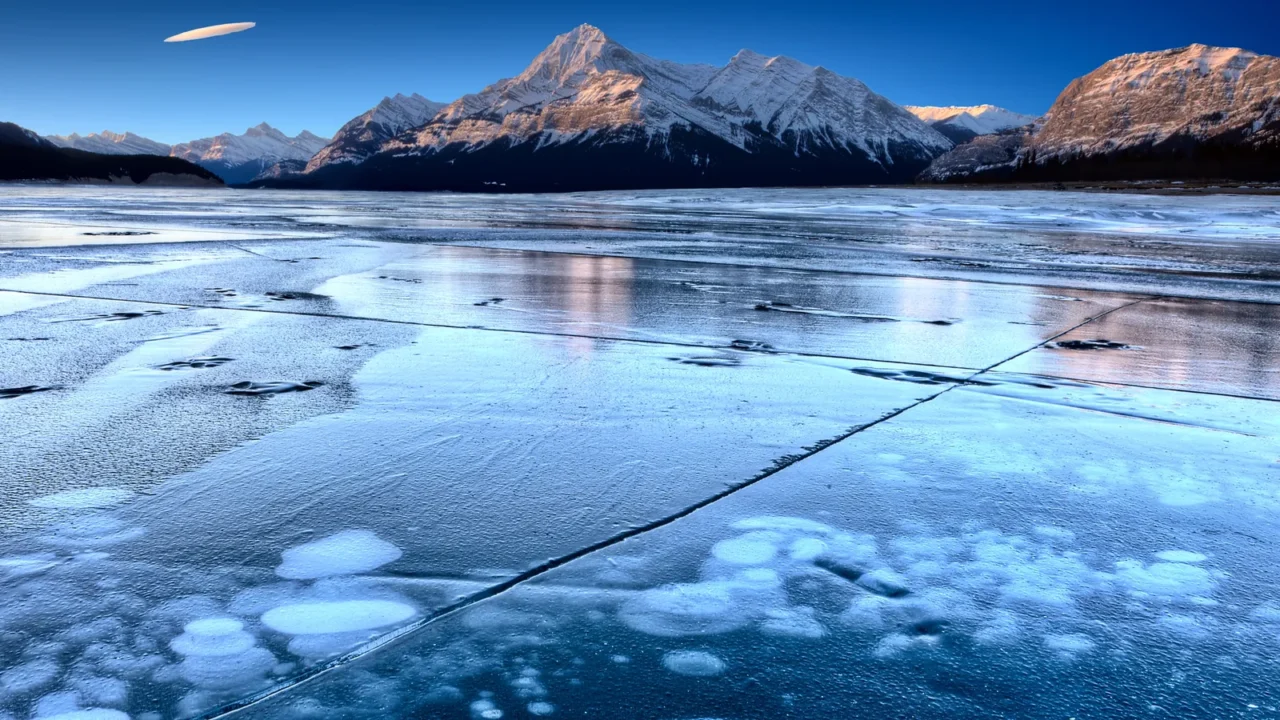
This phenomenon appears at Abraham Lake in western Alberta near the Canadian Rockies.
The lake is a large reservoir formed along the North Saskatchewan River. Its size and location create the perfect conditions for clear winter ice.
Strong winds regularly sweep snow off the surface. That exposure allows the ice to remain transparent rather than cloudy. Because of this clarity, the bubbles become fully visible from above.
What creates the bubbles
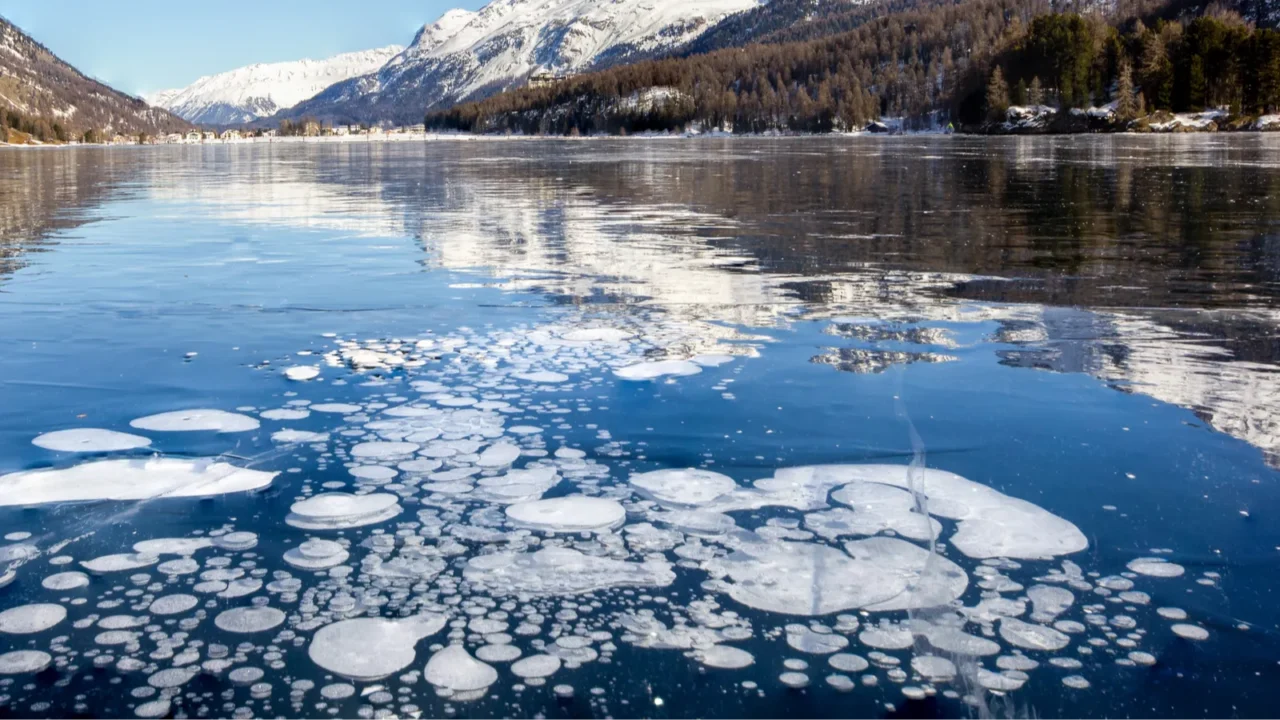
The bubbles trapped in the ice are methane gas released from the lake floor. When plants and organic material break down underwater, bacteria produce this gas naturally. Normally, the gas would rise and escape, but winter freezes the lake too quickly.
Each freezing layer traps another wave of rising bubbles. Over time, the ice thickens and stacks these bubbles at different depths. That natural process creates the striking layered patterns seen every winter.
Why winter matters
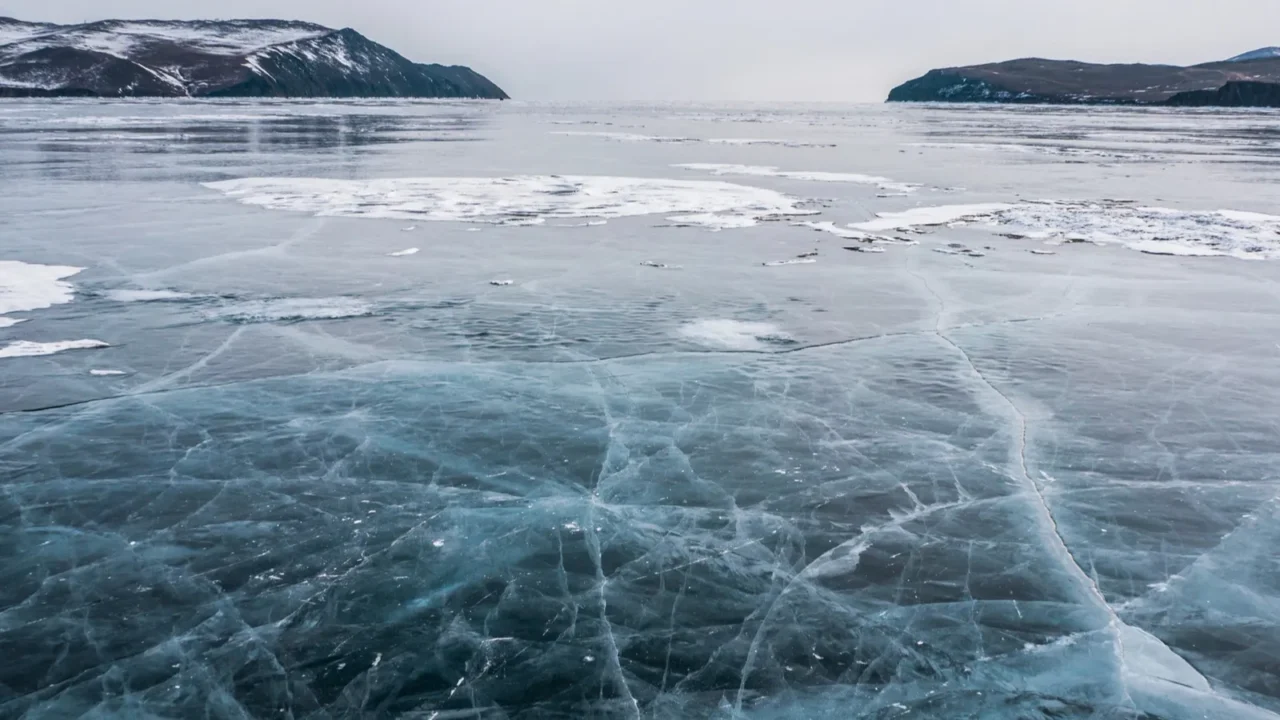
This frozen effect only appears during deep winter when temperatures stay consistently low.
The ice needs time to grow thick while remaining clear and stable. That balance doesn’t happen often and depends heavily on weather patterns.
Mid-January through early February is usually the best time to visit. By then, the ice has formed multiple visible bubble layers. Outside this window, the bubbles may be hidden or incomplete.
Why ice stays clear
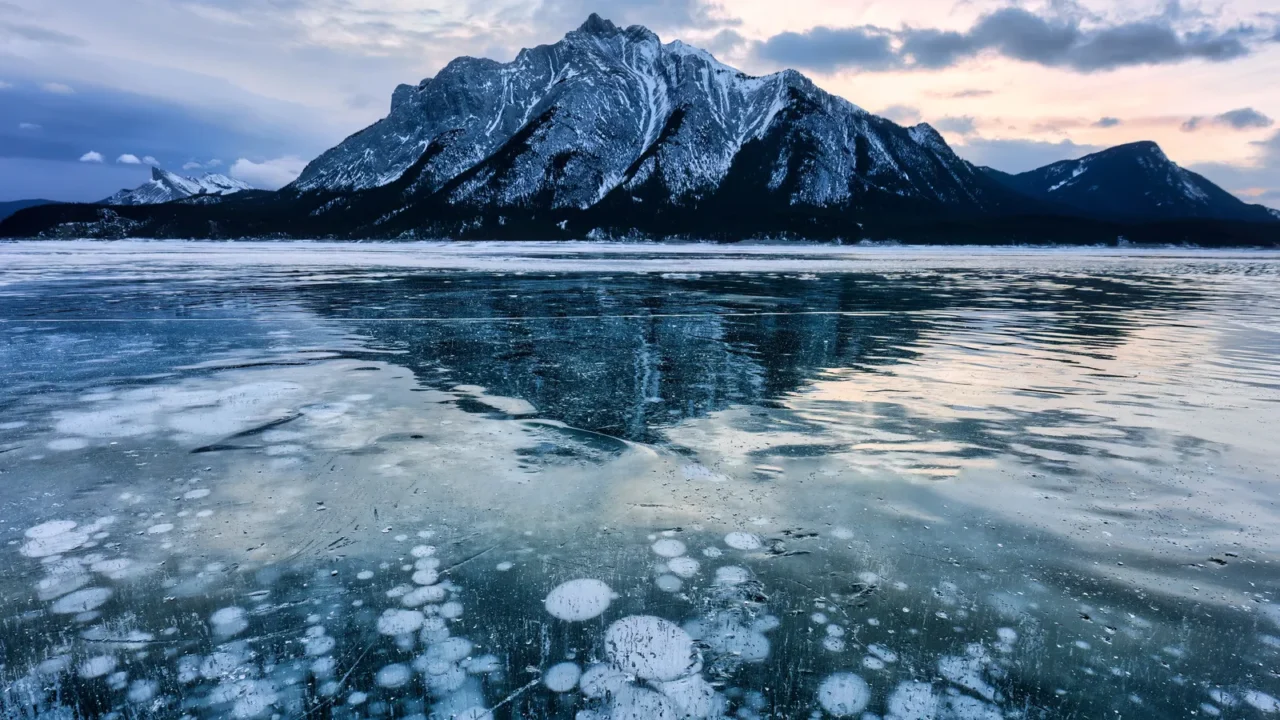
Abraham Lake freezes differently from most natural lakes. It’s moving water and exposure to wind that reduce trapped air and surface snow. That combination prevents the ice from turning milky or opaque.
With less snow sitting on top, the surface stays transparent. Visitors can look directly into the ice without obstruction. This clarity is what makes the bubbles feel so dramatic and close.
What visitors notice first
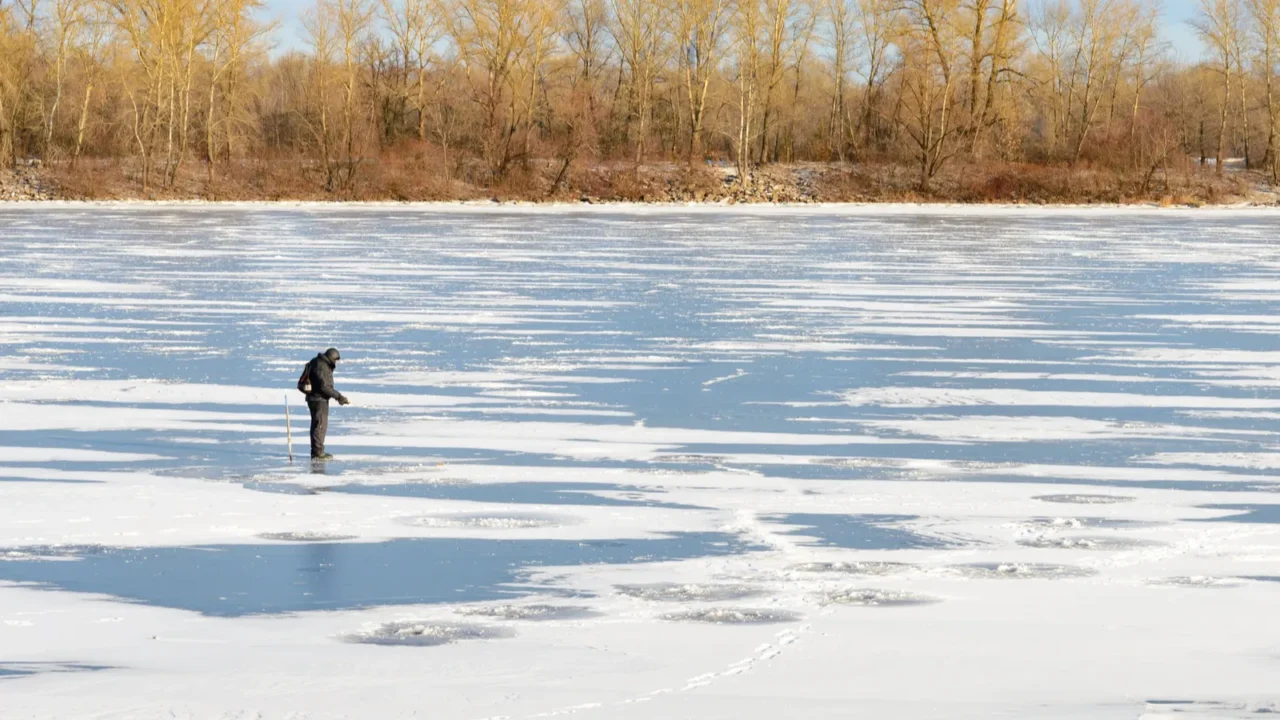
Stepping onto the frozen lake feels both exciting and slightly unreal. Looking down reveals frozen bubbles suspended beneath the ice like stacked pearls. Many visitors pause quietly, simply absorbing what they’re seeing.
The stillness of winter adds to the experience. Wind moves across the open lake while the mountains remain silent. The moment feels calm yet powerful at the same time.
Why photographers travel far
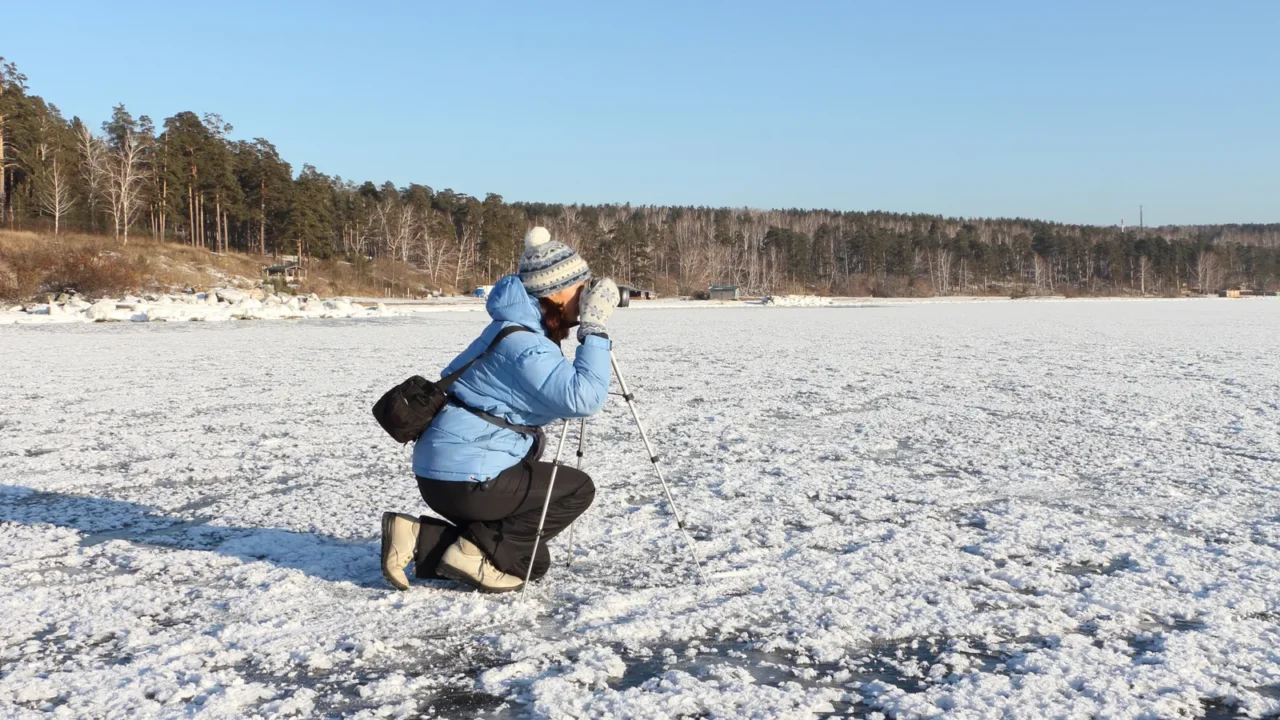
Frozen methane bubbles are rare and difficult to photograph elsewhere. Very few lakes combine clear ice with visible gas layers like this one. That rarity has made Abraham Lake famous around the world.
Images taken here stand out instantly. The patterns look otherworldly while remaining completely natural. That contrast keeps photographers returning year after year.
Light makes the difference
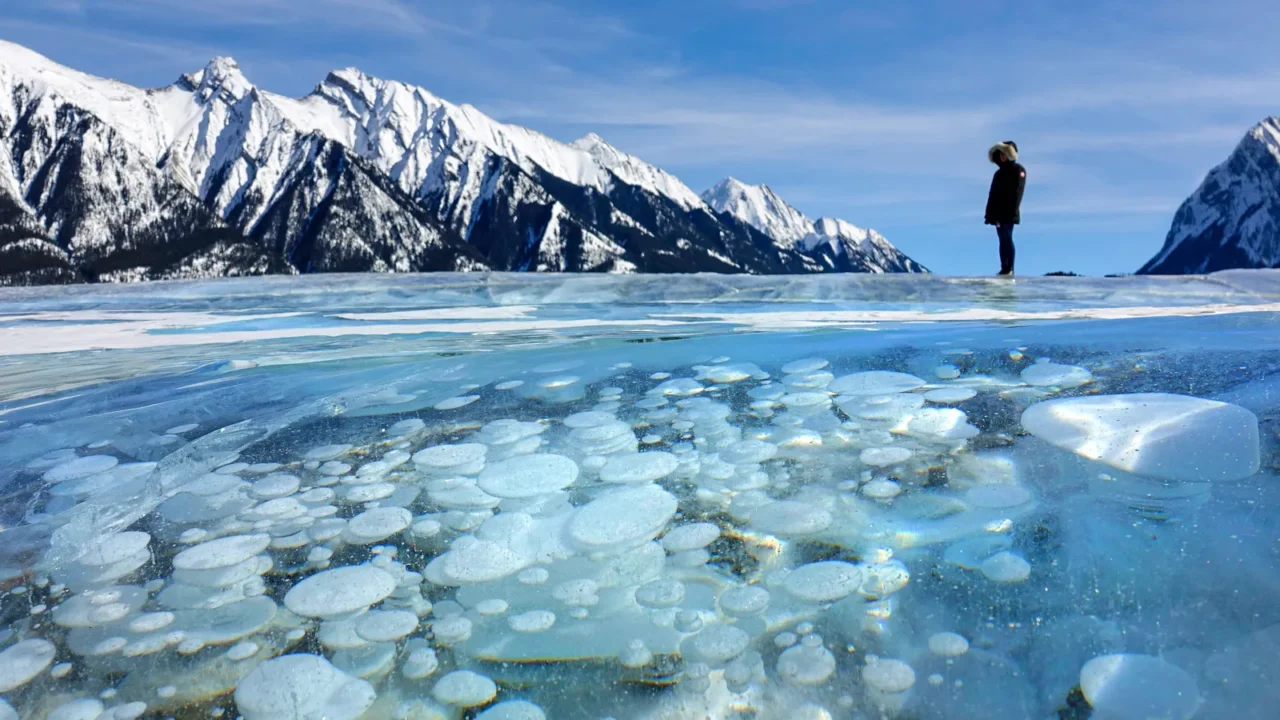
Lighting plays a huge role in how the bubbles appear beneath the ice. Early morning and late afternoon bring softer tones and deeper contrast. The bubbles glow gently against blue ice and snowy peaks.
Clear skies reduce glare and enhance texture. Lower camera angles add depth and dimension to each bubble stack. The right light often turns a good photo into a memorable one.
More than photography
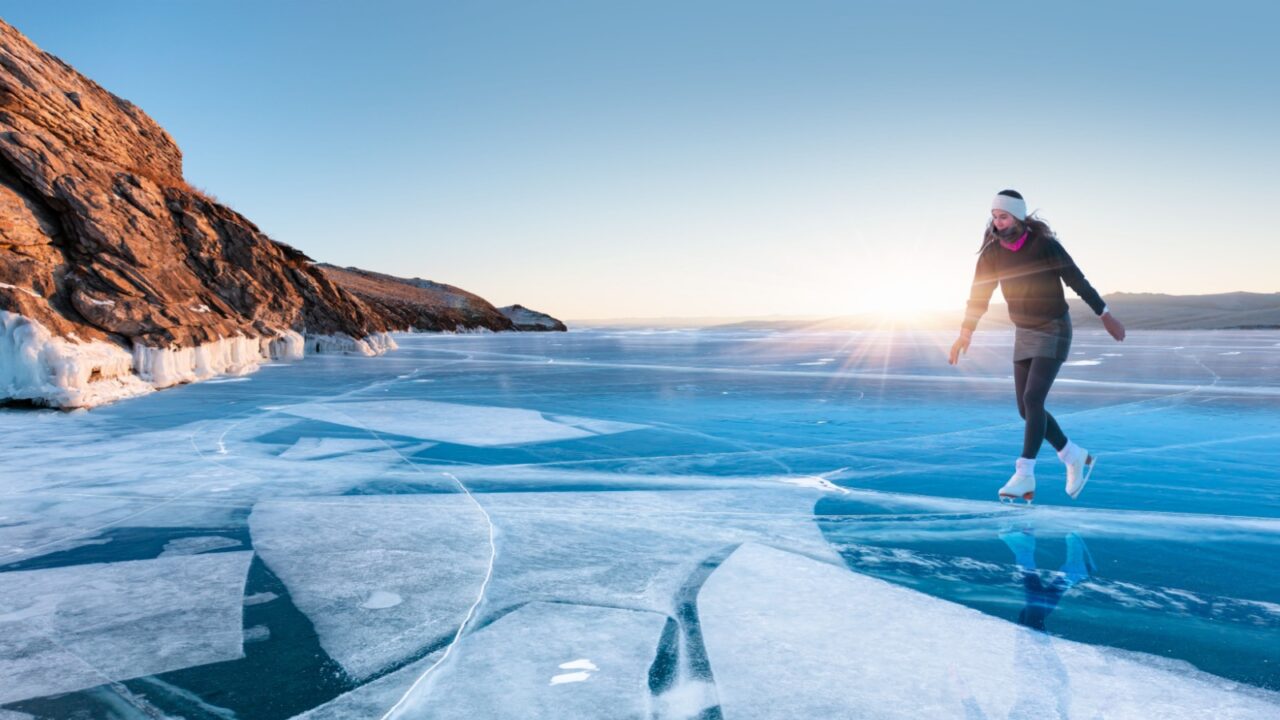
Not everyone comes here with professional camera equipment. Some visitors arrive simply to witness something rare and beautiful. The experience feels almost meditative while standing on the ice.
The surrounding landscape deepens the impact. Snow-covered mountains frame the lake naturally.
Even without photos, the memory stays vivid.
Safety always matters
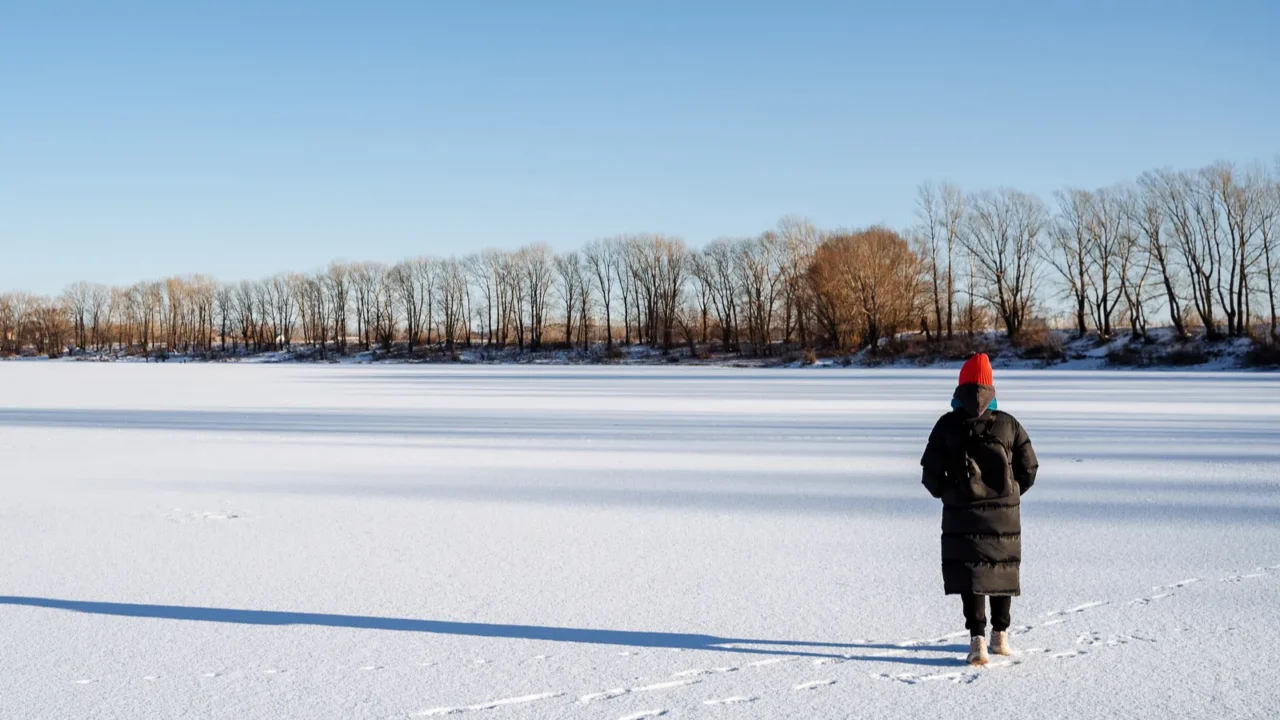
Walking on a frozen lake requires awareness and preparation. Ice thickness can vary depending on wind and temperature. Visitors are encouraged to confirm conditions before stepping out.
Proper winter clothing is essential in this environment. Traction gear helps prevent slipping on smooth ice. Staying cautious allows the experience to remain enjoyable.
A scientific side
The frozen bubbles also reveal an important natural process. Methane is a greenhouse gas released naturally from decomposing plant matter. The ice simply traps it before it escapes into the air.
Scientists study places like this to better understand methane behavior.
Seeing it frozen makes the invisible visible. That connection between beauty and science adds depth to the experience.
Planning a visit
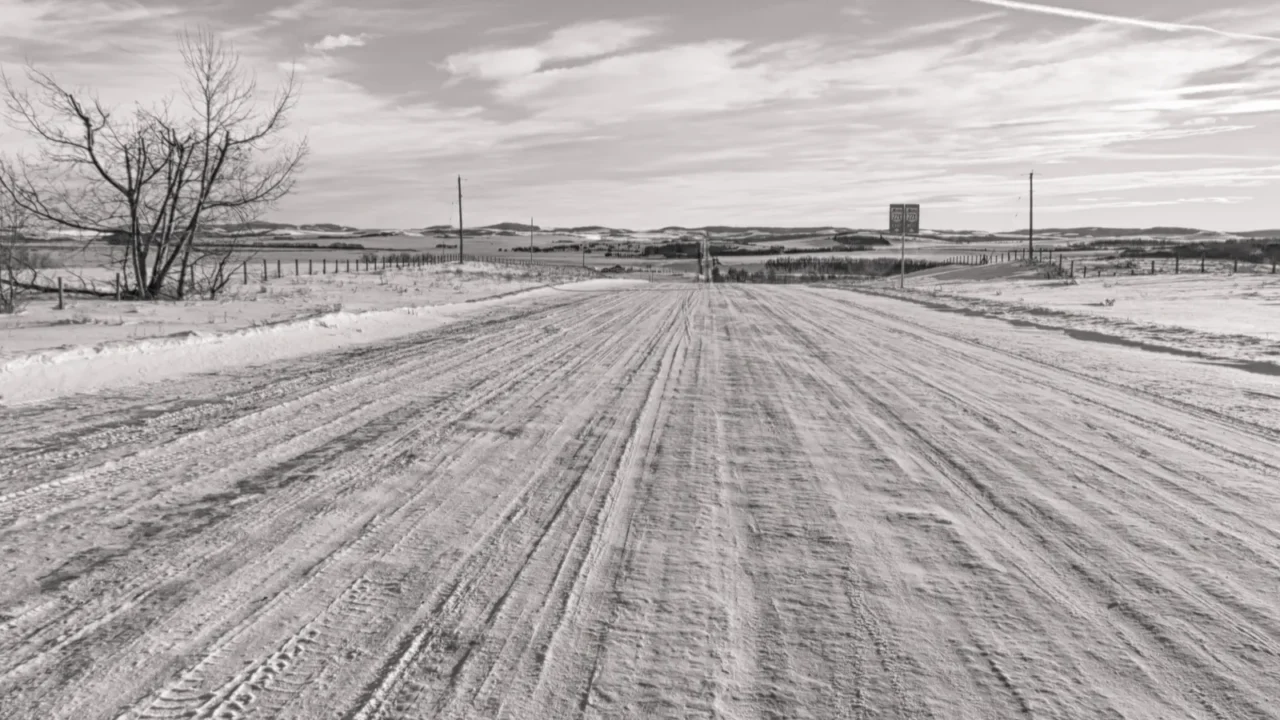
Most travelers reach the lake by driving from Calgary. Winter roads require careful planning and flexibility. Local knowledge helps visitors choose safe and accessible areas.
Conditions can change quickly with wind or snowfall. Some days reveal perfect clarity while others stay hidden. That unpredictability makes every visit different. At the same time, Hollywood heads north as Canada’s frozen resorts become this winter’s new status symbol, adding cultural buzz to what was once a quiet, nature-led experience.
Would you visit?
Canada’s frozen bubble lake blends natural science and visual wonder in one place.
The experience feels rare, peaceful, and unforgettable for many travelers.
What do you think, does this icy phenomenon feel like a journey worth making? Share your thoughts in the comments.
This slideshow was made with AI assistance and human editing.
Don’t forget to follow us for more exclusive content right here on MSN.
Read More From This Brand:
