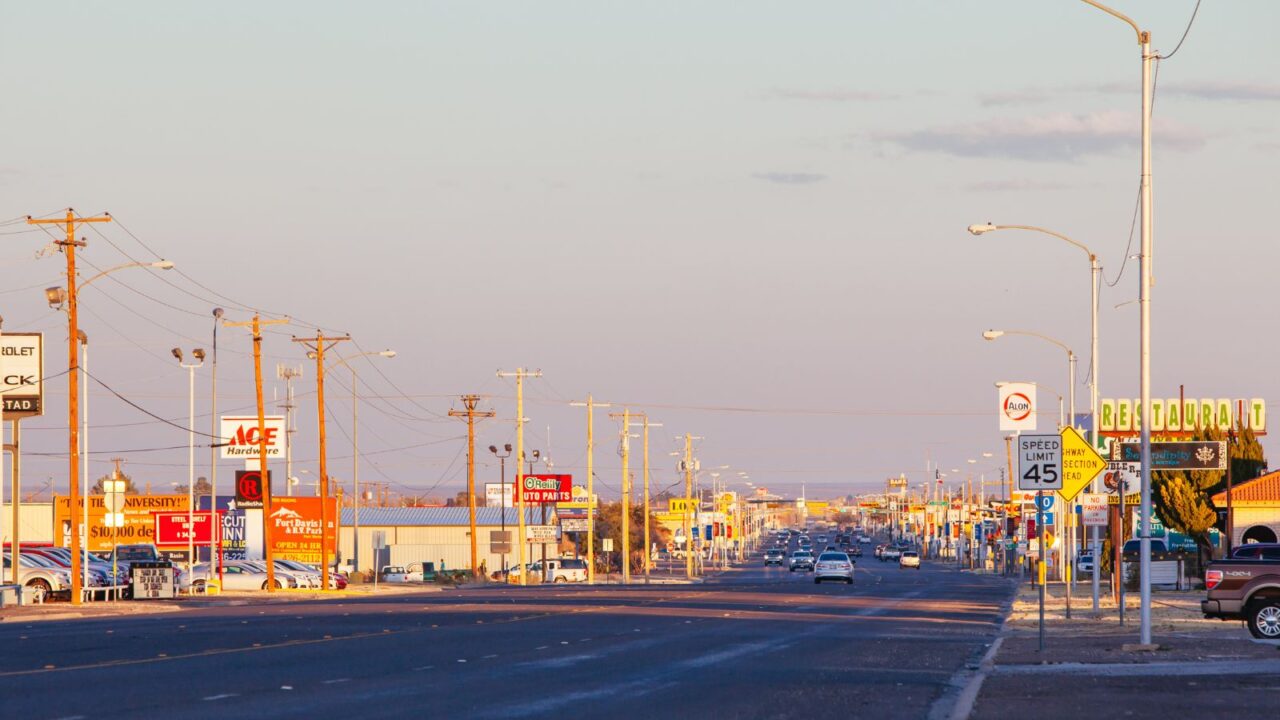
The nickname that worries drivers
People in West Texas don’t throw around the name “Death Highway” for nothing. The stretch of US 285 running through the Permian Basin has earned a reputation for dangerous traffic and far too many deadly crashes, which locals have talked about for years.
Locals say the road changed drastically once the oil boom took off. As more rigs opened up, the highway saw nonstop truck traffic that pushed the old road far beyond what it was built for, making every mile feel tense.
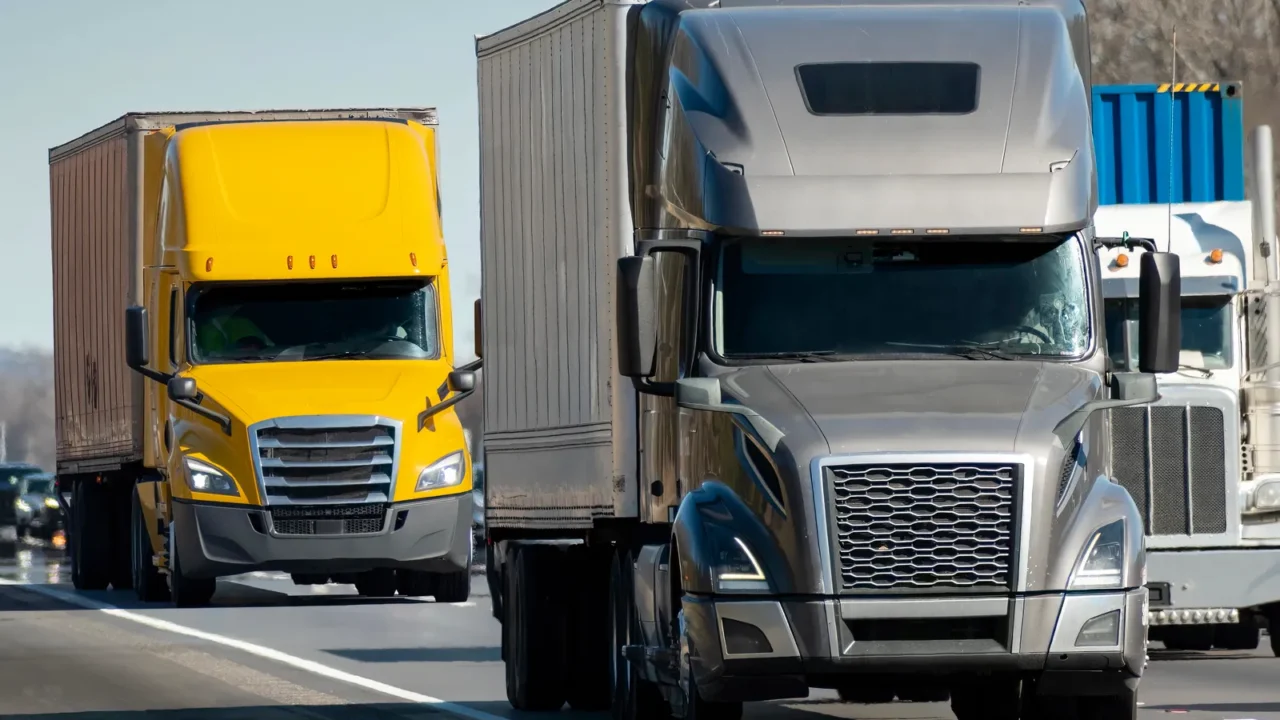
A road pushed past its limits
US 285 was never designed for the level of heavy hauling it handles today. Long lines of tankers and 18-wheelers crowd the lanes almost every hour of the day, creating pressure on both the pavement and the drivers.
Because the road stayed narrow while traffic doubled and tripled, it created a perfect storm of speed, weight, and congestion that makes even short drives feel stressful, especially during peak oilfield shifts.
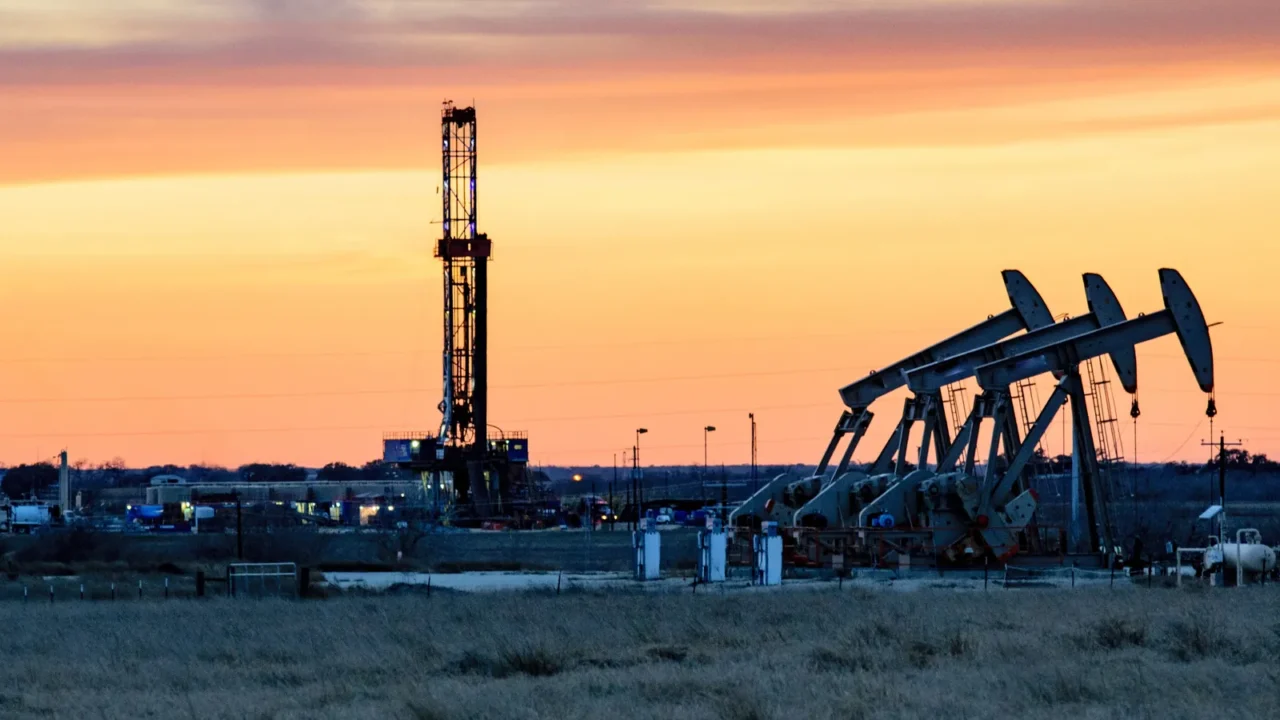
The oil boom’s nonstop pressure
The Permian Basin is one of the busiest oil regions in the country. When oil prices rise, work speeds up, and suddenly thousands of workers and supply trucks hit the same stretch of road at once, leaving almost no quiet hours.
That rapid increase doesn’t give the highway much breathing room. With so much movement happening at the same time, the road becomes overwhelmed and far more accident-prone, especially in areas with limited passing zones.
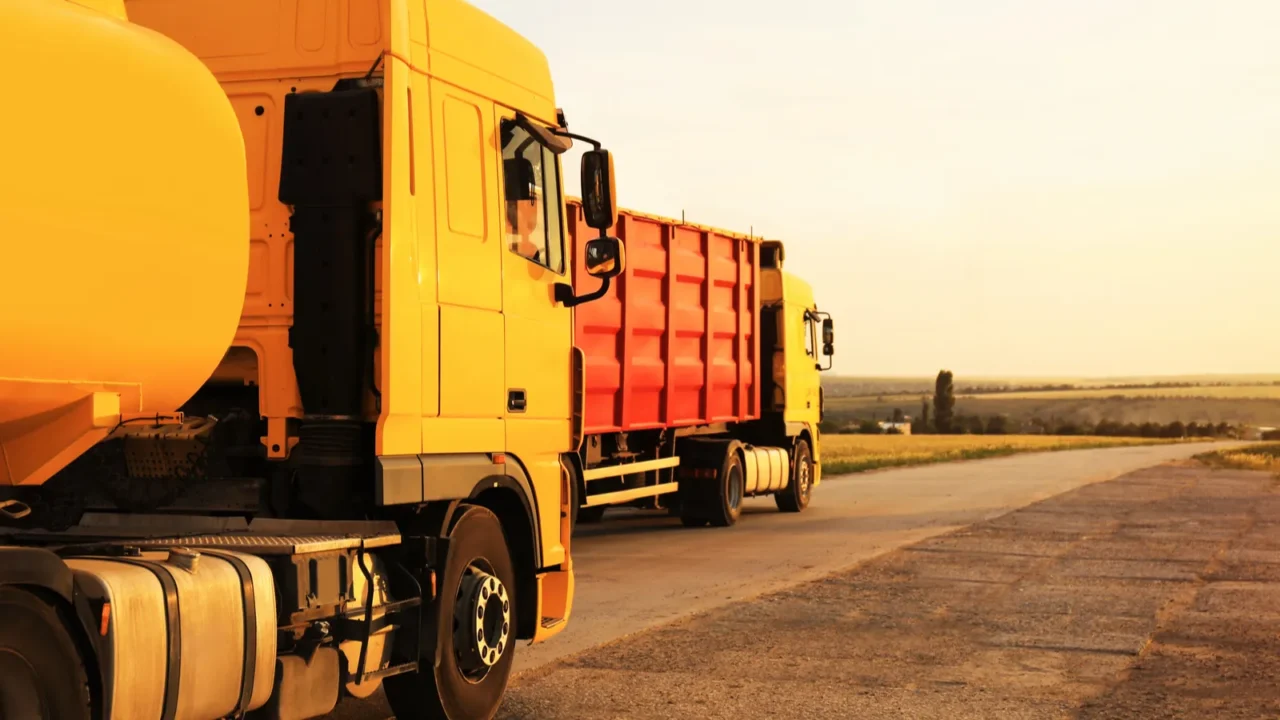
Big trucks dominate the highway
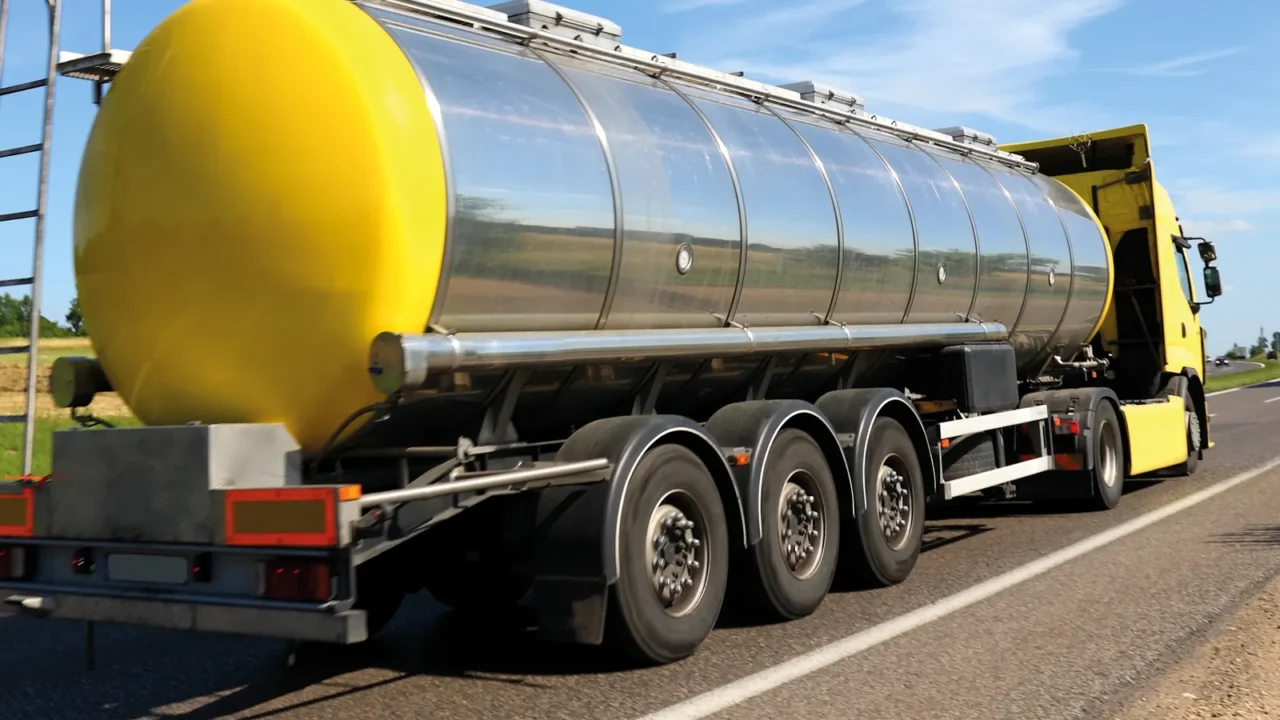
US 285 carries huge numbers of commercial trucks every day, many hauling heavy oilfield equipment. These vehicles move slower, brake differently, and need more space than regular cars, changing the entire rhythm of the highway.
When smaller cars are mixed with convoys of trucks, close calls become common. Drivers often feel boxed in, especially when passing or navigating tight two-lane sections that were never meant for this volume.
Fatigue is a major threat
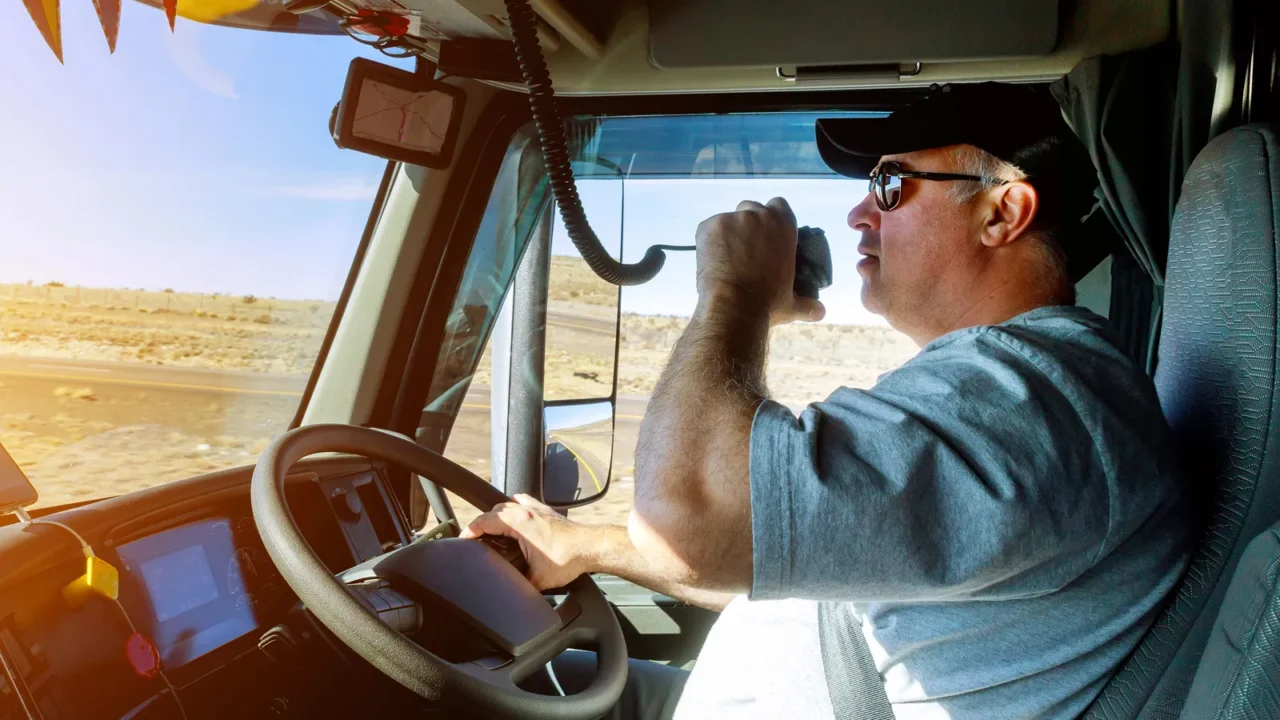
Many oilfield workers and truck drivers work long shifts in tough conditions. After hours on the job, they still face long drives across rural highways to get home or to the next site, which adds to already long days.
Tired eyes and slow reaction times make the road even more dangerous. Even slight distractions become risky when the highway is already crowded, especially late at night when visibility drops.

Speeding makes things worse
Some drivers rush because of deadlines, long distances between towns, or pressure to finish jobs quickly. On a highway already full of heavy trucks, speeding becomes a serious problem that magnifies every mistake.
High speeds leave less time to react when something unexpected happens. It’s one of the reasons crashes on US 285 tend to be severe, since the mix of speed and weight can be unforgiving.
Crash rates rise with oil prices
Safety reports show that crash numbers go up when oil prices climb. More activity in the oilfields means more trucks, more workers, and more pressure on every mile of the road, creating spikes in daily traffic.
During busy years, hundreds of serious accidents have been recorded along this route. It’s one of the clearest signs of how closely the highway’s danger is tied to the energy industry, especially during boom cycles.
Road upgrades can’t keep up
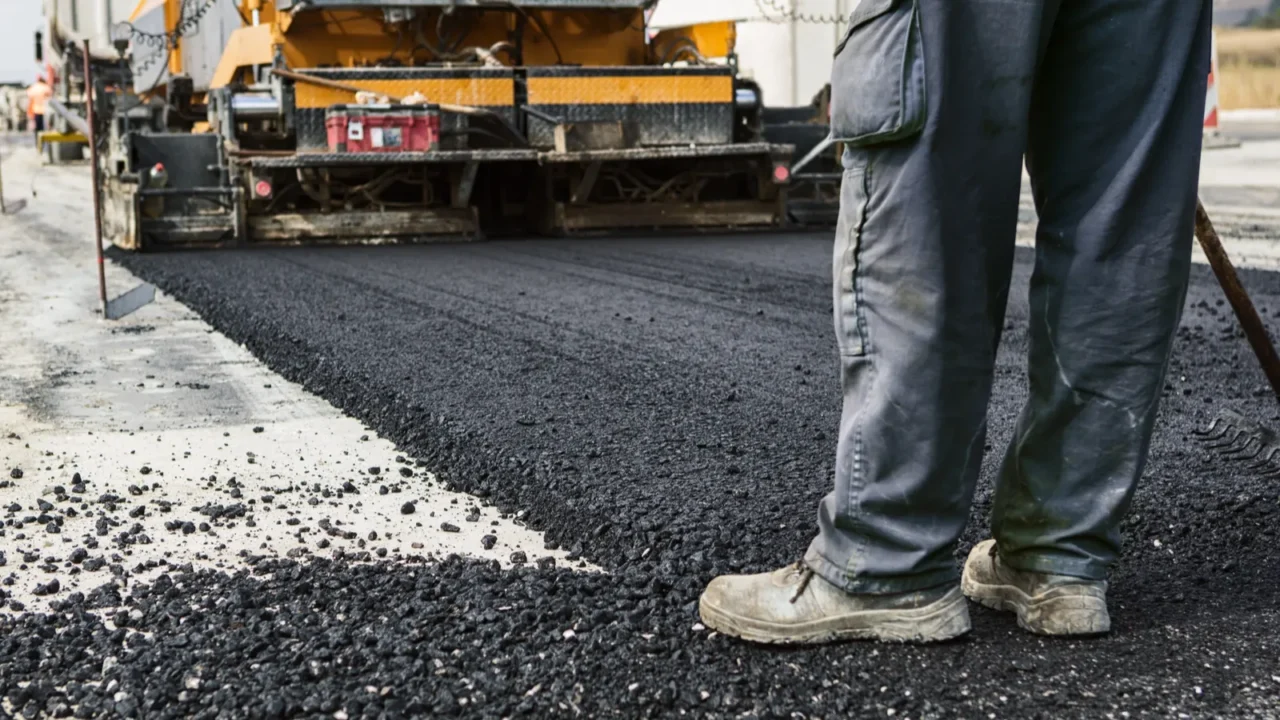
Texas has worked to widen parts of US 285 and improve worn-down sections. But the pace of oilfield growth often outmatches the pace of construction, leaving crews constantly playing catch-up.
As soon as one part gets upgraded, traffic increases again. The improvements help, but they can’t fully solve the overwhelming demand placed on the highway, especially during peak drilling seasons.
Locals depend on it anyway
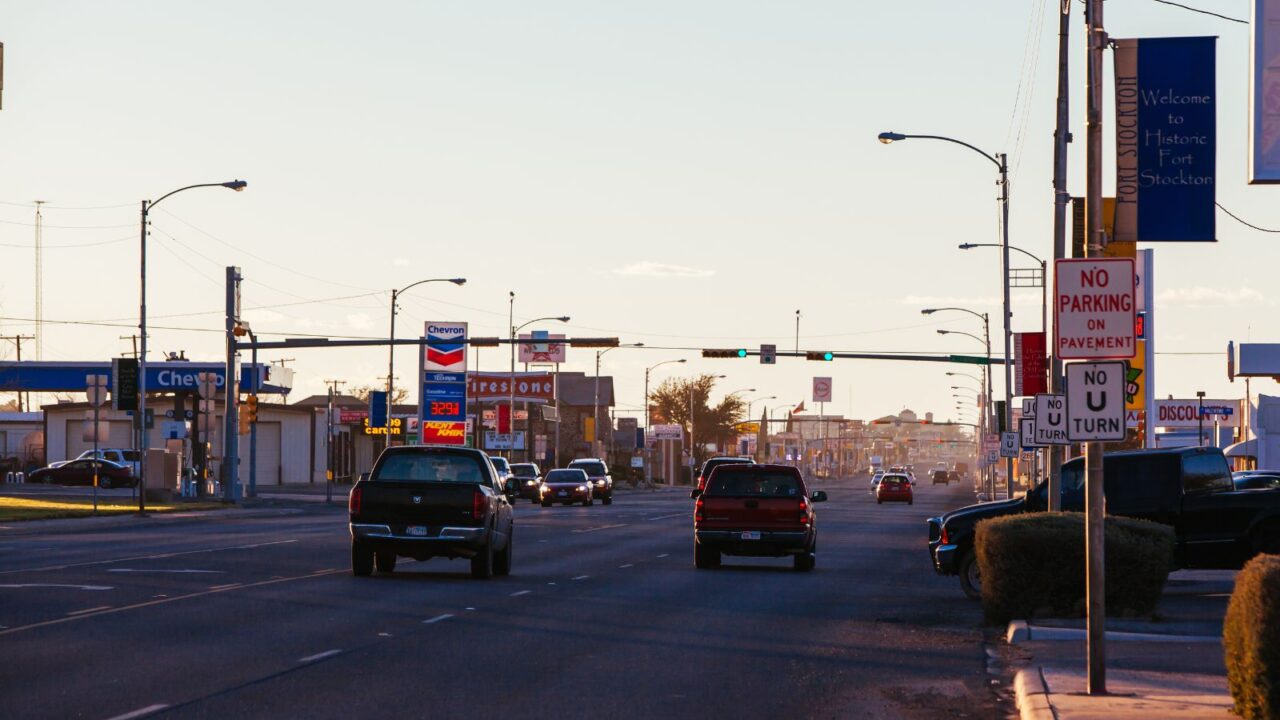
People who live in the region rely on US 285 for everything, commuting, groceries, school, and reaching nearby towns. With few alternate routes, residents don’t have much choice but to face the road daily.
Even though they know its reputation, skipping the road isn’t realistic. Daily life in this rural area depends on that single highway, making it a necessary part of every routine.

Workers don’t have other options
Oilfield jobs are spread out over huge distances, and many sites are deep in remote areas. US 285 is often the only direct path connecting those sites to nearby cities, so workers follow it out of necessity.
Workers travel it because their jobs require it. Whether it’s safe or not, it’s the route that gets them where they need to go, and companies often schedule travel at all hours.
Businesses rely on the route
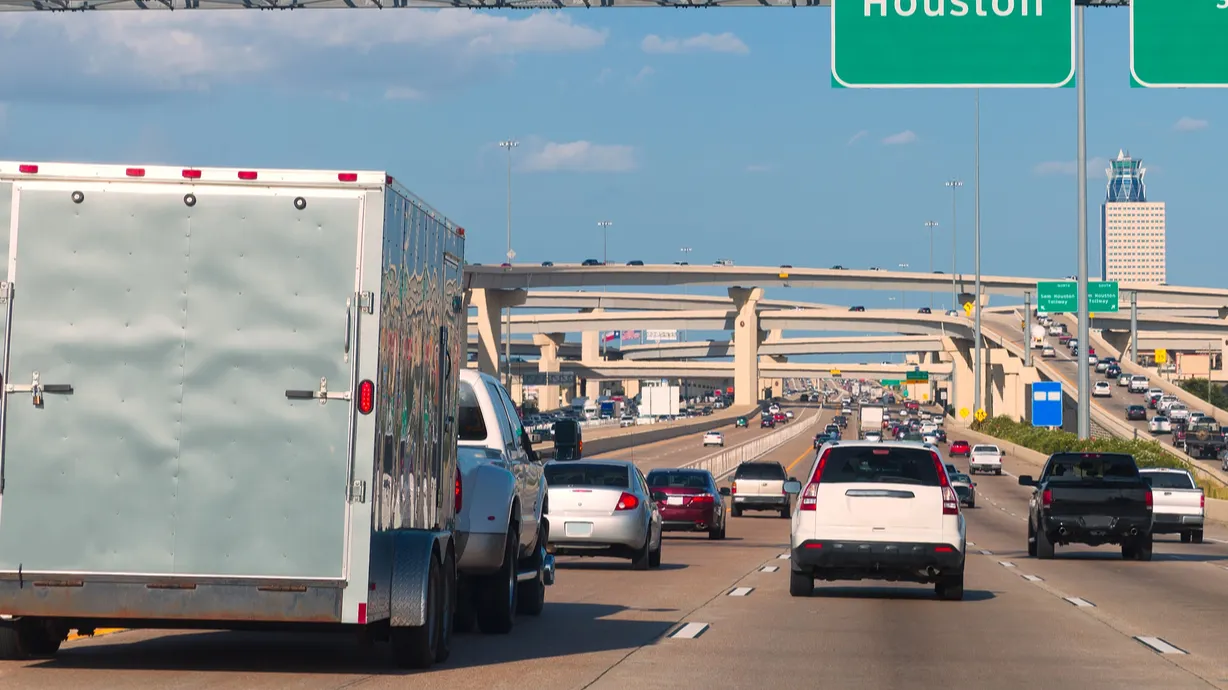
Shipping companies, equipment suppliers, and fuel haulers all use US 285 because it’s the fastest way to reach the oilfields. Delays cost money, so trucks keep moving no matter how busy the road gets or how backed up traffic becomes.
The region’s entire economy depends on steady travel along this route. For many businesses, avoiding the highway simply isn’t an option, as alternative paths can add hours.
Alternative routes for Death Highway
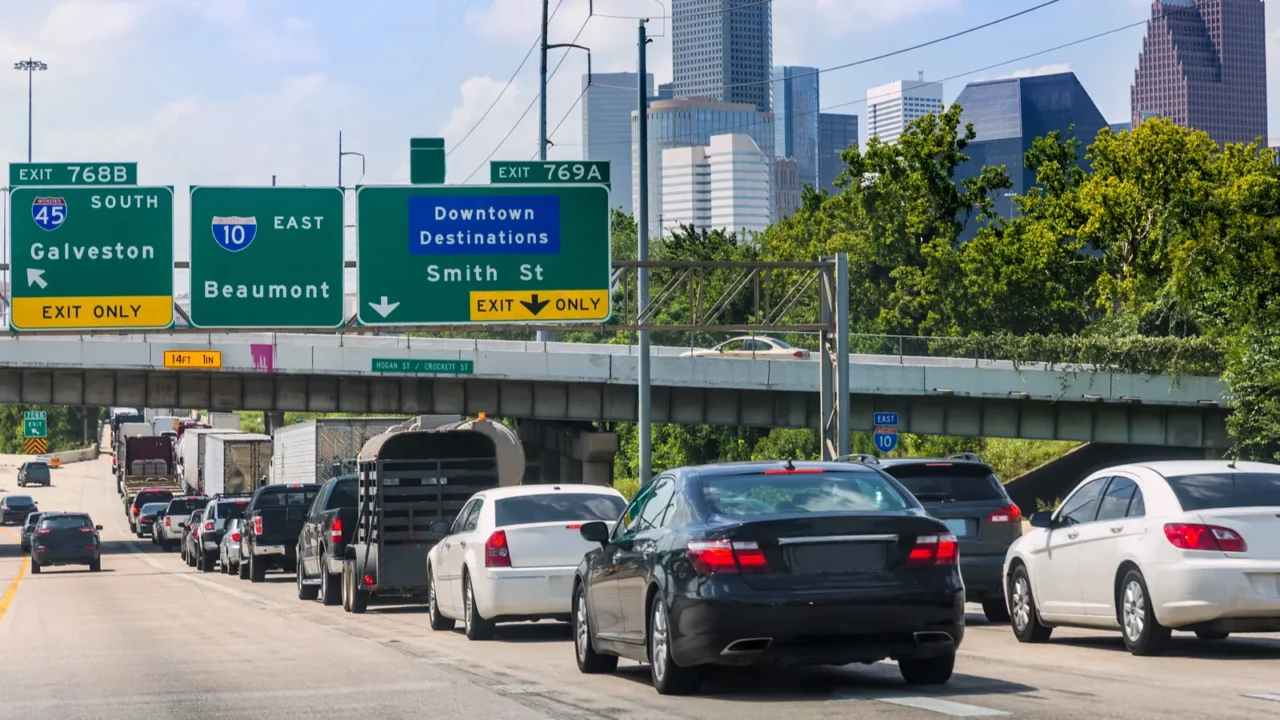
U.S. Highway 285, known as “Death Highway,” runs through rural West Texas and connects Pecos to the Texas-New Mexico border. Due to the isolated geography, practical alternative routes are limited.
Nearby highways like Interstate 20 and Interstate 10 provide partial detours but cannot fully replace the vital connection US 285 offers for oilfield traffic and regional transportation.
Travelers wishing to avoid it face longer journeys and detours that add time and distance. The lack of convenient alternatives keeps US 285 heavily trafficked despite its high crash rates, as it remains the main artery for the oil industry in the Permian Basin.
Next, check about Montana’s toxic beauty, the lake that kills and captivates, but visitors still love to visit.

Government Actions and Continued Use
The Texas government has recognized the dangers of US 285 by initiating road widening and safety improvement projects targeting the increase in commercial truck traffic. Efforts include repairing the infrastructure and improving highway safety to reduce fatalities.
Despite these interventions, US 285 remains essential for transporting oilfield supplies and workers, which is why traffic volume continues to rise. Economic dependence on the oil boom and limited alternative routes compel people to keep using the highway despite its deadly reputation.
As you plan your next adventure, prioritize safety by choosing scenic and safer highways that offer breathtaking views. Discover the ultimate weekend road trip plans designed for scenic highway lovers.
Have you ever driven on US 285 or another highway that felt unsafe? Share your experience in the comments.
Read More From This Brand:
- 15 historic towns in America where time stands still
- African American heritage trails worth traveling for
- Would you trust a robot to plan your next vacation?
Don’t forget to follow us for more exclusive content right here on MSN.
This slideshow was made with AI assistance and human editing.
