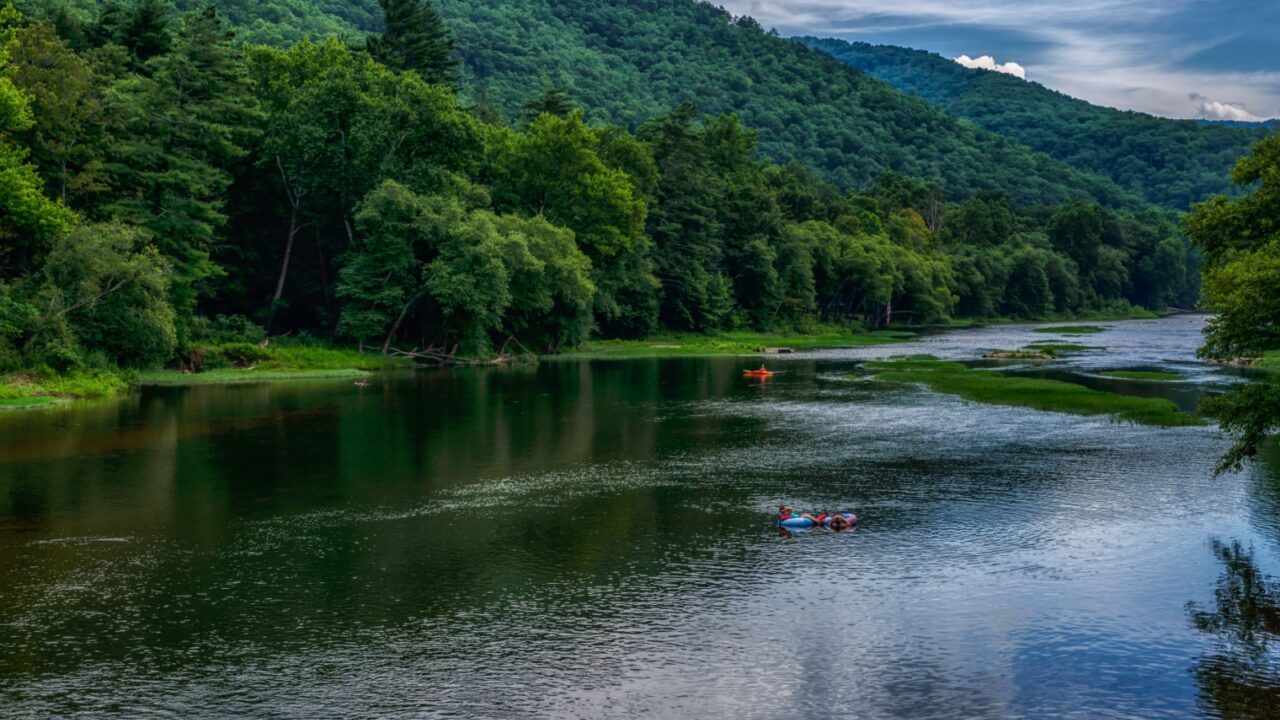
Rail trails spark tourism
West Virginia’s rail trail towns are seeing a surge in overnight visitors. Trails like the Greenbrier River Trail and Huckleberry Trail connect small towns with scenic routes. Travelers are drawn by a mix of outdoor adventure and historic charm.
The trails create natural stopping points for meals, lodging, and exploration. Visitors no longer just pass through—they stay longer. That combination is revitalizing local economies.
Lewisburg leads the way
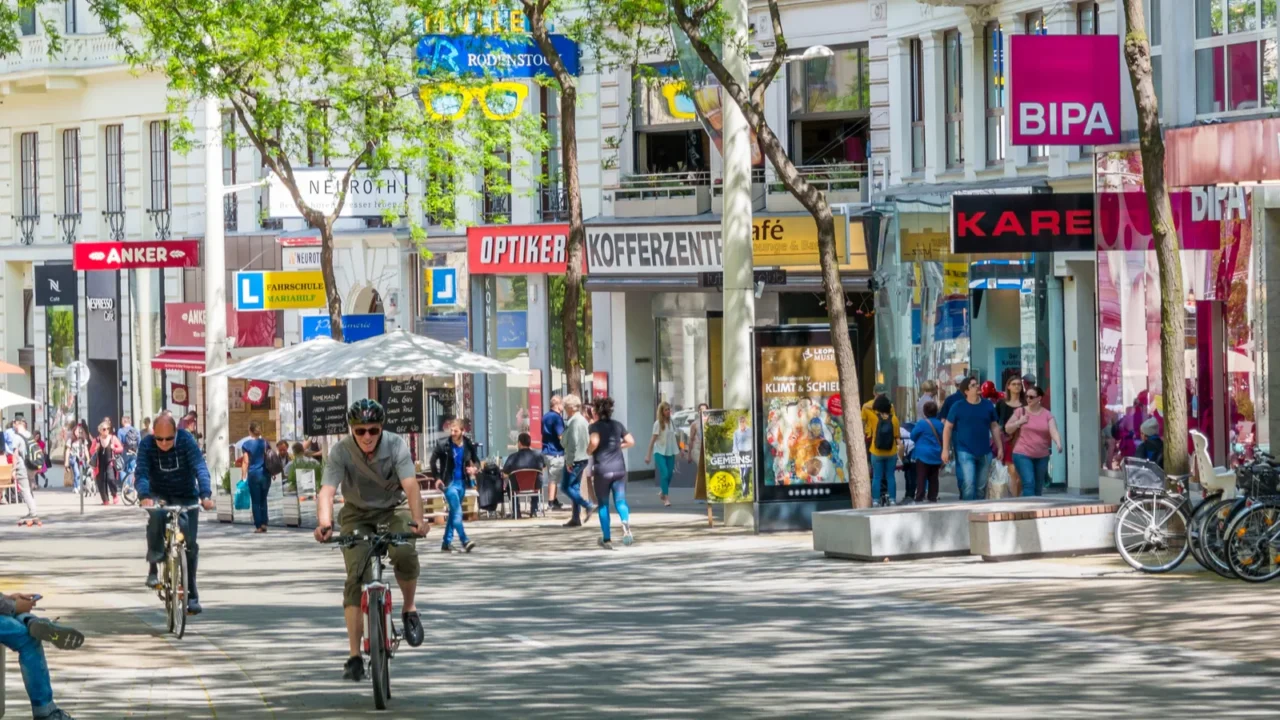
Lewisburg benefits from proximity to the Greenbrier River Trail. Bed and breakfasts, breweries, and galleries see steady traffic from hikers and bikers. Travelers appreciate a town that blends modern amenities with historic architecture.
Downtown streets host small shops and cafes perfect for trail breaks. Evenings offer live music and relaxed dining. That mix encourages overnight stays instead of quick day trips.

Trail connections boost access
West Virginia’s trails link towns with regional attractions. The Huckleberry Trail connects Martinsburg and the surrounding areas with easy access points. Travelers move seamlessly from outdoor adventures to local experiences.
Bike rentals, shuttle services, and trail signage improve navigation. Visitors spend more time exploring towns along the route. That ease keeps travelers coming back repeatedly.
Outdoor activities extend stays
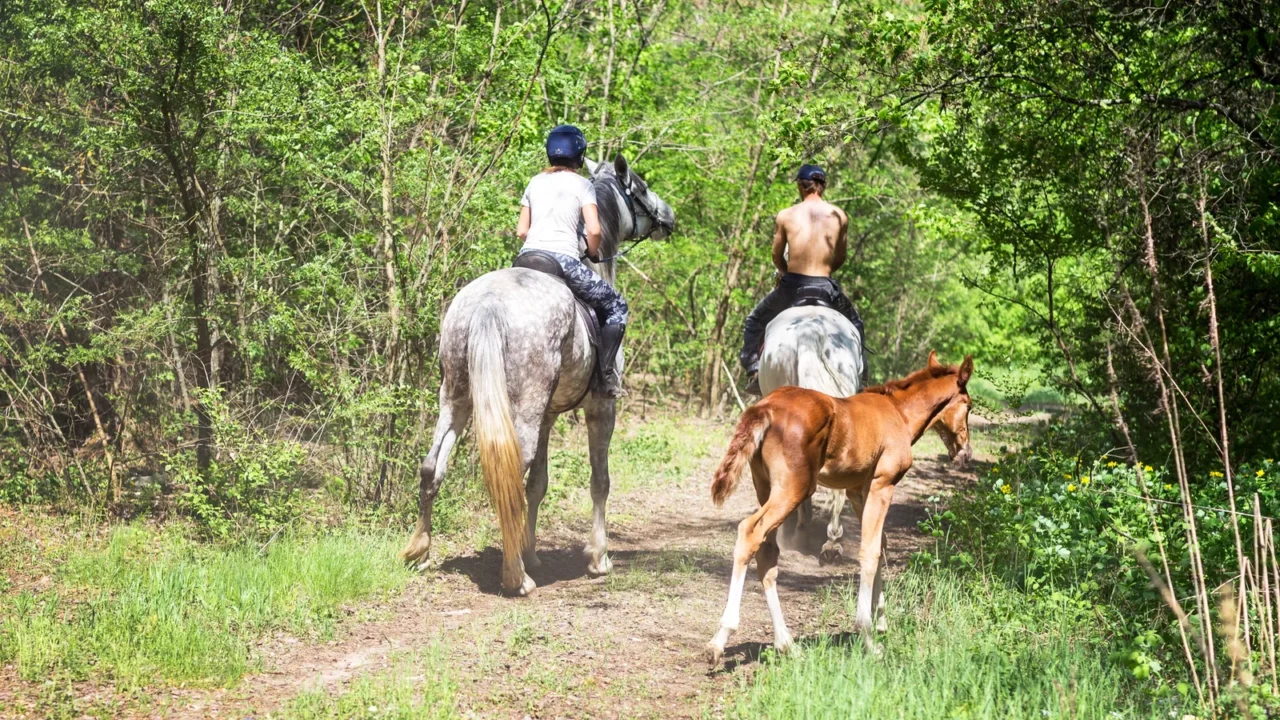
The trails support more than walking or cycling. Fishing, birdwatching, and horseback riding appeal to diverse visitor interests. Multi-activity days encourage travelers to book extra nights.
Guided tours and equipment rentals add convenience. Towns see steady patronage at cafes and shops. Longer itineraries translate into stronger tourism revenue.
Historic towns draw interest
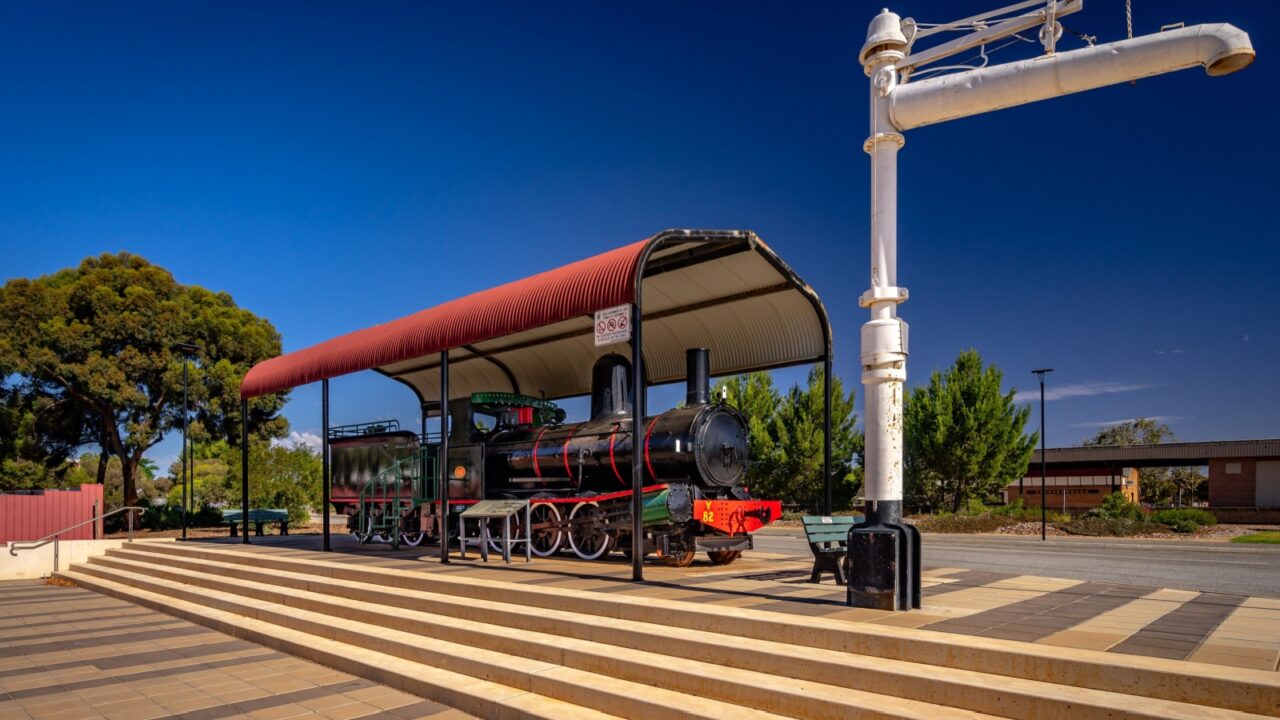
Many rail trail towns are steeped in history. Towns like Marlinton and Ronceverte feature preserved architecture and local museums. Visitors combine outdoor activity with cultural exploration.
Walking tours and historical markers make exploring engaging. Travelers gain context about regional development and heritage. That dual appeal enhances overnight stays naturally.

Dining reflects local flavors
Trail towns emphasize locally sourced menus and home-style cooking. Restaurants in Lewisburg and Marlinton serve Appalachian favorites with a modern twist. Visitors enjoy meals as part of the overall adventure.
Farm-to-table concepts highlight local farms and traditions. Cafes and taverns provide casual stops mid-trail. That food culture reinforces the charm of staying overnight.
Lodging supports extended trips
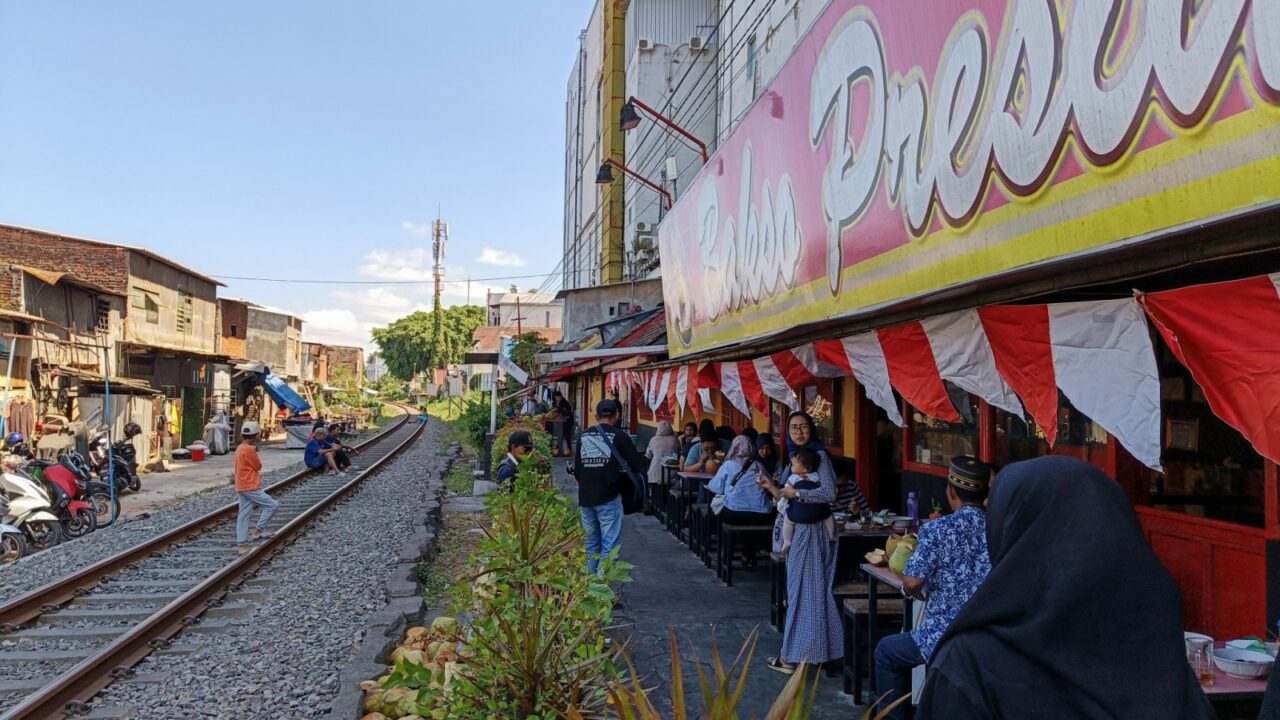
B&Bs, inns, and boutique hotels cater to trail visitors. Properties along the Greenbrier River Trail offer convenient access and cozy comfort. Travelers find lodging that fits both budget and style.
Options range from historic homes to modern lodges. Overnight accommodations encourage longer exploration of nearby towns. That infrastructure underpins the revival in tourism.
Seasonal events attract visitors
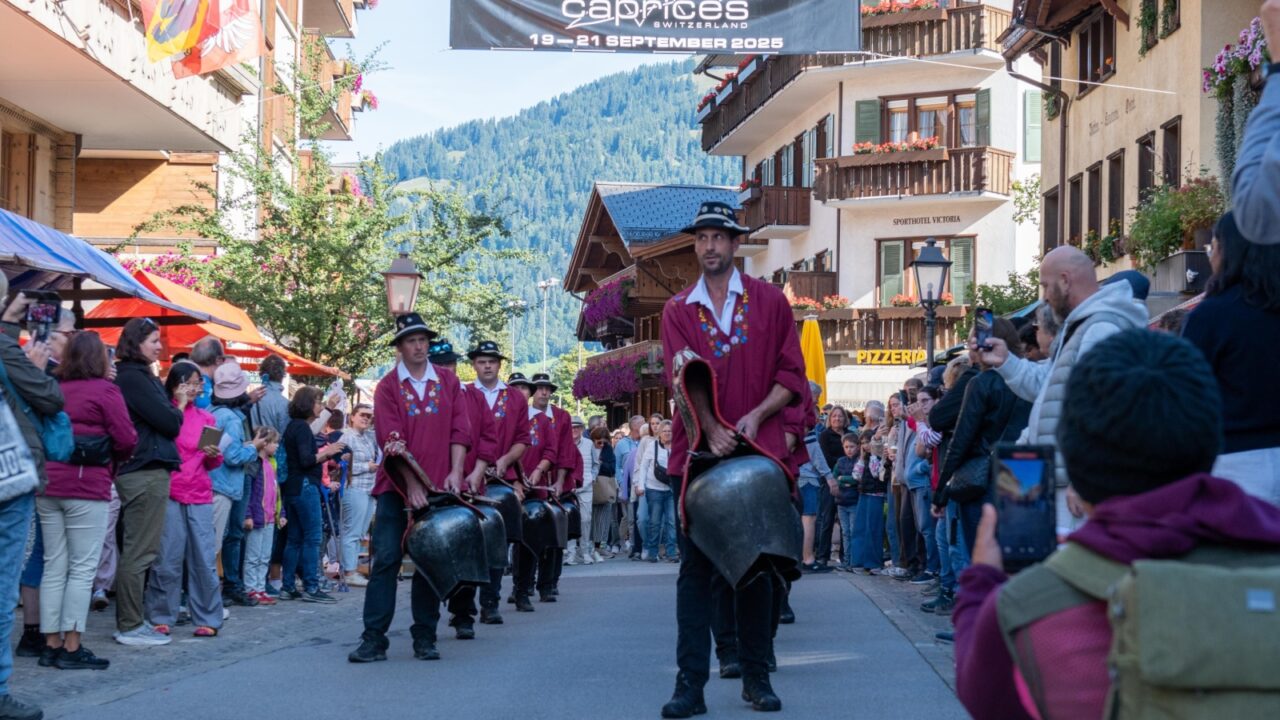
Trail towns host seasonal festivals and markets that complement trail use. Fall foliage tours, summer music events, and craft fairs bring travelers in regularly. These events pair naturally with overnight stays.
Local calendars align with peak trail seasons. Visitors enjoy extended experiences that combine outdoor activity with community culture. That synergy boosts tourism sustainability.
Family-friendly experiences expand appeal
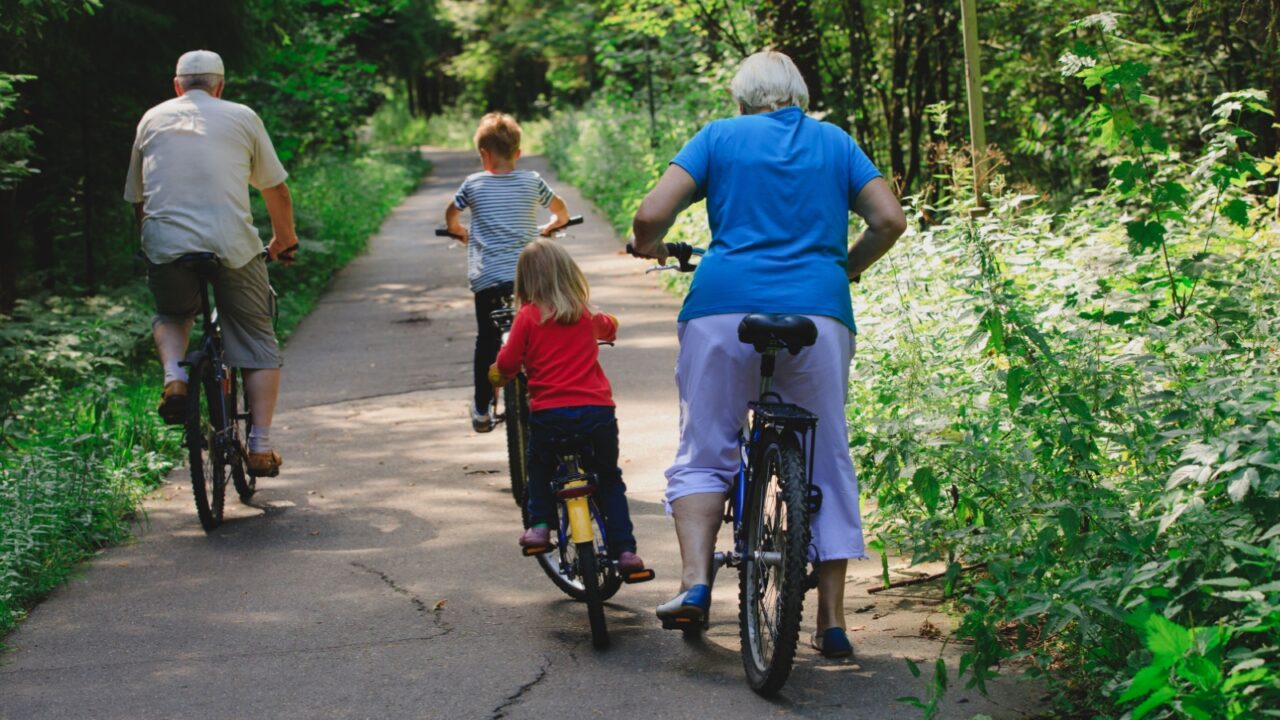
Rail trails offer safe, family-friendly environments. Young children, teens, and grandparents can enjoy cycling, walking, or picnicking. That broadens the demographic of overnight visitors.
Parks, playgrounds, and trail-access points accommodate multi-generational groups. Families plan two- or three-day visits to fully explore towns. That extended stay pattern benefits lodging and dining sectors.
Eco-conscious travel gains traction
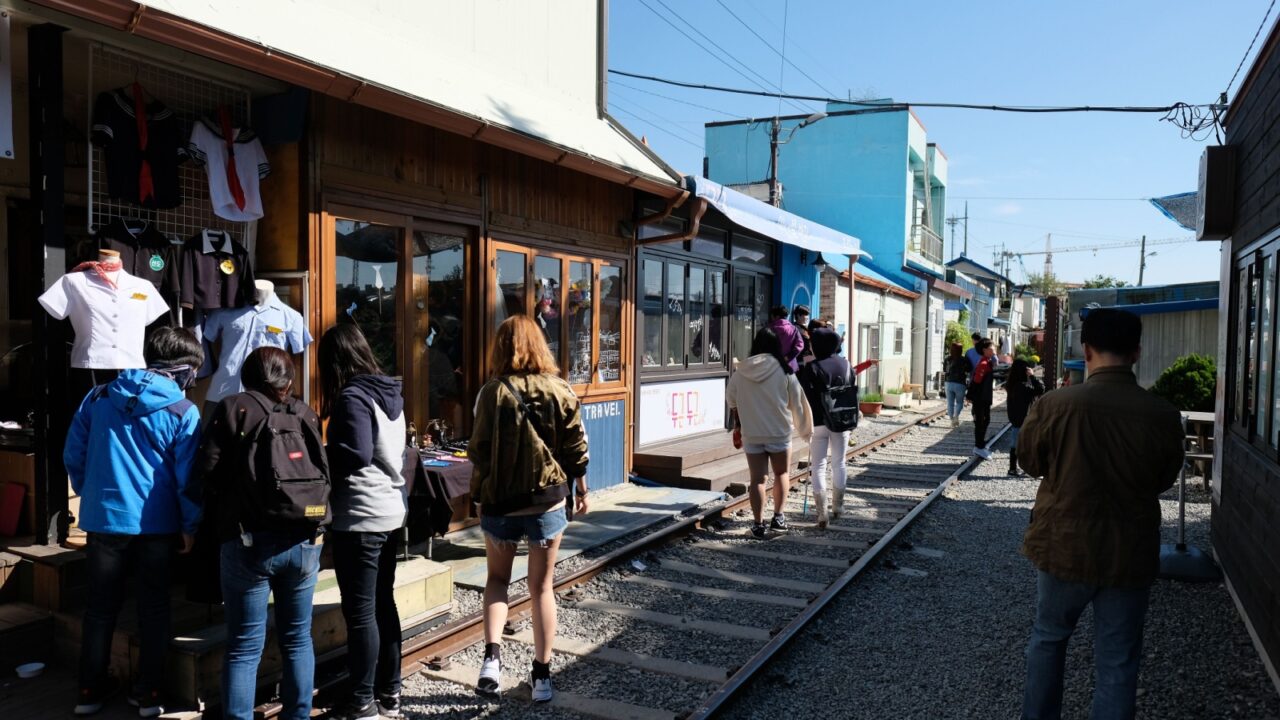
Visitors increasingly value sustainable, low-impact tourism. Rail trails promote walking, biking, and public transport between towns. Travelers feel good leaving a smaller footprint while exploring.
Local businesses respond with eco-friendly amenities and practices. Lodging and dining reflect environmental responsibility. That conscious approach strengthens long-term tourism appeal.
Small town charm wins over
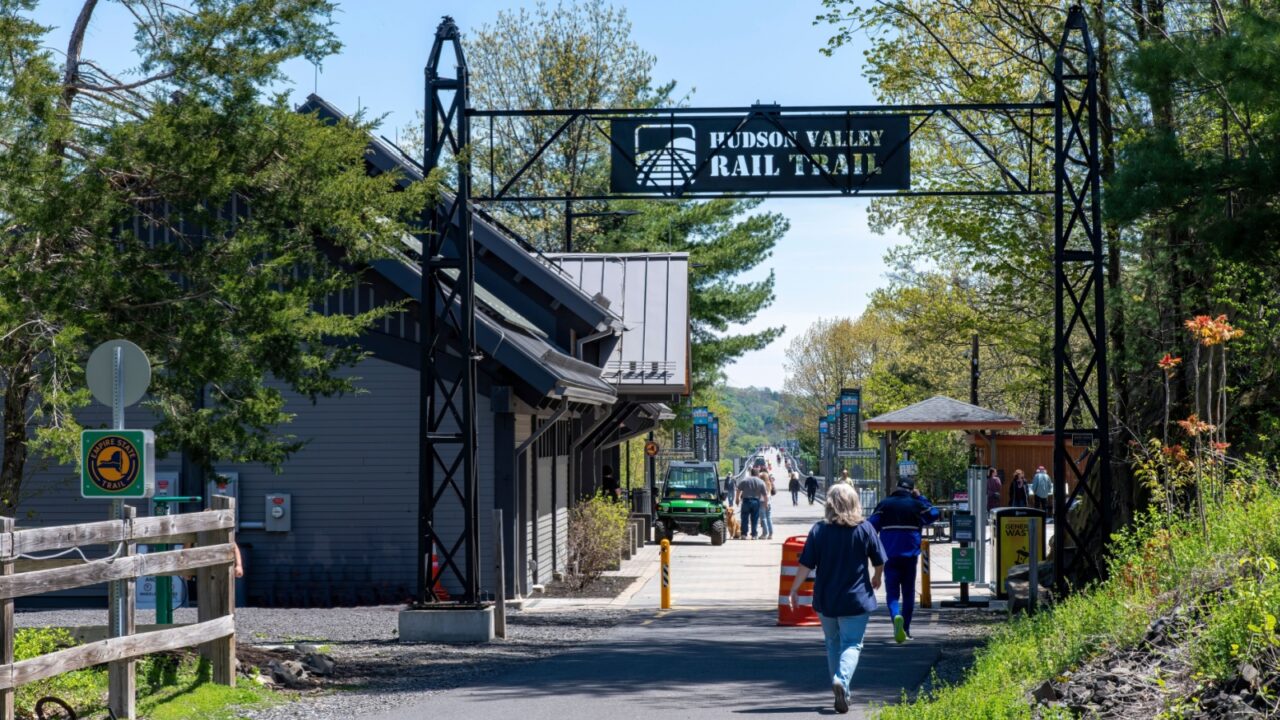
Rail trail towns offer a human-scale experience hard to find in larger cities. Streets remain walkable, and interactions feel personal and genuine. Travelers connect with both locals and fellow visitors.
Friendly service, accessible attractions, and approachable guides create memorable visits. That charm often motivates repeat trips. The small-town vibe reinforces overnight stays.
Trails drive economic growth
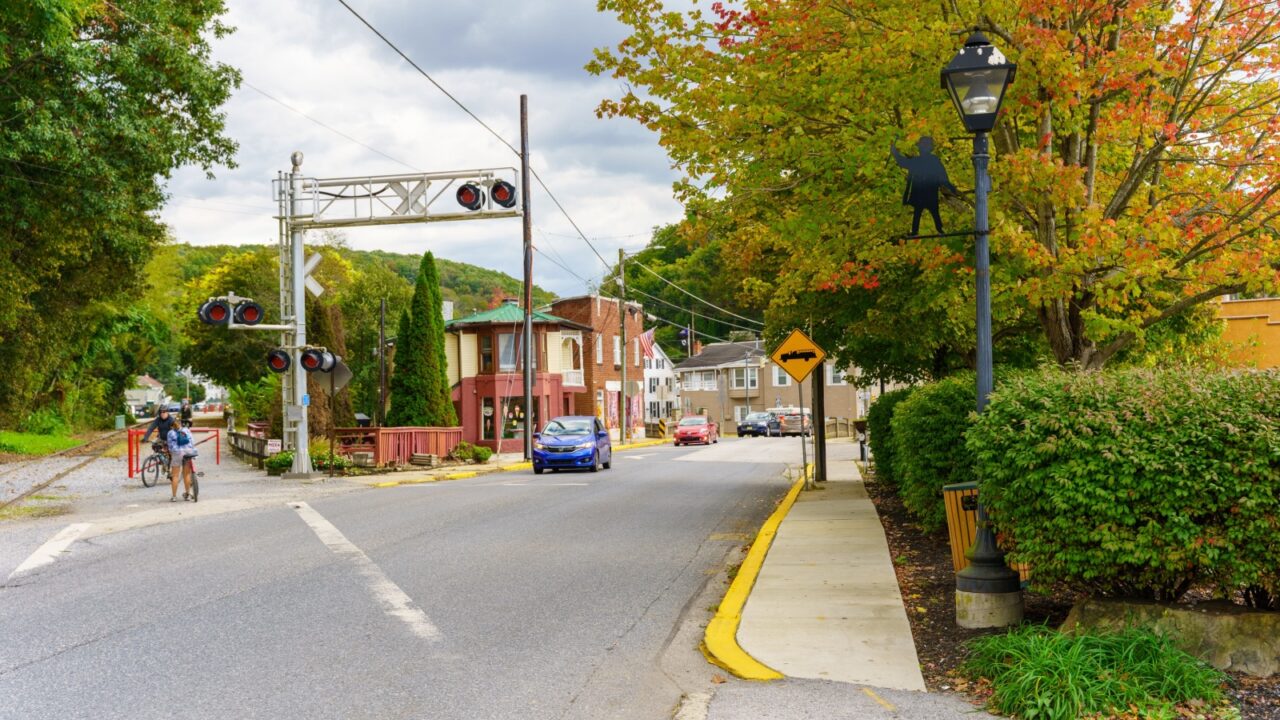
Consistent visitor flow benefits local businesses directly. Shops, restaurants, and lodging see sustained revenue rather than seasonal spikes, and this stability mirrors broader shifts in regional travel as new high-speed rail projects reshape how travelers move between cities. Trail tourism becomes a vital economic engine for small towns.
Extended stays encourage diversification of offerings. Towns invest in trail maintenance and public spaces. That cycle strengthens the revival of rail trail communities.
Overnight stays define revival
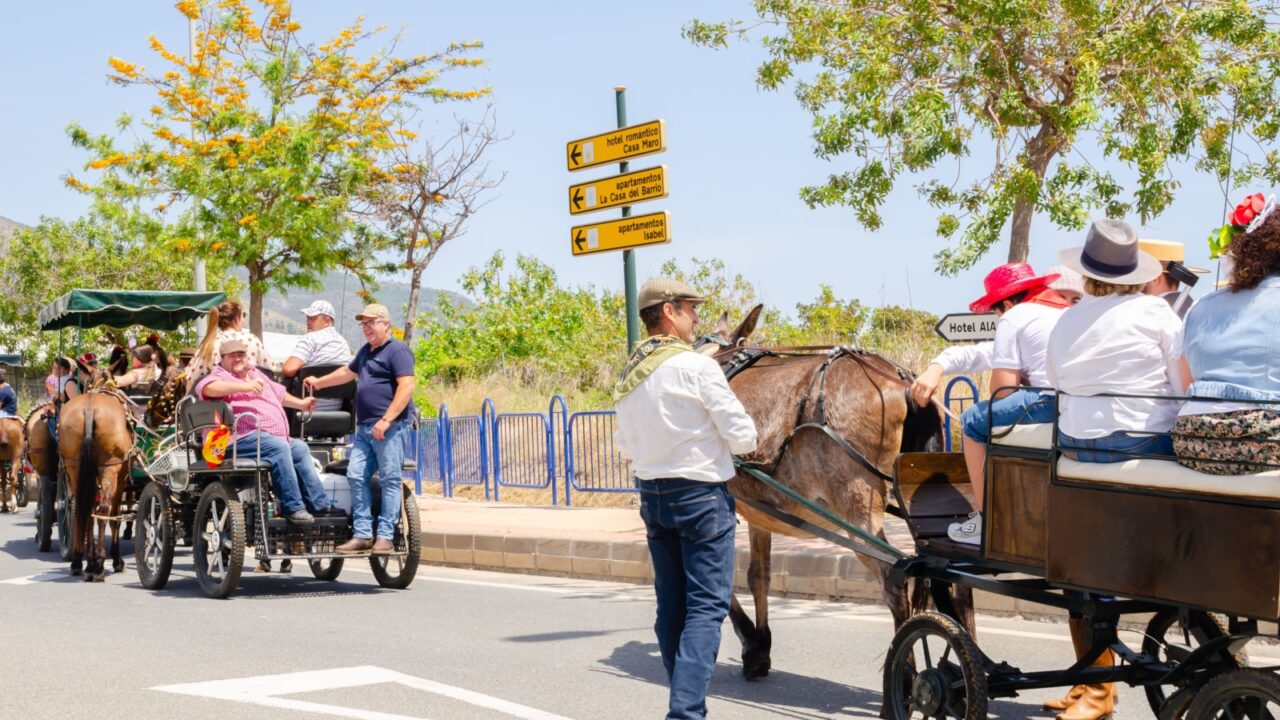
West Virginia’s rail trail towns are thriving thanks to extended visitor engagement. Multi-day trips allow exploration of trails, towns, and culture. Travelers leave satisfied and eager to return.
The combination of outdoor adventure, historic charm, and local hospitality transforms tourism patterns. Overnight stays support sustainable growth for communities. That revival signals a bright future for trail-based travel.
If you found this interesting, give us a like and share your thoughts in the comments.
This slideshow was made with AI assistance and human editing.
Don’t forget to follow us for more exclusive content right here on MSN.
Disclaimer: The images used are for illustrative purposes only and do not depict the actual locations mentioned.
Read More From This Brand:
