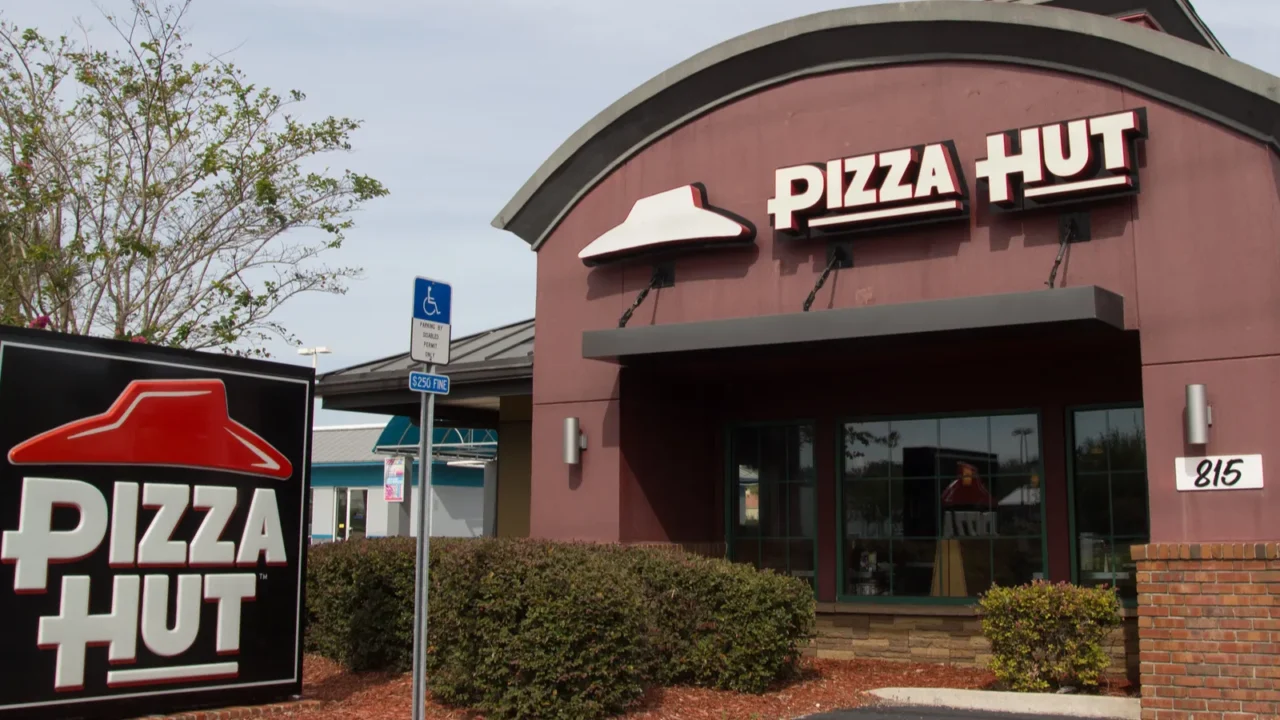
The road-trip Pizza Hut surprise
That Pizza Hut you count on at the same highway exit might not be there by summer. Yum Brands said Pizza Hut will close about 250 underperforming U.S. restaurants in the first half of 2026 as part of a program the company calls ‘Hut Forward.’ If it’s your family’s usual breadsticks stop, check ahead before you hit the road.
No full list has been released, so rumors can be off. But 250 closures is enough to change small-town routines and road-trip habits. Here is what to know, plus easy ways to plan around it.
How many stores could disappear
The 250 figure sounds massive until you zoom out. Yum’s filings and industry reporting place Pizza Hut’s U.S. store base at roughly 6,300–6,500 locations; closing about 250 stores would therefore remove roughly 3–4% of the brand’s U.S. footprint. That also means most towns will not see a change at all.
What is tricky is the uneven hit. If your area has three Pizza Huts, losing one is annoying, but not life-changing. If your town has one, it can erase a longtime meet-up spot and a reliable travel stop in one move.
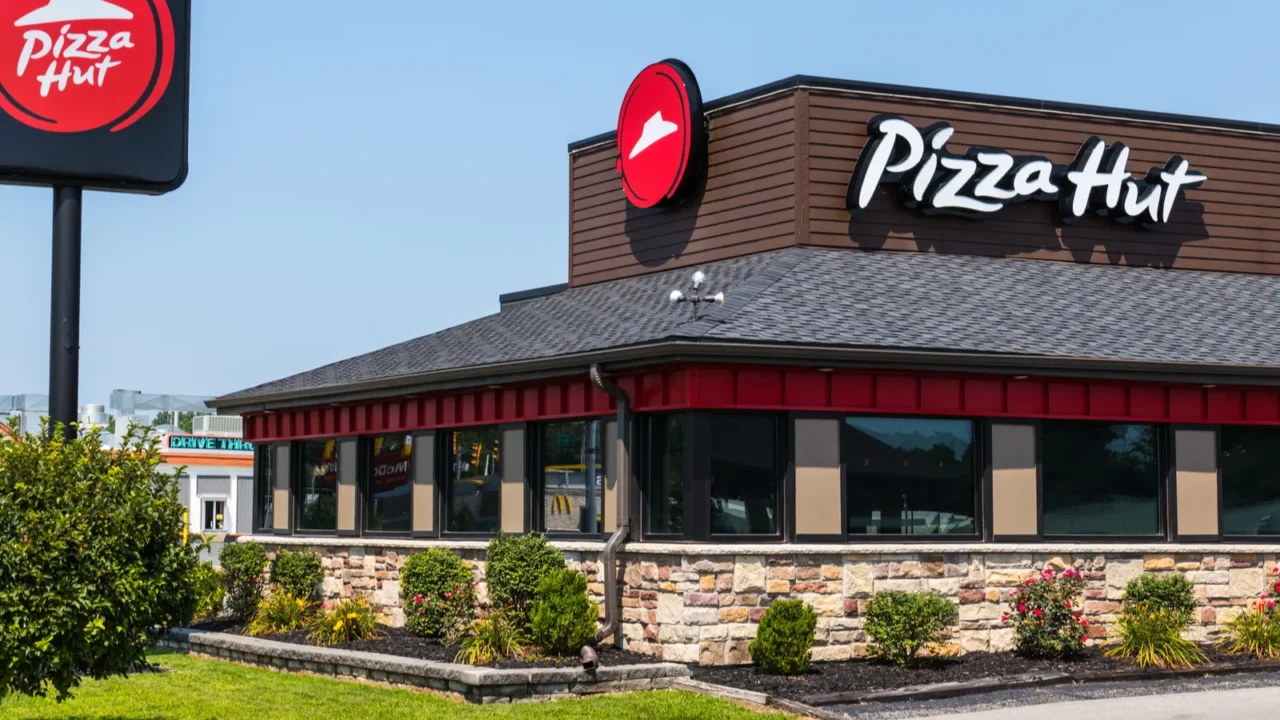
Why the brand is shrinking now
This is part of a turnaround push, not a sudden collapse. Yum says Pizza Hut’s US same-store sales fell 3% in Q4 2025 and 5% for 2025, so leaders are trimming weak locations. The company is also doing a formal strategic review that could include a sale of the brand.
Think of it like cleaning up a crowded closet. Closing a struggling store can free money for marketing, tech, and remodels at the stronger ones. For customers, it often means fewer old dine-in buildings and more pickup-and-delivery style locations.
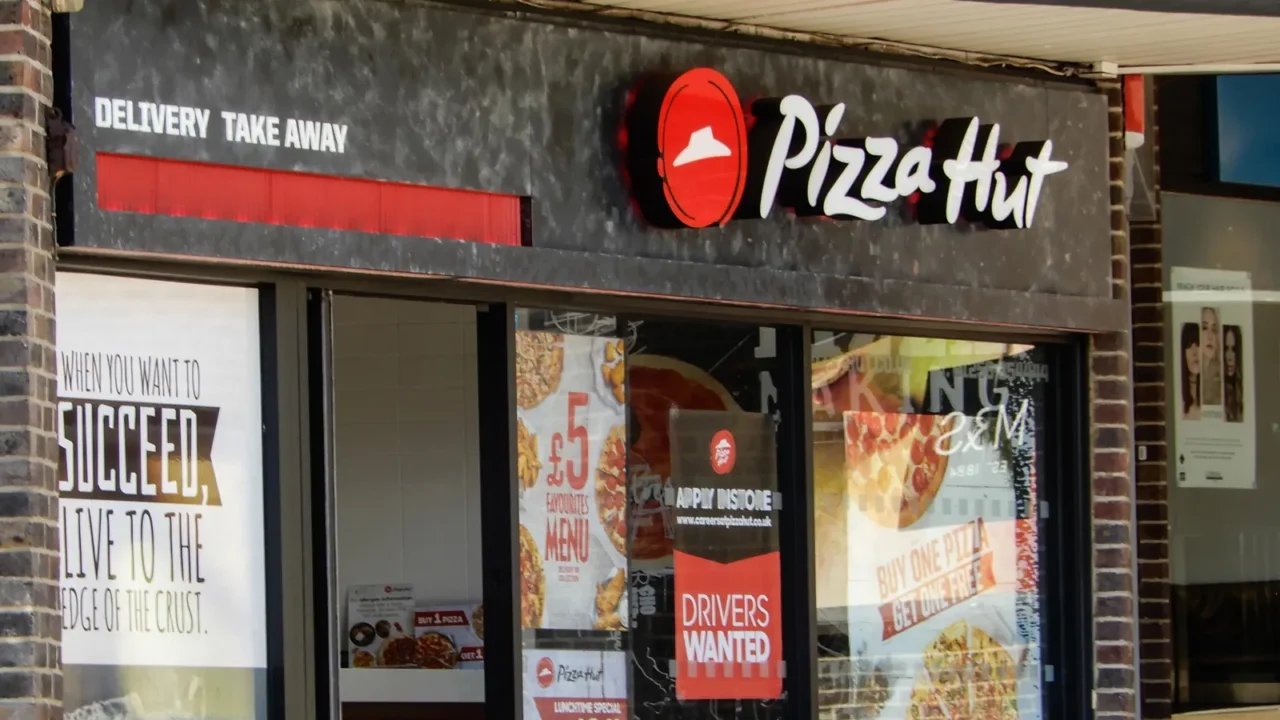
The buildings most likely to go
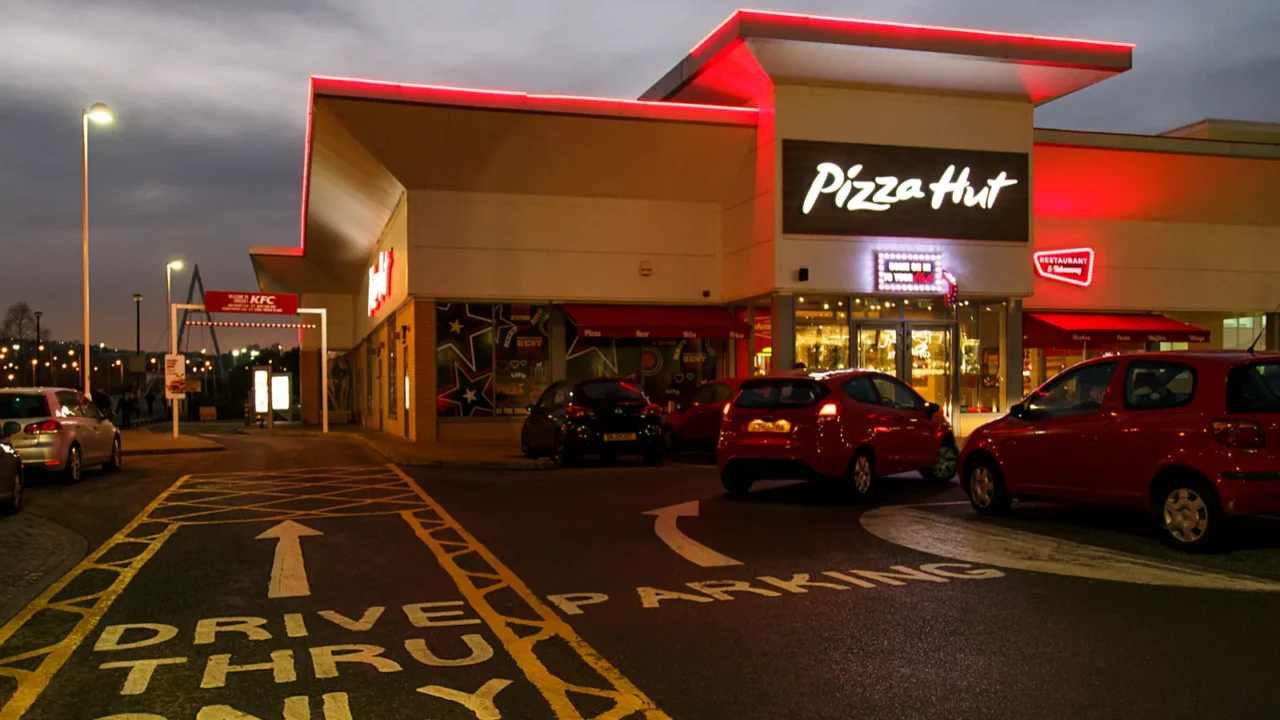
Pizza Hut has been shifting away from large dine-in ‘Red Roof’ restaurants toward smaller carryout and delivery formats that better match today’s ordering habits. Older, larger sites can cost more to run and may not fit how people order pizza today.
This matters for travelers because those dine-in huts are often the easy “restroom, refill, sit down” stop. If a Red Roof disappears, the replacement might be a smaller pickup spot, or it might not return at all. Either way, your usual exit plan can change without warning.
Check your favorite exit ahead
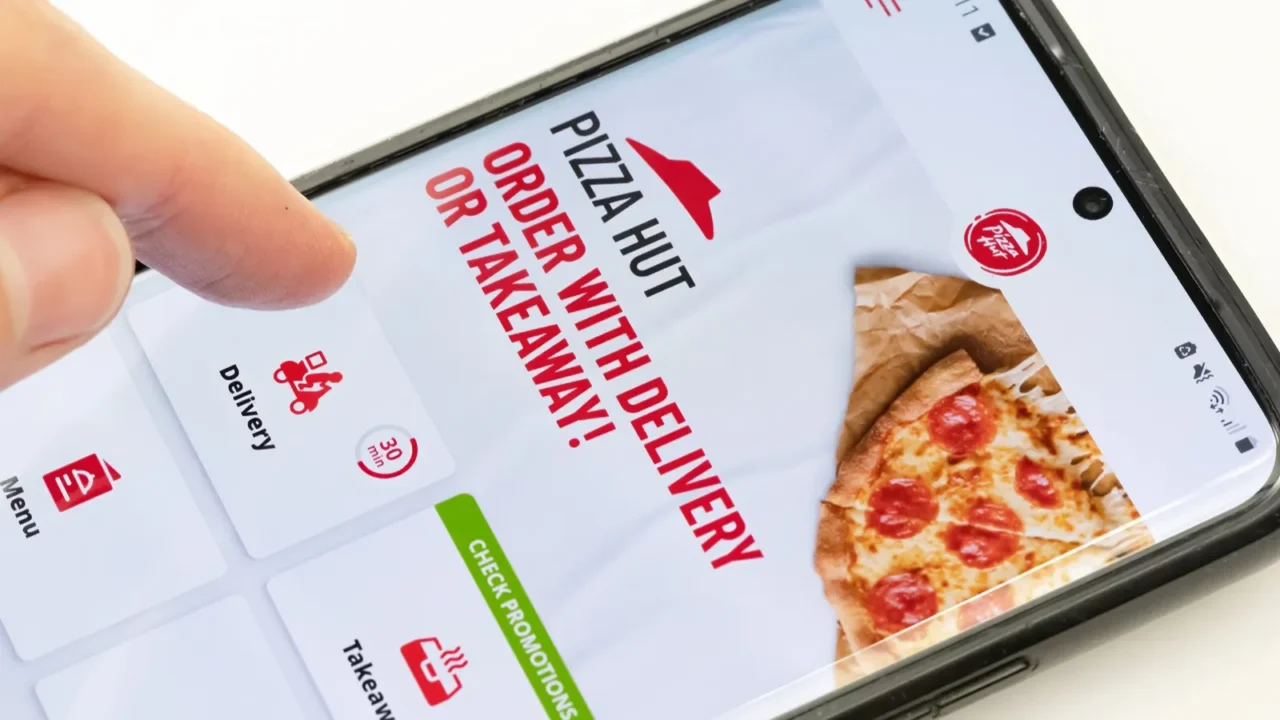
If you are worried about one specific store, start with the official locator. Pizza Hut’s locator lets you browse by city and state, and it is often updated faster than rumor posts. A quick call to the store can also confirm whether hours have changed.
Pizza Hut also publishes a page about store openings and closings. It will not always list every location early, but it is a useful “check here first” link before a long drive. If you are planning a summer trip, save a backup food stop two exits down.
Little-known fact: In 1958, Dan and Frank Carney borrowed $600 from their mom to open the first Pizza Hut in Wichita, Kansas, and the name stuck because the sign only fit eight letters.
When a town loses its pizza spot
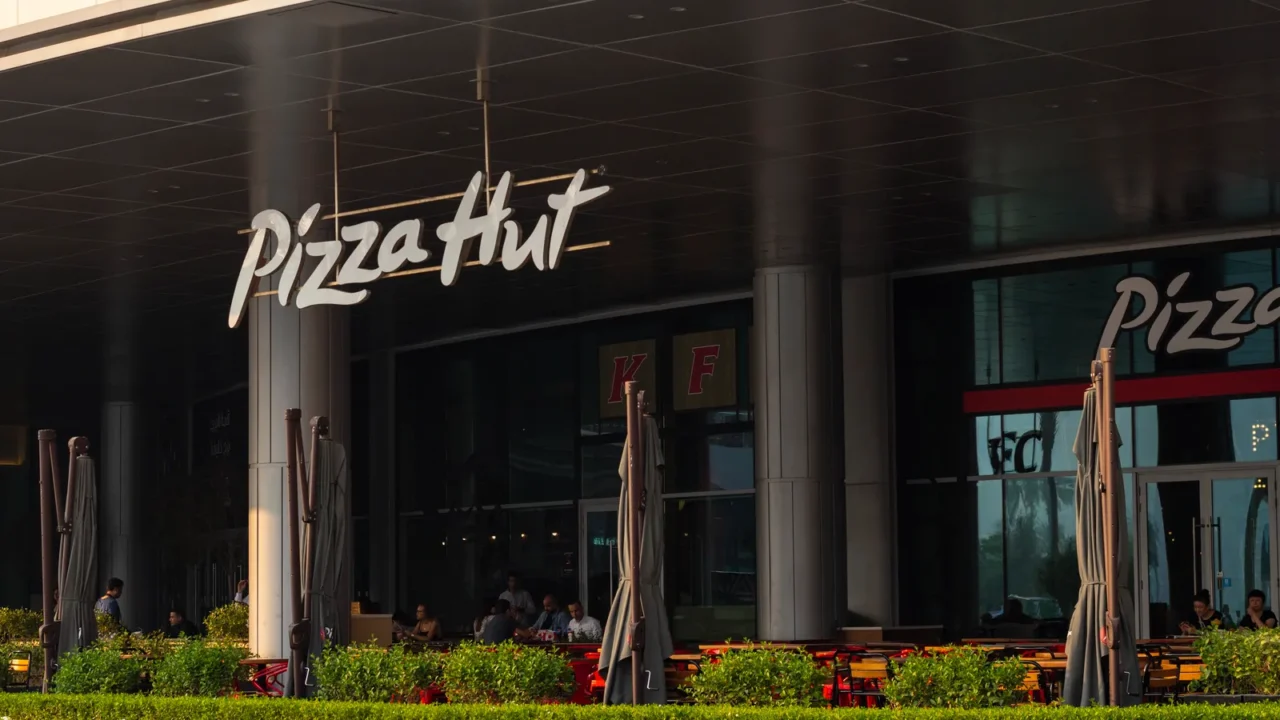
In many places, Pizza Hut is more than food. It is where kids meet after games, where teens grab slices after a movie, and where families pick up a quick Friday dinner. When one of the only chain restaurants closes, the gap shows up fast.
Travelers notice it too. A lot of small towns have limited late-night options, so losing a familiar chain can turn a simple stop into a longer detour. The upside is that local diners and pizza shops often become the new “everyone knows it” spot.
Fun fact: The classic Pizza Hut “red roof” building style was introduced in 1969.
What closures mean for staff
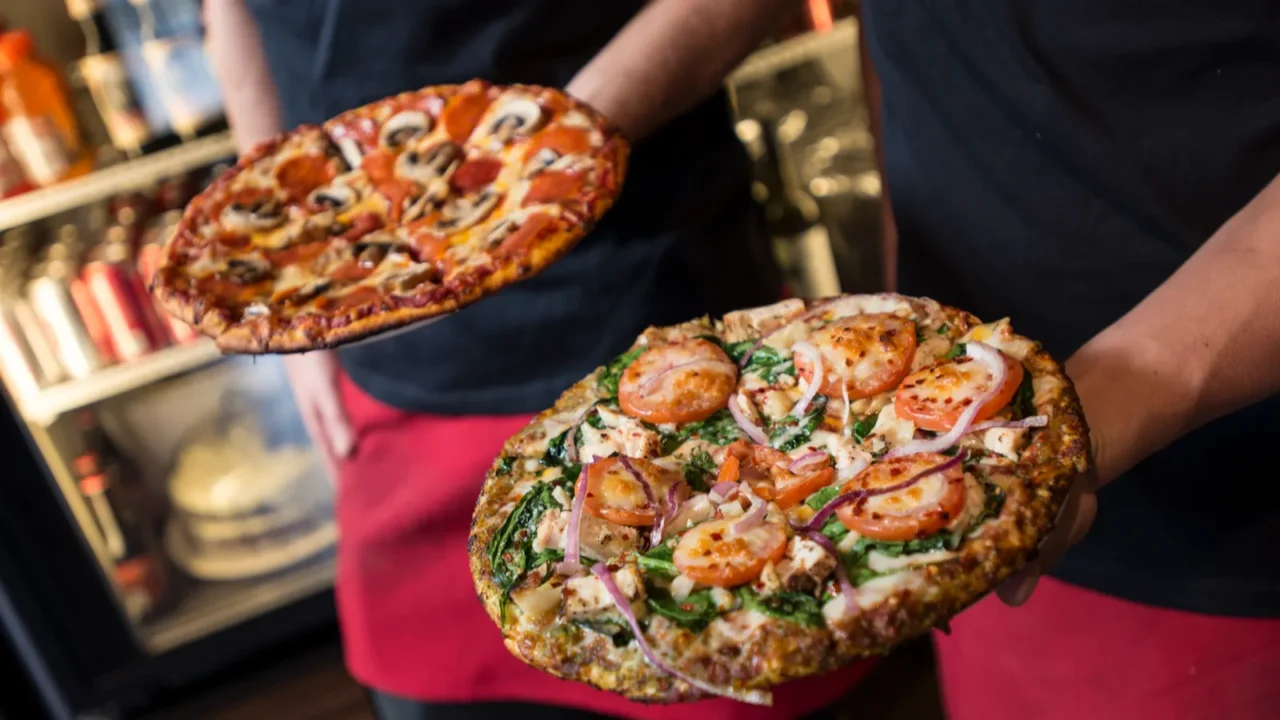
Most Pizza Hut restaurants are run by franchisees, not the corporate office. That means the employee impact can vary by owner, lease, and local demand. Some teams may be offered transfers to nearby stores, while others may have to job hunt.
The 2025 EYM Group bankruptcy is a recent example of how messy it can get. Pizza Hut bought 18 stores in that bankruptcy auction, while other buyers took the rest. In plain terms, stores can change hands even when the sign stays the same.
Fun fact: AP reported that China is Pizza Hut’s second-largest market, accounting for 19% of total sales.
The ripple for nearby businesses
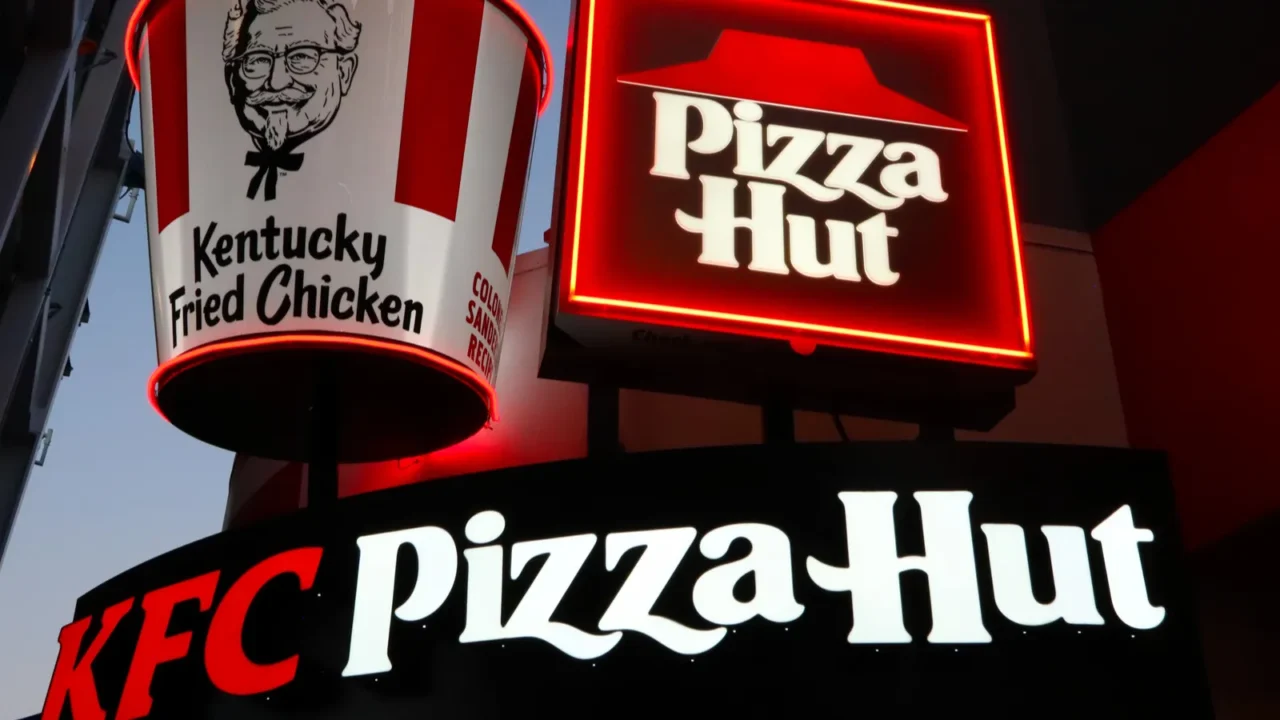
A closure does not just affect pizza fans. It can reduce foot traffic for nearby gas stations, small shops, and the strip-mall businesses that share the same parking lot. For towns that rely on highway travelers, that loss can hit weekend sales.
At the same time, neighbors can benefit. When a familiar chain closes, people still eat, they just shift to what is open. If you love trying local food on trips, this is one way a community’s “best slice” can finally get noticed.
Hut Forward and the new playbook
Yum calls the turnaround plan “Hut Forward.” The goal is to modernize the brand with marketing support, technology upgrades, and changes meant to help franchisees run stores better. In the earnings-call coverage, leaders described closures as part of that bridge to a stronger future.
For customers, the big promise is convenience. Expect more focus on digital ordering, smoother pickup, and better delivery operations. If it works, the Pizza Hut you see in 2027 may feel less like a restaurant and more like a fast, reliable kitchen.

Still want Pizza Hut on the road?
Good news: the brand is not leaving the US map. Even after closures, Pizza Hut still has thousands of domestic locations, so you will usually find one within a reasonable drive. The trick is that the closest one might be on a different exit than you remember.
Plan like you would for a busy holiday weekend. Search your route the night before, then pin two options in your maps app in case one is closed early. If you are traveling with kids, that small step can save a lot of cranky backseat minutes.

No list yet, so watch for clues
Yum has not published a master list of the 250 closures. That is normal when decisions depend on leases, franchise agreements, and local performance. It also means online lists you see shared on social media may be incomplete or wrong.
The best approach is simple. Check the official locator a week before your trip, and again a day or two out. If you see “temporarily closed” or odd hours, treat it as a sign to pick a different stop.
What this says about travel food
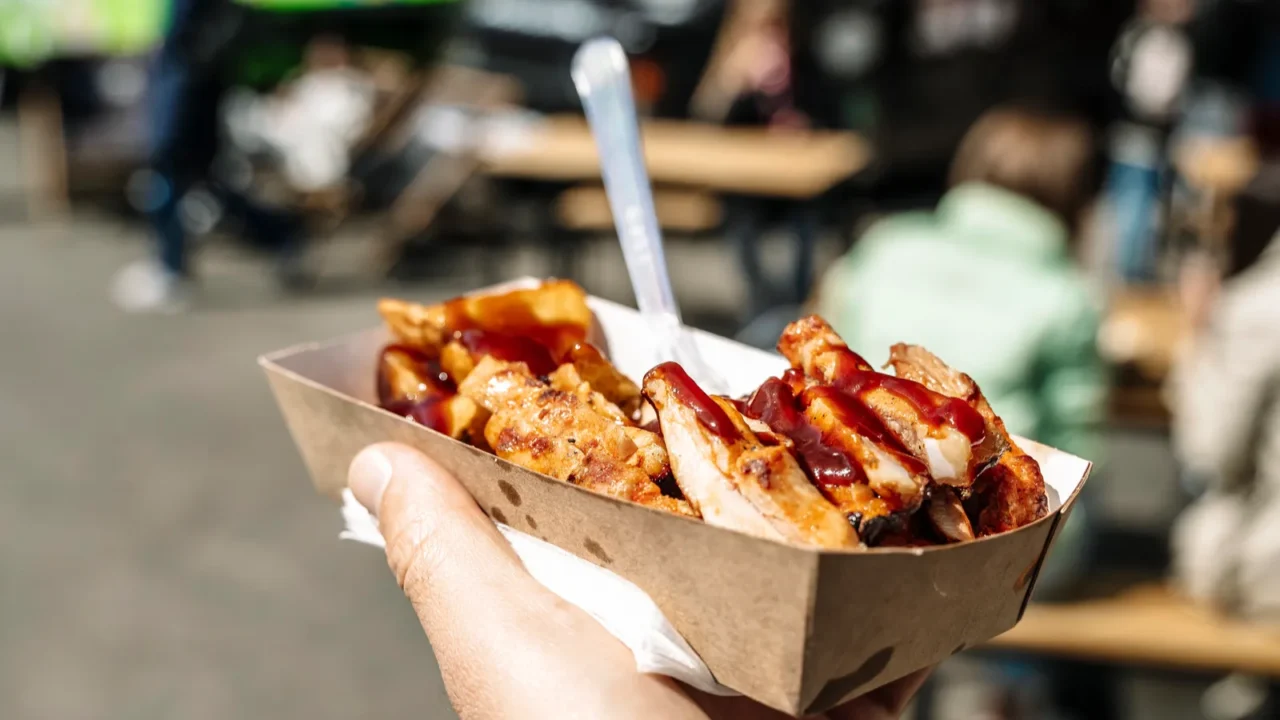
Road-trip eating has changed since the heyday of the dine-in Pizza Hut. More people want fast pickup, delivery, or a quick bite they can eat in the car. Pizza Hut’s plan is one more clue that convenience is now the main battleground.
Competition is part of the pressure. Reports on the closures note Pizza Hut has been fighting rivals like Domino’s while customer habits shift toward carryout and delivery. For travelers, that usually means more choices, but fewer nostalgic sit-down stops.
Ready to plan your next bite-filled getaway? Check out the ultimate U.S. destination for food lovers.
States hit by franchise drama already
Some closures are tied to franchise shakeups, not just weak sales. In 2025, the EYM Group bankruptcy put many Pizza Huts into limbo and pushed stores toward closure or sale. Coverage linked that turmoil to Illinois, Wisconsin, Georgia, and South Carolina.
If your store changed hours last year, take a fresh look now. A new owner can keep it open, remodel, or let the lease end. That is why the same brand can feel steady in one city and shaky in another.
Do you plan your trips around food? Then you need to check out these underrated cities gaining fame for their food scenes.
Have you ever pulled off an exit for a familiar stop, only to find it gone? What did you do instead, and would you rather detour for nostalgia or try something local? Share your thoughts and your view in the comments.
This slideshow was made with AI assistance and human editing.
Don’t forget to follow us for more exclusive content right here on MSN.
Read More From This Brand:
