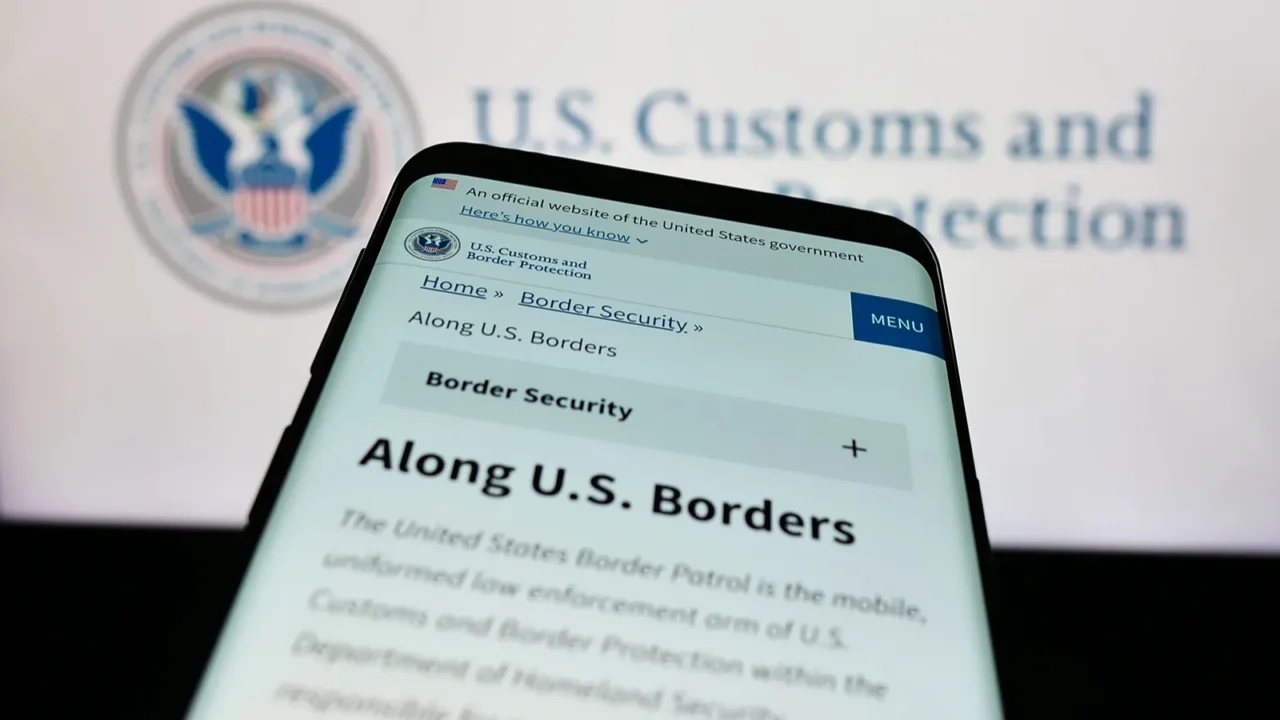
US border social scrutiny
United States Customs and Border Protection enforces social media screening for certain travelers entering the country. This practice expanded after 2017 as the U.S. government tightened vetting procedures for visa applicants. The State Department links the social media identifier requirement to a March 6, 2017 presidential memorandum and Executive Order 13780.
Policies require disclosure of online handles for visa applicants and some visa waiver visitors from over 40 nations. Implementation varies by port, like New York’s JFK or Los Angeles International, drawing scrutiny from privacy advocates worldwide. Travelers prepare meticulously for seamless entry.
Digital footprints face gates
Travelers from Europe, Asia, and the Middle East now face routine social media reviews at US borders. U.S. officials may review information provided in visa applications to verify identity and assess eligibility under immigration law. Public explanations of the policy focus on social media identifiers rather than a fixed list of platforms or a guaranteed review of every account.
This affects millions annually, especially at busy hubs such as Chicago’s O’Hare Airport, where delays spike during peak seasons. Families adjust plans to navigate these checks smoothly every year.
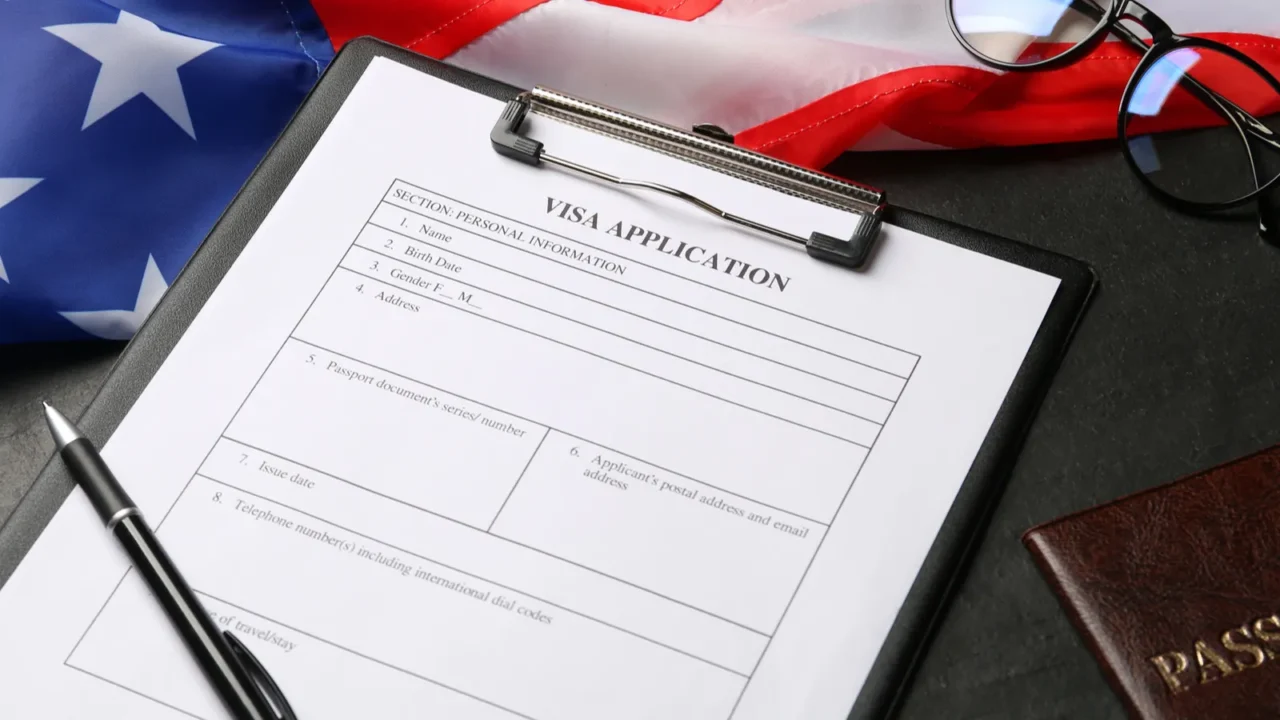
Visa holders under lens
Non-immigrant visa applicants must submit social media identifiers during the DS-160 form process. Consular officers in embassies worldwide, including London and Dubai, verify accounts against security databases, flagging suspicious posts or associations.
Failure to provide accurate and truthful answers on a visa application may lead to delays or denial. Applicants should review their forms carefully before submitting them.
London Heathrow travelers targeted
British citizens using ESTA for US trips encounter social media checks at Heathrow before boarding. Customs flags posts showing protest involvement or radical links, prompting secondary inspections upon landing.
This policy hit headlines during 2025 transatlantic tensions affecting access to San Francisco tech hubs and beyond.
VWP nations in spotlight
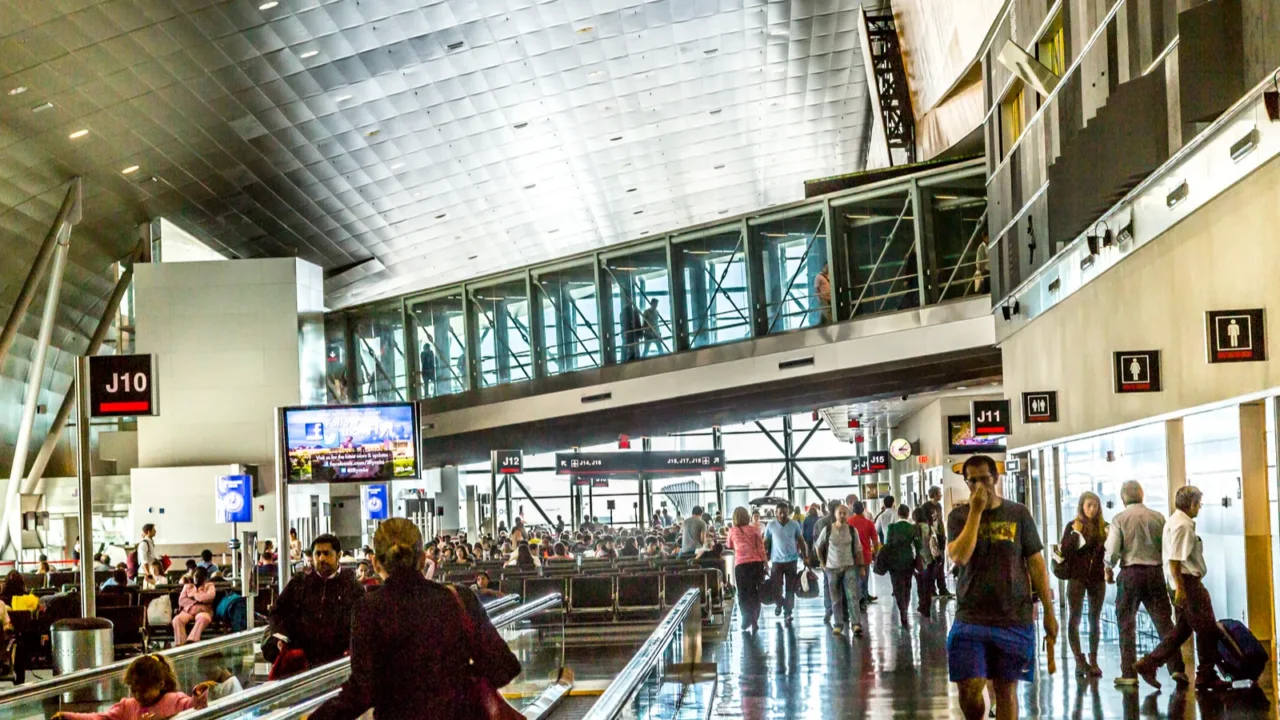
Visa Waiver Program countries like Germany, Japan, and Australia submit social media details via the ESTA portal. Border agents at ports such as Miami’s International Airport cross-check for red flags like anti-US rhetoric or unexplained travel to conflict zones.
Travelers plan accordingly to avoid surprises in sunny Miami Beach escapes. Preparation ensures smooth tropical getaways.
Dubai layover drama unfolds
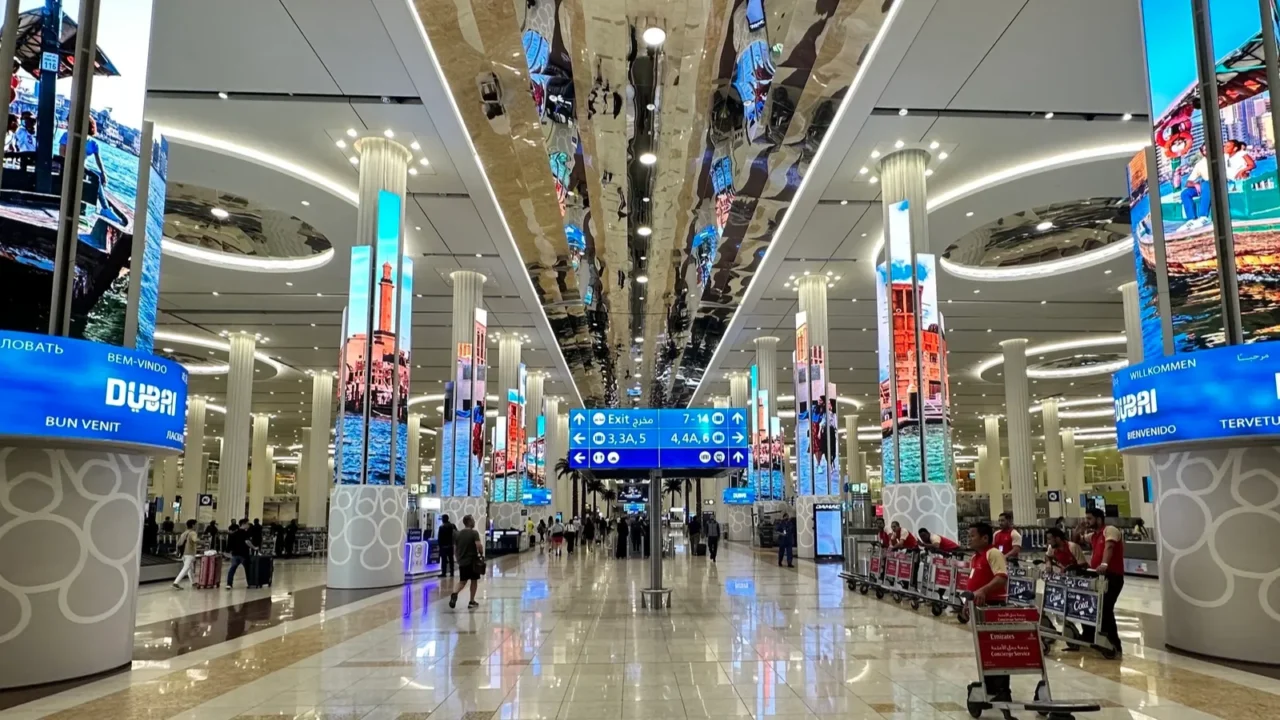
UAE travelers applying for U.S. visas may be asked for social media identifiers as part of the visa process. Posts vacationing in restricted areas trigger device searches and interviews, delaying journeys to Los Angeles beaches.
Privacy groups challenge this, citing overreach, yet enforcement persists amid global security shifts. Layover stress tests digital readiness fully.
Mexico City crossings tighten
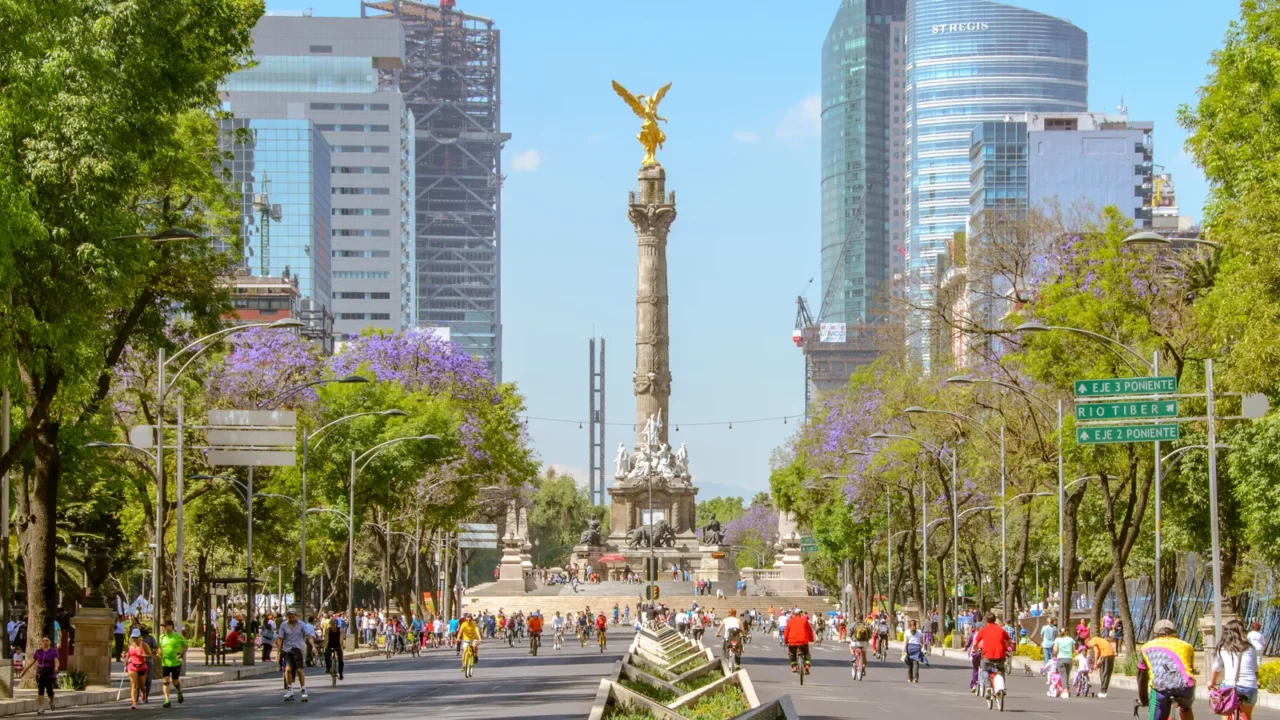
Mexican nationals applying for B-1/B-2 visitor visas must complete the required visa forms and may be asked for social media identifiers as part of the application process. Eligibility depends on the traveler’s circumstances and U.S. visa rules.
This shapes visits to Alamo historic grounds and Tex-Mex havens. Cultural trips require a spotless online presence always.
Beijing flyers get flagged
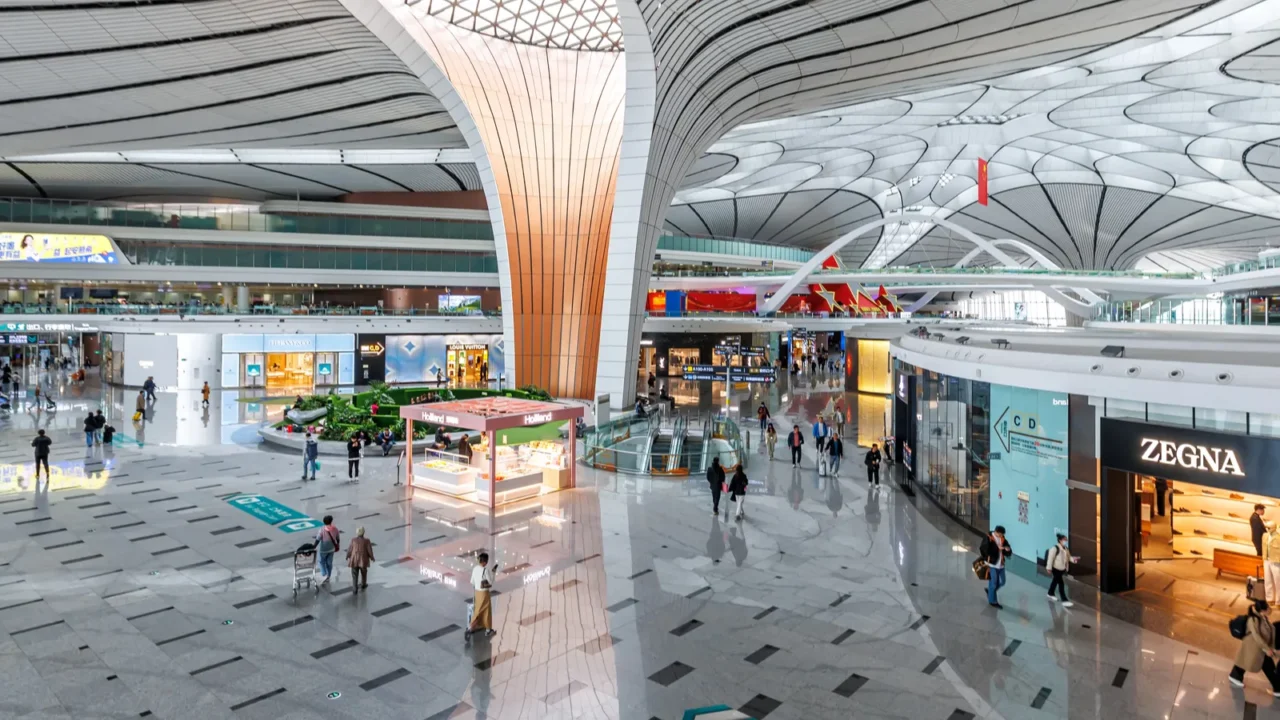
Chinese travelers from Beijing Capital Airport provide Weibo and WeChat handles for US visas. Los Angeles port officials scrutinize for IP theft hints or dissident ties impacting Silicon Valley dreams.
Policy evolves with US-China tech frictions demanding clean digital trails. Tech enthusiasts curate profiles with precision.
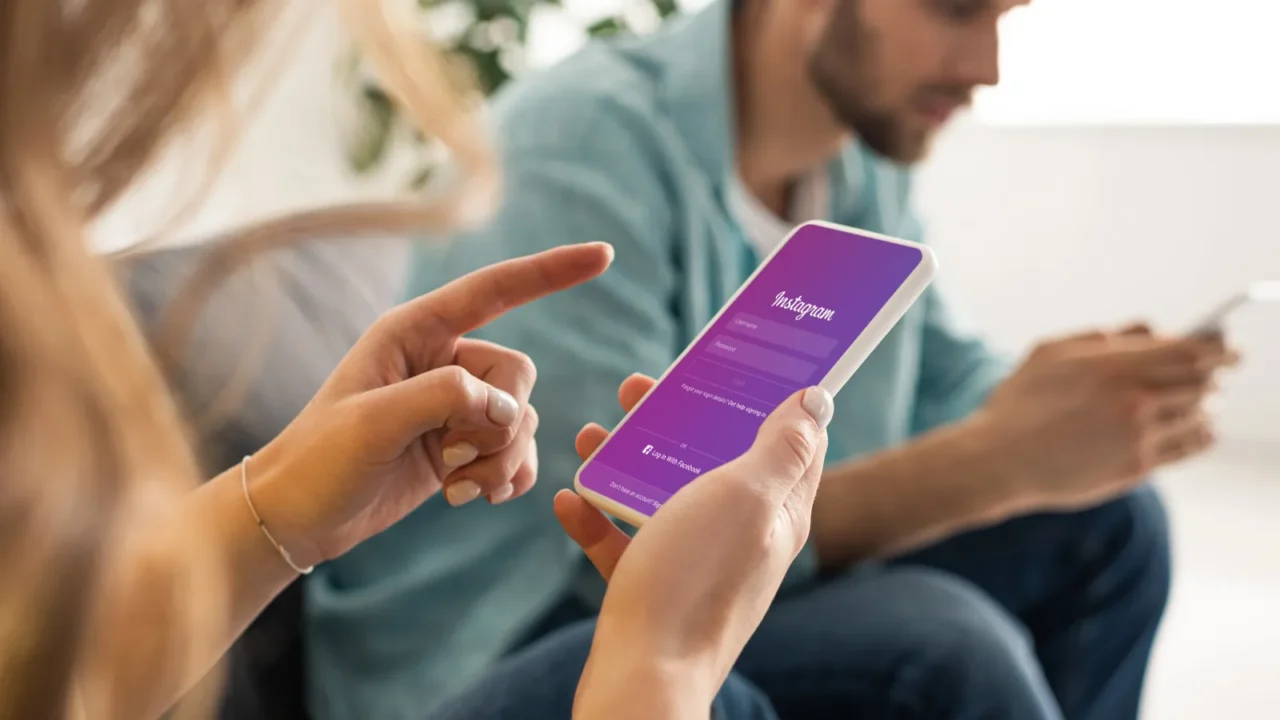
Preparation shields your path
Review your applications for accuracy and make sure your public information does not contradict your stated travel purpose. Travelers should focus on honesty and consistency rather than trying to sanitize their online presence. Update bios to match visa intent and avoid deleting accounts, which raises flags at borders like Atlanta’s Hartsfield.
Smart prep unlocks worry-free adventures in Grand Canyon vistas. Proactive steps transform potential hassles into smooth sailing.
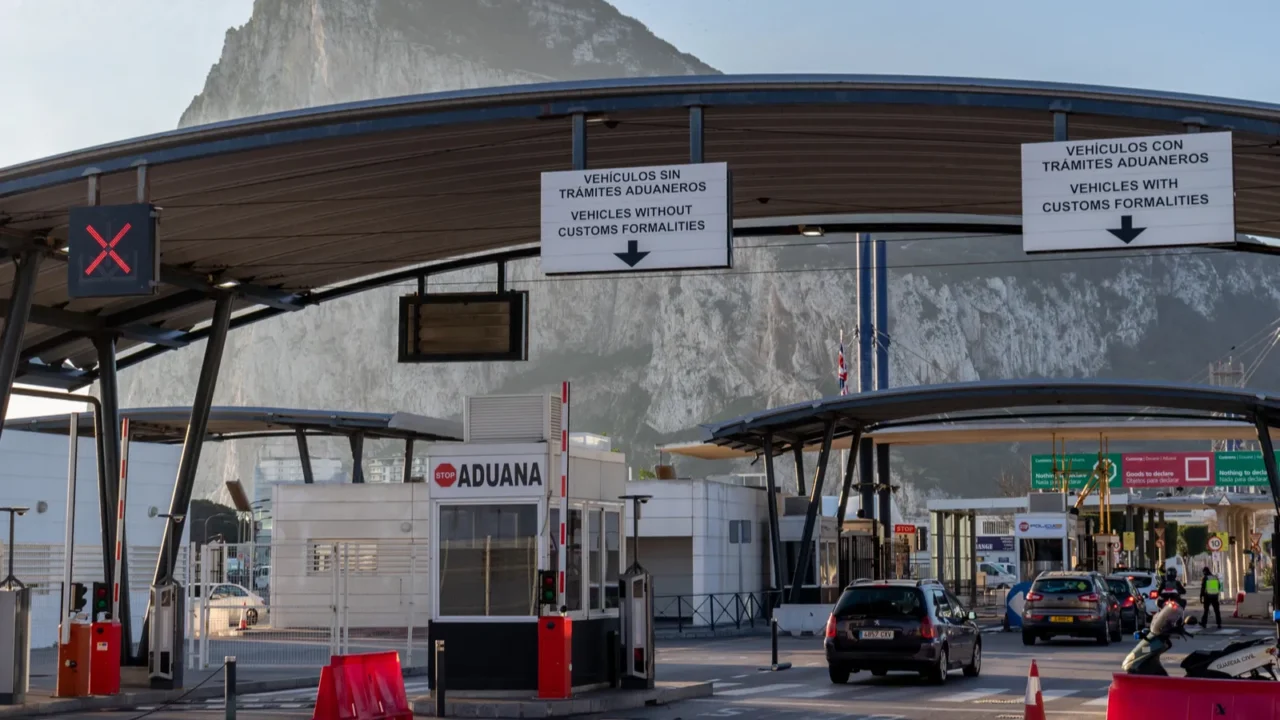
Rights during device searches
CBP says officers may search electronic devices on rare occasions during border inspections. Travelers who have concerns about device searches should review official CBP guidance and seek legal advice for case-specific questions.
Knowledge empowers crossings to Boston harbors without unnecessary forfeits. Staying calm protects personal boundaries effectively.
Legal recourse after denials
Travelers who want records from CBP may submit a FOIA request through the agency’s SecureRelease portal. Anyone facing a denial or other immigration complication should also consult a qualified immigration lawyer.
Persistence turns setbacks into future gateway wins while checking border control updates keeps you steps ahead of changes. Legal savvy reopens dream destinations reliably.
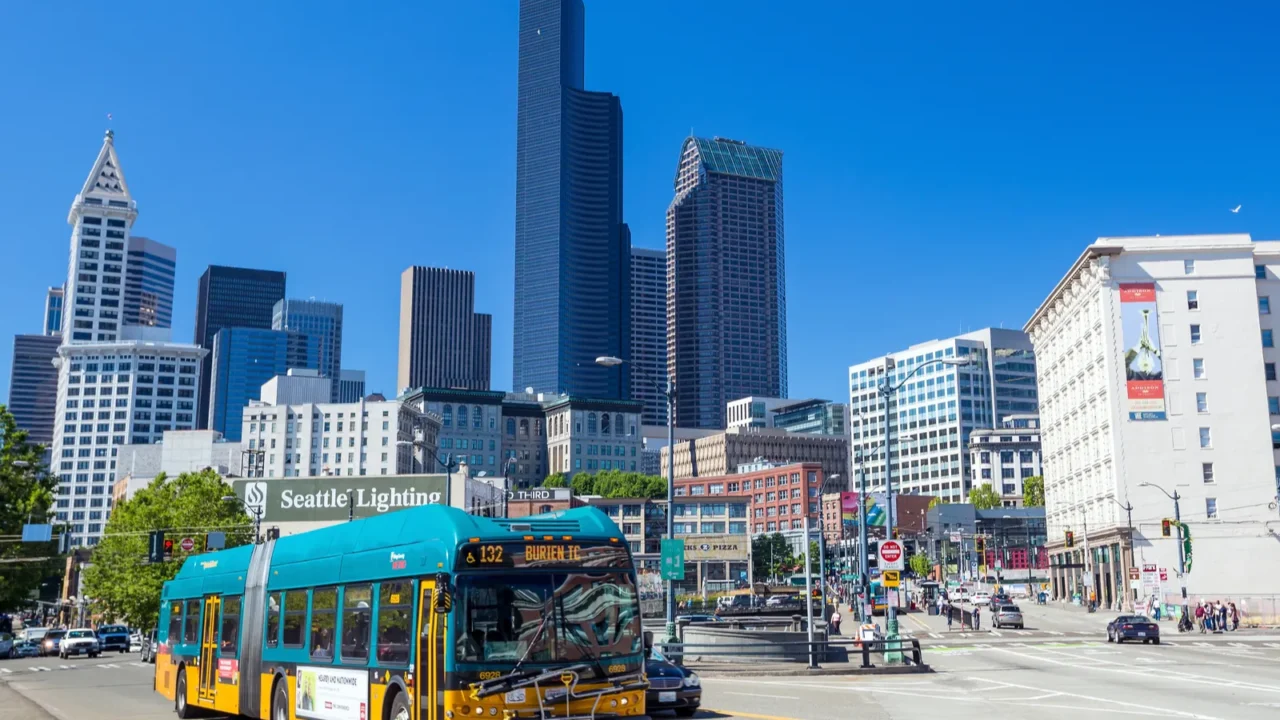
Navigate smarter secure trips
Stay informed on evolving CBP social media rules via official sites to protect your wanderlust. Honest profiles and compliance open doors to life-altering US journeys from rural Montana ranches to urban Seattle vibes.
Travel transformed awaits the prepared where rural tourism reveals authentic American heartland stories. Embrace changes for epic adventures ahead confidently.
What’s the wildest post that almost cost you US entry? Share below!
This slideshow was made with AI assistance and human editing.
Don’t forget to follow us for more exclusive content right here on MSN.
Read More From This Brand:
