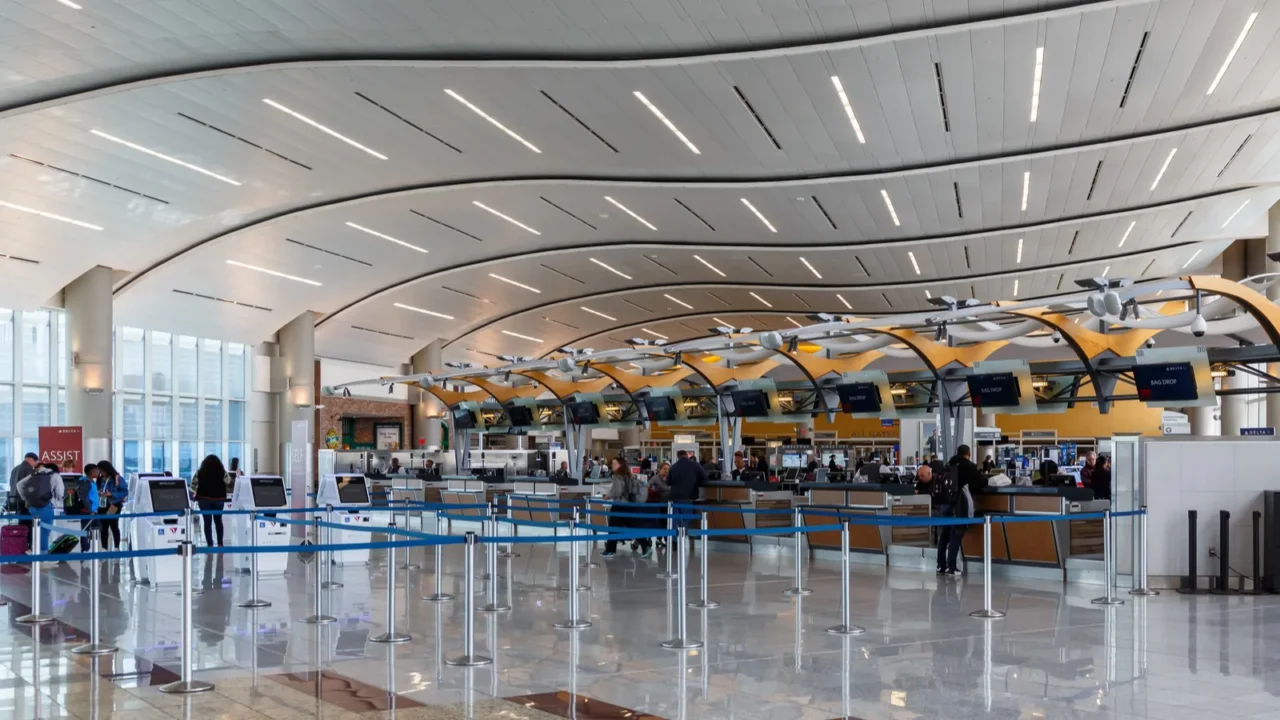
TSA outlines screening changes
The Transportation Security Administration is testing and installing computed-tomography (CT) scanners at selected checkpoints — a step that could reshape screening procedures where the machines are in use during 2025–2026. The agency is testing advanced imaging systems designed to analyze carry-on bags without removing liquids or laptops. These changes aim to improve efficiency while maintaining strict safety standards.
Early CT trials and deployments have taken place at several major hubs (including Phoenix, Boston, and New York’s John F. Kennedy International Airport) and more airports (including reports for Hartsfield-Jackson Atlanta) have since added or are installing units. Officials say the technology reduces the need for manual bag checks and speeds up lines. Full rollout will depend on funding, training, and consistent performance across locations.
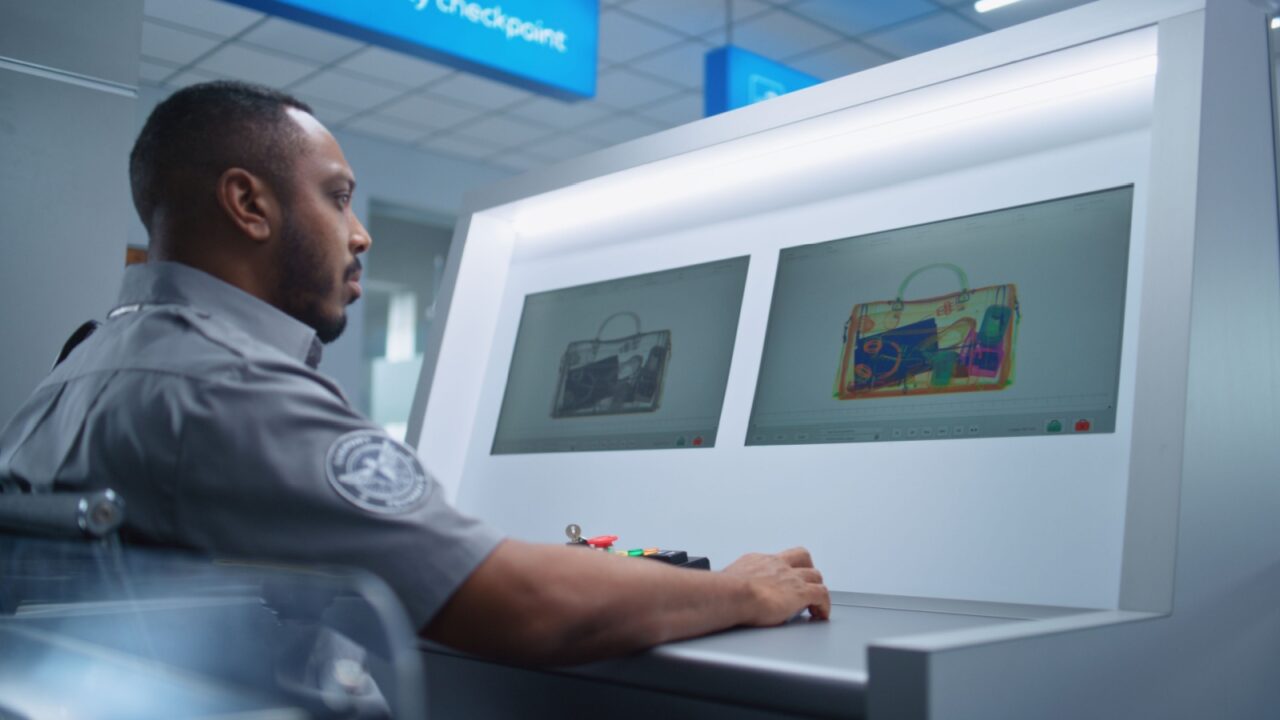
TSA testing new scanners
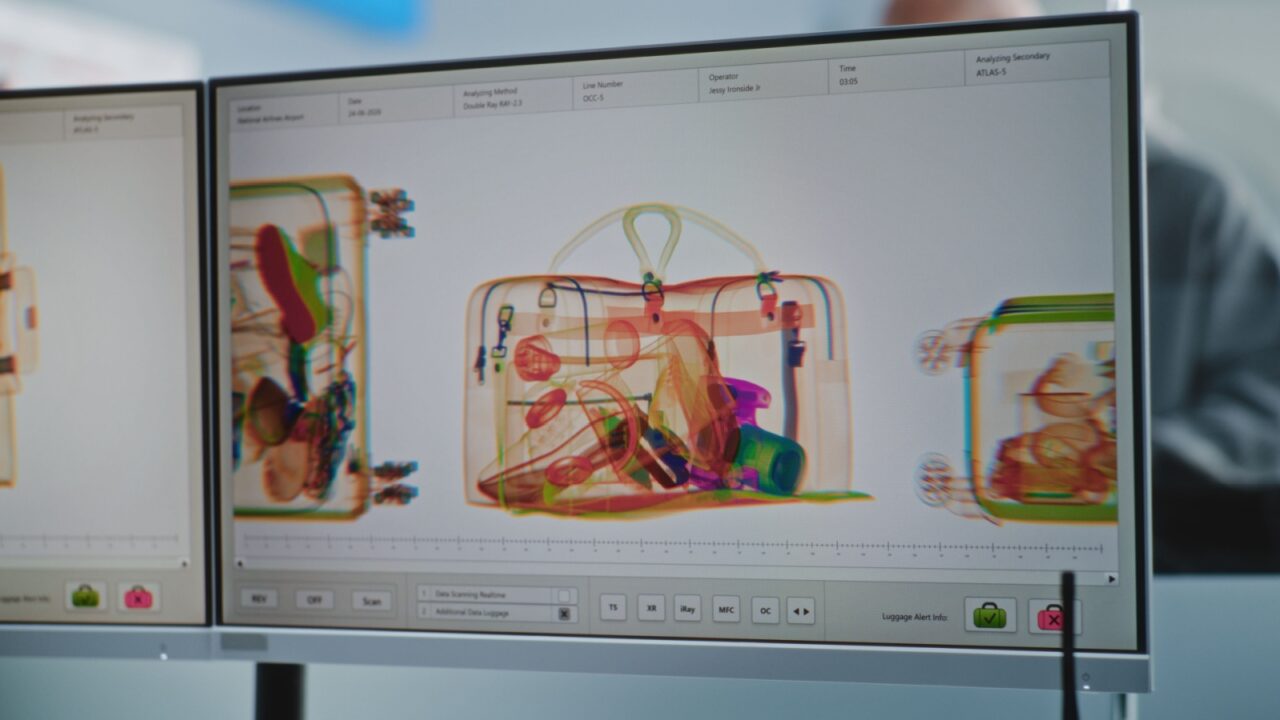
The TSA is focusing on computed tomography scanners that create detailed three-dimensional images of luggage contents. These machines allow security officers to rotate and inspect items digitally without opening bags. That means travelers may eventually keep liquids and electronics packed.
Several airports across the United States are already using these scanners in select lanes. Early data show improved detection rates and faster screening times during peak travel periods. However, not all checkpoints have adopted the technology yet.
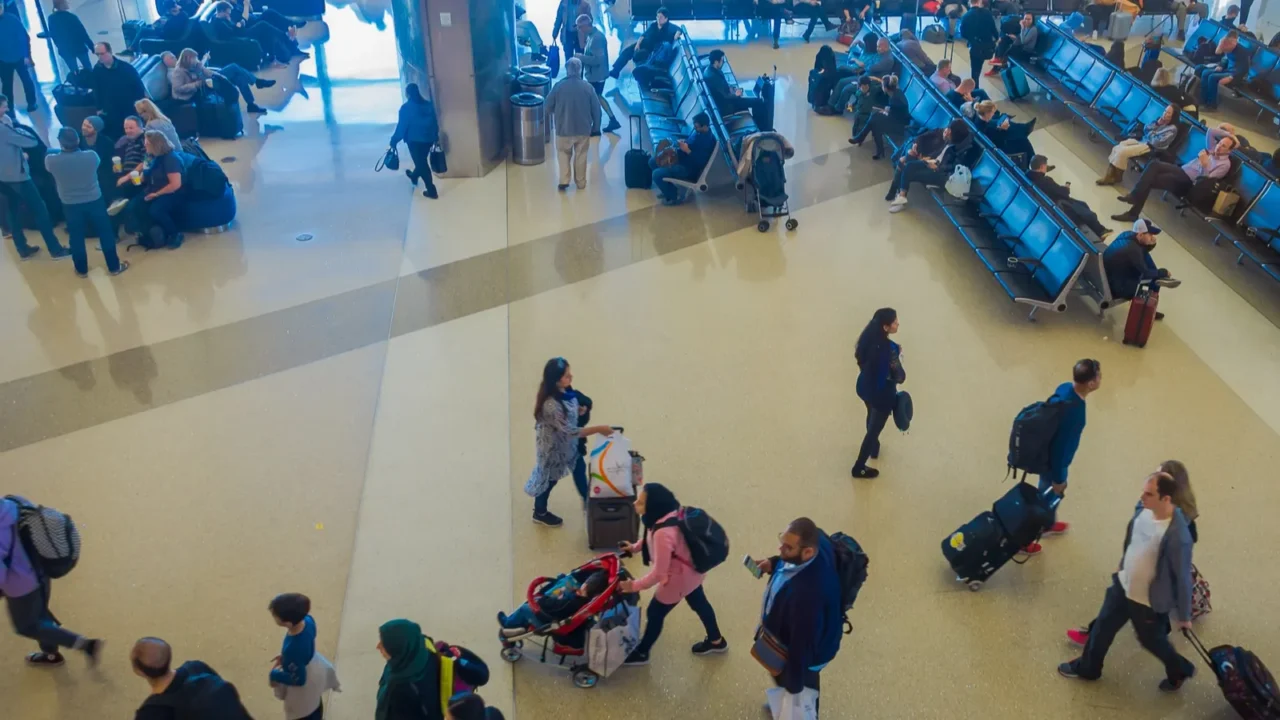
TSA expands pilot programs
TSA has expanded pilot programs to additional hubs including Los Angeles International Airport and Chicago O’Hare International Airport. These programs test how new scanners perform during high passenger volumes and busy travel seasons. Results will guide future nationwide implementation.
Officials say consistency remains a key challenge across different airports and staffing conditions. Some locations still require traditional procedures depending on equipment availability. That means rules can vary even within the same airport.
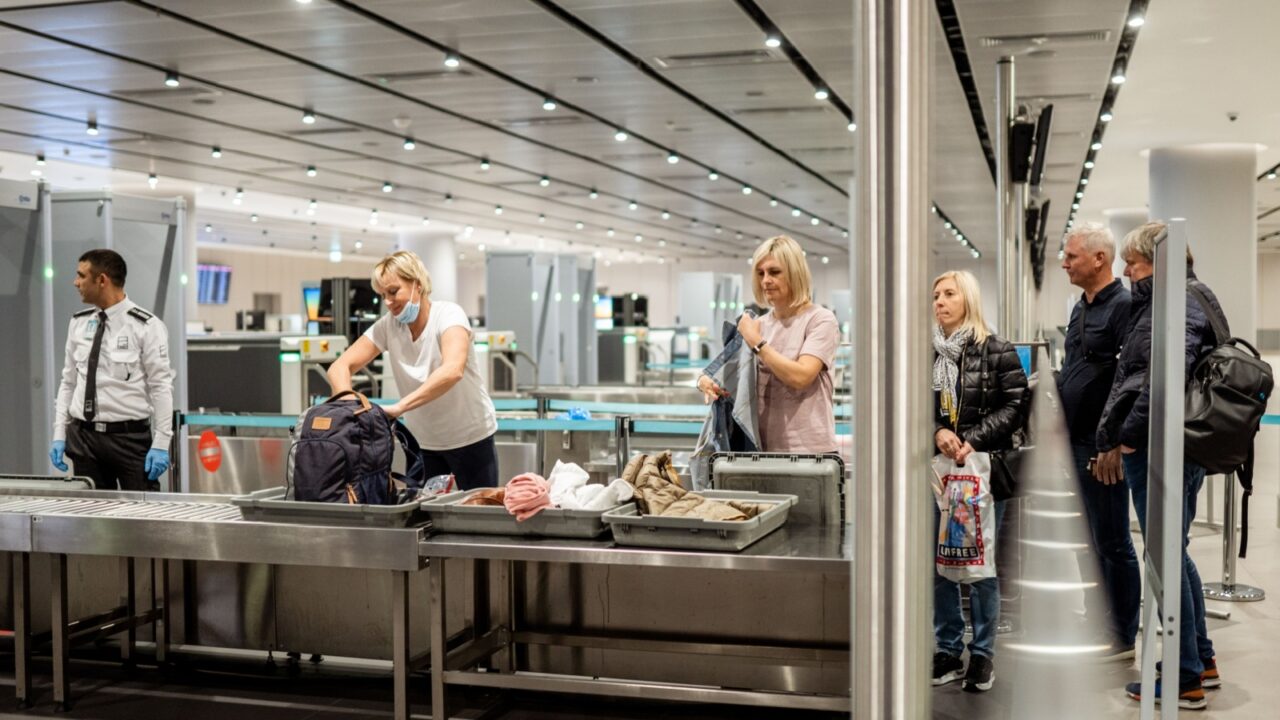
Liquids rules still apply
Despite new technology, the long-standing three-ounce liquid rule remains in place for most flights. Travelers still need to follow standard guidelines unless using lanes equipped with advanced scanners. This ensures safety standards remain consistent nationwide.
Security agencies emphasize that relaxing rules will only happen after a thorough evaluation of risks. Any change will be gradual and carefully monitored by federal authorities. For now, liquids must still comply with existing limits at most checkpoints.
Laptop removal may change
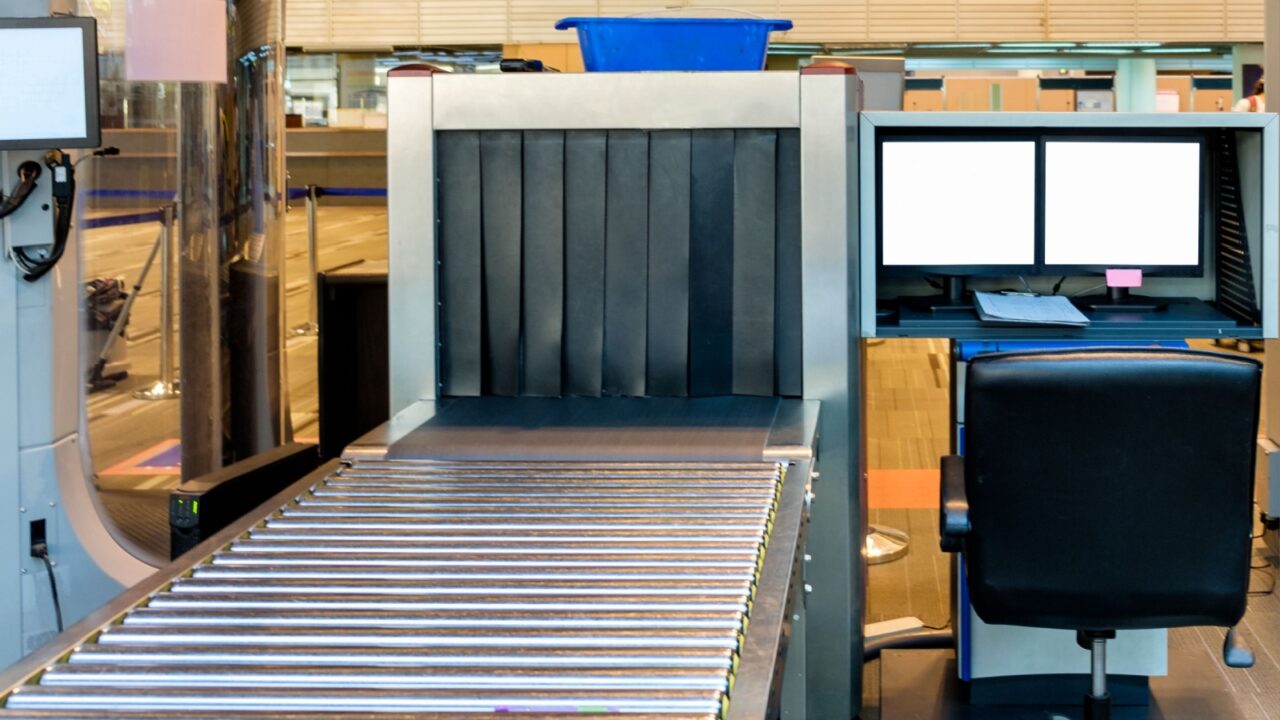
Laptop removal rules are one of the biggest areas where changes are expected. Advanced scanners can identify electronics inside bags without requiring separate screening trays. This could significantly speed up the checkpoint experience.
Airports already using these systems report shorter wait times and fewer delays during busy hours. However, not every checkpoint has upgraded equipment, so practices can differ. Travelers often encounter mixed procedures depending on the lane.
Fun fact about scanners
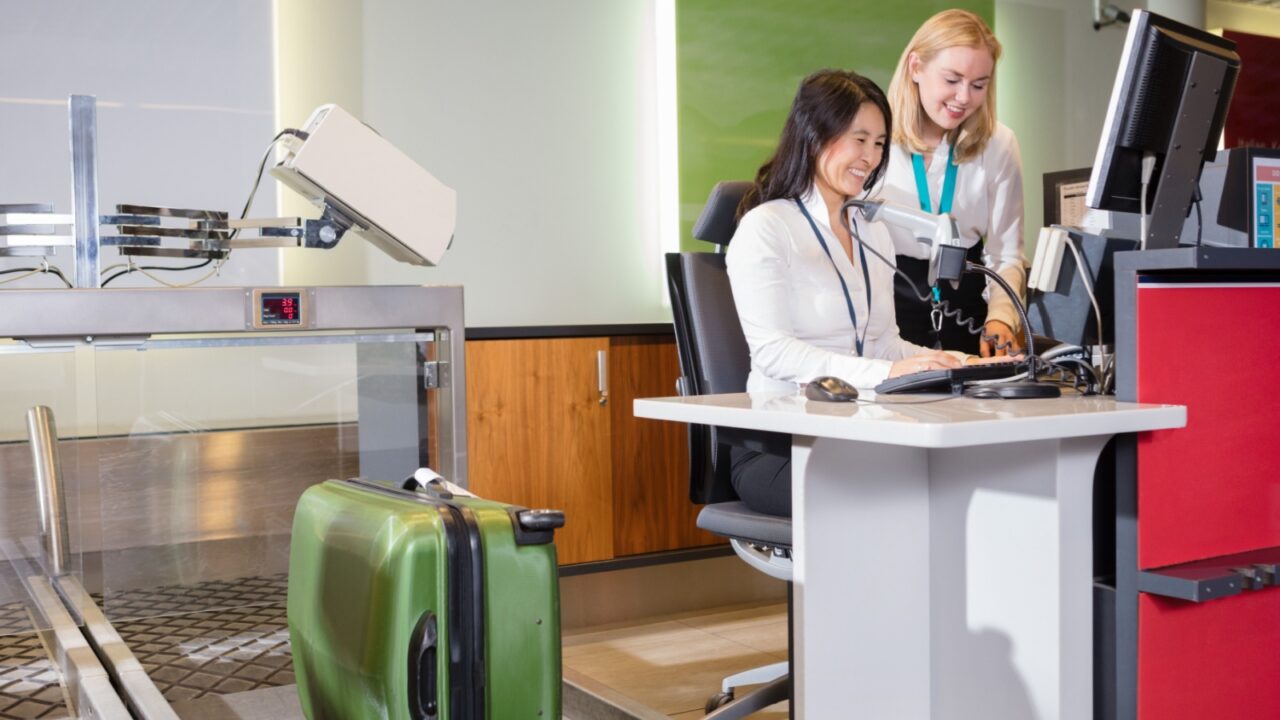
Computed tomography technology used in airports is similar to systems used in medical imaging. These scanners create layered images that allow security officers to detect hidden threats with high precision. The technology has been adapted specifically for aviation security needs.
Fun fact about security
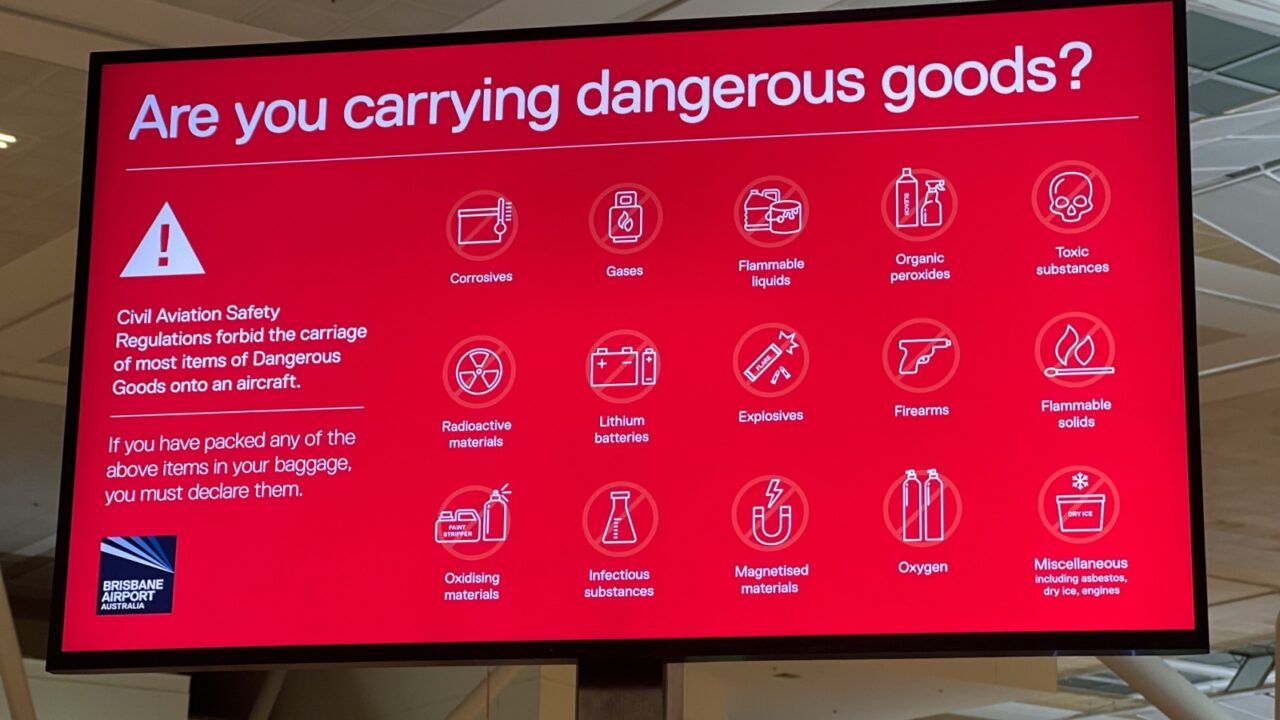
Airport security rules have evolved significantly since the early 2000s following major global events. Restrictions on liquids were introduced after authorities disrupted a plot involving liquid explosives on flights. These measures reshaped security protocols worldwide.
Fun fact: According to BBC reports, the liquid rule remains one of the most recognized aviation policies globally, even as new technology gradually reduces the need for such restrictions.
Airports upgrading infrastructure slowly
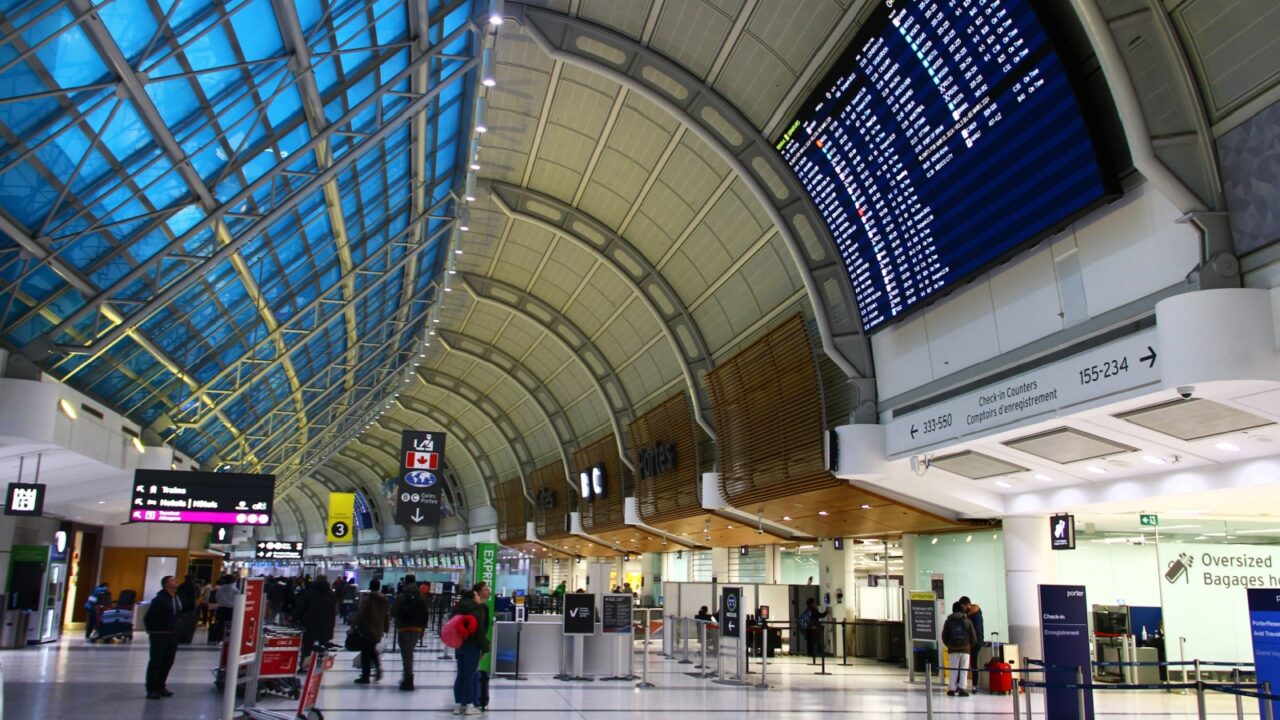
Upgrading airport infrastructure requires significant investment and time. Many airports are modernizing terminals while also integrating new security equipment into existing layouts. This process can take years depending on funding and construction schedules.
Smaller regional airports may adopt new systems later than major international hubs. That creates differences in passenger experience across the country. Travelers might see modern screening in one city and traditional checks in another.
Security lines becoming faster
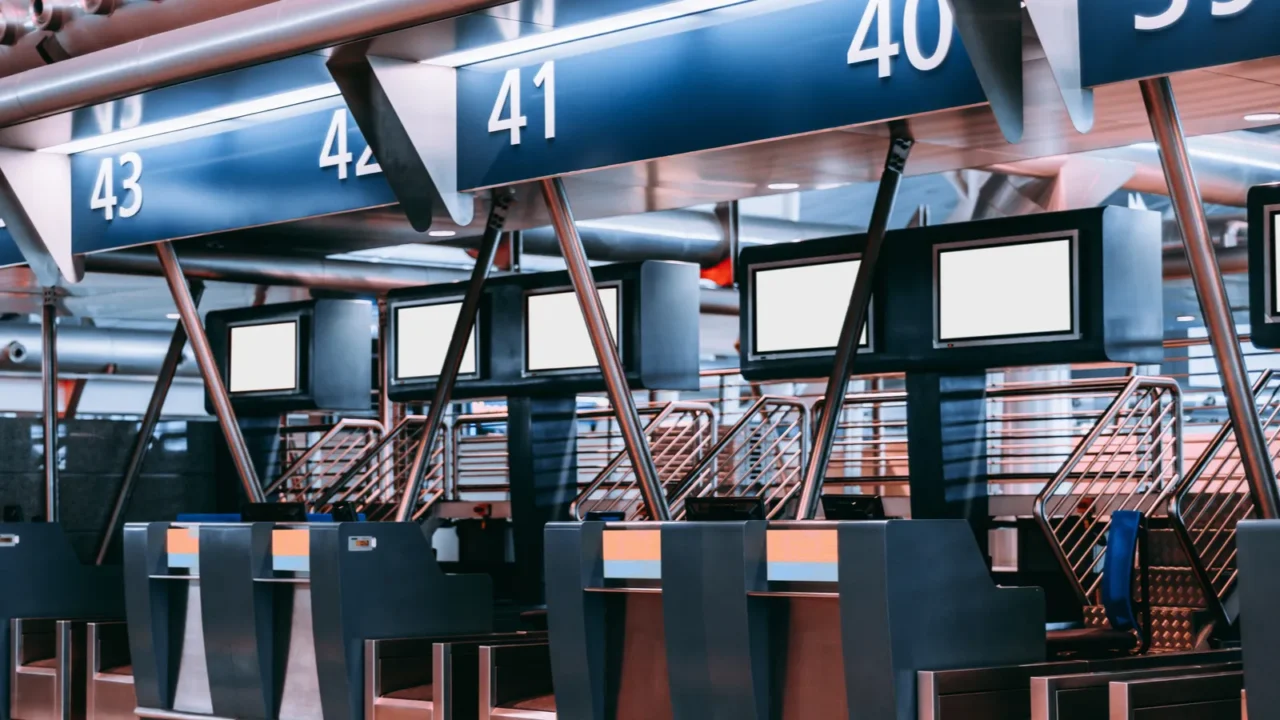
Early reports suggest that new screening systems reduce wait times during peak travel periods. Faster processing allows more passengers to move through checkpoints without compromising safety. This is especially helpful at busy airports during holidays.
Programs like TSA PreCheck already offer faster screening options for approved travelers. Combined with new technology, these programs could further streamline airport security in the coming years. Efficiency remains a key goal for aviation authorities.
International rules vary widely
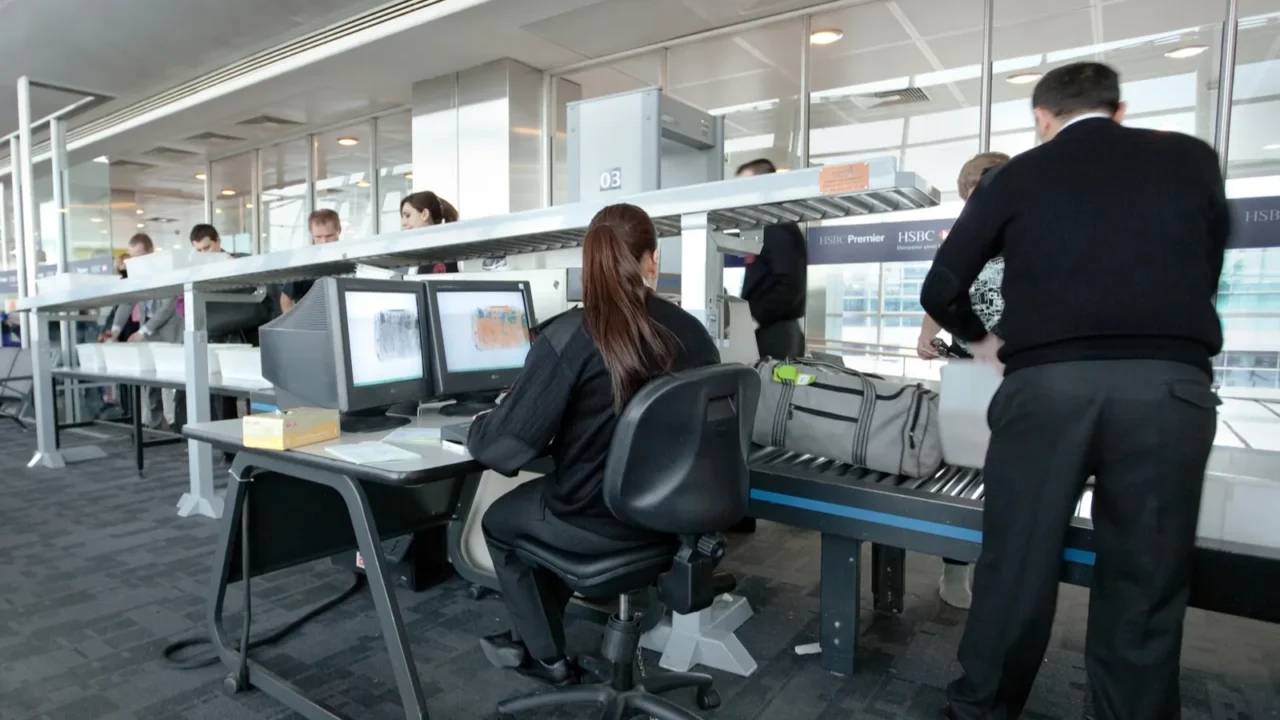
Airport security rules are not identical across all countries. Some European airports have already relaxed liquid restrictions due to advanced screening technology. Others still follow traditional guidelines similar to the United States.
Differences can create confusion for international travelers moving between regions. Aviation authorities are working toward more standardized practices globally. However, full alignment may take several more years.
Passenger experience gradually improving
Airport security is clearly moving toward a more seamless and technology-driven experience. Advanced scanners could eventually eliminate many current restrictions on liquids and electronics, while trends like Global airports ranked for fastest immigration and customs clearance highlight how efficiency is becoming a key focus worldwide. However, full implementation will take time and careful evaluation.
Feedback from early adopters suggests a smoother and more predictable experience. However, consistency remains an issue as not all airports are fully upgraded. The transition period may continue for several years.
Future of airport screening
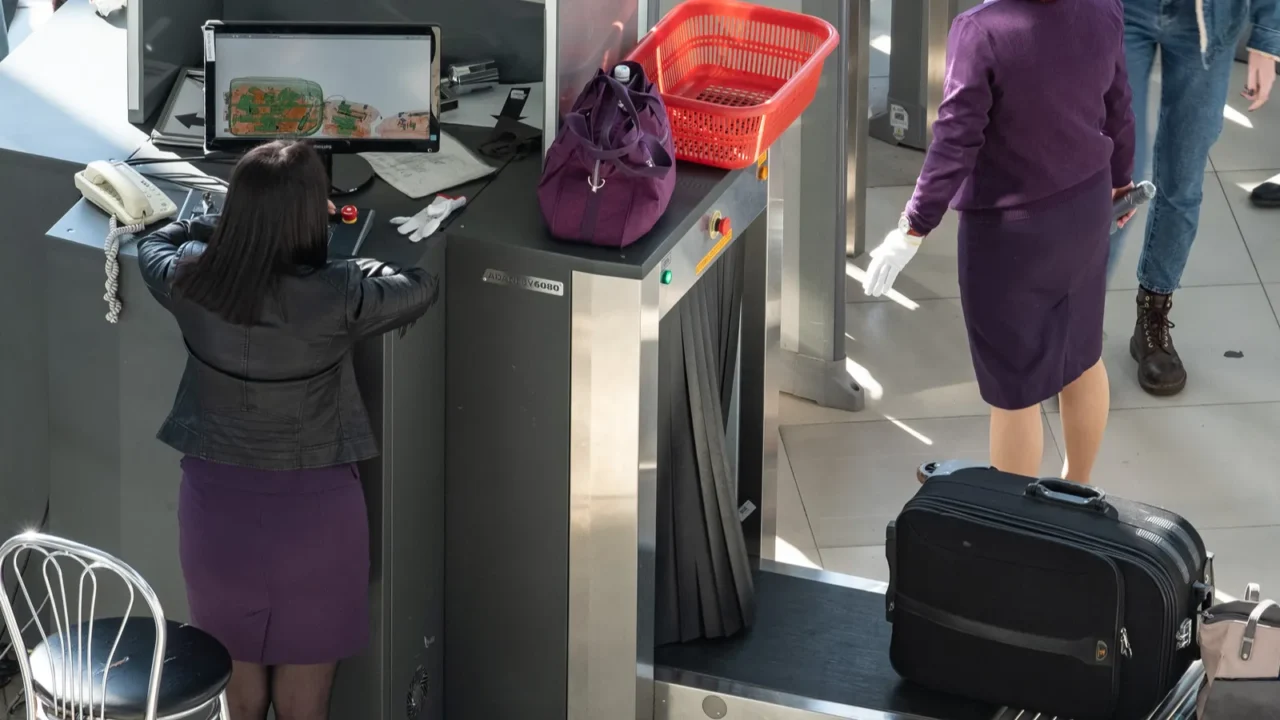
Airport security is trending toward more technology-driven screening that can reduce unpacking requirements at CT-equipped lanes; however, full, system-wide implementation will take years of investment, training and testing.
Travelers may see a mix of old and new procedures depending on the airport and location. The future looks more convenient, but change will be gradual across the system.
Which airport experience feels the smoothest for travelers right now? Share your thoughts below.
This slideshow was made with AI assistance and human editing.
Don’t forget to follow us for more exclusive content right here on MSN.
Read More From This Brand:
