
A surprising shift in student opportunities
Over the past year, many U.S. colleges began seeing fewer international applicants thanks to stricter visa rules. That change left open spots that are now often filled by American students who might have been waiting longer for admission.
Suddenly, some seats, scholarships, and even internships that once went to overseas candidates are becoming available to U.S. citizens and permanent residents. This shift is reshaping who gets access to top-tier education and early-career chances.

Why fewer international students matter now
New visa regulations and tougher reviews made it harder for foreign applicants to get into U.S. schools. Many international students decided to study elsewhere, in countries like Canada, the U.K. or Australia, instead of risking delays or rejection.
That drop in demand from abroad loosened competition at American universities, especially at institutions that once welcomed large numbers of international learners. For many U.S. students, it opened unexpected doors.
More American applicants getting in
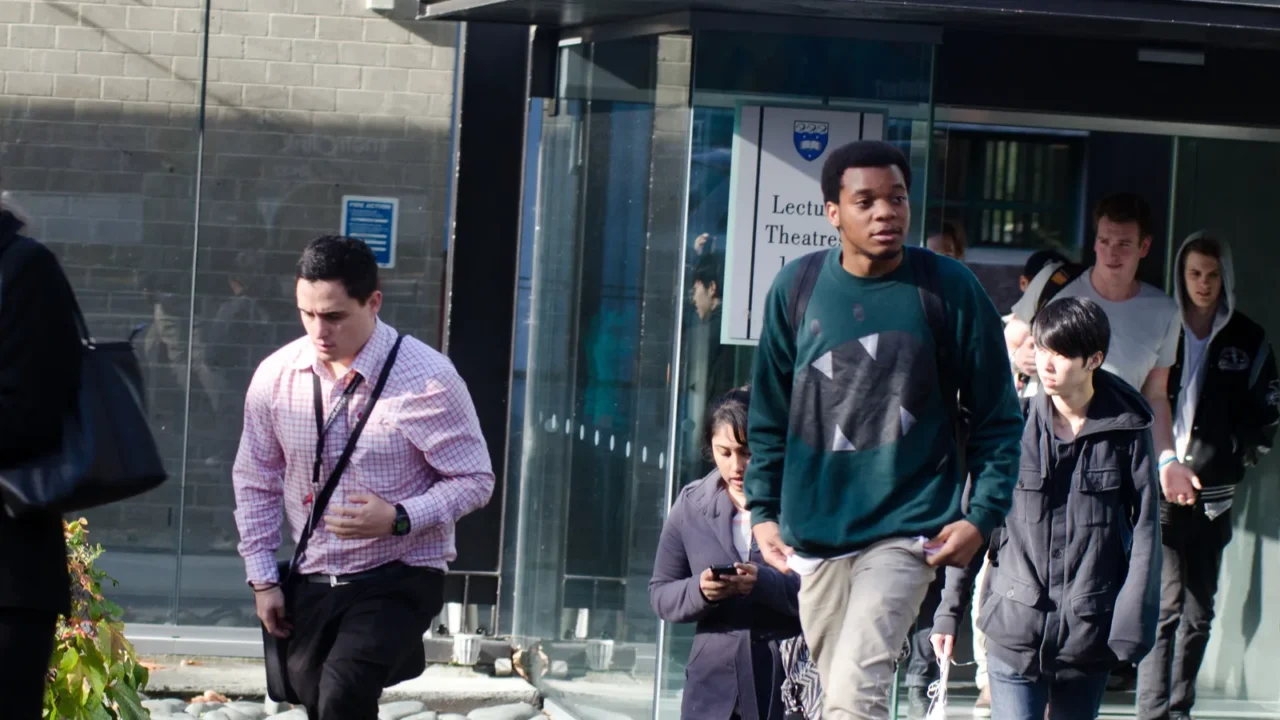
With fewer foreign applicants, admissions offices are getting more attention from domestic students. This covers both students applying right after high school and those aiming for graduate programs like STEM, business, or humanities studies.
Some universities report seeing a noticeable rise in U.S. enrollment, particularly among in-state applicants and first-time college students. For those who might’ve felt overshadowed by international competition before, chances are improving.

New outreach and scholarship efforts
Universities worried about unpredictable international enrollment have shifted strategies. Many now invest more in recruiting homegrown students, often reaching out to rural areas or communities that rarely sent students to college before.
Some colleges are also offering more scholarships or financial aid aimed at U.S. citizens and permanent residents. That makes college more accessible to domestic students who might’ve picked cheaper schools or skipped college altogether.

STEM fields opening up for Americans
Graduate and research-heavy fields, especially in STEM, once relied heavily on talent from abroad. With visa complications rising for foreign students, more graduate slots and research assistant roles are now available to U.S. students.
That means American students with an interest in science, engineering, or tech have a better shot at master’s or Ph.D. programs — and access to funding and lab roles that were often reserved for international peers.

Early-career jobs and internships shifting
It’s not just college admissions; early-career jobs and internships are changing too. Companies facing tougher visa rules are hesitating to sponsor foreign talent for entry-level roles.
Because of that, many employers now lean toward hiring U.S. graduates who don’t require visa sponsorship, that shift helps new American graduates land internships and junior jobs that might’ve gone to international candidates before.

Community colleges gaining new attention
With fewer international students to recruit, many community colleges and regional public campuses are seeing renewed interest from U.S. families. This is especially true in regions where college attendance had previously declined.
These institutions are working hard to offer training in fields like IT, health care, and manufacturing, often backed by state or federal support. This gives local students practical, affordable routes to stable jobs.

Creating more local job pipelines
As businesses shift away from visa-dependent hiring, many are partnering with community colleges and local universities to build local talent pipelines. That helps match U.S. graduates with in-demand jobs near home, reducing the need to relocate or compete globally.
Those partnerships also lead to apprenticeships, training programs, or internships targeted at U.S. citizens. For students in smaller towns or suburbs, this can open doors they never expected.

Universities balancing budgets and priorities
Many American institutions used international students to help fund their programs, especially when foreign students paid full tuition. With those numbers dropping, colleges now face tighter budgets.
To stay stable, some have increased focus on recruiting U.S. students, adjusting scholarship allocations, and rethinking campus spending. That shift influences not just admissions but what majors, classes, and support services schools offer.

Loss of global diversity on campus
Less international enrollment means fewer foreign classmates in lecture halls, dorms, and labs. For some U.S. students that’s a welcome change, fewer academic barriers, less competition, but it also changes campus culture.
Without as many international voices, students miss out on daily chances to learn from different perspectives, languages, and cultures. For many educators, this matters for preparing students for a global workforce.

Mixed reactions from employers and industries
Business leaders are divided about the changes. Some say the focus on hiring U.S. graduates creates a stronger domestic talent pool. They believe American students will benefit from more job offers and rising wages.
Others argue the opposite, that limiting international talent could leave key positions unfilled, slow innovation, and hurt long-term growth. For every industry that gains, another may struggle to find necessary skills or lose global competitiveness.

What students themselves are feeling
Some American students enjoy the sudden drop in competition, seeing it as a chance to shine in selective majors, labs, or internships. For many, it feels like an overdue opportunity to grab a spot they never thought possible.
But others worry that campuses are losing some of the global flavor. They miss the diversity that came with foreign classmates, from new ideas to different worldviews that broaden learning beyond textbooks and lectures.

Long-term risks to U.S. education and economy
Relying mainly on domestic students may stabilize enrollment now, but experts warn this could shrink the global reach of U.S. universities. Over time, fewer international classmates could mean less cultural exchange and limited exposure to global networks.
Without fresh global talent, research and innovation might slow down too, possibly harming fields that depend heavily on diverse perspectives and skills, like medicine, engineering, or tech.
Not only are international students affected, but higher H1B visa fees are also discouraging U.S. companies from sponsoring skilled foreign workers, particularly in tech, healthcare, and research sectors.
What’s your take on this shift in opportunities? Share in the comments.
This slideshow was made with AI assistance and human editing.
Don’t forget to follow us for more exclusive content right here on MSN.
Read More From This Brand:
