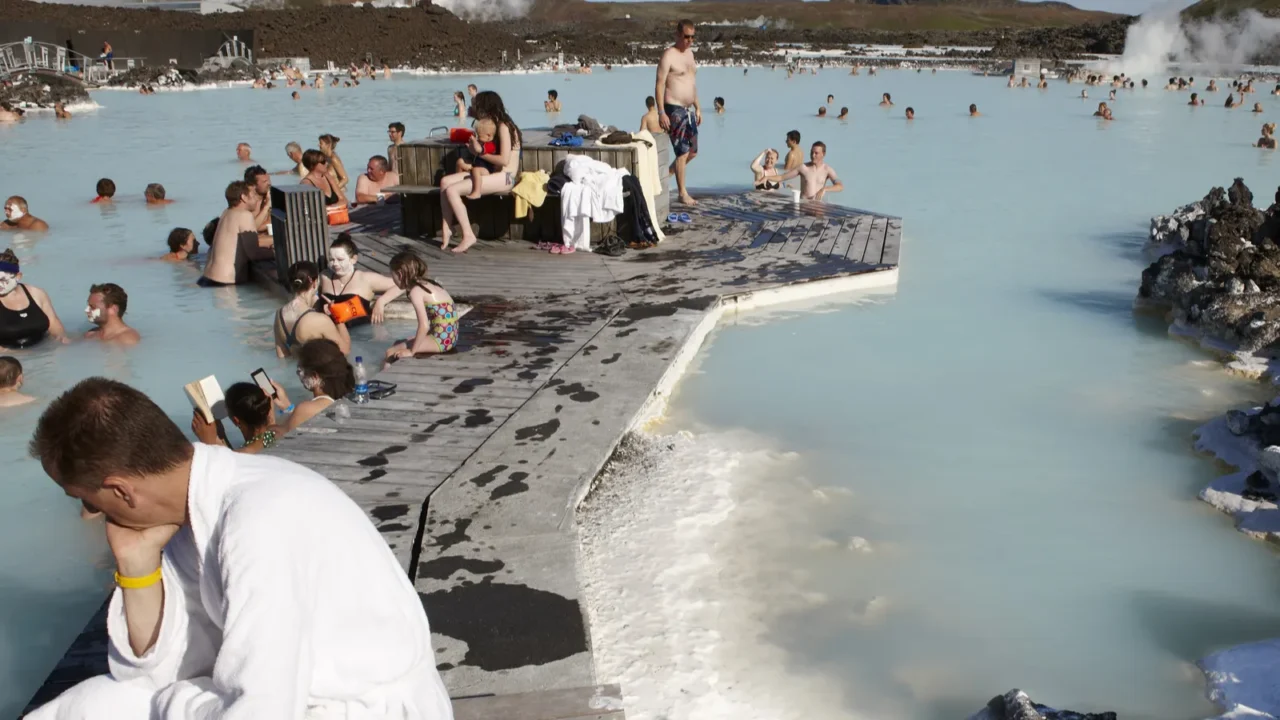
Iceland’s quiet return
Iceland’s interior once felt out of reach after years of environmental strain and heavy seasonal closures. Fragile moss fields, volcanic soil, and glacial rivers needed time to recover without constant vehicle traffic. After careful restoration work, parts of the Highlands are opening again with renewed balance.
These reopenings mark a shift toward slower and more responsible exploration. Travelers are finally seeing nature restored, not rushed. The story begins deep inland, so let’s dive in!
Why the interior closed
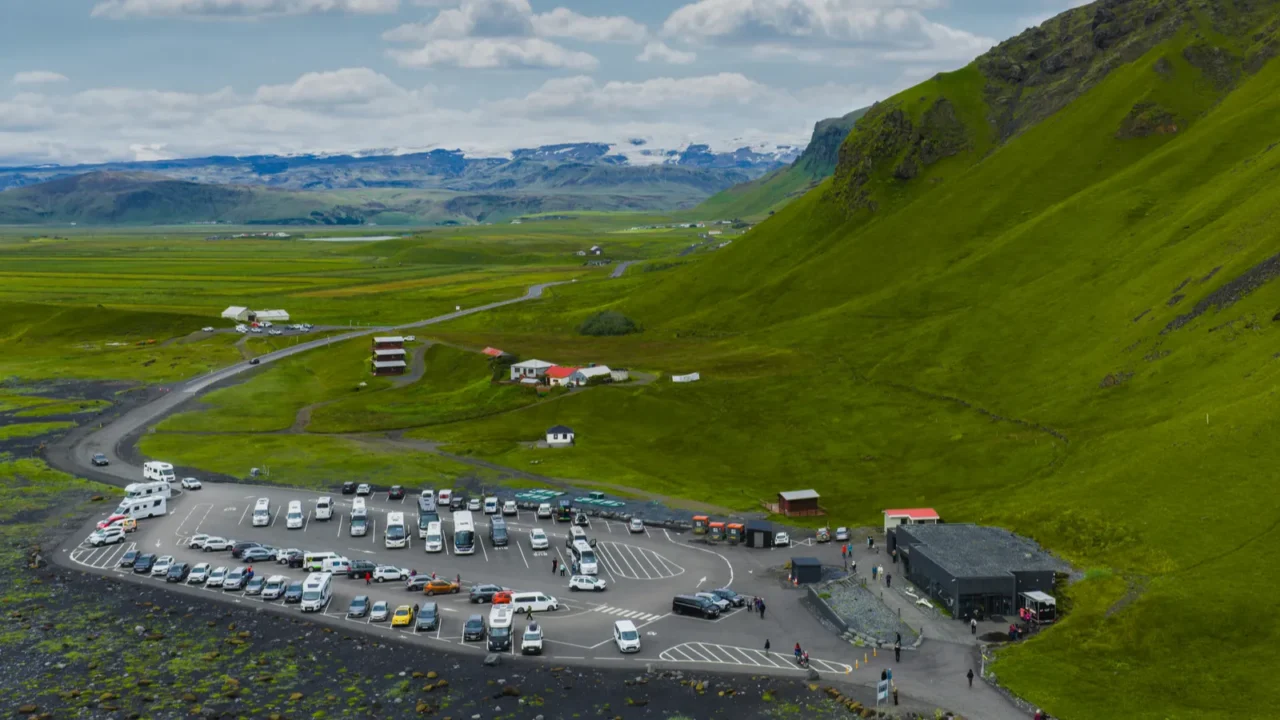
Iceland’s interior regions faced damage from off-road driving and rising adventure tourism. Moss that takes decades to grow was crushed under repeated vehicle pressure. Authorities stepped in to protect landscapes that cannot quickly regenerate.
Seasonal road closures became longer and more controlled. Environmental monitoring replaced open access. This pause gave the land time to breathe and rebuild naturally.
Highland roads reopen carefully
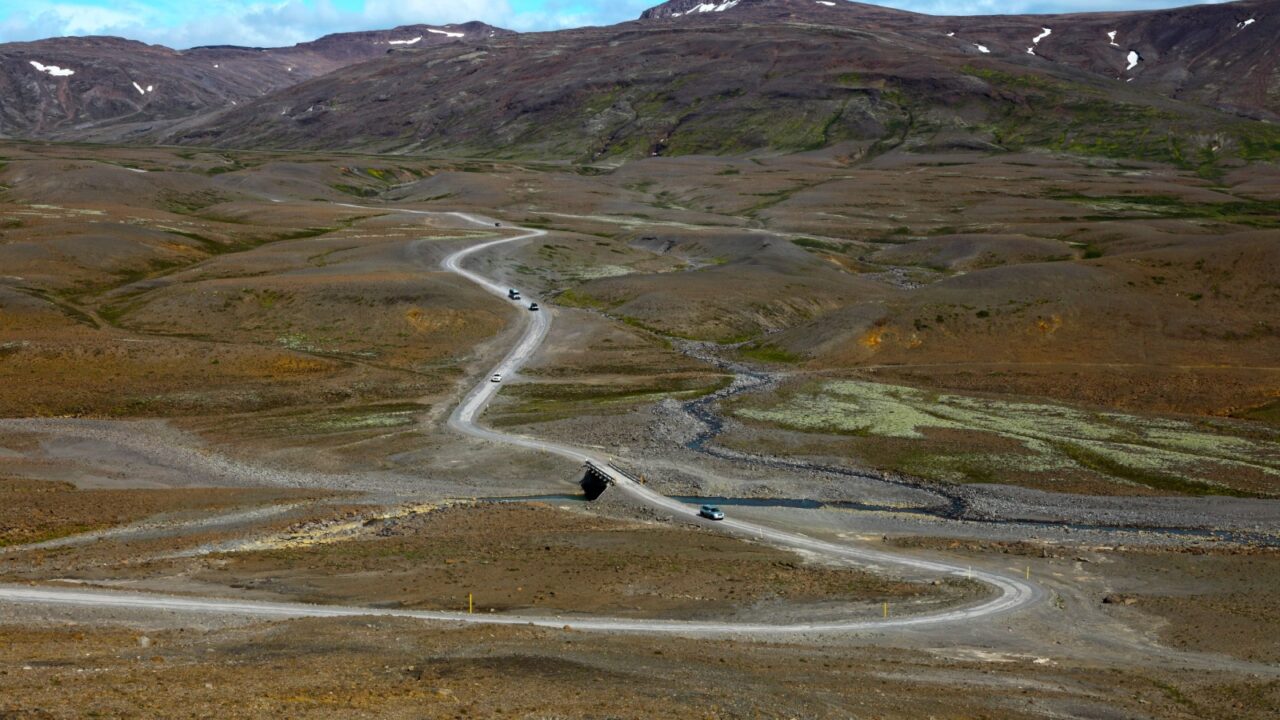
Several F roads in Iceland’s Highlands reopened after improved soil stability assessments. Routes near Kjölur and Sprengisandur are now accessible under strict seasonal conditions. These roads are monitored daily for erosion and weather impact.
Access depends heavily on ground recovery and river conditions. Only approved vehicles can enter sensitive zones. This system allows phased reopenings based on environmental assessments and daily weather reports.
Landmannalaugar sees revival
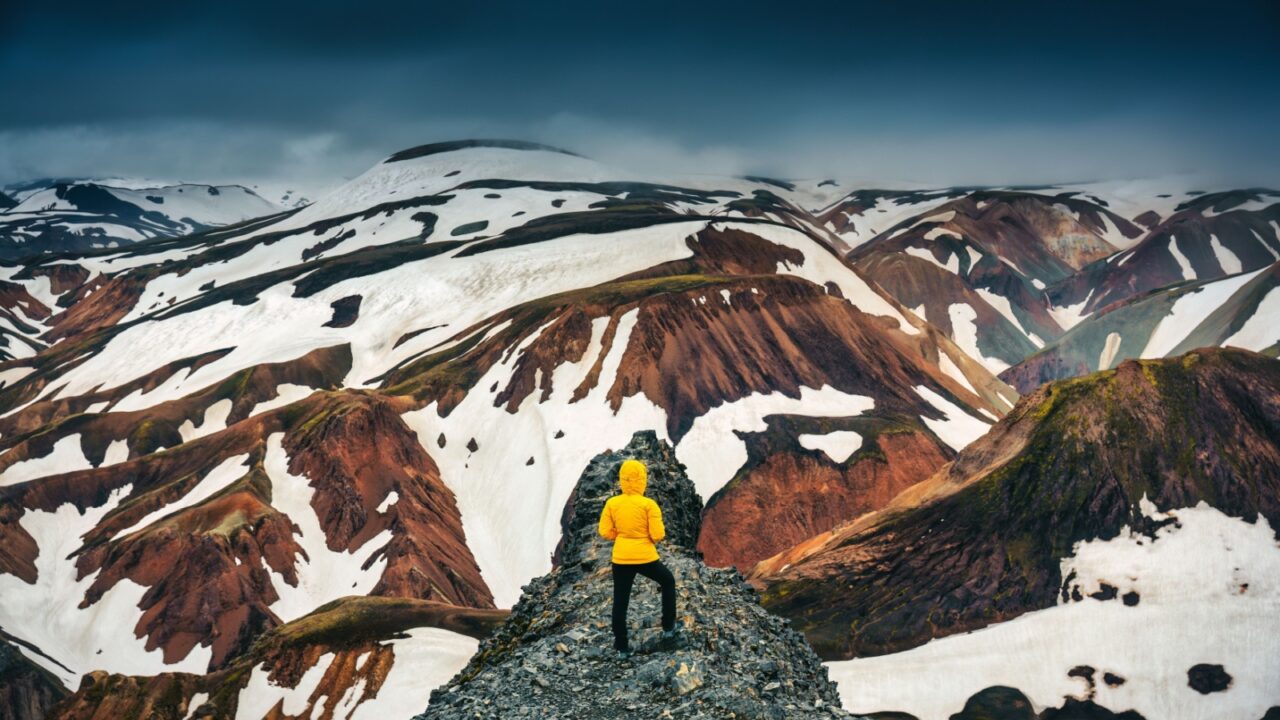
Landmannalaugar reopened with new visitor management plans in place. Parking areas were relocated to reduce pressure on the Rhyolite Mountains and hot spring zones. Boardwalks now guide foot traffic across sensitive ground.
Hiking routes remain open but closely monitored. Visitor numbers are capped during peak summer weeks. The area feels wild again without feeling overwhelmed.
Kerlingarfjöll regains balance
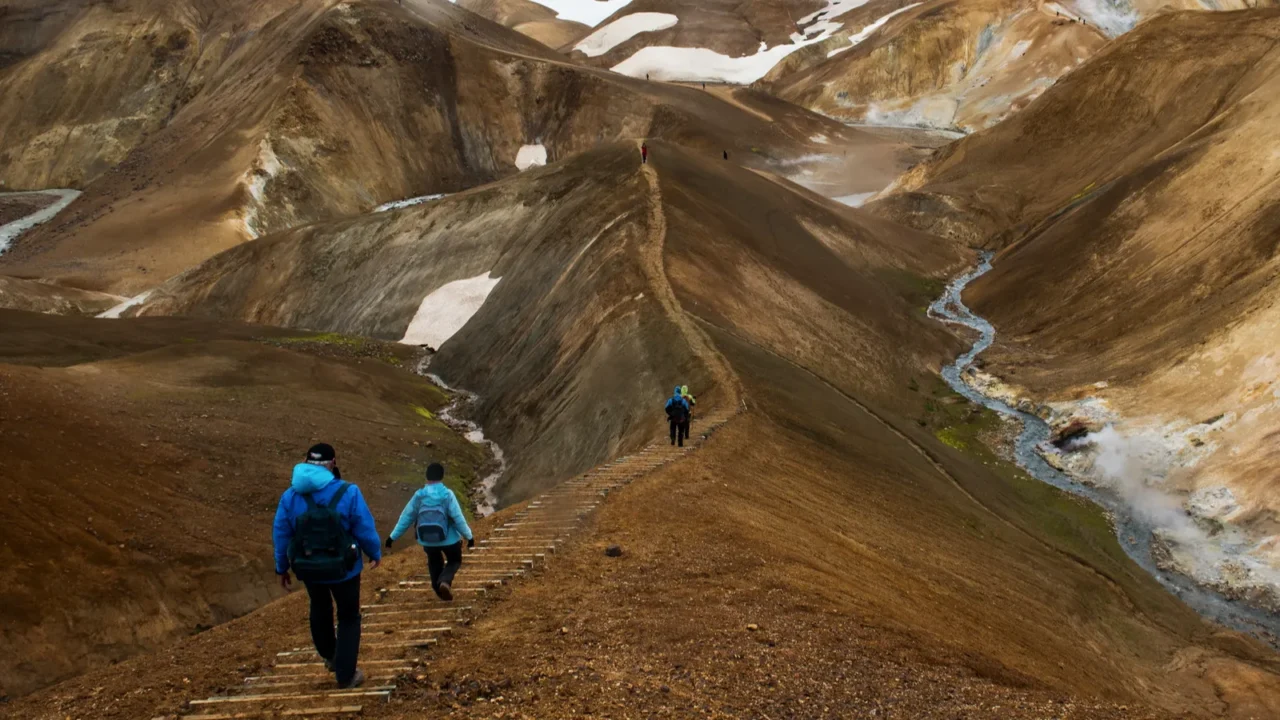
Kerlingarfjöll’s geothermal valleys were closed for extended recovery. Trail erosion and soil damage prompted stricter conservation efforts. After restoration, selected paths are open again.
Marked trails now keep walkers away from unstable ground. Rangers monitor steam vents and fragile slopes daily. The landscape looks healthier and more resilient.
Þórsmörk access refined
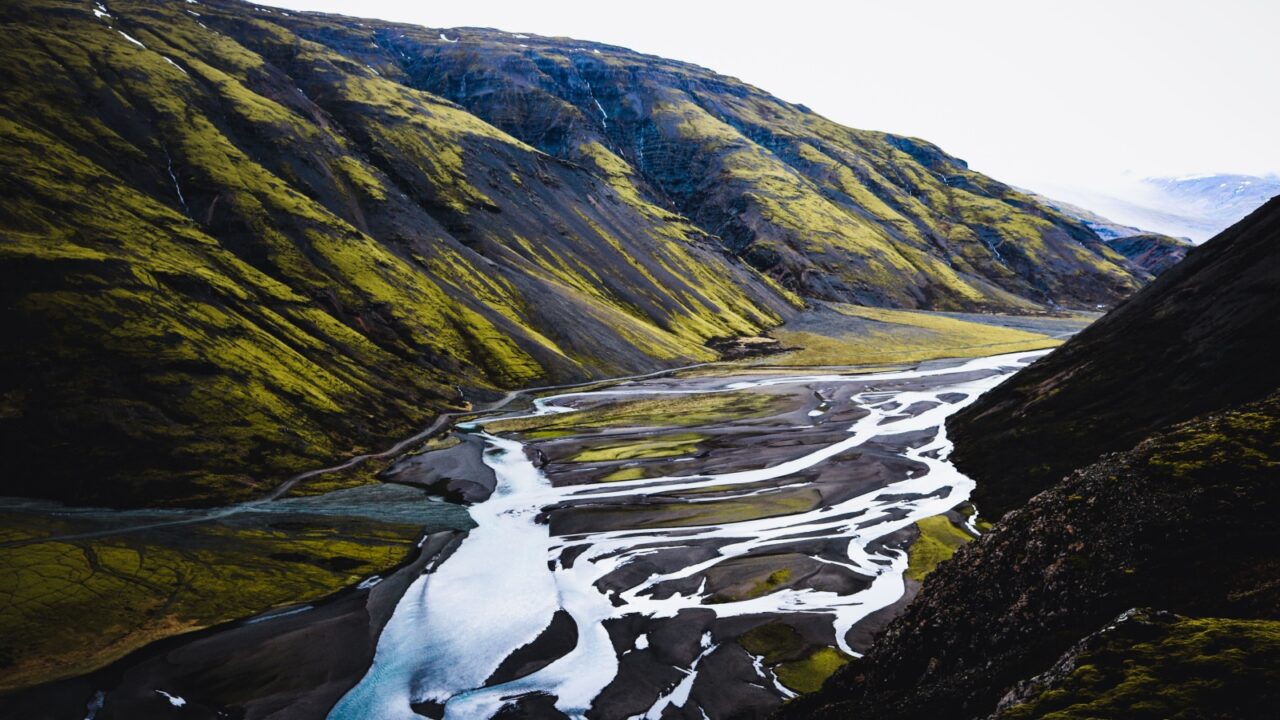
Þórsmörk’s reopening came with redesigned river crossing rules. Only certified vehicles and guided transports are allowed on certain routes. This reduces riverbank erosion caused by repeated crossings.
Trail reinforcements in Þórsmörk now use sustainably sourced local stone and treated wood to reduce erosion. Foot traffic flows more evenly through the valley. Þórsmörk now balances adventure with protection.
Volcanic soil recovery progress
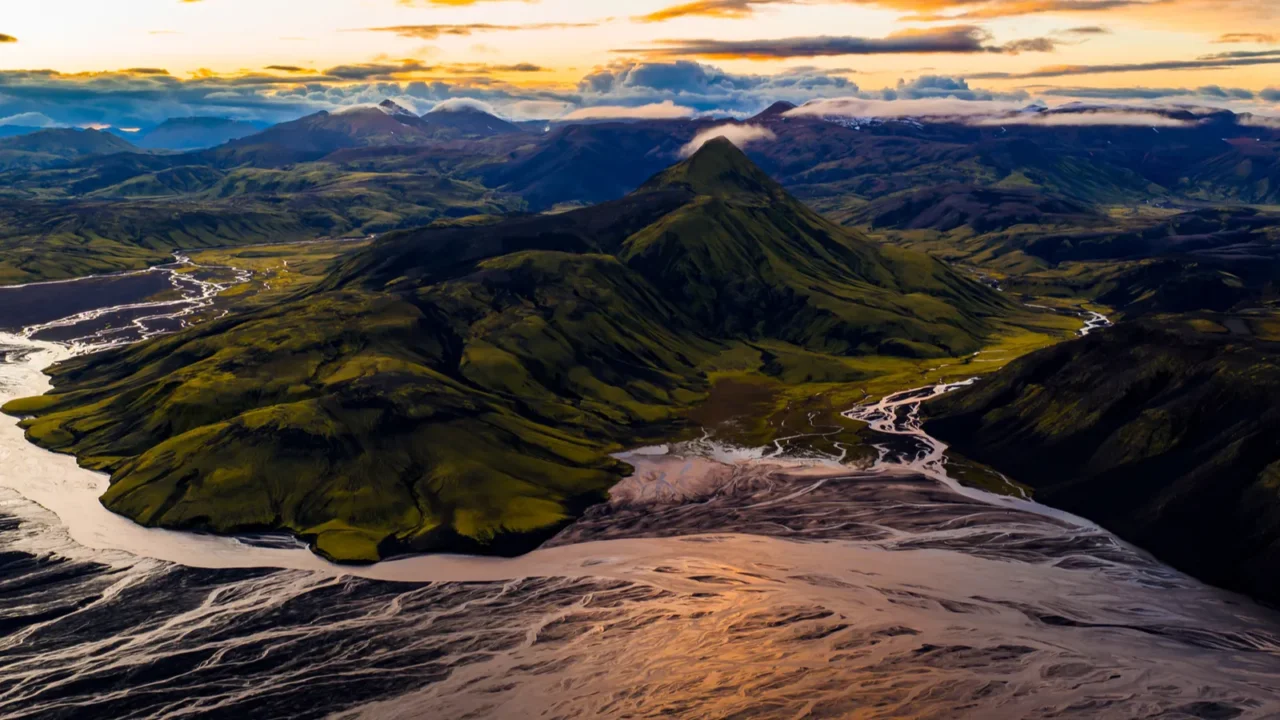
Interior volcanic plains, especially around Veiðivötn and Askja regions, suffered from wind erosion and soil displacement. Restoration involved reseeding native grasses and stabilizing ash layers. These efforts take years, not seasons.
Sections now reopen only after scientific clearance. Recovery zones remain fenced off. This approach protects future access instead of short-term gains.
New visitor regulations introduced
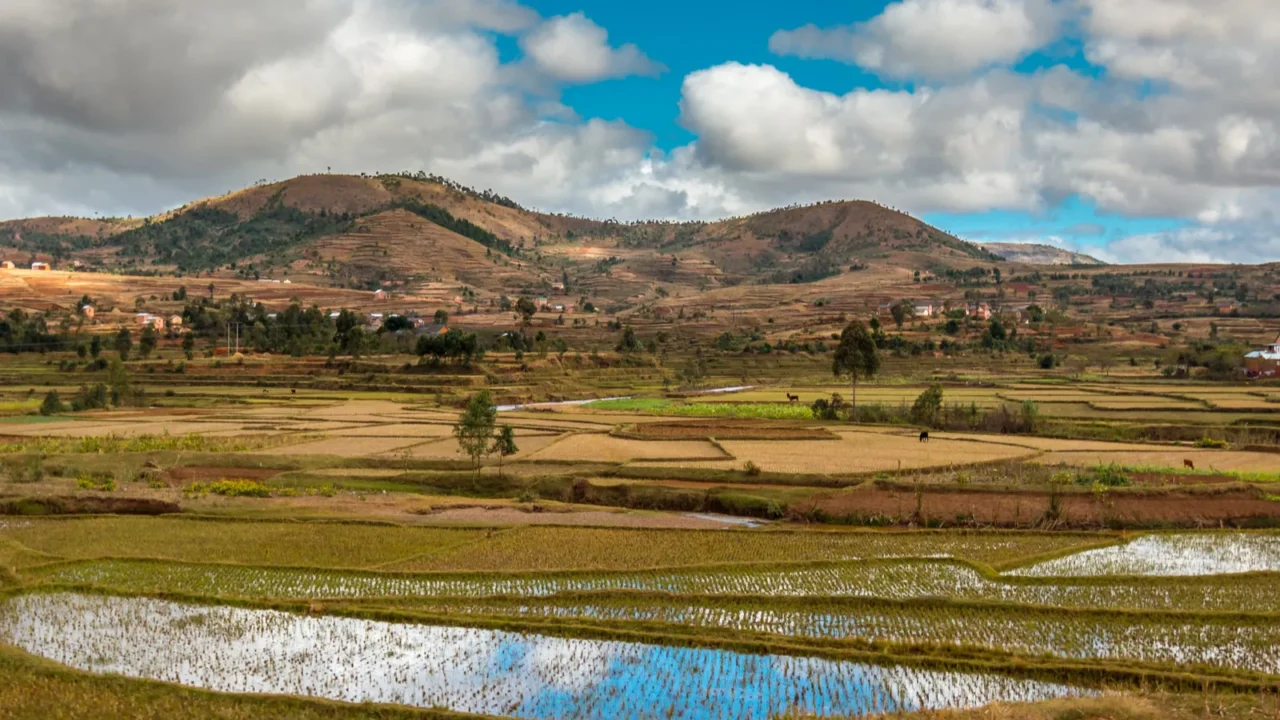
Reopened regions now operate under permit-based systems. Campgrounds require reservations even in remote Highland areas. This limits sudden overcrowding.
Guided travel is encouraged in sensitive zones. Local operators follow strict environmental codes. Tourism growth now follows nature’s pace.
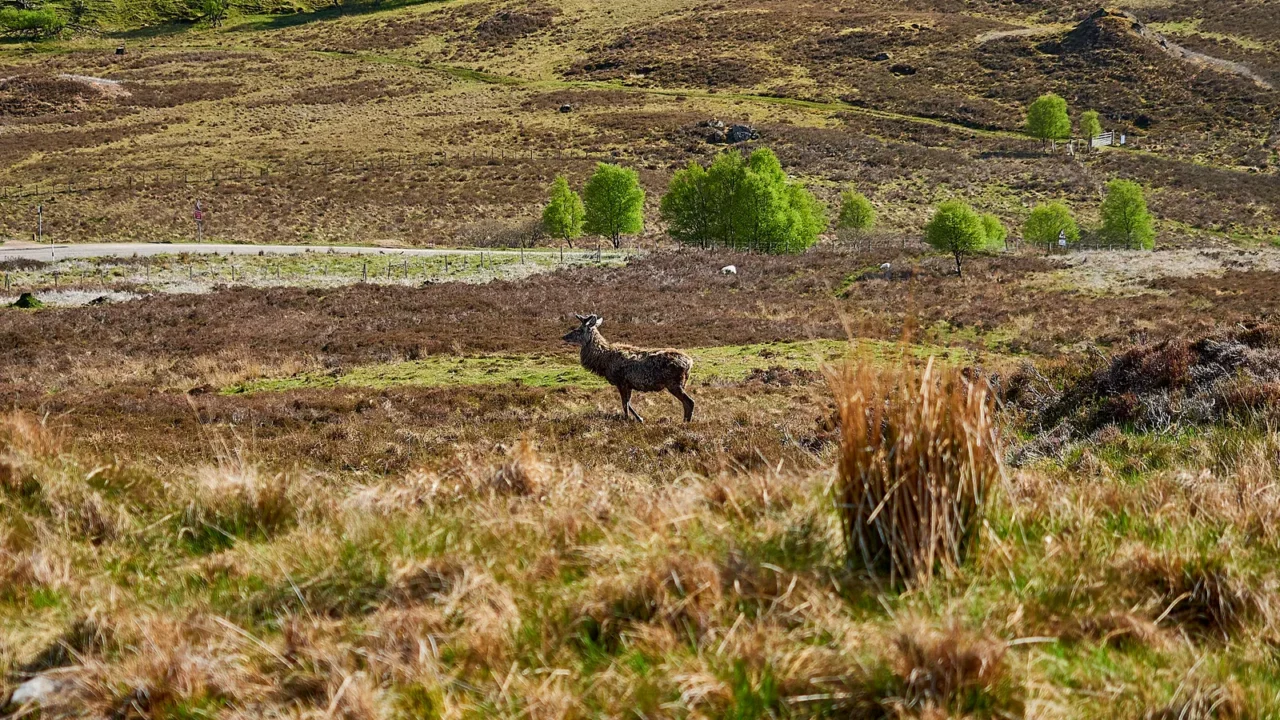
Wildlife habitats rebound inland
Reduced traffic allowed bird nesting grounds to stabilize. Arctic fox movement patterns returned to normal ranges. Vegetation recovery supported grazing species again.
These improvements supported reopening decisions. Wildlife monitoring remains ongoing. Interior access depends on ecological health reports.
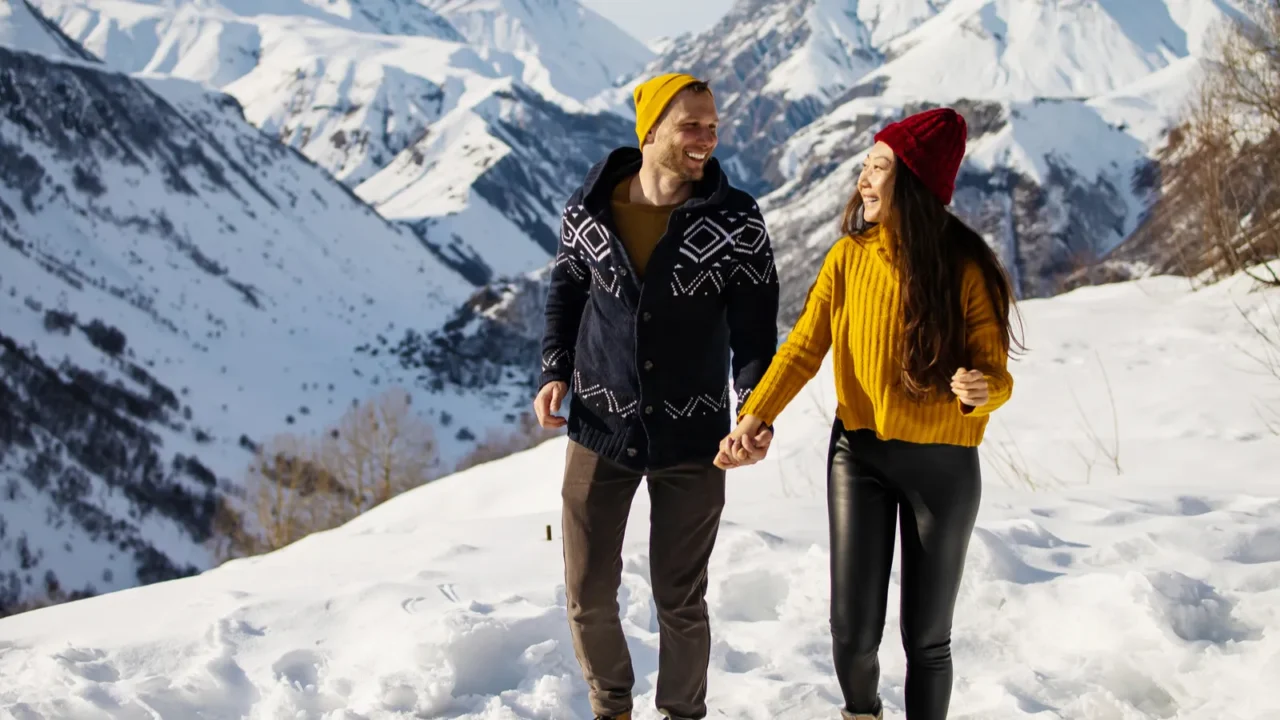
Seasonal timing now matters
Interior regions now open later and close earlier. Snowmelt and soil moisture determine exact access dates. This avoids damage during unstable conditions.
Travel planning requires flexibility. Seasonal awareness protects fragile terrain. Iceland’s interior rewards patience and preparation.
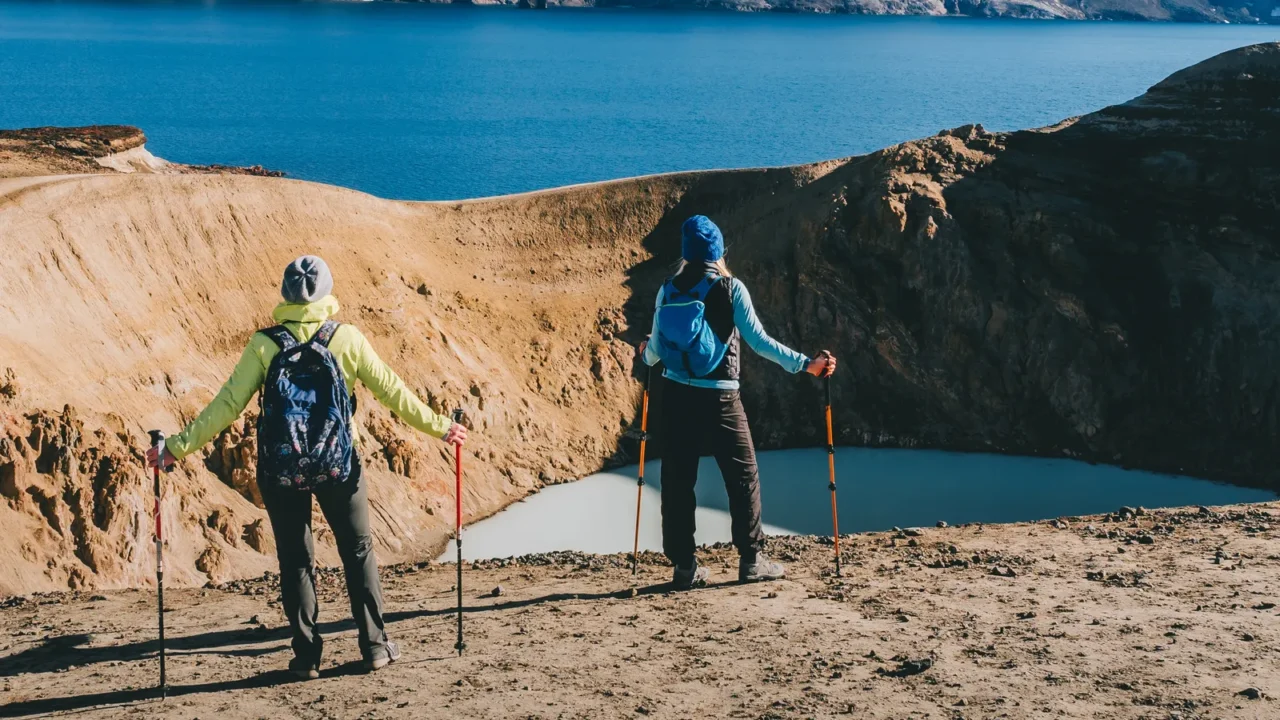
Sustainable travel takes lead
Interior reopening favors sustainability over speed. Smaller tour groups and slower itineraries are encouraged. This aligns travel with conservation goals.
Visitors experience deeper connections with landscapes beyond the well-known routes. Local guides play a central role in revealing stories of land and climate. The Highlands now connect naturally with hidden Icelandic coastlines for slow living and aurora photography, telling a quieter story overall.
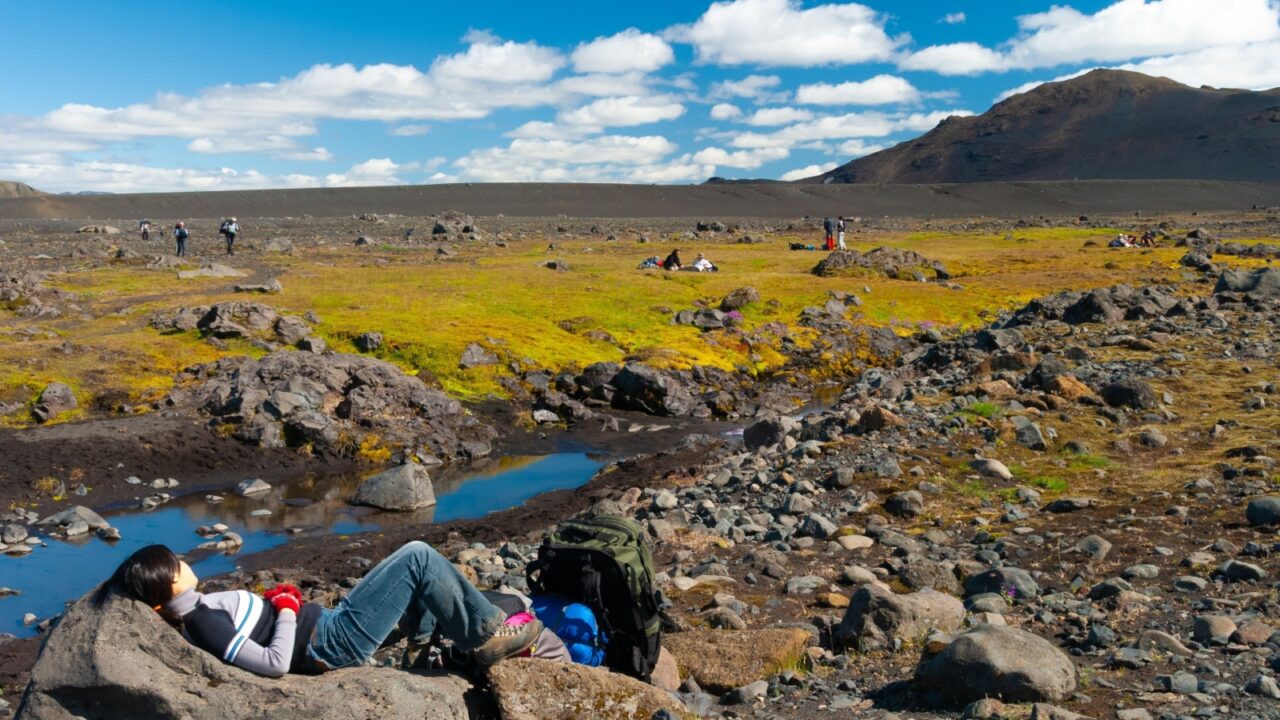
Nature sets the pace
Iceland’s interior reopened because recovery came first. These regions now welcome travelers willing to move gently and thoughtfully. Access follows respect, not demand.
The most powerful journeys happen where nature sets limits. Iceland’s Highlands prove restoration, and travel can coexist.
Which interior region feels most worth waiting for? Share below.
This slideshow was made with AI assistance and human editing.
Don’t forget to follow us for more exclusive content right here on MSN.
Read More From This Brand:
