Education Department loan restart
The U.S. Department of Education resumed federal student loan payments in late 2023 after a pandemic-era pause that lasted more than 3 years. Interest began accruing again in September 2023, with payments officially restarting in October. The shift immediately affected household cash flow across the country.
Borrowers in states like California, Texas, and Florida began adjusting monthly budgets to account for loan obligations. Travel spending has been one area seeing measurable changes according to industry analysts. Let’s get to it!
Payment pause officially ended
The Department of Education confirmed that the student loan payment pause ended after being introduced in March 2020. During the pause, borrowers did not have to make federal loan payments, and interest rates were set at 0%. That relief period allowed many households to redirect funds toward savings, dining, and travel.
With payments resuming, disposable income declined for millions of borrowers. Financial analysts told Reuters that the restart could reduce consumer spending in sectors like airlines and hotels. Travel companies began preparing for softer demand among younger travelers.
SAVE plan adjustments explained
The Department of Education introduced the Saving on a Valuable Education plan, widely known as the SAVE plan. SAVE lowered monthly payments for many borrowers by adjusting income calculations and reducing required percentages. The plan replaced the earlier REPAYE income-driven repayment program.
Under SAVE rules, many borrowers with only undergraduate loans could see monthly payments reduced to about 5% of discretionary income; eligibility and exact amounts depend on loan type and income. This helped cushion the financial shock of payment resumption for certain households. However, not all borrowers qualified for significant reductions.
Supreme Court ruling impact
In 2023, the Supreme Court of the United States blocked a broad student debt forgiveness plan proposed by the Biden administration. The plan would have canceled up to $20,000 for eligible borrowers. The ruling ended expectations of large-scale debt relief for many Americans.
Without widespread cancellation, borrowers resumed payments with full balances intact. This outcome influenced household spending decisions heading into peak travel seasons. Travel analysts noted caution among debt-carrying consumers.
Travel industry watching closely
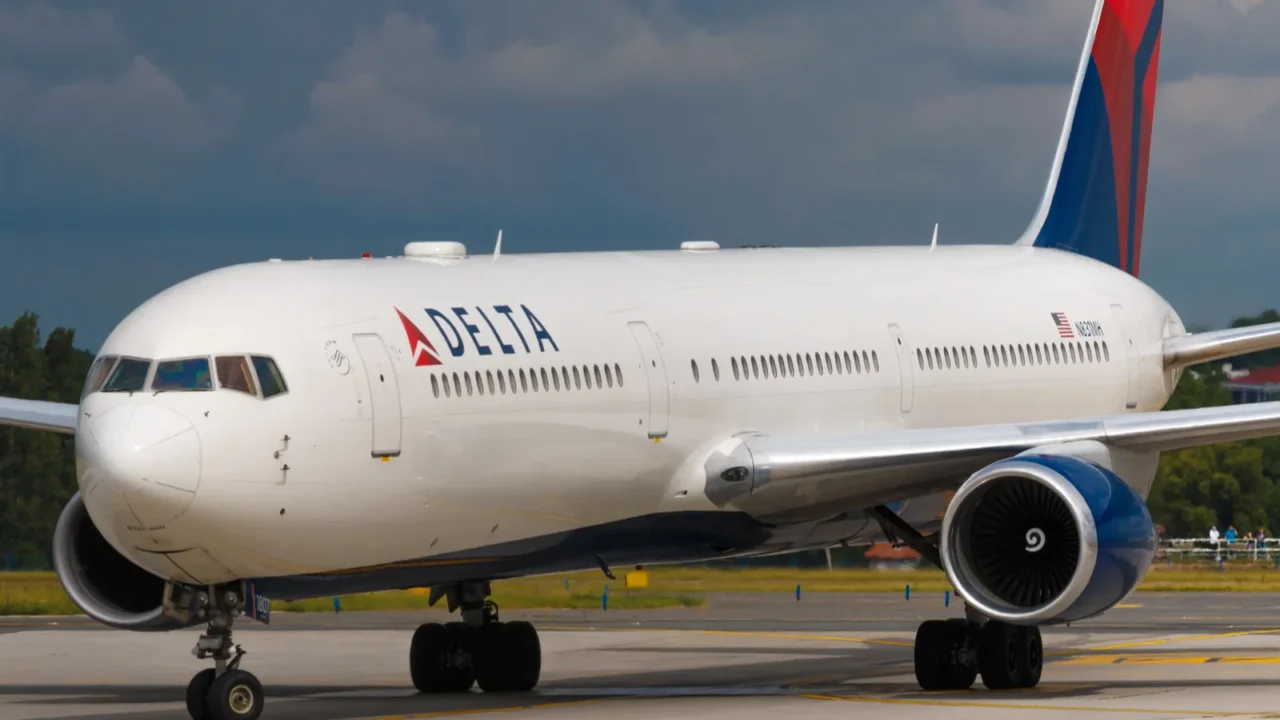
Airlines and hotel groups are monitoring the impact of student loan payments on booking trends. Companies such as Delta Air Lines and Marriott International have cited shifting consumer spending patterns in earnings calls. Executives acknowledged that younger travelers face tighter budgets.
Domestic leisure travel surged during the repayment pause, especially to destinations like Orlando and Las Vegas. As payments resumed, some analysts predicted slower growth in discretionary trips. The travel sector continues to evaluate demand patterns in 2026.
Borrower debt levels remain high
Outstanding federal student loan debt is roughly $1.6 trillion (latest estimates vary by source and date — for example, some trackers put the total near $1.7 trillion), and roughly 43 million Americans hold federal student loan balances. This debt burden shapes spending behavior across many sectors.
Fact: The Federal Reserve Bank of New York reported that about 43 million Americans hold federal student loan debt, making it one of the largest categories of household debt outside mortgages. This widespread exposure explains why payment changes ripple through the broader economy. Travel spending is often one of the first areas adjusted when budgets tighten.

Younger travelers feel pressure
Young adults represent a significant share of borrowers affected by repayment changes. Many in their twenties and thirties also make up a core segment of leisure travelers visiting places like Miami Beach and New York City. Budget constraints can alter how frequently these travelers book flights or hotel stays.
Fun fact: According to data cited by Reuters from the U.S. Travel Association, travelers under forty account for a substantial portion of domestic leisure trips each year, meaning loan payments can influence overall demand patterns.

Credit scores and financing
Resuming payments also affects credit reporting and loan servicing. Missed payments can negatively impact credit scores, making financing travel through credit cards more expensive. Financial planners have warned borrowers to prioritize required obligations.
Higher interest rates on credit cards further complicate discretionary spending decisions. Travelers carrying balances may reconsider long-distance vacations or luxury stays. Budget-friendly trips closer to home could become more common.
Domestic travel adjustments
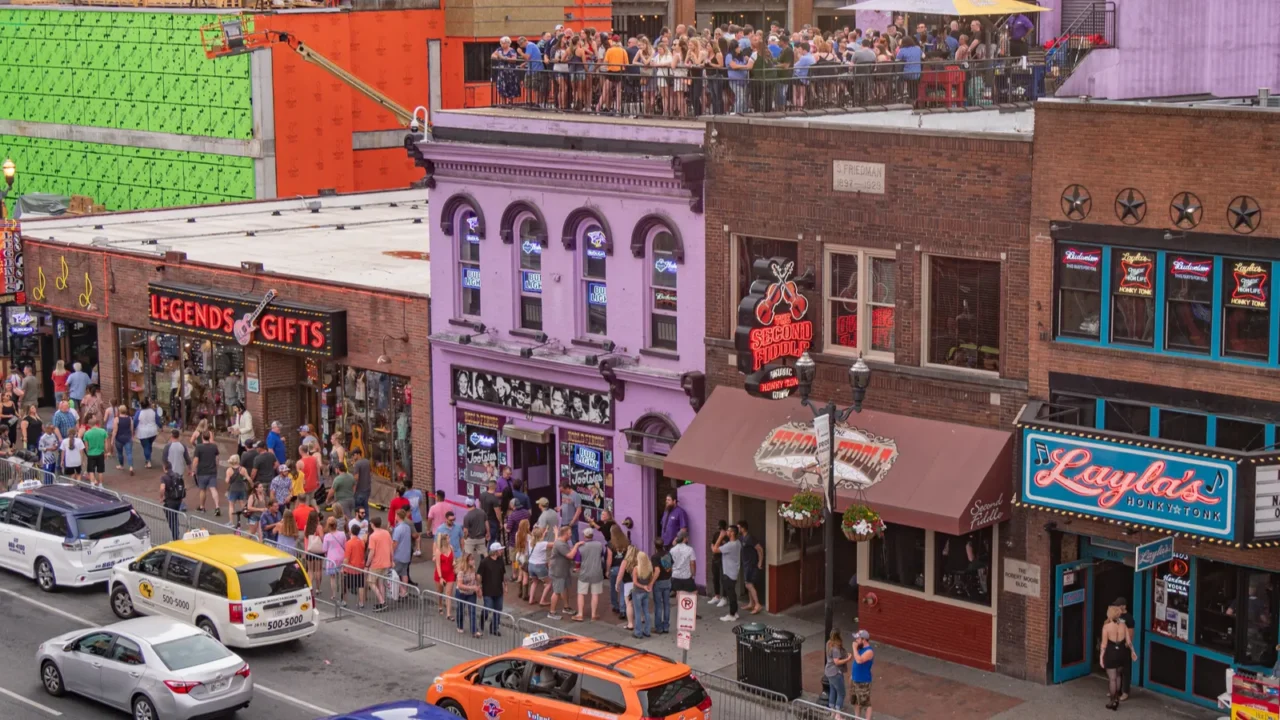
Domestic travel destinations like Nashville and San Diego saw strong demand during the payment pause. With monthly loan obligations returning, some households are shortening trip durations or choosing less expensive accommodations. Industry analysts describe this as a normalization of post pandemic spending.
Airfare pricing remains sensitive to consumer demand shifts. If fewer borrowers book premium cabins or peak season trips, airlines may adjust pricing strategies. The ripple effect can influence travel markets nationwide.

International travel considerations
International travel often requires higher upfront spending for flights and lodging. Destinations such as Paris and Tokyo attract American visitors, but long-haul trips demand larger budgets. Student loan payments can reduce flexibility for these extended vacations.
Travel data shows some consumers are delaying international plans in favor of regional options. Exchange rates and airfare volatility add further cost considerations. Budget management becomes central when fixed monthly obligations rise.
Household budgeting shifts
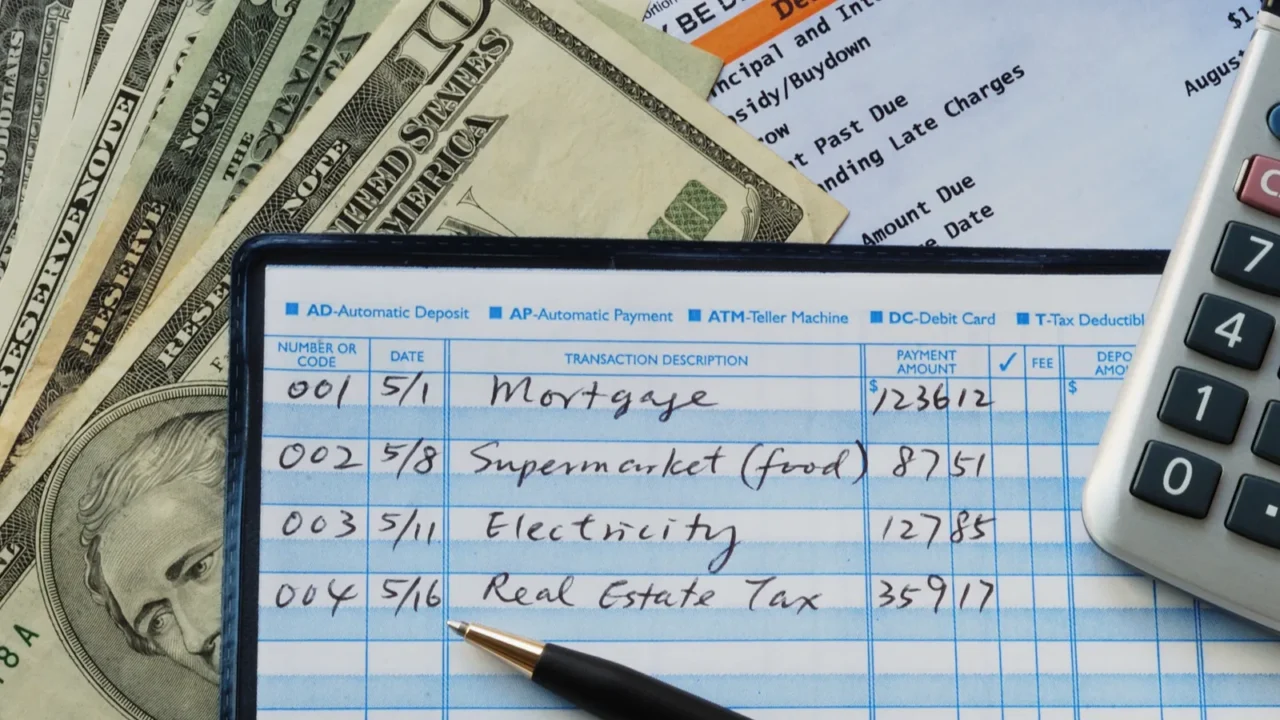
Financial advisors report that households are revisiting monthly expense categories. Loan payments are typically prioritized alongside housing and utilities. Travel often falls into discretionary spending, making it vulnerable during budget tightening.
Savings rates fluctuated during the repayment pause when households retained extra cash. With payments reinstated, savings contributions may slow for some borrowers. This adjustment influences broader consumer behavior trends.

Economic ripple effects
Consumer spending drives a large share of the U.S. economy. When millions of borrowers resume payments, even modest reductions in discretionary purchases can accumulate. Economists monitor these shifts to gauge broader economic impacts.
Travel and hospitality sectors are particularly sensitive to changes in disposable income. Reduced bookings can affect airlines, cruise operators, and theme parks. International students are also navigating new travel challenges as the Trump administration’s travel ban and visa restrictions for citizens from different countries have disrupted student mobility and campus life, complicating plans for study, research, and return travel.

Travel budgets moving forward
Student loan policy changes are reshaping financial priorities for millions of Americans. Payment resumption and evolving repayment plans continue influencing discretionary spending decisions. Travel remains important, but budgeting adjustments are becoming more common.
As repayment structures evolve, spending patterns may shift again in the coming years. Destinations from Orlando to Los Angeles will likely feel the impact of borrower decisions.
How are student loan changes influencing travel planning trends across the country right now? Share thoughts below.
This slideshow was made with AI assistance and human editing.
Don’t forget to follow us for more exclusive content right here on MSN.
Read More From This Brand:
