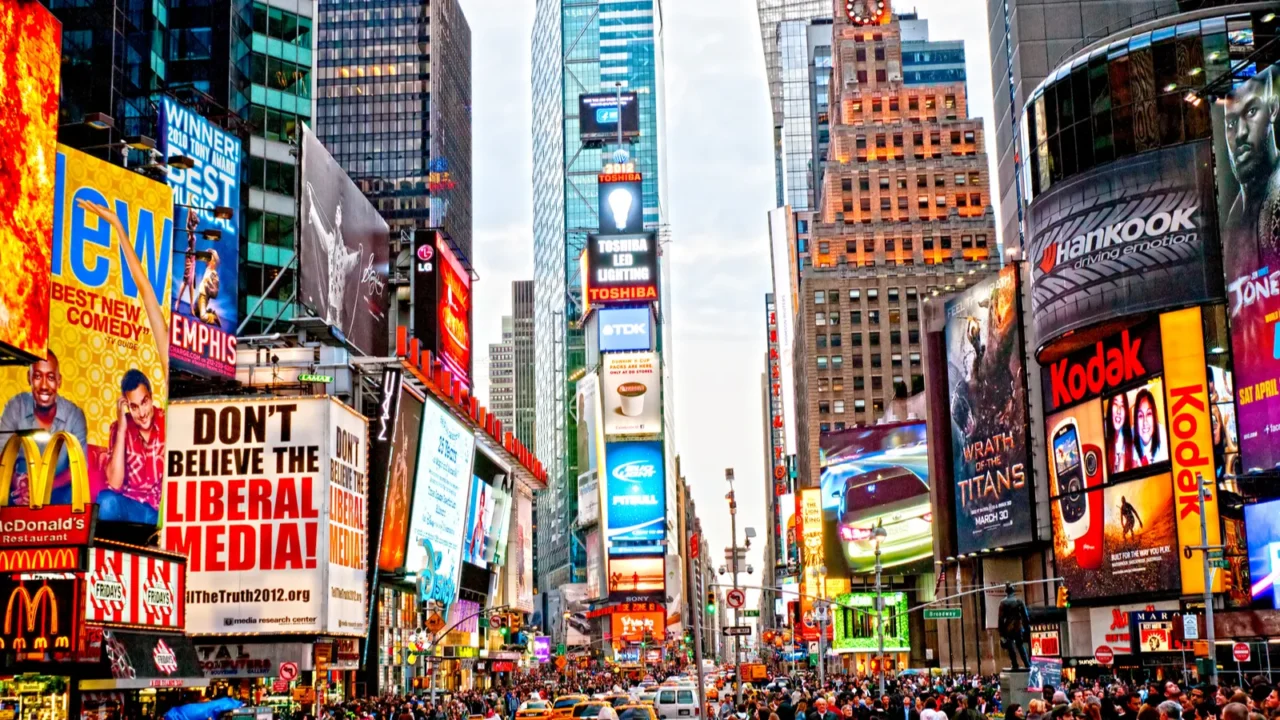
New York’s squeeze is getting harder to ignore
New York’s cost-of-living story is no longer just about sticker shock. It is about whether longtime residents can still afford to stay in the neighborhoods, routines, and communities they helped shape.
Housing is the clearest pressure point. The city’s rents remain high, rent-stabilized tenants are facing another round of increases, and affordability now ranks as the top reason many New Yorkers consider leaving.
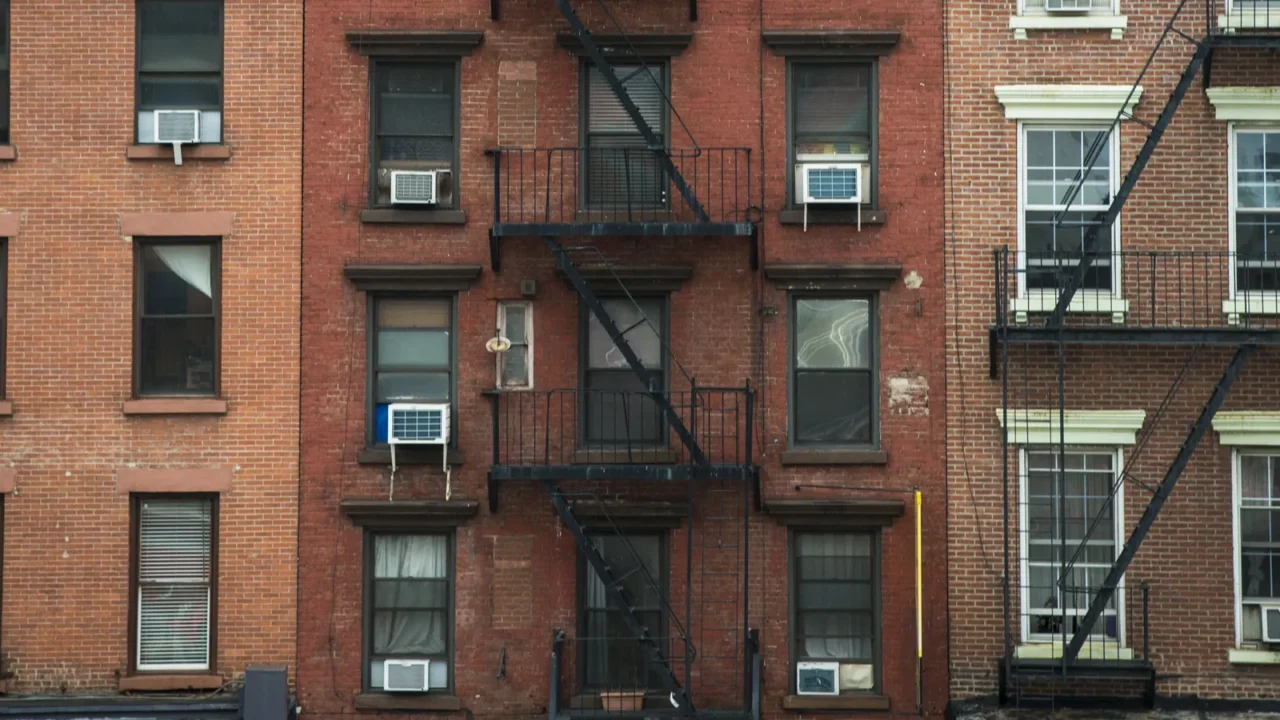
Jobs grew faster than housing
A big part of the problem is simple math. New York City’s housing stock increased just 4% between 2010 and 2018, while jobs grew 22%, leaving far more people competing for too few homes.
That gap helps explain why rents have stayed stubbornly high even after the pandemic shock passed. When supply barely moves, and demand keeps rising, longtime residents end up absorbing the pressure month after month
Asking rents stayed above trend
Citizens Budget Commission data shows asking rents in New York City are now 13.4% higher than they would have been if the pre-pandemic trend had continued. It also says rents are now rising nearly twice as fast as they did before the pandemic.
That matters most for people trying to move, renew, or downsize. Newcomers feel it first, but longtime residents feel it too when a lease ends, a landlord sells, or a family needs more space.
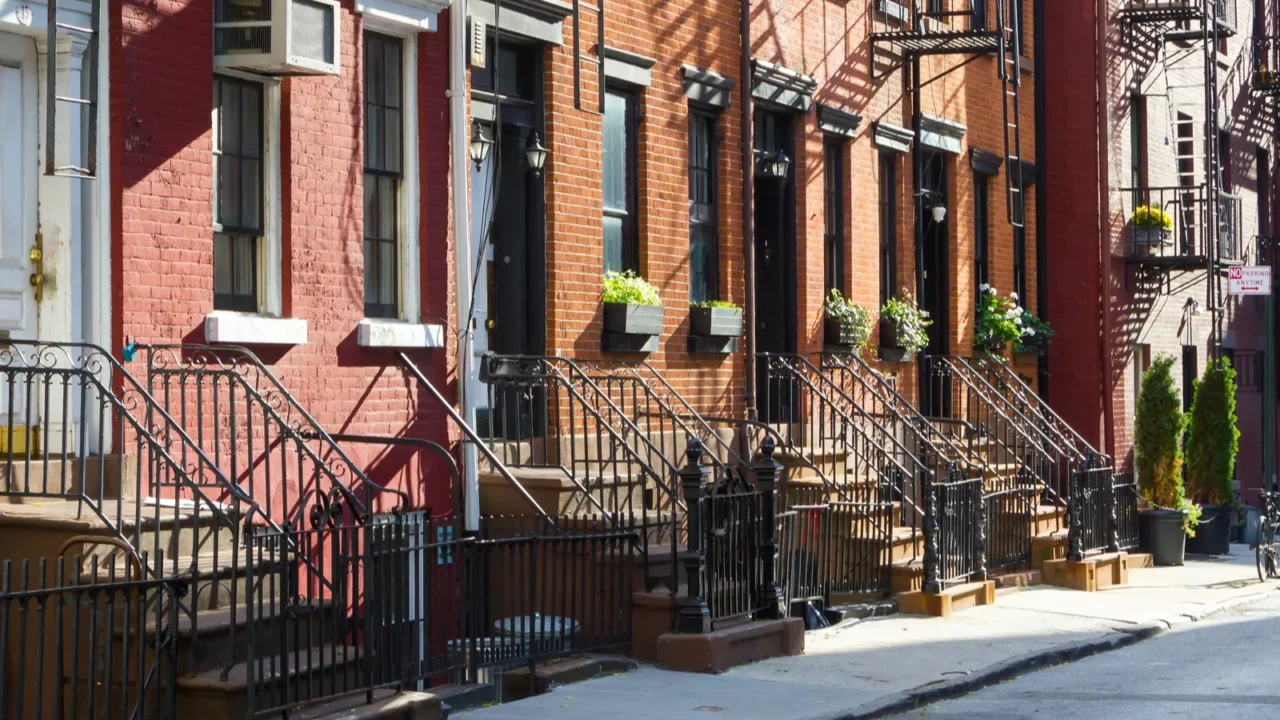
Rent-stabilized tenants got another hike
For rent-stabilized leases starting between October 1, 2025, and September 30, 2026, New York City approved a 3% increase for one-year renewals and 4.5% for two-year renewals. For many households, even a smaller hike lands on top of already stretched budgets.
That is especially important in a city where regulated apartments are a major lifeline. CBC says 52% of the city’s apartments are regulated or subsidized in some form, which shows how central these units are to keeping residents in place.
Affordability is driving exit plans
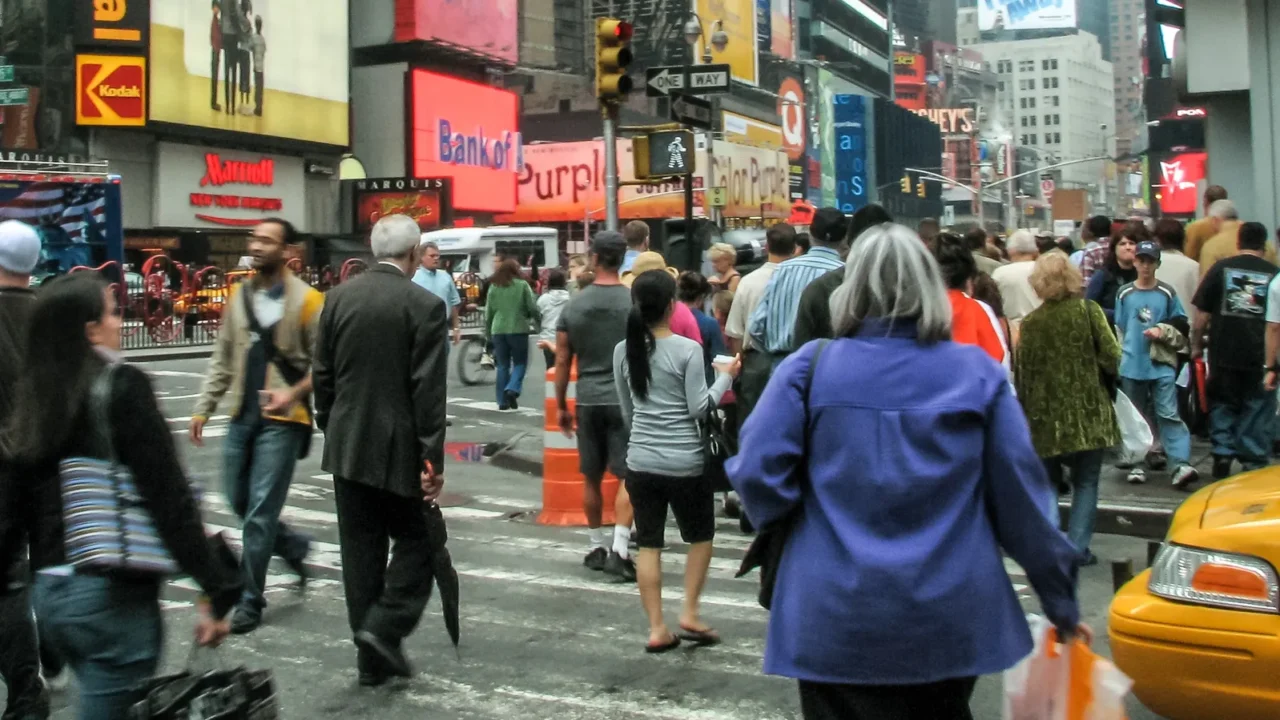
CBC’s 2025 resident survey found affordability was the top reason New Yorkers cited for considering a move, mentioned by 76% of those thinking about leaving. That puts cost ahead of safety and living space in a city where all three have become major concerns.
The survey also found that only 55% of residents planned to remain in the city over the next five years. That is a warning sign for a place that depends on retaining workers, families, and neighborhood stability.

Older renters are under serious strain
Longtime residents are often older residents, and many are feeling the crunch hardest. New York State Comptroller Thomas DiNapoli reported in January 2025 that more than 61% of older tenants in New York City were rent burdened in 2023, meaning they spent at least 30% of their income on rent.
For seniors on fixed incomes, rising rent is only part of the story. Utilities, groceries, medical bills, insurance, and property-related costs can keep climbing even when retirement income does not.
Severe rent burden remains widespread
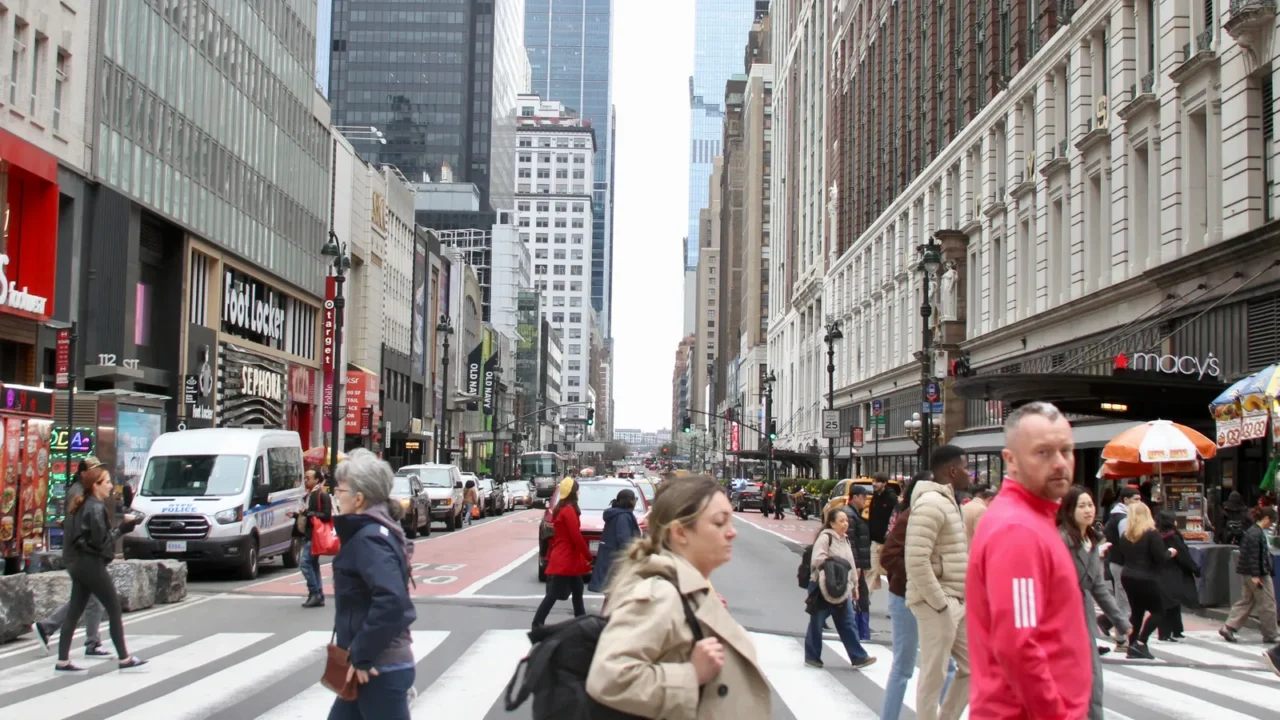
In Manhattan, 24.4% of renter households were severely rent burdened in 2023, meaning more than half of their income went to rent, according to NYU Furman Center data. That leaves very little room for childcare, transit, food, or emergencies.
This is where the “edge” starts to show up in daily life. A family does not need an eviction notice to feel squeezed when one paycheck goes mostly to housing before anything else gets paid.
Little-known fact: CBC says over 328,000 New York City households live in public housing, income-restricted units, or receive Section 8, CityFHEPS, or other subsidies.

Income has not kept up
City Limits, citing NYU Furman Center data, reported in March 2026 that median gross rent citywide has grown 21 percentage points faster than median renter income since 2006. That is a long-running mismatch, not a one-year flare-up.
When rent rises faster than income for that long, people start cutting elsewhere. Savings shrink, debt grows, and routine city life begins to feel like a constant financial tradeoff.
Little-known fact: The city’s 2025 resident survey gathered responses from more than 1,700 New Yorkers during March and April 2025.
Small businesses get squeezed too
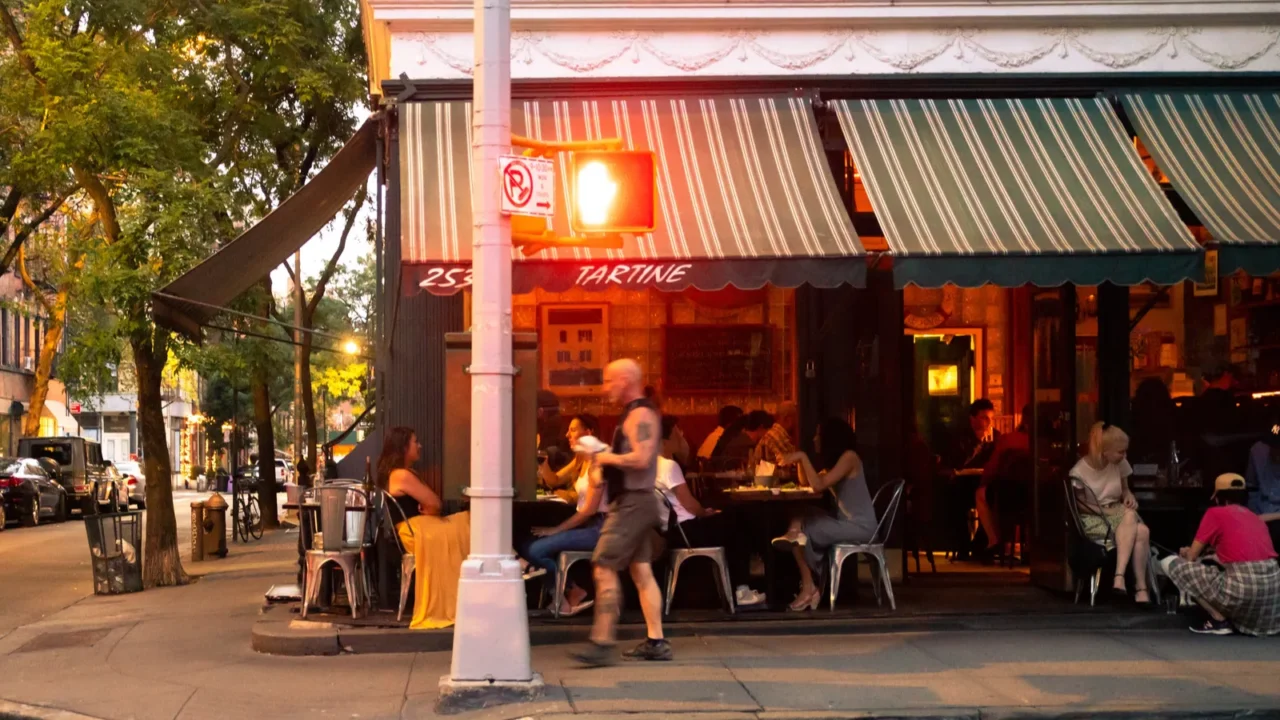
Housing pressure does not stop at the apartment door. City Limits reported that Lower East Side deli owner Juan Dela Cruz saw his monthly commercial rent rise to more than $11,000, up from roughly $2,000 when he first opened.
When residents pay more for housing, they often spend less at neighborhood shops. That leaves small businesses facing higher rents, weaker customer spending, and rising costs at the same time.

Storefront vacancies tell a second story
At a March 2025 City Council hearing, Small Business Services testimony put the citywide storefront vacancy rate at 11.4%, with Manhattan highest at 14.2%. A city can be expensive and still have empty storefronts when rents outrun what local businesses can realistically pay.
That shift changes neighborhood life for longtime residents. Familiar bodegas, bakeries, and family-run shops disappear, while chains and higher-margin tenants become more likely replacements.

Artists are getting pushed out too
The affordability crisis is also changing who can still build a life in New York. The Guardian reported in February 2026 that the city’s artist population had fallen 4% since 2019, the first sustained decline in decades, as housing costs push creative workers elsewhere.
That matters because artists have long been part of what made many neighborhoods feel alive and locally rooted. When they leave, New York does not just lose renters, it loses part of its cultural engine.
Domestic outmigration is still a problem
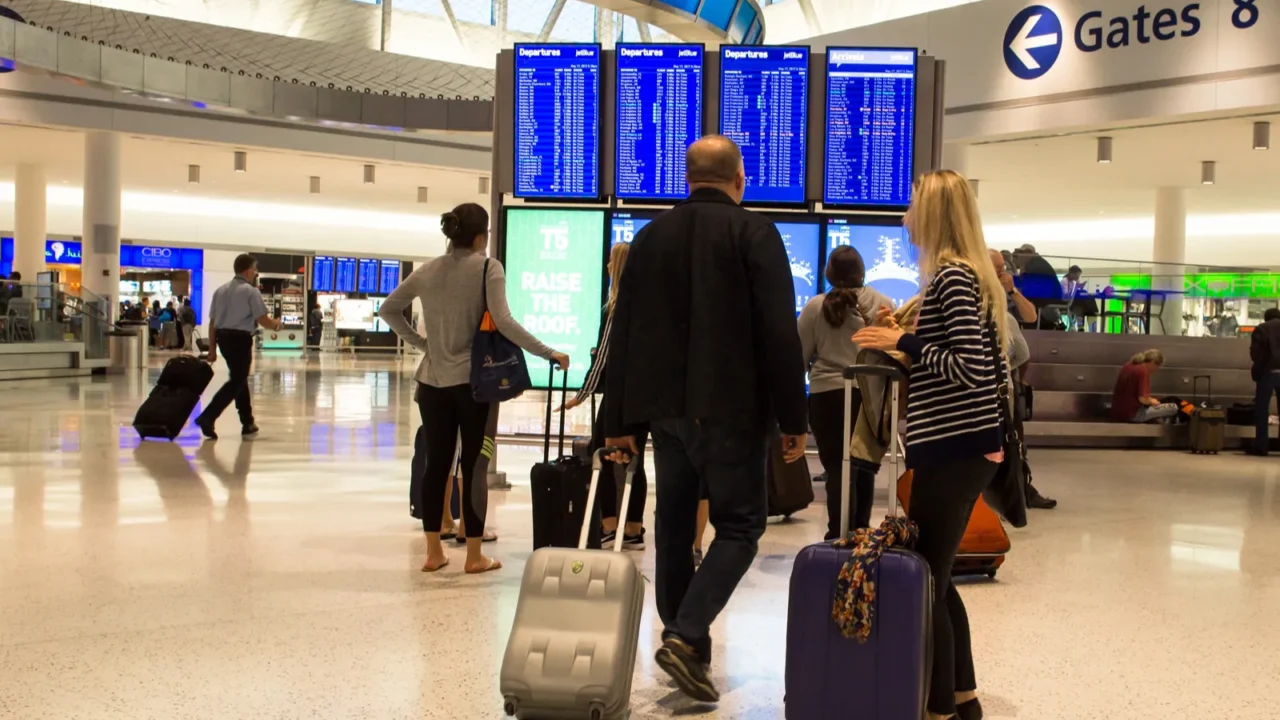
CBC says New York City continues to lose residents to domestic outmigration, with many movers staying in the region by heading to Long Island, Westchester, New Jersey, Connecticut, or Pennsylvania, while others relocate farther away to states such as Florida, California, and Texas. It says the loss of working- and middle-class residents likely reflects affordability problems and the challenge of raising a family in the city.
That is a big shift for a city built on economic churn and constant replacement. If enough longtime residents leave, neighborhoods lose continuity along with population.
A growing number of Americans are trading high costs and fast-paced living for a different kind of lifestyle. Check out why more people are leaving California for Florida.

Even staying can feel unstable
For many New Yorkers, the crisis is not just about leaving. It is about living with the sense that one rent hike, one repair issue, one school change, or one childcare bill could tip the whole budget.
That kind of instability is hard to measure in a single statistic, but the pattern is visible across the city. Rent burden, weak housing growth, commercial strain, and outmigration all point to the same reality: longtime residents are being asked to absorb more than the city is giving back.
Flights to Las Vegas are getting pricier in 2026, and timing your booking could make a real difference. Check out why flying to Las Vegas will get more expensive in 2026, and how to cut costs.
Do you think New York can still hold on to its longtime residents? Share your view in the comments.
This slideshow was made with AI assistance and human editing.
Don’t forget to follow us for more exclusive content right here on MSN.
Read More From This Brand:
