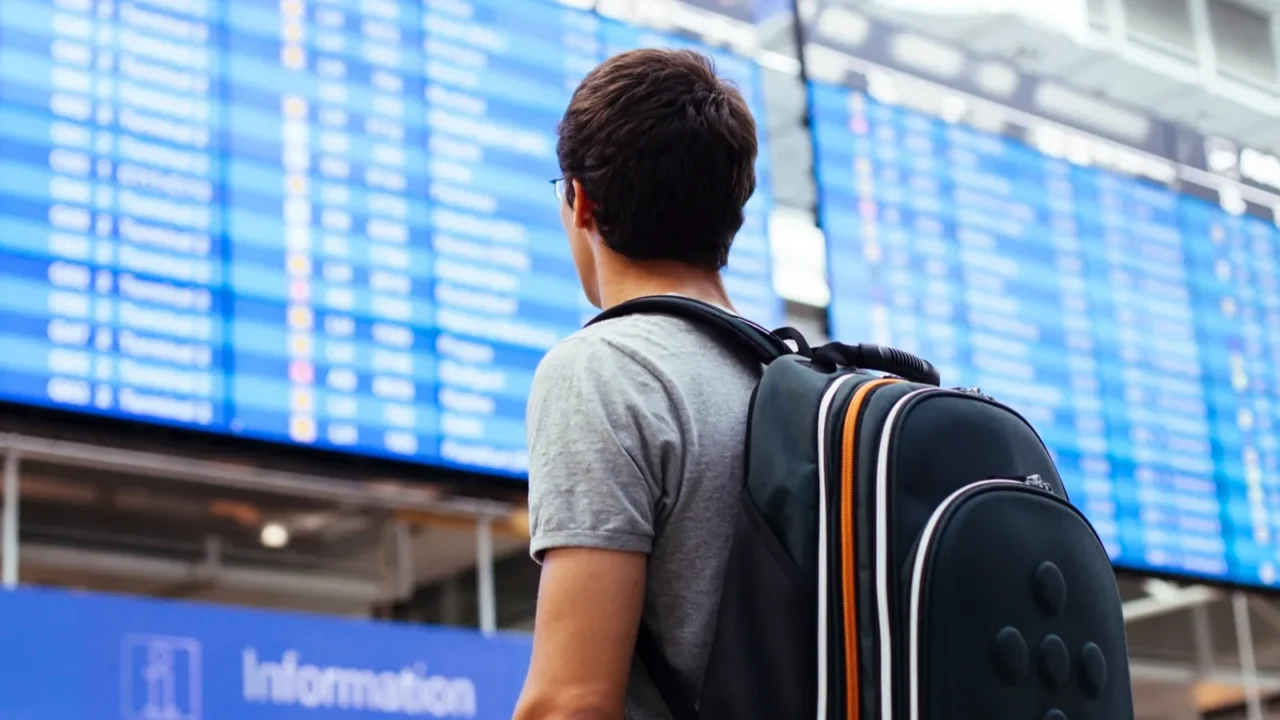
A big win for flyers
European regulators just agreed on major updates to air passenger rights that could change how delays, cancellations, and baggage issues are handled. These changes aim to make compensation faster and clearer while giving travelers more protections from booking to landing. For anyone who’s been stuck in long delays or unexpected cancellations, this could be a game-changer. Let’s get into it!
The Council of the EU adopted a new framework on June 5, 2025, updating long‑standing rules on compensation, rerouting, and airline liability. The effort is described as the first major overhaul in more than a decade.
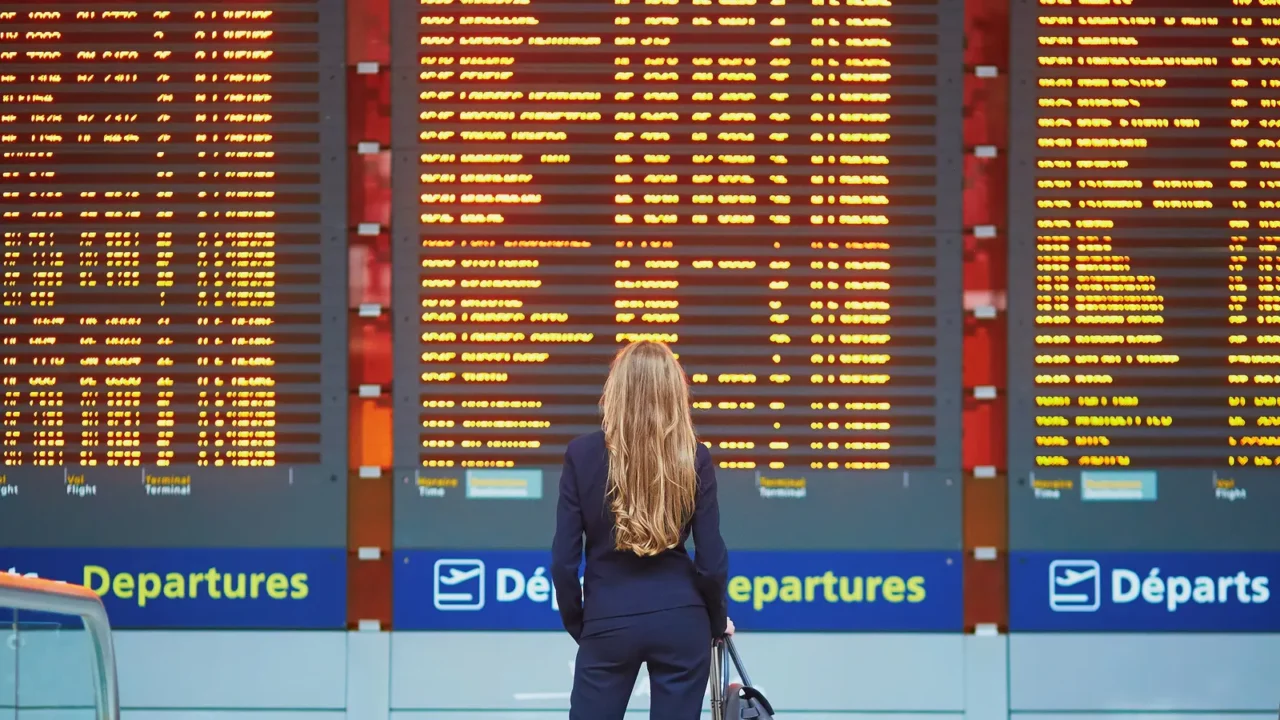
Clearer compensation thresholds
Under the new rules, airlines can no longer hide behind vague terms when delays or cancellations happen. For flights under 3,500 km and within the EU, compensation kicks in if a delay exceeds four hours, rather than the previous three hours. For longer flights over 3,500 km, the threshold becomes six hours.
The updated compensation amounts are also standardized: short flights get €300 for qualifying delays, while long‑haul flights can get €500 under certain conditions. Airlines must offer compensation unless they can prove they took all reasonable steps to avoid disruption.
Easier claim process for travelers
One major update is the requirement for a common, pre‑filled compensation form that airlines must provide after a flight disruption. MEPs argue this will make the process easier and more transparent, rather than forcing flyers to hunt for the correct forms themselves.
Also, airlines or intermediaries must respond to any reimbursement or compensation request within 14 days after submission. That kind of deadline is rare in travel claims today. If airlines don’t follow this timeline, passengers may have stronger grounds to push their case.

Rights from booking to landing
Under the new proposal, protections start the moment a ticket is booked, not just at boarding or departure. That means if carriers or ticket sellers fail to clearly show fees, terms or refund rules, passengers have a right to complain. MEPs want ticket vendors to disclose full costs upfront, including service fees or hidden charges.
Also, the updated rules cover not just delays and cancellations but baggage issues, denied boarding, and missed connections in multimodal journeys. For example, small hand luggage and a personal item should remain free of extra charge under the proposed changes. This broad scope could end many of the surprise costs travelers face at European airports.
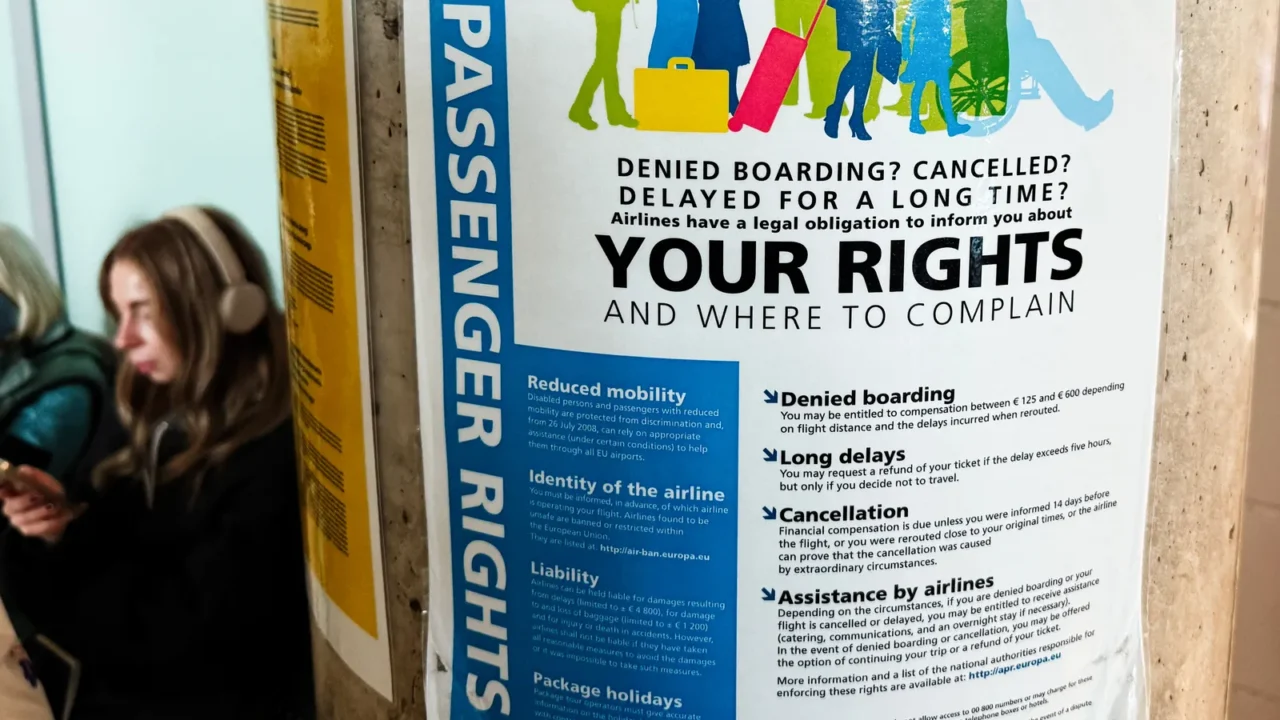
Stronger airline liability rules
Airlines can no longer deny compensation simply by calling a disruption “extraordinary” unless they prove they did everything possible to avoid it. That means technical failures or poor planning may no longer qualify as “force majeure” in many cases.
Also, if an airline cancels a flight less than two weeks before departure, passengers become eligible for compensation automatically. The rules even address “no-show” return flights, making sure travelers who skipped the outbound leg are still protected on return journeys.
Help for families and vulnerable travelers
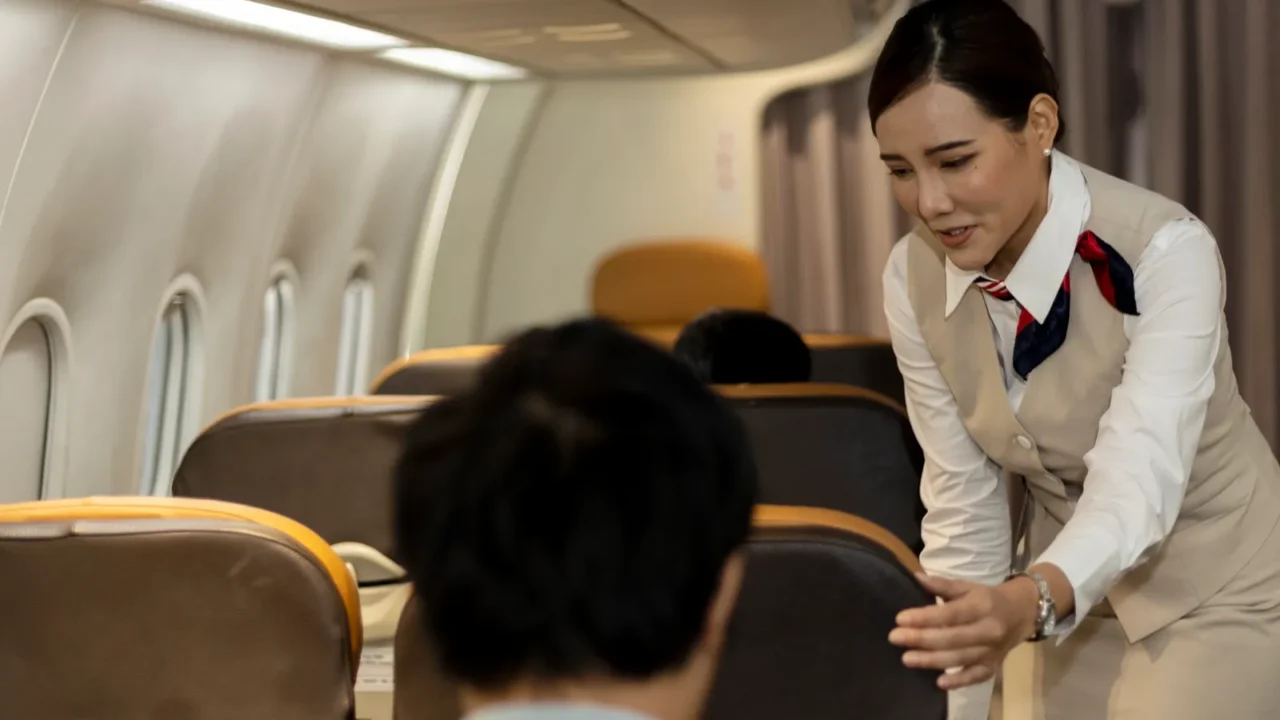
One welcome change: passengers travelling with children or mobility needs will get clearer protections. For instance, airlines must seat children under 12 next to accompanying adults free of extra charge under the proposed rules.
Passengers needing extra help, those with reduced mobility, or assistance animals, will also see better safeguards. The rules address their rights if mobility equipment is lost, damaged or delayed, or if a delay injures an assistance animal. It’s an important update for inclusivity in travel.
Clearer rights for multimodal trips
As travel habits change, many trips now combine plane, train, bus, or ferry services. The new EU proposal extends protections to these “multimodal” journeys if they’re booked under a single contract. Missed connections between transport modes should get the same compensation or assistance rights as flights.
That means if a traveler books a journey from home to destination using two or more modes, and one leg is disrupted, they won’t lose the entire protection shield. This resolves a long-standing gap where mixed-mode trips fell through regulatory cracks. It’s a modern update matching how people actually travel today.
Airlines worry about costs
Airlines and hotel‑booking intermediaries have voiced concern that the expanded liability and compensation obligations will increase their costs significantly. Some industry groups argue that mandatory compensation, tightened response deadlines, and free baggage allowances could lead to higher ticket prices across the board.
They also warn that forcing airlines to handle all claims, especially if intermediaries miss deadlines, adds operational burdens. That could mean leaner margins or reduced flight availability on tight‑profit routes. The balance between fair traveler protection and airline viability remains a sensitive negotiation point.
Pushback from consumer advocates
Some consumer‑rights groups express concern that raising the delay threshold (from three to four hours) before compensation qualifies could weaken protections for many travelers. They argue that most flight delays fall in the two to four hour window, meaning many disruptions might go uncompensated under the new rules.
Critics also worry the redefined “extraordinary circumstances” clause may allow airlines to evade responsibility too easily. That could leave some passengers without compensation even after significant disruptions. It highlights how important the final language will be once the Parliament reviews the deal.
What changes immediately
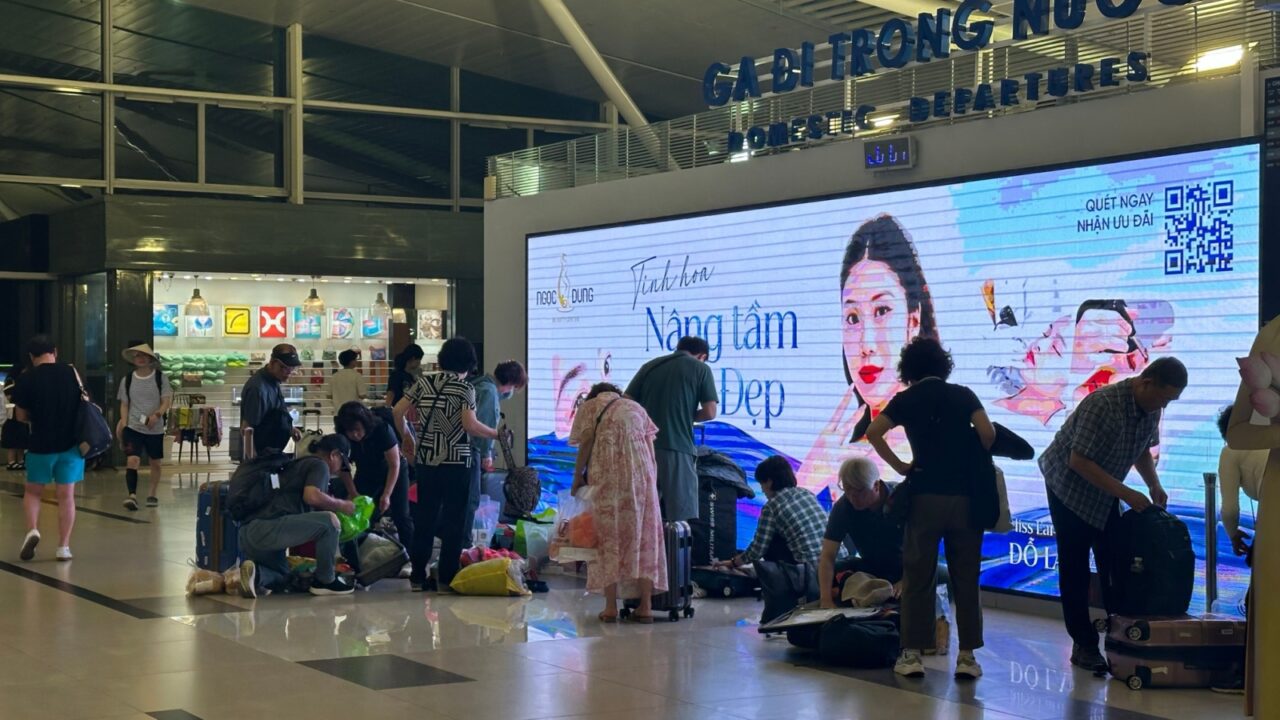
If the reforms pass, airlines must soon provide pre‑filled claim forms automatically after flight disruptions instead of expecting travelers to hunt them down. They’ll also need to clearly disclose fee and baggage policies at the time of booking, giving people a full view of what they’re buying. And for families or travelers with special needs, seat and luggage protections will apply without surprise charges.
This could make flying in Europe significantly more predictable and passenger‑friendly. No more guessing games over who pays or what qualifies. For many, that’s a big shift from the uncertainty that often comes with delays, cancellations, or baggage issues.
What still needs negotiation
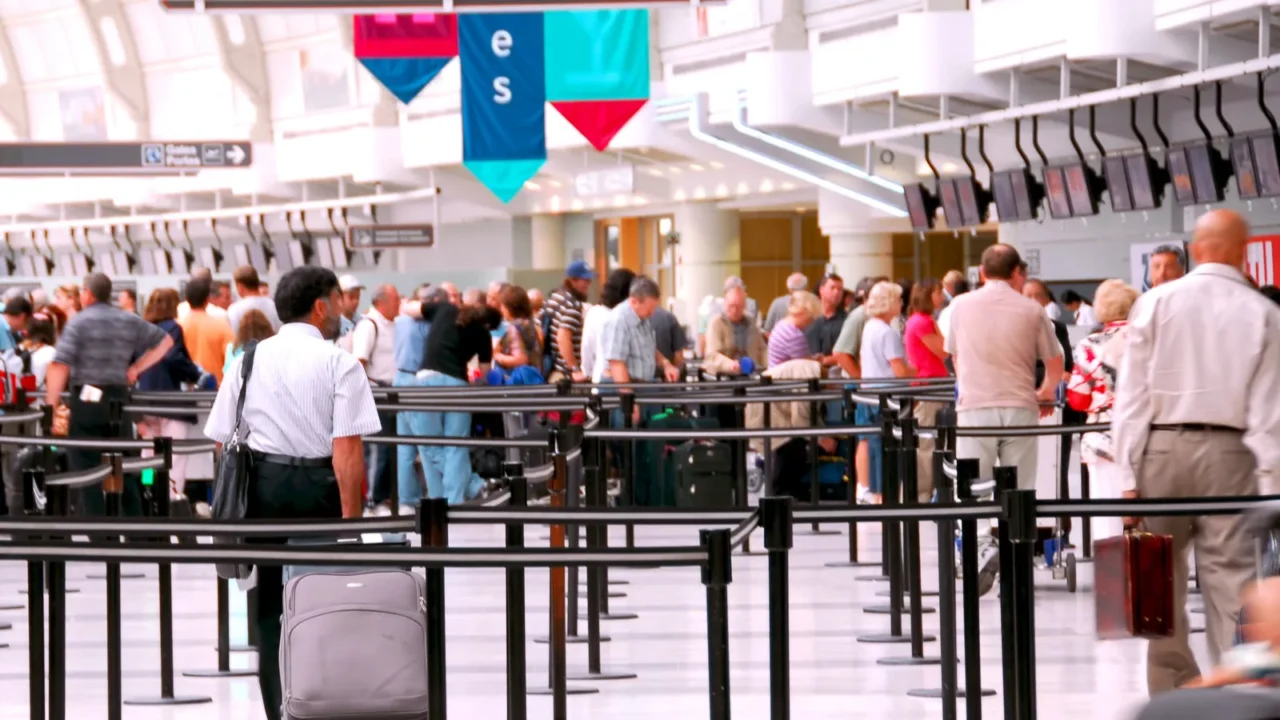
The Council’s version raises the delay threshold, but the European Parliament’s transport committee wants to keep the old three‑hour delay rule for compensation eligibility. That means final adoption could still change depending on ongoing talks. Other debated items include a uniform list of what counts as “extraordinary circumstances” and how strictly airlines must respond to claims.
Also unsettled is how these reforms will apply to non‑EU carriers flying into or out of EU airports. Some airlines warn that the costs could lead to higher fares or reduced service. Travelers may still have to stay alert to notices and terms even after law changes.
What it means for travelers
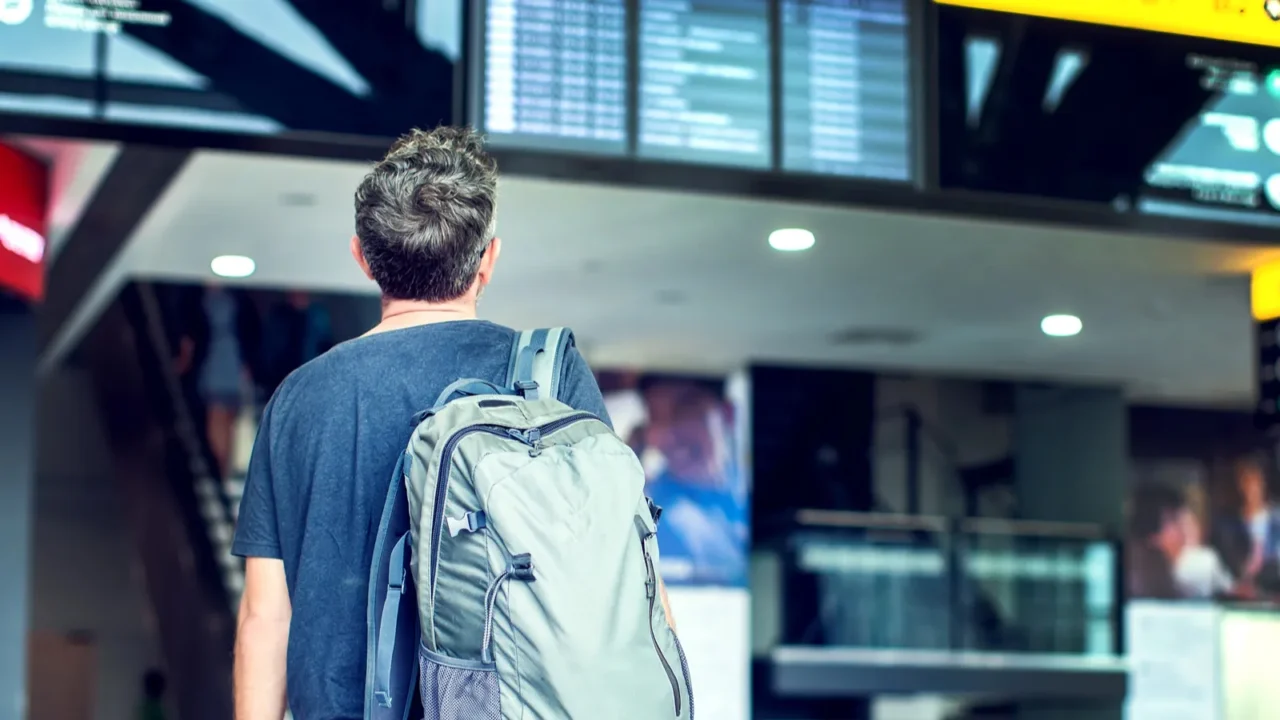
For many passengers, this overhaul could finally bring clarity and fairness to air travel disruptions. Knowing rights upfront and having predictable compensation might restore confidence in flying. Long-delayed or cancelled flights may no longer mean losing time and money without recourse, especially as global air travel disruption is surging and AirHelp’s 2025 data reveals why, highlighting how urgently stronger protections are needed.
Families, disabled travelers, and anyone taking complex multi-leg journeys could benefit disproportionately under the new rules. Adding another layer of change to an already shifting travel landscape. If implemented well, this could redefine flying in Europe for the better.

Thoughts on stronger rights
These updates to EU passenger rights show that regulators are listening to travelers, not just in shaping air travel law. Clearer rules, faster compensation, and enhanced protections could make flights less stressful and unpredictable. But the outcome depends on how the Parliament, airlines, and regulators hammer out the details.
What do you think? Would these changes make you more confident booking flights to or within Europe? Drop your thoughts in the comments.
Read More From This Brand:
- Hawaii’s new climate tourism fee faces backlash
- Dwayne Johnson’s Samoan escape reconnects him to his roots
- Why celebrity weddings are moving to Tuscany’s misty fall vineyards
Don’t forget to follow us for more exclusive content right here on MSN.
This slideshow was made with AI assistance and human editing.
