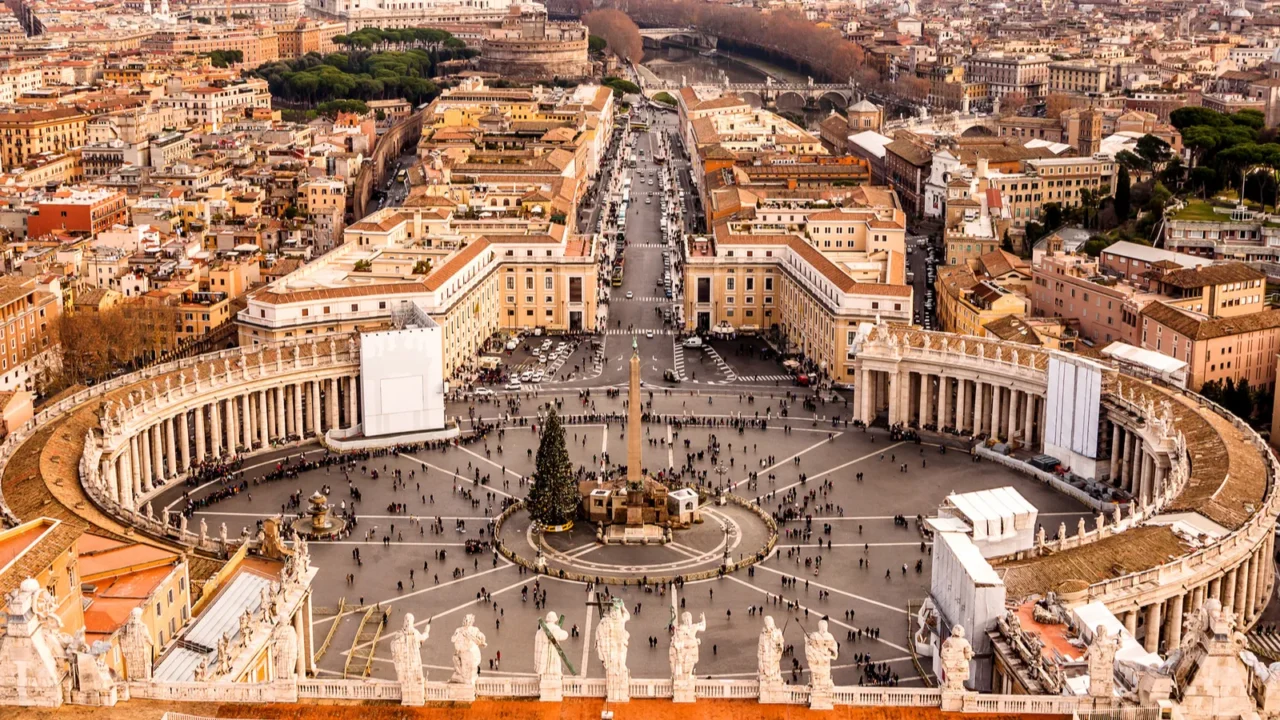
Crowds changed the map
Historic cities were never designed for millions of visitors moving through narrow streets every day. As travel rebounded, congestion began threatening local life, heritage, and even safety in iconic centers. That pressure pushed city planners toward creative redesigns that protect culture while keeping travel alive.
Across Europe and beyond, these changes are already reshaping how holidays feel on the ground. Streets, routes, and access points are quietly evolving to spread visitors more evenly. The result feels calmer, smarter, and far more sustainable, so let’s dive in!
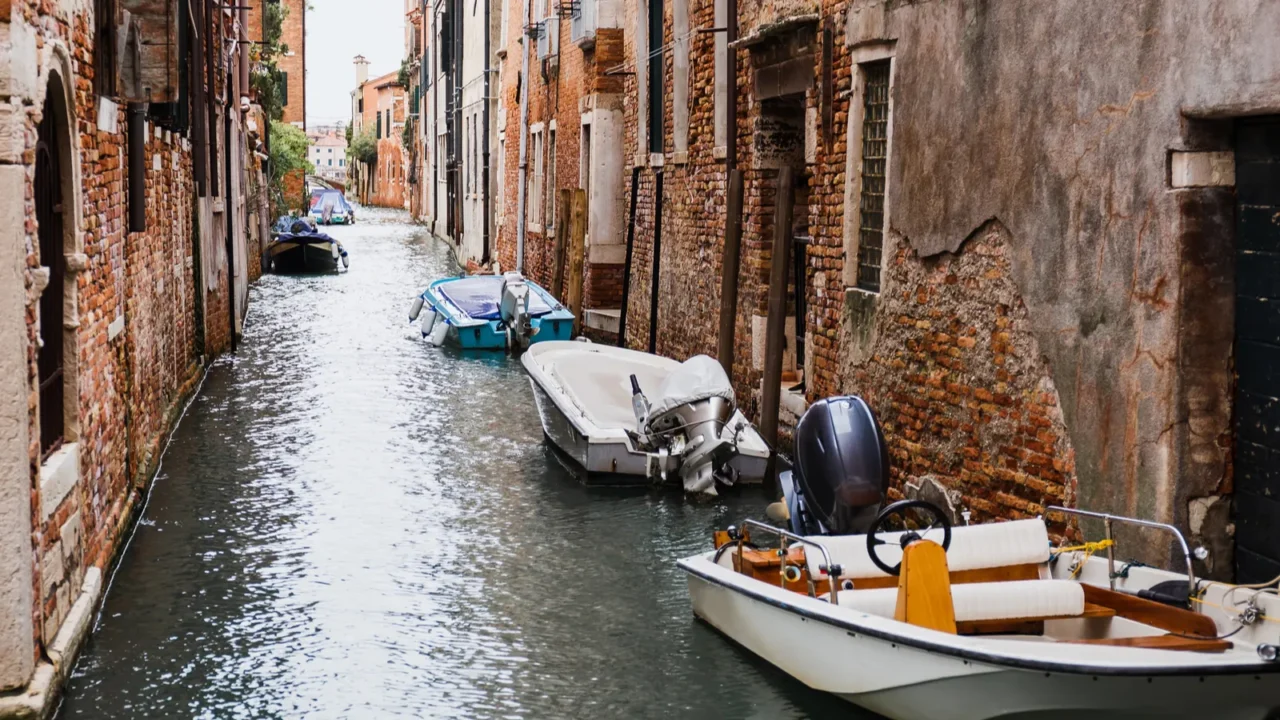
Venice limits daily flow
Venice now manages access to its historic core through reservation systems and controlled entry points during peak days. The goal is to discourage day trip congestion while encouraging slower, longer stays that benefit residents. Visitor routes are also being adjusted to reduce pressure on fragile bridges and canals.
Instead of banning travel, the city is redirecting movement across lesser-known neighborhoods. This helps protect landmarks while offering visitors a more authentic experience. Venice proves congestion control does not have to feel unwelcoming.
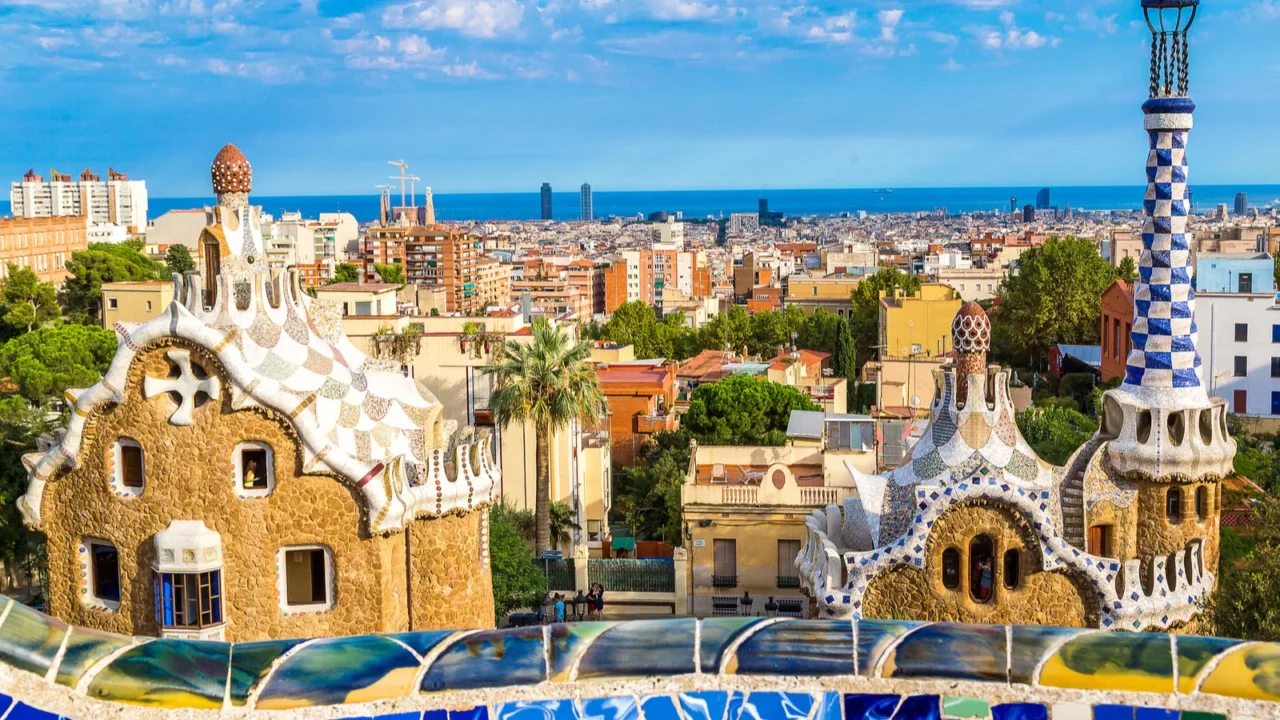
Barcelona rethinks old quarters
Barcelona has redesigned parts of the Gothic Quarter with pedestrian priority zones and limited tour group sizes. Narrow medieval streets now focus on residents first, while visitor circulation is pushed toward wider surrounding routes. This reduces crowd buildup near historic churches and plazas.
Tour bus restrictions and timed access around major attractions have also eased pressure. Visitors still explore the heart of the city, but movement feels calmer and more intentional. Barcelona shows how smart zoning preserves history without closing doors.
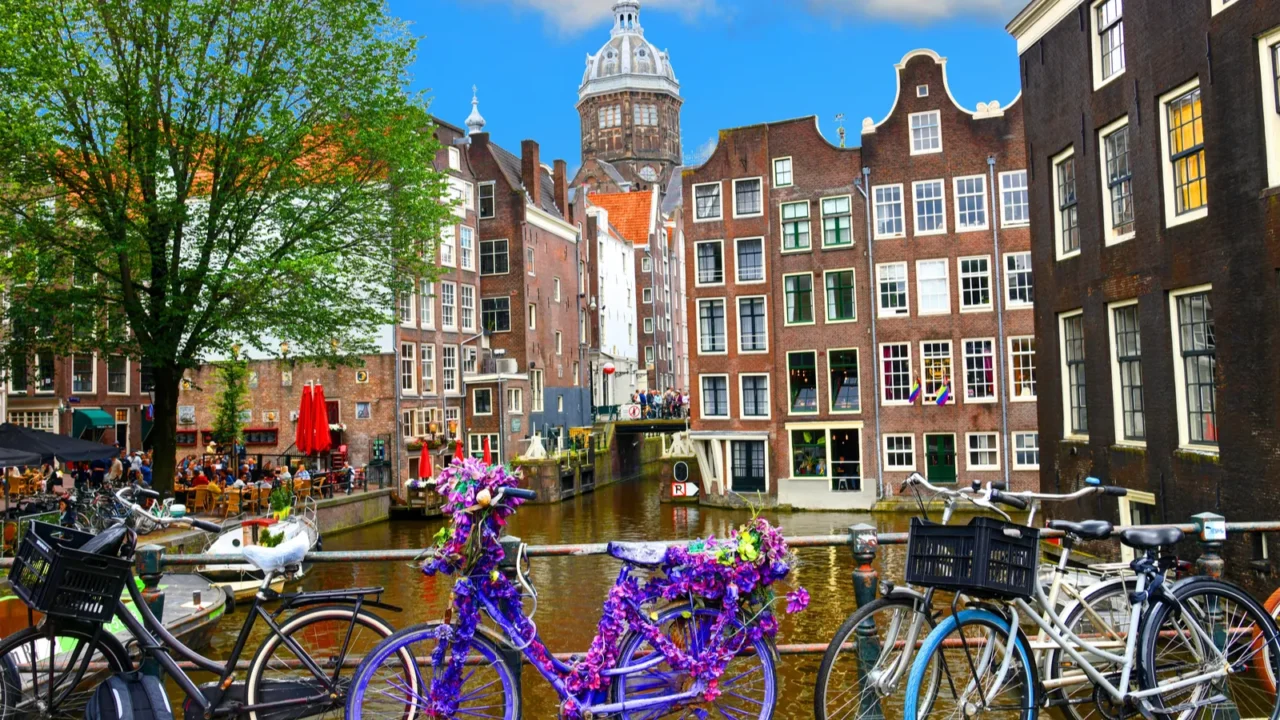
Amsterdam spreads the crowds
Amsterdam actively discourages overcrowding in its historic center through targeted visitor campaigns. Travelers are guided toward outer districts, museums, and neighborhoods beyond the canal ring. This approach reduces congestion while keeping tourism revenue balanced.
The city also limits new souvenir shops and short-term rentals in the old town. Streets feel more local again, without losing cultural energy. Amsterdam proves crowd control can happen through messaging, not just physical barriers.
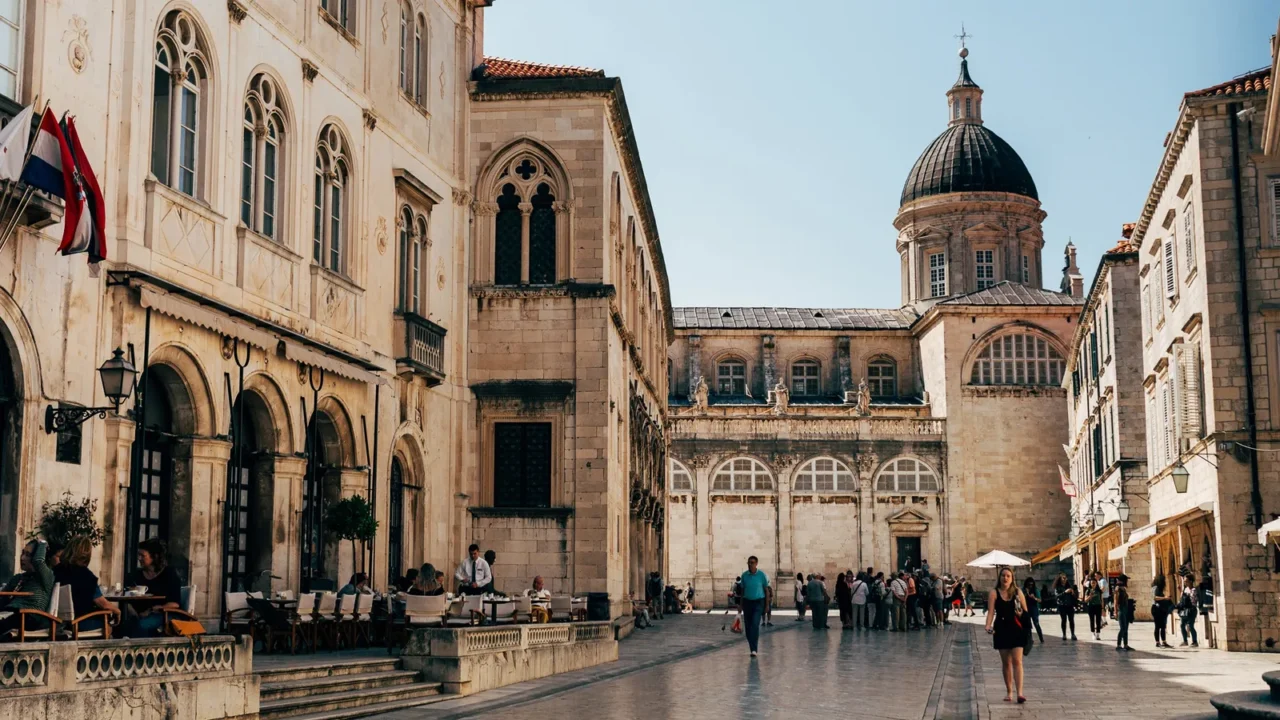
Dubrovnik controls access smartly
Dubrovnik introduced strict limits on daily cruise visitors entering its Old Town. Real-time monitoring tracks how many people pass through the city gates at any moment. Once capacity is reached, access slows until congestion eases.
Walking routes have been redesigned to create one direction flows during peak hours. This protects fragile stone streets and historic walls from damage. Dubrovnik shows how data-driven planning saves heritage cities under global pressure.
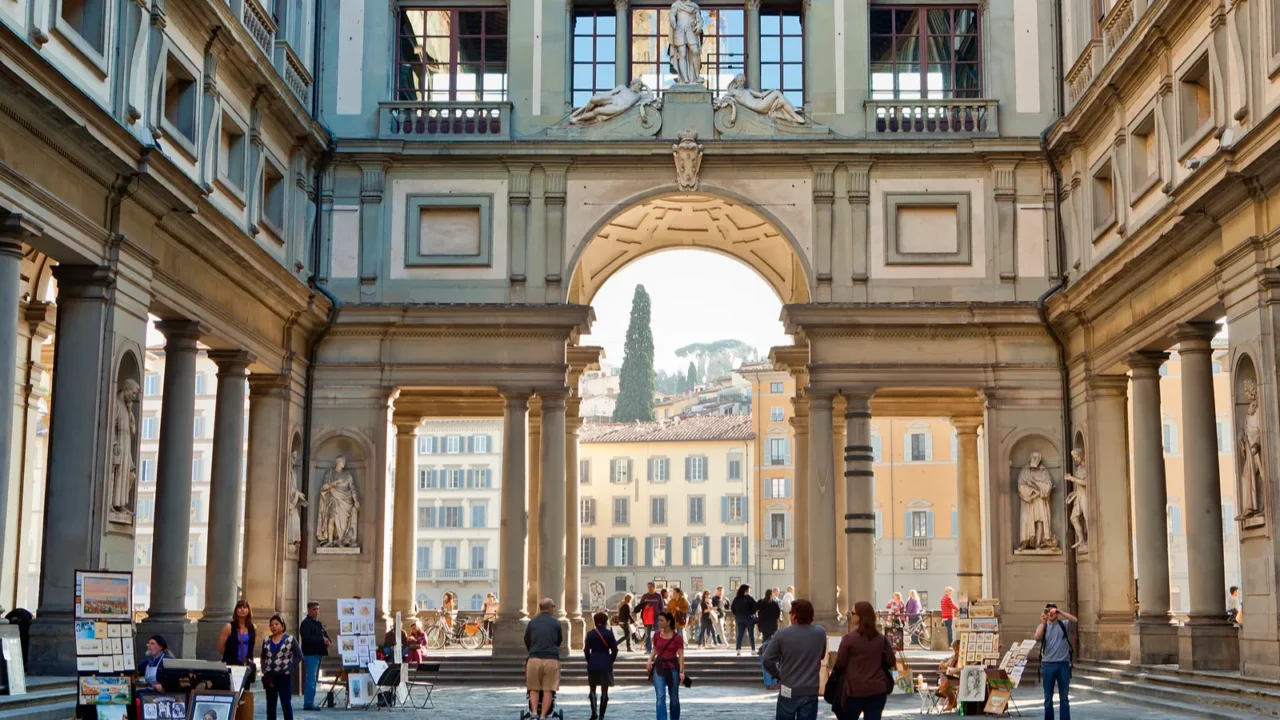
Florence manages museum traffic
Florence has introduced timed entries and walking path signage around major museums and cathedral areas. Timed ticketing and defined walking paths reduce crowd clustering in Renaissance-era streets. Visitors still experience art and history, but without constant bottlenecks.
The city also promotes lesser-known districts like Oltrarno. This spreads foot traffic while supporting local artisans and cafes. Florence demonstrates how cultural tourism can expand outward instead of piling inward.
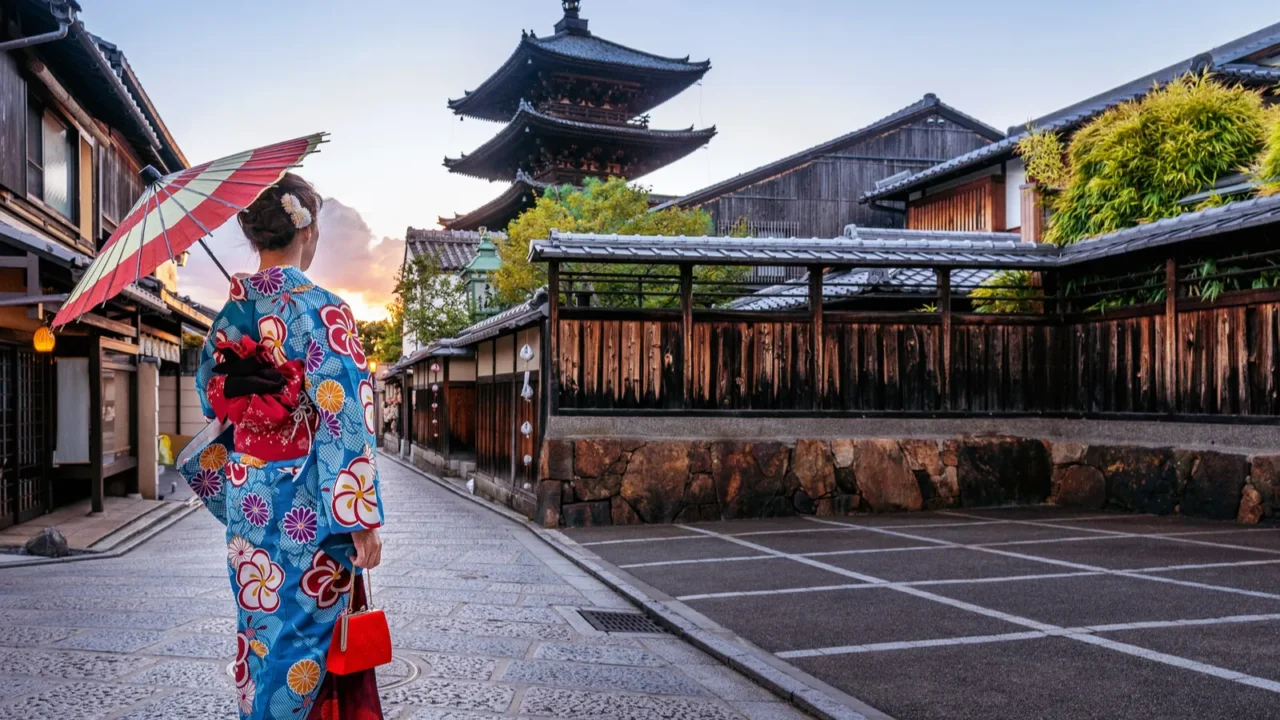
Kyoto protects sacred streets
Kyoto redesigned access around historic temples and geisha districts to protect daily life. Photography restrictions and guided routes reduce intrusive crowd behavior in residential zones. These measures preserve cultural dignity while welcoming respectful tourism.
Public transport signage now directs visitors to alternative sites beyond famous temples. This helps balance tourism across the city. Kyoto’s approach blends tradition, community needs, and modern crowd management.
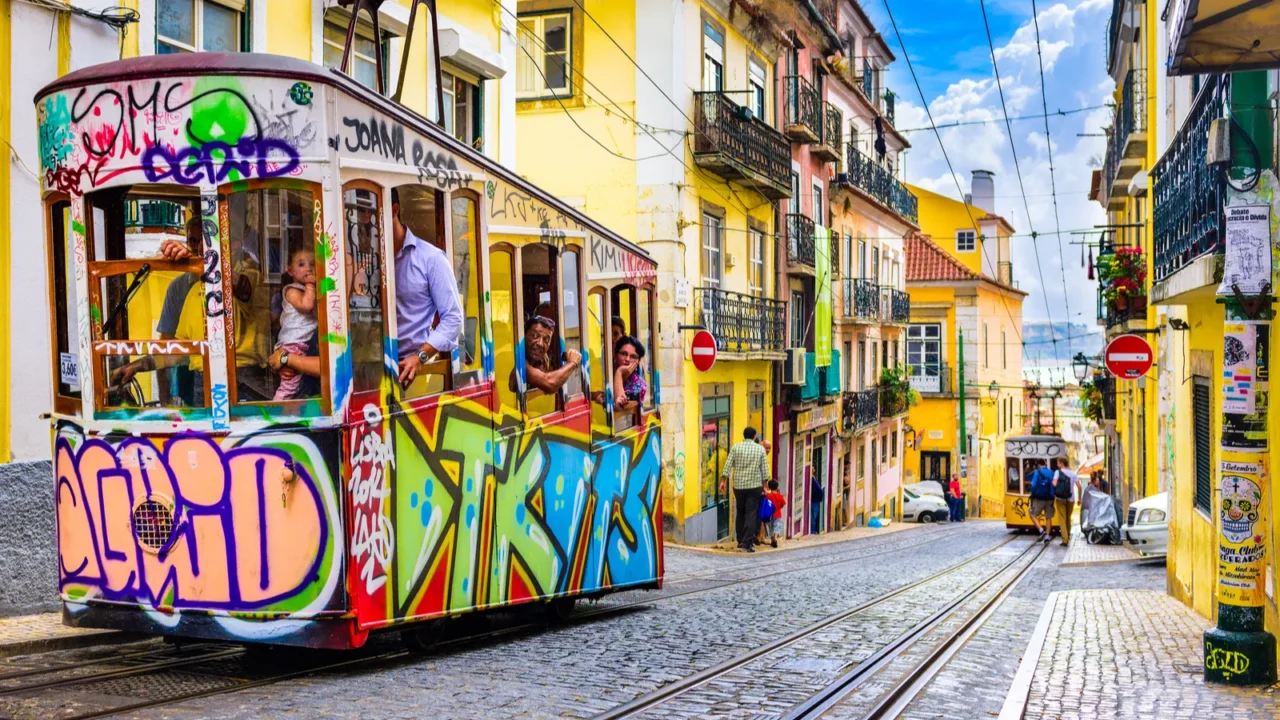
Lisbon redesigns viewpoint access
Lisbon adjusted access around popular viewpoints and tram routes in historic Alfama. Street layouts now prioritize pedestrian flow while limiting vehicle congestion. This improves safety on steep streets packed with visitors.
Timed access and better signage guide travelers toward quieter miradouros nearby. Local neighborhoods benefit from reduced noise and crowd stress. Lisbon shows how small design changes can create big relief.
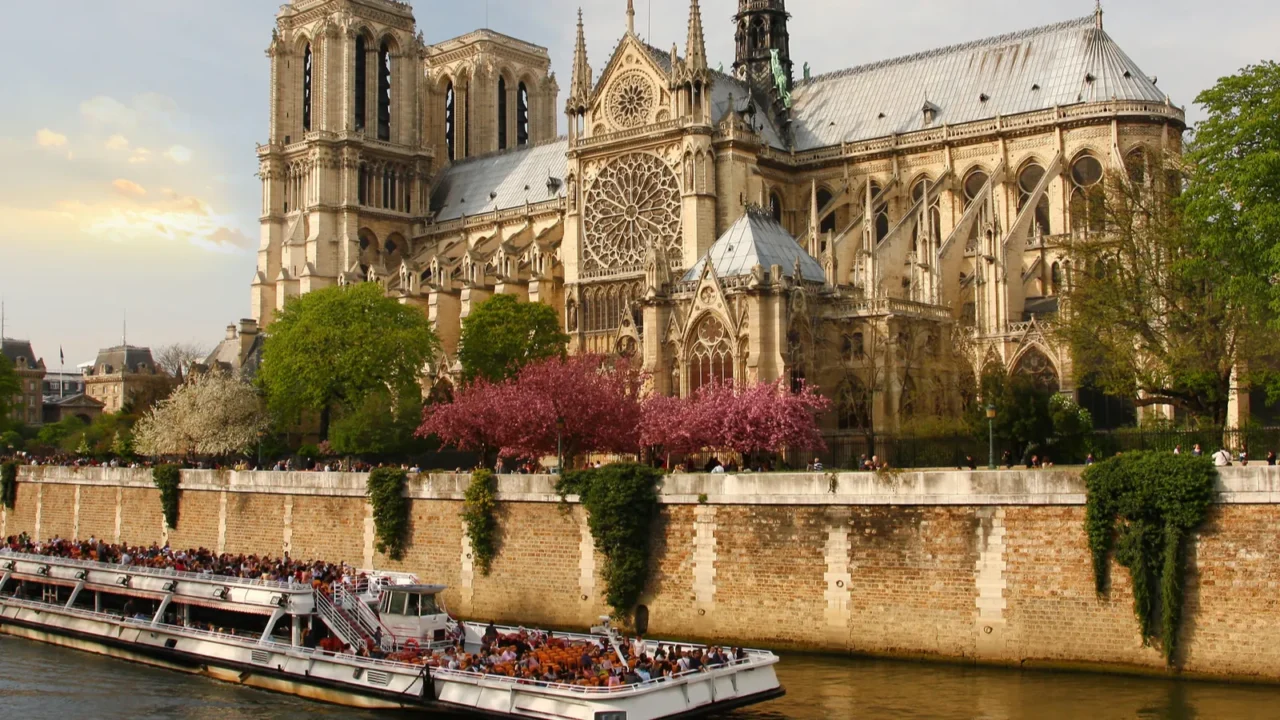
Paris reorganizes landmark zones
Paris redesigned areas around the Louvre and Notre Dame to improve pedestrian circulation. Expanded walkways and reduced car access prevent overcrowding during peak seasons. Visitors move more freely without blocking historic bridges or squares.
The city also encourages exploration beyond central districts. Neighborhoods like Belleville and Canal Saint Martin receive more attention. Paris proves congestion solutions can feel elegant rather than restrictive.
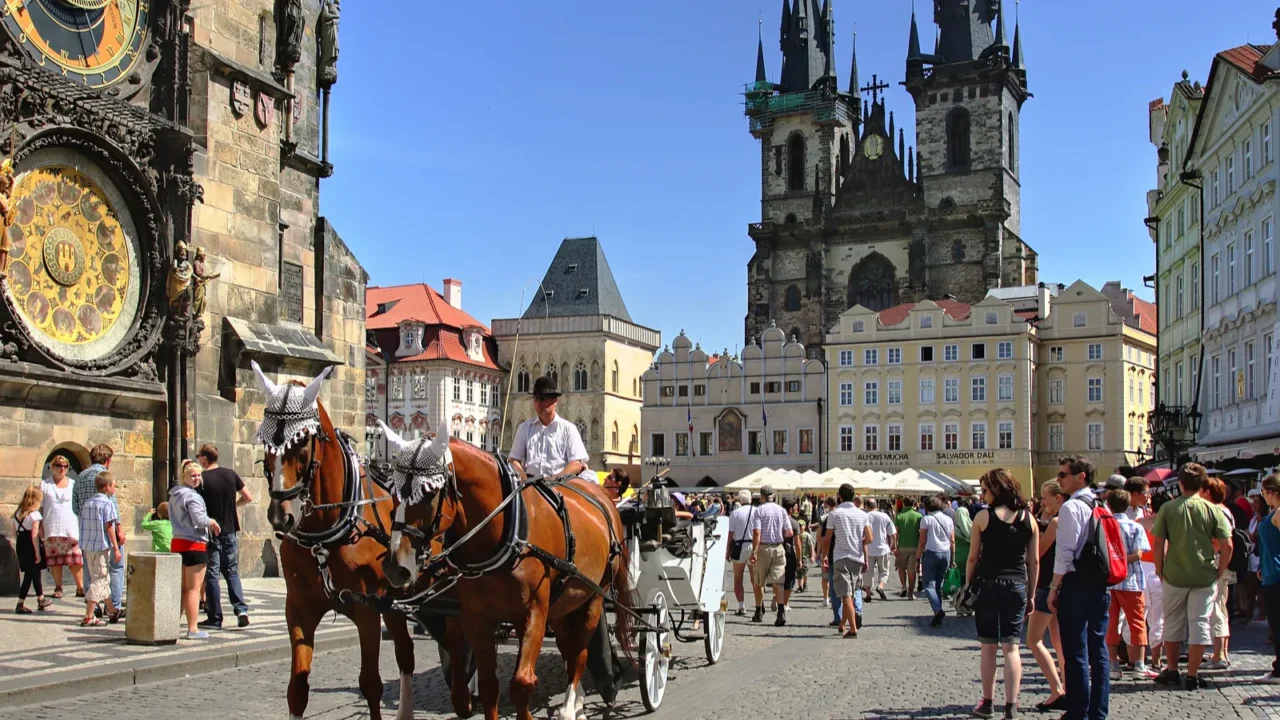
Prague preserves medieval core
Prague limits large tour groups in its medieval Old Town streets. Signage redirects walking tours to alternative routes that protect fragile architecture. This reduces constant crowd pressure near Charles Bridge.
Local authorities also restrict party tourism advertising in historic areas. The result feels calmer and more respectful. Prague demonstrates how policy and layout work best when combined.
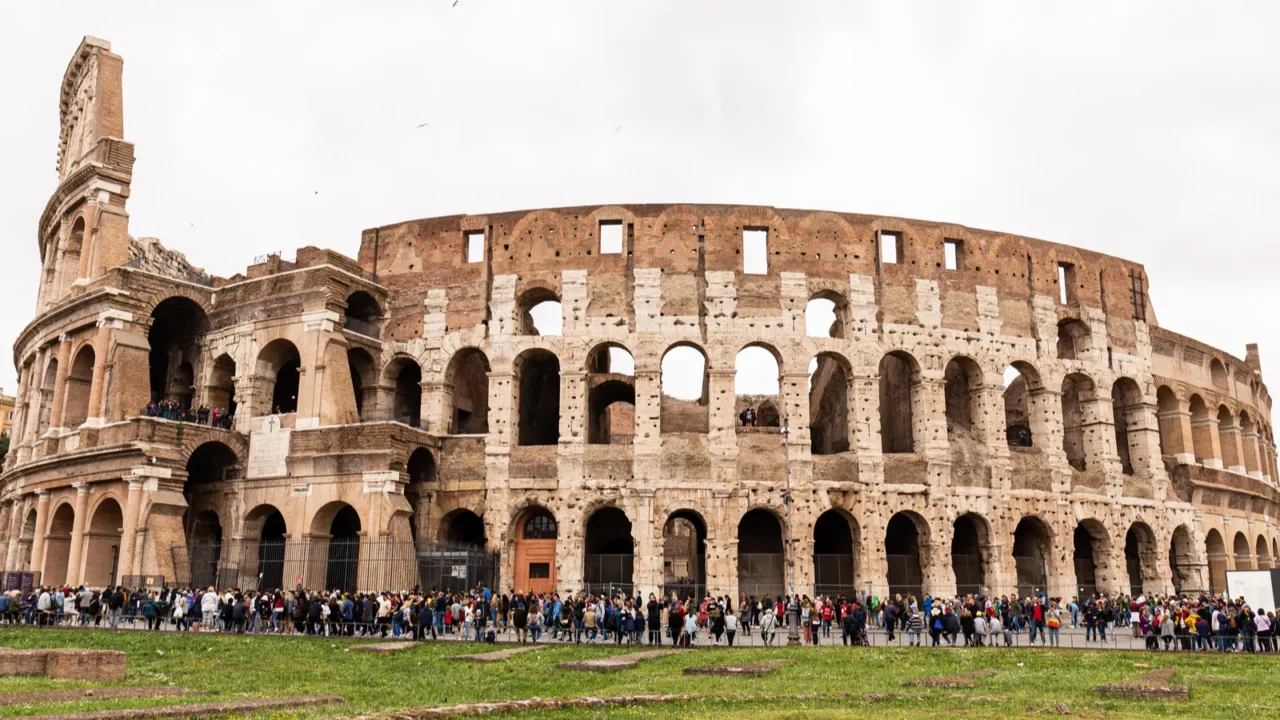
Rome reroutes ancient paths
Rome reorganized access around the Colosseum and Roman Forum through controlled entry zones. Pedestrian corridors help manage large crowds without overwhelming ancient ruins. Visitors still explore freely, but movement feels structured.
Nearby neighborhoods now absorb overflow tourism. This benefits local businesses while protecting monuments. Rome shows how ancient cities adapt without losing their soul.
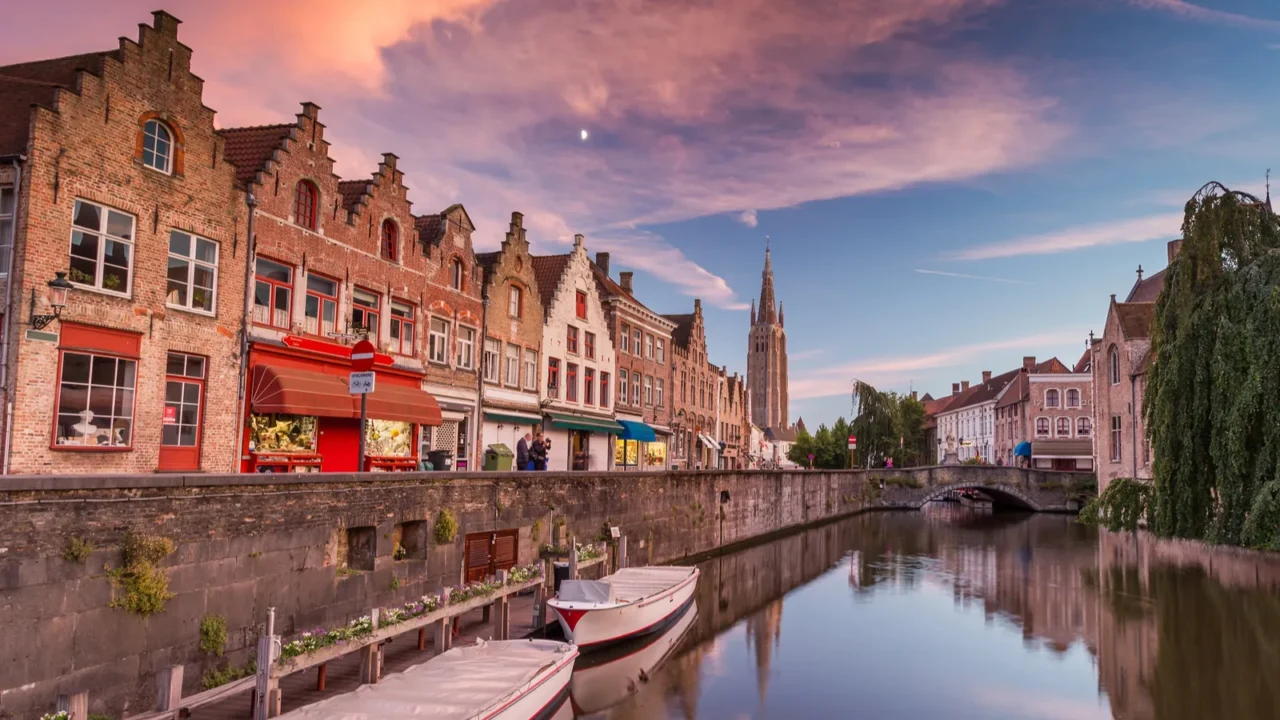
Bruges balances beauty carefully
Bruges introduced circulation plans that separate residential streets from tourist walking paths. This protects daily life in one of Europe’s most visited medieval towns while keeping its charm accessible. Crowds still enjoy canals and squares without overwhelming locals or disrupting neighborhood routines.
The city also promotes evening visits and off-season travel to ease daytime pressure. This spreads tourism across time, not just space, and encourages slower exploration. Bruges now sits among underrated cities, gaining fame for its food scenes, proving that balance is possible with thoughtful planning.
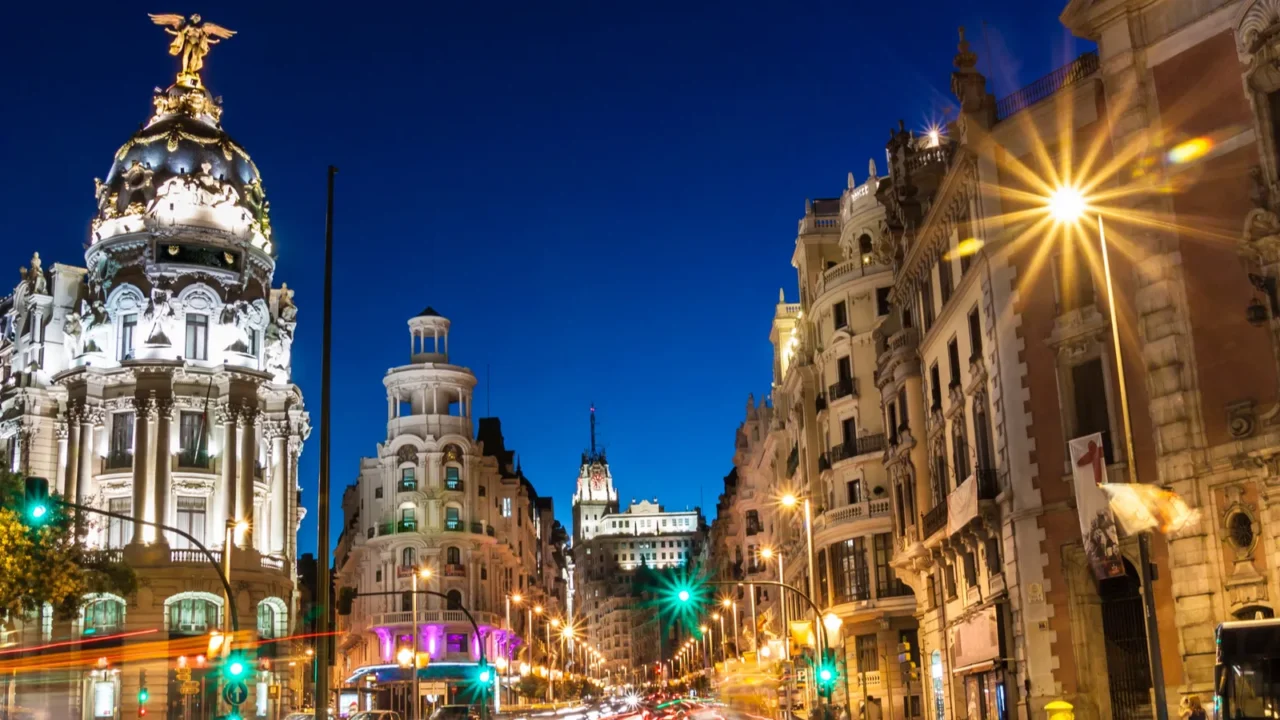
A smarter way forward
Cities are learning that protecting history means redesigning how people move. These changes keep travel meaningful while safeguarding culture and community life. Congestion management has become part of modern destination storytelling.
The best historic centers now feel lived in, not overwhelmed. Travelers gain richer experiences by exploring beyond crowded cores. Which redesigned city feels most appealing for a calmer future trip? Share thoughts below.
This slideshow was made with AI assistance and human editing.
Don’t forget to follow us for more exclusive content right here on MSN.
Read More From This Brand:
