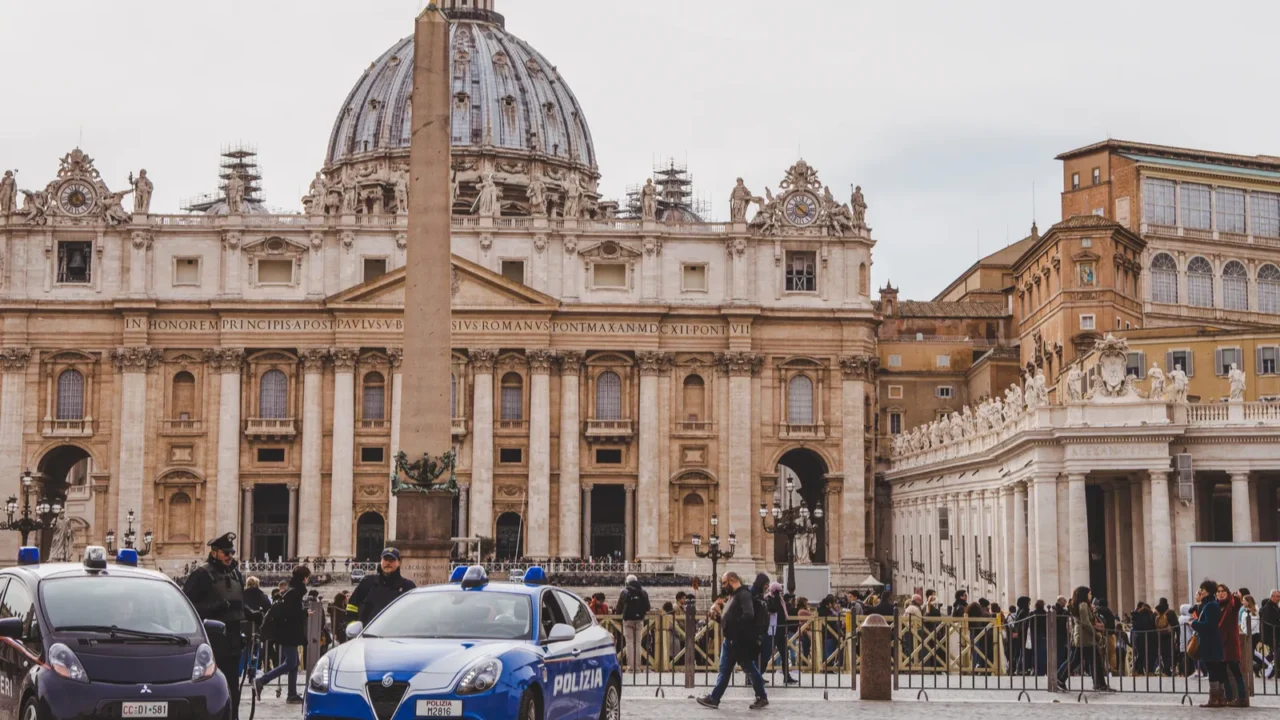
Europe’s hidden crime map
Crime in Europe presents a more complex picture than its reputation for safety suggests. According to Numbeo’s Crime Index, a globally referenced database scaled from 0 to 100, several Western European cities rank among the continent’s most dangerous. France and the United Kingdom together account for the majority of high-crime cities on the list, shaped by drug trafficking, gang activity, and persistent economic inequality.
Understanding which European cities report the highest crime rates matters for residents, travelers, and policymakers alike. Public safety trends continue drawing urgent attention across the continent, with data consistently showing that crime is rarely spread evenly across any city but instead concentrates in specific districts where poverty and opportunity intersect in ways that generate predictable, recurring patterns of criminal activity.

Bradford tops Europe’s list
Bradford, a post-industrial city in West Yorkshire, England, ranks among the higher-scoring UK cities on Numbeo’s 2026 Europe Crime Index, though it does not top the list. Police comparison data shows Bradford’s crime rate is higher than the average for similar areas and above the wider West Yorkshire average, with violence and sexual offences among the most prominent categories.
Violence and sexual offenses represent the most reported category in Bradford, with nearly 23,000 incidents logged in a single recent year. Crime rate data confirms Bradford holds the highest crime rate among all West Yorkshire postcodes. While much of the city remains community-oriented, certain districts push overall statistics to levels raising serious concern among residents and law enforcement, who continue pressing for sustained investment and targeted intervention programs.
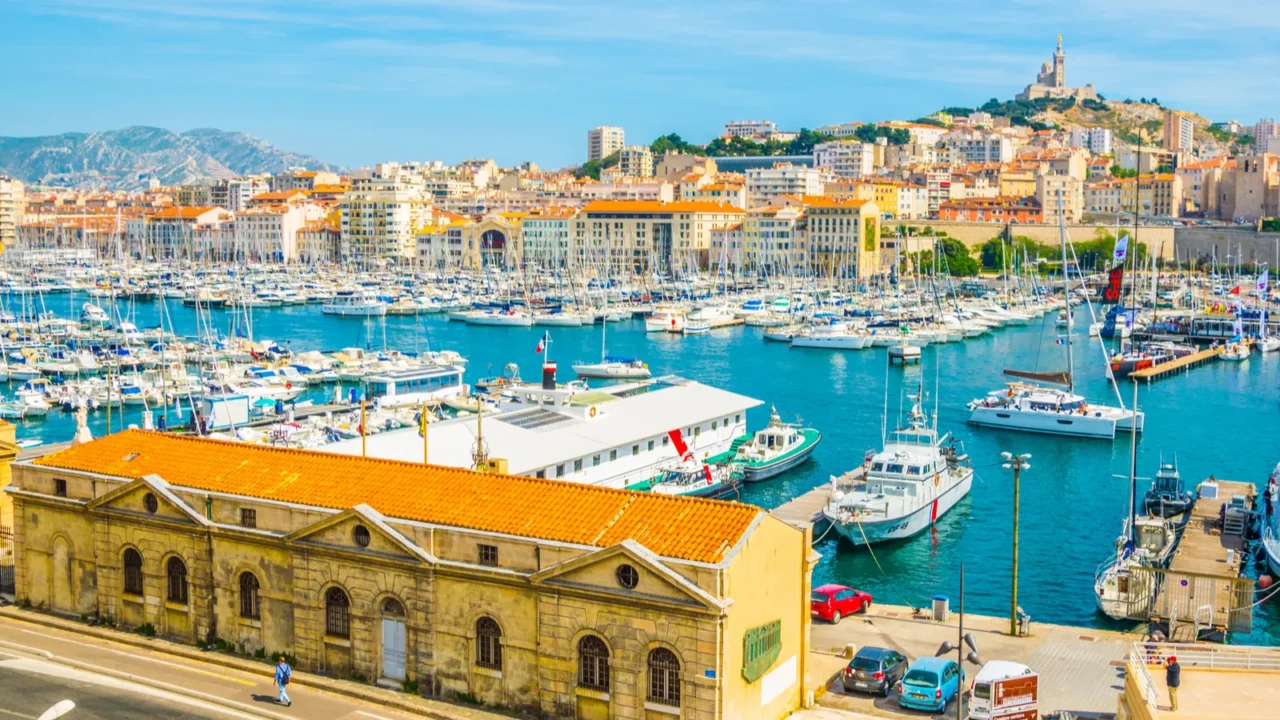
Marseille’s deadly drug wars
Marseille, France’s second-largest city along the Mediterranean coast, carries a crime index of approximately 66 on the Numbeo scale. The city’s northern districts have become focal points of organized gang violence, with rival factions competing for control of one of Europe’s busiest drug trafficking hubs, funneling narcotics through the historic port into wider European markets where demand for cocaine and cannabis remains persistently high.
In 2023, a turf war between the DZ Mafia and Yoda gangs left 49 people shot dead, giving Marseille a murder rate of 5.5 per 100,000 inhabitants. Drug-related homicides dropped in 2024 following a ceasefire between those factions, yet approximately 20,000 people remain involved in Marseille’s drug economy, per security intelligence firm SPS, revealing the extraordinary depth of criminal infrastructure embedded within certain neighborhoods.

Coventry’s knife crime crisis
Coventry, located in England’s West Midlands, registers a crime index of approximately 65 according to Numbeo, placing it among Europe’s three most dangerous cities. Knife crime remains a major issue across parts of England and Wales, and Coventry’s broader crime concerns are often discussed alongside deprivation, policing pressures, and neighborhood-level inequality.
In the year ending March 2025, there were around 53,000 offences involving a knife or sharp instrument in England and Wales, according to the House of Commons Library. Coventry’s proximity to Birmingham amplifies shared challenges around gang activity and economic deprivation. Residents report feeling markedly less safe in specific outer districts than in the city center, a divide that shapes daily decisions about movement, transport, and community engagement.

Birmingham’s urban gang problem
Birmingham, England’s second-largest city, holds a crime index of roughly 64 according to Numbeo, with approximately 119 recorded incidents per 1,000 residents. Crime hotspots include the Aston district, Bordesley Green, and the city center, where gang activity, knife violence, and robbery create significant public safety challenges daily.
Student safety remains a recurring topic in Birmingham, especially in and around busy inner-city districts where theft, robbery, and violent offences receive sustained attention. Violent crimes, property offenses, and burglary each constitute roughly one-third of total reported incidents, reflecting a broad and persistent crime landscape that has shaped Birmingham’s public perception and complicated efforts to attract investment into affected neighborhoods for well over a decade.
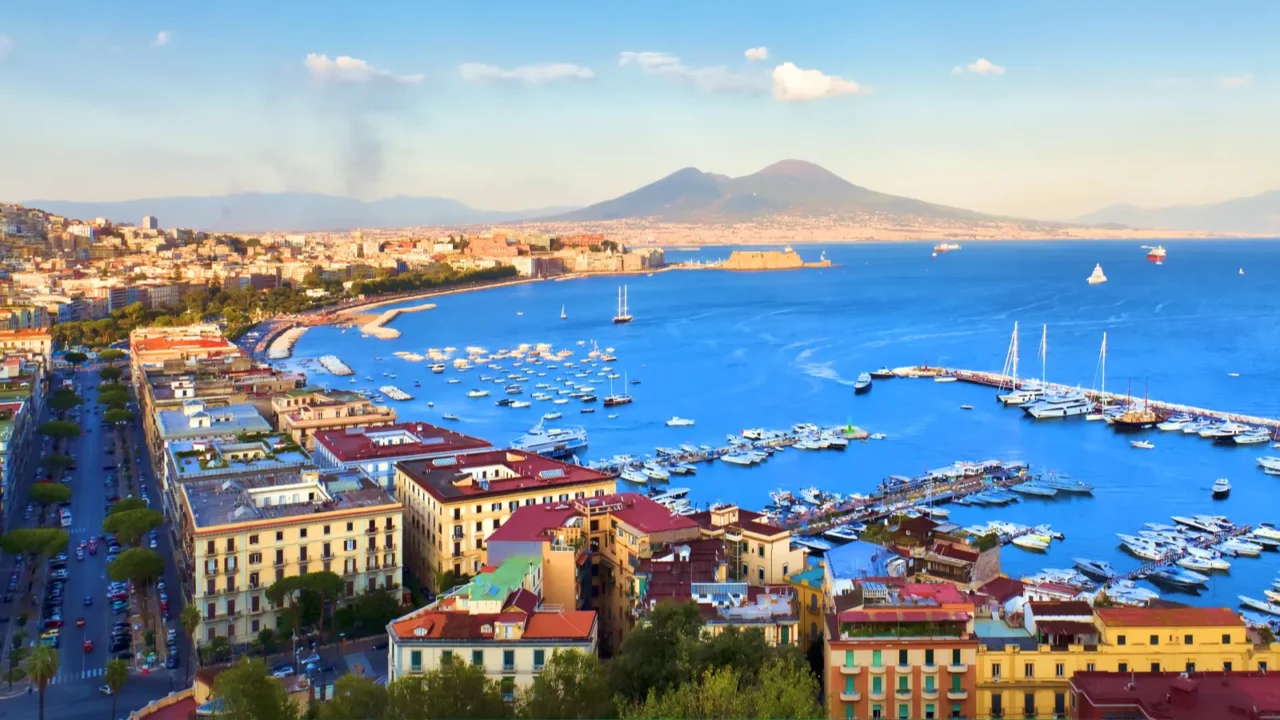
Naples and Camorra’s grip
Naples, southern Italy’s largest city and historic home of the Camorra, carries a crime index of approximately 63 according to Numbeo. The Camorra operates through rival clans engaged in drug trafficking, extortion, and money laundering, extending into Spain, France, and South America.
Pickpocketing and purse snatching plague Naples’ historic center, while suburban areas experience burglary rates consistently outpacing those of other Italian cities.
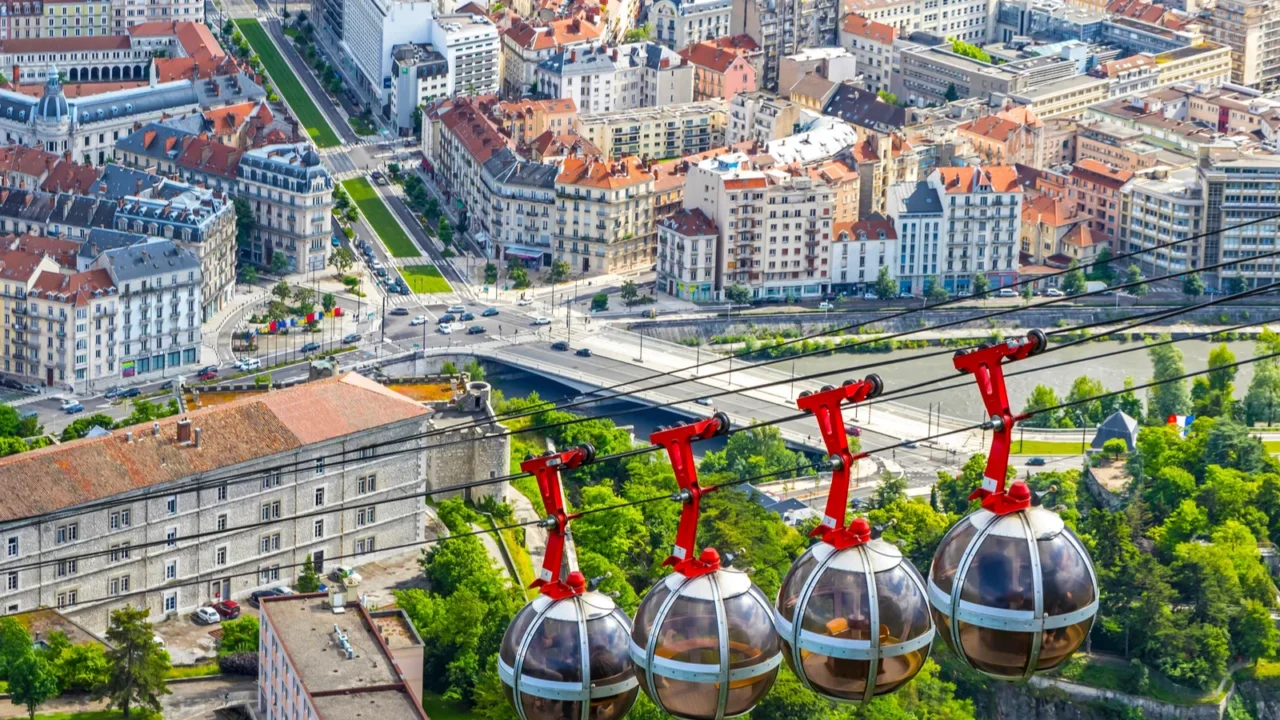
Grenoble’s shocking shooting surge
Grenoble, France’s gateway to the Alps and a thriving university town, has earned a troubling reputation in recent years. Between 2023 and 2024, drug trafficking offenses surged by 70 percent, and armed robberies rose by 50 percent within city limits.
In the summer of 2024, Grenoble experienced multiple shootings over a short period, underscoring how drug-market rivalries had escalated in and around the city. The Villeneuve neighborhood remains a no-go zone for many residents, with ongoing violence between drug distribution networks. Despite its scenic setting and rich academic culture, Grenoble’s crime trajectory has drawn sustained national attention and repeated calls for deeper structural government intervention.
Liège’s street crime struggle
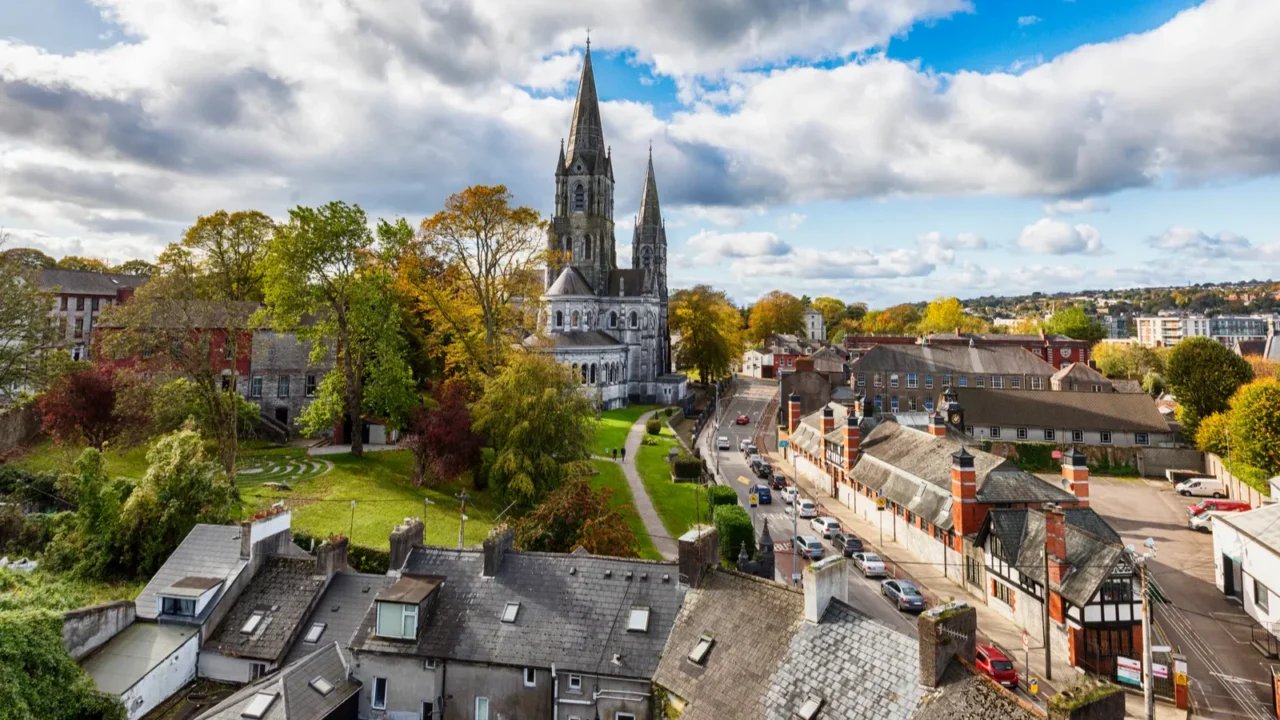
Liège, Belgium’s third-largest city, situated along the Meuse River in Wallonia, holds a crime index of approximately 61 according to Numbeo. Social inequality, high youth unemployment, and entrenched poverty have created conditions where street crime, drug distribution, and violent altercations are embedded in daily life across certain districts. Violent crime accounts for roughly 32 percent of all reported offenses, a figure that disproportionately affects lower-income residential neighborhoods surrounding the city center.
Car break-ins and shoplifting contribute significantly to Liège’s broader crime statistics, alongside repeated domestic burglary incidents in residential suburbs. Street fights connected to nightlife venues have spilled into public spaces repeatedly. The disconnect between Liège’s genuine cultural vitality and its public safety challenges remains a defining tension for local authorities trying to reclaim a sense of security for residents who have lived with these conditions for years.
Montpellier’s assault rate climbs
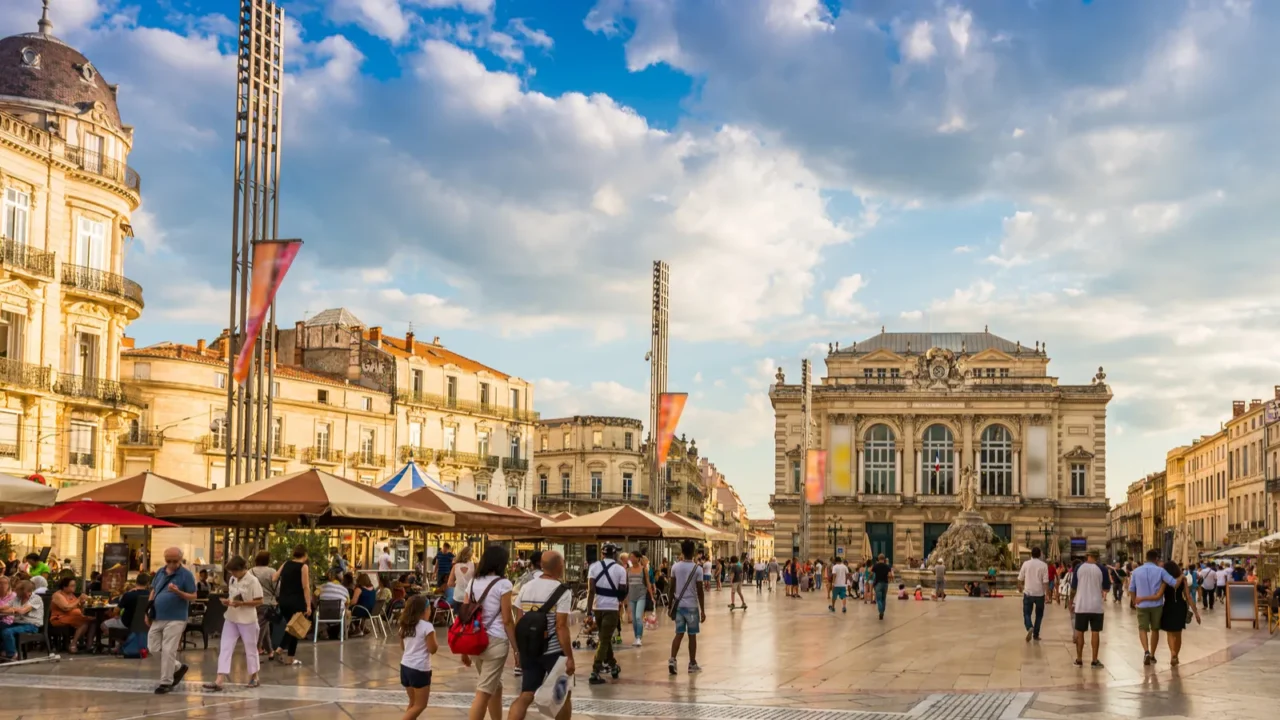
Montpellier, a vibrant university city in southern France near the Mediterranean, carries a crime index of approximately 61 according to Numbeo, rising steadily alongside its growing student population. Police have documented repeated surges in assaults near bars, tram stops, and nightlife venues, while street-level drug dealing remains persistent across several city neighborhoods. Vehicular crime, including theft from parked cars, occurs regularly across public parking areas throughout the city.
The combination of a large transient student population, significant seasonal tourism, and active drug supply networks has created conditions where both property crime and interpersonal violence remain elevated compared to similarly sized French cities. Visitors to Montpellier’s old quarter report frequent opportunistic theft attempts, particularly during summer festivals when foot traffic peaks and police resources are stretched across multiple concurrent public events simultaneously.
Paris beyond the postcard
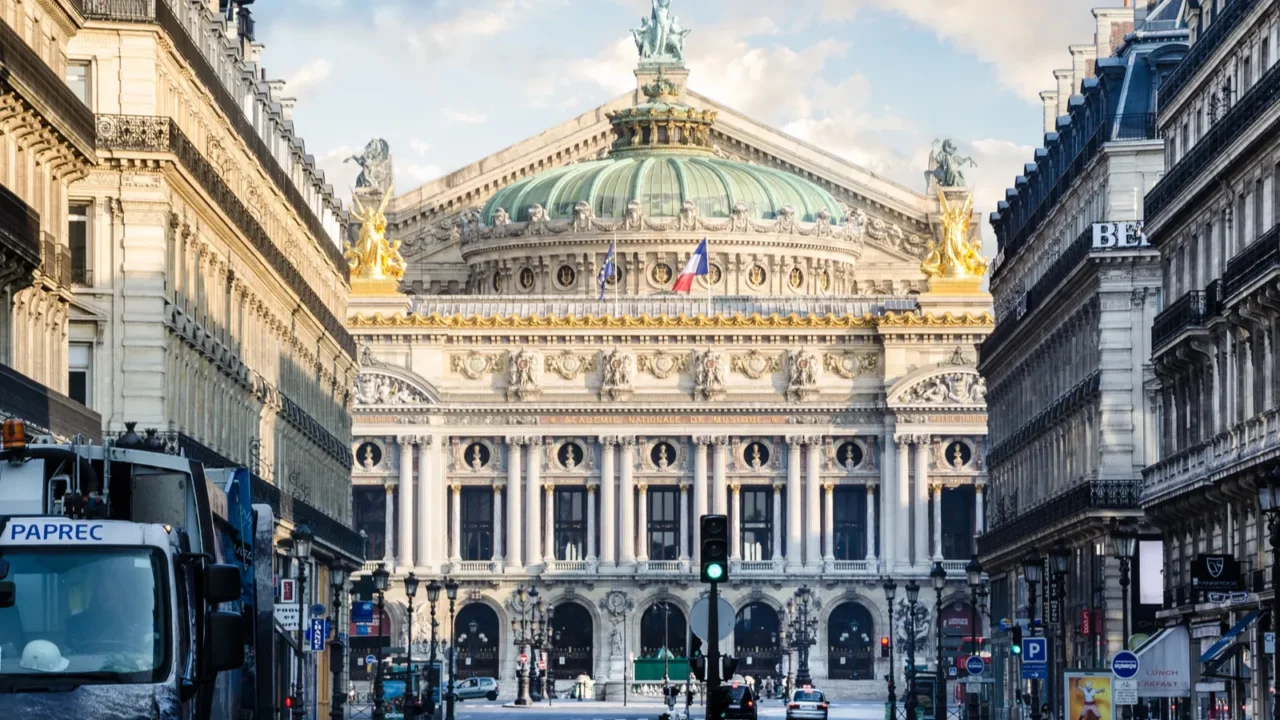
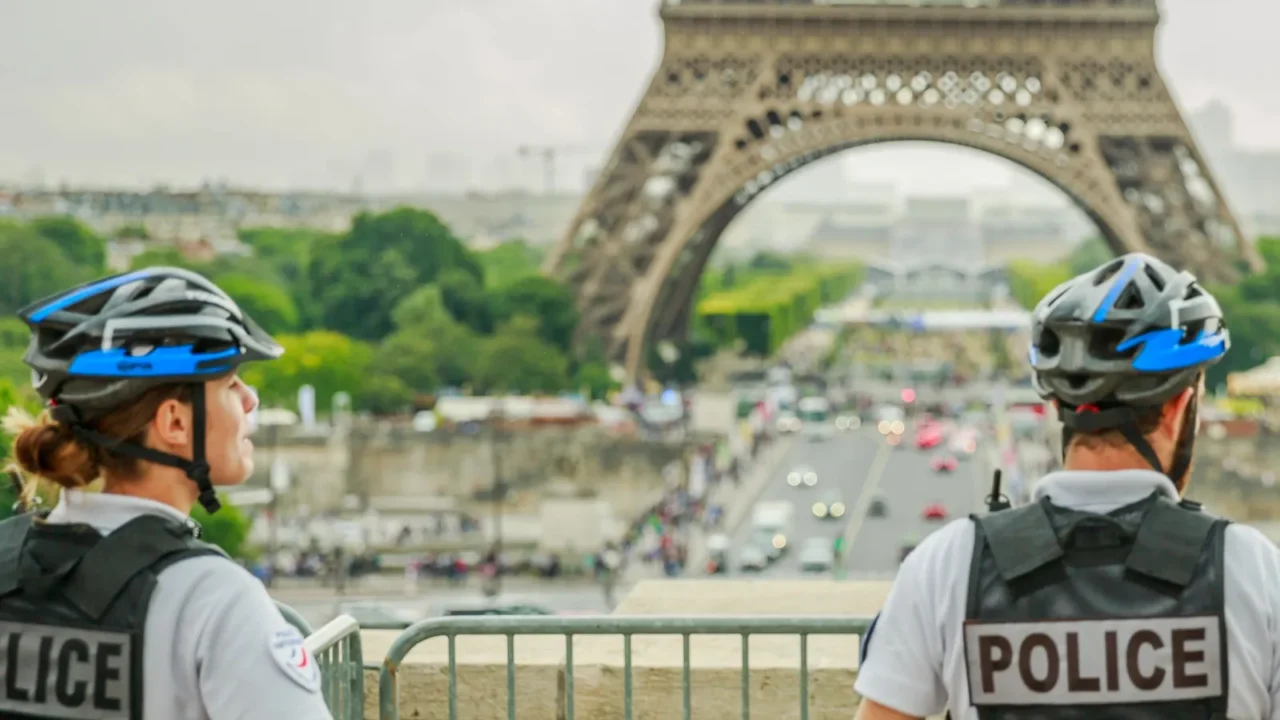
Paris, the world’s most visited city, carries a crime index of approximately 58 according to Numbeo, with property crime and petty theft dominating challenges for both residents and visitors. Pickpocketing is the most frequently reported crime against tourists, concentrated at the Eiffel Tower, the Louvre, Gare du Nord, and across the metro network.
Violent crime in central Paris remains comparatively low, but tourist-targeting theft operations remain organized, sophisticated, and remarkably difficult to disrupt despite plainclothes police operations and multilingual public awareness campaigns running across major transit hubs.
Fact: A Euronews report citing Quotezone’s research found Paris records 251 pickpocketing mentions per million visitors, the second highest in Europe.
Lyon and Nice’s hidden risks
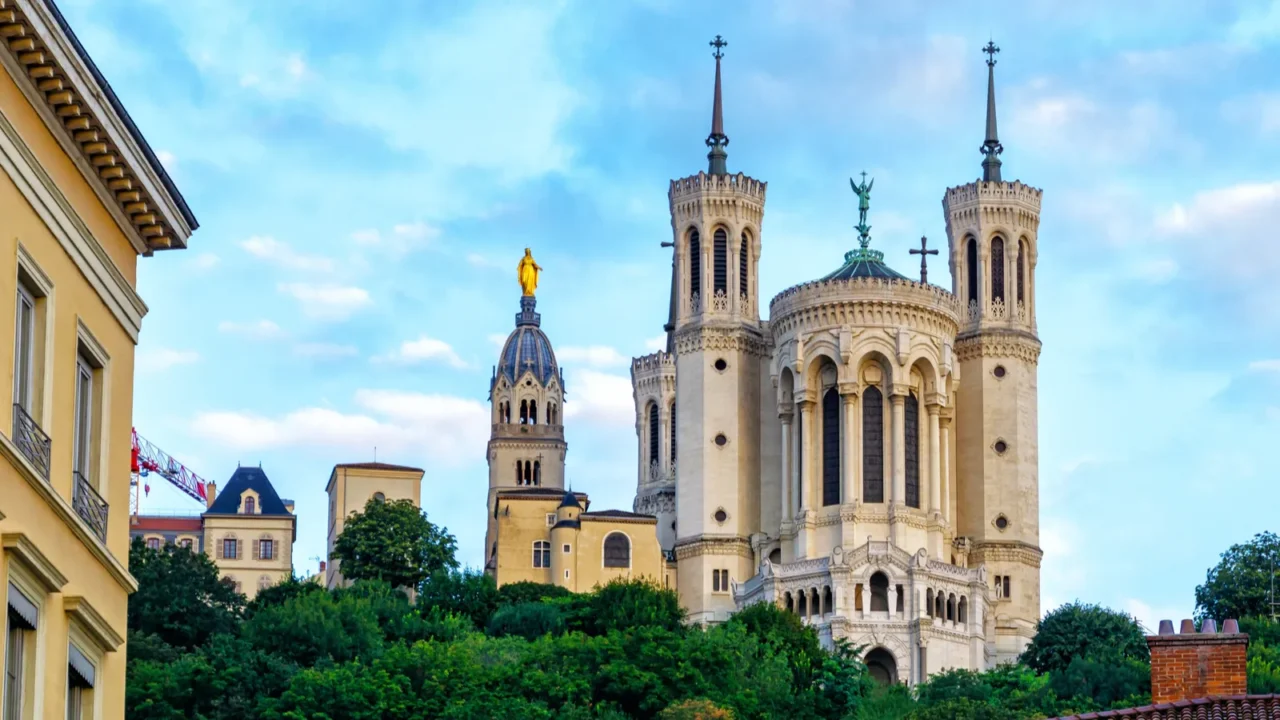
Lyon, France’s culinary capital and third-largest city, registers a crime index of approximately 57 according to Numbeo, with suburban districts driving much of the elevated statistics. Drug activity, property crime, and violent incidents concentrated in specific outer neighborhoods create a two-tier safety environment where the city center appears calm while outlying zones face significantly different realities. Residents consistently report feeling less safe after dark than during daylight hours.
Nice, the coastal city of the French Riviera, carries a crime index of roughly 56, with pickpocketing, drug trafficking, and crimes targeting tourists recorded near the port and along the Promenade des Anglais. Despite its glamorous image, Nice’s status as a major tourism destination makes it attractive for organized petty crime networks operating throughout France’s Mediterranean south, where visible wealth and economic inequality remain persistently wide apart.
Malmö and Athens under pressure
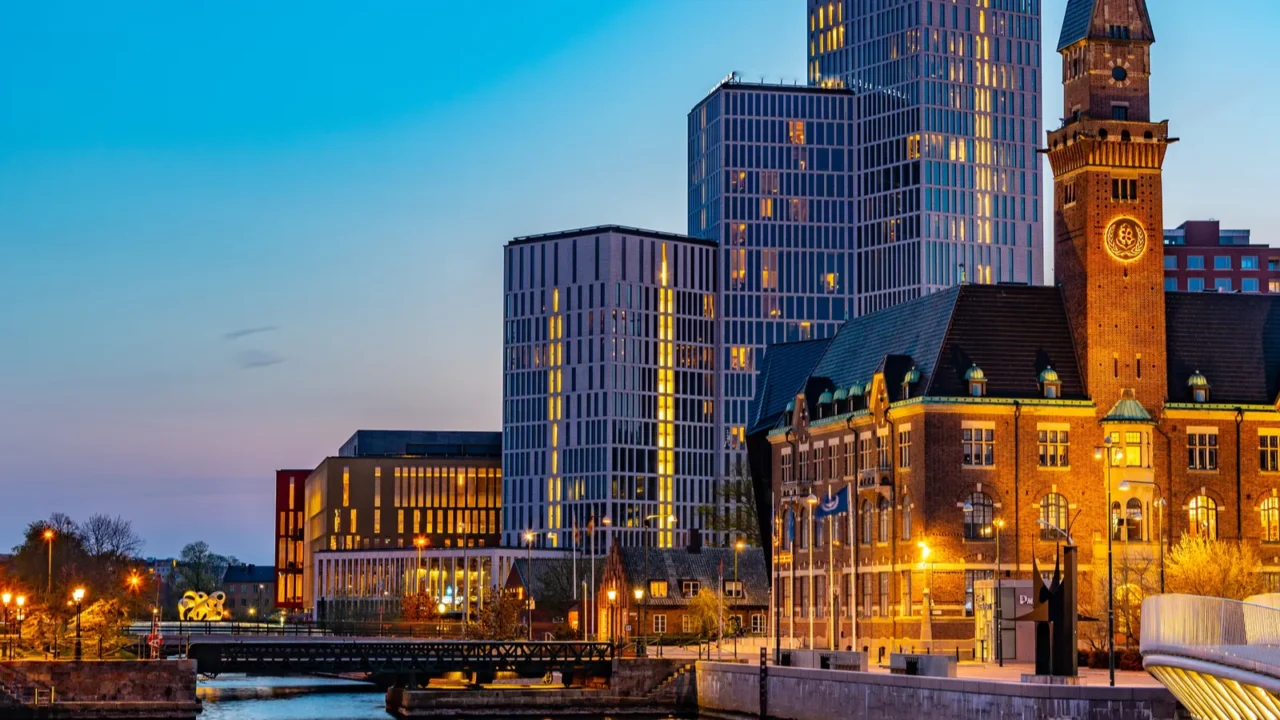
Malmö, Sweden’s third-largest city in Scania, carries a crime index of approximately 56 according to Numbeo, with gang-related shootings in specific neighborhoods drawing sustained national attention. The city has struggled with organized crime networks tied to drug distribution, and several districts have recorded repeated firearm violence, placing Malmö at the center of Sweden’s broader debate about urban safety, investment gaps, and long-term integration challenges in post-industrial neighborhoods.
Athens, Greece’s historic capital, records a crime index of roughly 55, with neighborhoods such as Exarchia and Monastiraki experiencing robberies and political unrest. Enduring economic pressures following Greece’s severe financial crisis, including high youth unemployment and weakened public services, continue fueling crime dynamics that authorities have found difficult to address despite incremental improvements recorded across central Athens over the past several years. Curious which towns across the globe carry even heavier burdens? Explore dangerous towns to see how these cities compare worldwide.
What the data tells us
Europe remains statistically one of the safest regions globally, with no European city ranking among the world’s 50 deadliest by homicide rate. Yet crime trends mapped from Bradford to Naples and Marseille to Athens reveal that concentrated pockets of serious activity, driven by drug trafficking, organized crime, and economic inequality, continue posing genuine challenges in specific urban areas. France and the United Kingdom together account for the largest share of high-crime European cities by Numbeo’s index.
Understanding these patterns empowers smarter decisions. Crime is rarely distributed evenly across any city, meaning that knowing which districts carry elevated risk and what offenses are most prevalent allows residents and visitors to navigate urban environments more confidently. The data do not suggest avoiding Europe’s great cities. They suggest approaching them with clear eyes and practical preparation, much like those who choose to settle in places that prioritize well-being, such as Copenhagen, which is the happiest city in the world.
Which of these cities surprised you the most, and would you still visit knowing what the data reveals?
This slideshow was made with AI assistance and human editing.
Don’t forget to follow us for more exclusive content right here on MSN.
Read More From This Brand:
