

ICE arrests follow TSA referrals
U.S. Immigration and Customs Enforcement made more than 800 arrests after receiving leads based on traveler data shared by the Transportation Security Administration, according to internal ICE data reviewed by Reuters. The report highlights coordination between aviation security systems and immigration enforcement activity.
Major airports like Los Angeles International Airport and Dallas-Fort Worth International Airport were part of these operations. Airports are major transportation and screening hubs, which is why enforcement activity in those spaces draws broad public attention. The development highlights how airport security intersects with broader federal enforcement.

Data sharing framework explained
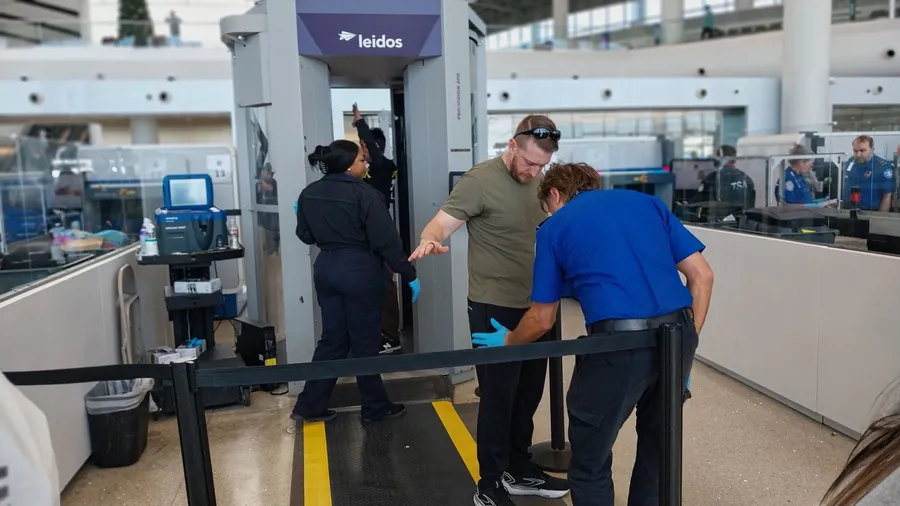
Coordination between agencies relies on structured data-sharing systems rather than direct joint operations. TSA screening databases can generate alerts based on identity verification and travel records. These alerts are then reviewed before any enforcement action is considered.
Federal systems are designed to separate safety screening from immigration enforcement while still allowing communication when required. This layered structure helps maintain operational clarity. It also reduces unnecessary interference in routine passenger movement.
Identification standards under focus
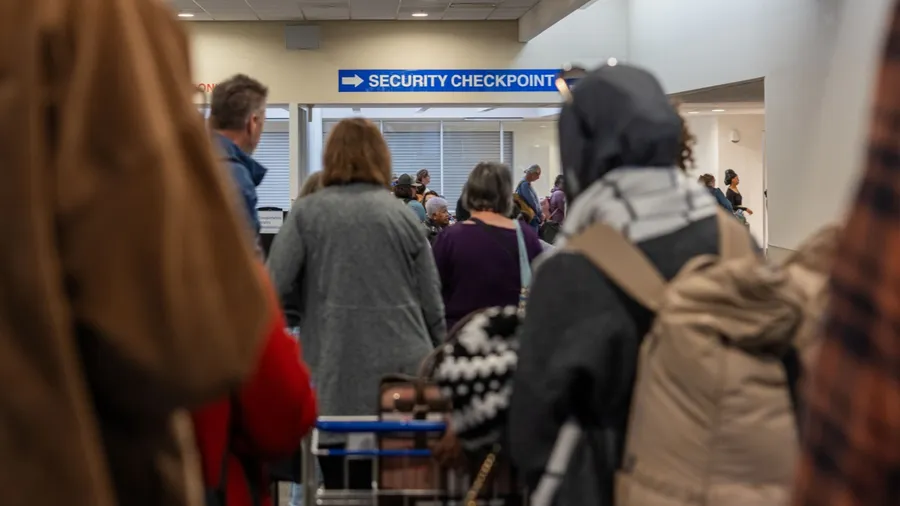
Travelers are increasingly required to present compliant identification that meets federal verification standards. Documents that fail verification checks may trigger secondary review processes. This has become more relevant with stricter ID enforcement policies.
States like Texas and Florida see high domestic travel volumes, making identification compliance especially important. Even minor discrepancies in documentation can lead to delays during peak travel periods.
International arrivals face scrutiny
International arrivals often move through additional identity and border-processing steps that do not apply in the same way to domestic passengers. At major gateways such as JFK, those procedures are a routine part of handling large volumes of overseas travelers.
Airports such as John F. Kennedy International Airport process high volumes of international passengers annually. These hubs operate under stricter cross-agency coordination due to border entry requirements.

Technology drives screening efficiency
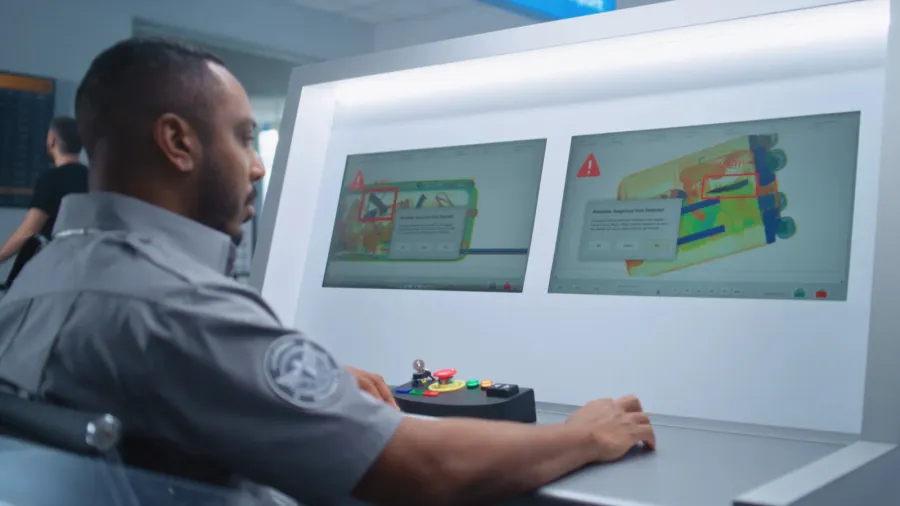
Modern airport systems rely heavily on automated identity matching and risk assessment tools. These technologies help flag inconsistencies without slowing down the majority of travelers.
]Airports such as San Francisco International Airport now participate in identity-verification programs including TSA PreCheck Touchless ID and TSA ConfirmID. Those tools are intended to modernize checkpoint processing while keeping screening focused on verified travelers.

Scale of daily passenger movement
US airports handle some of the highest passenger volumes globally, making efficiency critical. Screening systems are built to process millions of travelers without significant disruption.
Fact: TSA screened approximately 904 million passengers in 2024, according to official year-end data. This scale highlights how enforcement-related cases remain statistically minimal compared to total traveler volume.

Security priorities remain unchanged
Despite increased coordination, federal agencies continue to emphasize that aviation safety remains the primary objective. Screening protocols are designed first to detect threats, not enforce immigration policy.
Airports such as San Francisco International Airport continue investing in screening upgrades that prioritize safety while minimizing delays. Officials maintain that enforcement actions are selective and situation-based.

Impact on travel experience grows
The increase in referrals may affect how travelers experience airport screening. Additional checks can extend wait times during busy travel periods. However, most passengers continue moving through checkpoints smoothly.
Destinations like Orlando and Las Vegas depend on steady visitor flow. Tourism economies rely on efficient airport operations. Any delays can influence overall travel satisfaction.

Data highlights enforcement scale
Reuters said internal ICE data tied more than 800 arrests to TSA-based leads from the start of President Donald Trump’s presidency through February 2026. The same reporting said TSA had shared information on more than 31,000 travelers with ICE, showing the scale of the data flow behind those cases.
Fact: TSA screens about 2.5 million passengers daily across the United States, according to TSA official statistics from 2025 reports. This means only a small fraction leads to enforcement action. The data comes directly from TSA throughput reports, showing how rare these cases are.

Policy debate continues nationwide
The increase in ICE referrals has sparked discussion among policymakers. Some support stronger enforcement at airports. Others raise concerns about its impact on travelers.
Cities like New York City and Los Angeles remain central to this debate. These regions handle large volumes of international travel. Policy decisions could shape future airport operations.
Global travel systems compared
Other countries use different approaches to airport screening and enforcement. Some focus strictly on security, while others integrate immigration checks. These differences shape the traveler experience.
Cities like London and Toronto have distinct screening systems. TSA PreCheck perks are going mainstream as airport security changes in the US. Travelers often notice these differences across destinations.

Future airport experience evolving
Airport security and enforcement systems continue to evolve with policy changes. Coordination between agencies may expand in the coming years. Travelers may see more integrated screening processes.
Smooth travel still depends on efficient airport operations and clear procedures. The balance between safety and convenience remains a key focus.
Read More From This Brand: