US social media rules are shifting
Social media regulation in the United States has shifted in recent years through a mix of federal action, state laws, court rulings, and agency enforcement focused on privacy, child safety, and platform accountability. Lawmakers have focused on how companies collect data, moderate content, and protect younger users online. These legal shifts are reshaping the digital environment where Americans plan and share travel experiences.
Travel inspiration today often begins on platforms like Instagram, TikTok, and YouTube. Changes in how these platforms operate could influence how destinations trend and how travel stories spread.
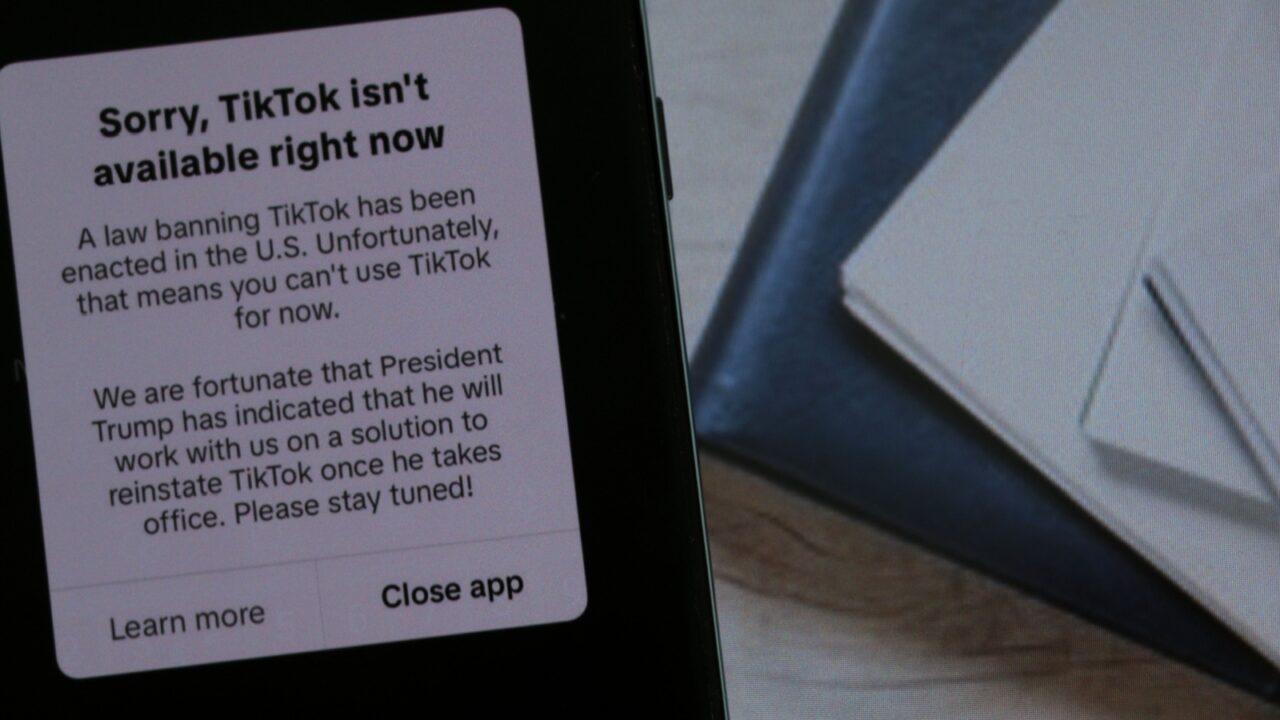
TikTok law affects travelers
TikTok has faced intense scrutiny in Washington over national security concerns tied to its Chinese parent company, ByteDance. In 2024, Congress passed legislation requiring ByteDance to divest TikTok or face a potential ban in the United States. Legal battles continue as courts review the measure and its constitutional implications.
TikTok plays a major role in shaping travel trends, from viral restaurant spots in New York City to hidden beaches in Florida. If access changes, destination marketing strategies may shift quickly. Travel creators are watching developments closely.
Instagram content rules tighten
Instagram, owned by Meta Platforms Inc., has adjusted policies in response to regulatory pressure in the United States and Europe. Lawmakers have raised concerns about youth safety and algorithm transparency. These changes influence how travel content is promoted and discovered.
Travelers often rely on Instagram for hotel reviews in Las Vegas or food recommendations in Los Angeles. Algorithm updates can limit reach for travel influencers and tourism boards. That affects how destinations gain visibility online.

State laws target minors
Several U.S. states, including Utah and Arkansas, have passed laws requiring age verification and parental consent for minors using social media. Courts are reviewing parts of these laws after technology companies challenged their constitutionality. The legal back and forth creates uncertainty for platforms and users alike.
Youth travelers and student visitors often share trips in real time from places like Orlando theme parks or Chicago festivals. Stricter rules could reduce how younger users document and post experiences. Tourism campaigns aimed at Gen Z audiences may need to adapt.
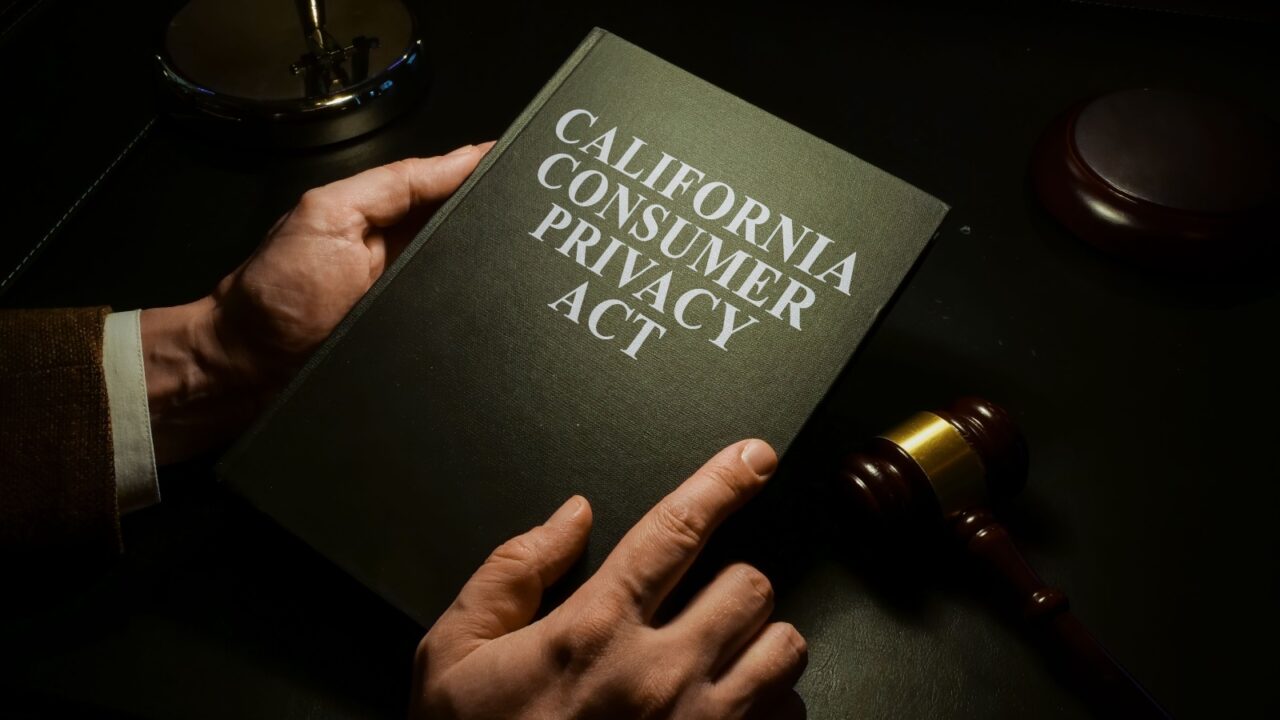
Data privacy rules expand
States such as California and Virginia have implemented comprehensive consumer data privacy laws in recent years. Travel planning frequently involves targeted ads for flights to Miami or hotel deals in Seattle. Stronger privacy protections may limit some personalized marketing practices. That could subtly reshape how travelers discover destinations.
Fact: The California Consumer Privacy Act (CCPA) gives residents the right to know what personal information companies collect about them, request deletion of that data, and opt out of the sale or sharing of their personal information.
Influencer marketing faces scrutiny
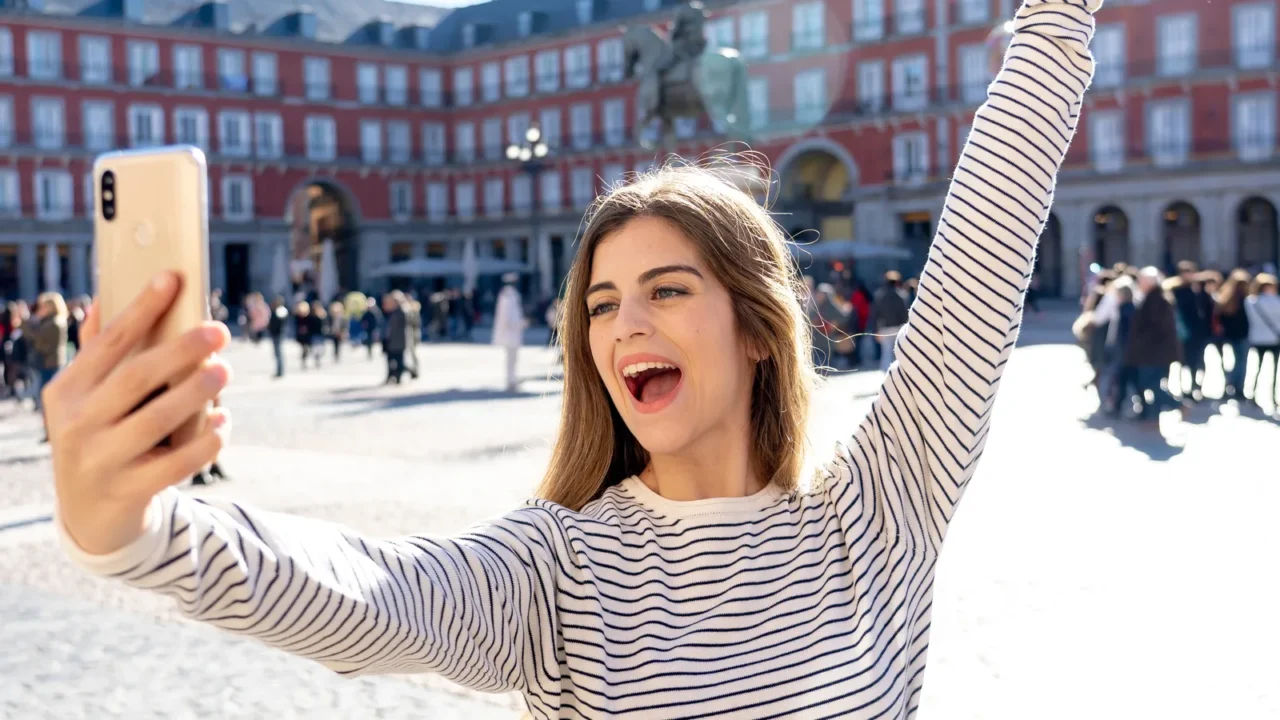
Federal regulators are also paying closer attention to influencer advertising disclosures. Transparent labeling helps audiences understand when posts are sponsored.
Travel influencers often highlight resorts in Hawaii or boutique stays in Charleston. Clearer disclosure rules could change how promotional travel content appears in feeds. Tourism boards are reviewing contracts to ensure compliance.
Fact: The Federal Trade Commission reported in 2023 that it sent warning letters to dozens of influencers and brands, reminding them to clearly disclose paid partnerships, including travel promotions, according to Reuters coverage.
Platform algorithms face oversight
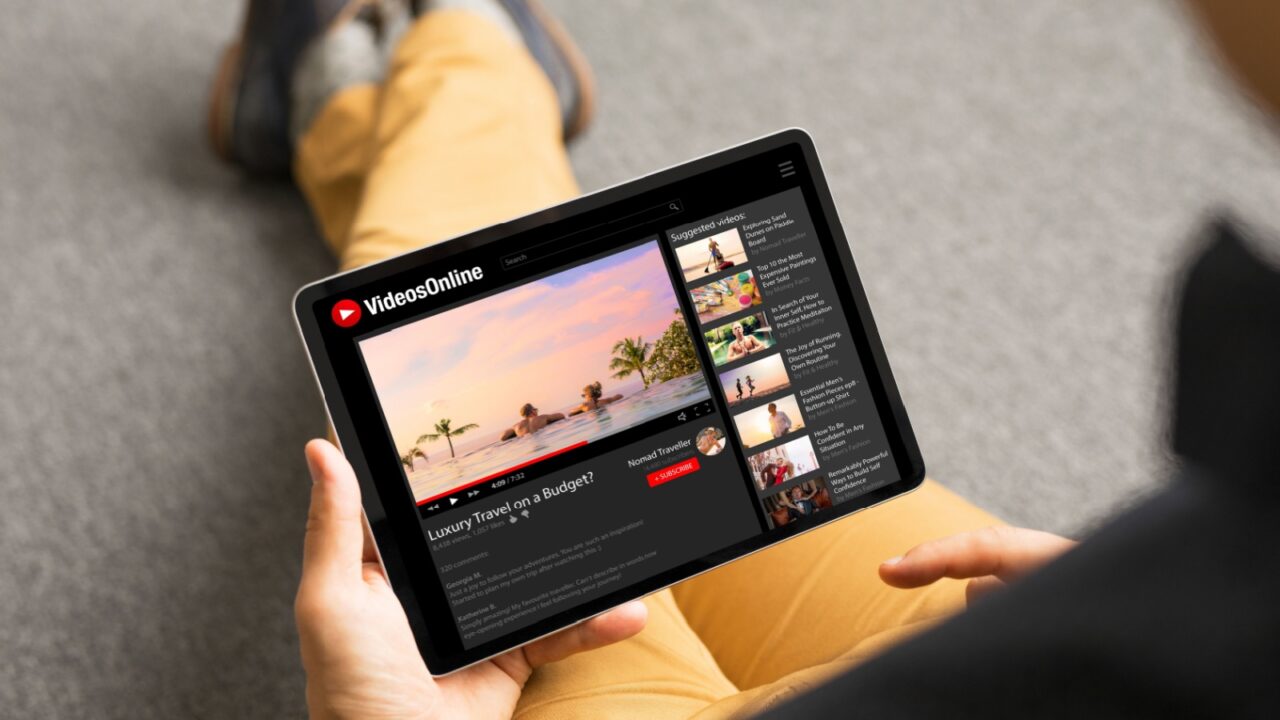
Lawmakers continue to debate whether algorithms amplify harmful or misleading content. A 2024 Pew Research Center survey found that 51% of Americans believe major technology companies should be regulated more than they are now, reflecting continued public concern about platform power and oversight. Regulatory pressure may lead to adjustments in recommendation systems.
Travel trends often depend on algorithm-driven visibility for destinations like Nashville or San Diego. If algorithms become less aggressive in pushing viral content, travel inspiration may spread more gradually. Tourism marketing strategies could evolve in response.
Tourism boards adjust strategies
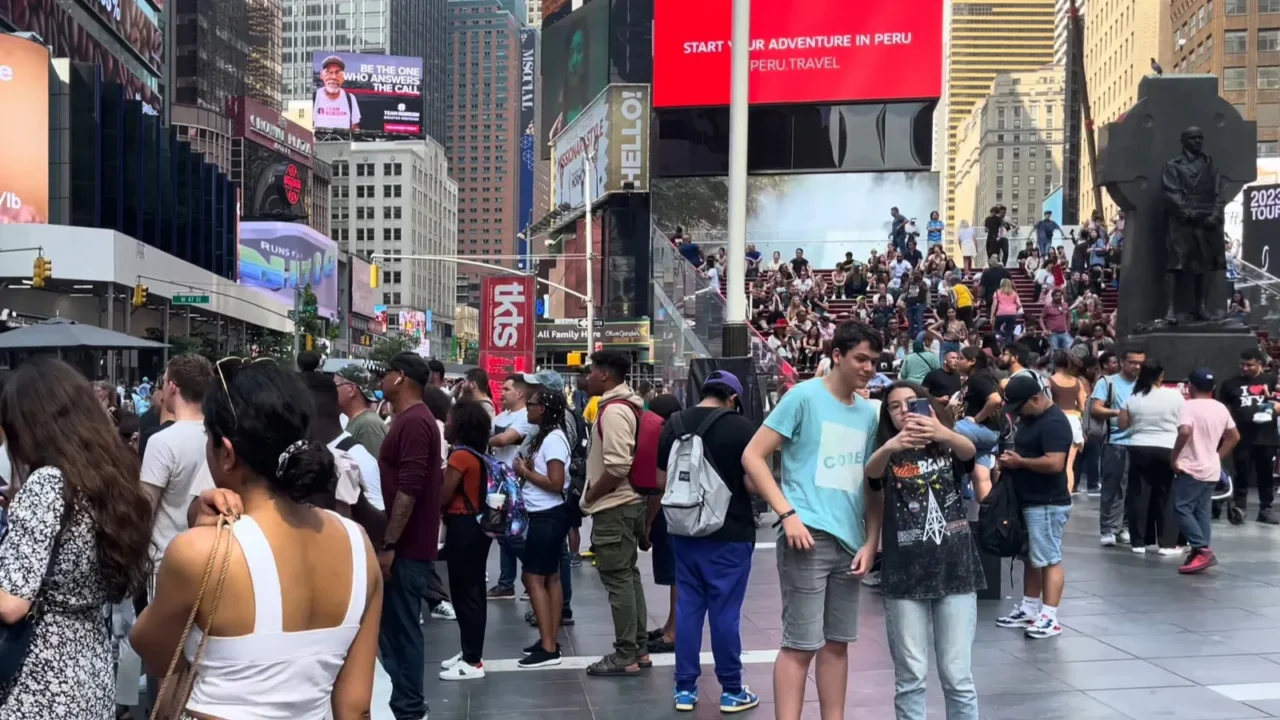
Tourism agencies across the United States rely heavily on social media to attract visitors. Visit California and NYC Tourism and Conventions use Instagram and TikTok campaigns to promote events and landmarks. Regulatory shifts could influence how these campaigns are structured and targeted.
Destination marketers may diversify into email newsletters and traditional media if platform reach fluctuates. Balanced marketing reduces reliance on a single social network. That approach helps maintain stable visitor interest.
Creators rethink travel content
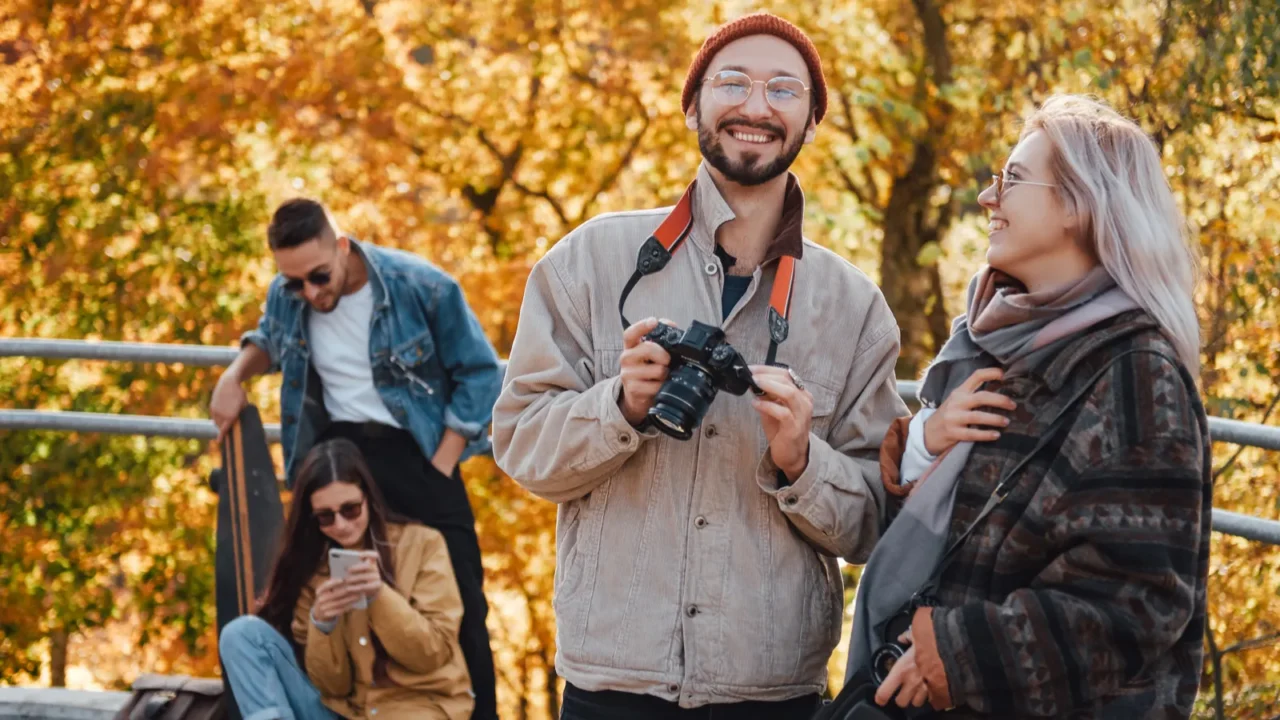
Content creators are adapting to evolving legal and platform environments. Some are expanding to YouTube or launching independent newsletters to reduce dependence on one platform. Diversification offers stability amid regulatory uncertainty.
Travel creators covering destinations like Yellowstone National Park or New Orleans festivals are watching policy debates closely. Changes in monetization rules can affect income streams tied to travel content. Flexibility is becoming part of the creator business model.

Travel planning habits shift
Americans increasingly combine social media research with traditional travel websites. Platforms such as Expedia and Booking.com remain central to final booking decisions. Social media often sparks initial inspiration rather than completing the purchase.
If new laws alter how content spreads, planning behavior could become more deliberate. Travelers may rely more on verified reviews and official tourism sites. That change may encourage more informed trip decisions.

Legal battles continue nationwide
Many social media laws face ongoing court challenges in federal courts. Technology companies argue that certain restrictions may violate First Amendment protections. Judges are weighing public safety concerns against free speech rights.
These rulings could determine how platforms operate in the years ahead. Travel marketing strategies depend heavily on stable digital ecosystems. Continued legal developments will shape online travel conversations.
Global rules influence U.S.
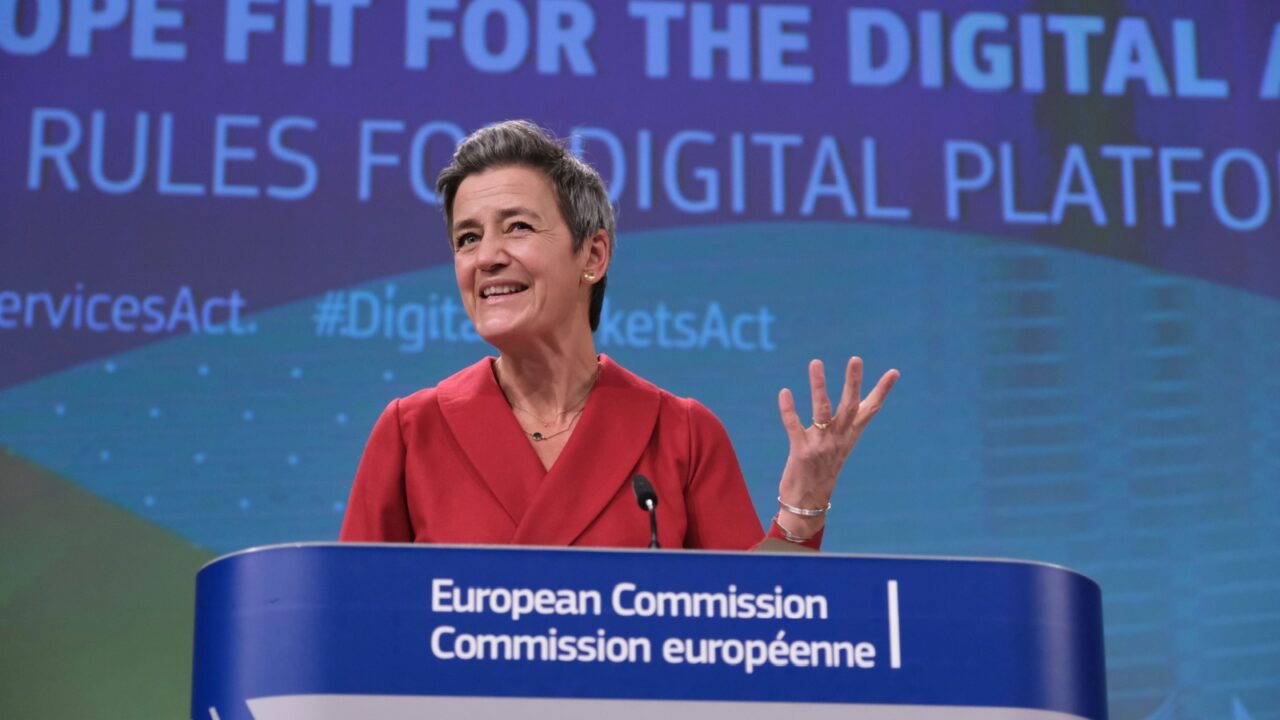
International regulations also affect American social media users. The European Union Digital Services Act imposes stricter transparency requirements on major platforms operating globally. U.S. companies often align policies across markets to simplify compliance.
Travelers posting from Paris or Rome may notice similar content moderation standards applied worldwide. Global rulemaking influences how travel stories are shared beyond U.S. borders. In addition, more countries are creating tourist conduct laws that travelers must follow, affecting behavior at destinations and shaping responsible travel practices. This interconnected environment shapes digital tourism narratives.

Travel sharing enters new era
New social media laws are gradually reshaping how Americans discover and document trips. Platforms remain central to travel culture, but regulatory frameworks are evolving. Destinations from Miami Beach to the Grand Canyon still thrive on digital storytelling.
As policy debates continue, tourism boards and creators are adapting to a changing landscape. Social media remains powerful, though its rules are shifting.
How might new regulations influence where travelers look for inspiration next? Share thoughts below.
This slideshow was made with AI assistance and human editing.
Don’t forget to follow us for more exclusive content right here on MSN.
Read More From This Brand:
