The American price crisis
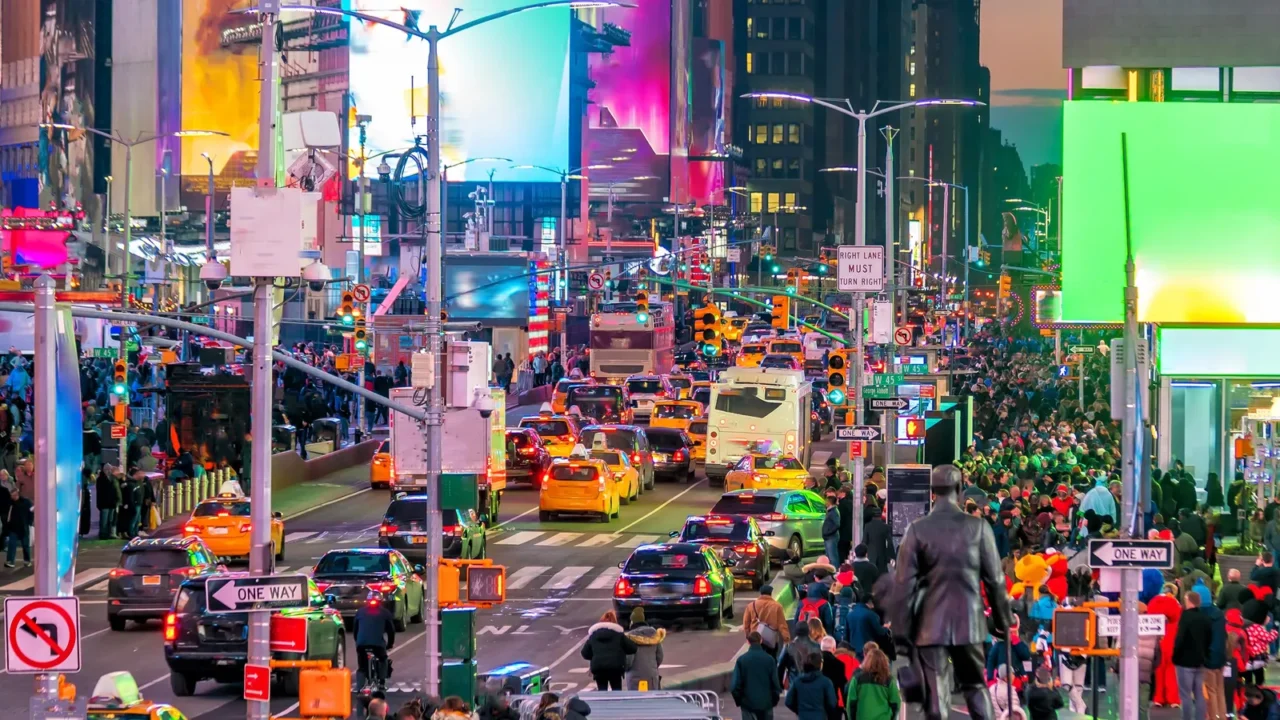
From New York City to Honolulu, American cities have become financial pressure cookers. Housing, groceries, and transportation do not just strain budgets, they force impossible choices on millions of ordinary people every single day.
This series unpacks the economic, geographic, and political forces driving everyday costs to extraordinary heights across the United States. The numbers are brutal, and the human story sitting behind them is even harder to read.
New York City
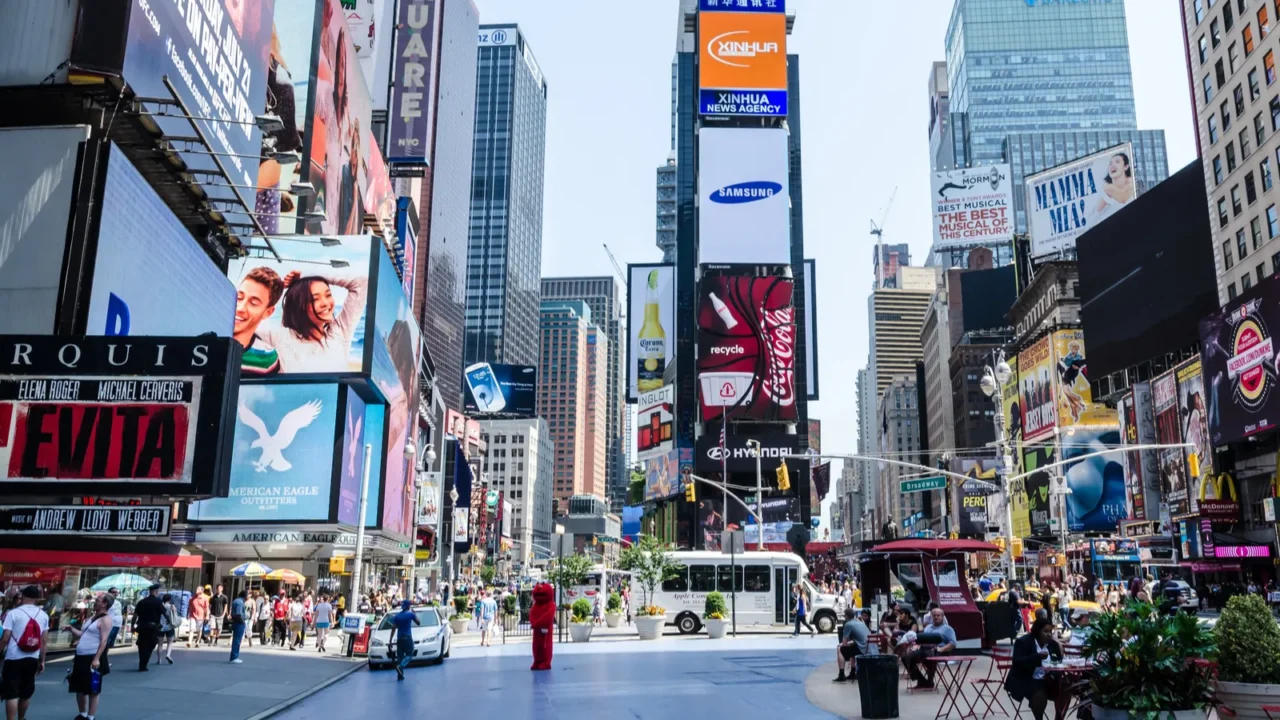
New York City holds the title of America’s most expensive metro, and 8.3 million residents feel it daily. The average Manhattan one-bedroom costs more than $3,800 monthly, while groceries are 30% higher than the national average, a gap that hits middle earners the hardest.
Outdated zoning codes written decades ago, chronic underinvestment in public housing, and a financial sector inflating top salaries while middle earners fall further behind have built a city structurally designed to stay unaffordable forever.

San Francisco
San Francisco’s median home price crossed $1.2 million in 2023. Decades of restrictive zoning collided with an explosion of tech wealth, and the city simply could not build fast enough to absorb either force pulling it in opposite directions at once.
When Google and Meta flooded the market with six-figure salaries, teachers and nurses got outbid on the same apartments. Baristas and billionaires share zip codes in San Francisco, just not the same financial universe.
Honolulu
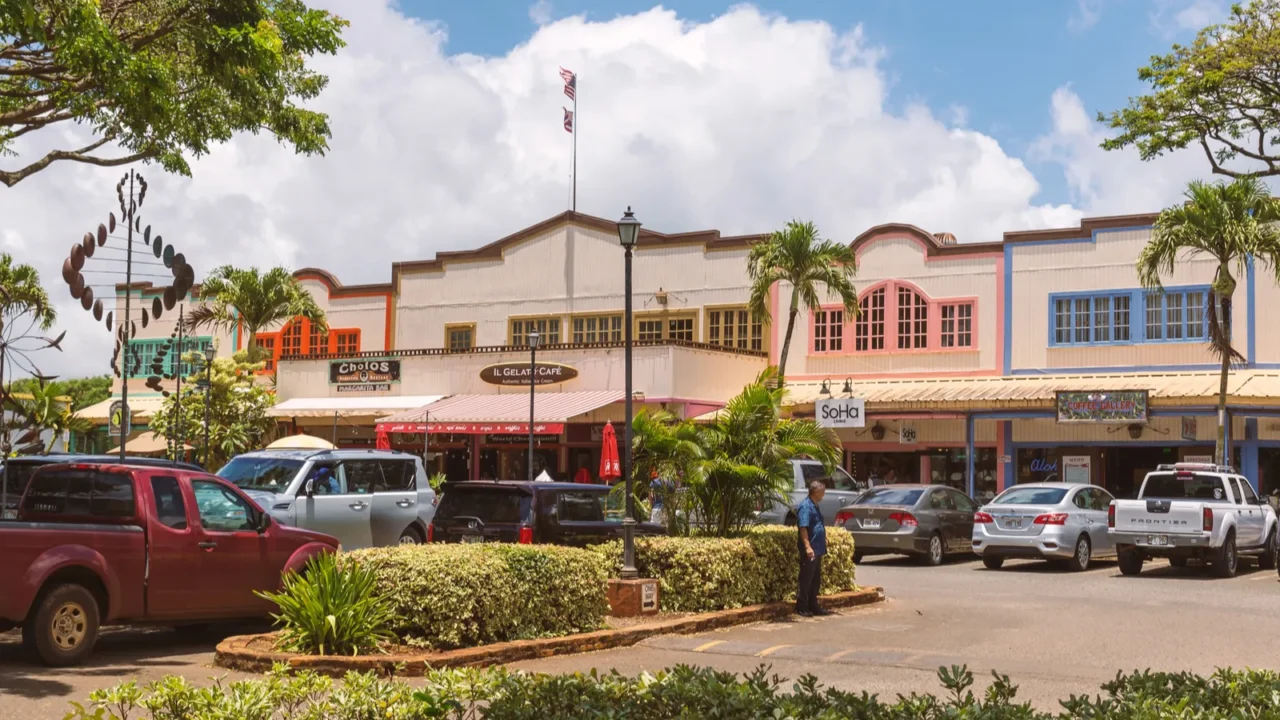
Honolulu ranks among America’s three priciest cities, and geography shoulders the blame. Because most goods must be shipped thousands of miles, Honolulu’s grocery and food prices are substantially higher than many mainland metros; depending on the item and price index, some staples can cost decades-percent more than the mainland average. Exact differences vary by product and data source. The median home sits near $830,000, far beyond what tourism and service wages can reach.
Fun fact: Hawaii is the only U.S. state where billboards are completely illegal, a ban enacted in 1927 to protect scenic beauty that paradoxically drove Honolulu land values even higher, making it one of the most coveted real estate markets in the nation.
Boston
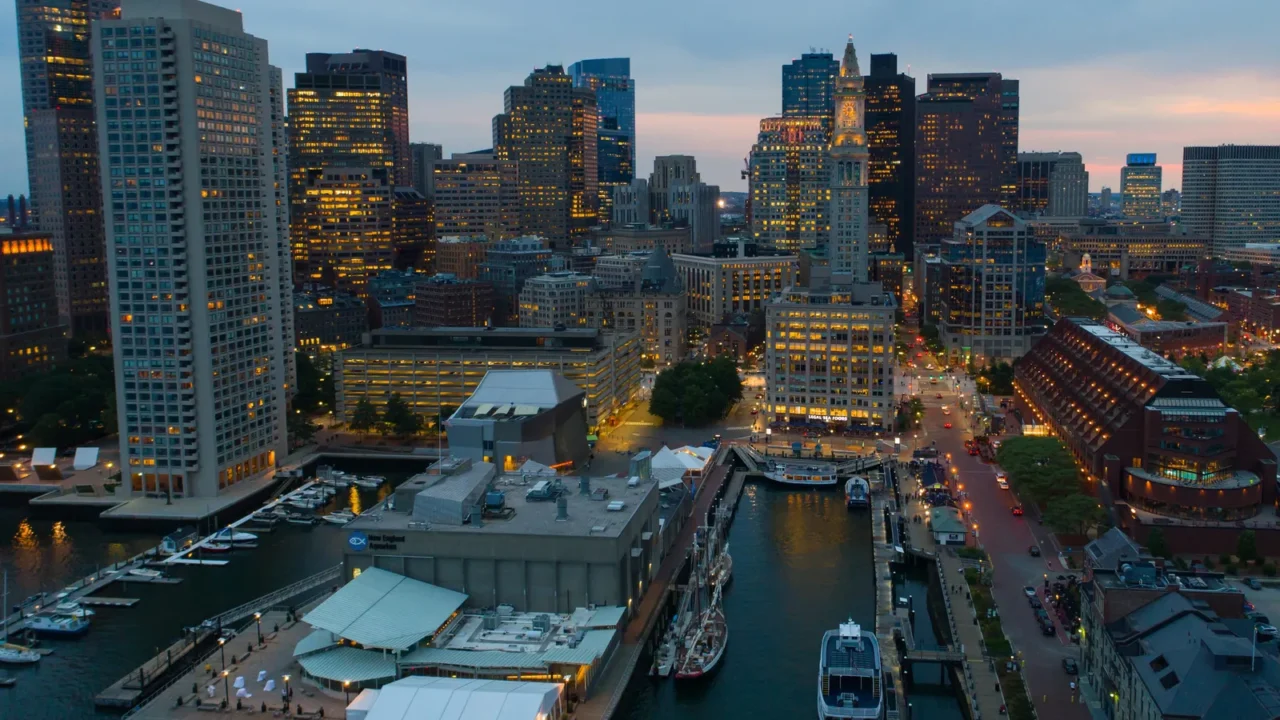
Boston’s unusually large cluster of colleges and universities (well over 50 institutions in the metro area) sustains year-round housing demand from students, staff, and related services; institutions such as Harvard, MIT, and Northeastern are major economic actors in the region.
Constrained geography (the Charles River, coastal edges) and local resistance to dense development in some suburbs limit supply growth. In high-demand neighborhoods like Back Bay, two-bedroom rents commonly range in the mid-$3,000s to $5,000+ depending on the unit and listing — a level many nurses and teachers find unaffordable.
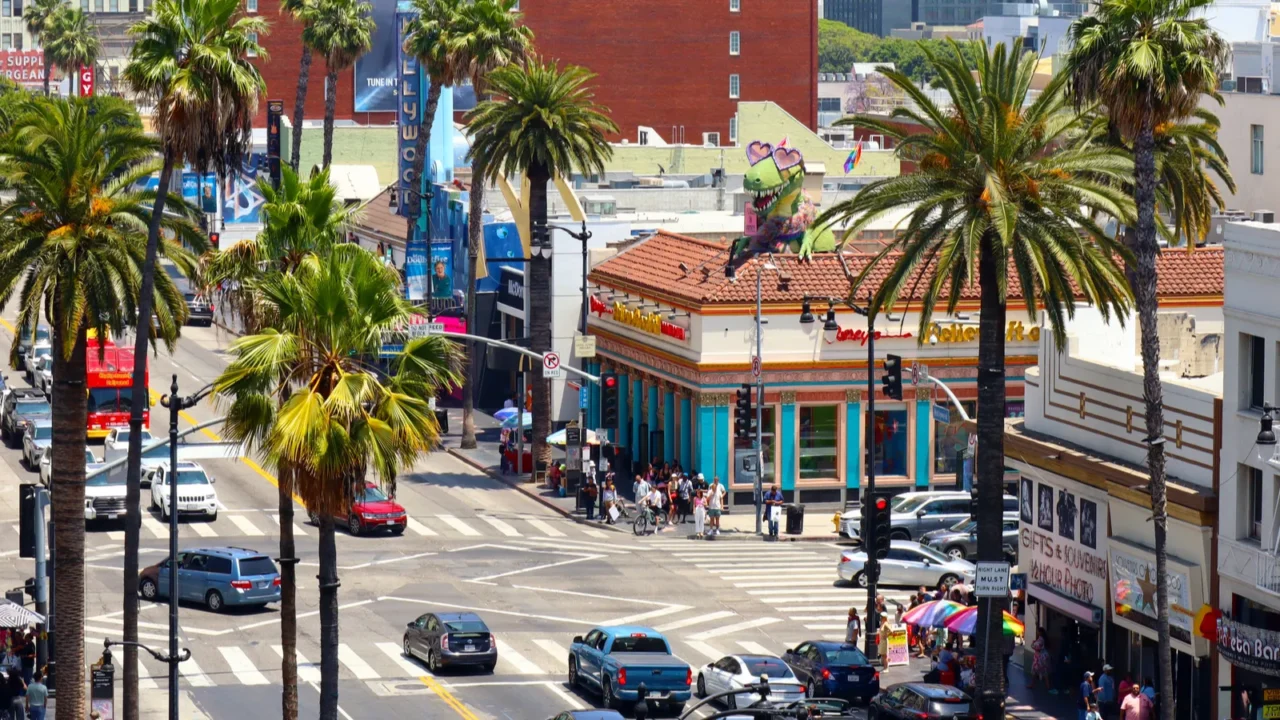
Los Angeles
Los Angeles sells the American dream hardest and charges more for it than almost anywhere else. Median home values across Los Angeles County have been reported in the high-six-figure range in recent years (roughly $800k–$900k depending on the data series and month).
Fun fact: LA County has an estimated 8.1 million registered vehicles, more than one car per resident, because public transit barely covers the sprawl, making car ownership practically mandatory and pushing transportation costs among the nation’s highest.
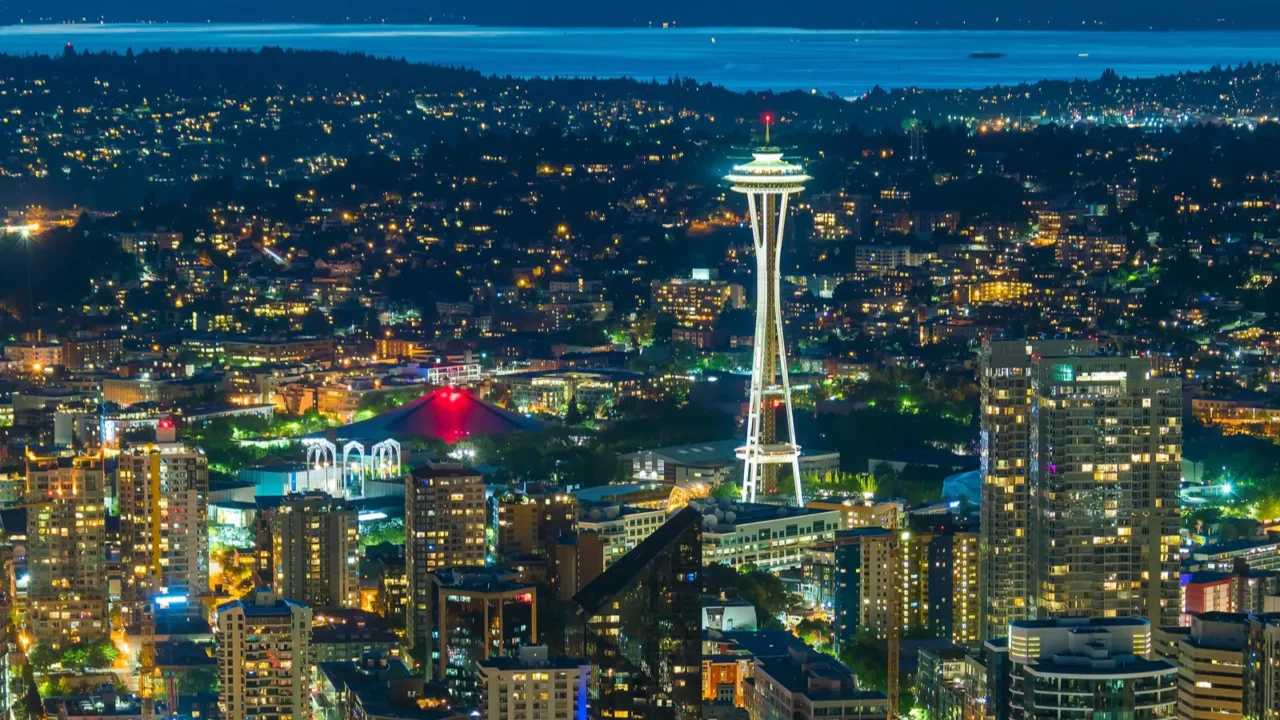
Seattle
No single company reshaped a city’s cost of living more dramatically than Amazon reshaped Seattle. Its South Lake Union expansion doubled median home prices from roughly $400,000 in 2012 to over $800,000 by 2023, a decade of demand the city never saw coming.
Capitol Hill and Ballard, once genuinely affordable, are now playgrounds for tech workers with signing bonuses. Artists, educators, and small business owners have been quietly pushed to suburban rings or out of the metro entirely.
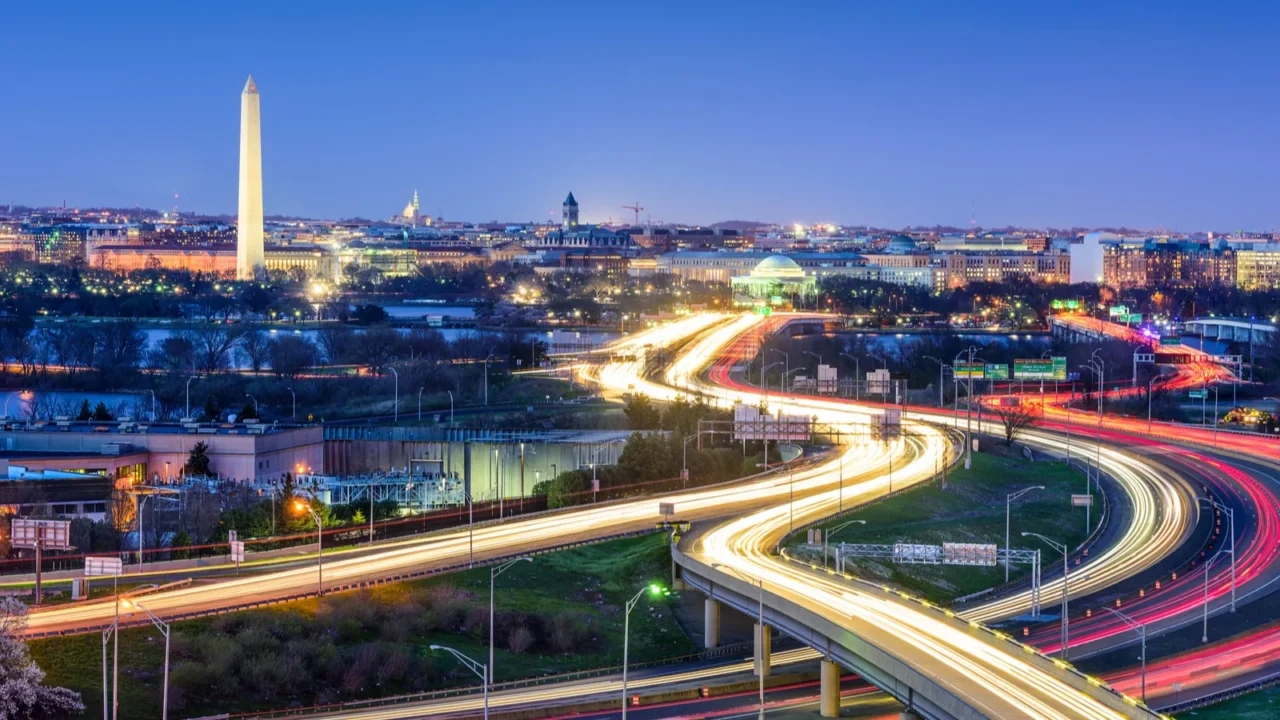
Washington, D.C.
Washington, D.C., runs two economies simultaneously. Federal lawyers and lobbyists earn handsomely while sanitation workers and Metro operators face median one-bedroom rents of $2,600 monthly. Those two financial worlds exist side by side and rarely intersect in any meaningful way.
Fun fact: D.C. law caps building heights at just 130 feet, a restriction the Brookings Institution confirms has left downtown Washington effectively full, unable to grow upward, and pushing rents 63% above what development costs alone would justify.
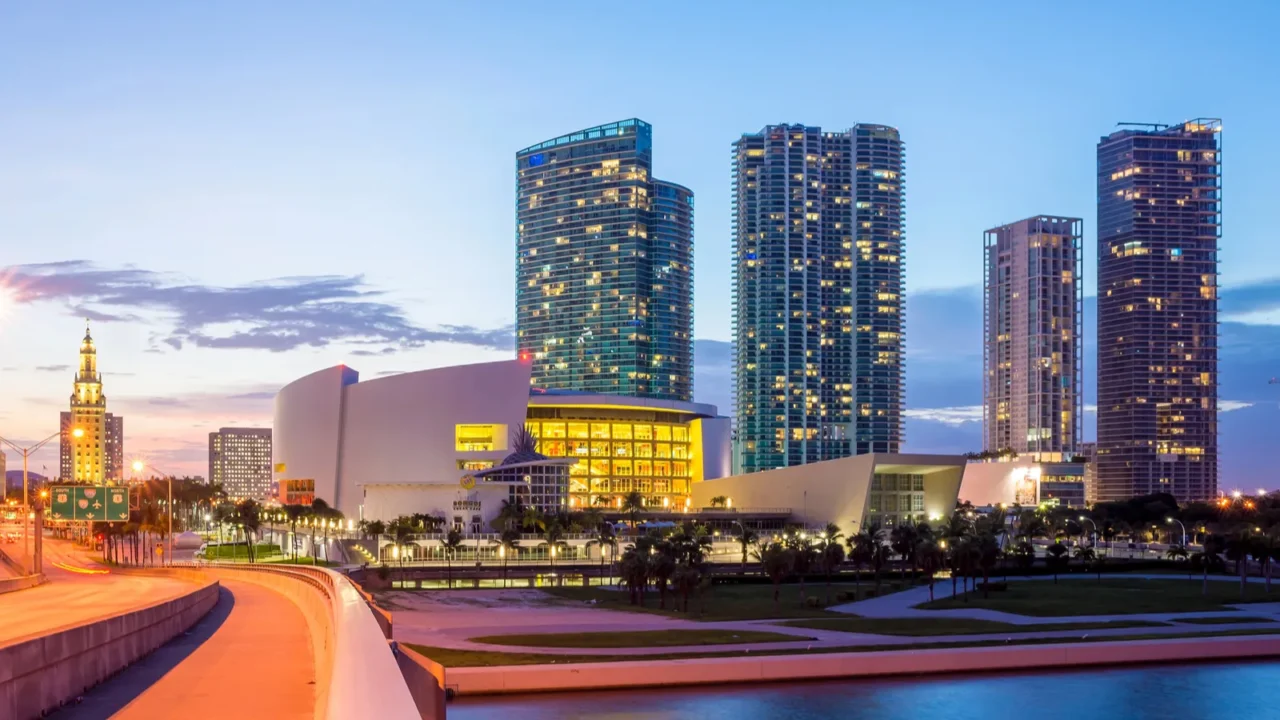
Miami
Miami’s rise into one of America’s priciest cities happened fast. Remote work in 2020 triggered a flood of high earners from New York and California. Within eighteen months, the affordability they sought had vanished. The median home price climbed from $420,000 in 2019 to $615,000 by 2023.
Long-term residents of Little Havana and Liberty City watched rents surge 50% in just a few years. Evictions climbed, displacement spread. Miami now ranks among the least affordable cities relative to local wages, and the glamour barely hides the damage underneath.
Denver
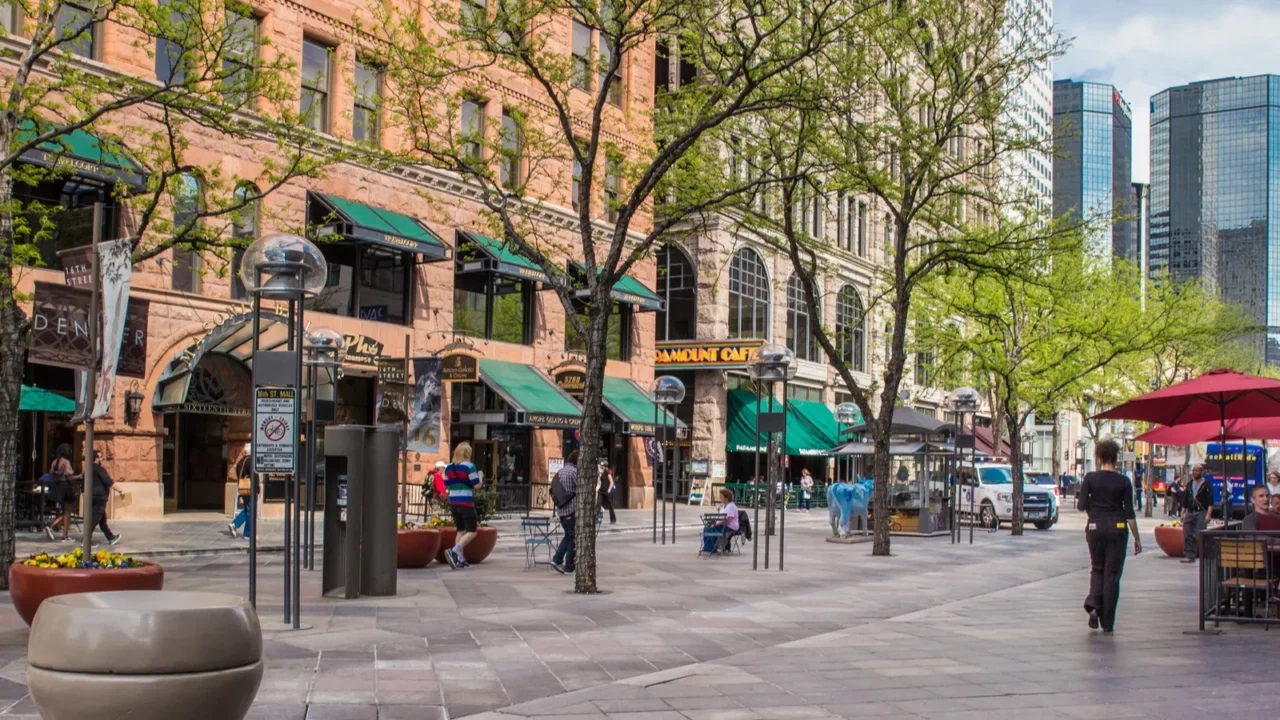
Denver was never supposed to be expensive. Then cannabis legalization brought investment, tech followed, and coastal transplants arrived chasing the mountains and what seemed like reasonable prices. The median home hit $580,000 by 2023, up from just $225,000 a decade earlier.
RiNo and Highland, once working-class strongholds, are unrecognizable today. The mountains remain. The wildlife remains. But the Denverites who built their lives there have been largely relocated to Aurora and Lakewood, priced out of their own city.
The zoning laws
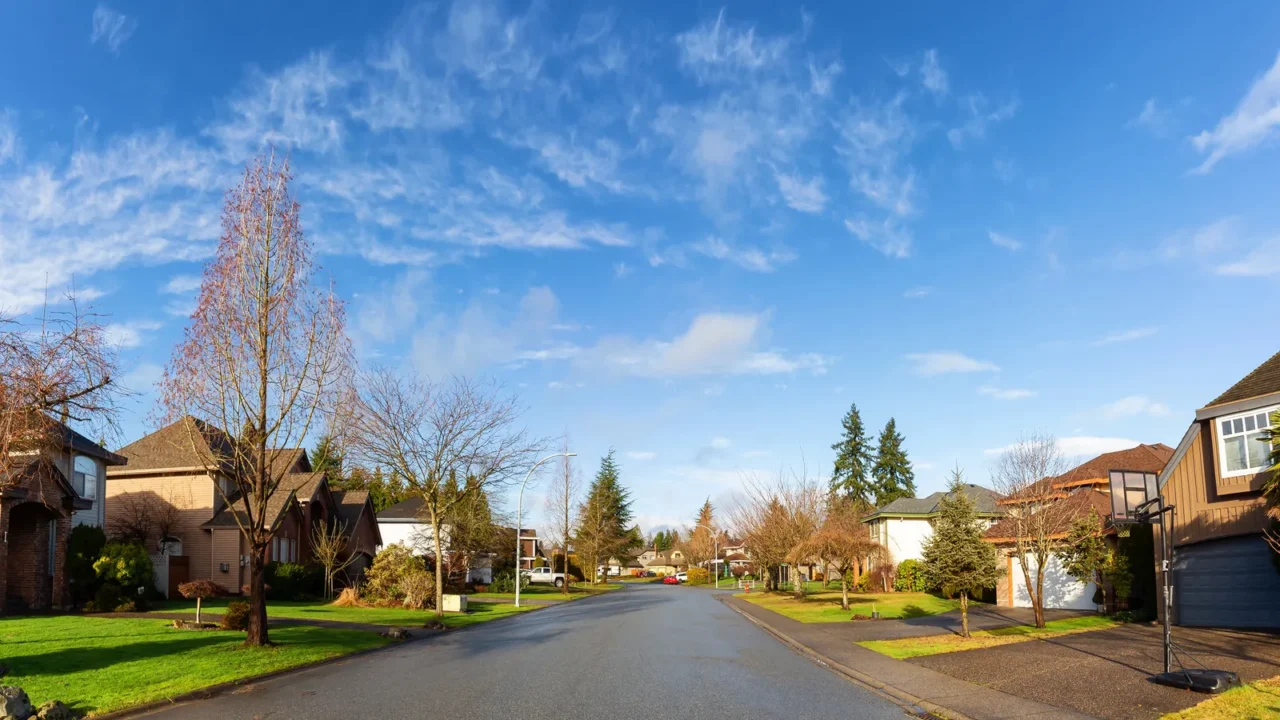
Every expensive city in this series shares one invisible thread: zoning. Single-family laws restricting vast residential land to one house per lot are America’s single biggest structural housing barrier. When supply cannot meet demand, prices climb. Period.
Minneapolis’s 2040 plan eliminated single-family zoning restrictions in 2018, allowing more diverse housing types citywide. Early studies and policy analyses suggest the change has supported additional housing options and put downward pressure on price growth relative to counterfactual scenarios — though outcomes vary across cities and depend on many local factors.
Families are leaving
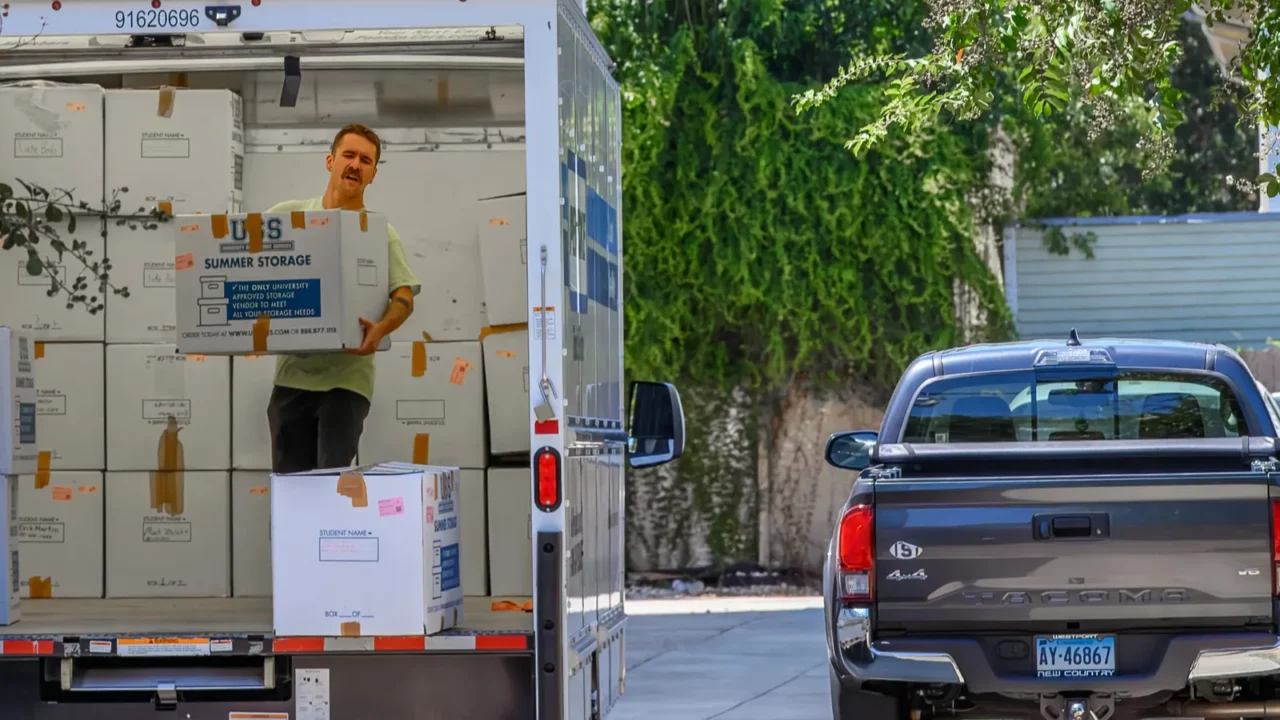
People are leaving expensive cities in record numbers. U.S. Census Bureau data confirms New York, California, and Illinois recorded the largest net population outflows of 2022 and 2023. Texas, Florida, Tennessee, and the Carolinas absorbed the overwhelming majority of those movers.
But Austin and Nashville quickly overheated under that same arrival wave. Raleigh, Charlotte, and Boise saw double-digit rent spikes. The affordability crisis is no longer coastal, it is spreading inward, city by city, chasing the people who fled, and the small towns absorbing all of it are a story of their own.

What it costs to stay put
Behind every statistic in this series sits a real person, someone who built a life in a neighborhood and is now being quietly priced out of it. The true cost of expensive American cities is not measured in median home prices. It lives in kitchen table conversations.
Cities making real progress share one trait: they stopped treating housing as a luxury and started treating it as infrastructure. Until that shift happens nationally, the price of simply belonging somewhere will keep climbing, though a handful of cities redesigning themselves right now may just prove everyone wrong.
Does your paycheck actually belong to your city or just to your landlord? Let us know in the comments which city is draining your wallet the most.
This slideshow was made with AI assistance and human editing.
Don’t forget to follow us for more exclusive content right here on MSN.
Read More From This Brand:
