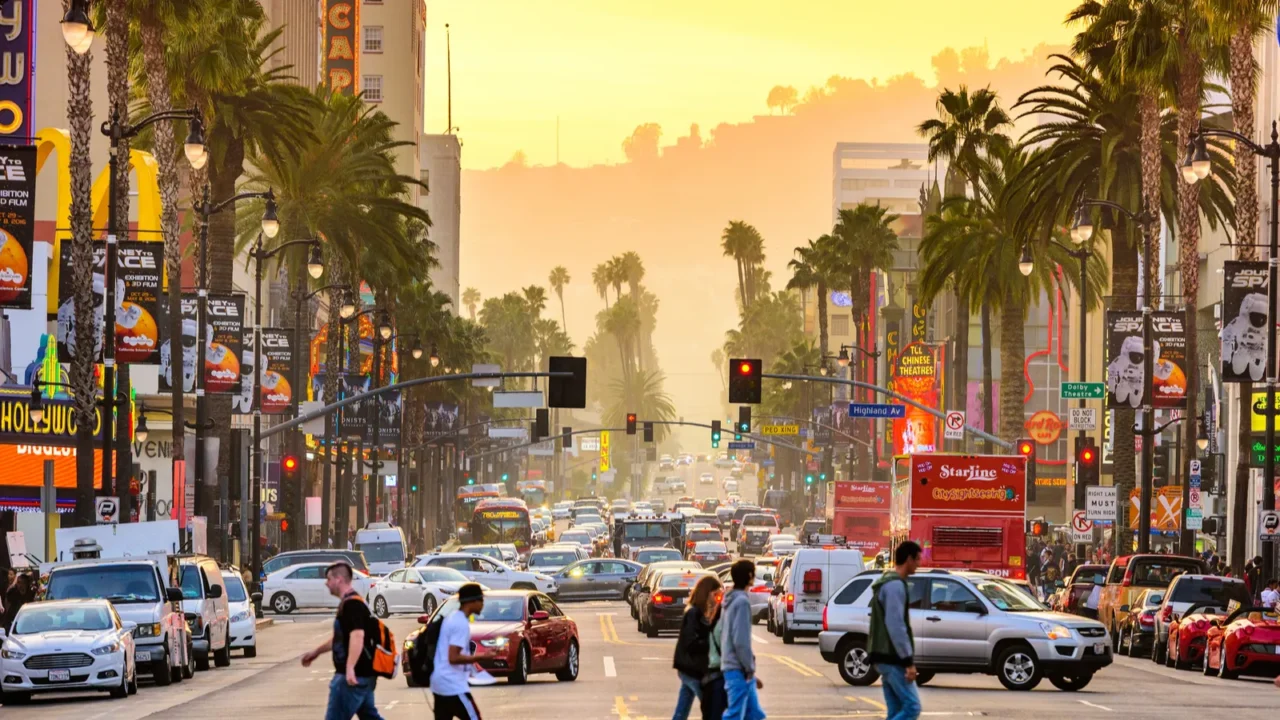
America’s three giants go quiet
New York City, Miami, and Los Angeles rank among the most visited cities in the United States, collectively drawing tens of millions of travelers annually.
In 2025, softer international demand, trade-related tensions, and weaker traveler sentiment began weighing on major U.S. gateway cities, including New York, Miami, and Los Angeles. The shift exposed how even the country’s best-known destinations remain vulnerable when overseas travel slows.
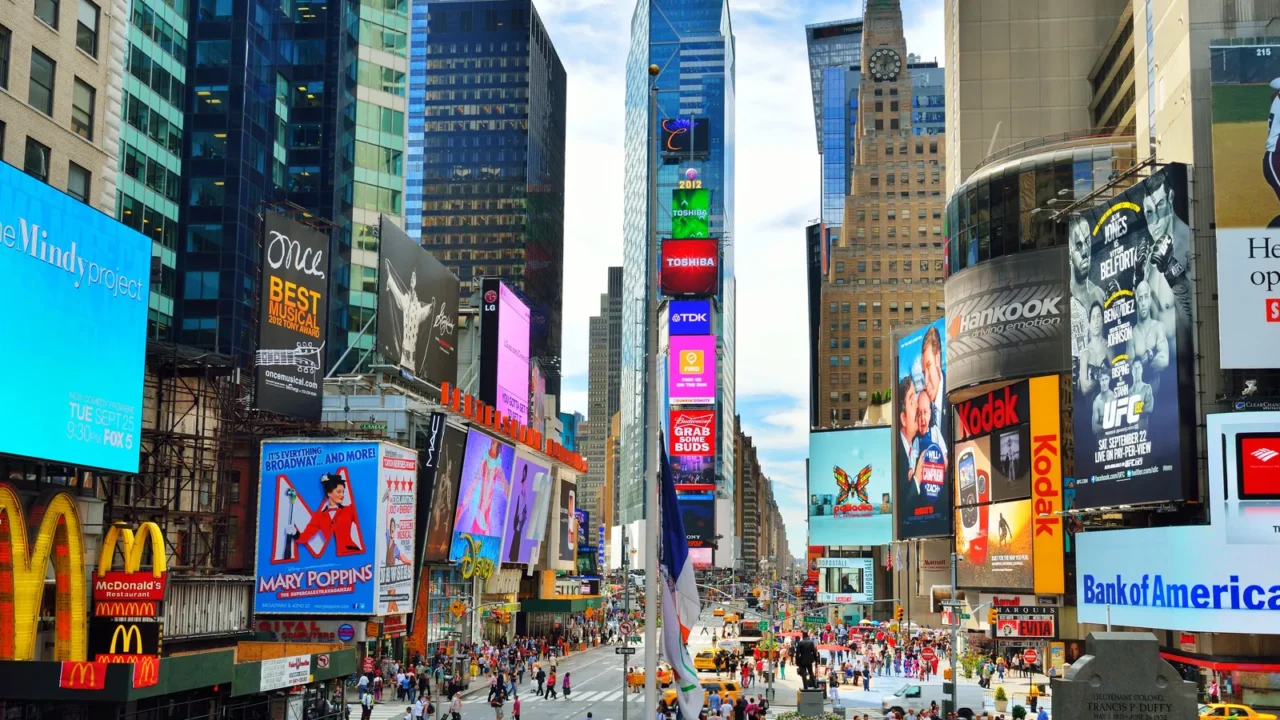
New York’s numbers are slipping
New York City welcomed 65 million visitors in 2025, up 0.7% overall, but the headline obscures a more uncomfortable truth beneath it.
International arrivals dropped 3.2% to 12.5 million visitors, while the city finished the year below its overall 67 million visitor forecast. Domestic travel growth helped offset part of that international softness. NYC Tourism revised expectations as international demand weakened and broader trade-policy tensions affected sentiment in key overseas markets. The result was a modest overall gain for the city, but a noticeable pullback in foreign visitation.
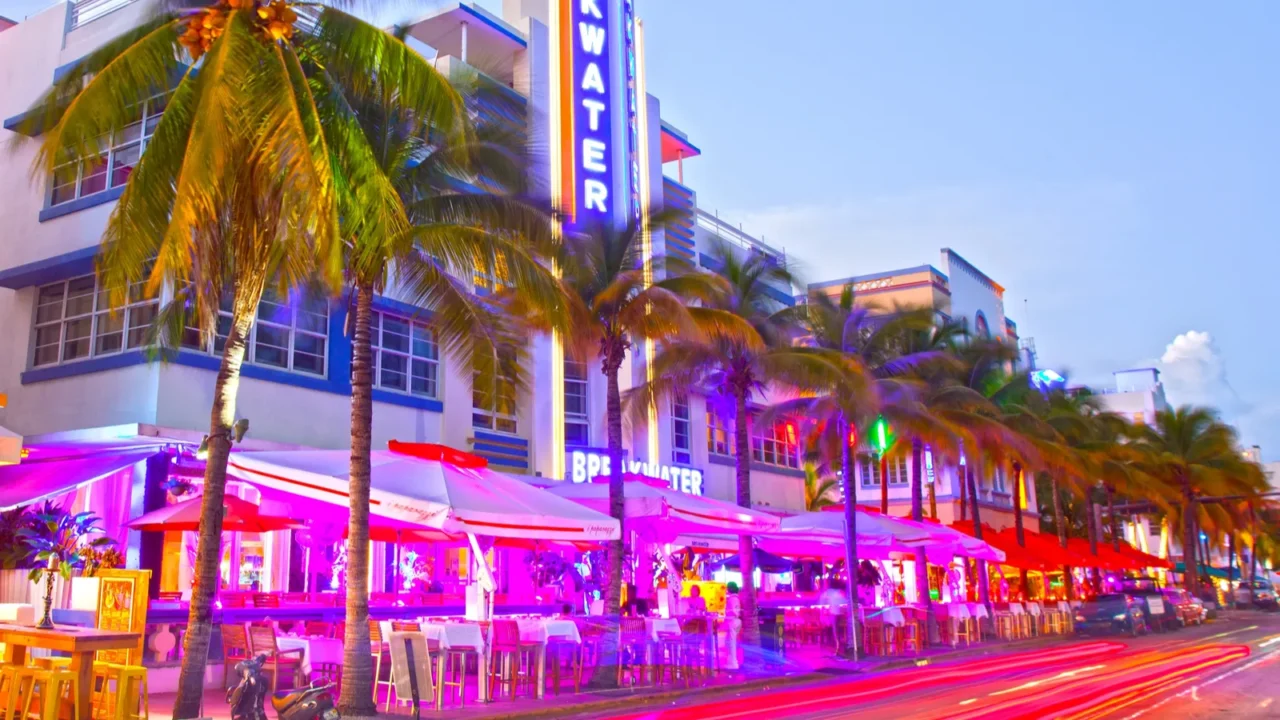
Miami adapts to steady growth
Miami-Dade County welcomed a record 28.23 million visitors in 2024, generating roughly $22 billion in direct spending. But 2025 arrived with immediate headwinds.
The Greater Miami Convention and Visitors Bureau projected a decline in international visitors for the year, with Canadian arrivals already down 4% in 2024, and international passenger numbers at Miami Airport softening noticeably from January onward amid growing global uncertainty about U.S. travel conditions.
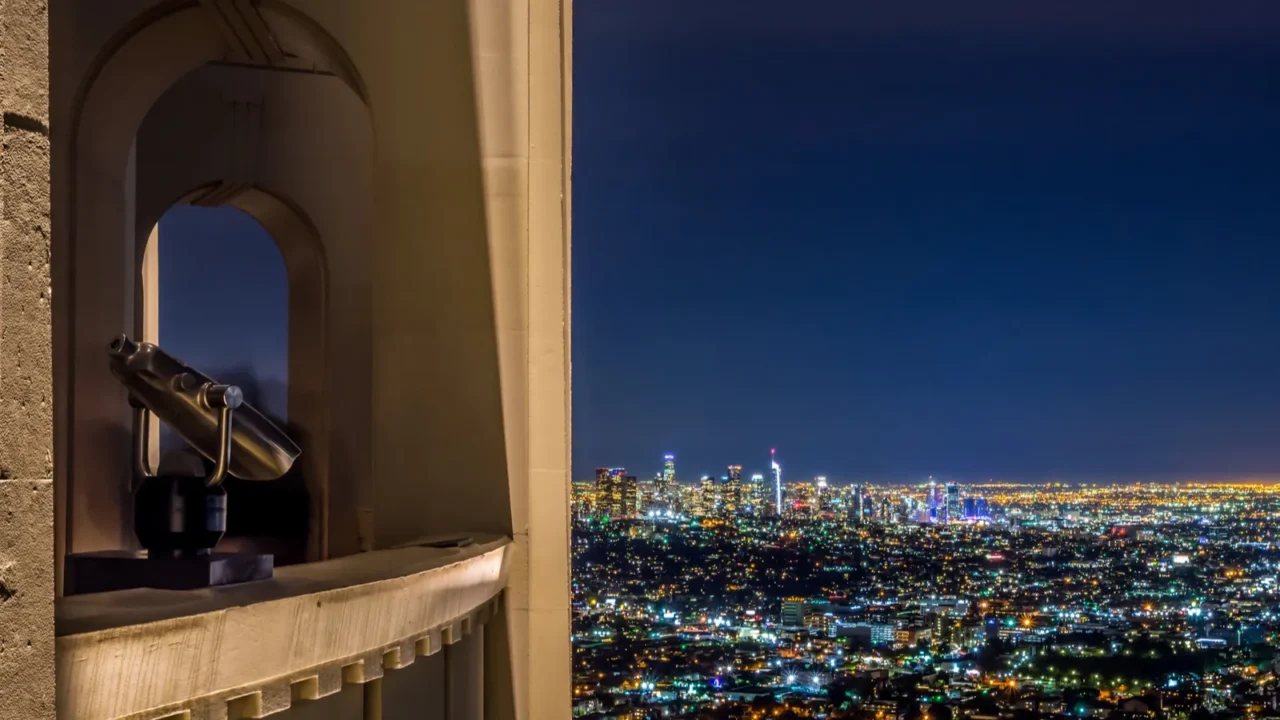
Los Angeles holds strong appeal
Los Angeles reached approximately 79% of its 2019 international visitor levels coming out of the pandemic. Visit California projected a 9% drop in international tourism for 2025, citing weakening traveler sentiment and reduced airlift from key global markets. The 2025 Los Angeles wildfires added another layer of disruption, especially in affected coastal areas, even though many of the region’s major attractions continued operating. That contrast complicated traveler perceptions during an already fragile recovery period.
Fact: LAX welcomed 73.71 million passengers in 2025, a 3.76% drop from 2024, with international arrivals down 1.63%, keeping the airport roughly 16% below its 2019 record, according to the LAX 10-Year Passenger Summary.

Weaker dollar aids visitors
The U.S. dollar weakened meaningfully in 2025, falling roughly 8% on a broad trade-weighted basis and closer to 10% against some major currencies. That shift made U.S. trips somewhat cheaper for many foreign visitors, at least on paper.
But the benefit was largely offset by persistent policy anxiety, with international travelers from Canada and Western Europe expressing concern about immigration enforcement, border detentions, and a general sense of being unwelcome in the country.

Overtourism backlash hits home
Global conversations about overtourism are no longer just a European problem playing out in Barcelona or Amsterdam. Residents in Miami Beach and neighborhoods across Los Angeles have pushed back loudly against short-term rental saturation and the price inflation that sustained tourist demand drives into everyday life.
That growing community resistance is actively reshaping how travelers perceive these cities, with many now gravitating toward destinations where locals appear genuinely glad they came.
New York’s hotel market tells all
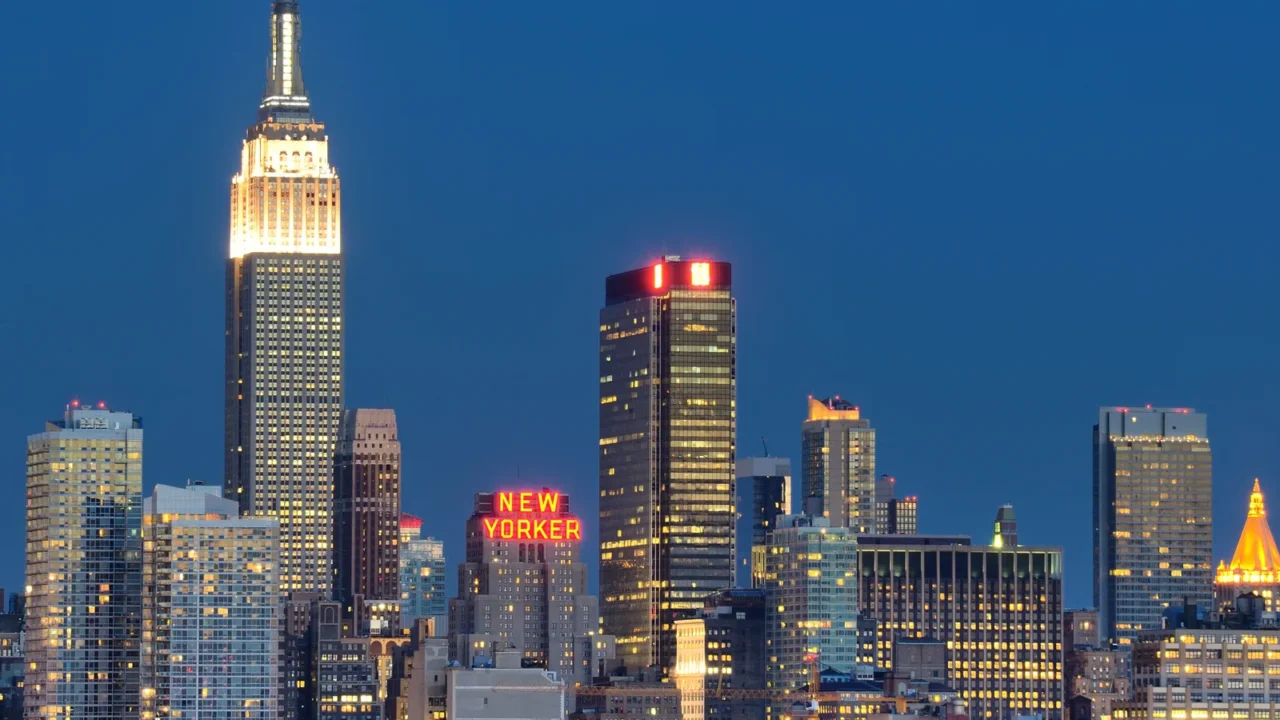
New York City topped U.S. markets with an impressive 84.2% occupancy rate in 2025. But the recovery is far from uniform across segments. Midscale properties fell 7% to 76.7% occupancy while luxury hotels climbed to 82.2%, with overall RevPAR growing more than 4% for the year.
Affluent domestic travelers are effectively filling the gap left by declining international arrivals, holding the city’s broader hotel economy together even as the international visitor base continues to contract.
Emerging cities are stealing the spotlight
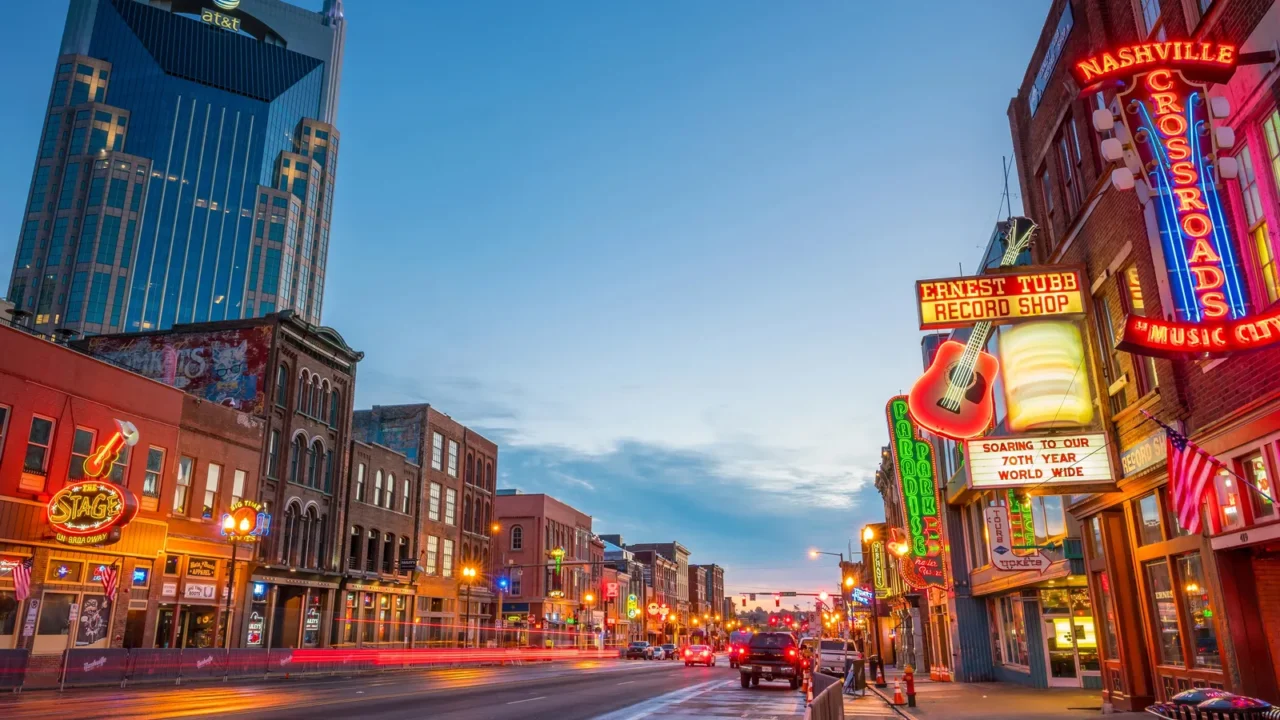
While New York, Miami, and Los Angeles navigate real headwinds, Nashville is breaking records. Davidson County projected 17.3 million visitors for 2025, the most in the city’s history, with 2024 visitor spending reaching approximately $11.4 billion.
That momentum is especially striking given the sharp decline in Canadian travel to the United States during 2025. Monthly Canadian data showed return trips from the U.S. falling by more than 20% year over year at several points during the year. Nashville’s combination of authenticity, affordability, and a relentless year-round events calendar is proving more powerful than any famous coastal skyline right now.
Miami Beach rebrands in real time
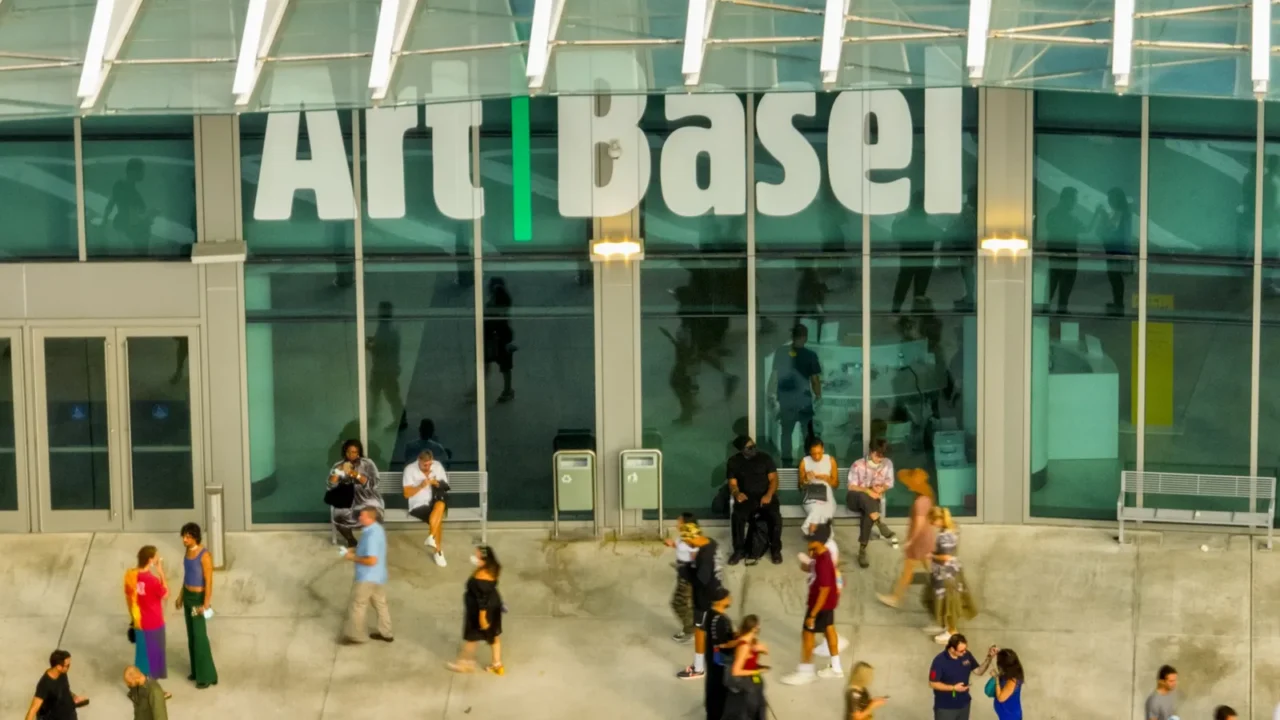
Miami Beach is not sitting still while visitor dynamics shift around it. City officials and the tourism board have actively begun repositioning the destination away from party-focused spring break crowds toward higher-spending cultural travelers who stay longer and engage more deeply. Art Basel remains the cornerstone of that strategy, drawing serious collectors and design enthusiasts who contribute far more economically than the typical spring breaker ever could.
Fact: Miami Beach said the 2024 edition of Art Basel Miami Beach drew more than 75,000 attendees and generated an estimated $547 million in economic activity. That makes it one of the city’s most powerful annual tourism and cultural events.
Los Angeles and the conference economy
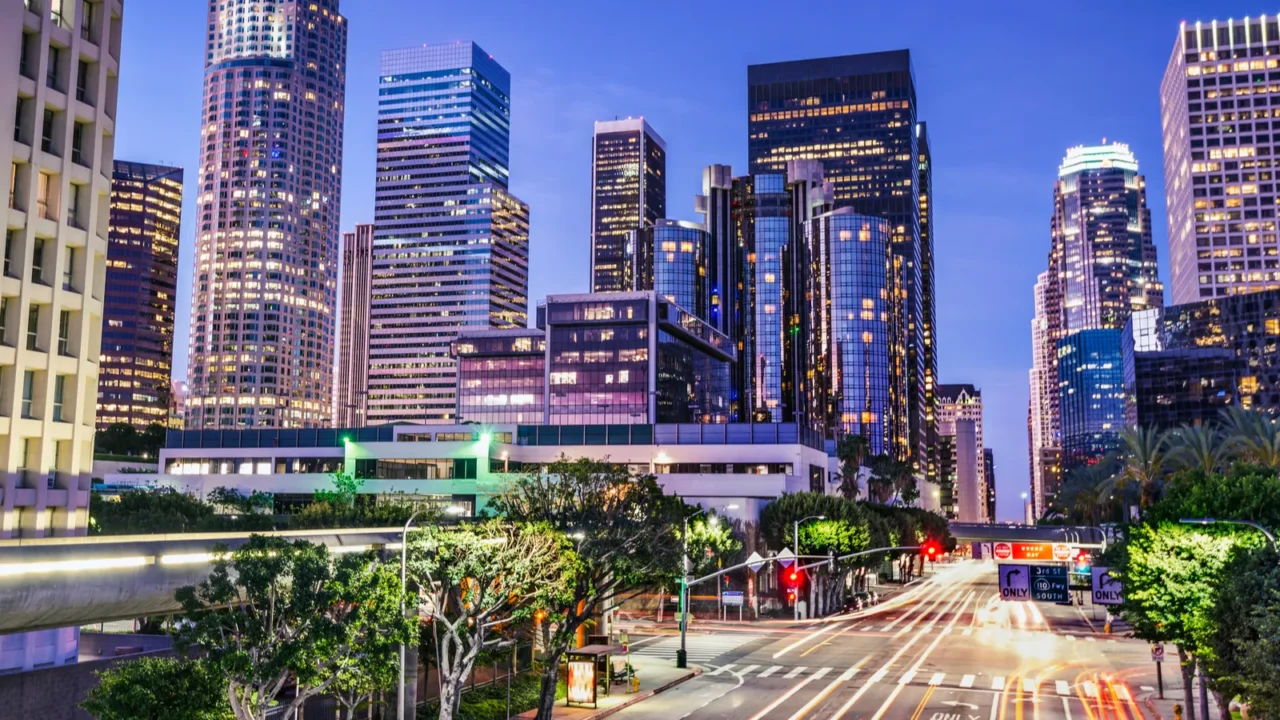
Los Angeles tourism supported more than 540,000 jobs across the county and generated more than $40 billion in local business sales in 2023. Even so, the region has continued to lag some other major U.S. markets in its post-pandemic recovery. Business travel and large-scale conferences have become the primary buffer against softening leisure numbers, keeping hotel and hospitality revenue from falling further.
Visit California’s 2025 outlook pointed to softer international demand, citing weaker traveler sentiment and limited airlift from key global markets. Later forecasts showed international visits to the state declining in 2025, though the extent of the drop varied by market.
What the airlines are signaling
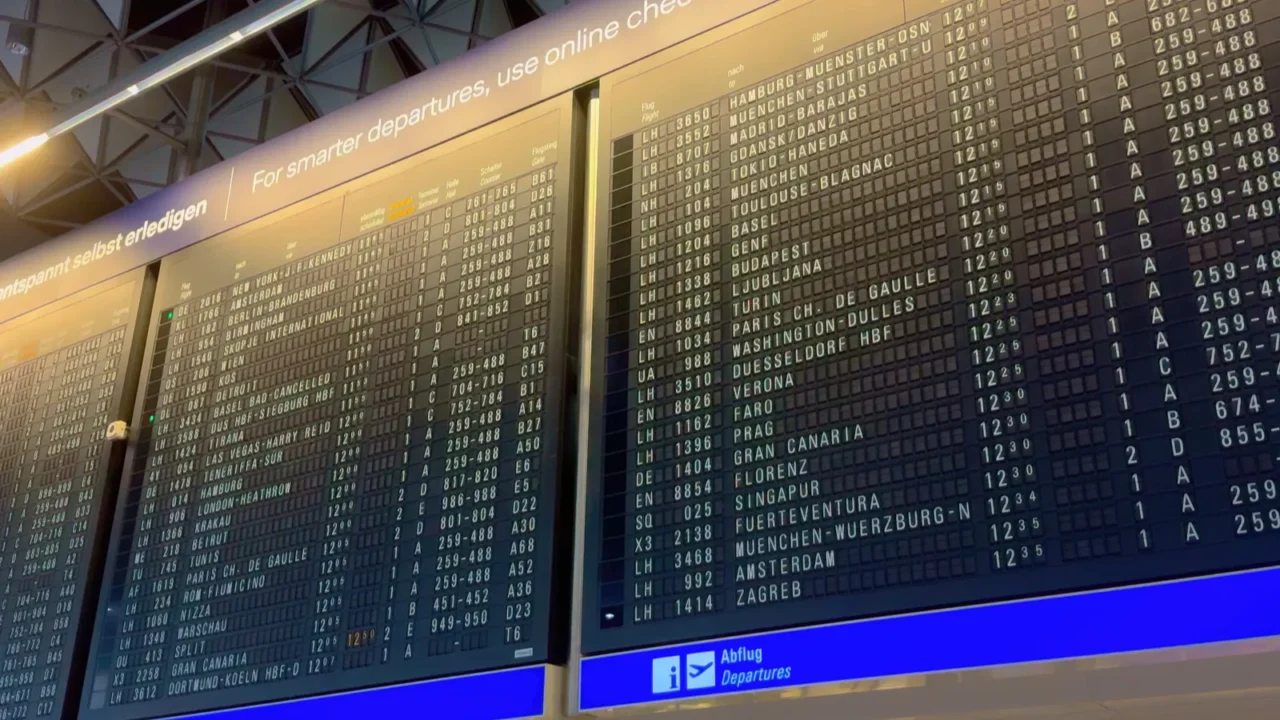
Canadian routes into major U.S. gateways were cut significantly, with arrivals into New York falling 24% in October while Los Angeles felt comparable impacts across key international corridors. Cities across the country recorded roughly 8% dips in international arrivals during peak months, according to U.S. Travel Association data.
Forward booking patterns heading into 2026 reflect the same cautious tone, with carriers making conservative scheduling decisions that mirror what the demand data is actually telling them.

The traveler has simply changed
Perhaps the most fundamental shift happening across American tourism right now is not purely economic. The modern traveler has evolved in permanent ways. Post-pandemic, people consistently prioritize depth over breadth, local immersion over landmark chasing, and honest value over social status signaling.
New York, Miami, and Los Angeles were built for a traveler who wanted to be seen in iconic places. That traveler is increasingly rare, steadily replaced by someone seeking something far more personal and lasting, and if your travel plans still default to the obvious, it may be time to reconsider.
Three cities at a crossroads
New York, Miami, and Los Angeles are far from finished. They are too deeply woven into American culture and the global imagination to simply fade. But 2025 exposed something real: international visitors, once the financial backbone of all three economies, are choosing differently.
The forces quietly reshaping travel across America do not wait, and the destinations that move fastest will define what the next era of American tourism actually looks like.
The cities that defined American travel for decades are shifting beneath our feet. Is the golden age of New York, Miami, and Los Angeles tourism quietly coming to an end, or are they simply changing the rules?
This slideshow was made with AI assistance and human editing.
Don’t forget to follow us for more exclusive content right here on MSN.
Disclaimer: The images used are for illustrative purposes only and do not depict the actual locations mentioned.
Read More From This Brand:
