
A new way to show ID
Travelers are finally getting something easier at airport checkpoints, thanks to Apple’s new Digital ID feature. It lets you move through security without digging for your wallet or risking a lost card.
You can show your passport or state ID right from your iPhone or Apple Watch, giving you a faster and cleaner check-in experience at busy airports. It feels natural, especially during holiday travel when lines stretch forever.

Why TSA approved it
The TSA now accepts Apple’s Digital ID at more than 250 U.S. checkpoints for domestic flights. This means many travelers can verify their identity with a simple scan instead of a long manual inspection.
The system works with advanced CAT readers, which are already part of TSA’s newer lanes. These scanners match the encrypted information from your device with the data on your passport, streamlining the process for both travelers and agents.

How setup actually works
Adding your passport or ID to Wallet is simple, as long as your device supports it. You scan your physical document, tap through a few verification steps, and confirm with Face ID or Touch ID.
Your phone reads the NFC chip inside your passport, which helps create a secure digital version. The whole setup takes only a couple of minutes, and you’re ready to use it at participating airports.
What happens at security
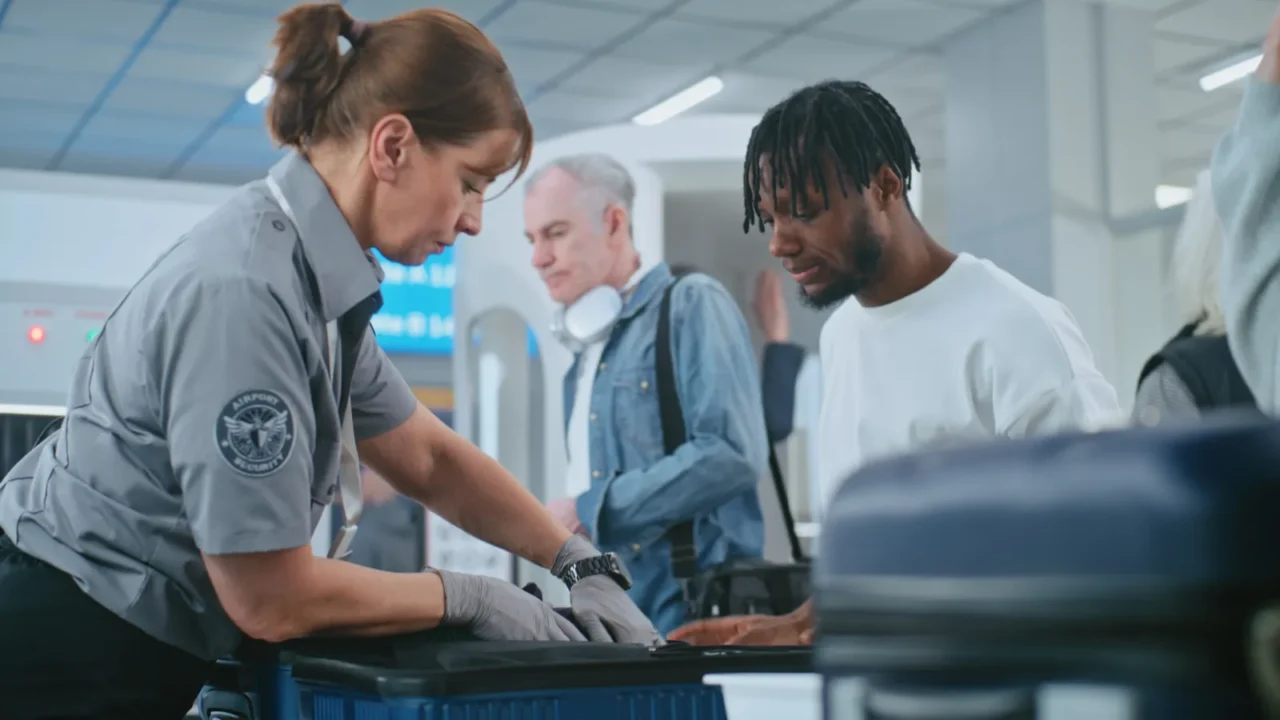
When it’s your turn, you open your Digital ID in Wallet, authenticate with your face or fingerprint, and hold your phone near the TSA scanner. The reader pulls only the information needed for that moment.
The process feels quick and low-stress because you’re in control of what’s shared. Instead of handing over a physical card, everything stays on your device and moves through encrypted channels.
Why it saves time
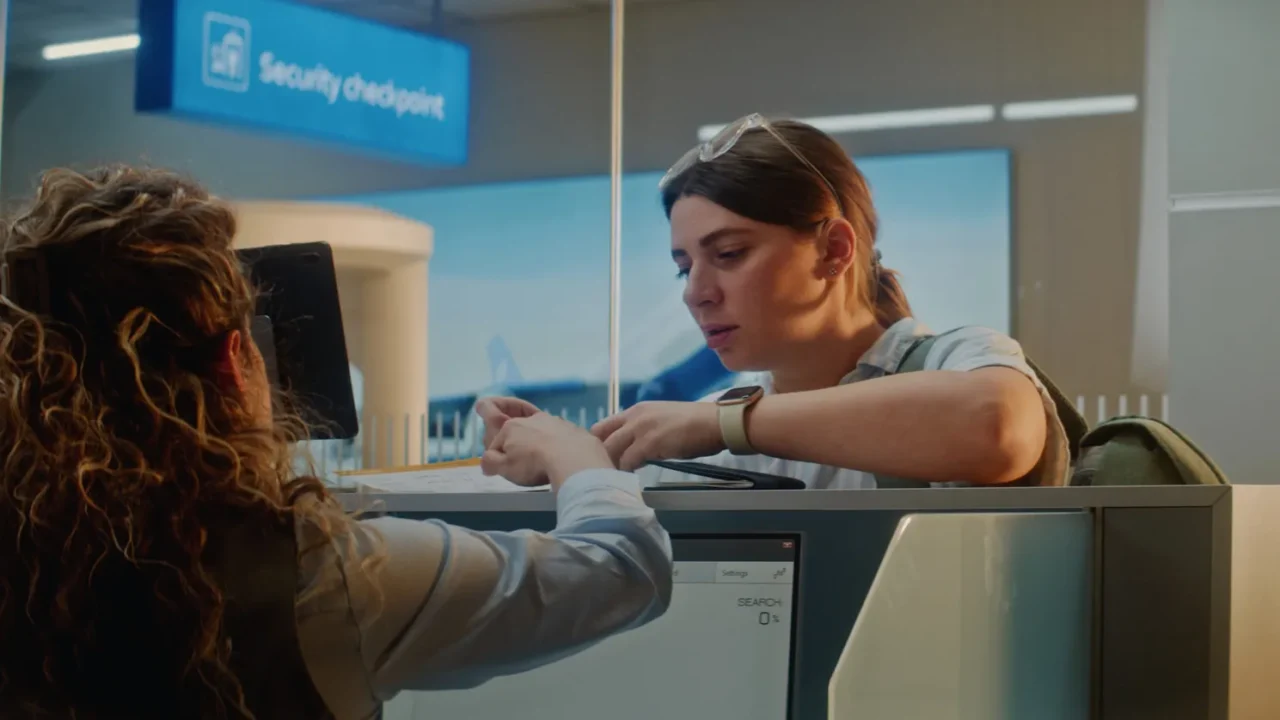
The ID check itself drops from minutes to seconds, which makes a big difference during morning rush hour. Agents don’t have to study your card or compare photos manually.
This smoother flow helps reduce bottlenecks, especially at airports where TSA PreCheck lines get long. Travelers report quicker progress through checkpoints since the technology removes several old steps.

Where it actually works
More than 250 TSA checkpoints now support Digital ID for domestic flights. They include major hubs across the mainland U.S. and Puerto Rico, and more lanes continue to be added. This wide coverage makes it easier for frequent travelers to rely on the feature.
Because this is a beta rollout, availability varies by terminal. But once you’re in a supported lane, the process is consistent, simple, and familiar across airports. The experience feels steady enough that most travelers adjust to it quickly.

Not a passport replacement
Even though the feature uses your passport data, it’s not a substitute for your physical passport when you’re leaving the country. Border checks still require the real document. International authorities rely on physical inspection for verification.
That means anyone flying internationally must pack their physical passport as usual. The digital version is meant for domestic airport identity checks, not travel outside the U.S. or entry into another country. It’s simply an added layer of convenience, not a full travel solution.

Why you still need backup
Technology is convenient, but it can fail. If your battery dies or a checkpoint doesn’t support the system yet, agents will ask for a physical ID. This prevents delays when unexpected issues pop up.
Carrying your real ID ensures you won’t be delayed or turned around at the last minute. It’s simply a smart backup while the technology grows and matures. Most travelers prefer having both options to stay prepared.
Privacy built into the process
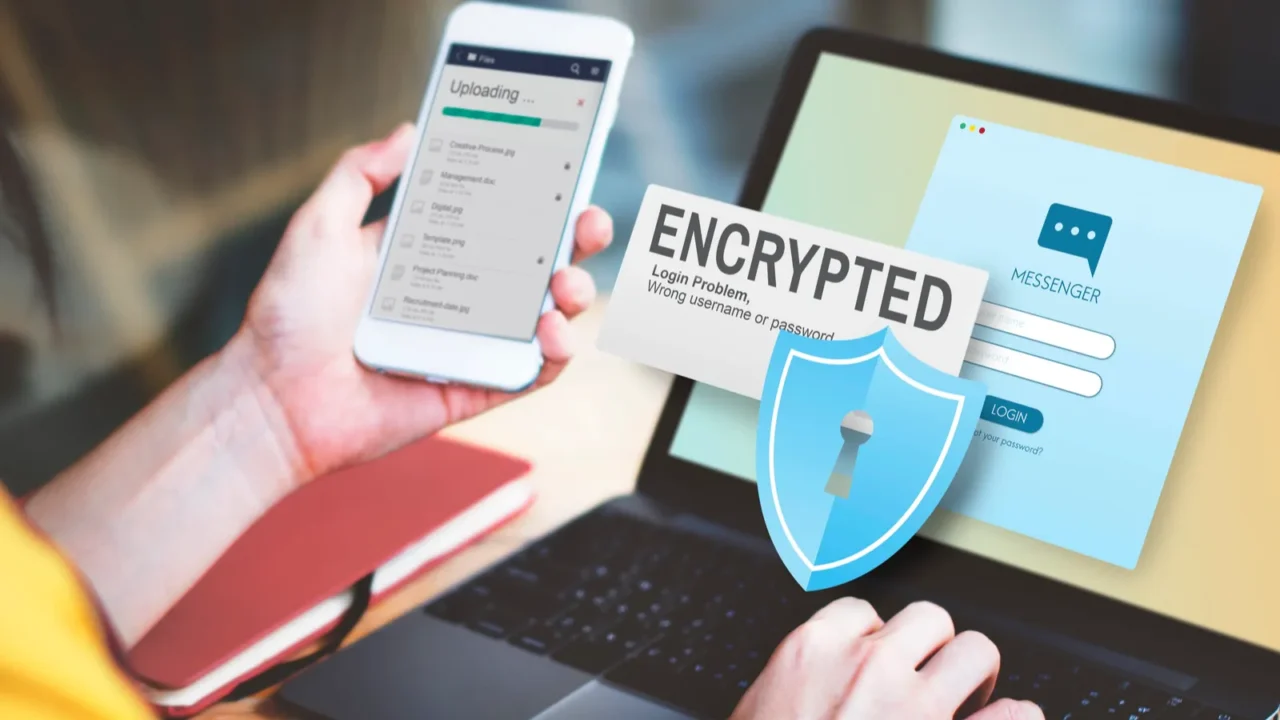
Your data stays encrypted inside the Secure Enclave on your device, which means Apple can’t see or track your Digital ID. TSA also doesn’t gain access to your full personal history. This setup keeps sensitive information tightly controlled.
You see exactly what the scanner requests before you approve anything. That transparency helps travelers feel confident using it, especially those who worry about digital privacy at airports. It builds trust by keeping the user fully in charge of each step.

A smoother experience overall
Travelers who’ve tested the feature describe it as cleaner and more comfortable than handing over a card. There’s no passing your ID to an agent or waiting for manual checks. It creates a quick, hands-free moment at the front of the line.
It reduces the chances of dropping your wallet or misplacing your passport mid-travel. The process feels natural, especially for frequent flyers who already rely on mobile boarding passes. This gives travelers one less thing to manage on busy travel days.
Helping with REAL ID rules
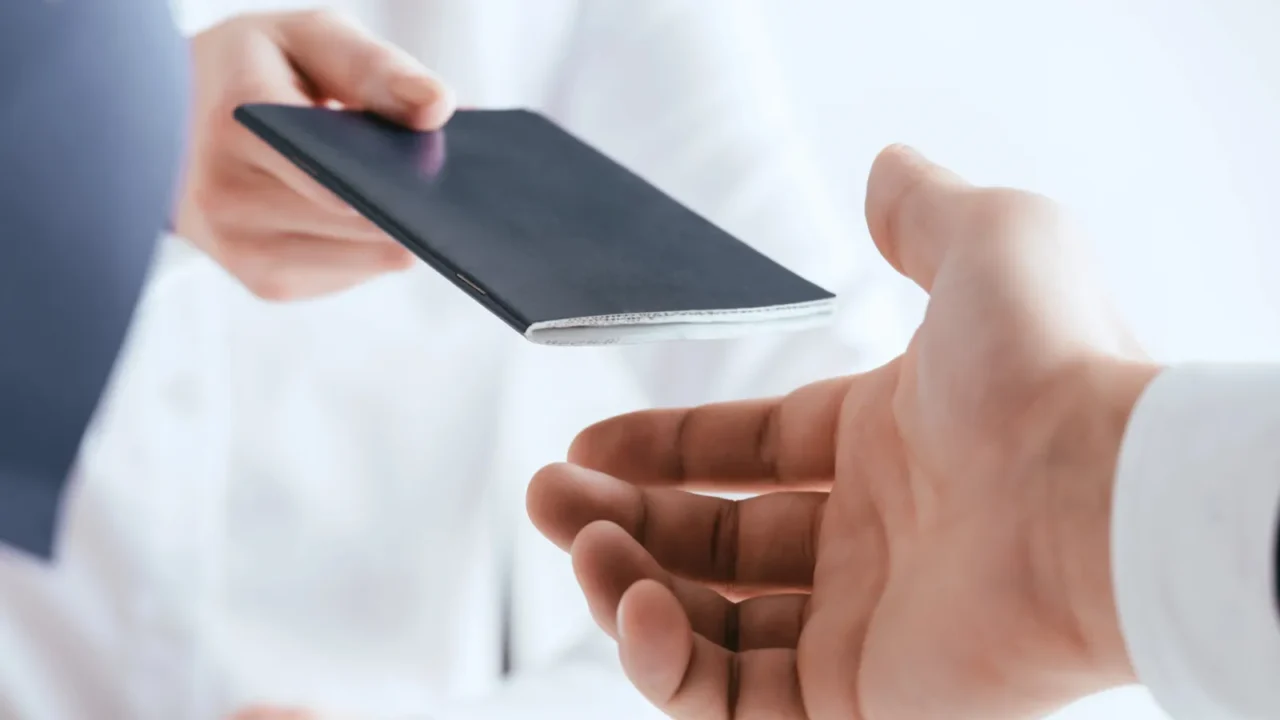
The rollout aligns with the REAL ID enforcement that began in 2025, which raised identification requirements for domestic flights. Digital ID helps travelers who haven’t upgraded yet avoid extra steps. It adds breathing room during a nationwide transition.
Because the digital passport satisfies TSA identity checks, some travelers won’t face delays linked to non-compliant IDs. It gives people a convenient buffer while they sort out their physical documents. This flexibility makes the system easier for millions of flyers.
A step toward the future
Apple Wallet already stores boarding passes, tickets, keys, and credit cards, and adding government IDs brings it closer to being a full travel wallet. That reduces how much you carry on big travel days. It’s part of a wider move toward digital-first travel habits.
Future plans include using Digital ID for age checks at stores or events, making everyday errands faster and simpler. It’s a shift toward digital identity that feels natural for device users. This could eventually streamline many daily moments beyond airports.
Faster lines, fewer hassles, and smoother takeoffs are finally becoming a reality. See which major airports are rolling out the new TSA screening, and find out what it means for your next trip through security.

What travelers need to remember
It works only for domestic TSA identity checks and only at updated airport lanes. It won’t help you cross borders, and it won’t replace your passport for international flights. Knowing these limits helps avoid surprises during travel.
Keep your device charged and your physical ID with you. Think of Digital ID as convenience—not a complete replacement, for how you travel. Using both options keeps your trip smooth from start to finish. In other news, TSA adds new fee for travelers without REAL ID, see how it will affect your next travel plan.
What do you think about using Digital ID at airports? Share your opinions in the comments.
This slideshow was made with AI assistance and human editing.
Don’t forget to follow us for more exclusive content right here on MSN.
Read More From This Brand:
