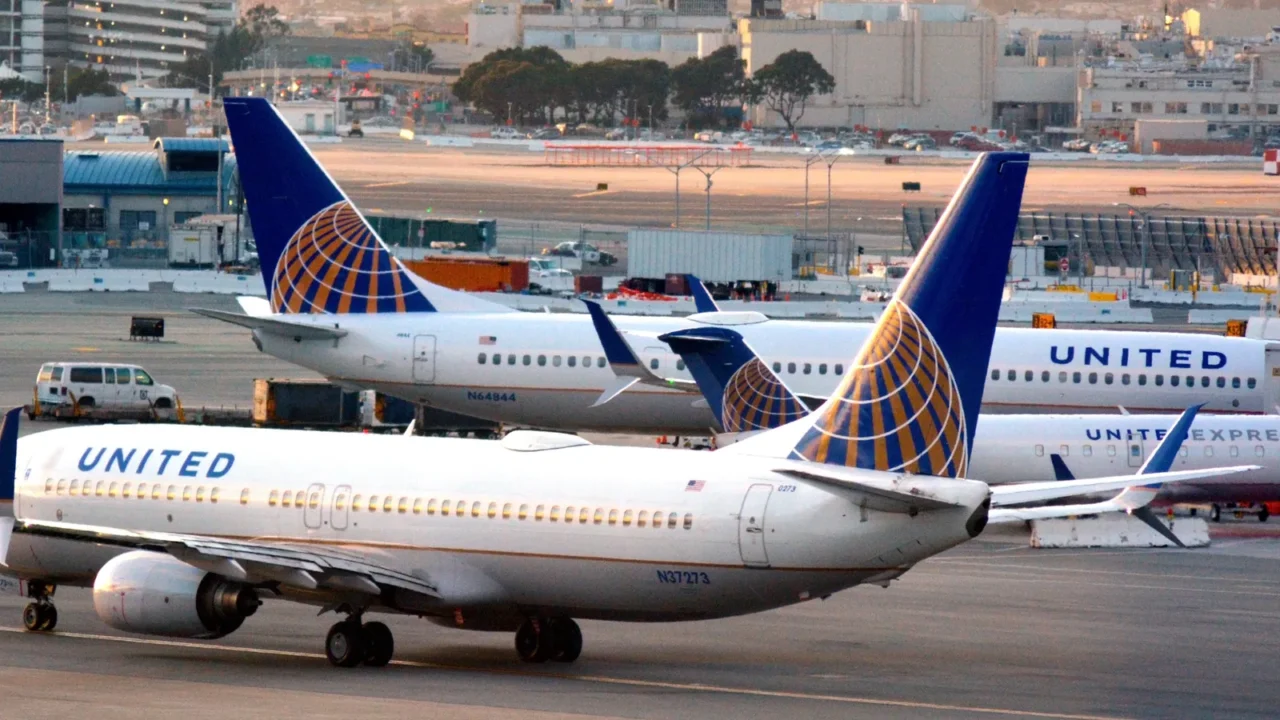
Airline tightens passenger rules
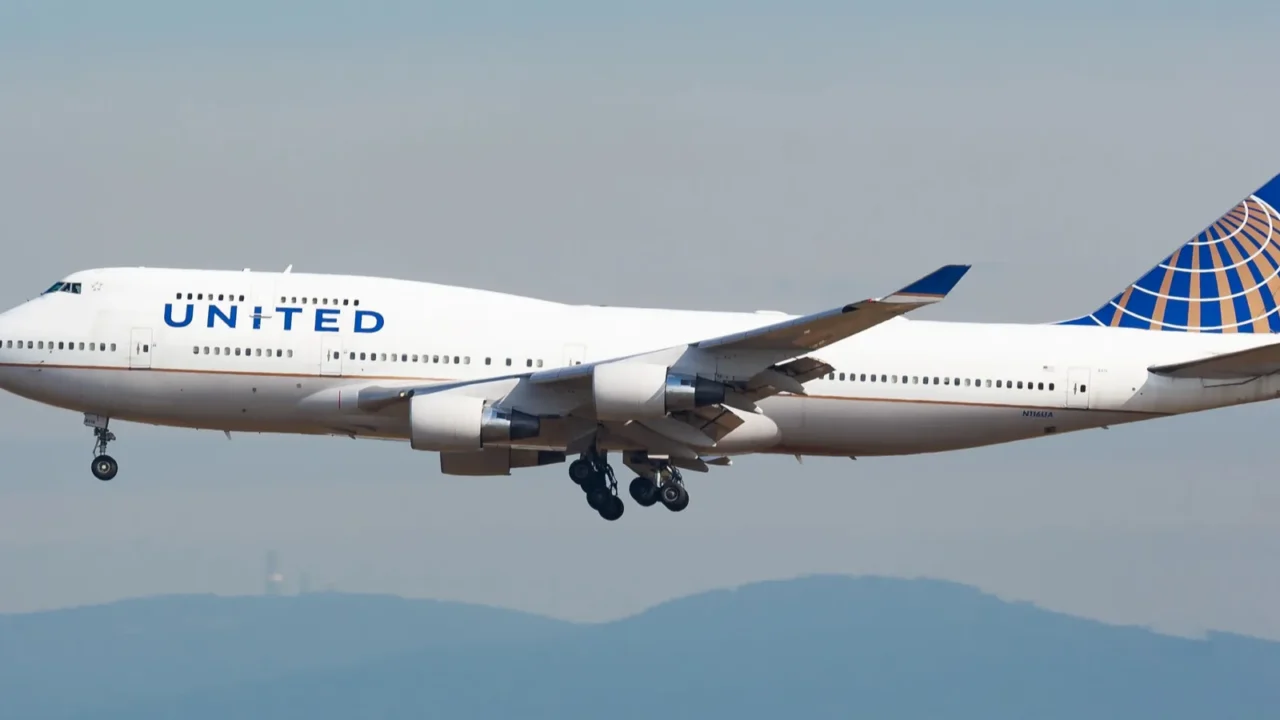
United Airlines recently updated its contract of carriage to make some onboard conduct rules more explicit, including language allowing passengers to be removed or denied boarding for playing audio or video without headphones. The update comes as airlines and regulators continue responding to disruptive passenger behavior that remains a safety concern despite falling from its 2021 peak. The FAA says failing to follow crew instructions or engaging in disruptive behavior can lead to investigations, fines, and possible criminal consequences.
Airlines are increasingly making conduct expectations more explicit during booking, boarding, and onboard announcements. Airlines are reinforcing expectations during boarding and throughout flights. This reflects a broader shift toward maintaining order in busy travel environments.
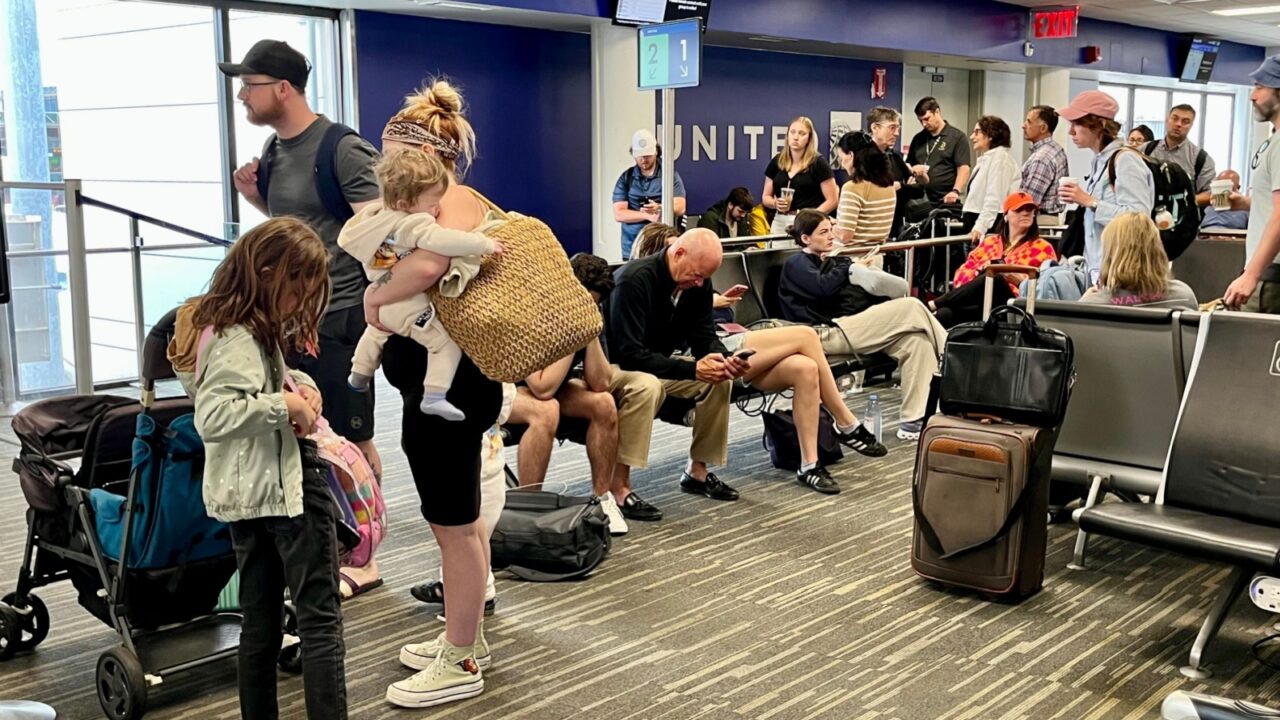
Disruptions prompt stricter enforcement
United has responded to increased reports of disruptive passenger behavior in recent years. Incidents involving refusal to follow crew instructions have drawn attention across the aviation sector. This has led to more consistent enforcement of existing rules.
High-volume flights can be especially sensitive to delays and onboard disruptions. Airlines argue that consistent enforcement of crew instructions helps reduce safety risks and operational interruptions.
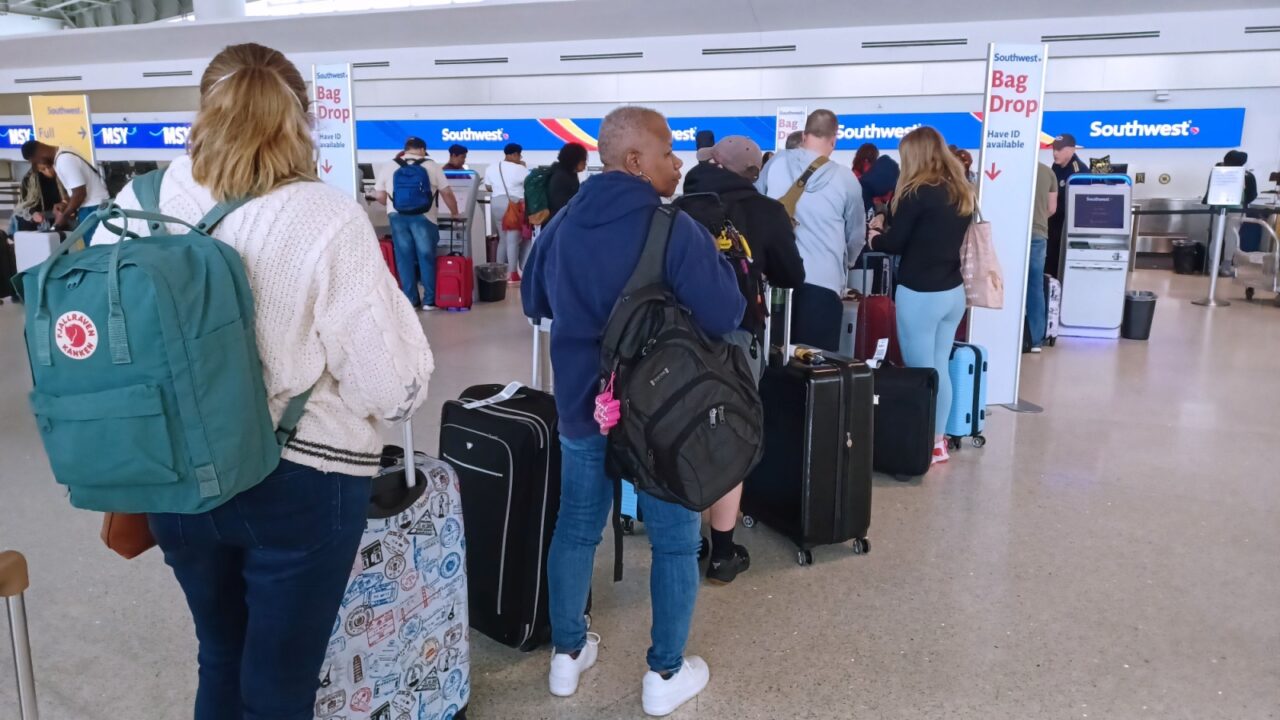
FAA data highlights incidents
The Federal Aviation Administration reports thousands of unruly passenger cases over recent years. While numbers have declined from peak pandemic levels, incidents remain above historical averages. Airlines continue adapting policies in response.
On busy routes, even a single disruptive incident can affect schedules, crew workload, and passenger safety. That is why airlines and regulators continue stressing compliance with crew instructions.
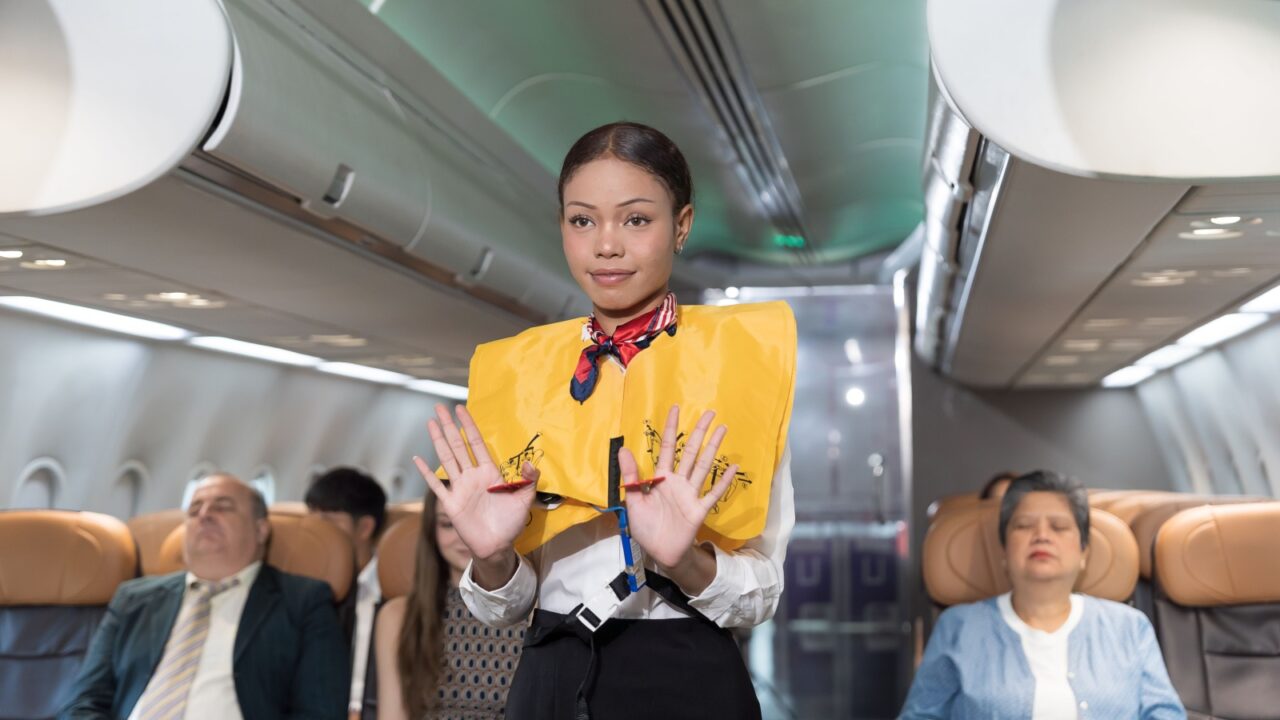
Cabin crew authority reinforced
Airlines and regulators continue to stress that passengers must follow lawful crew instructions during flights. Refusal to comply can lead to removal, denial of boarding, FAA enforcement, or more serious legal consequences in severe cases.
Flights departing from San Francisco and Houston highlight this approach. Crew announcements now often include clearer behavioral expectations. This helps reduce misunderstandings during travel.
Alcohol policies under scrutiny
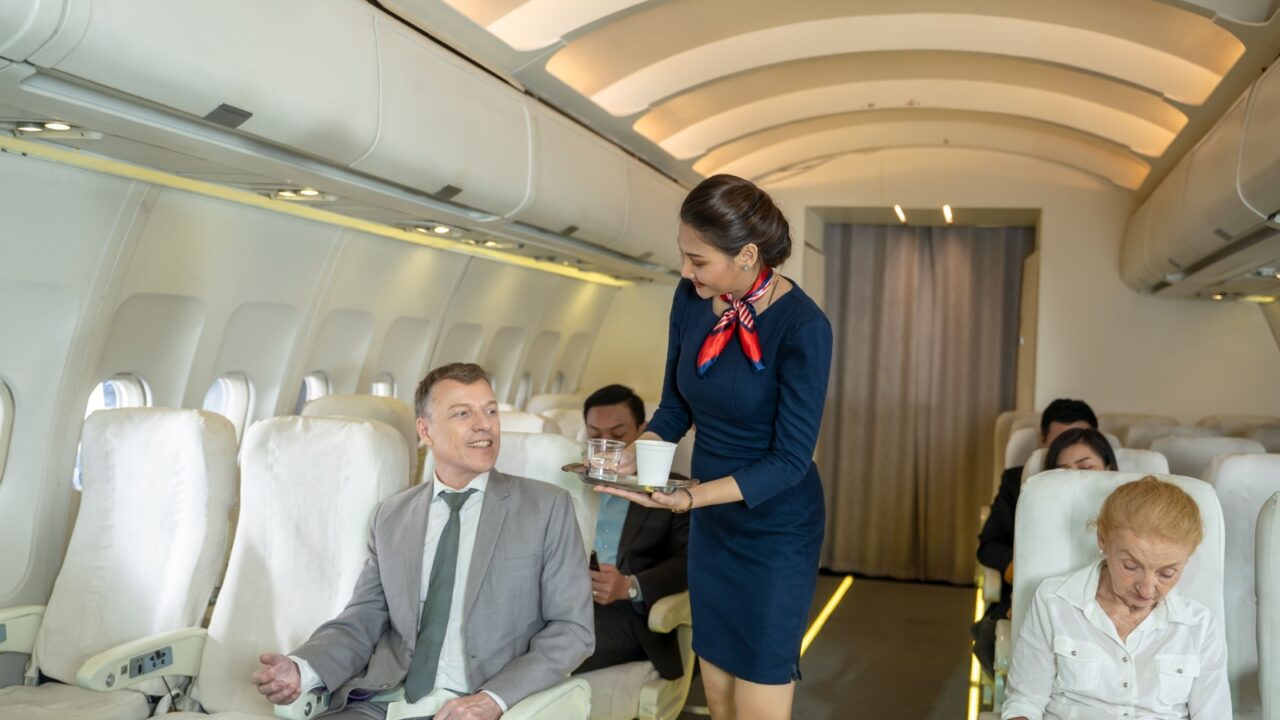
Alcohol remains part of the broader discussion around unruly-passenger behavior, and FAA incident reporting has continued to include cases linked to intoxication. Airlines have long treated service decisions and intoxication screening as part of onboard risk management.
Crew members are trained to monitor passenger condition and intervene when necessary to protect safety onboard. Those decisions are part of wider efforts to prevent disruptive incidents before they escalate.
Incidents peaked during pandemic
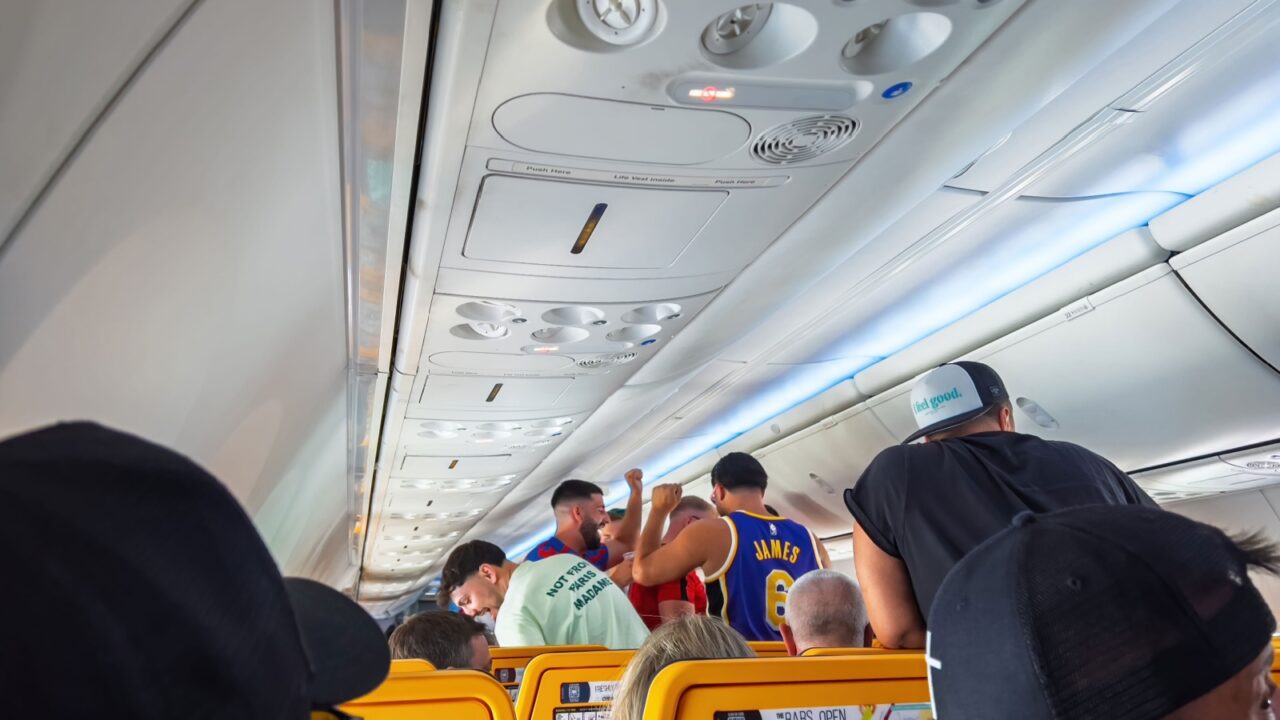
Lesser-known fact: The Federal Aviation Administration received 5,973 reports of unruly passengers in 2021, marking the highest level on record and prompting stricter enforcement across airlines.
Travel through hubs like Orlando and Phoenix reflected this period of disruption. Airlines introduced stricter monitoring and reporting systems. These changes continue influencing current policies.
Global trend impacts aviation
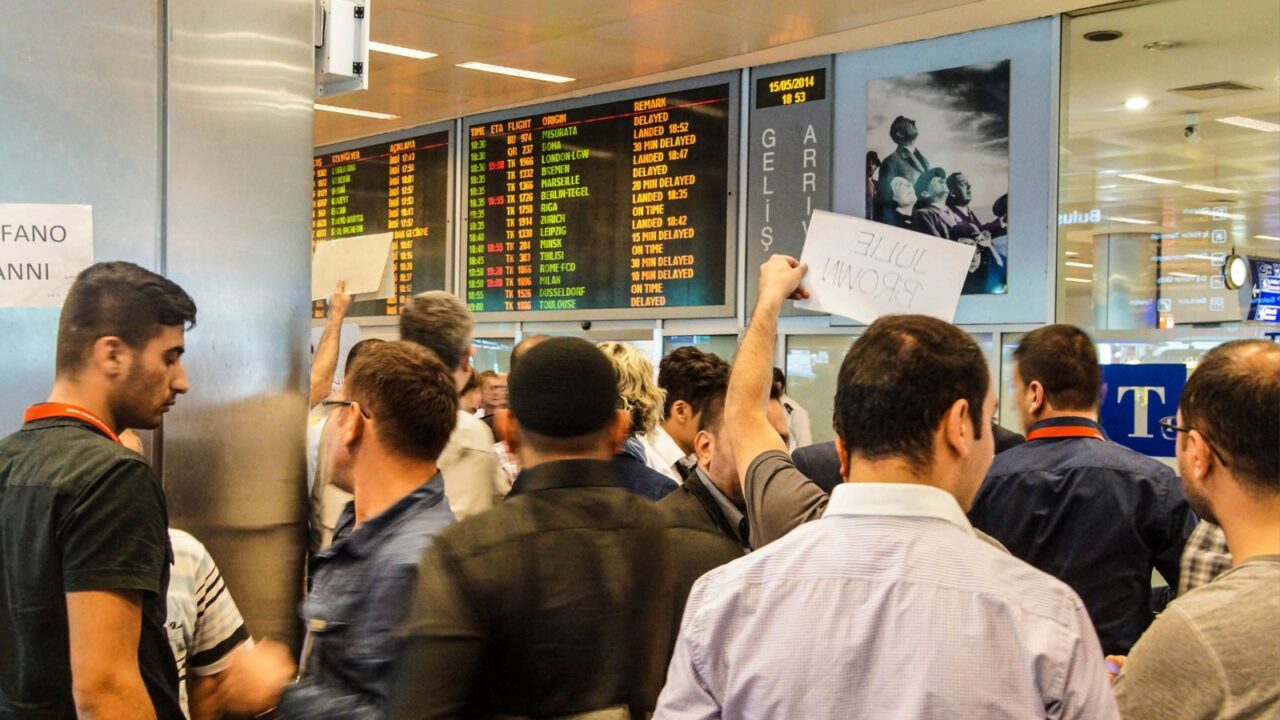
Fact: IATA said that based on more than 24,500 incident reports from over 50 operators, the rate of reported unruly-passenger incidents worsened from one incident per 568 flights in 2022 to one per 480 flights in 2023, with non-compliance with crew instruction the most frequent descriptor.
Flights connecting London and New York City illustrate international impact. Airlines worldwide are aligning policies to address these issues. Global coordination is becoming more important.
Airports support enforcement efforts
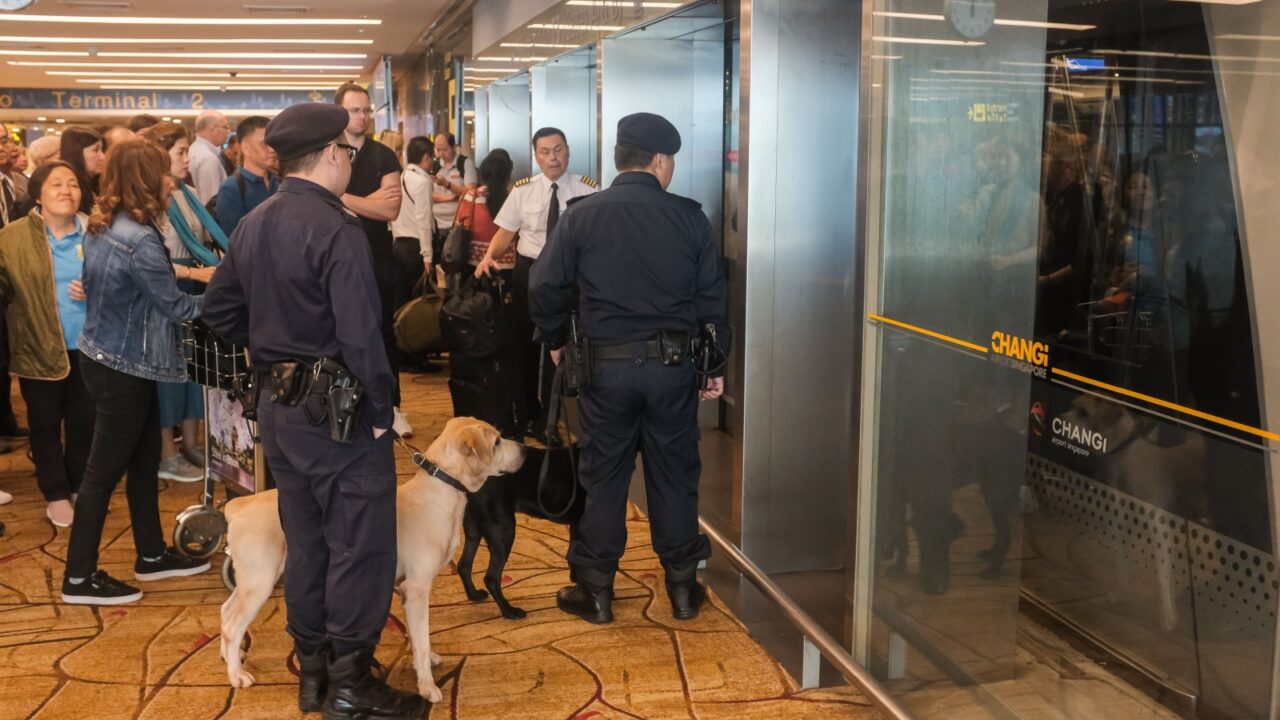
Airports are working alongside airlines to support behavior enforcement measures. Security staff and gate agents are playing larger roles in identifying potential issues early. This helps prevent incidents before boarding.
Airports, gate agents, and airline staff can all play a role in spotting potential issues before departure. Early intervention is intended to reduce the risk of serious disruptions once a flight is underway.
Passenger awareness continues growing
Airlines are increasing communication to ensure passengers understand expectations. Clear messaging is delivered through apps, emails, and airport signage. This helps reduce confusion before boarding.
Travelers using routes like Seattle to Denver often receive reminders before departure. Awareness campaigns focus on respectful behavior and compliance. Education plays a key role in prevention.
Penalties becoming more serious
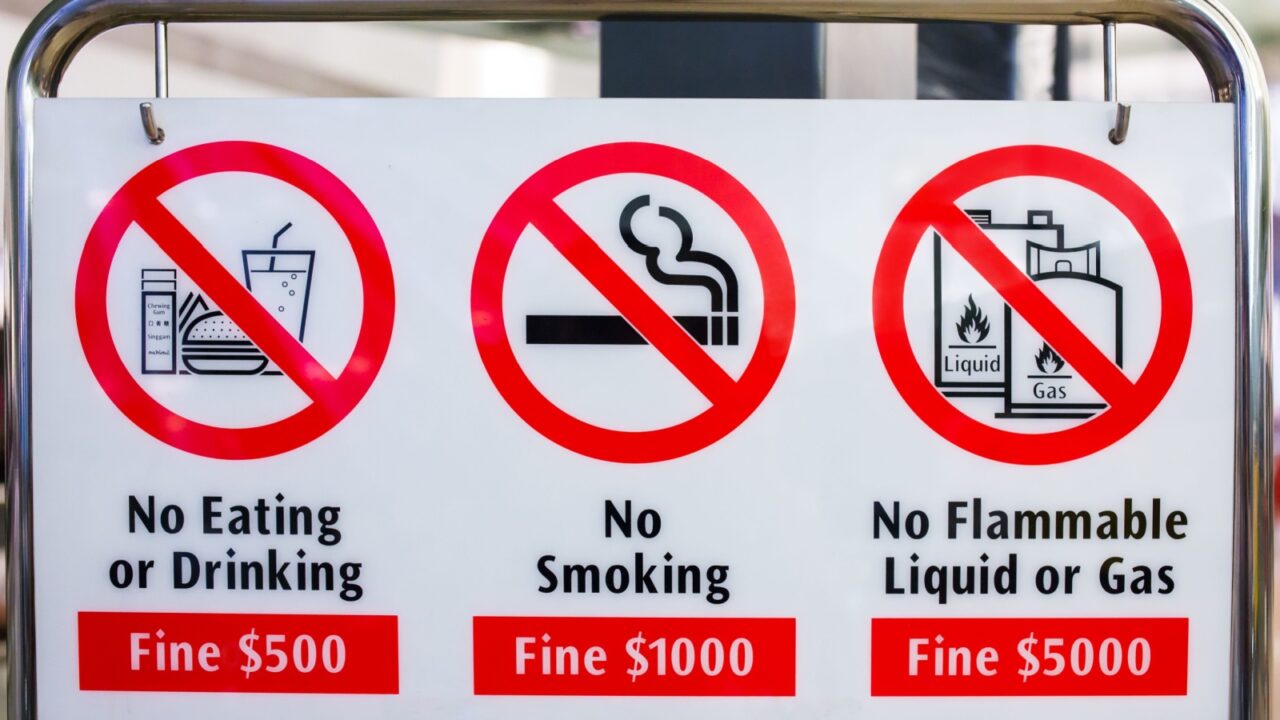
Penalties for disruptive behavior can include removal from a flight, denial of boarding, FAA civil penalties, and referral for criminal investigation in serious cases. The FAA says it can propose fines of up to $43,658 per violation.
Federal authorities continue to emphasize accountability for passengers who threaten safety or interfere with crew duties. That posture reflects the FAA’s continuing zero-tolerance approach to unruly behavior.
Travel experience remains priority
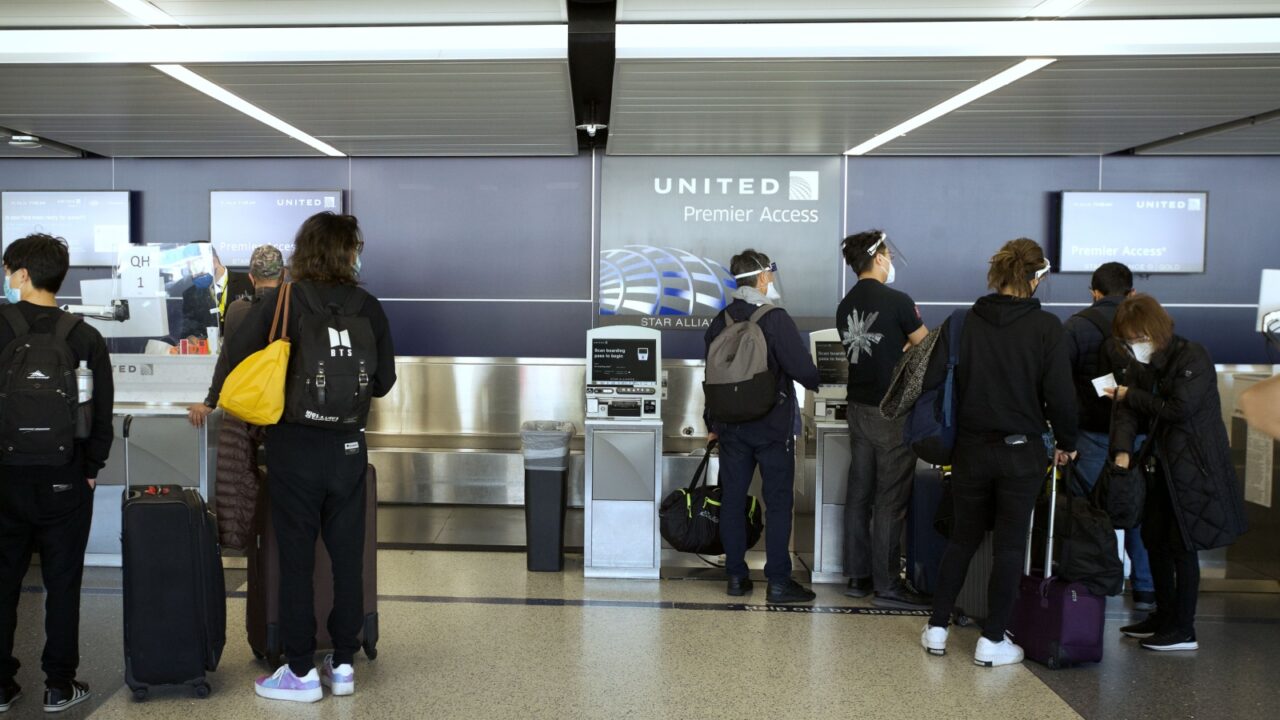
Despite stricter rules, airlines aim to maintain a comfortable travel experience. Policies are designed to balance safety with customer satisfaction. Most flights operate without disruption.
Destinations like Los Angeles and Chicago continue to see steady travel demand. Airlines are focused on smooth operations. Passenger cooperation supports this goal.
Etiquette becomes travel factor
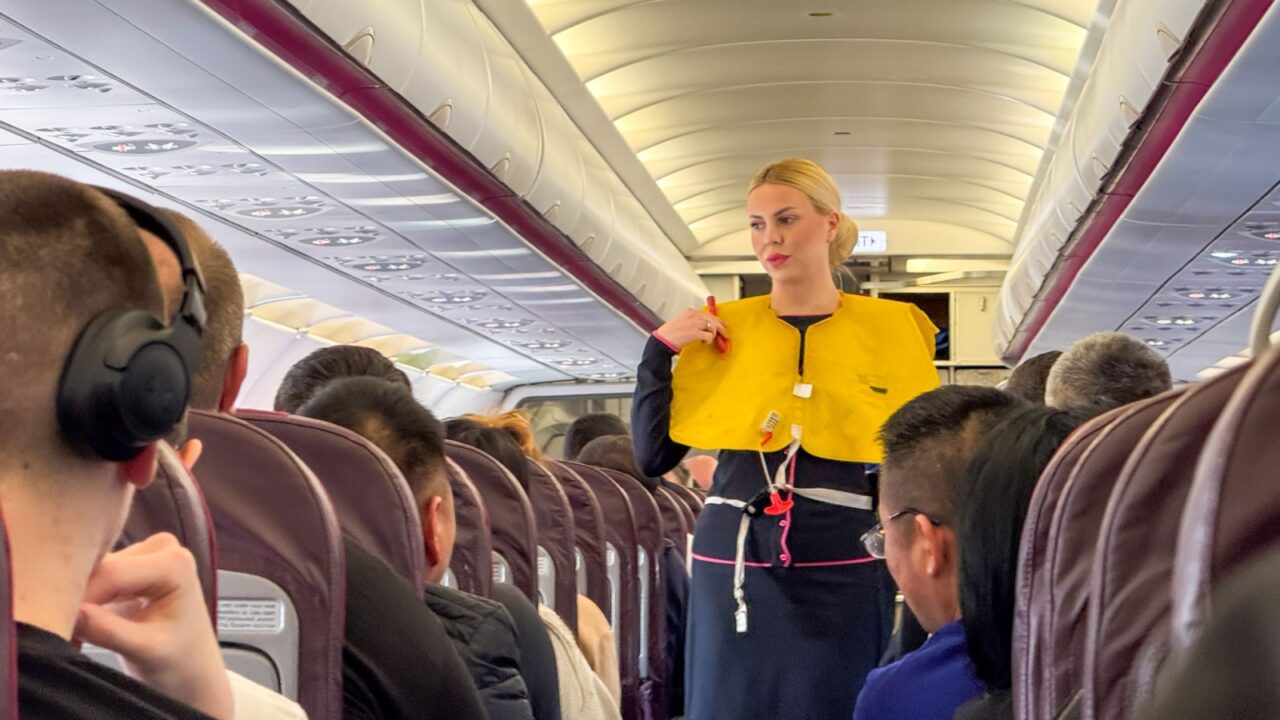
Flight etiquette is increasingly becoming a factor in overall travel planning. Passengers are more aware of expectations when flying. Behavior guidelines are now part of the journey.
Travel culture is evolving alongside stricter policy enforcement, and at the same time, airline loyalty programs are evolving, reshaping how frequent flyers earn, retain, and use benefits, highlighting that modern air travel is no longer just about reaching a destination, but navigating an increasingly structured and expectation-driven ecosystem.
Travel culture continues evolving
Air travel continues to evolve as airlines respond to changing passenger behavior. Stricter enforcement is shaping expectations across the industry. The focus remains on safety and consistency.
Flights across cities like New York City and Las Vegas highlight these ongoing changes. Travelers are adapting to clearer rules and expectations.
How are stricter airline policies shaping travel experiences today? Share thoughts below.
This slideshow was made with AI assistance and human editing.
Don’t forget to follow us for more exclusive content right here on MSN.
Read More From This Brand:
